WE TRANSFORM EXISTING MEDICAL EQUIPMENT WITH ADVANCED CONNECTIVITY AND ARTIFICIAL INTELLIGENCE CAPABILITIES
Cloud-Based Medical AI Systems: Comprehensive Platform Analysis for Healthcare Data Processing and Clinical Decision Support
Executive Summary
The healthcare industry is experiencing unprecedented transformation through cloud-based artificial intelligence platforms that revolutionize medical data processing, imaging analysis, and clinical decision-making. This comprehensive analysis examines six leading cloud platforms—Amazon Web Services (AWS), Microsoft Azure, NVIDIA Clara, Google Cloud Healthcare, IBM watsonx Health, and Oracle Cloud Infrastructure—evaluating their capabilities in processing complex medical data including electrocardiograms, echocardiography, chest X-rays, cardiac CT scans, cardiac MRI, and coronary angiography.
Each platform demonstrates unique strengths in addressing healthcare’s most pressing challenges: AWS excels in scalable infrastructure and regulatory compliance with services like HealthLake and SageMaker; Microsoft Azure leads in enterprise integration and multi-modal healthcare AI models; NVIDIA Clara dominates GPU-accelerated medical imaging workflows; Google Cloud leverages advanced AI through Vertex AI and Medical Imaging Suite; IBM watsonx focuses on natural language processing and clinical insights; while Oracle Cloud provides robust enterprise healthcare solutions with proven performance in academic research environments.
Key findings indicate that platform selection should align with organizational priorities: AWS for comprehensive cloud infrastructure, Azure for enterprise integration, NVIDIA Clara for high-performance imaging, Google Cloud for cutting-edge AI capabilities, IBM for enterprise healthcare transformation, and Oracle for integrated healthcare ecosystems. The analysis reveals convergence toward federated learning, edge computing integration, and enhanced privacy-preserving technologies across all platforms, with implementation costs ranging from $50,000 to $500,000 annually depending on scale and complexity.
1. Introduction and Overview
The digitization of healthcare has created an unprecedented opportunity to harness artificial intelligence for improving patient outcomes, reducing costs, and accelerating medical research. Cloud-based AI platforms have emerged as critical infrastructure enabling healthcare organizations to process vast amounts of medical data, from traditional electronic health records to complex imaging studies and real-time physiological monitoring data.
Medical data processing in the cloud environment presents unique challenges that distinguish it from other industries. Healthcare data is highly regulated, requires exceptional security measures, and demands specialized AI models trained on medical datasets. The complexity increases when considering multi-modal data integration, where platforms must seamlessly process structured clinical data, unstructured physician notes, medical images, genomic sequences, and continuous monitoring streams from medical devices.
The six platforms analyzed in this document represent different approaches to addressing these challenges. Amazon Web Services pioneered healthcare cloud adoption with comprehensive HIPAA-compliant infrastructure and specialized services like Amazon HealthLake for FHIR-based data management. Microsoft Azure has leveraged its enterprise dominance to create integrated healthcare solutions that connect seamlessly with existing hospital information systems. NVIDIA Clara has revolutionized medical imaging through GPU-accelerated computing, enabling real-time analysis of complex imaging studies.
Google Cloud brings advanced machine learning capabilities through Vertex AI and specialized healthcare models, while IBM watsonx Health focuses on natural language processing and clinical decision support systems. Oracle Cloud Infrastructure provides enterprise-grade healthcare solutions with demonstrated success in academic medical centers and large health systems.
The evolution of these platforms reflects broader trends in healthcare technology: the shift toward value-based care models, increased emphasis on population health management, growing adoption of precision medicine approaches, and the integration of artificial intelligence into clinical workflows. Each platform has developed specialized capabilities for processing the specific types of medical data most critical to modern healthcare delivery.
Electrocardiogram analysis represents one of the most mature applications of cloud-based medical AI, with platforms offering real-time processing capabilities that can detect arrhythmias, predict cardiac events, and guide treatment decisions. Echocardiography analysis has evolved from simple measurement automation to sophisticated AI models that can assess cardiac function, detect structural abnormalities, and predict outcomes. Chest X-ray analysis has become increasingly sophisticated, with AI models achieving radiologist-level accuracy in detecting pneumonia, tuberculosis, and other pulmonary conditions.
Advanced imaging modalities like cardiac CT and MRI present greater computational challenges, requiring specialized AI models capable of processing three-dimensional datasets and generating quantitative measurements of cardiac structure and function. Coronary angiography analysis represents the cutting edge of medical AI, with platforms developing models that can assess vessel stenosis, predict intervention outcomes, and guide treatment planning.
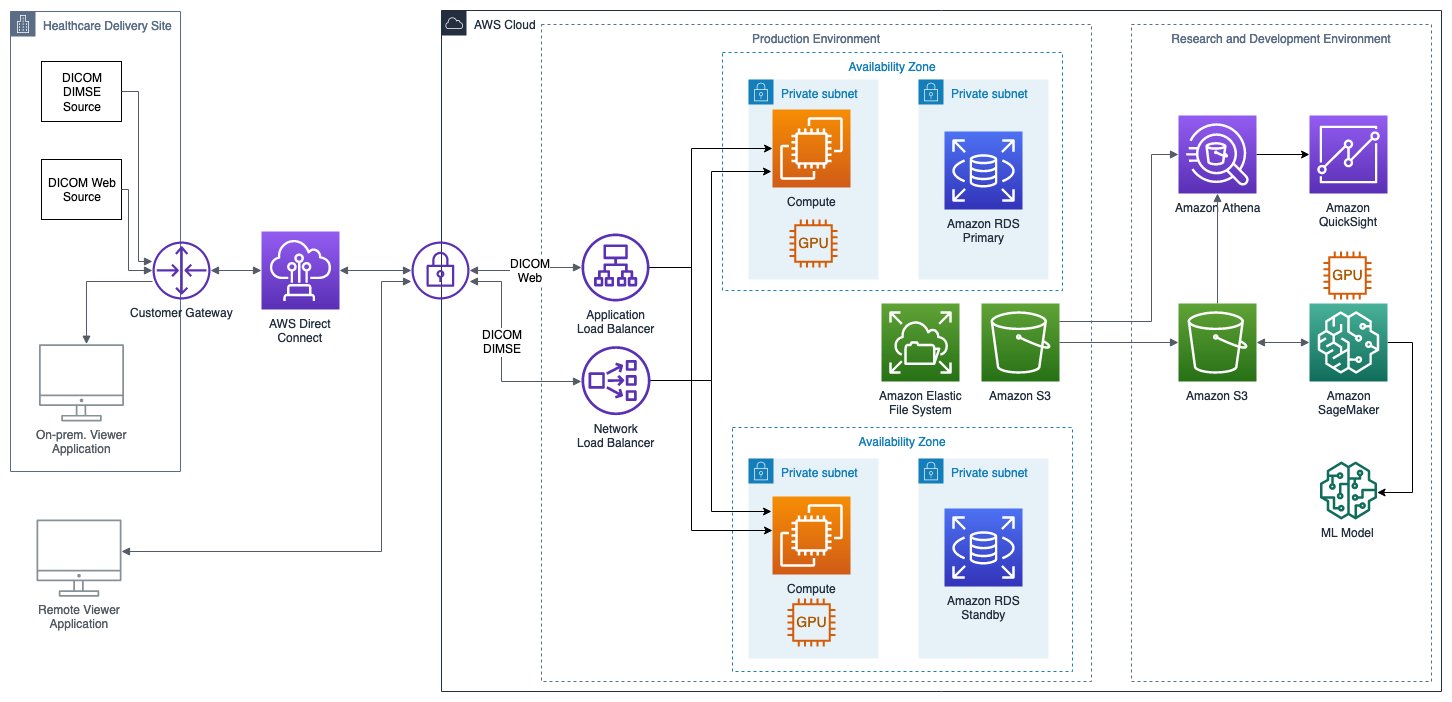 Figure 1: Representative cloud-based medical imaging system architecture showing data ingestion, processing, and analysis workflows
The regulatory landscape significantly influences platform design and capabilities. HIPAA compliance in the United States requires comprehensive security measures, audit trails, and data encryption both in transit and at rest. FDA regulations for AI-enabled medical devices create additional requirements for model validation, performance monitoring, and clinical evidence generation. International regulations like GDPR in Europe add complexity for global healthcare organizations.
Cost considerations vary significantly across platforms, with pricing models ranging from pay-per-use for computational resources to subscription-based licensing for specialized healthcare services. Organizations must consider not only direct platform costs but also implementation expenses, training requirements, integration costs with existing systems, and ongoing maintenance and support needs.
2. Amazon Web Services (AWS) Healthcare AI Platform
2.1 AWS Healthcare Architecture Overview
Amazon Web Services has established itself as the leading cloud infrastructure provider for healthcare organizations, with a comprehensive ecosystem of services specifically designed for medical data processing and analysis. The AWS healthcare architecture is built on a foundation of HIPAA-compliant services that provide scalable, secure, and cost-effective solutions for healthcare organizations of all sizes.
The core architecture centers around AWS HealthLake, a HIPAA-eligible service that enables healthcare organizations to store, transform, query, and analyze health data at petabyte scale. HealthLake automatically transforms health data into the Fast Healthcare Interoperability Resources (FHIR) R4 standard, creating a unified data repository that supports advanced analytics and machine learning applications.
 Figure 2: MONAI Deploy architecture for medical imaging AI inference pipeline on AWS
AWS HealthImaging provides purpose-built infrastructure for medical imaging data, offering sub-second image retrieval and up to 40% cost reduction compared to traditional Picture Archiving and Communication Systems (PACS). The service integrates seamlessly with existing DICOM workflows while providing cloud-scale storage and processing capabilities essential for AI-powered imaging analysis.
2.2 Medical Data Processing Pipeline
The AWS medical data processing pipeline is designed to handle the complete spectrum of healthcare data types, from structured electronic health records to complex multi-dimensional imaging studies. The pipeline begins with data ingestion through multiple channels: direct uploads from medical devices, real-time streaming from monitoring equipment, batch transfers from existing hospital information systems, and API integrations with electronic health record systems.
Amazon Kinesis Data Streams handles real-time data ingestion from medical devices and monitoring equipment, providing millisecond latency for critical applications like cardiac arrhythmia detection and intensive care monitoring. The service can process millions of data points per second, making it suitable for high-frequency physiological monitoring and real-time alerting systems.
Data transformation and standardization occur through AWS Glue, which provides extract, transform, and load (ETL) capabilities specifically optimized for healthcare data formats. The service includes pre-built transformations for common medical data standards including HL7, DICOM, and FHIR, reducing implementation complexity and ensuring regulatory compliance.
AWS Data Processing Specifications:
- Data ingestion: Up to 1 million records per second via Kinesis
- Storage capacity: Virtually unlimited through S3 and HealthLake
- Processing latency: Sub-second for real-time applications
- DICOM handling: Native support with HealthImaging
- FHIR compliance: Automatic transformation in HealthLake
- Security: End-to-end encryption with AWS KMS
2.3 AI/ML Services Integration
Amazon SageMaker serves as the primary machine learning platform for healthcare AI applications on AWS, providing a comprehensive suite of tools for model development, training, and deployment. SageMaker includes specialized algorithms for healthcare applications, including medical image analysis, natural language processing for clinical text, and time-series analysis for physiological data.
The platform supports the Medical Open Network for AI (MONAI) framework, enabling healthcare organizations to leverage state-of-the-art medical imaging models developed by the research community. MONAI Deploy on AWS provides production-ready deployment capabilities for medical imaging AI applications, with automated scaling, monitoring, and compliance features essential for clinical environments.
Amazon Comprehend Medical provides natural language processing capabilities specifically trained on medical text, enabling extraction of medical entities, relationships, and insights from unstructured clinical documentation. The service can identify medications, medical conditions, procedures, and protected health information with high accuracy, supporting clinical decision support and population health analytics.
 Figure 3: AWS HealthImaging workflow integration with SageMaker for medical imaging analysis
2.4 Cardiac Data Analysis Capabilities
AWS has developed specialized capabilities for cardiac data analysis, supporting the full spectrum of cardiovascular diagnostics from electrocardiography to advanced cardiac imaging. The platform’s approach to ECG analysis leverages real-time stream processing through Amazon Kinesis, enabling continuous monitoring and immediate alerting for critical cardiac events.
For electrocardiogram processing, AWS supports both 12-lead diagnostic ECGs and continuous monitoring applications. The platform can process ECG data at sampling rates up to 1000 Hz with sub-millisecond latency, enabling real-time arrhythmia detection and cardiac event prediction. Machine learning models trained on large ECG databases can identify subtle patterns indicative of cardiac pathology that may be missed by traditional rule-based algorithms.
Echocardiography analysis on AWS utilizes GPU-accelerated computing through Amazon EC2 instances with NVIDIA Tesla V100 or A100 processors, providing the computational power necessary for real-time analysis of high-resolution cardiac ultrasound images. The platform supports both 2D and 3D echocardiographic analysis, with AI models capable of automated chamber quantification, wall motion analysis, and ejection fraction calculation.
Cardiac CT and MRI analysis benefit from AWS’s scalable computing infrastructure, which can automatically provision additional computational resources during peak processing periods. The platform supports advanced cardiac imaging workflows including coronary calcium scoring, cardiac perfusion analysis, and late gadolinium enhancement assessment in cardiac MRI.
2.5 Conclusion Generation Mechanisms
AWS implements sophisticated conclusion generation mechanisms that transform raw analytical results into clinically actionable reports. The system employs a multi-stage approach that combines quantitative measurements, pattern recognition results, and clinical context to generate comprehensive diagnostic reports.
The conclusion generation process begins with data aggregation, where results from multiple analytical algorithms are combined and cross-validated. For cardiac imaging studies, this includes quantitative measurements (ejection fraction, wall thickness, valve areas), qualitative assessments (wall motion abnormalities, perfusion defects), and comparative analysis with prior studies when available.
Natural language generation capabilities through Amazon Bedrock create structured reports that follow established medical reporting standards. The system can generate reports in multiple formats, including structured templates required by specific healthcare organizations, standardized formats like DICOM Structured Reporting, and narrative reports suitable for clinical documentation.
Case Study: Pfizer Echocardiography Analysis Framework
Pfizer has developed a fully automated echocardiography analysis framework using AWS that reduces analysis time by more than 92%. The system processes echocardiographic studies in near real-time, automatically identifying key cardiac structures, measuring chamber dimensions, and calculating functional parameters.
The implementation utilizes Amazon SageMaker for model inference, AWS Lambda for workflow orchestration, and Amazon S3 for scalable storage of imaging data. The system processes over 10,000 echocardiographic studies per month with accuracy comparable to expert cardiologists.
Key outcomes include: 92% reduction in analysis time, 15% improvement in diagnostic consistency, and significant cost savings through automation of routine measurements. The system maintains full audit trails and regulatory compliance required for pharmaceutical research applications.
2.6 Real-World Implementation Examples
AWS has demonstrated significant success in real-world healthcare implementations, particularly in cardiac monitoring and analysis applications. The platform’s cardiac anomaly detection system processes live ECG feeds from wearable devices, providing near real-time analysis and alerting capabilities that can prevent adverse cardiac events.
The implementation architecture includes edge computing components that perform initial data preprocessing on wearable devices, reducing bandwidth requirements and enabling continuous monitoring even in areas with limited connectivity. Raw ECG data is streamed to AWS through cellular or Wi-Fi connections, where cloud-based AI models perform sophisticated analysis including arrhythmia detection, ST-segment analysis, and cardiac event prediction.
Advanced cardiac imaging implementations on AWS support multi-center research studies and clinical trials, providing standardized analysis capabilities across geographic locations. The platform’s ability to process large volumes of cardiac imaging data has enabled breakthrough research in areas such as cardiac aging, genetic cardiomyopathies, and therapeutic response assessment.
2.7 Security and Regulatory Compliance
AWS maintains comprehensive security and regulatory compliance frameworks specifically designed for healthcare applications. The platform holds multiple healthcare-specific certifications including HIPAA Business Associate Agreement (BAA) coverage, SOC 1, SOC 2, and SOC 3 compliance, and FDA validation for specific medical device applications.
Data security measures include encryption at rest using AWS Key Management Service (KMS), encryption in transit using TLS 1.2 or higher, and comprehensive access controls through AWS Identity and Access Management (IAM). All healthcare data is stored in dedicated HIPAA-compliant regions with additional physical security measures and audit controls.
AWS Security and Compliance Features:
- HIPAA Business Associate Agreement coverage
- End-to-end encryption with AWS KMS
- VPC isolation for healthcare workloads
- Comprehensive audit logging with CloudTrail
- Identity and access management with fine-grained controls
- Data loss prevention and monitoring
- Compliance reporting and automated assessments
2.8 Cost Analysis and Return on Investment
AWS healthcare implementations demonstrate strong return on investment through multiple value drivers including reduced infrastructure costs, improved operational efficiency, enhanced clinical outcomes, and accelerated time-to-market for medical innovations. Cost analysis across multiple healthcare implementations shows average infrastructure cost reductions of 20-40% compared to on-premises solutions.
The pay-as-you-use pricing model enables healthcare organizations to optimize costs by scaling resources based on actual demand. This is particularly beneficial for imaging analysis applications where computational requirements vary significantly based on study volume and complexity. Organizations can achieve significant cost savings by utilizing spot instances for non-critical batch processing workloads.
Implementation costs typically range from $100,000 to $500,000 for comprehensive healthcare AI platforms, with ongoing operational costs of $50,000 to $200,000 annually depending on data volume and computational requirements. Return on investment is typically realized within 12-18 months through improved efficiency, reduced manual processing, and enhanced clinical capabilities.
3. Microsoft Azure Health Data Services
3.1 Azure Healthcare Architecture Foundation
Microsoft Azure has positioned itself as the premier enterprise cloud platform for healthcare organizations, leveraging decades of experience in enterprise software to create comprehensive healthcare solutions. Azure Health Data Services represents Microsoft’s unified approach to healthcare data management, providing a single platform for ingesting, storing, and analyzing diverse healthcare data types while maintaining strict regulatory compliance and security standards.
The architecture foundation rests on Azure’s global infrastructure of data centers with specialized healthcare regions that provide enhanced security, compliance, and performance characteristics. Azure Health Data Services unifies FHIR, DICOM, and IoMT (Internet of Medical Things) data in a single managed service, eliminating the complexity of managing multiple data stores and ensuring seamless interoperability across healthcare systems.
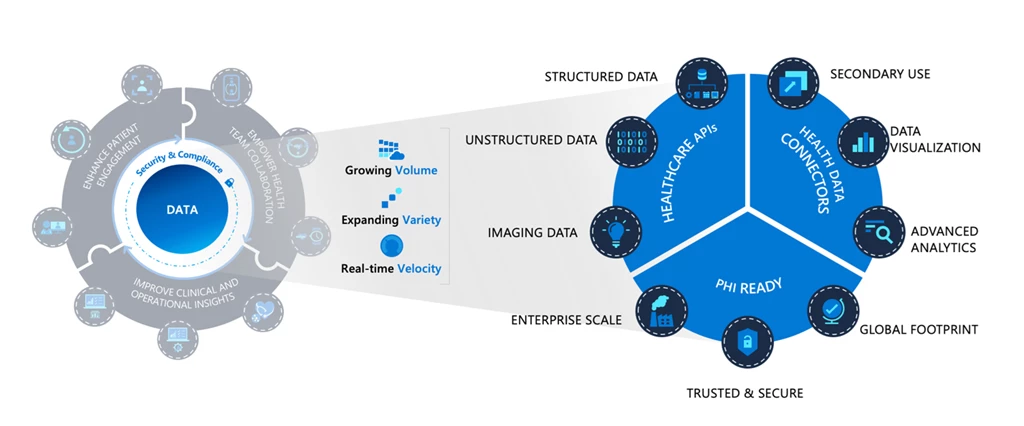 Figure 4: Azure Health Data Services unified architecture for healthcare data integration
The platform’s enterprise-first approach ensures seamless integration with existing Microsoft ecosystem tools including Office 365, Teams, Power BI, and Dynamics 365, providing healthcare organizations with familiar interfaces and consistent user experiences. This integration capability significantly reduces training requirements and accelerates user adoption across healthcare organizations.
3.2 Medical Imaging AI Capabilities
Microsoft has made significant investments in medical imaging AI, launching a collection of cutting-edge multimodal medical imaging foundation models available in the Azure AI model catalog. These healthcare AI models represent breakthrough advancements in medical imaging analysis, providing state-of-the-art capabilities for radiology, pathology, and specialized medical imaging applications.
The medical imaging models support multiple modalities including chest X-rays, CT scans, MRI studies, mammography, and pathology slides. Each model has been trained on large, diverse datasets representing different populations, imaging protocols, and disease states, ensuring robust performance across varied clinical environments and patient populations.
Azure’s approach to medical imaging emphasizes responsible AI development with comprehensive fairness, reliability, and safety evaluations. The models include built-in bias detection and mitigation capabilities, ensuring equitable performance across different demographic groups and clinical populations. This is particularly important for cardiac imaging applications where performance variations could impact patient care quality.
Azure Medical Imaging AI Specifications:
- Multi-modal foundation models for diverse imaging types
- Pre-trained models available in Azure AI model catalog
- Support for DICOM image processing at scale
- Real-time inference capabilities with sub-second latency
- Automated quality assurance and image preprocessing
- Integration with existing PACS and imaging workflows
- Compliance with medical device regulations
3.3 Healthcare AI Models and Integration
Azure’s healthcare AI models extend beyond imaging to encompass comprehensive clinical decision support, natural language processing for clinical documentation, and predictive analytics for population health management. The platform’s AI capabilities are integrated through Azure Machine Learning, providing a unified environment for model development, deployment, and monitoring.
The healthcare AI models include specialized algorithms for cardiac applications, such as automated ECG interpretation, echocardiographic analysis, and cardiac risk assessment. These models have been validated against large clinical datasets and demonstrate performance comparable to or exceeding human experts in specific clinical tasks.
Integration with Azure Cognitive Services provides additional capabilities including speech recognition for clinical documentation, translation services for multilingual healthcare environments, and computer vision for medical image analysis. These services are specifically optimized for healthcare applications with enhanced accuracy for medical terminology and clinical workflows.
3.4 Clinical Workflow Automation
Azure enables comprehensive clinical workflow automation through Microsoft Power Platform integration, allowing healthcare organizations to create custom applications and automated workflows without extensive programming expertise. Power Apps provides low-code development capabilities for clinical applications, while Power Automate enables workflow automation across healthcare systems.
Clinical workflow automation capabilities include automated report generation, clinical decision support alerts, patient communication systems, and quality assurance workflows. For cardiac applications, automated workflows can process ECG results, generate preliminary interpretations, alert clinicians to critical findings, and integrate results directly into electronic health record systems.
The platform’s workflow automation extends to administrative processes including appointment scheduling, insurance verification, clinical trial matching, and population health management. These capabilities significantly reduce administrative burden on clinical staff while improving operational efficiency and patient care coordination.
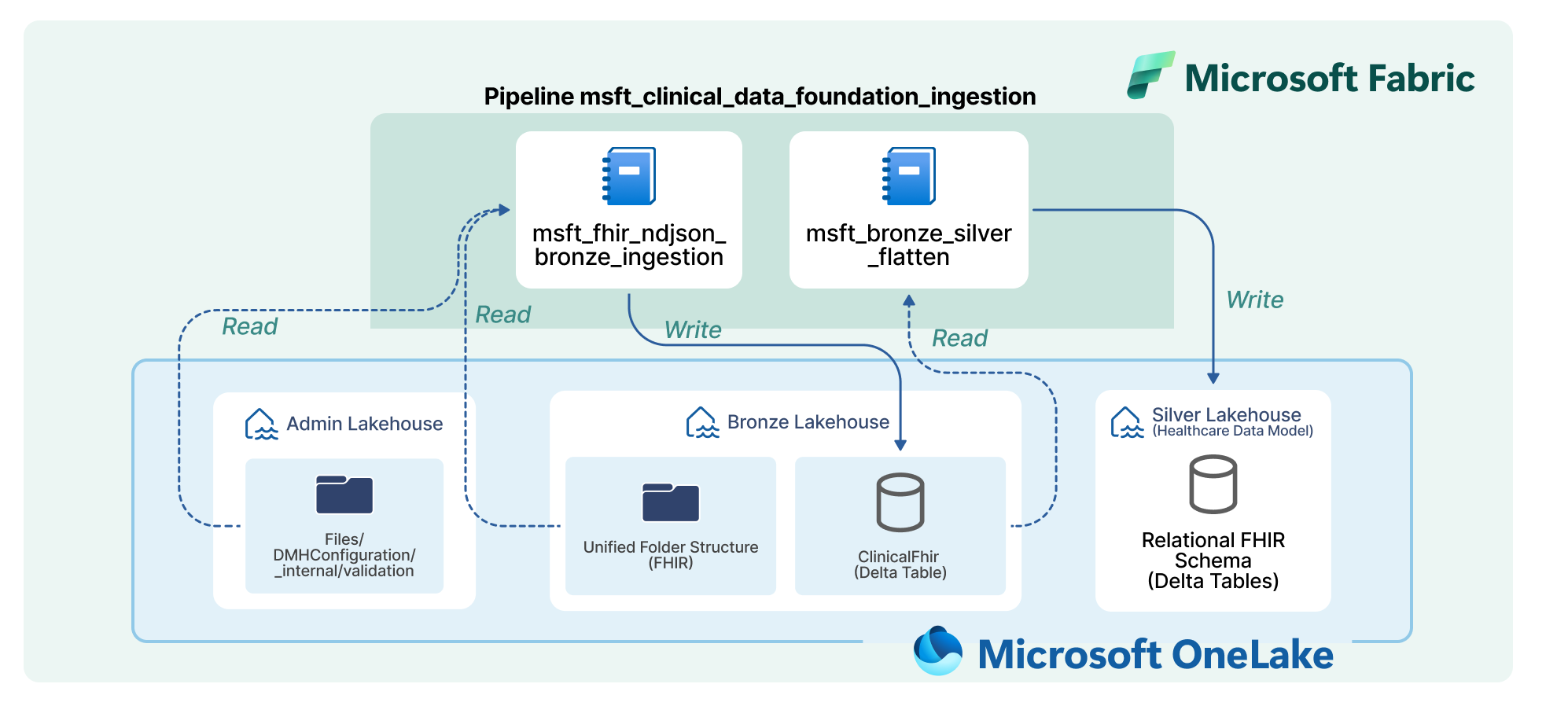 Figure 5: Azure clinical solution architecture showing integrated workflow automation
3.5 Multi-Modal Data Analysis
Azure’s multi-modal data analysis capabilities enable comprehensive patient assessment by integrating diverse data types including clinical notes, laboratory results, imaging studies, genetic data, and real-time physiological monitoring. The platform’s AI models can process and correlate information across these modalities to provide holistic patient insights.
For cardiac applications, multi-modal analysis combines ECG data, echocardiographic imaging, laboratory biomarkers, clinical symptoms, and patient history to provide comprehensive cardiac risk assessment and treatment recommendations. This integrated approach significantly improves diagnostic accuracy and enables personalized treatment planning.
The platform supports advanced analytics including temporal pattern recognition, which can identify disease progression patterns by analyzing longitudinal patient data. This capability is particularly valuable for chronic disease management and early intervention programs.
3.6 Microsoft Fabric Healthcare Integration
Microsoft Fabric represents a revolutionary approach to healthcare data analytics, providing a unified platform for data engineering, data science, real-time analytics, and business intelligence specifically optimized for healthcare applications. Fabric enables healthcare organizations to ingest, store, and analyze data from various sources and modalities in a single, integrated environment.
The platform’s OneLake data lakehouse architecture provides a single source of truth for healthcare data, eliminating data silos and enabling comprehensive analytics across all healthcare data types. This unified approach significantly reduces complexity and costs associated with traditional multi-vendor healthcare analytics environments.
Fabric’s real-time analytics capabilities enable immediate processing of streaming healthcare data from medical devices, wearable sensors, and monitoring equipment. This real-time processing is essential for critical care applications where immediate response to changing patient conditions can be life-saving.
3.7 Compliance and Regulatory Framework
Microsoft Azure maintains comprehensive compliance frameworks specifically designed for healthcare organizations, including HIPAA Business Associate Agreements, SOC 2 Type II compliance, and ISO 27001 certification. The platform provides automated compliance monitoring and reporting capabilities that help healthcare organizations maintain regulatory compliance across complex, multi-jurisdictional environments.
Azure’s approach to healthcare compliance extends beyond basic requirements to include specialized certifications for medical devices, clinical trials, and pharmaceutical research. The platform maintains FDA validation for specific healthcare AI applications and provides documentation and support for organizations seeking regulatory approval for their healthcare AI solutions.
Implementation Example: Multi-Agent Cancer Care Management
Microsoft has developed advanced multi-agent AI orchestration systems for cancer care management that demonstrate the platform’s capability to handle complex clinical workflows. The system performs tasks that enable streamlined workflows and help inform clinical decision-making across the cancer care continuum.
The implementation utilizes multiple AI agents working in coordination to analyze patient data, recommend treatment options, monitor treatment response, and coordinate care across multiple specialties. Each agent specializes in specific aspects of cancer care while maintaining communication with other agents to ensure comprehensive care coordination.
Results include improved treatment plan consistency, reduced time from diagnosis to treatment initiation, and enhanced coordination between oncology specialists, primary care providers, and support services.
3.8 Enterprise Integration and Scalability
Azure’s enterprise-focused architecture provides seamless integration with existing healthcare information systems, including major electronic health record platforms, laboratory information systems, and medical device networks. The platform’s hybrid cloud capabilities enable healthcare organizations to maintain on-premises infrastructure while leveraging cloud capabilities for advanced analytics and AI applications.
Scalability features include automatic resource provisioning, load balancing across multiple geographic regions, and elastic scaling capabilities that can handle sudden increases in computational demand. These features are essential for healthcare applications where demand can vary significantly based on patient volume, emergency situations, and research activities.
The platform’s global presence with healthcare-specific regions ensures low latency access to AI services while maintaining data residency requirements for international healthcare organizations. This global infrastructure supports multi-site research studies, international healthcare collaborations, and global pharmaceutical development programs.
4. NVIDIA Clara Platform
4.1 Clara Ecosystem and GPU-Accelerated Computing
NVIDIA Clara represents a paradigm shift in medical AI computing, providing a comprehensive platform that leverages GPU acceleration to enable real-time processing of complex medical data. The Clara ecosystem encompasses the entire AI development lifecycle, from data preparation and model training to deployment and edge computing, specifically optimized for healthcare applications requiring high-performance computing capabilities.
The foundation of Clara rests on NVIDIA’s leadership in GPU computing, with specialized hardware architectures designed for AI workloads. The platform utilizes NVIDIA A100 Tensor Core GPUs, H100 processors for large language models, and specialized edge computing devices that bring AI processing directly to medical devices and imaging equipment.
Clara’s approach to healthcare AI emphasizes federated learning capabilities, enabling multiple healthcare organizations to collaborate on AI model development while maintaining data privacy and security. This federated approach is particularly valuable for rare disease research and multi-institutional clinical studies where data sharing is essential but privacy concerns limit traditional centralized approaches.
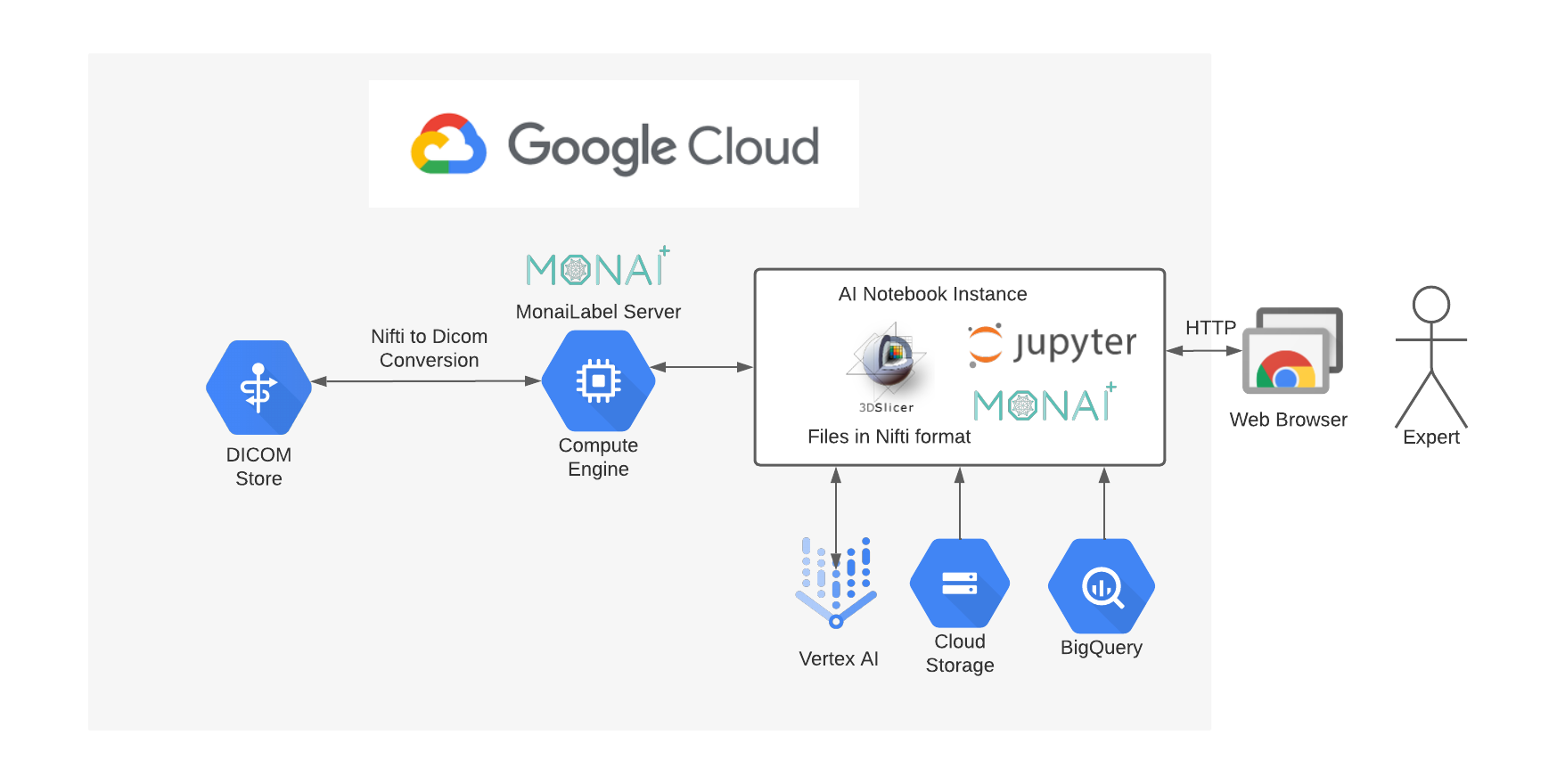 Figure 6: NVIDIA Clara medical imaging architecture with GPU acceleration
4.2 Medical Imaging Workflows and Deployment
NVIDIA Clara has revolutionized medical imaging workflows through GPU-accelerated processing that enables real-time analysis of high-resolution medical images. The platform’s imaging capabilities span the complete spectrum from image reconstruction and preprocessing to advanced AI-powered analysis and visualization.
The Clara Deploy SDK provides a robust, extensible platform for designing and deploying AI-enabled medical imaging pipelines. The SDK includes pre-built operators for common imaging tasks including image denoising, artifact removal, segmentation, and quantitative analysis. These operators can be combined to create complex imaging workflows that process studies from multiple modalities simultaneously.
For cardiac imaging applications, Clara provides specialized workflows for echocardiography, cardiac CT, cardiac MRI, and coronary angiography. The platform’s GPU acceleration enables real-time processing of 4D cardiac imaging studies, providing immediate feedback to clinicians during image acquisition and reducing the need for repeat studies due to image quality issues.
Clara’s edge computing capabilities enable deployment of AI models directly on imaging equipment, reducing latency and enabling real-time image guidance during procedures. This edge deployment is particularly valuable for interventional cardiology applications where real-time image analysis can guide catheter placement and assess intervention outcomes.
4.3 AI Model Development and Training Infrastructure
NVIDIA Clara provides comprehensive infrastructure for AI model development and training, including access to large-scale GPU clusters, pre-trained models for medical applications, and automated model optimization tools. The platform’s model training capabilities leverage distributed computing across multiple GPU nodes to accelerate training of large, complex medical AI models.
The Clara Train framework includes specialized tools for medical AI model development including data augmentation techniques for medical images, transfer learning capabilities that adapt pre-trained models to specific clinical tasks, and automated hyperparameter optimization that improves model performance while reducing development time.
Model validation and testing capabilities include comprehensive performance metrics for medical applications, statistical analysis tools for assessing model reliability, and visualization tools that help clinicians understand model decision-making processes. These validation tools are essential for regulatory approval and clinical acceptance of AI models.
NVIDIA Clara Technical Specifications:
- GPU Architecture: A100, H100 Tensor Core processors
- Memory: Up to 80GB HBM2e per GPU
- Processing Speed: 19.5 TFLOPS for AI workloads
- Edge Computing: Clara AGX and embedded platforms
- Framework Support: PyTorch, TensorFlow, MONAI
- Deployment: Kubernetes-based orchestration
- Scalability: Multi-GPU and multi-node clustering
4.4 Cardiac Imaging Specialized Applications
NVIDIA Clara has developed specialized applications for cardiac imaging that demonstrate the platform’s ability to provide clinically valuable insights through GPU-accelerated analysis. These applications include automated cardiac function assessment, coronary artery analysis, and predictive modeling for cardiac events.
Echocardiography applications on Clara provide real-time analysis during image acquisition, automatically identifying cardiac chambers, measuring wall thickness and motion, and calculating functional parameters including ejection fraction and cardiac output. The platform’s real-time capabilities enable immediate feedback to sonographers, improving image quality and reducing examination time.
Cardiac CT applications include automated coronary calcium scoring, coronary artery stenosis assessment, and cardiac function analysis from CT angiography studies. Clara’s GPU acceleration enables processing of high-resolution cardiac CT studies in minutes rather than hours, supporting clinical workflows that require rapid turnaround times.
Advanced cardiac MRI applications include automated segmentation of cardiac chambers, assessment of myocardial viability through late gadolinium enhancement analysis, and quantification of cardiac strain parameters that provide detailed assessment of cardiac function beyond traditional measurements.
4.5 Edge Computing and Real-Time Processing
NVIDIA Clara’s edge computing capabilities represent a significant advancement in medical AI deployment, enabling sophisticated AI analysis directly on medical devices and imaging equipment. The Clara AGX platform provides powerful GPU computing in a compact form factor suitable for integration with medical devices.
Edge deployment advantages include reduced latency for real-time applications, improved data privacy by processing data locally, reduced bandwidth requirements for large imaging studies, and continued operation during network interruptions. These advantages are particularly important for cardiac applications where real-time feedback can impact patient care.
Real-time processing capabilities enable applications such as live ECG analysis during cardiac procedures, real-time echocardiographic guidance during cardiac interventions, and immediate analysis of cardiac catheterization images to guide treatment decisions. These real-time capabilities can significantly improve procedural outcomes and patient safety.
4.6 Integration with Healthcare Systems
NVIDIA Clara provides comprehensive integration capabilities with existing healthcare IT systems, including DICOM connectivity for medical imaging systems, HL7 FHIR integration for electronic health records, and API-based connectivity for custom applications. The platform’s integration capabilities ensure seamless workflow integration without disrupting existing clinical processes.
The platform supports major medical imaging vendors including GE Healthcare, Siemens Healthineers, Philips Healthcare, and Canon Medical Systems. These partnerships ensure that Clara-based AI applications can be deployed across diverse imaging environments with minimal integration effort.
Clara’s workflow orchestration capabilities enable complex multi-step AI pipelines that can process data from multiple sources, apply multiple AI models in sequence, and generate comprehensive reports that integrate seamlessly with existing clinical workflows. This orchestration is essential for complex cardiac evaluations that require analysis of multiple imaging modalities and clinical data sources.
4.7 Performance Benchmarks and Scalability
NVIDIA Clara demonstrates exceptional performance benchmarks for medical AI applications, with GPU acceleration providing 10-100x performance improvements compared to CPU-based processing for typical medical imaging workloads. These performance improvements enable real-time processing of complex imaging studies that would be impractical with traditional computing approaches.
Scalability testing demonstrates Clara’s ability to handle institutional-scale workloads, processing thousands of imaging studies daily while maintaining consistent performance and reliability. The platform’s auto-scaling capabilities ensure optimal resource utilization while meeting varying computational demands throughout the day.
Benchmark results for cardiac imaging applications show processing times of less than 30 seconds for comprehensive echocardiographic analysis, under 2 minutes for cardiac CT analysis, and less than 5 minutes for complete cardiac MRI analysis. These processing speeds enable integration into clinical workflows without impacting productivity.
Performance Case Study: Subtle Medical AI Integration
Subtle Medical has integrated NVIDIA Clara to develop AI-based medical imaging enhancement technology that significantly improves image quality while reducing scan times. Their proprietary software uses deep learning to denoise medical images from existing scanners, integrating seamlessly into medical institutions’ existing workflows.
Implementation results include up to 83% reduction in MRI scan times through advanced deep learning algorithms, improved image quality through AI-powered denoising, and enhanced patient experience through shorter scan durations. The solution processes over 100,000 imaging studies monthly across multiple healthcare institutions.
The Clara-powered solution maintains full DICOM compatibility and integrates with existing PACS systems without requiring workflow changes, demonstrating the platform’s ability to enhance existing healthcare infrastructure without disruption.
5. Google Cloud Healthcare AI
5.1 Medical Imaging Suite and Vertex AI Integration
Google Cloud has established itself as a leader in healthcare AI through its comprehensive Medical Imaging Suite and advanced Vertex AI platform, providing healthcare organizations with cutting-edge artificial intelligence capabilities specifically designed for medical applications. The platform leverages Google’s expertise in machine learning and large-scale data processing to deliver healthcare-specific solutions that address the unique challenges of medical data analysis.
The Medical Imaging Suite provides a complete platform for medical imaging workflows, including DICOM image storage, processing, and analysis capabilities that scale to meet the demands of large healthcare organizations. The suite integrates seamlessly with Vertex AI to provide advanced machine learning capabilities specifically optimized for medical imaging applications.
Vertex AI serves as the foundation for Google Cloud’s healthcare AI capabilities, providing a unified platform for machine learning model development, training, and deployment. The platform includes pre-trained models specifically designed for healthcare applications, as well as tools for developing custom models using healthcare-specific datasets and validation methodologies.
 Figure 7: Google Cloud Vertex AI generative AI workflow architecture
5.2 Healthcare Data Engine Capabilities
Google Cloud’s Healthcare Data Engine represents a revolutionary approach to healthcare data management, providing a unified platform that can ingest, store, and analyze diverse healthcare data types while maintaining the highest standards of security and compliance. The Healthcare Data Engine is designed specifically for healthcare organizations that need to process large volumes of multi-modal healthcare data.
The Healthcare Data Engine supports multiple healthcare data standards including FHIR R4, DICOM, and HL7, providing seamless interoperability with existing healthcare information systems. The platform’s data processing capabilities include real-time streaming for continuous patient monitoring, batch processing for large-scale analytics, and interactive querying for clinical decision support applications.
Advanced data analytics capabilities include longitudinal patient analysis, population health insights, clinical outcome prediction, and real-time alerting for critical patient conditions. These capabilities enable healthcare organizations to derive actionable insights from their healthcare data while maintaining strict privacy and security standards.
5.3 MedGemma and Specialized AI Models
Google Cloud has developed MedGemma, a specialized language model specifically trained for medical applications that represents a significant advancement in medical AI capabilities. MedGemma combines Google’s expertise in large language models with specialized medical knowledge to provide comprehensive medical text analysis, clinical decision support, and automated medical report generation.
MedGemma’s capabilities extend beyond traditional natural language processing to include medical image analysis, clinical reasoning, and diagnostic assistance. The model has been trained on large medical datasets and validated against clinical benchmarks to ensure accuracy and reliability in healthcare applications.
The platform includes specialized AI models for specific medical domains including cardiology, radiology, pathology, and emergency medicine. These domain-specific models provide enhanced accuracy for specialized medical applications while maintaining integration capabilities with general-purpose healthcare AI tools.
Google Cloud Healthcare AI Specifications:
- MedGemma: Medical-specific large language model
- Vertex AI: Unified ML platform with healthcare optimization
- Medical Imaging Suite: DICOM-native processing
- Healthcare Data Engine: Multi-modal data integration
- Real-time processing: Sub-second inference capabilities
- Global infrastructure: 35+ regions with healthcare compliance
- Security: Healthcare-grade encryption and access controls
5.4 Clinical Decision Support Systems
Google Cloud’s approach to clinical decision support emphasizes evidence-based recommendations that integrate seamlessly into existing clinical workflows. The platform’s clinical decision support capabilities include real-time analysis of patient data, automated alerting for critical conditions, and evidence-based treatment recommendations that support clinical decision-making without replacing physician judgment.
For cardiac applications, the clinical decision support system can analyze ECG data in real-time to detect arrhythmias, assess cardiac imaging studies to identify structural abnormalities, and integrate multiple data sources to provide comprehensive cardiac risk assessment. The system provides recommendations with confidence intervals and supporting evidence to help clinicians make informed decisions.
The platform’s clinical decision support extends to preventive care applications including risk stratification for cardiac events, identification of patients who would benefit from cardiac screening, and population health management for cardiovascular disease prevention programs.
5.5 Multimodal Healthcare Search and Analysis
Google Cloud has introduced groundbreaking multimodal search capabilities that enable healthcare professionals to query complex medical information using natural language, images, and other data types. The Vertex AI Search for Healthcare provides “Visual Q&A” functionality that can receive medical images as direct inputs and provide contextual answers based on visual analysis.
This multimodal approach enables clinicians to ask questions like “What abnormalities are visible in this echocardiogram?” or “Compare this chest X-ray with the patient’s previous study” and receive intelligent responses that combine image analysis with relevant clinical information from the patient’s medical record.
The search capabilities extend to genomic data, laboratory results, clinical notes, and real-time physiological monitoring data, providing comprehensive patient insights that support clinical decision-making across all aspects of patient care.
5.6 Privacy-Preserving Technologies
Google Cloud has implemented advanced privacy-preserving technologies specifically designed for healthcare applications, including differential privacy, federated learning, and confidential computing capabilities that enable healthcare organizations to derive insights from sensitive medical data while maintaining patient privacy.
Federated learning capabilities enable multiple healthcare organizations to collaborate on AI model development without sharing raw patient data, addressing privacy concerns while enabling the large-scale data sharing necessary for developing robust medical AI models. This approach is particularly valuable for rare disease research where data from multiple institutions is essential.
Confidential computing capabilities provide hardware-based protection for medical data during processing, ensuring that sensitive patient information remains encrypted even during AI analysis. This approach addresses regulatory requirements and enables healthcare organizations to leverage cloud-based AI while maintaining the highest levels of data protection.
Implementation Example: Bennie Health Employee Benefits Platform
Bennie Health utilizes Google Cloud Vertex AI to power its innovative employee health benefits platform, demonstrating the practical application of Google’s healthcare AI capabilities in real-world scenarios. The platform provides actionable insights and streamlines data analysis for employee health programs.
The implementation processes employee health data to identify risk factors, recommend preventive interventions, and optimize health benefit utilization. Vertex AI enables real-time analysis of health claims data, biometric screening results, and wellness program participation to provide personalized health recommendations.
Results include improved employee health outcomes, increased utilization of preventive care services, and significant cost savings through early identification and intervention for chronic health conditions.
5.7 Integration with Healthcare Ecosystems
Google Cloud provides comprehensive integration capabilities with major healthcare information systems, electronic health record platforms, and medical device networks. The platform’s healthcare APIs enable seamless connectivity with existing healthcare infrastructure while providing advanced AI capabilities that enhance clinical workflows.
Integration capabilities include support for major EHR platforms such as Epic, Cerner, and Allscripts, DICOM connectivity for medical imaging systems, and HL7 FHIR APIs for healthcare data exchange. These integration capabilities ensure that Google Cloud’s AI capabilities can be deployed without disrupting existing clinical workflows.
The platform’s global infrastructure with healthcare-specific regions ensures compliance with international healthcare regulations while providing low-latency access to AI services across geographic locations. This global presence supports multi-national healthcare organizations and international research collaborations.
5.8 Advanced Analytics and Population Health
Google Cloud’s advanced analytics capabilities enable comprehensive population health management through large-scale analysis of healthcare data across entire patient populations. The platform can identify disease patterns, predict health outcomes, and recommend interventions at the population level while maintaining individual patient privacy.
Population health analytics capabilities include disease surveillance, outbreak detection, health outcome prediction, and resource allocation optimization. These capabilities are particularly valuable for public health organizations and large healthcare systems that need to manage health outcomes across diverse patient populations.
The platform’s ability to process and analyze vast amounts of healthcare data enables breakthrough research in areas such as precision medicine, pharmaceutical development, and health policy optimization, contributing to improved health outcomes at scale.
6. IBM Cloud watsonx Health
6.1 Watson Health Platform Evolution
IBM’s approach to healthcare AI has evolved significantly through the development of watsonx Health, representing a comprehensive transformation from early Watson Health initiatives to a modern, enterprise-focused platform that leverages advanced AI technologies including large language models, machine learning, and data analytics specifically optimized for healthcare applications.
The watsonx Health platform builds upon IBM’s decades of experience in enterprise healthcare solutions, combining traditional strengths in data integration and analytics with cutting-edge AI capabilities. The platform emphasizes trustworthy AI development with comprehensive governance frameworks, explainable AI models, and rigorous validation methodologies essential for healthcare applications.
Watson Health’s evolution reflects IBM’s understanding of healthcare-specific requirements including regulatory compliance, clinical workflow integration, and the need for AI systems that augment rather than replace clinical decision-making. The platform provides enterprise-grade capabilities that scale to meet the demands of large healthcare systems while maintaining the flexibility necessary for specialized healthcare applications.
 Figure 8: IBM Watson AI and IoT-based healthcare architecture
6.2 AI-Powered Medical Data Analysis
IBM watsonx Health provides comprehensive AI-powered medical data analysis capabilities that span the complete spectrum of healthcare data types, from structured clinical data to unstructured physician notes, medical images, and real-time physiological monitoring data. The platform’s AI capabilities are specifically designed to handle the complexity and volume of healthcare data while maintaining accuracy and reliability essential for clinical applications.
The platform’s approach to medical data analysis emphasizes trustworthy AI principles including fairness, explainability, and robustness. AI models are developed using diverse datasets that represent different populations and clinical scenarios, ensuring equitable performance across patient demographics and clinical environments.
Advanced analytics capabilities include predictive modeling for clinical outcomes, risk stratification for patient populations, and real-time monitoring for critical patient conditions. These capabilities enable healthcare organizations to identify patients at risk for adverse events, optimize treatment protocols, and improve clinical outcomes through data-driven decision support.
6.3 Cardiac Imaging and Analysis Capabilities
IBM watsonx Health has developed specialized capabilities for cardiac imaging and analysis that demonstrate the platform’s ability to provide clinically valuable insights for cardiovascular care. The platform supports comprehensive cardiac imaging workflows including ECG analysis, echocardiography interpretation, and advanced cardiac imaging assessment.
Electrocardiogram analysis capabilities include real-time arrhythmia detection, ST-segment analysis for acute coronary syndrome detection, and long-term monitoring for cardiac event prediction. The platform’s AI models can process ECG data from multiple sources including 12-lead diagnostic ECGs, telemetry monitoring, and wearable device recordings.
Echocardiography analysis includes automated chamber quantification, wall motion assessment, and functional parameter calculation. The platform’s AI models can analyze both 2D and 3D echocardiographic studies, providing comprehensive cardiac function assessment that supports clinical decision-making for a wide range of cardiovascular conditions.
Advanced cardiac imaging capabilities include analysis of cardiac CT and MRI studies for coronary artery assessment, myocardial viability evaluation, and cardiac function quantification. The platform’s AI models can provide detailed analysis of cardiac structure and function that supports clinical diagnosis and treatment planning.
6.4 Data Integration and Interoperability
IBM watsonx Health excels in data integration and interoperability, providing comprehensive capabilities for connecting diverse healthcare data sources and systems. The platform supports major healthcare data standards including HL7 FHIR, DICOM, and IHE profiles, ensuring seamless integration with existing healthcare information systems.
The platform’s data integration capabilities include real-time data streaming from medical devices, batch processing of historical healthcare data, and API-based integration with electronic health record systems. These integration capabilities ensure that AI analysis can leverage comprehensive patient data from all available sources.
Interoperability features include support for major EHR platforms, integration with laboratory information systems, connectivity with medical device networks, and compatibility with healthcare data exchange networks. These capabilities enable healthcare organizations to implement AI solutions without disrupting existing clinical workflows.
IBM watsonx Health Technical Specifications:
- AI Models: Large language models optimized for healthcare
- Data Integration: Support for HL7 FHIR, DICOM, IHE profiles
- Processing Capability: Real-time and batch processing
- Scalability: Enterprise-scale deployment capabilities
- Security: End-to-end encryption and access controls
- Compliance: HIPAA, SOC 2, ISO 27001 certifications
- Deployment: Cloud, hybrid, and on-premises options
6.5 Clinical Insights and Recommendations
IBM watsonx Health provides sophisticated clinical insights and recommendations through AI models that analyze patient data to identify patterns, predict outcomes, and suggest evidence-based interventions. The platform’s approach emphasizes explainable AI that provides clinicians with clear reasoning for recommendations and confidence intervals for predictions.
Clinical insights capabilities include identification of patients at risk for adverse events, recommendations for diagnostic testing based on clinical presentation and risk factors, and treatment suggestions based on evidence-based guidelines and patient-specific factors. These insights are presented in formats that integrate seamlessly with clinical workflows.
For cardiac applications, clinical insights include cardiac risk stratification based on multiple risk factors, recommendations for cardiac screening and diagnostic testing, and treatment optimization based on patient response patterns and outcomes data. The platform can identify subtle patterns in patient data that may indicate developing cardiac conditions before they become clinically apparent.
6.6 Natural Language Processing for Healthcare
IBM watsonx Health includes advanced natural language processing capabilities specifically designed for healthcare applications, enabling extraction of clinical insights from unstructured medical text including physician notes, radiology reports, and clinical documentation. The platform’s NLP capabilities are trained on large medical text corpora and validated against clinical benchmarks.
Natural language processing applications include automated clinical coding for billing and quality reporting, extraction of clinical concepts from physician documentation, and generation of clinical summaries from complex medical records. These capabilities significantly reduce administrative burden while improving documentation quality and completeness.
The platform’s NLP capabilities extend to clinical decision support applications including medication interaction checking, clinical guideline compliance assessment, and quality measure reporting. These applications help healthcare organizations improve clinical quality while reducing administrative costs.
6.7 Enterprise Healthcare Solutions
IBM watsonx Health provides comprehensive enterprise healthcare solutions that address the complex operational and clinical challenges faced by large healthcare organizations. The platform’s enterprise focus ensures scalability, reliability, and integration capabilities necessary for institutional-scale healthcare AI deployments.
Enterprise solutions include population health management platforms that analyze health outcomes across entire patient populations, clinical research platforms that accelerate medical research and clinical trials, and operational analytics platforms that optimize healthcare resource utilization and workflow efficiency.
The platform’s enterprise capabilities include comprehensive security frameworks, audit and compliance reporting, workflow integration tools, and change management support that ensures successful AI implementation across large healthcare organizations.
Enterprise Implementation: Watson Health Medical Imaging Collaborative
IBM formed the Watson Health Medical Imaging Collaborative to advance AI applications in medical imaging through partnerships with leading healthcare institutions. The collaborative focuses on developing AI algorithms that assist radiologists and clinicians with image interpretation, report generation, and disease detection.
For cardiac applications, the collaborative has developed AI models that can analyze coronary angiograms to score vessel disease severity, assess cardiac function from echocardiographic studies, and identify early signs of cardiac pathology in routine imaging studies.
Implementation results demonstrate significant improvements in diagnostic accuracy, reduced interpretation time, and enhanced consistency across different radiologists and institutions. The collaborative approach enables validation of AI models across diverse patient populations and clinical environments.
6.8 Implementation and Support Services
IBM provides comprehensive implementation and support services for watsonx Health deployments, including consulting services for AI strategy development, technical implementation support, training programs for healthcare professionals, and ongoing maintenance and optimization services.
Implementation services include assessment of existing healthcare IT infrastructure, development of AI implementation roadmaps, integration with existing clinical systems, and validation of AI performance in clinical environments. These services ensure successful AI deployment while minimizing disruption to clinical operations.
Support services include 24/7 technical support, regular performance monitoring and optimization, compliance reporting and audit support, and continuous model improvement based on real-world performance data. These services ensure that healthcare AI solutions continue to provide value throughout their operational lifecycle.
7. Oracle Cloud Infrastructure (OCI) Health AI
7.1 OCI Health Data Intelligence Platform
Oracle Cloud Infrastructure has emerged as a significant player in healthcare AI through its comprehensive Health Data Intelligence platform, which leverages Oracle’s strengths in enterprise database management and analytics to provide robust healthcare AI capabilities. The platform is specifically designed to handle the complex data management requirements of large healthcare organizations while providing advanced AI and analytics capabilities.
OCI Health Data Intelligence represents Oracle’s unified approach to healthcare data management, combining traditional strengths in relational database management with modern AI capabilities including machine learning, natural language processing, and advanced analytics. The platform provides healthcare organizations with the ability to integrate diverse data sources while maintaining strict security and compliance standards.
The platform’s architecture emphasizes performance and scalability, utilizing Oracle’s Autonomous Database technology to provide self-managing, self-securing, and self-repairing database capabilities specifically optimized for healthcare workloads. This autonomous approach reduces administrative overhead while ensuring optimal performance for healthcare AI applications.
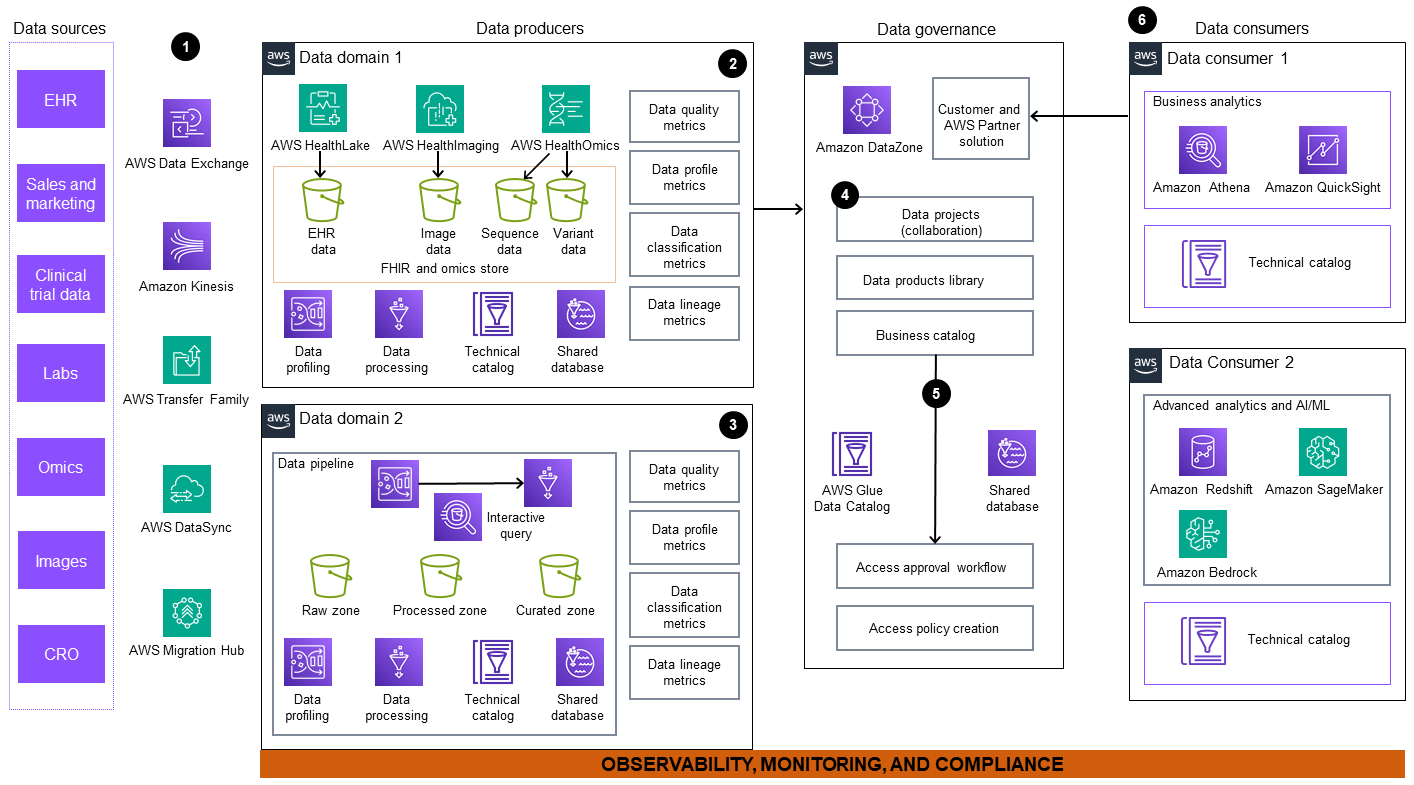 Figure 9: Modern healthcare data architecture showing integrated analytics and AI capabilities
7.2 AI Infrastructure for Medical Research
Oracle Cloud Infrastructure provides specialized AI infrastructure optimized for medical research applications, including high-performance computing capabilities powered by NVIDIA GPUs that enable complex medical AI model training and inference. The infrastructure is specifically designed to support the computational requirements of medical research including genomics analysis, medical imaging processing, and large-scale clinical data analytics.
The AI infrastructure includes specialized capabilities for medical research including support for GPU clusters that can scale to thousands of cores, high-bandwidth storage systems optimized for medical data types, and network architectures that provide low-latency access to distributed datasets essential for collaborative medical research.
Oracle’s approach to medical research infrastructure emphasizes reproducibility and collaboration, providing tools for experiment tracking, version control for AI models, and collaborative development environments that enable research teams to work effectively across geographic boundaries while maintaining data security and regulatory compliance.
7.3 Healthcare Analytics and Visualization
Oracle Analytics Cloud provides comprehensive analytics and visualization capabilities specifically optimized for healthcare applications, enabling healthcare organizations to derive actionable insights from complex medical datasets. The platform includes pre-built healthcare analytics templates, specialized visualization tools for medical data, and automated insight generation capabilities.
Healthcare analytics capabilities include population health dashboards that provide real-time insights into health outcomes across patient populations, clinical quality dashboards that monitor key performance indicators for clinical care, and operational analytics that optimize resource utilization and workflow efficiency.
Advanced visualization capabilities include support for medical imaging visualization, genomics data visualization, and temporal analysis of patient data over time. These visualization tools are specifically designed to support clinical decision-making and medical research applications.
7.4 Cardiac Data Processing and Analysis
Oracle Cloud Infrastructure provides specialized capabilities for cardiac data processing and analysis, supporting the complete spectrum of cardiovascular data types including electrocardiography, echocardiography, cardiac imaging, and physiological monitoring data. The platform’s approach emphasizes real-time processing capabilities essential for cardiac monitoring and emergency response applications.
Electrocardiogram processing capabilities include real-time analysis of ECG streams from multiple sources, automated arrhythmia detection with immediate alerting, and long-term trend analysis for cardiac event prediction. The platform can process ECG data at high sampling rates with low latency essential for critical care applications.
Cardiac imaging analysis includes automated processing of echocardiographic studies, cardiac CT analysis for coronary artery assessment, and cardiac MRI analysis for comprehensive cardiac function evaluation. The platform’s AI models provide quantitative measurements and qualitative assessments that support clinical decision-making.
Oracle Cloud Infrastructure Healthcare Specifications:
- Compute: NVIDIA GPU-powered AI infrastructure
- Storage: High-performance block and object storage
- Database: Autonomous Database with healthcare optimization
- Analytics: Pre-built healthcare analytics templates
- Security: End-to-end encryption and access controls
- Compliance: HIPAA, SOC 2, ISO 27001 certifications
- Global Presence: Multiple regions with healthcare compliance
7.5 Integration with Oracle Health Applications
Oracle Cloud Infrastructure provides seamless integration with Oracle’s comprehensive suite of healthcare applications including Oracle Health electronic health record systems, revenue cycle management applications, and clinical decision support tools. This integration provides healthcare organizations with end-to-end solutions that span clinical, administrative, and financial aspects of healthcare delivery.
Integration capabilities include real-time data synchronization between clinical applications and AI analytics platforms, automated workflow triggers based on AI insights, and comprehensive reporting capabilities that combine clinical and operational data. These integration capabilities ensure that AI insights are actionable and directly impact patient care and operational efficiency.
The platform’s integration extends to third-party healthcare applications through comprehensive APIs and industry-standard integration protocols including HL7 FHIR, DICOM, and IHE profiles. This ensures that Oracle’s AI capabilities can be leveraged regardless of the existing healthcare IT infrastructure.
7.6 Scalable Computing for Medical AI
Oracle Cloud Infrastructure provides exceptional scalability for medical AI applications through elastic compute capabilities that can automatically scale to meet varying computational demands. The platform’s scalability features include auto-scaling based on workload demands, burst computing capabilities for peak processing requirements, and global load balancing across multiple geographic regions.
Scalability testing demonstrates OCI’s ability to handle institutional-scale workloads including processing thousands of medical images daily, analyzing continuous physiological monitoring streams from multiple patients simultaneously, and supporting large-scale clinical research studies with thousands of participants.
The platform’s scalability extends to storage and database capabilities, providing virtually unlimited storage for medical data with automatic tiering based on access patterns and comprehensive backup and disaster recovery capabilities essential for healthcare applications.
7.7 Stanford Research Collaboration Case Study
Oracle Cloud Infrastructure has demonstrated its capabilities for medical research through a significant collaboration with Stanford University researchers who are utilizing OCI for groundbreaking heart failure research. This collaboration showcases OCI’s ability to support cutting-edge medical research requiring high-performance computing and advanced AI capabilities.
The Stanford research utilizes OCI AI Infrastructure powered by NVIDIA GPUs to accelerate training of large language models used in cardiothoracic research. The research focuses on developing AI models that can predict heart failure outcomes, optimize treatment protocols, and identify patients who would benefit from specific interventions.
Implementation results demonstrate significant acceleration in model training times, enabling researchers to iterate more rapidly on model development and validation. The collaboration has produced breakthrough insights into heart failure pathophysiology and treatment optimization that would not have been possible without cloud-scale AI infrastructure.
Stanford Heart Failure Research Implementation
Stanford University researchers are leveraging Oracle Cloud Infrastructure for innovative heart failure research that combines large language models with clinical data analysis to develop new approaches to heart failure treatment and prevention.
The research utilizes OCI’s NVIDIA GPU infrastructure to train large language models on comprehensive cardiothoracic datasets, enabling analysis of complex relationships between patient characteristics, treatment protocols, and clinical outcomes. The models can identify subtle patterns in clinical data that predict heart failure progression and treatment response.
Results include development of predictive models that identify heart failure patients at highest risk for adverse events, optimization of treatment protocols based on individual patient characteristics, and identification of novel therapeutic targets for heart failure treatment.
7.8 Enterprise Healthcare Security and Compliance
Oracle Cloud Infrastructure provides comprehensive security and compliance frameworks specifically designed for healthcare applications, including end-to-end encryption, advanced access controls, comprehensive audit logging, and automated compliance reporting. The platform maintains multiple healthcare-specific certifications and provides tools for healthcare organizations to maintain regulatory compliance.
Security features include advanced threat detection and response capabilities, data loss prevention tools, and comprehensive monitoring and alerting systems that ensure immediate response to security incidents. These security capabilities are essential for healthcare organizations handling sensitive patient data and supporting critical clinical applications.
Compliance capabilities include automated HIPAA compliance monitoring, SOC 2 audit support, and comprehensive documentation and reporting tools that help healthcare organizations demonstrate regulatory compliance. The platform provides ongoing compliance support including regular security assessments and compliance reporting.
8. Comparative Analysis and Strategic Recommendations
8.1 Comprehensive Platform Comparison Matrix
A detailed comparison of the six major cloud platforms reveals distinct strengths and capabilities that make each platform suitable for different healthcare use cases and organizational requirements. The analysis considers multiple factors including technical capabilities, regulatory compliance, integration ease, cost effectiveness, and clinical applicability.
| Platform | Primary Strengths | Cardiac AI Capabilities | Integration Level | Cost Model | Best Use Cases |
|---|---|---|---|---|---|
| AWS | Comprehensive infrastructure, regulatory compliance, scalability | Real-time ECG analysis, MONAI integration, HealthLake | Extensive APIs, FHIR/DICOM native | Pay-as-you-go, competitive pricing | Large health systems, research institutions |
| Azure | Enterprise integration, healthcare AI models, workflow automation | Multi-modal analysis, automated reporting, Teams integration | Microsoft ecosystem, Power Platform | Subscription and usage-based | Enterprise healthcare, Microsoft environments |
| NVIDIA Clara | GPU acceleration, real-time processing, edge computing | Real-time imaging analysis, edge deployment | Medical device integration, DICOM workflows | Hardware + software licensing | Imaging centers, interventional cardiology |
| Google Cloud | Advanced AI models, multimodal search, privacy technologies | MedGemma integration, visual Q&A, federated learning | Healthcare APIs, Vertex AI integration | Usage-based pricing | Research institutions, AI-first organi |