CLOUD-BASED MEDICAL DEVICES: REVOLUTIONIZING HEALTHCARE THROUGH CONNECTED TECHNOLOGY
INTRODUCTION TO CLOUD-BASED MEDICAL DEVICES
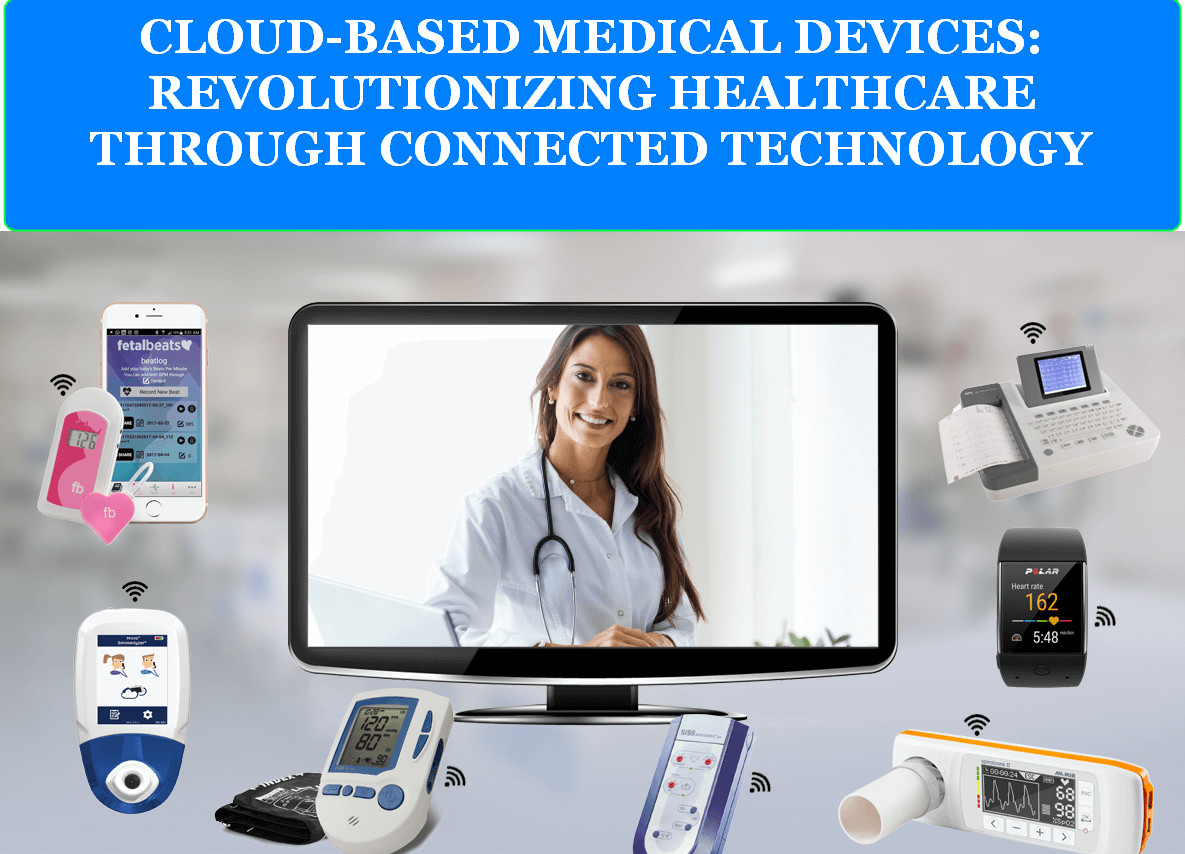
Cloud-based medical devices represent a paradigm shift in healthcare technology, leveraging internet connectivity and cloud computing to deliver enhanced diagnostic capabilities, remote monitoring, and data-driven healthcare solutions. These innovative systems combine traditional medical device functionality with cloud infrastructure to provide real-time data analysis, remote patient monitoring, and seamless integration with healthcare information systems.
The global cloud-based medical device market has experienced exponential growth, reaching an estimated $8.9 billion in 2023 and projected to grow at a compound annual growth rate (CAGR) of 12.8% through 2030. This growth is driven by increasing demand for remote healthcare services, the need for real-time patient monitoring, and the integration of artificial intelligence and machine learning technologies in medical diagnostics.
ARCHITECTURE OF CLOUD-BASED MEDICAL DEVICES
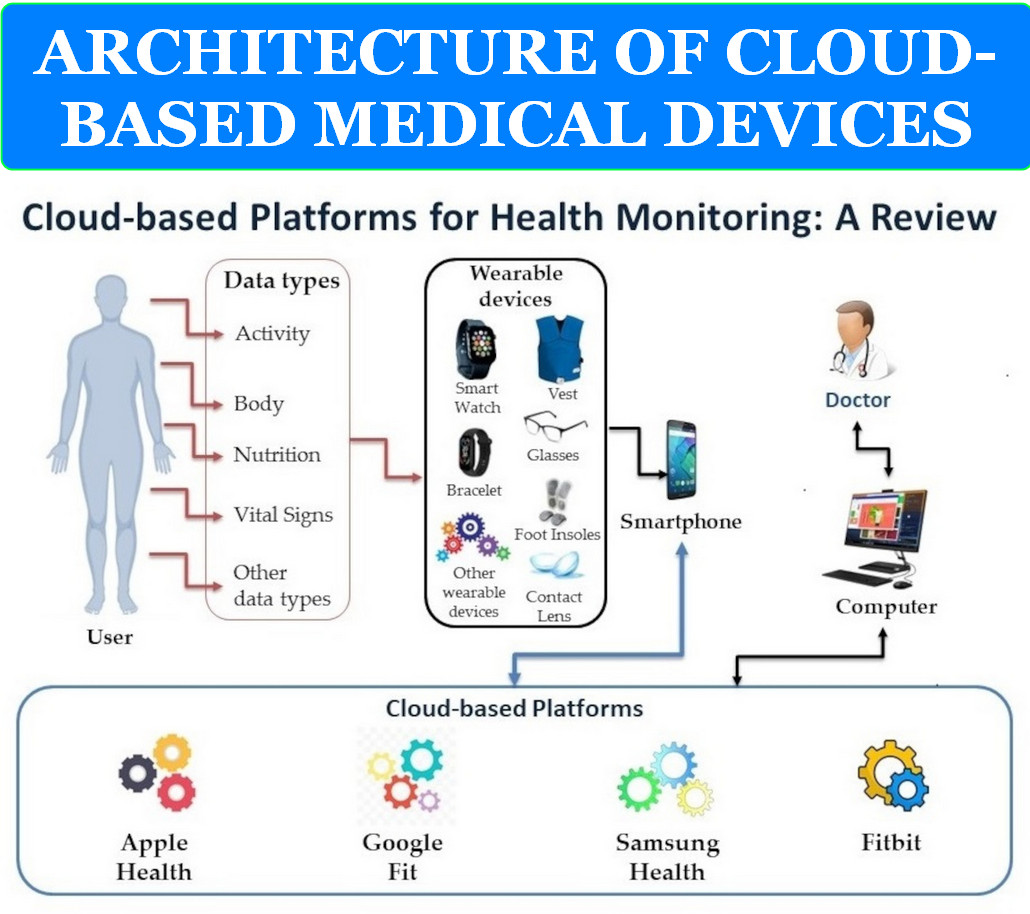
Cloud-based medical devices operate on a sophisticated architecture that seamlessly integrates hardware components, connectivity protocols, and cloud infrastructure to deliver comprehensive healthcare solutions.
CORE COMPONENTS
1. Device Layer
o Medical sensors and monitoring equipment
o Data acquisition systems
o Local processing units
o User interfaces and displays
2. Connectivity Layer
o Wireless communication protocols (Wi-Fi, Bluetooth, cellular)
o Edge computing capabilities
o Data encryption and security protocols
o Network management systems
3. Cloud Infrastructure
o Data storage and management systems
o Processing and analytics engines
o Machine learning and AI platforms
o Integration APIs and services
4. Application Layer
o Healthcare provider dashboards
o Patient mobile applications
o Clinical decision support systems
o Electronic health record integration
CATEGORIES OF CLOUD-BASED MEDICAL DEVICES
REMOTE PATIENT MONITORING (RPM) SYSTEMS
Remote Patient Monitoring represents the largest segment of cloud-based medical devices, enabling continuous health data collection and transmission from patients’ homes to healthcare providers. These systems typically include:
1. Cardiovascular Monitoring
o Smart Blood Pressure Monitors: Devices like Omron HeartGuide and QardioArm that automatically transmit readings to cloud platforms
o Continuous Heart Rate Monitors: Wearable devices that track cardiac rhythms and detect irregularities
o ECG Monitors: Portable electrocardiogram devices that provide real-time cardiac analysis
2. Diabetes Management
o Continuous Glucose Monitors (CGMs): Devices like Dexcom G7 and FreeStyle Libre that provide real-time glucose readings
o Smart Insulin Pens: Connected devices that track insulin delivery and dosing patterns
o Integrated Care Platforms: Comprehensive systems that combine multiple diabetes management tools
3. Respiratory Monitoring
o Smart Spirometers: Devices that measure lung function and track respiratory health
o Pulse Oximeters: Connected devices that monitor oxygen saturation levels
o Sleep Apnea Monitors: Home-based systems for diagnosing and monitoring sleep disorders
TELEHEALTH AND TELEMEDICINE PLATFORMS
Cloud-based telehealth systems integrate various medical devices and communication technologies to provide comprehensive virtual care services:
1. Virtual Consultation Platforms
o Integrated Diagnostic Tools: Platforms that combine video conferencing with connected medical devices
o Multi-Specialty Support: Systems designed to support various medical specialties through specialized interfaces
o AI-Powered Triage: Automated systems that prioritize patient cases based on severity
2. Clinical Decision Support Systems
o Evidence-Based Guidelines: Cloud platforms that provide real-time clinical recommendations
o Drug Interaction Checkers: Systems that analyze medication combinations for safety
o Diagnostic Assistance: AI-powered tools that support clinical decision-making
WEARABLE HEALTH TECHNOLOGY
Wearable cloud-based medical devices have revolutionized continuous health monitoring:
1. Fitness and Wellness Trackers
o Activity Monitors: Devices that track steps, calories, and exercise patterns
o Sleep Quality Monitors: Wearables that analyze sleep patterns and quality
o Stress Monitoring: Devices that measure physiological stress indicators
2. Medical-Grade Wearables
o Continuous Cardiac Monitoring: Devices like Apple Watch and Samsung Galaxy Watch with FDA-cleared ECG capabilities
o Fall Detection Systems: Wearables that automatically detect falls and alert emergency contacts
o Medication Adherence Monitors: Smart devices that track medication consumption
LABORATORY AND DIAGNOSTIC PLATFORMS
Cloud-based laboratory systems have transformed diagnostic testing and result delivery:
1. Point-of-Care Testing
o Rapid Diagnostic Tests: Devices that provide immediate results for common conditions
o Mobile Laboratory Units: Portable testing equipment connected to cloud platforms
o Home Testing Kits: Consumer-friendly testing devices with cloud-based result delivery
2. Imaging and Radiology
o Cloud-Based PACS: Picture Archiving and Communication Systems hosted in the cloud
o AI-Enhanced Imaging: Platforms that use artificial intelligence for image analysis
o Mobile Imaging Solutions: Portable imaging devices connected to cloud storage
LEADING COMPANIES AND PLATFORMS
ESTABLISHED HEALTHCARE TECHNOLOGY COMPANIES
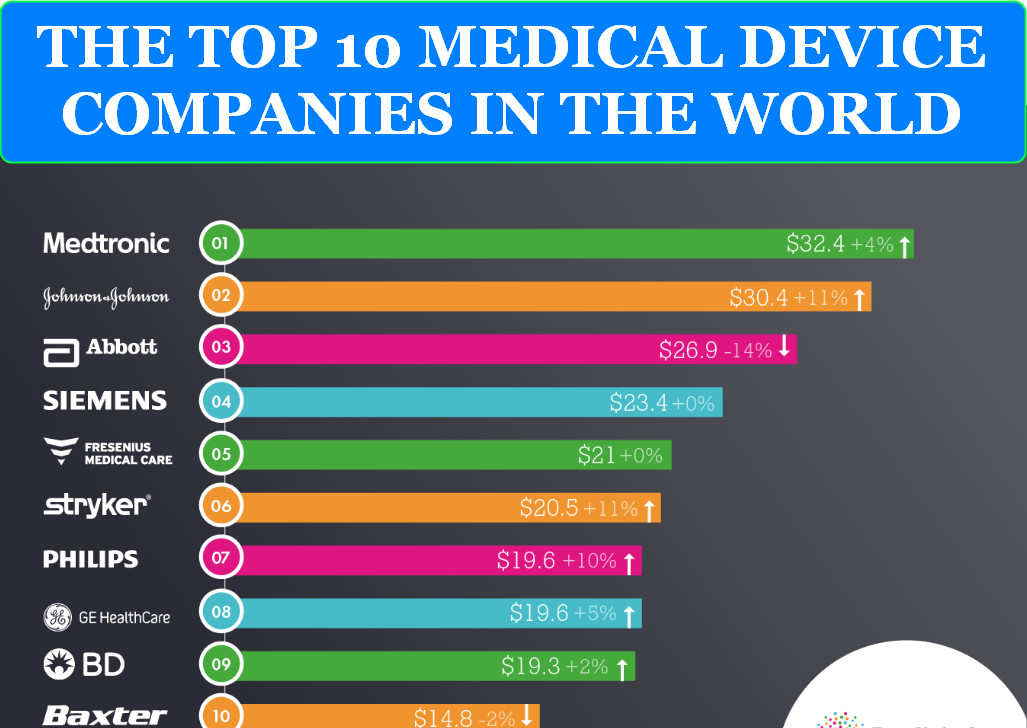
1. Philips Healthcare
o HealthSuite Platform: Comprehensive cloud-based health informatics platform
o Connected Devices: Wide range of connected medical devices and monitors
o Telehealth Solutions: Integrated telehealth and remote monitoring systems
2. GE Healthcare
o Edison Platform: Cloud-based platform for healthcare data analytics
o Connected Imaging: Cloud-enabled imaging systems and analytics
o Patient Monitoring: Comprehensive remote patient monitoring solutions
3. Medtronic
o CareLink Platform: Cloud-based platform for device data management
o Remote Monitoring: Systems for cardiac, diabetes, and neurological conditions
o Integrated Care Solutions: Comprehensive disease management platforms
EMERGING CLOUD-BASED MEDICAL DEVICE COMPANIES
1. Teladoc Health
o Virtual Care Platform: Comprehensive telehealth and remote monitoring services
o Chronic Care Management: Specialized programs for managing chronic conditions
o Mental Health Services: Cloud-based mental health support platforms
2. Dexcom
o Continuous Glucose Monitoring: Cloud-connected CGM systems
o Data Analytics: Comprehensive diabetes management analytics
o Healthcare Provider Integration: Seamless integration with healthcare systems
3. BioTelemetry (now Philips)
o Cardiac Monitoring: Cloud-based cardiac monitoring and analysis
o Mobile Cardiac Telemetry: Comprehensive cardiac rhythm monitoring
o Healthcare Analytics: Advanced data analytics for cardiac care
BENEFITS OF CLOUD-BASED MEDICAL DEVICES
FOR HEALTHCARE PROVIDERS
1. Enhanced Patient Monitoring
o Real-time access to patient data from anywhere
o Automated alerts for critical conditions
o Improved care coordination across multiple providers
2. Operational Efficiency
o Reduced need for in-person visits
o Streamlined data collection and management
o Automated workflow processes
3. Cost Reduction
o Lower infrastructure costs compared to on-premise systems
o Reduced staffing requirements for routine monitoring
o Improved resource utilization
For Patients
1. Improved Access to Care
o Reduced travel requirements for routine monitoring
o Access to specialists regardless of geographic location
o Continuous monitoring capabilities
2. Enhanced Engagement
o Real-time feedback on health metrics
o Educational resources and support
o Improved communication with healthcare providers
3. Better Health Outcomes
o Early detection of health issues
o Improved medication adherence
o Personalized care based on continuous data
For Healthcare Systems
1. Scalability
o Ability to monitor large patient populations
o Flexible resource allocation
o Rapid deployment of new services
2. Data Analytics
o Population health insights
o Predictive analytics for health trends
o Evidence-based care improvements
3. Interoperability
o Seamless integration with existing systems
o Standardized data formats
o Improved care coordination
SECURITY AND PRIVACY CONSIDERATIONS
DATA PROTECTION MEASURES
1. Encryption Standards
o End-to-end encryption for data transmission
o Advanced encryption for data storage
o Regular security audits and updates
2. Access Control
o Multi-factor authentication systems
o Role-based access permissions
o Audit trails for data access
3. Compliance Requirements
o HIPAA compliance for US healthcare data
o GDPR compliance for European operations
o Regular compliance assessments
RISK MANAGEMENT
1. Cybersecurity Protocols
o Continuous monitoring for security threats
o Incident response procedures
o Regular security training for staff
2. Data Backup and Recovery
o Redundant data storage systems
o Regular backup procedures
o Disaster recovery planning
3. Quality Assurance
o Regular system performance monitoring
o Continuous improvement processes
o User feedback integration
REGULATORY LANDSCAPE
FDA REGULATIONS
1. Software as Medical Device (SaMD)
o Classification based on risk levels
o Quality management system requirements
o Clinical evidence requirements
2. Digital Health Innovation
o Pre-certification programs for digital health companies
o Streamlined approval processes for low-risk devices
o Guidance for AI/ML-enabled devices
3. Cybersecurity Requirements
o Premarket cybersecurity requirements
o Post-market surveillance obligations
o Vulnerability management protocols
INTERNATIONAL STANDARDS
1. ISO 27001
o Information security management systems
o Risk assessment and management
o Continuous improvement processes
2. ISO 13485
o Quality management systems for medical devices
o Design and development processes
o Post-market surveillance requirements
3. IEC 62304
o Medical device software lifecycle processes
o Safety classification requirements
o Verification and validation procedures
FUTURE TRENDS AND INNOVATIONS
EMERGING TECHNOLOGIES
1. 5G Connectivity
o Ultra-low latency communications
o Enhanced bandwidth for real-time data
o Improved reliability for critical applications
2. Edge Computing
o Reduced latency for time-sensitive applications
o Improved data privacy and security
o Enhanced performance for AI/ML applications
3. Blockchain Technology
o Secure and transparent data sharing
o Improved interoperability between systems
o Enhanced patient data ownership
ARTIFICIAL INTELLIGENCE INTEGRATION
1. Predictive Analytics
o Early warning systems for health deterioration
o Personalized treatment recommendations
o Population health trend analysis
2. Natural Language Processing
o Automated clinical documentation
o Improved patient communication
o Enhanced data extraction from medical records
3. Computer Vision
o Automated image analysis for diagnostics
o Remote wound monitoring
o Medication adherence verification
MARKET EXPANSION
1. Global Market Growth
o Expansion into emerging markets
o Increased adoption in rural areas
o Growing acceptance among healthcare providers
2. New Application Areas
o Mental health monitoring
o Rehabilitation and physical therapy
o Preventive care and wellness
3. Integration with Smart Cities
o Public health monitoring systems
o Environmental health tracking
o Emergency response coordination
CHALLENGES AND LIMITATIONS
TECHNICAL CHALLENGES
1. Interoperability Issues
o Lack of standardized data formats
o Difficulty integrating disparate systems
o Limited cross-platform compatibility
2. Network Dependencies
o Reliance on internet connectivity
o Potential for service disruptions
o Variable performance based on network quality
3. Data Management Complexity
o Large volumes of continuous data
o Need for sophisticated analytics
o Storage and processing requirements
ECONOMIC BARRIERS
1. Implementation Costs
o High initial investment requirements
o Ongoing operational expenses
o Training and support costs
2. Reimbursement Challenges
o Variable insurance coverage
o Complex billing procedures
o Uncertain return on investment
3. Digital Divide
o Limited access to technology in underserved populations
o Disparities in digital literacy
o Infrastructure limitations in rural areas
CONCLUSION
Cloud-based medical devices represent a transformative force in healthcare delivery, offering unprecedented opportunities for remote monitoring, improved patient outcomes, and enhanced operational efficiency. As the technology continues to evolve, we can expect to see increasingly sophisticated systems that leverage artificial intelligence, edge computing, and advanced connectivity to provide personalized, data-driven healthcare solutions.
The success of cloud-based medical devices will depend on addressing current challenges related to interoperability, security, and accessibility while continuing to innovate in areas such as AI integration and real-time analytics. Healthcare organizations that embrace these technologies early and develop comprehensive implementation strategies will be best positioned to realize the full benefits of cloud-based medical device solutions.
The future of healthcare is increasingly connected, intelligent, and patient-centered, with cloud-based medical devices playing a central role in this transformation. As we move forward, the focus will be on creating seamless, secure, and scalable systems that enhance both the quality and accessibility of healthcare services worldwide.
APPLICATION FOR YOUR AUTOCLAVE