⚡ COMPLETE GUIDE TO USB-C POWER ADAPTER CALCULATOR
📋 Table of Contents
- Executive Summary
- 1. Introduction to USB-C Power Delivery
- 2. How to Use the Calculator
- 3. USB-C Power Delivery Technology
- 4. Calculation Methodology
- 5. Regional Analysis
- 6. Safety Considerations
- 7. Regulatory Compliance
- 8. Cable Selection Criteria
- 9. Real-World Case Studies
- 10. Troubleshooting Guide
- 11. Future of USB-C in Medical Industry
- 12. Conclusion
Executive Summary
The global medical device industry is undergoing a significant transformation with the widespread adoption of USB-C Power Delivery (PD) technology. This comprehensive guide, complete with an interactive calculator, serves as an authoritative resource for healthcare professionals, biomedical engineers, hospital procurement departments, and medical device manufacturers navigating the complexities of USB-C power adapter selection across different international markets.
USB-C Power Delivery represents a paradigm shift in medical device power management, offering standardized charging solutions that can deliver from 15W to 240W through a single, reversible connector. This technology eliminates the proliferation of proprietary charging solutions, reduces equipment costs, and simplifies logistics for healthcare facilities operating globally.
🎯 Key Benefits of This Guide:
- Interactive Calculator: Instantly calculate required USB-C adapter specifications
- Global Coverage: Detailed analysis of 7 major markets (EU, USA, Japan, China, India, Indonesia, Malaysia)
- Regulatory Guidance: Comprehensive compliance information (CE, FDA, PSE, CCC, BIS, SNI, SIRIM)
- Practical Examples: Real-world medical device scenarios with calculations
- Safety Focus: Critical safety considerations for medical environments
1. Introduction to USB-C Power Delivery
The Universal Serial Bus Type-C (USB-C) connector, coupled with USB Power Delivery (PD) protocol, has emerged as the universal power and data interface for modern electronic devices, including an expanding range of medical equipment. Introduced by the USB Implementers Forum (USB-IF) in 2014, USB-C represents the most significant advancement in power delivery technology since the advent of electrical standardization.
In the medical device industry, where reliability, safety, and global interoperability are paramount, USB-C Power Delivery offers unprecedented advantages. Traditional medical devices relied on proprietary power adapters, creating logistical challenges for international healthcare operations, increasing replacement costs, and complicating equipment maintenance. USB-C PD addresses these challenges by providing a standardized, intelligent power negotiation protocol that can adapt to various device requirements.
Understanding USB-C Power Delivery Standards
USB Power Delivery has evolved through several iterations, each expanding capabilities:
- USB PD 2.0 (2014): Initial specification supporting up to 100W (20V/5A)
- USB PD 3.0 (2017): Added Programmable Power Supply (PPS) for optimized charging
- USB PD 3.1 (2021): Extended Power Range (EPR) supporting up to 240W (48V/5A)
The protocol operates through intelligent negotiation between the power source (adapter) and sink (device). When connected, both devices communicate their capabilities and agree on optimal voltage and current levels, ensuring safe and efficient power transfer.
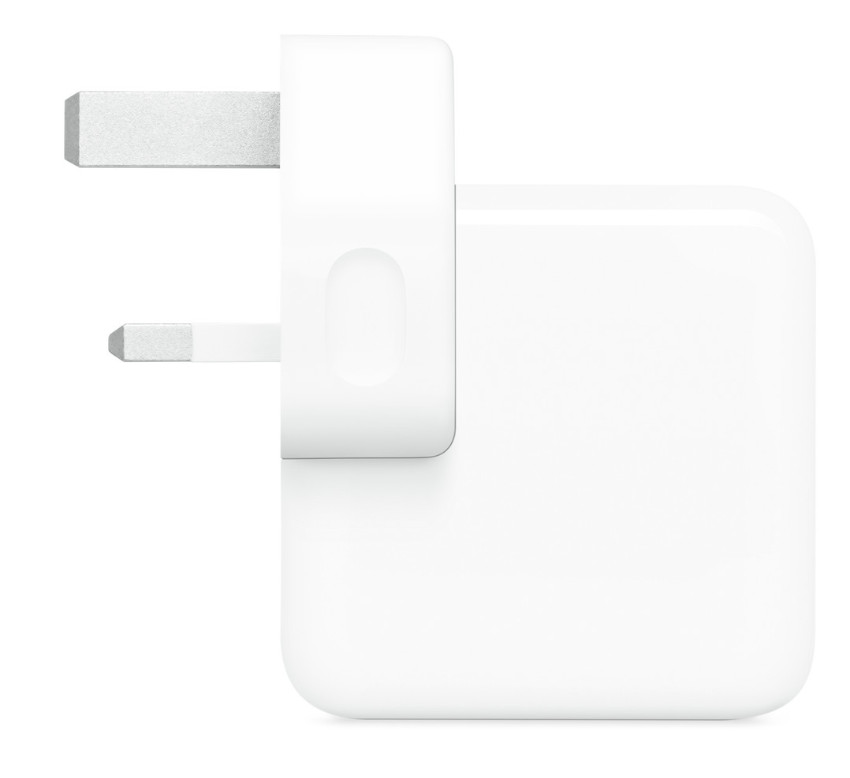
Figure 1: Hospital-grade USB-C power adapter certified for medical applications (UL 60601-1)
Why Medical Devices Need Specialized Power Calculations
Medical devices operate under stringent safety requirements that exceed consumer electronics standards. Patient safety, equipment reliability, and regulatory compliance necessitate precise power specification calculations. Underpowered adapters can cause device malfunction during critical procedures, while overpowered solutions may pose electrical safety hazards.
The interactive calculator provided in this guide incorporates a 20% safety margin—a standard practice in medical electronics—ensuring recommended adapters provide adequate headroom for power fluctuations, aging components, and worst-case operating conditions.
2. How to Use the Interactive Calculator
The embedded USB-C Power Adapter Calculator is designed for simplicity and accuracy. Follow these steps to determine the appropriate adapter for your medical device:
Step-by-Step Instructions
📝 Calculation Process:
- Locate Device Specifications: Find the voltage (V) and amperage (A) ratings on your medical device’s label, typically located on the back or bottom panel. These may also be listed in the device’s technical manual.
- Enter Voltage: Input the voltage value in the “Device Voltage (V)” field. Common medical device voltages include 5V, 9V, 12V, 15V, 19V, and 20V.
- Enter Amperage: Input the amperage value in the “Device Amperage (A)” field. Medical devices typically range from 1A to 5A.
- Calculate: Click the “CALCULATE” button to process your inputs.
- Review Results: The calculator displays:
- Calculated power (Watts)
- Recommended power with 20% safety margin
- Appropriate USB-C PD adapter standard
- Supported voltage profiles
- Typical usage category
Understanding the Results
The calculator provides recommendations based on USB-C Power Delivery standards. Here’s what each recommendation means:
| Adapter Standard | Max Power | Voltage Profiles | Typical Medical Applications |
|---|---|---|---|
| USB-C PD 15W | 15W | 5V/3A | Pulse oximeters, small monitors |
| USB-C PD 27W | 27W | 5V/3A, 9V/3A | Blood pressure monitors, thermometers |
| USB-C PD 45W | 45W | 5V/3A, 9V/3A, 15V/3A, 20V/2.25A | Portable ECG, handheld ultrasound |
| USB-C PD 65W | 65W | 5V/3A, 9V/3A, 15V/3A, 20V/3.25A | Patient monitors, diagnostic tablets |
| USB-C PD 100W | 100W | 5V/3A, 9V/3A, 15V/3A, 20V/5A | Infusion pumps, ventilators |
| USB-C PD 3.1 140W | 140W | 5V/3A, 9V/3A, 15V/3A, 20V/5A, 28V/5A | High-power imaging equipment |
3. USB-C Power Delivery Technology

USB-C Power Delivery is fundamentally different from previous USB charging standards. Where USB 2.0 and 3.0 provided fixed power outputs (typically 5V at 0.5A to 0.9A), USB-C PD enables dynamic power negotiation up to 240 watts. This section explores the technical architecture enabling this capability.
Power Delivery Communication Protocol
USB-C PD utilizes the Configuration Channel (CC) pins in the USB-C connector for bidirectional communication. When a device is connected, the source and sink exchange messages through the BMC (Biphase Mark Coding) communication protocol. This negotiation process occurs in milliseconds and includes:
- Capability Discovery: The source advertises available power profiles
- Request: The sink selects appropriate voltage and current
- Accept/Reject: The source confirms or denies the request
- Power Supply Ready: Voltage transition occurs safely
This intelligent negotiation prevents power mismatches that could damage devices or create safety hazards—a critical feature for medical equipment where failures can have serious consequences.
Voltage Profiles and Power Levels
USB-C PD defines discrete voltage levels that sources must support. Medical devices typically operate at these standard voltages:
Standard USB-C PD Voltage Profiles:
- 5V: Universal compatibility, legacy USB support
- 9V: Efficient for medium-power devices
- 15V: Optimal for portable medical equipment
- 20V: Standard maximum for PD 3.0 (up to 100W)
- 28V, 36V, 48V: Extended Power Range (PD 3.1) for high-power equipment
The mathematical relationship governing power delivery is fundamental: Power (W) = Voltage (V) × Current (A). This formula, implemented in our calculator, determines the minimum adapter capacity required for your medical device.
Figure 2: Various USB-C PD medical-grade power adapters showing different wattage ratings
4. Calculation Methodology and Practical Examples
Understanding how to calculate power requirements is essential for proper adapter selection. This section provides the mathematical foundation and practical examples you can verify using the embedded calculator.
The Power Equation
The fundamental formula for electrical power is:
📐 Power Calculation Formula:
P = V × I
Where:
- P = Power in Watts (W)
- V = Voltage in Volts (V)
- I = Current (Amperage) in Amperes (A)
Safety Margin: Recommended Power = P × 1.2 (20% additional capacity)
Practical Example 1: Portable ECG Machine (USA)
🔬 Device Specifications:
Device: Portable 12-lead ECG Machine
Voltage: 12V
Amperage: 2.5A
Location: United States
Calculation:
Base Power: 12V × 2.5A = 30W
With Safety Margin: 30W × 1.2 = 36W
Recommendation:
Adapter: USB-C PD 45W
Profiles: 5V/3A, 9V/3A, 15V/3A, 20V/2.25A
Certification Required: FDA 510(k), UL 60601-1
Try this calculation in the calculator above to verify the results!
Practical Example 2: Patient Monitor (Europe)
🔬 Device Specifications:
Device: Multi-parameter Patient Monitor
Voltage: 19V
Amperage: 3.42A
Location: European Union
Calculation:
Base Power: 19V × 3.42A = 64.98W
With Safety Margin: 64.98W × 1.2 = 77.98W
Recommendation:
Adapter: USB-C PD 100W
Profiles: 5V/3A, 9V/3A, 15V/3A, 20V/5A
Certification Required: CE Medical (MDR 2017/745), IEC 60601-1
Practical Example 3: Portable Ultrasound (Japan)
🔬 Device Specifications:
Device: Handheld Ultrasound Scanner
Voltage: 15V
Amperage: 2A
Location: Japan
Calculation:
Base Power: 15V × 2A = 30W
With Safety Margin: 30W × 1.2 = 36W
Recommendation:
Adapter: USB-C PD 45W
Profiles: 5V/3A, 9V/3A, 15V/3A, 20V/2.25A
Certification Required: PSE Mark, PMDA Approval
Practical Example 4: Infusion Pump (China)
🔬 Device Specifications:
Device: Smart Infusion Pump
Voltage: 20V
Amperage: 3.5A
Location: China
Calculation:
Base Power: 20V × 3.5A = 70W
With Safety Margin: 70W × 1.2 = 84W
Recommendation:
Adapter: USB-C PD 100W
Profiles: 5V/3A, 9V/3A, 15V/3A, 20V/5A
Certification Required: CCC Mark, NMPA Approval
Additional Calculation Examples
The following table provides more medical device examples across various power ranges. Use the calculator to verify each result:
| Medical Device | Voltage (V) | Amperage (A) | Power (W) | Recommended Adapter |
|---|---|---|---|---|
| Pulse Oximeter | 5V | 1A | 5W | USB-C PD 15W |
| Digital Thermometer | 5V | 0.5A | 2.5W | USB-C PD 15W |
| Blood Pressure Monitor | 9V | 1.5A | 13.5W | USB-C PD 27W |
| Nebulizer | 12V | 2A | 24W | USB-C PD 45W |
| Portable X-Ray Viewer | 19V | 2.37A | 45W | USB-C PD 65W |
| Medical Tablet (Diagnostic) | 20V | 2.25A | 45W | USB-C PD 65W |
5. Regional Analysis: Global Power Standards and Requirements
Medical device power requirements vary significantly across global markets due to differing electrical standards, plug types, regulatory frameworks, and certification requirements. This comprehensive regional analysis provides essential information for healthcare facilities, device manufacturers, and distributors operating internationally.
Figure 3: International electrical plug types used across different countries
🇪🇺 5.1 Europe (European Union)
Electrical Standards
- Voltage: 230V AC
- Frequency: 50 Hz
- Plug Types: Type C (Europlug), Type E (France), Type F (Schuko), Type G (UK, Ireland)
- Standard: IEC 60906-1
Medical Device Regulatory Framework
The European Union operates under the Medical Device Regulation (MDR 2017/745), which replaced the Medical Device Directive (MDD 93/42/EEC) in May 2021. All medical devices, including power adapters used with medical equipment, must carry CE marking indicating conformity with European health, safety, and environmental protection standards.
Certification Requirements
- CE Mark: Mandatory for medical devices
- IEC 60601-1: Medical electrical equipment safety standard (3rd edition)
- EMC Directive 2014/30/EU: Electromagnetic compatibility
- Low Voltage Directive 2014/35/EU: For electrical safety
- RoHS Directive: Restriction of hazardous substances
USB-C Adoption in European Healthcare
European healthcare systems have been early adopters of USB-C technology, driven by EU initiatives promoting universal charging standards. The European Commission’s mandate for common charging solutions has accelerated USB-C integration in medical devices, particularly portable diagnostic equipment and patient monitoring systems.
Case Study: German Hospital Implementation
Facility: 400-bed University Hospital, Munich, Germany
Challenge: Reducing proprietary charger inventory
Solution: Standardized on USB-C PD for all new portable medical equipment
Devices Converted:
- ECG machines: 45W USB-C PD adapters
- Patient monitors: 65W USB-C PD adapters
- Portable ultrasound: 45W USB-C PD adapters
Results: 60% reduction in charger types, €45,000 annual savings in replacement costs
Recommended Adapters for European Market
Medical-grade USB-C adapters for EU markets must have Type C or Type F plugs, CE medical certification, and support 230V input. Popular suppliers include Mean Well, TDK-Lambda, and XP Power, all offering IEC 60601-1 certified solutions.
🇺🇸 5.2 United States
Electrical Standards
- Voltage: 120V AC
- Frequency: 60 Hz
- Plug Types: Type A (two-prong), Type B (three-prong grounded)
- Standard: NEMA 1-15 (Type A), NEMA 5-15 (Type B)
Medical Device Regulatory Framework
The United States Food and Drug Administration (FDA) regulates medical devices under the Federal Food, Drug, and Cosmetic Act. Medical power adapters typically fall under 510(k) premarket notification requirements or, in some cases, are exempt if classified as accessories to Class I or II devices.
Certification Requirements
- FDA 510(k) Clearance: For most medical device accessories
- UL 60601-1: US national adoption of IEC 60601-1
- FCC Part 15: Electromagnetic interference standards
- Hospital-Grade Certification: UL 60601-1 with hospital-grade plug (green dot)
- Energy Star: Optional efficiency certification
USB-C Adoption in US Healthcare
The US healthcare sector initially lagged European adoption but has rapidly embraced USB-C PD technology since 2020. Major hospital systems including Mayo Clinic, Cleveland Clinic, and Johns Hopkins have initiated USB-C standardization programs for new medical equipment acquisitions.
Hospital-Grade Requirements
US hospitals require special consideration for “patient care vicinity” applications—within 6 feet of patients. Hospital-grade power adapters must meet enhanced durability standards, including:
- Assembly integrity test (30-pound pull force)
- Impact resistance
- Tamper resistance
- Green dot marking on plug
Case Study: US Teaching Hospital
Facility: 800-bed Teaching Hospital, Boston, Massachusetts
Challenge: Standardizing emergency department charging infrastructure
Solution: USB-C PD wall outlets and centralized charging stations
Implementation:
- Installed 200 USB-C PD wall outlets (45W-100W)
- Deployed 25 mobile charging carts with 12-port USB-C hubs
- Standardized portable monitors, ultrasound, and diagnostic tablets
Results: 85% reduction in “lost charger” incidents, improved equipment availability
🇯🇵 5.3 Japan
Electrical Standards
- Voltage: 100V AC (lowest in the world)
- Frequency: 50 Hz (Eastern Japan) / 60 Hz (Western Japan)
- Plug Types: Type A (two-prong), Type B (three-prong)
- Unique Characteristic: Some regions have 50Hz, others 60Hz
Medical Device Regulatory Framework
Japan’s Pharmaceuticals and Medical Devices Agency (PMDA) oversees medical device regulation under the Pharmaceutical Affairs Law. The Medical Device and IVD Notification (MDIN) system requires registration for most medical devices and their accessories.
Certification Requirements
- PSE Mark (Product Safety Electrical Appliance & Material): Mandatory for electrical products
- PMDA Approval: Medical device certification
- JIS T 0601-1: Japanese adoption of IEC 60601-1
- VCCI: Voluntary Control Council for Interference (EMC)
Special Considerations for Japanese Market
Japan’s unique 100V electrical system requires special attention when specifying USB-C adapters. Most international adapters support 100-240V input, but efficiency may be reduced at 100V. Additionally, the 50Hz/60Hz frequency split means devices must be compatible with both frequencies.
USB-C in Japanese Healthcare
Japan has the world’s oldest population and sophisticated healthcare infrastructure. USB-C adoption has been particularly strong in home healthcare devices and portable medical equipment designed for elderly care. Japanese manufacturers like Omron and Terumo have extensively integrated USB-C into blood pressure monitors, thermometers, and personal health devices.
Case Study: Japanese Regional Hospital
Facility: 300-bed Regional Hospital, Osaka, Japan
Challenge: Supporting aging-in-place initiatives with portable medical devices
Solution: USB-C powered home monitoring equipment
Devices Deployed:
- Blood pressure monitors with USB-C charging (15W)
- Pulse oximeters with USB-C (15W)
- Portable ECG devices (45W)
Results: Improved patient compliance, reduced hospital readmissions by 15%
🇨🇳 5.4 China
Electrical Standards
- Voltage: 220V AC
- Frequency: 50 Hz
- Plug Types: Type A, Type C, Type I (Australian-style)
- Note: China uses multiple plug types; Type I most common
Medical Device Regulatory Framework
The National Medical Products Administration (NMPA, formerly CFDA) regulates medical devices in China. The regulatory framework is similar to US FDA and EU CE marking systems, with three device classification levels and corresponding approval pathways.
Certification Requirements
- CCC Mark (China Compulsory Certification): Mandatory for power adapters
- NMPA Registration: Required for medical device accessories
- GB 9706.1: Chinese standard based on IEC 60601-1
- Manufacturing License: Required for domestic production
China’s USB-C Manufacturing Dominance
China manufactures approximately 70% of global USB-C power adapters, giving Chinese medical device manufacturers significant advantages in cost and supply chain efficiency. Domestic companies like Anker, Baseus, and Xiaomi produce medical-grade USB-C adapters certified to both Chinese and international standards.
Healthcare Modernization Initiatives
China’s “Healthy China 2030” initiative has driven massive investment in healthcare infrastructure and technology. USB-C standardization aligns with goals to modernize medical equipment and improve interoperability across China’s vast healthcare system, which serves 1.4 billion people.
Case Study: Chinese Provincial Hospital
Facility: 1,200-bed Provincial Hospital, Guangzhou, Guangdong
Challenge: Rapid equipment expansion during COVID-19 pandemic
Solution: Standardized USB-C infrastructure for new equipment
Equipment Standardized:
- 300 patient monitors (65W USB-C PD)
- 150 portable ventilators (100W USB-C PD)
- 500 diagnostic tablets (45W USB-C PD)
Results: Rapid deployment, 40% cost savings vs. proprietary chargers
🇮🇳 5.5 India
Electrical Standards
- Voltage: 230V AC
- Frequency: 50 Hz
- Plug Types: Type C, Type D (large three-pin), Type M (heavy duty)
- Note: Type D most common, legacy British standard
Medical Device Regulatory Framework
India’s Central Drugs Standard Control Organization (CDSCO) oversees medical device regulation under the Medical Devices Rules 2017. The Bureau of Indian Standards (BIS) certification is mandatory for electrical products, including medical power adapters.
Certification Requirements
- BIS Registration: Mandatory under Compulsory Registration Scheme (CRS)
- CDSCO License: Required for medical device distribution
- IS 13450: Indian standard based on IEC 60601-1
- Import License: Required for foreign manufacturers
India’s Growing Healthcare Sector
India represents one of the world’s fastest-growing healthcare markets, projected to reach $372 billion by 2030. The “Make in India” initiative encourages domestic medical device manufacturing, with USB-C adoption driven by cost-effectiveness and global standardization trends.
Infrastructure Challenges and Solutions
India’s electrical infrastructure varies significantly between urban and rural areas. Power quality issues including voltage fluctuations and frequent outages necessitate robust power adapters with wide input voltage ranges (100-240V) and surge protection—features inherent to quality USB-C PD adapters.
Case Study: Indian Multi-Specialty Hospital Chain
Facility: 15 hospitals across tier-1 and tier-2 cities
Challenge: Standardizing equipment across diverse locations
Solution: Chain-wide USB-C PD adapter procurement
Implementation:
- Standardized on BIS-certified USB-C adapters (15W-100W range)
- Prioritized adapters with wide voltage tolerance
- Centralized spare adapter inventory
Results: 50% reduction in downtime due to charger issues, simplified maintenance
🇮🇩 5.6 Indonesia
Electrical Standards
- Voltage: 220V AC
- Frequency: 50 Hz
- Plug Types: Type C (Europlug), Type F (Schuko)
- Standard: Following European conventions
Medical Device Regulatory Framework
Indonesia’s National Agency of Drug and Food Control (BPOM – Badan Pengawas Obat dan Makanan) regulates medical devices. The Indonesian National Standard (SNI) certification, managed by the National Standardization Agency (BSN), is required for electrical products.
Certification Requirements
- SNI Certification: Mandatory for electrical appliances
- BPOM Registration: Required for medical devices
- Halal Certification: May be required for certain healthcare products
- Import Recommendation: Ministry of Health endorsement
Healthcare Expansion in Archipelago Nation
Indonesia’s unique geography—17,000+ islands—creates distinctive challenges for healthcare delivery. The government’s Universal Health Coverage (UHC) program is expanding access to remote areas, where portable, USB-C powered medical devices offer advantages in logistics and maintenance.
USB-C in Telemedicine Applications
Indonesia has embraced telemedicine to overcome geographical barriers. USB-C powered portable diagnostic devices—ultrasound scanners, ECG machines, and remote patient monitors—enable healthcare workers in remote islands to conduct examinations and transmit data to urban medical centers.
Case Study: Indonesian Island Health Initiative
Program: Mobile Health Clinics serving eastern Indonesian islands
Challenge: Limited electrical infrastructure in remote locations
Solution: Solar-powered USB-C charging stations
Equipment:
- Portable ultrasound (45W USB-C PD)
- Blood analyzers (27W USB-C PD)
- Patient monitors (65W USB-C PD)
- Diagnostic tablets (45W USB-C PD)
Results: Reliable equipment operation, 10,000+ patients served annually
🇲🇾 5.7 Malaysia
Electrical Standards
- Voltage: 240V AC (highest among countries surveyed)
- Frequency: 50 Hz
- Plug Type: Type G (British three-pin)
- Standard: Following UK BS 1363
Medical Device Regulatory Framework
The Medical Device Authority (MDA), under Malaysia’s Ministry of Health, regulates medical devices through the Medical Device Act 2012. Malaysia’s regulatory system is recognized for efficiency, with streamlined approval processes for devices certified in reference countries (US, EU, Japan, Australia, Canada).
Certification Requirements
- SIRIM Certification: Standards and Industrial Research Institute of Malaysia
- MDA Registration: Medical device market authorization
- MS IEC 60601-1: Malaysian standard for medical electrical equipment
- MCMC: Malaysian Communications and Multimedia Commission (for wireless devices)
Malaysia’s Advanced Healthcare System
Malaysia is a regional healthcare leader, known for medical tourism and advanced private hospitals. The country’s “Healthcare Travel Council” promotes Malaysia as a destination for quality, affordable medical care. Modern Malaysian hospitals extensively utilize latest technology, including USB-C powered equipment.
Medical Tourism and Equipment Standards
Malaysia’s thriving medical tourism industry (500,000+ international patients annually) necessitates internationally compatible medical equipment. USB-C standardization facilitates equipment sourcing and patient device compatibility, particularly important for extended-stay medical tourists bringing personal health monitoring devices.
Case Study: Malaysian Private Hospital
Facility: 300-bed Private Hospital, Kuala Lumpur
Challenge: International patient equipment compatibility
Solution: Universal USB-C charging infrastructure
Infrastructure:
- Patient room USB-C outlets (45W-65W)
- Multi-voltage USB-C adapters for international patients
- Standardized hospital equipment on USB-C
Results: Enhanced patient satisfaction, 95% equipment compatibility with international patients’ personal devices
Global Electrical Standards Comparison
| Country/Region | Voltage | Frequency | Plug Types | Primary Certification |
|---|---|---|---|---|
| 🇪🇺 Europe (EU) | 230V | 50 Hz | C, E, F, G | CE Medical |
| 🇺🇸 USA | 120V | 60 Hz | A, B | FDA 510(k), UL |
| 🇯🇵 Japan | 100V | 50/60 Hz | A, B | PSE, PMDA |
| 🇨🇳 China | 220V | 50 Hz | A, C, I | CCC, NMPA |
| 🇮🇳 India | 230V | 50 Hz | C, D, M | BIS, CDSCO |
| 🇮🇩 Indonesia | 220V | 50 Hz | C, F | SNI, BPOM |
| 🇲🇾 Malaysia | 240V | 50 Hz | G | SIRIM, MDA |
6. Safety Considerations for Medical Applications
Medical device power systems operate under the most stringent safety requirements in electronics. Patient safety, healthcare worker protection, and equipment reliability demand comprehensive safety engineering that exceeds consumer electronics standards. This section explores critical safety considerations specific to USB-C power delivery in medical contexts.
⚠️ Critical Safety Principles:
- Patient Safety First: Power system failures must never compromise patient care
- Fail-Safe Design: Equipment must fail to a safe state
- Electrical Isolation: Proper isolation between patient and mains power
- Leakage Current Limits: Strict restrictions on patient leakage currents
- Overcurrent Protection: Immediate response to fault conditions
IEC 60601-1: The Medical Safety Standard
The International Electrotechnical Commission (IEC) 60601-1 standard governs safety and essential performance of medical electrical equipment. Now in its 3rd edition (2005, amendments 2012), this standard defines requirements for:
- Classification: Type and degree of protection against electric shock
- Applied Parts: Components in physical contact with patients
- Leakage Currents: Maximum permissible currents under normal and fault conditions
- Defibrillator Protection: For equipment used during cardiac procedures
- EMC Requirements: Electromagnetic compatibility per IEC 60601-1-2
Electrical Isolation Requirements
Medical devices must provide appropriate electrical isolation between patients and potentially hazardous voltages. USB-C power adapters for medical applications typically implement:
- Reinforced Insulation: Double or reinforced insulation between primary (mains) and secondary (output) circuits
- Creepage and Clearance: Minimum distances across and through insulation materials
- High Potential Testing: Voltage withstand testing (typically 4000V AC for 1 minute)
- Ground Integrity: Proper grounding paths for Class I equipment
Protection Systems in USB-C Medical Adapters
Quality medical-grade USB-C PD adapters incorporate multiple protection mechanisms:
| Protection Type | Function | Medical Importance |
|---|---|---|
| OVP (Over-Voltage Protection) | Limits output voltage | Prevents device damage from voltage spikes |
| OCP (Over-Current Protection) | Limits output current | Prevents overheating and fire hazards |
| SCP (Short-Circuit Protection) | Shuts down on short circuit | Critical for patient and equipment safety |
| OTP (Over-Temperature Protection) | Thermal shutdown | Prevents thermal runaway |
| OPP (Over-Power Protection) | Limits total output power | Ensures operation within specifications |
Environmental Operating Conditions
Medical environments present unique operating challenges. Quality USB-C adapters must function reliably across:
- Temperature Range: Typically 0°C to 40°C operating, -20°C to 70°C storage
- Humidity: 10% to 90% relative humidity, non-condensing
- Altitude: Up to 3000m for normal operation (higher altitudes require derating)
- Vibration/Shock: Transport and mobile applications require ruggedized designs
Cable Safety: The Critical Link
USB-C cables represent a critical safety component often overlooked. For medical applications exceeding 60W, cables must contain e-marker chips that communicate their current-handling capability to prevent overheating.
⚠️ Cable Safety Requirements:
- USB-IF Certification: Cables should bear official USB-IF certification
- E-Mark Chips: Required for >60W power delivery
- Wire Gauge: Adequate wire gauge for current capacity (typically 22-20 AWG for 3-5A)
- Strain Relief: Proper strain relief at connector points
- Length Limitations: Voltage drop increases with length; keep under 2m for high-power applications
7. Regulatory Compliance: Global Certification Landscape
Navigating global regulatory requirements represents one of the most complex aspects of medical device power adapter deployment. Each jurisdiction maintains distinct regulatory frameworks, certification processes, and compliance timelines. Understanding these requirements is essential for device manufacturers and healthcare institutions procuring equipment internationally.
Figure 4: Global medical device certification marks (CE, FDA, PSE, CCC, BIS)
Certification Comparison Matrix
| Region | Primary Mark | Authority | Typical Timeline | Approx. Cost (USD) |
|---|---|---|---|---|
| Europe (EU) | CE Medical | Notified Bodies | 3-6 months | $15,000-$50,000 |
| USA | FDA 510(k) | FDA | 3-12 months | $10,000-$100,000 |
| Japan | PSE + PMDA | PMDA | 6-12 months | $20,000-$60,000 |
| China | CCC + NMPA | NMPA | 6-18 months | $10,000-$50,000 |
| India | BIS + CDSCO | CDSCO | 6-12 months | $5,000-$20,000 |
| Indonesia | SNI + BPOM | BPOM | 4-8 months | $5,000-$15,000 |
| Malaysia | SIRIM + MDA | MDA | 2-6 months | $3,000-$10,000 |
Note: Timelines and costs are approximate and vary based on device classification, complexity, and whether predicate devices exist.
Harmonization Efforts and Mutual Recognition
Several international initiatives aim to reduce regulatory burden through harmonization and mutual recognition:
- IMDRF (International Medical Device Regulators Forum): Promotes global harmonization
- MDSAP (Medical Device Single Audit Program): Single audit satisfies multiple jurisdictions (US, Canada, Australia, Brazil, Japan)
- APEC LSIF (Asia-Pacific Economic Cooperation Life Sciences Innovation Forum): Regional cooperation
8. Cable Selection Criteria
While USB-C adapters receive significant attention, cables represent an equally critical component for safe, reliable power delivery. Poor quality cables are a leading cause of charging failures and safety incidents. This section provides comprehensive guidance for cable selection in medical applications.
USB-C Cable Standards and Certifications
The USB Implementers Forum (USB-IF) defines cable specifications and operates certification programs. Look for these indicators of quality cables:
- USB-IF Certified Logo: Indicates compliance testing and certification
- TID (Test ID) Number: Unique identifier for certified products
- E-Marker Chip: Required for cables supporting >3A current
- USB 2.0/3.2/4 Marking: Indicates data transfer capabilities
Power Delivery Cable Requirements
| Power Level | Max Current | E-Marker Required | Wire Gauge | Max Length |
|---|---|---|---|---|
| Standard Power (≤15W) | 3A | No | 24-22 AWG | 3m |
| Medium Power (15-60W) | 3A | Recommended | 22-20 AWG | 2m |
| High Power (60-100W) | 5A | Mandatory | 20-18 AWG | 2m |
| Extended Power (100-240W) | 5A | Mandatory (EPR) | 18-16 AWG | 2m |
9. Real-World Case Studies
This section presents additional detailed case studies demonstrating successful USB-C PD implementation across various medical settings and specialties.
Case Study: Emergency Medical Services (USA)
Organization: Metropolitan EMS Service, 50 ambulances
Challenge: Multiple device types with different chargers, limited vehicle power points
Solution: Standardized USB-C PD charging infrastructure
Implementation:
- Installed 12V-to-USB-C PD converters in all ambulances (65W output)
- Transitioned to USB-C powered portable devices:
- Defibrillators with USB-C charging ports
- Portable monitors (65W)
- Diagnostic tablets (45W)
- Flashlights and communication devices (15W)
- Reduced charger types from 15 different models to 3 USB-C PD adapters
Results:
- 70% reduction in charging-related equipment downtime
- $25,000 annual savings on replacement chargers
- Improved response time readiness
10. Troubleshooting Guide
Even with proper adapter selection, charging issues can occur. This guide helps diagnose and resolve common problems.
| Problem | Possible Causes | Solutions |
|---|---|---|
| Device not charging | Cable failure, adapter malfunction, port contamination | Test different cable, clean port, verify adapter output with multimeter |
| Slow charging | Wrong power profile selected, insufficient wattage, cable resistance | Use certified high-power cable, verify adapter wattage matches device requirements |
| Intermittent charging | Loose connection, damaged cable, worn connector | Replace cable, inspect port for damage, ensure proper cable insertion |
| Adapter overheating | Overload, inadequate ventilation, ambient temperature | Ensure adapter wattage is sufficient, improve ventilation, reduce ambient temperature |
11. Future of USB-C in Medical Device Industry
The medical device industry stands at the threshold of a USB-C revolution. Several trends will shape the next decade of medical power delivery:
Emerging Trends
- USB 4 Integration: Higher data rates (40 Gbps) combined with power delivery enable advanced imaging and real-time data transmission
- Wireless Power Backup: Hybrid systems combining USB-C PD with Qi wireless charging for redundancy
- AI-Optimized Charging: Intelligent power management extending battery life and predicting maintenance needs
- Sustainability Focus: Reduced e-waste through standardization and recyclability requirements
- Blockchain Authentication: Securing power delivery chains with cryptocurrency-style verification
USB-C PD 3.2 and Beyond
The USB Promoter Group continuously evolves specifications. Future developments may include:
- Power delivery beyond 240W for high-power medical equipment
- Enhanced communication protocols for medical device interoperability
- Built-in authentication preventing counterfeit adapters and cables
- Integration with IoMT (Internet of Medical Things) ecosystems
12. Conclusion
The adoption of USB-C Power Delivery technology represents a transformative shift in medical device power management. This comprehensive guide, coupled with the interactive calculator, provides healthcare professionals and device manufacturers with the knowledge and tools necessary to navigate this transition successfully.
Key takeaways from this guide include:
- Universal Standardization: USB-C PD offers unprecedented interoperability across global markets
- Safety Critical: Medical applications require adapters and cables meeting IEC 60601-1 standards
- Regional Variations: Understanding local electrical standards and regulatory requirements is essential
- Proper Sizing: Use the embedded calculator to determine appropriate adapter specifications with safety margins
- Quality Matters: Invest in certified adapters and cables to ensure patient safety and equipment reliability
🎯 Final Recommendations:
- Always verify device specifications before adapter selection
- Use the interactive calculator for accurate power calculations
- Prioritize medical-grade certified adapters over consumer products
- Consider regional electrical standards and certification requirements
- Implement 20% safety margin in power calculations
- Use USB-IF certified cables, especially for high-power applications
- Maintain documentation of adapter certifications for regulatory compliance
- Regular inspection and replacement of cables to prevent safety hazards
As the medical device industry continues embracing USB-C technology, this guide and calculator serve as invaluable resources for ensuring safe, efficient, and compliant power delivery solutions worldwide. The future of medical device power management is standardized, intelligent, and patient-focused—and USB-C Power Delivery is leading the way.
⚠️ Important Disclaimer:
This guide provides general information for educational purposes. Always consult device manufacturer specifications, follow local regulatory requirements, and engage qualified biomedical engineers for critical medical equipment power system design. Patient safety must always be the primary consideration in medical device power delivery.
Complete Guide to USB-C Power Adapter Calculator for Medical Devices
Global Edition covering Europe, USA, Japan, China, India, Indonesia, and Malaysia
© 2025 – For healthcare professionals and medical device specialists worldwide