MEDICAL DEVICE AI: BUILT-IN VS CLOUD-BASED – A COMPREHENSIVE COMPARISON OF 40 KEY ADVANTAGES AND DISADVANTAGES
The integration of artificial intelligence into medical devices has fundamentally transformed healthcare delivery, creating new possibilities for diagnosis, treatment, and patient monitoring. However, healthcare organizations face a critical decision: should they deploy AI capabilities directly within medical devices (built-in/edge AI) or leverage cloud-based AI platforms? This comprehensive analysis examines 20 advantages and 20 disadvantages of each approach, providing healthcare professionals with the insights needed to make informed decisions about AI deployment strategies.

Understanding the Two Paradigms
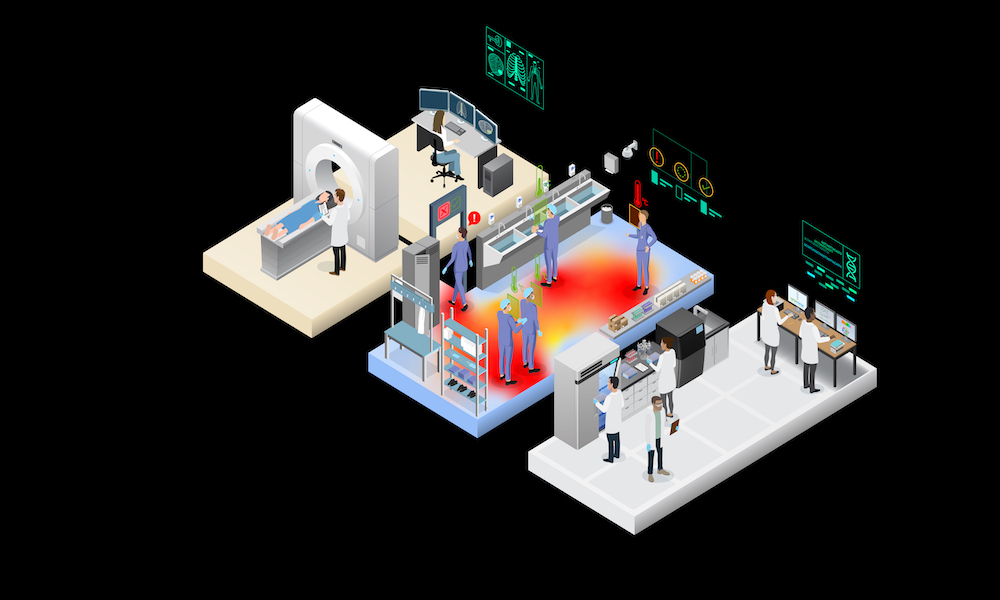
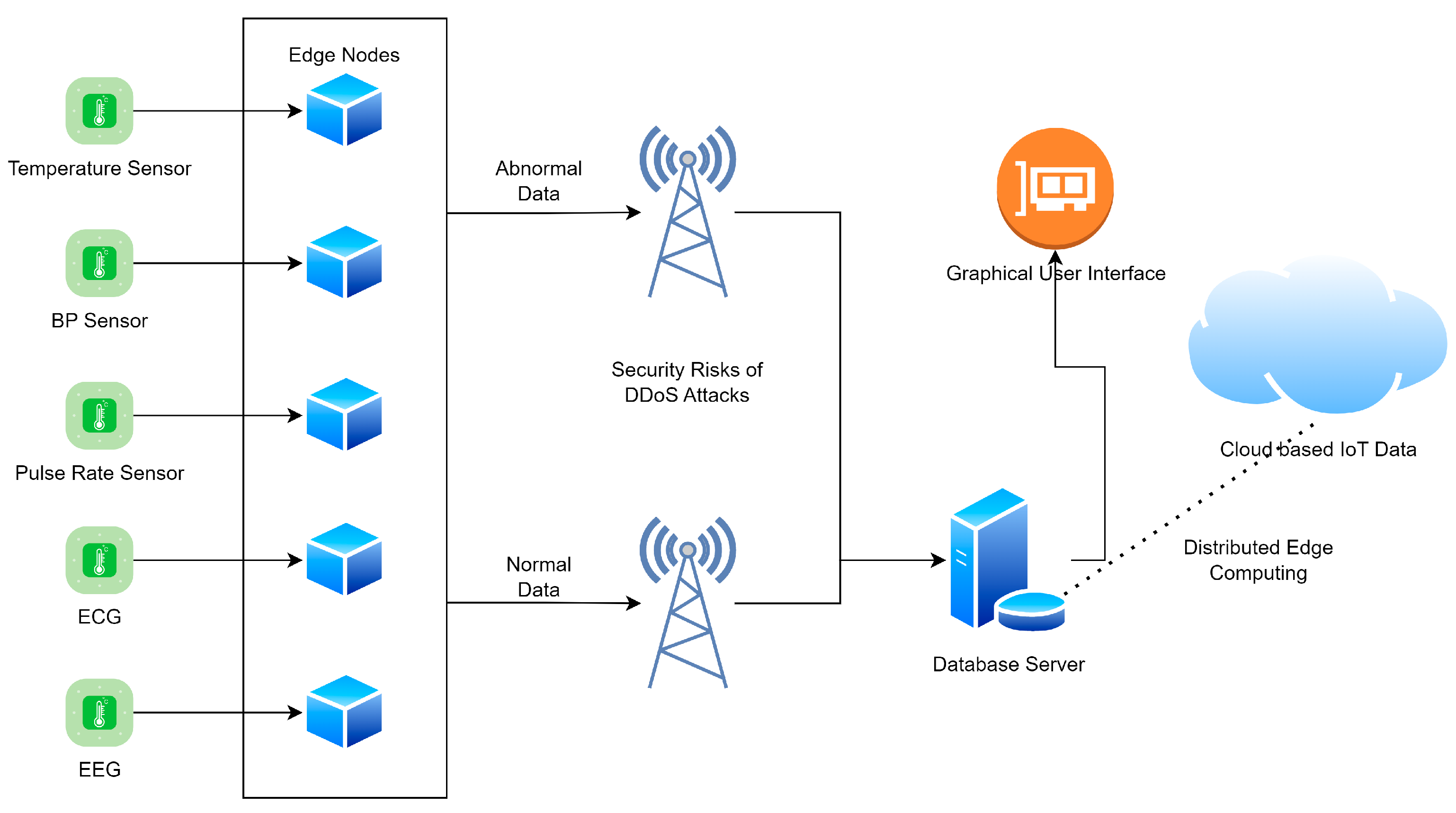
Built-In Medical Device AI (Edge AI)
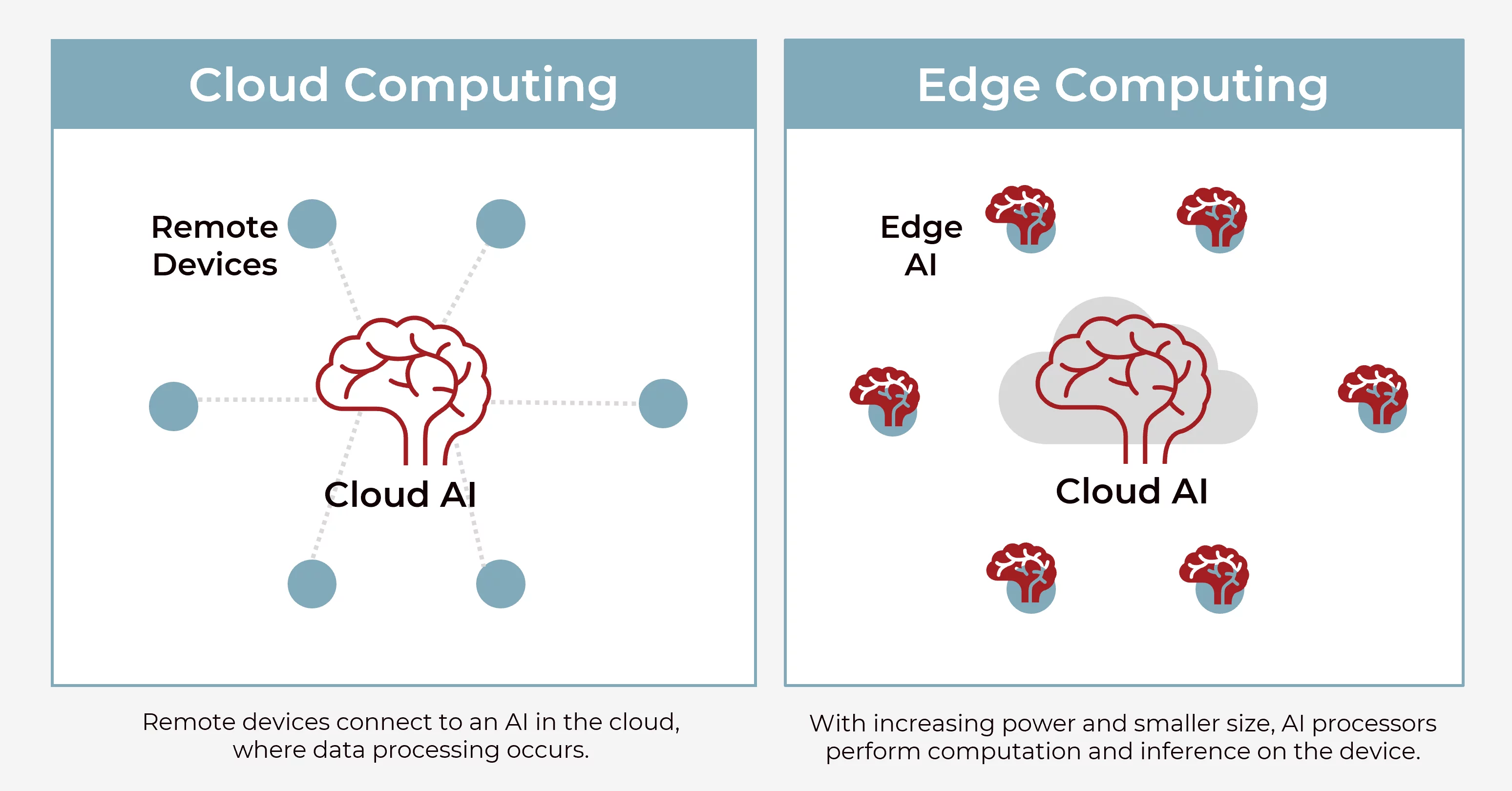
Built-in AI refers to artificial intelligence capabilities embedded directly within medical devices, where processing occurs locally on dedicated hardware. This approach utilizes specialized processors, neural processing units (NPUs), and embedded algorithms to perform real-time analysis without requiring external connectivity.
Cloud-Based Medical AI
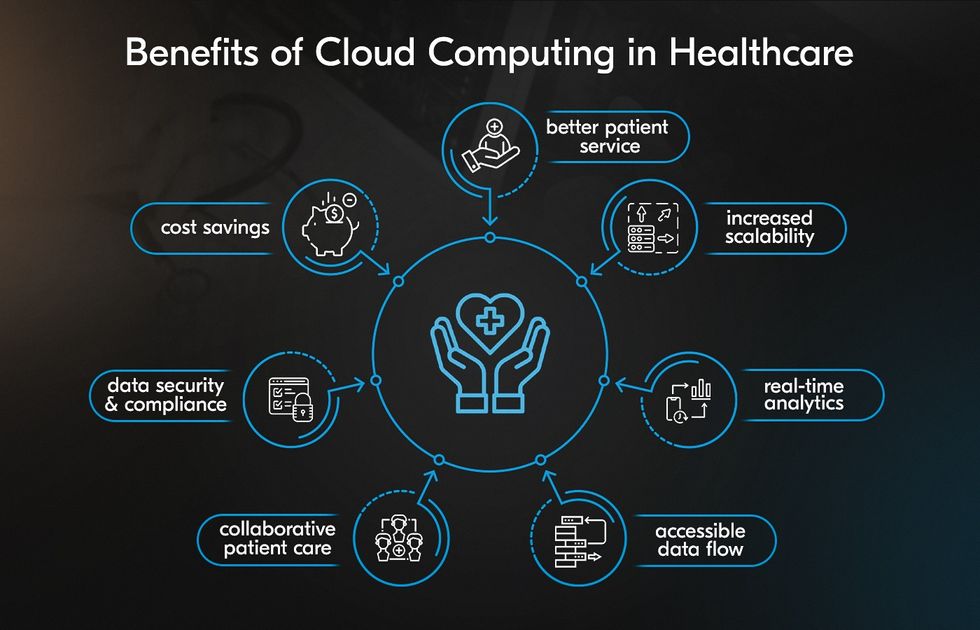
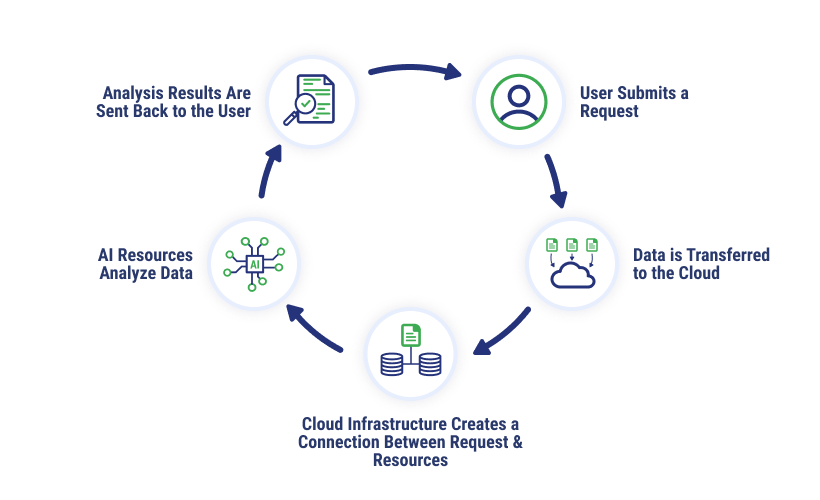
Cloud-based AI centralizes intelligence in remote servers and data centers, where medical devices act as data collection endpoints that transmit information to cloud platforms for processing and analysis. This approach leverages vast computational resources and distributed intelligence networks.
20 Advantages of Built-In Medical Device AI
1. Ultra-Low Latency Processing
Built-in AI delivers microsecond response times by processing data locally, eliminating network transmission delays. This is crucial for emergency situations where milliseconds can determine patient outcomes.
2. Network Independence
Edge AI operates without internet connectivity, ensuring continuous functionality in remote locations, during network outages, or in areas with poor connectivity infrastructure.
3. Enhanced Data Privacy
Patient data remains within the device and local clinical environment, reducing exposure to external threats and simplifying HIPAA compliance requirements.
4. Reduced Bandwidth Requirements
Local processing eliminates the need to transmit large datasets to cloud servers, significantly reducing bandwidth consumption and associated costs.
5. Predictable Performance
Built-in AI provides consistent performance characteristics unaffected by network congestion, server load, or external system dependencies.
6. Lower Operational Costs
After initial investment, edge AI eliminates ongoing cloud service fees, data transmission costs, and subscription charges.
7. Simplified Security Architecture
Isolated processing reduces attack surfaces and eliminates many network-based security vulnerabilities associated with cloud connectivity.
8. Real-Time Decision Making
Immediate processing enables instant clinical decisions, automated responses, and emergency interventions without external dependencies.
9. Regulatory Compliance Advantages
Self-contained systems often face simpler regulatory approval processes with clearer responsibility boundaries and fewer compliance complexities.
10. Deterministic Behavior
Edge AI provides predictable, reproducible results essential for clinical applications requiring consistent performance standards.
11. Reduced External Dependencies
Independence from cloud service providers, internet infrastructure, and external system availability ensures reliable operation.
12. Enhanced Patient Trust
Local processing addresses patient concerns about data leaving clinical environments, potentially improving acceptance and compliance.
13. Immediate Emergency Response
Critical alerts and automated interventions can trigger instantly without waiting for cloud processing or network transmission.
14. Customizable for Local Needs
Edge AI can be optimized for specific institutional requirements, patient populations, and clinical workflows.
15. No Data Transmission Vulnerabilities
Elimination of data transmission reduces risks of interception, man-in-the-middle attacks, and network-based security breaches.
16. Lower Total Cost of Ownership
Despite higher upfront costs, edge AI often provides better long-term value through reduced operational expenses and maintenance costs.
17. Simplified System Architecture
Self-contained systems require fewer integration points, reducing complexity and potential failure modes.
18. Enhanced Reliability
Local processing eliminates single points of failure associated with cloud infrastructure and network dependencies.
19. Improved Patient Safety
Immediate processing and response capabilities enhance patient safety through faster detection and intervention capabilities.
20. Professional Autonomy
Healthcare providers maintain complete control over AI systems without dependence on external service providers or cloud platforms.
20 Disadvantages of Built-In Medical Device AI
1. Limited Computational Power
Hardware constraints restrict the complexity and sophistication of AI algorithms that can be deployed on edge devices.
2. Static Algorithm Limitations
Built-in AI cannot easily adapt to new medical knowledge, updated treatment protocols, or evolving clinical practices.
3. Higher Initial Investment
Embedded AI hardware significantly increases device costs, requiring substantial upfront capital investment.
4. Difficult Updates and Maintenance
Algorithm updates often require physical hardware modifications, lengthy approval processes, and potential device downtime.
5. Isolated Learning Capabilities
Edge AI cannot benefit from collective learning experiences across multiple institutions or patient populations.
6. Limited Diagnostic Scope
Hardware constraints may restrict the range of conditions or complexity of cases that can be analyzed locally.
7. Vulnerability to Hardware Failures
Single points of failure in embedded systems can disable entire AI capabilities without backup alternatives.
8. Lack of Real-Time Validation
Built-in systems cannot cross-validate results against external databases or expert networks for accuracy verification.
9. Reduced Scalability
Edge AI systems are limited by their embedded hardware capabilities and cannot scale beyond physical constraints.
10. Obsolescence Risk
Embedded AI systems may become outdated as medical knowledge advances, requiring expensive hardware replacements.
11. Limited Population-Level Insights
Isolated systems cannot access population-level data needed for comprehensive analytics and pattern recognition.
12. Maintenance Complexity
Specialized hardware requires skilled technicians and may have limited service availability, increasing maintenance costs.
13. Lack of Expert Consultation
Built-in AI cannot access remote specialist consultations or second opinions during complex diagnostic cases.
14. Potential for Systematic Errors
Isolated systems may perpetuate diagnostic errors or biases without external validation or correction mechanisms.
15. Limited Research Capabilities
Edge AI cannot contribute to or benefit from large-scale clinical research studies and medical knowledge development.
16. Regulatory Update Challenges
Changing medical regulations may require extensive hardware modifications and re-certification processes.
17. Reduced Interoperability
Built-in systems may have limited ability to integrate with other medical devices or healthcare information systems.
18. Version Control Complexity
Managing multiple AI versions across different devices and locations becomes challenging without centralized control.
19. Limited Backup Options
Hardware failures may result in complete AI capability loss without alternative processing options.
20. Restricted Innovation Pace
Edge AI development cycles are slower due to hardware constraints and regulatory requirements for physical device modifications.
20 Advantages of Cloud-Based Medical AI
1. Unlimited Computational Resources
Cloud platforms provide virtually unlimited processing power, memory, and storage capabilities for complex AI algorithms.
2. Continuous Learning and Improvement
Cloud AI systems can continuously learn from new data, incorporate medical advances, and improve performance over time.
3. Rapid Algorithm Updates
New AI models and improvements can be deployed instantly across all connected devices without hardware modifications.
4. Access to Cutting-Edge Technologies
Cloud platforms provide immediate access to the latest AI advances, machine learning techniques, and medical research.
5. Population-Level Analytics
Cloud AI can analyze data from thousands of patients across multiple institutions for comprehensive insights.
6. Scalable Infrastructure
Cloud systems can dynamically scale resources based on demand, handling varying workloads efficiently.
7. Expert Network Access
Cloud platforms can connect healthcare providers with remote specialists and expert consultation networks.
8. Comprehensive Data Integration
Cloud AI can integrate data from multiple sources, devices, and healthcare systems for holistic analysis.
9. Advanced Pattern Recognition
Large-scale data analysis enables detection of rare patterns and complex medical relationships.
10. Real-Time Performance Monitoring
Cloud systems can continuously monitor AI performance and detect degradation or errors immediately.
11. Cost-Effective Scaling
Cloud platforms offer pay-as-you-use pricing models, reducing upfront investment requirements.
12. Enhanced Collaboration
Cloud AI enables seamless collaboration between healthcare providers, researchers, and institutions.
13. Automated Quality Assurance
Cloud systems can implement automated testing, validation, and quality control processes.
14. Comprehensive Audit Trails
Cloud platforms provide detailed logging and audit capabilities for regulatory compliance and quality assurance.
15. Disaster Recovery Capabilities
Cloud infrastructure offers robust backup and disaster recovery options protecting against data loss.
16. Global Knowledge Sharing
Cloud AI enables sharing of medical knowledge and best practices across global healthcare networks.
17. Sophisticated Security Infrastructure
Cloud providers invest heavily in advanced security measures and threat detection systems.
18. Regulatory Compliance Support
Cloud platforms provide built-in compliance tools and certifications for healthcare regulations.
19. Innovation Acceleration
Cloud AI enables rapid development and deployment of new medical applications and capabilities.
20. Professional Development Support
Cloud platforms offer extensive training, documentation, and support resources for healthcare professionals.
20 Disadvantages of Cloud-Based Medical AI
1. Network Dependency
Cloud AI requires reliable internet connectivity, potentially limiting functionality in areas with poor network infrastructure.
2. Increased Latency
Data transmission to cloud servers introduces delays that may be problematic for time-critical medical applications.
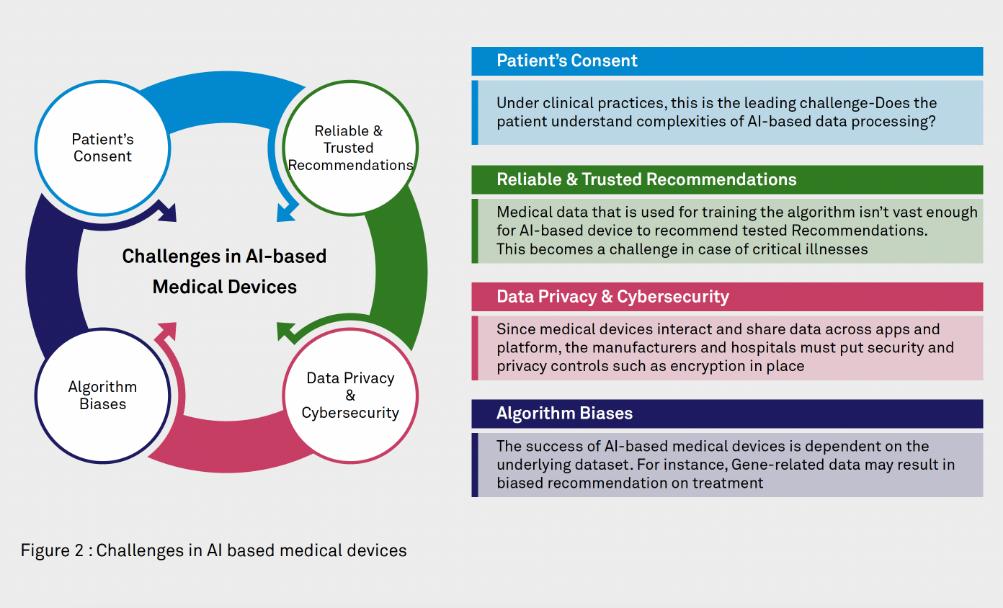
3. Data Privacy Concerns
Transmitting patient data to external cloud servers raises privacy concerns and complicates HIPAA compliance.
4. Ongoing Operational Costs
Cloud AI requires continuous subscription fees, data transmission costs, and service charges that accumulate over time.
5. External Service Dependencies
Reliance on cloud service providers creates dependencies on external companies and their service availability.
6. Bandwidth Requirements
Cloud AI requires substantial bandwidth for data transmission, potentially straining network infrastructure.
7. Security Vulnerabilities
Network transmission and cloud storage create additional attack vectors and security risks.
8. Regulatory Complexity
Cloud AI involves complex regulatory compliance requirements across multiple jurisdictions and service providers.
9. Potential Service Interruptions
Cloud outages, network failures, or service disruptions can disable AI capabilities when needed most.
10. Data Sovereignty Issues
Cloud storage may conflict with local data sovereignty laws and institutional data governance policies.
11. Limited Offline Capabilities
Cloud AI systems typically cannot function without internet connectivity, limiting use in remote or emergency situations.
12. Vendor Lock-in Risks
Dependence on specific cloud providers may create vendor lock-in situations that limit flexibility and increase costs.
13. Performance Variability
Cloud AI performance may vary based on network conditions, server load, and external factors beyond institutional control.
14. Integration Complexity
Integrating cloud AI with existing healthcare systems may require complex technical implementations and ongoing maintenance.
15. Compliance Audit Challenges
Cloud AI systems may complicate regulatory audits and compliance verification processes.
16. Data Transmission Costs
High-volume data transmission to cloud servers can result in significant bandwidth and data charges.
17. Limited Customization
Cloud AI platforms may offer limited customization options for specific institutional requirements or clinical workflows.
18. Shared Infrastructure Risks
Multi-tenant cloud environments may introduce risks from other users or security vulnerabilities in shared infrastructure.
19. Service Level Dependencies
Cloud AI performance depends on service level agreements and provider capabilities beyond institutional control.
20. Training and Adoption Challenges
Cloud AI systems may require extensive staff training and change management to achieve successful adoption.
Comparative Analysis: Key Decision Factors
Performance Considerations
The choice between built-in and cloud-based AI often depends on performance requirements. Built-in AI excels in scenarios requiring ultra-low latency and real-time processing, such as emergency cardiac monitoring or surgical robotics. Cloud-based AI provides superior performance for complex analytics, pattern recognition, and cases requiring extensive computational resources.

Security and Privacy Implications
Built-in AI offers inherent privacy advantages by keeping data local, while cloud-based AI provides enterprise-grade security infrastructure but requires careful data governance. The optimal choice depends on institutional risk tolerance, regulatory requirements, and patient privacy concerns.
Economic Factors
Built-in AI requires higher upfront investment but may offer better long-term value through reduced operational costs. Cloud-based AI provides lower initial costs but ongoing expenses that can accumulate significantly over time.
Scalability and Future-Proofing
Cloud-based AI offers superior scalability and adaptability to future medical advances, while built-in AI provides stability and predictability but may require hardware replacement as technology evolves.
Strategic Recommendations
For Critical Care Applications
Built-in AI is recommended for emergency departments, intensive care units, and surgical environments where millisecond response times are crucial for patient safety.
For Diagnostic Analytics
Cloud-based AI is ideal for complex diagnostic imaging, pathology analysis, and cases requiring extensive data correlation and pattern recognition.
For Remote Healthcare
Built-in AI is essential for rural clinics, mobile health units, and areas with limited internet connectivity where network independence is crucial.
For Research and Development
Cloud-based AI provides superior capabilities for clinical research, drug discovery, and medical knowledge development through access to large-scale data and computational resources.
Future Trends and Hybrid Approaches
The future of medical AI likely involves hybrid architectures that combine the benefits of both approaches. Edge-cloud hybrid systems can provide local processing for time-critical functions while leveraging cloud capabilities for complex analytics and continuous learning.
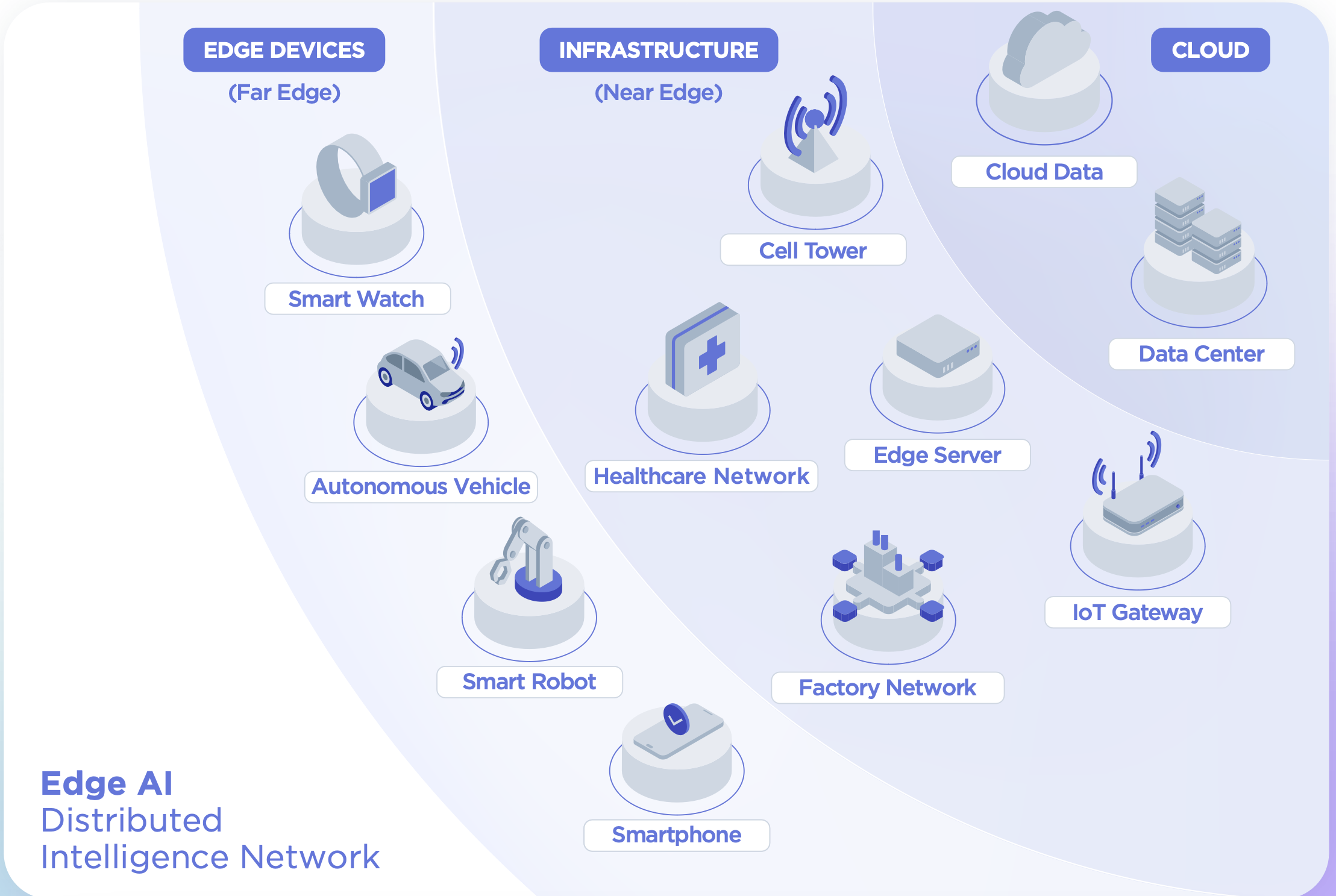
Emerging technologies such as 5G networks, edge cloud computing, and federated learning are creating new possibilities for medical AI deployment that blur the traditional boundaries between edge and cloud computing.
Conclusion
The choice between built-in and cloud-based medical AI represents a fundamental strategic decision that impacts patient care, operational efficiency, and long-term organizational capabilities. Built-in AI excels in scenarios requiring real-time processing, network independence, and enhanced privacy, while cloud-based AI provides superior scalability, continuous learning, and access to advanced analytics.
Healthcare organizations must carefully evaluate their specific needs, considering factors such as latency requirements, privacy concerns, budget constraints, and long-term strategic objectives. The optimal solution may involve hybrid approaches that leverage the strengths of both paradigms while mitigating their respective limitations.
As medical AI technology continues to evolve, the distinction between edge and cloud computing may become less relevant as hybrid architectures and new deployment models emerge. The key to success lies in maintaining focus on patient outcomes, clinical effectiveness, and healthcare value while selecting the AI deployment strategy that best serves these fundamental objectives.
The future of medical AI will likely be characterized by intelligent orchestration between edge and cloud capabilities, providing healthcare providers with the flexibility to deploy AI where it delivers the greatest clinical value while maintaining the highest standards of patient safety and care quality.
This comprehensive analysis provides healthcare professionals with the detailed insights needed to make informed decisions about medical AI deployment strategies. The choice between built-in and cloud-based approaches should be guided by specific clinical requirements, organizational capabilities, and strategic objectives, always with patient safety and care quality as the primary considerations.
RESULTS OF YOUR AUTOCLAVE ON YOUR MOBILE