HOW STEP BY STEP CONNECT AI THROUGH THE CLOUD A MEDICAL DEVICE
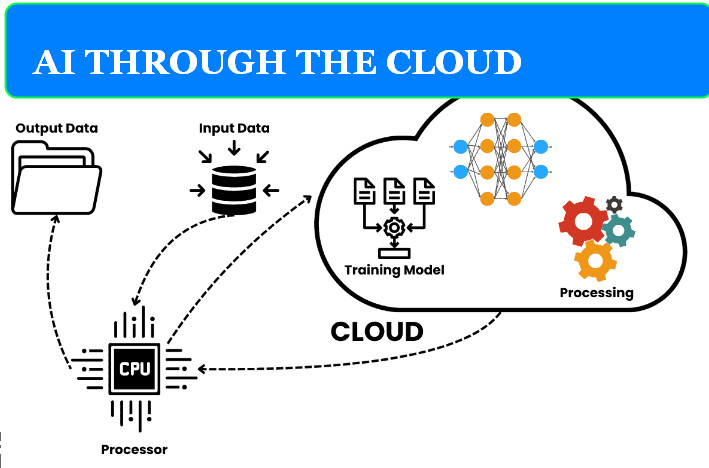
Connecting a medical device to AI through the cloud involves several key steps and careful considerations. Here’s a step-by-step guide:
.1 CHOOSE A CLOUD PLATFORM AND AI SERVICES:
- Select a cloud provider: Choose a reputable cloud provider that offers the AI services you need. Popular options include:
- Google Cloud Platform (GCP): Strong in machine learning, natural language processing, and image analysis.
- Amazon Web Services (AWS): Offers a wide range of AI services, including Amazon SageMaker for building and deploying models.
- Microsoft Azure: Provides a comprehensive suite of AI tools and cognitive services.
- Identify relevant AI services: Determine the specific AI capabilities you need, such as image analysis, natural language processing, or predictive analytics. Choose the appropriate AI services offered by your cloud provider.
2. DEVICE CONNECTIVITY:
- Enable connectivity: Ensure your medical device has the necessary hardware and software for connectivity. This might involve:
- Embedded Wi-Fi or cellular modules: For direct internet access.
- Bluetooth: To connect to a smartphone or gateway device that has internet access.
- Secure data transfer: Implement robust security measures to protect sensitive patient data during transmission to the cloud. Use encryption protocols like TLS/SSL and secure authentication methods.
3. DATA ACQUISITION AND PREPROCESSING:
- Collect data from the device: Gather the relevant data from the medical device’s sensors or internal systems. This might involve physiological signals, images, or other health-related information.
- Preprocess the data: Prepare the data for AI analysis by cleaning, normalizing, and transforming it into a suitable format. This might involve removing noise, handling missing values, or converting data types.
4. DATA TRANSFER TO THE CLOUD:
- Establish a secure connection: Create a secure connection between the medical device and the cloud platform using appropriate protocols and authentication methods.
- Stream or batch data: Depending on the application, you can either stream data continuously to the cloud or send it in batches at specific intervals.
- Store data securely: Store the data in the cloud using secure storage services provided by your cloud provider. Consider encryption and access control mechanisms to protect patient privacy.
5. AI MODEL INTEGRATION:
- Access AI services: Utilize the AI services provided by your cloud platform to analyze the data. This might involve using pre-trained models, building custom models, or using APIs for specific AI tasks.
- Process data in the cloud: The AI models in the cloud will process the received data and generate insights, predictions, or classifications.
- Return results to the device: Send the AI’s output back to the medical device for display, further processing, or to trigger specific actions.
6. DEVICE INTEGRATION AND USER INTERFACE:
- Integrate AI output: Integrate the AI-generated insights into the medical device’s functionality. This might involve displaying results on the device screen, triggering alarms, or adjusting device settings.
- Design a user interface: Create a user-friendly interface that allows users to interact with the AI features and understand the results.
7. TESTING AND VALIDATION:
- Thoroughly test the system: Test the entire system, including data transfer, AI processing, and device integration, to ensure accuracy, reliability, and security.
- Validate AI performance: Validate the performance of the AI models on real-world data to ensure they meet the required accuracy and clinical efficacy.
KEY CONSIDERATIONS:
- Data privacy and security: Implement strong security measures to protect patient data throughout the process, complying with regulations like HIPAA and GDPR.
- Latency: Minimize latency in data transfer and AI processing to ensure real-time or near real-time performance, especially for critical applications.
- Reliability: Ensure the system is reliable and resilient to network disruptions or other issues.
- Scalability: Design the system to handle increasing amounts of data and user requests as needed.
By carefully following these steps and considering the key considerations, you can successfully connect a medical device to AI through the cloud, enabling innovative features and enhancing patient care