Author: contact

  • HOW TO TRANSFORM YOUR  MEDICAL DEVICE WITHOUT CONNECTIVITY IN A MEDICAL DEVICE WITH AI BUILT IN
     

    HOW TO TRANSFORM YOUR  MEDICAL DEVICE WITHOUT CONNECTIVITY IN A MEDICAL DEVICE WITH AI BUILT IN

    HOW TO TRANSFORM YOUR MEDICAL DEVICE WITHOUT CONNECTIVITY IN A MEDICAL DEVICE WITH AI BUILT IN.jpg
    HOW TO TRANSFORM YOUR MEDICAL DEVICE WITHOUT CONNECTIVITY IN A MEDICAL DEVICE WITH AI BUILT IN.jpg

    1. HARDWARE ENHANCEMENTS

    • Processing Power: You’ll need to integrate a more powerful processor capable of running complex AI algorithms. This could involve:
      • Microcontrollers (MCUs) with AI accelerators: These are specifically designed for running AI at the edge.  
      • Embedded Systems: Small, specialized computers integrated into the device.
      • Application-Specific Integrated Circuits (ASICs): Custom-designed chips optimized for your specific AI tasks.  


    • Memory: Increased memory (RAM) is necessary to store and process data used by the AI model.  
    • Storage: You’ll need storage (e.g., flash memory) to store the AI model itself and potentially store patient data for local processing.

    2. AI MODEL OPTIMIZATION

    • Model Selection: Choose AI models that are lightweight and efficient enough to run on the device’s limited resources. Consider techniques like:
      • Model Quantization: Reducing the precision of model parameters to require less memory and processing power.  
      • Model Pruning: Removing unnecessary connections in the model to reduce its size and complexity.  
      • Knowledge Distillation: Training a smaller “student” model to mimic the behavior of a larger, more complex “teacher” model.  
    • On-device Training: Explore techniques to allow the model to adapt and improve its performance using data collected on the device itself (federated learning, transfer learning).

    3. SOFTWARE DEVELOPMENT

    • Embedded Software: Develop the necessary software to integrate the AI model into the device’s firmware and ensure real-time operation.
    • Operating System: Choose a suitable operating system (e.g., real-time operating system) that can manage the device’s resources and support AI processing.
    • Local Data Handling: Develop mechanisms for data acquisition, preprocessing, and storage on the device.

    4. POWER MANAGEMENT

    • Optimize for Efficiency: AI processing can be power-intensive. Implement strategies to minimize power consumption, especially if the device is battery-powered.  
    • Power Source: Consider the device’s power source and whether it can support the increased demands of on-device AI.

    5. SAFETY AND RELIABILITY

    • Real-time Performance: Ensure the AI model can process data and provide insights in real-time, especially for critical applications.
    • Fault Tolerance: Implement mechanisms to handle potential errors or failures in the AI system to maintain device safety.
    • Security: Protect the AI model and patient data from unauthorized access or tampering.

    Example:

    Consider a portable ECG monitor. To add built-in AI, you could:

    • Integrate a powerful MCU: Choose an MCU with dedicated AI acceleration capabilities.
    • Optimize an arrhythmia detection model: Select and optimize a lightweight AI model for detecting abnormal heart rhythms.  
    • Develop embedded software: Integrate the model into the monitor’s firmware to provide real-time alerts for potential arrhythmias.

    Benefits of Built-in AI:

    • Real-time operation: No need for network connectivity to get AI insights.
    • Data privacy: Sensitive patient data can be processed locally, reducing privacy risks.  
    • Offline functionality: The device can function even without an internet connection.

    Challenges of Built-in AI:

    • Limited resources: Device size and power constraints can limit the complexity of AI models.  
    • Development complexity: Requires specialized expertise in embedded systems and AI.  
    • Cost: Adding more powerful hardware can increase the device’s cost.

    By carefully considering these factors and overcoming the challenges, you can effectively integrate AI directly into your medical device.
     

  • ABOUT US


      ABOUT  US


    MEDIKAL DEVICE : THE FUTURE OF CONNECTED MEDICINE


    MEDIKAL DEVICE is at the forefront of medical technology innovation. We transform existing medical equipment with advanced connectivity and artificial intelligence capabilities, ushering in a new era of smarter, more efficient healthcare.


    OUR MISSION


    Our mission is to make healthcare more accessible, more accurate, and more personalized through the seamless integration of the Internet and AI into medical devices. We believe that every patient deserves to benefit from the latest technological advancements to improve their health and well-being.

    OUR  TEAM  


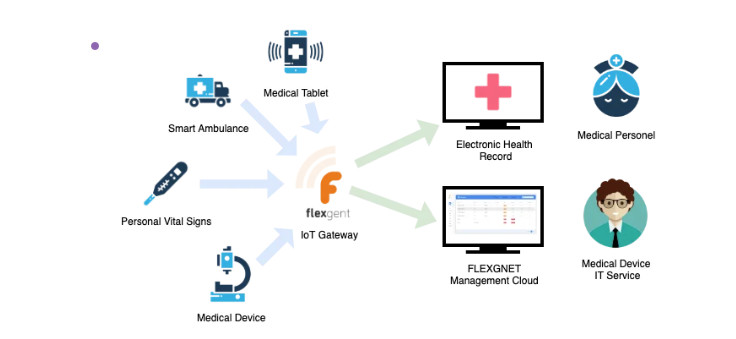
    We specialize in modifying existing medical devices equipped with any type of non-electrical port. With our technical know-how, we integrate cutting-edge connectivity modules and AI algorithms, enabling these devices to communicate with the cloud and harness the power of artificial intelligence.

    **OUR SOLUTIONS **


    We offer a range of innovative solutions to transform your medical equipment:

         CONNECTIVITE CLOUD

    We enable your devices to securely transmit real-time data to the cloud, facilitating remote monitoring, data analysis and informed clinical decision-making.

      ARTIFICIAL INTELLIGENCE:

    We integrate AI algorithms to analyze collected data, detect anomalies, predict trends and provide valuable insights to improve diagnostics, treatments and prevention.

    INTUITIVE USER INTERFACE:

    We develop user-friendly interfaces to facilitate interaction with connected medical devices, whether for healthcare professionals or patients.


    OUR  AVANTAGES


    VALUATION OF YOUR INVESTMENT:

    We extend the life of your existing medical equipment by providing new features and capabilities..

    IMPROVED CARE:

     We help improve the quality of care by providing more accurate and relevant information to healthcare professionals.

    PROCESS OPTIMIZATION:

     We help optimize care processes by facilitating communication, patient monitoring and data management.

    **CONTACT US**


    Join us in this revolution of connected medical technologies. Contact us today to discover how we can transform your medical equipment and contribute to the improvement of healthcare.

  • LIST OF CONNECTIVITY ON MEDICAL DEVICE

    LIST OF CONNECTIVITY  ON MEDICAL DEVICE


    LIST OF CONNECTIVITY  ON MEDICAL DEVICE
    LIST OF CONNECTIVITY ON MEDICAL DEVICE

    Medical devices can have a variety of ports for different purposes. Here are some common types of ports found on medical devices:

    FOR DATA TRANSFER AND COMMUNICATION:

    • USB: Used for connecting to computers, peripherals, or external storage devices.
    • Ethernet: For networking and connecting to hospital information systems.
    • Serial: An older type of connection still used for some devices.
    • Wireless (Bluetooth, Wi-Fi): For wireless communication and data transfer.

    FOR POWER SUPPLY:

    • AC Power Inlet: For connecting to mains electricity.
    • DC Power Jack: For connecting to external DC power sources.

    FOR SENSORS AND PROBES:

    • Specialized Connectors: Many medical devices have unique connectors for specific sensors or probes, such as ECG leads, temperature probes, or ultrasound transducers.

    FOR GAS AND FLUID DELIVERY:

    • Gas Inlet/Outlet: For connecting to medical gas supplies or ventilators.
    • Fluid Inlet/Outlet: For connecting to IV lines, fluid bags, or other fluid delivery systems.

    OTHER PORTS:

    • Audio Jacks: For headphones or external speakers.
    • Video Ports (HDMI, VGA): For connecting to external displays.

    Note: The specific ports on a medical device will vary depending on its functionality and intended use. Always refer to the device’s user manual for detailed information about its ports and connections.