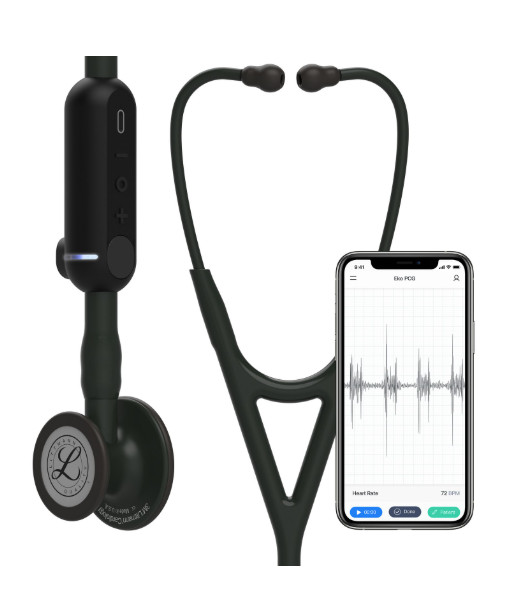
Author: contact

  • 10 REASONS TO PREFER MEDICAL CLOUD AI

    In the rapidly evolving field of healthcare technology, artificial intelligence (AI) is transforming how medical devices function. AI-enhanced diagnostic tools, real-time monitoring systems, and predictive analytics are now common in everything from otoscopes to ECG monitors. But a critical distinction is emerging: AI built directly into the device (embedded AI) vs. AI delivered through the cloud.

    While both approaches have their merits, cloud-based AI offers unmatched advantages that are shaping the future of connected healthcare. Here are 10 compelling reasons to prefer medical devices that connect to AI through the cloud over those with AI built-in.


    1. UNLIMITED COMPUTATIONAL POWER AND SCALABILITY
    UNLIMITED COMPUTATIONAL POWER AND SCALABILITY
    UNLIMITED COMPUTATIONAL POWER AND SCALABILITY

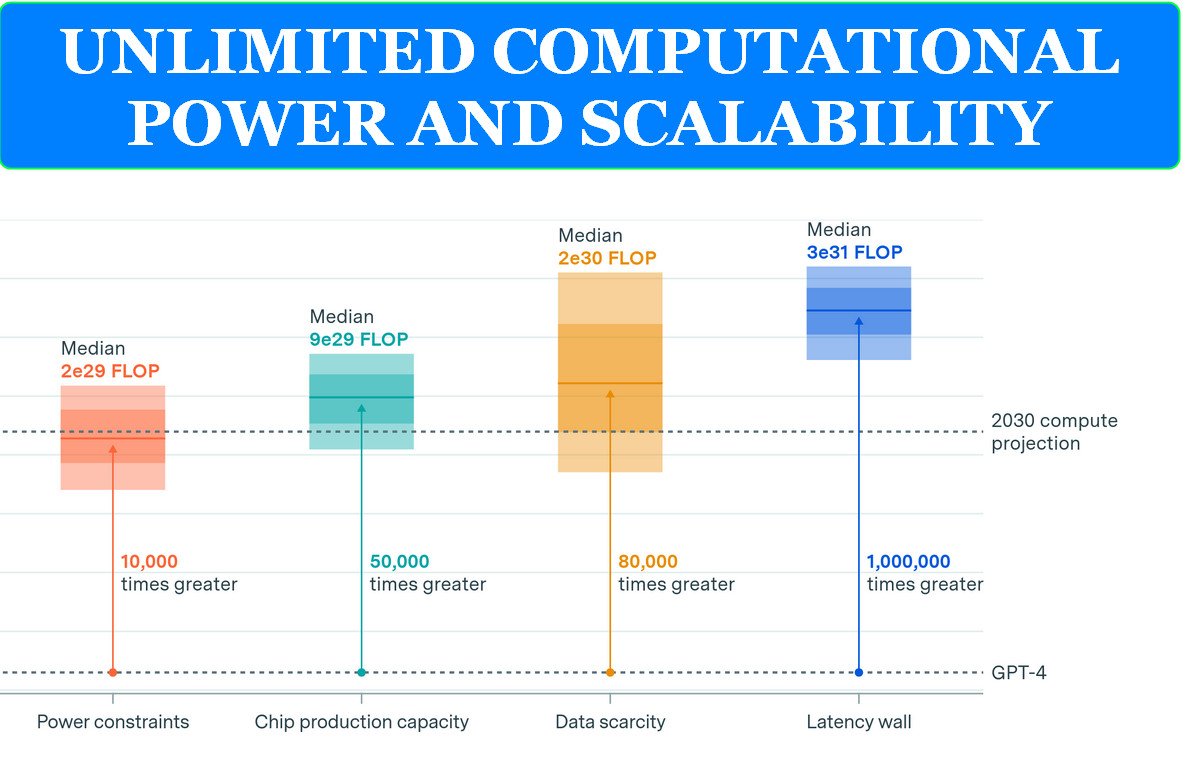
    Built-in AI is limited by the hardware inside the device — small processors, limited memory, and restricted battery life. These devices can only run light models, often with compromised precision due to computational constraints.

    Cloud-based AI, however, can access powerful GPU clusters, massive memory banks, and parallel processing. As a result, it can run more complex and precise deep learning models, including those based on transformer architectures or multi-modal learning. These models can analyze data with greater depth, leading to more accurate diagnostics and predictions.

    Cloud systems can also scale instantly, accommodating thousands or millions of devices simultaneously. This is essential for hospital networks, telehealth providers, and large-scale public health systems.


    2. CONTINUOUS LEARNING AND REAL-TIME MODEL UPDATES
    CONTINUOUS LEARNING AND REAL-TIME MODEL UPDATES
    CONTINUOUS LEARNING AND REAL-TIME MODEL UPDATES

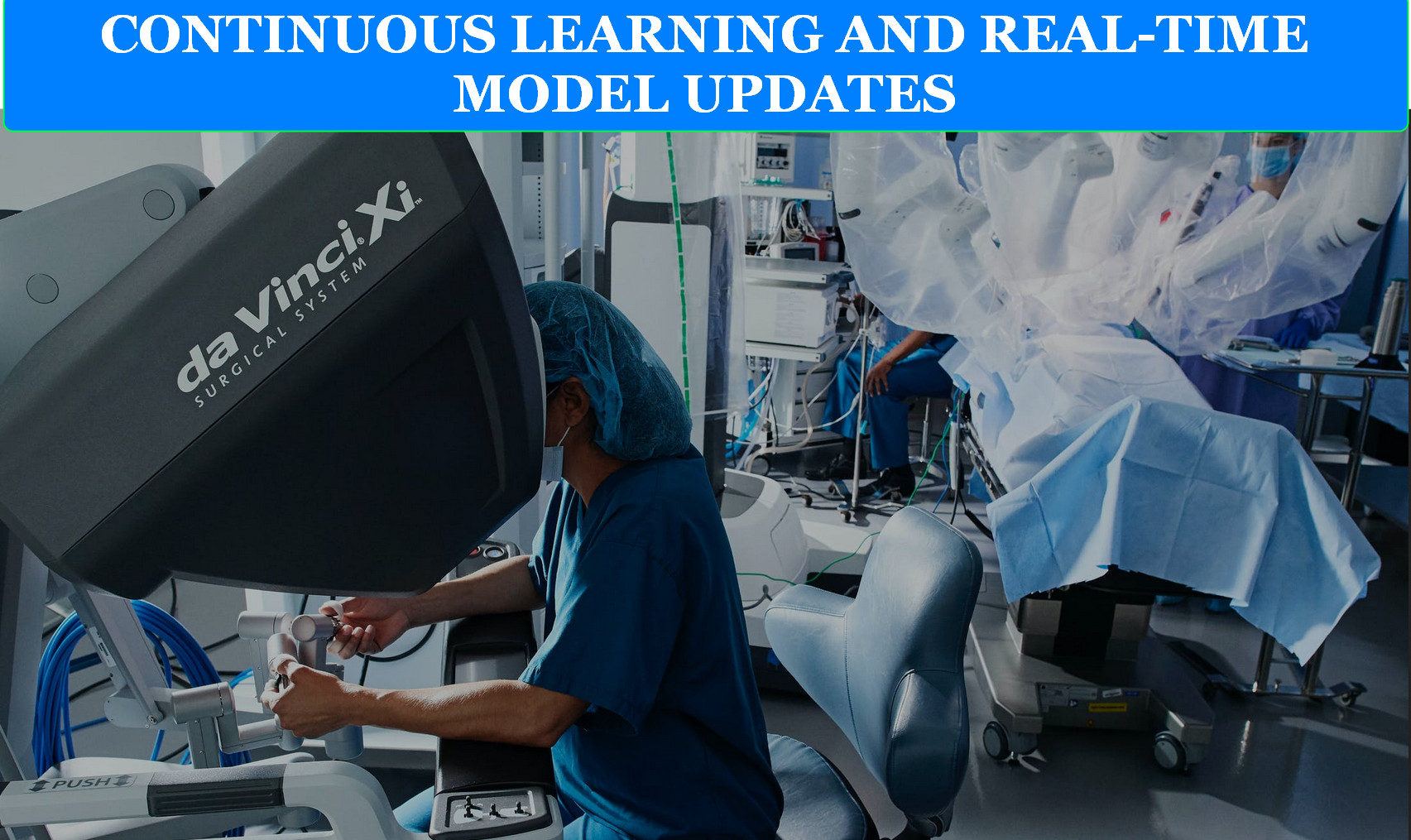
    AI models embedded in medical devices are usually fixed at the time of manufacture or require a manual firmware update — a process often slow and impractical in regulated environments.

    In contrast, cloud-based AI is dynamic. Models can be retrained and updated regularly based on aggregated anonymized data from thousands of users. These updates are pushed live without needing device recalls or manual user intervention.

    This means that with cloud AI, a medical device continually improves in performance over time — learning from new patient cases, emerging medical knowledge, and even changes in disease patterns (e.g., new virus variants).


    3. CENTRALIZED DATA AGGREGATION FOR IMPROVED INSIGHTS

    AI is only as good as the data it learns from. Devices with built-in AI rely solely on the local data they collect, which is often limited and siloed.

    Cloud-connected medical devices, on the other hand, feed data into centralized databases. This aggregation enables AI models to train on millions of anonymized cases from various demographics and geographies, improving generalizability and reducing algorithmic bias.

    It also enables population-level insights — identifying trends in disease spread, early warning signs, or treatment efficacy — which are simply not possible with built-in AI alone.


    4. LOWER DEVICE COST AND FASTER TIME TO MARKET
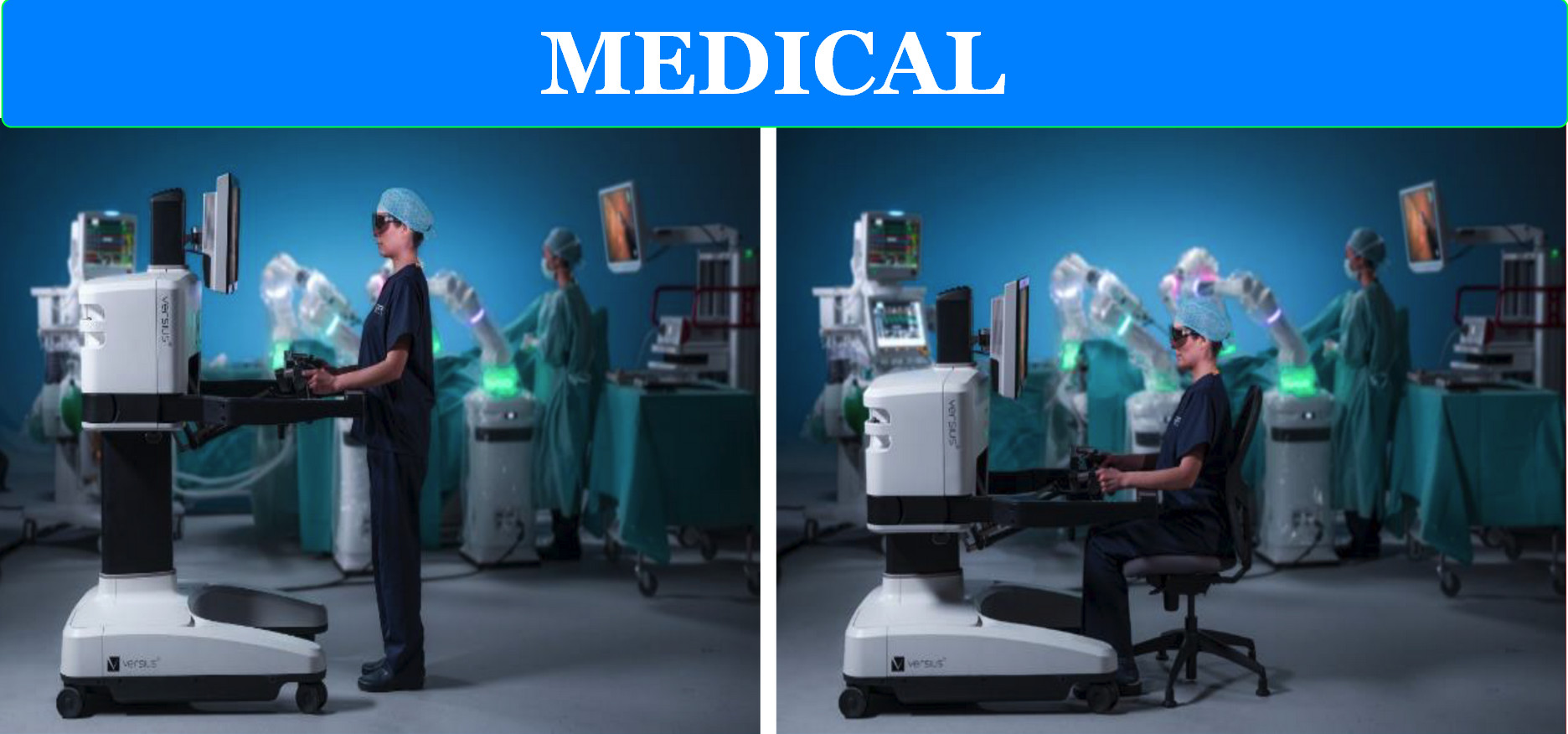
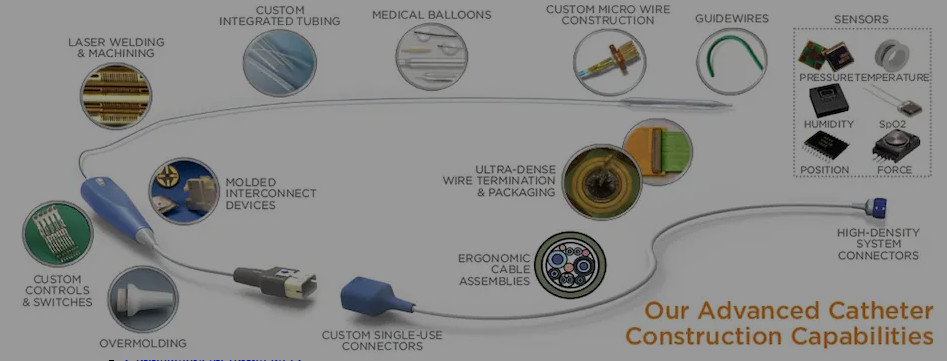
    MEDICAL
    MEDICAL

    Integrating AI chips or high-performance computing units into a medical device increases manufacturing cost, complexity, and testing requirements. This can result in longer time to market and a higher retail price.

    Cloud-based AI shifts the intelligence off the device and into the cloud, allowing for simpler hardware. A USB or Wi-Fi-enabled medical device can be produced with minimal internal processing and rely on cloud-based models for analysis.

    This leads to faster development cycles, lower prices, and broader accessibility — especially critical for emerging markets and low-resource settings.


    5. EASIER REGULATORY COMPLIANCE AND CERTIFICATION

    Every time a built-in AI model is updated, it might require a new round of regulatory approval, especially for FDA-cleared or CE-marked devices. This is expensive and time-consuming.

    With cloud AI, the algorithm is separated from the physical device. The device collects and transmits data, while the cloud handles interpretation. As long as data transmission and handling comply with security standards, regulatory updates are faster and more flexible.

    This decoupling allows manufacturers to iterate and improve AI models without resubmitting the entire device for certification each time.


    6. ENHANCED DATA SECURITY AND BACKUP

    It may seem counterintuitive, but cloud systems offer better data security than embedded systems — when properly managed. Built-in AI systems store data locally, making them vulnerable to theft, loss, or unauthorized access if the device is stolen or compromised.

    Cloud-based systems enable:

    ·                     End-to-end encryption

    ·                     Regular data backups

    ·                     User access control

    ·                     HIPAA/GDPR compliance management

    Moreover, centralized systems allow for remote wiping, audit trails, and real-time monitoring of unusual access — features nearly impossible with offline AI devices.


    7. SEAMLESS INTEGRATION WITH ELECTRONIC HEALTH RECORDS (EHR)

    Modern cloud-connected medical devices can easily integrate with hospital or clinic EHR systems via APIs. This enables automatic syncing of diagnostic data, real-time alerts to physicians, and smoother workflows.

    By contrast, built-in AI systems often require manual transfer of results via USB or paper-based reports — introducing latency, errors, and extra administrative burden.

    Cloud systems also make remote access and telemedicine more seamless, allowing authorized healthcare providers to review results from anywhere.


    8. MULTI-DEVICE ECOSYSTEM COMPATIBILITY

    In most clinics and hospitals, multiple types of devices are used: otoscopes, ECGs, thermometers, ultrasound scanners, etc. When AI is built into each device individually, the intelligence is isolated — there’s no cross-device communication.

    Cloud-based AI platforms allow for interoperability across devices. For example:

    ·                     An AI model can combine ECG data from one device with oxygen saturation data from another.

    ·                     The cloud system can create a unified patient profile and support better diagnostics by correlating data.

    This multi-modal intelligence is only feasible through centralized, cloud-powered AI.


    9. REMOTE DEVICE MONITORING AND FLEET MANAGEMENT

    For manufacturers or distributors, devices with embedded AI are harder to track and support once deployed in the field.

    With cloud-based systems, every connected device can:

    ·                     Send usage logs

    ·                     Report software errors or hardware faults

    ·                     Be updated or reconfigured remotely

    ·                     Be managed as part of a global device network

    This is especially valuable for organizations deploying hundreds or thousands of units across clinics, pharmacies, or home care settings. It drastically reduces support costs and downtime.


    10. PREPAREDNESS FOR FUTURE AI STANDARDS AND INTEROPERABILITY

    The future of medical AI is moving toward:

    ·                     Federated learning

    ·                     AI-as-a-Service (AIaaS)

    ·                     Regulatory sandboxes for real-time validation

    ·                     Interoperability between vendors

    Devices with embedded AI may quickly become obsolete or incompatible with future frameworks.

    By contrast, cloud-based medical devices can be plugged into evolving AI ecosystems. They can switch between AI models (e.g., model A for cardiac, model B for dermatology), integrate third-party APIs, or participate in collaborative AI learning networks.

    This ensures future-proofing and better long-term value.


    🧠 CONCLUSION: THE CLOUD IS THE FUTURE OF SMART HEALTHCARE DEVICES

    Built-in AI can be useful in very specific contexts: environments with no internet, emergency fieldwork, or high-speed applications requiring ultra-low latency. However, for most clinical, home-care, and diagnostic use cases, cloud-based AI offers overwhelming advantages in flexibility, scalability, and intelligence.

    It enables devices to:

    ·                     Continuously evolve,

    ·                     Collaborate with other systems,

    ·                     Protect patient data more effectively,

    ·                     And support the broader mission of connected, precision-based healthcare.

    As the industry moves toward global health integration, the cloud is not just an option — it’s the foundation.

     

    MEDICAL CLOUD AI IN CHINA

    MEDICAL CLOUD AI IN USA 

    MEDICAL CLOUD AI IN INDIA


  • AN UNDERPOWERED PROCESSOR OF THE MEDICAL DEVICE  BUILT IN CAN DISTORT CALCULATIONS

    AN UNDERPOWERED PROCESSOR OF THE MEDICAL DEVICE  BUILT IN CAN DISTORT CALCULATIONS
    AN UNDERPOWERED PROCESSOR OF THE MEDICAL DEVICE  BUILT IN CAN DISTORT CALCULATIONS

    A processor can infect calculations if it lacks power or is subjected to inappropriate operating conditions. Here are the main causes and possible consequences in the context of medical devices incorporating AI:

    ________________________________________

    1. POSSIBLE CAUSES OF ERRONEOUS CALCULATIONS

    • CPU overload: If the processor is insufficiently sized for the task (e.g., real-time AI calculations), it may skip instructions or generate errors (overflow, underflow, excessive latency).

    • Thermal throttling: Overheating can force the CPU to reduce its frequency to protect itself, leading to delays or processing errors.

    • Lack of memory (RAM/cache): If data cannot be accessed quickly enough, the processor may produce partial or corrupted results.

    • Hardware bugs: A faulty or misconfigured CPU can corrupt calculations (e.g., floating-point errors). ________________________________________

    2. Risks to Medical Equipment

    • Misdiagnosis: Radiology or laboratory AI could incorrectly analyze images/biomarkers.

    • Critical Timelines: In real-time (e.g., cardiac monitoring), latency can render results unusable.

    • Algorithmic Bias: Incomplete calculations can distort predictions (e.g., drug dosage).

    ________________________________________

    3. SOLUTIONS TO AVOID THESE PROBLEMS

    • Right-Sizing: Use CPUs/GPUs with a power margin (e.g., NVIDIA Jetson for edge AI).

    • Software Optimization: Reduce load via lightweight models (quantized, pruned) or dedicated hardware (TPU, FPGA).

    • Thermal Control: Active/Passive Cooling to Avoid Throttling.

    • Robustness Testing: Validation of calculations under maximum load (benchmarks, extreme scenarios).

    • Redundancy: Double-checking by a second system (safety-critical systems).

    ___________________________________

    4. CONCRETE EXAMPLE

    An AI system for tumor detection on MRI scans must process high-resolution images. If the CPU/GPU is underpowered:

    • Result: False negatives/negatives due to saturation or rounding errors.

    • Solution: Use a dedicated GPU (e.g., NVIDIA A100) with optimized libraries (CUDA, TensorRT).

    ________________________________________

    CONCLUSION

    In medical equipment, hardware reliability is critical. An underpowered or overloaded processor can compromise the integrity of computations, especially for AI. It is essential to:

    • Choose certified hardware (e.g., IEC 62304 standards for medical devices).

    • Validate performance in real-world conditions.

    • Monitor the hardware (logs, overload alerts).

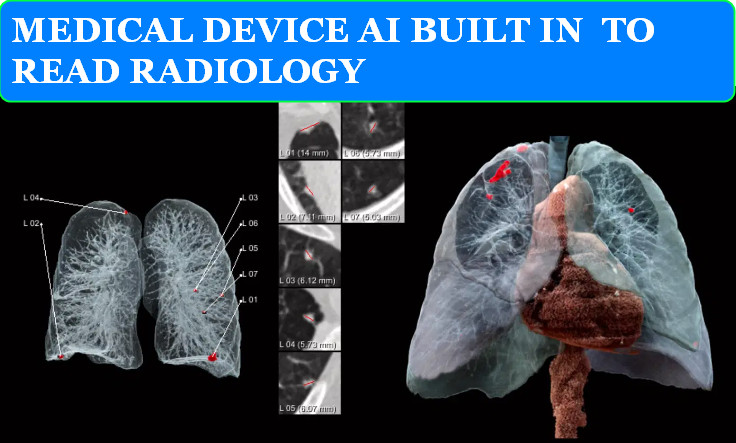
  • MEDICAL DEVICE AI BUILT IN  TO READ RADIOLOGY


    MEDICAL DEVICE AI BUILT IN  TO READ RADIOLOGY

    MEDICAL DEVICE AI BUILT IN TO READ RADIOLOGY
    MEDICAL DEVICE AI BUILT IN TO READ RADIOLOGY

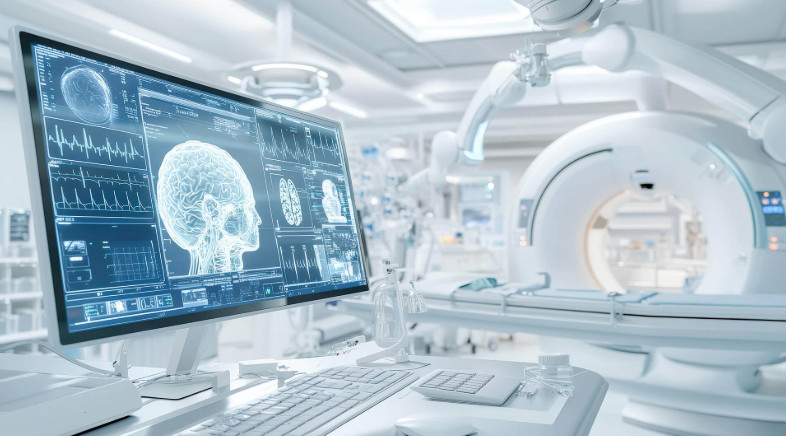
    AI is rapidly changing the field of radiology, offering powerful tools to assist radiologists in analyzing medical images. Here’s how these “AI machines” work and their impact:

    HOW AI READS RADIOLOGY IMAGES:

    1.    Image Acquisition: The process starts with acquiring medical images like X-rays, CT scans, MRIs, and ultrasounds.

    2.  Data Preprocessing: The images are preprocessed to enhance quality and standardize formats. This might involve noise reduction, image enhancement, and segmentation.

    3.  AI Algorithms: Sophisticated AI algorithms, often based on deep learning, are used to analyze the images. These algorithms are trained on vast datasets of labeled medical images to recognize patterns and identify abnormalities.

    4.  Feature Extraction: The AI system extracts relevant features from the images, such as the shape, size, texture, and location of organs, tissues, and potential abnormalities.

    5.   Analysis and Interpretation: The AI system analyzes the extracted features to identify potential abnormalities, classify them, and provide insights to the radiologist.

    6.  Output and Visualization: The AI system generates reports, highlights areas of concern on the images, and provides visualizations to aid the radiologist in interpretation.

    EXAMPLES OF AI APPLICATIONS IN RADIOLOGY:

    • Detection and Diagnosis:
      • Aidoc: Flags acute abnormalities in CT scans, such as intracranial hemorrhages or pulmonary embolisms, to prioritize urgent cases.
      • Viz.AI Contact: Analyzes CT scans to detect suspected strokes and alert specialists for faster treatment.
      • Imagen OsteoDetect: Identifies distal radius fractures in wrist X-rays.
    • Quantitative Analysis:
      • AI-supported prostate segmentation and volume analysis: Helps measure prostate volume and identify suspicious lesions in MRI scans.
      • Cardiac imaging analysis: Assesses cardiac function and detects abnormalities in echocardiograms or cardiac MRIs.
    • Workflow Optimization:
      • Prioritization of critical findings: Helps radiologists prioritize cases based on the urgency of the findings.
      • Automated report generation: Assists in generating preliminary reports, saving radiologists time.

    BENEFITS OF AI IN RADIOLOGY:

    • Increased Accuracy: AI can detect subtle abnormalities that might be missed by the human eye, leading to more accurate diagnoses.
    • Improved Efficiency: AI can automate tasks, allowing radiologists to focus on more complex cases and improving overall workflow.
    • Reduced workload: AI can help alleviate the burden on radiologists, who often face heavy workloads and time constraints.
    • Enhanced Patient Care: Faster and more accurate diagnoses can lead to earlier interventions and better patient outcomes.

    IMPORTANT NOTE:

    • AI as a Tool: AI is not meant to replace radiologists but to serve as a powerful tool to enhance their capabilities and improve patient care. The final interpretation and diagnosis always rest with the radiologist.

    The use of AI in radiology is rapidly evolving, with new applications and advancements emerging constantly. This technology has the potential to revolutionize the field, making radiology more accurate, efficient, and accessible to patients worldwide.


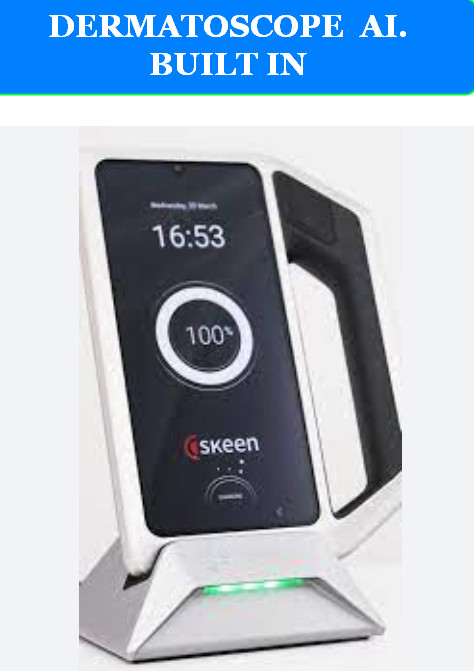
  • DERMATOSCOPE AI. BUILT IN


    DERMATOSCOPE IA INTÉGRÉ


    Les dermatoscopes à intelligence artificielle révolutionnent la dermatologie en fournissant une analyse cutanée assistée par IA en temps réel pour faciliter la détection du cancer de la peau et d’autres affections cutanées. Ces appareils sont particulièrement utiles pour identifier les signes précoces de mélanome, de carcinome basocellulaire et d’autres types de cancers de la peau, améliorant ainsi la précision du diagnostic et les résultats pour les patients. Voici un aperçu des fonctionnalités et avantages notables des dermatoscopes à intelligence artificielle :

    CARACTÉRISTIQUES CLÉS DES DERMATOSCOPES ACTIVÉS PAR L’IA

    1.     Analyse d’images automatisée :
    les dermatoscopes IA capturent et analysent des images haute résolution des lésions cutanées. Grâce à des modèles d’apprentissage automatique entraînés sur de vastes bases de données d’images cutanées, l’IA évalue la probabilité de malignité en fonction de caractéristiques telles que la couleur, la texture et l’asymétrie.

    2.   Évaluation des risques et triage :
    de nombreux dermatoscopes à IA permettent une évaluation immédiate des risques, qualifiant les lésions de risque faible, modéré ou élevé. Cette fonction de triage aide les dermatologues à prioriser les cas et à accélérer le traitement des affections à haut risque.

    3.   Assistance en temps réel pour les cliniciens :
    l’intégration de l’IA aide les dermatologues à réaliser des évaluations rapides et précises lors des consultations, réduisant ainsi le nombre de visites et de suivis. Ce retour d’information en temps réel est particulièrement utile en médecine générale ou pour les médecins généralistes non spécialisés en dermatologie.

    4.   Fonctionnalités de télémédecine :
    certains dermatoscopes à intelligence artificielle se connectent à des plateformes cloud, permettant ainsi le partage sécurisé d’images et d’évaluations avec des spécialistes à distance. Cette fonctionnalité permet des consultations virtuelles et des deuxièmes avis, rendant ainsi des soins de la peau de haute qualité accessibles aux patients des régions éloignées.

    5.    Documentation et suivi :
    les dermatoscopes IA intègrent souvent des outils permettant de documenter et de suivre l’évolution des lésions au fil du temps. Cette fonctionnalité permet un suivi à long terme des patients à risque grâce au stockage des données d’image et à l’analyse de la progression, facilitant ainsi une intervention précoce en cas d’évolution des lésions.

    6.   Éducation et engagement des patients
    Certains modèles sont livrés avec des applications ou des écrans conviviaux pour les patients qui expliquent l’évaluation de l’IA en termes simples, aidant les patients à comprendre la santé de leur peau et encourageant une surveillance proactive.

    EXEMPLES DE DERMATOSCOPES ALIMENTÉS PAR L’IA

    1.     SkinVision :
    cette application de dermatoscopie par IA, conçue pour les smartphones, permet une évaluation instantanée des lésions cutanées. L’utilisateur capture une image de la lésion cutanée, que l’IA analyse et lui attribue un score de risque. SkinVision est populaire à domicile et peut inciter les utilisateurs à consulter un dermatologue si nécessaire.

    2.   FotoFinder ATBM (Automated Total Body Mapping) :
    ce dermatoscope professionnel, optimisé par l’IA, analyse non seulement les lésions individuelles, mais capture également des images du corps entier, permettant ainsi aux dermatologues de surveiller tous les grains de beauté et taches. Il utilise l’IA pour détecter les changements au fil du temps et alerter les cliniciens des risques potentiels.

    3.   MoleScope de MetaOptima.
    MoleScope est un dermatoscope basé sur l’IA qui se connecte aux smartphones et permet aux dermatologues et aux patients de capturer des images de haute qualité pour analyse. Associée au logiciel DermEngine, l’IA de MoleScope compare les images à une vaste base de données pour détecter les anomalies.

    4.   VivaScope.
    Cet appareil avancé utilise l’IA pour analyser les détails cellulaires des lésions cutanées, fournissant des images microscopiques détaillées sans biopsie. Il est utilisé en dermatologie pour différencier les lésions bénignes des lésions malignes et améliorer la précision du diagnostic.

    5.    Dermatoscopes DermLite IA.
    Les appareils DermLite, dotés d’IA, fournissent une imagerie détaillée et une analyse en temps réel grâce à des modèles d’apprentissage profond. Ils aident les cliniciens à évaluer rapidement les grains de beauté et les lésions suspects grâce à un guidage visuel sur les tumeurs potentiellement malignes.

    AVANTAGES DES DERMATOSCOPES INTELLIGENTS PAR IA

    • Précision diagnostique accrue : l’analyse de l’IA améliore la précision des évaluations des lésions, réduisant ainsi les faux positifs et les faux négatifs.
    • Détection précoce : les dermatoscopes alimentés par l’IA aident à détecter les cancers de la peau à des stades plus précoces, réduisant potentiellement les taux de mortalité.
    • Accessibilité : Les appareils fonctionnant avec les smartphones permettent aux patients et aux médecins généralistes d’évaluer plus facilement les lésions cutanées sans avoir besoin d’une formation approfondie.
    • Efficacité du flux de travail : dans les milieux cliniques, les dermatoscopes IA accélèrent le processus de diagnostic, permettant aux dermatologues de voir plus de patients et de réduire le temps consacré aux cas bénins.

    Les dermatoscopes alimentés par l’IA contribuent à démocratiser l’accès à des soins dermatologiques de haute qualité et à rendre la détection précoce plus accessible, favorisant ainsi de meilleurs résultats pour les patients atteints de cancer de la peau.


  • AIDOC


    AIDOC

    Aidoc’s software for cardiovascular care is part of its AI-powered diagnostic suite, designed to enhance radiologists’ and clinicians’ ability to detect critical findings in cardiovascular imaging. Here’s an overview of its capabilities and benefits:

    AIDOC’S CARDIOVASCULAR AI SOLUTIONS

    1. AUTOMATED DETECTION AND TRIAGE: 

       Aidoc’s AI algorithms analyze CT and MRI images in real time to detect urgent cardiovascular conditions, such as pulmonary embolisms (PE) and aortic dissections. It identifies these abnormalities swiftly and flags them for priority review, helping clinicians to address life-threatening cases faster.

    2. ENHANCED WORKFLOW EFFICIENCY: 

       Aidoc integrates seamlessly into the PACS (Picture Archiving and Communication System) to automatically analyze scans. The AI identifies and prioritizes cases needing urgent attention, helping radiology teams manage workloads more efficiently, with fewer delays for critical cases.

    3. EARLY DETECTION OF CARDIOVASCULAR ISSUES: 

       Beyond urgent cases, Aidoc’s software also aids in detecting early indicators of conditions such as coronary artery disease. This early detection can inform preventive treatments and help in managing patient care proactively.

    4. REAL-TIME ALERTS AND NOTIFICATIONS: 

       Aidoc’s AI sends real-time alerts directly to radiologists and emergency teams. For conditions like pulmonary embolisms, where quick intervention can save lives, these alerts expedite the decision-making process.

    5. CLINICAL DECISION SUPPORT: 

       Aidoc provides clinical decision support by highlighting anomalies and providing initial insights based on AI analysis. This helps radiologists confirm diagnoses with more confidence and supports accurate and quick treatment planning.

    6. COLLABORATIVE CARE: 

       By providing real-time data and quick alerts, Aidoc facilitates collaboration across the care team. In critical cardiovascular cases, this supports better coordination between radiologists, cardiologists, and emergency care professionals.

    BENEFITS OF AIDOC’S CARDIOVASCULAR AI

    – Improved Patient Outcomes: Early identification of life-threatening issues enables faster, more effective interventions.

    – Reduced Radiologist Fatigue: By handling initial scan analysis, the software reduces radiologists’ cognitive load and helps them focus on complex cases.

    – Increased Diagnostic Accuracy: The AI’s precision aids in more accurate and consistent detection of cardiovascular abnormalities, improving diagnostic quality.

    – Cost-Efficiency: Aidoc helps optimize resource use by speeding up workflows and minimizing the costs associated with delayed diagnosis or misdiagnosis.

    Aidoc’s cardiovascular software reflects the potential of AI to transform critical areas of care, helping to save lives, optimize workflows, and support high-quality cardiovascular treatment.

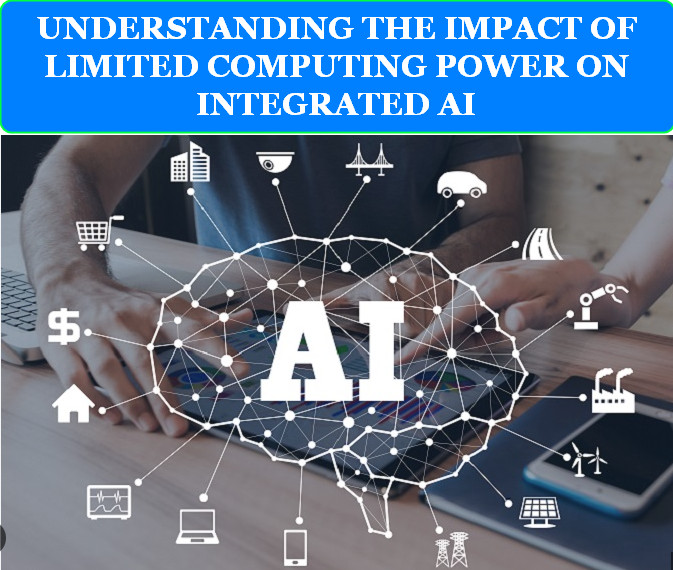
  • UNDERSTANDING THE IMPACT OF LIMITED COMPUTING POWER ON INTEGRATED AI

    UNDERSTANDING THE IMPACT OF LIMITED COMPUTING POWER ON INTEGRATED AI

    UNDERSTANDING THE IMPACT OF LIMITED COMPUTING POWER ON INTEGRATED AI

    ·         COMPLEXITY OF AI MODELS: Sophisticated algorithms and deep learning models require considerable computing power for training and inference. Embedded devices are often limited to simpler models, which are potentially less accurate for complex tasks.

    ·         SIZE OF DATA PROCESSED:

    TThe ability to analyze large data sets is crucial for AI accuracy. Memory and power limitations can restrict the amount of data that embedded AI can efficiently process.

    ·         PROCESSING SPEED:

    WWhile low latency is an advantage, the time required to perform complex calculations may be longer on a power-constrained device, potentially affecting real-time applications that require in-depth analysis.

    ·         CONTINUOUS UPDATES AND LEARNING:

    Continuous learning and deployment of updated models is more difficult on embedded devices due to resource constraints.

    BENEFITS OF THE CLOUD IN TERMS OF AI EFFICIENCY AND ACCURACY

    Cloud computing offers significant advantages that can potentially translate into greater efficiency and accuracy for AI in medical devices:

    ·         UNLIMITED COMPUTING POWER (THEORETICALLY):

    TThe cloud allows access to massive and scalable computing power on demand. This allows for the use of much more complex and resource-intensive AI models, potentially leading to greater accuracy, especially for sophisticated tasks like medical imaging analysis or predicting complex outcomes.

    ·         LARGE DATASET PROCESSING:

    cCloud platforms are designed to store and process very large volumes of data. This allows AI models to be trained on larger and more representative datasets, which is essential for improving model generalization and accuracy.

    ·         EASY UPDATES AND CONTINUOUS LEARNING: Cloud-hosted AI models can be continuously Updated, refined, and retrained with new data without requiring complex software updates on each individual device. This helps improve accuracy over time.

    ·         ACCESS TO ADVANCED AI AND ML SERVICES: Cloud providers offer a wide range of pre-trained or Customizable AI and machine learning services , which can simplify the development and improve the performance of AI applications for medical devices.

    STATISTICAL COMPARISON (TRENDS AND OBSERVATIONS):

    Although it is difficult to provide definitive, global statistical figures that would directly compare the error and accuracy of all medical devices with integrated AI versus those using AI via the cloud (as it strongly depends on the specific application, the AI models used, and the quality of the data), we can observe trends and reasons why the cloud has the potential to offer better efficiency and accuracy in many cases:

    1.    TASK COMPLEXITY:

    Ff  For tasks requiring complex and in-depth analysis (e.g., interpreting high-resolution medical images for subtle cancer detection, genomic analysis, multifactorial risk prediction), more sophisticated AI models that can be run in the cloud have often demonstrated superior accuracy to lighter models adapted to the constraints of embedded devices. Studies in medical imaging, for example, have shown that deep learning algorithms running on cloud infrastructures can achieve diagnostic accuracy comparable to, or even superior to, that of human experts in some fields.

    2.  TRAINING DATA VOLUME:

    TThe accuracy of AI models is highly correlated with the quantity and quality of data used to train them. The cloud makes it easier to aggregate and process large datasets from various sources, allowing for more robust and less biased models to be trained, thus improving accuracy. Embedded devices rarely have access to such large training datasets.

    3.  CONTINUOUS LEARNING CAPABILITIES:

    TThe ability to continually update and improve AI models in the cloud means that the accuracy of cloud-based applications can improve over time as new data becomes available and algorithms evolve. Embedded devices have slower update cycles and limited continuous learning capabilities.

    4.  ERROR MANAGEMENT AND ROBUSTNESS:

    ClCloud platforms often offer sophisticated tools for monitoring AI model performance, detecting errors, and implementing correction mechanisms. This can contribute to greater robustness and better error management compared to embedded systems where these capabilities may be more rudimentary.

    LIMITATIONS AND NUANCES:

    It is important to note that the cloud’s advantage in terms of efficiency and accuracy is not absolute in all scenarios:

    ·         CRITICAL LATENCY: FOR

    AApplications where extremely low latency is imperative (e.g., real-time active control systems), embedded AI may be preferable even if it involves a trade-off in model complexity.

    ·         INTERMITTENT CONNECTIVITY: IN

    EEnvironments where cloud connectivity is unstable or non-existent, AI-enabled devices offer superior reliability, although their accuracy may be limited by local computing power.

    ·         DATA PRIVACY AND SECURITY:

    AAlthough cloud providers invest heavily in security, concerns about the privacy of sensitive health data during transmission and storage in the cloud may make embedded AI more attractive in some cases, despite potential accuracy limitations.

    ·         STATISTICAL (PROBABILISTIC)

    ·         CONCLUSION:

    Statistically, considering the general trend and the capabilities offered by modern cloud infrastructures, it is likely that medical devices powered by AI via the cloud have the potential to achieve higher efficiency and accuracy in many use cases, especially for complex tasks requiring the analysis of large volumes of data and continuous learning. The cloud’s near-limitless computing power and resources enable the use of more sophisticated AI models and the exploitation of large datasets for training, which are key factors for improving accuracy and efficiency.

    However, the choice between embedded AI and cloud-based AI must be based on a careful assessment of the specific application requirements, and the tradeoffs between accuracy, latency, connectivity, security, and cost. A hybrid model, combining the advantages of both approaches, could also be the optimal solution in certain scenarios.

    It is crucial to note that rigorous clinical validation and comparative studies specific to each type of device and application are necessary to accurately quantify the differences in effectiveness and accuracy between these two approaches. General statistics indicate a trend toward the superior potential of the cloud for complex AI tasks in the medical field, but case-specific data is essential for informed decision-making.


  • THE FUTURE OF HEALTHCARE: MEDICAL DEVICES WITH AI BUILT-IN THROUGH THE CLOUD

    THE FUTURE OF HEALTHCARE: MEDICAL DEVICES WITH AI BUILT-IN THROUGH THE CLOUD


    THE FUTURE OF HEALTHCARE: MEDICAL DEVICES WITH AI BUILT-IN THROUGH THE CLOUD


    THE FUTURE OF HEALTHCARE: MEDICAL DEVICES WITH AI BUILT-IN THROUGH THE CLOUD
    THE FUTURE OF HEALTHCARE: MEDICAL DEVICES WITH AI BUILT-IN THROUGH THE CLOUD

    INTRODUCTION

    The healthcare industry is undergoing a transformative revolution, driven by the convergence of artificial intelligence (AI), cloud computing, and medical devices. This synergy is paving the way for smarter, more efficient, and more personalized healthcare solutions. Medical devices with AI built-in, powered by cloud computing, are at the forefront of this transformation. These devices are not only enhancing the capabilities of healthcare providers but also improving patient outcomes, reducing costs, and enabling more proactive and preventive care.

    In this article, we will explore the role of AI in medical devices, the benefits of cloud integration, the challenges and opportunities, and the future prospects of this rapidly evolving field.

    THE ROLE OF AI IN MEDICAL DEVICES

    Artificial intelligence has become a cornerstone of modern healthcare, and its integration into medical devices is revolutionizing the way we diagnose, treat, and monitor patients. AI-powered medical devices leverage machine learning algorithms, natural language processing, and computer vision to analyze vast amounts of data, identify patterns, and make informed decisions in real-time.

    1. DIAGNOSTIC ACCURACY: AI algorithms can analyze medical images, such as X-rays, MRIs, and CT scans, with remarkable precision. For example, AI-powered imaging devices can detect early signs of diseases like cancer, cardiovascular conditions, and neurological disorders, often with greater accuracy than human radiologists.
    2. PERSONALIZED TREATMENT: AI-enabled devices can tailor treatments to individual patients based on their unique genetic makeup, medical history, and lifestyle. For instance, AI-driven insulin pumps can continuously monitor blood glucose levels and adjust insulin delivery in real-time, providing personalized diabetes management.
    3. PREDICTIVE ANALYTICS: AI can predict potential health issues before they become critical. Wearable devices equipped with AI can monitor vital signs, such as heart rate, blood pressure, and oxygen levels, and alert healthcare providers to any anomalies that may indicate an impending health crisis.
    4. REMOTE MONITORING: AI-powered medical devices enable remote patient monitoring, allowing healthcare providers to track patients’ health conditions from afar. This is particularly beneficial for patients with chronic conditions, such as heart disease or diabetes, who require continuous monitoring.

    THE POWER OF CLOUD INTEGRATION

    While AI enhances the capabilities of medical devices, cloud computing amplifies their potential by providing a scalable, secure, and accessible platform for data storage, processing, and analysis. Cloud integration offers several key advantages:

    1.    DATA STORAGE AND MANAGEMENT: Medical devices generate vast amounts of data, from patient records to real-time monitoring data. The cloud provides a centralized repository for storing and managing this data, ensuring that it is easily accessible to healthcare providers, regardless of their location.

    2.  REAL-TIME DATA ANALYSIS: CLOUD computing enables real-time data analysis, allowing AI algorithms to process and interpret data as it is collected. This is crucial for applications like remote patient monitoring, where timely insights can make a significant difference in patient outcomes.

    3.  SCALABILITY: The cloud offers virtually unlimited storage and computational resources, making it possible to scale AI-powered medical devices to accommodate growing data volumes and user bases. This scalability is essential for large-scale healthcare applications, such as population health management.

    4.  COLLABORATION AND INTEROPERABILITY: Cloud platforms facilitate collaboration among healthcare providers by enabling seamless data sharing and interoperability between different medical devices and systems. This ensures that patient data is consistent and up-to-date across all platforms, improving coordination and continuity of care.

    5.   COST EFFICIENCY: By leveraging cloud infrastructure, healthcare organizations can reduce the costs associated with maintaining on-premises data centers and IT infrastructure. Cloud-based solutions also offer flexible pricing models, allowing organizations to pay only for the resources they use.

    Challenges and Opportunities

    While the integration of AI and cloud computing in medical devices holds immense promise, it also presents several challenges that must be addressed to fully realize its potential.

    1.    DATA PRIVACY AND SECURITY: The sensitive nature of healthcare data makes privacy and security paramount. Ensuring that patient data is protected from unauthorized access, breaches, and cyberattacks is a critical challenge. Robust encryption, access controls, and compliance with regulations like HIPAA and GDPR are essential to safeguarding data.

    2.  REGULATORY COMPLIANCE: Medical devices are subject to stringent regulatory requirements to ensure their safety and efficacy. The integration of AI and cloud computing adds complexity to the regulatory landscape, as these technologies introduce new risks and uncertainties. Regulatory bodies must adapt to these changes and provide clear guidelines for the development and deployment of AI-powered medical devices.

    3.  INTEROPERABILITY: The healthcare industry is characterized by a multitude of devices, systems, and standards, often leading to interoperability issues. Ensuring that AI-powered medical devices can seamlessly integrate with existing healthcare infrastructure is crucial for their widespread adoption.

    4.  ETHICAL CONSIDERATIONS: THE use of AI in healthcare raises ethical questions, such as the potential for bias in AI algorithms, the impact on patient autonomy, and the accountability for AI-driven decisions. Addressing these ethical concerns is essential to building trust in AI-powered medical devices.

    5.   DATA QUALITY AND STANDARDIZATION: The accuracy and reliability of AI algorithms depend on the quality of the data they are trained on. Ensuring that healthcare data is accurate, complete, and standardized is a significant challenge, particularly given the variability in data collection methods and formats.

    Despite these challenges, the opportunities presented by AI-powered medical devices through the cloud are immense. By addressing these challenges, healthcare organizations can unlock the full potential of these technologies to improve patient care, reduce costs, and drive innovation.

    FUTURE PROSPECTS

    The future of medical devices with AI built-in through the cloud is bright, with several trends and developments poised to shape the landscape in the coming years.

    1.    EDGE COMPUTING: While cloud computing offers numerous benefits, there is a growing interest in edge computing, where data is processed closer to the source (i.e., the medical device) rather than being sent to the cloud. This approach reduces latency, enhances real-time decision-making, and addresses privacy concerns by keeping sensitive data on-premises.

    2.  AI-DRIVEN DRUG DISCOVERY: AI-powered medical devices are not limited to diagnostics and treatment. They are also playing a crucial role in drug discovery, where AI algorithms analyze vast datasets to identify potential drug candidates and predict their efficacy. Cloud computing facilitates this process by providing the computational power needed to process complex data.

    3.  TELEMEDICINE AND VIRTUAL CARE: The COVID-19 pandemic has accelerated the adoption of telemedicine and virtual care, and AI-powered medical devices are at the heart of this shift. Cloud-based platforms enable remote consultations, virtual diagnostics, and continuous monitoring, making healthcare more accessible and convenient for patients.

    4.  WEARABLE TECHNOLOGY: The proliferation of wearable devices, such as smartwatches and fitness trackers, is driving the demand for AI-powered health monitoring. These devices collect a wealth of data on users’ health and activity levels, which can be analyzed in the cloud to provide personalized insights and recommendations.

    5.   AI IN SURGERY: AI-powered surgical robots are revolutionizing the field of surgery by enhancing precision, reducing invasiveness, and improving outcomes. Cloud integration allows these robots to access vast datasets and AI models, enabling them to perform complex procedures with greater accuracy.

    6.  POPULATION HEALTH MANAGEMENT: AI-powered medical devices, combined with cloud computing, are enabling a shift from reactive to proactive healthcare. By analyzing data from large populations, healthcare providers can identify trends, predict outbreaks, and implement preventive measures to improve public health.

    CONCLUSION

    The integration of AI and cloud computing in medical devices is transforming the healthcare industry, offering unprecedented opportunities to improve patient care, reduce costs, and drive innovation. From diagnostic accuracy and personalized treatment to remote monitoring and predictive analytics, AI-powered medical devices are revolutionizing the way we approach healthcare.

    However, realizing the full potential of these technologies requires addressing challenges related to data privacy, regulatory compliance, interoperability, and ethical considerations. By overcoming these hurdles, healthcare organizations can harness the power of AI and cloud computing to create a more efficient, accessible, and patient-centric healthcare system.

    As we look to the future, the continued evolution of AI-powered medical devices through the cloud promises to unlock new possibilities in healthcare, from edge computing and AI-driven drug discovery to telemedicine and population health management. The journey has just begun, and the possibilities are limitless. The future of healthcare is here, and it is powered by AI and the cloud.

    New chat

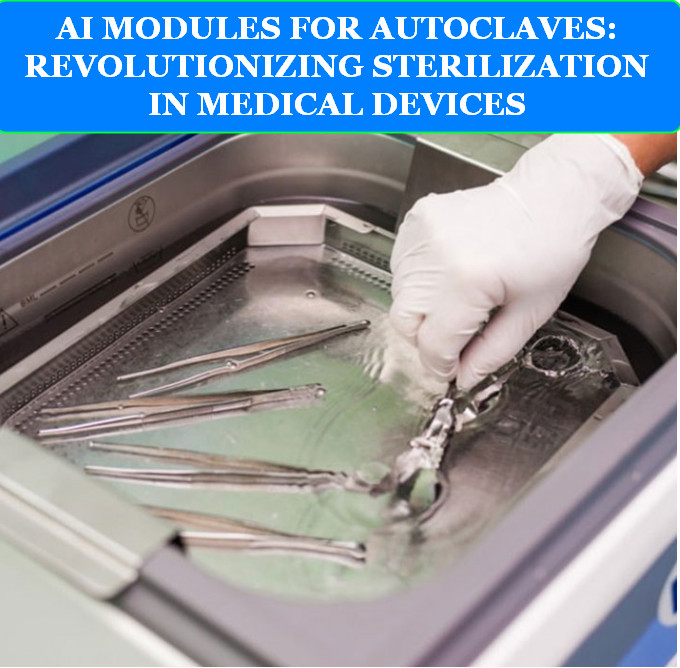
  • AI MODULES FOR AUTOCLAVES: REVOLUTIONIZING STERILIZATION IN MEDICAL DEVICES

    AI MODULES FOR AUTOCLAVES: REVOLUTIONIZING STERILIZATION IN MEDICAL DEVICES

    AI MODULES FOR AUTOCLAVES REVOLUTIONIZING STERILIZATION IN MEDICAL DEVICES
    AI MODULES FOR AUTOCLAVES REVOLUTIONIZING STERILIZATION IN MEDICAL DEVICES

    The integration of Artificial Intelligence (AI) into medical devices has been a game-changer in healthcare, offering unprecedented levels of efficiency, accuracy, and safety. Among these advancements, AI modules for autoclaves stand out as a transformative innovation in sterilization technology. Autoclaves, which use steam under pressure to sterilize medical instruments and equipment, are critical in preventing infections and ensuring patient safety. By incorporating AI modules, autoclaves have evolved from simple sterilization devices into intelligent systems capable of optimizing processes, predicting maintenance needs, and ensuring compliance with stringent regulatory standards. In this article, we will explore the role of AI modules in autoclaves, their benefits, applications, challenges, and the future of AI-driven sterilization technology.


    1. THE IMPORTANCE OF STERILIZATION IN MEDICAL DEVICES

    A. WHY STERILIZATION MATTERS

    Sterilization is a critical process in healthcare settings, ensuring that medical instruments and devices are free from all forms of microbial life, including bacteria, viruses, fungi, and spores. Proper sterilization prevents healthcare-associated infections (HAIs), which can have severe consequences for patients and healthcare facilities.

    B. THE ROLE OF AUTOCLAVES

    Autoclaves are one of the most effective and widely used methods for sterilization. They work by exposing items to high-temperature steam under pressure, which destroys microorganisms and their spores. Autoclaves are used in hospitals, dental clinics, laboratories, and pharmaceutical manufacturing.


    2. WHAT IS AN AI MODULE FOR AUTOCLAVES?

    An AI module for autoclaves is a software and hardware system that integrates artificial intelligence into the sterilization process. These modules use machine learning algorithms, data analytics, and IoT (Internet of Things) connectivity to enhance the functionality, efficiency, and reliability of autoclaves.

    A. KEY COMPONENTS OF AN AI MODULE

    ·                       Sensors : High-precision sensors monitor temperature, pressure, humidity, and other parameters in real time.

    ·                       Data Analytics : AI algorithms analyze data from sensors and historical cycles to optimize sterilization processes.

    ·                       Machine Learning : The system learns from past cycles and user inputs to improve performance over time.

    ·                       IOT CONNECTIVITY : Enables remote monitoring, control, and data sharing.


    3. HOW AI MODULES ENHANCE AUTOCLAVE PERFORMANCE

    A. INTELLIGENT CYCLE OPTIMIZATION

    AI modules analyze the characteristics of the load, such as size, weight, and material type, to automatically select the most efficient sterilization cycle. This ensures optimal performance while minimizing energy and water consumption.

    B. PREDICTIVE MAINTENANCE

    AI monitors the autoclave’s components, such as the vacuum pump, heating elements, and sensors, to predict potential failures before they occur. This reduces downtime and extends the lifespan of the device.

    C. REAL-TIME MONITORING AND ALERTS

    AI-enabled autoclaves provide real-time data on cycle progress, temperature, pressure, and sterilization efficacy. If any parameter deviates from the set values, the system sends instant alerts to the operator.

    D. DATA LOGGING AND TRACEABILITY

    AI systems automatically log all sterilization data, including cycle parameters, load details, and operator information. This ensures compliance with regulatory requirements and simplifies audit processes.

    E. ADAPTIVE LEARNING

    AI-integrated autoclaves learn from past cycles and user preferences to continuously improve performance. For example, if a specific load type frequently requires adjustments, the system will automatically optimize future cycles for similar loads.


    4. APPLICATIONS OF AI MODULES IN AUTOCLAVES

    A. HOSPITALS AND CLINICS

    In healthcare settings, AI-powered autoclaves ensure the safe sterilization of surgical instruments, implants, and other medical devices. Their ability to handle complex loads and provide traceability makes them indispensable in modern healthcare.

    B. DENTAL PRACTICES

    Dental clinics benefit from the versatility of AI-integrated autoclaves, which can sterilize hollow instruments like turbines and handpieces. AI ensures quick and reliable cycles, allowing dentists to focus on patient care.

    C. LABORATORIES

    Research and diagnostic laboratories use AI-powered autoclaves to sterilize glassware, media, and equipment. The ability to log and track sterilization data is crucial for maintaining experimental integrity.

    D. PHARMACEUTICAL INDUSTRY

    In pharmaceutical manufacturing, AI-integrated autoclaves ensure the sterility of drugs, containers, and packaging materials. Their compliance with regulatory standards makes them ideal for this highly regulated industry.

    E. VETERINARY CLINICS

    Veterinary practices use AI-powered autoclaves to sterilize surgical instruments and equipment. AI integration simplifies operation and ensures consistent results, even in busy environments.


    5. BENEFITS OF AI MODULES FOR AUTOCLAVES

    A. ENHANCED STERILIZATION EFFICACY

    AI ensures that every cycle is optimized for the specific load, eliminating the risk of under-sterilization or over-sterilization.

    B. REDUCED OPERATIONAL COSTS

    By optimizing energy and water usage, AI-integrated autoclaves lower utility bills and reduce wear and tear on components.

    C. IMPROVED USER EXPERIENCE

    The intuitive interface and remote monitoring capabilities make AI-powered autoclaves easy to use, even for non-technical staff.

    d. Regulatory Compliance

    Automated data logging and traceability simplify compliance with standards such as ISO 13485, EN 13060, and FDA regulations.

    e. Increased Productivity

    Predictive maintenance and adaptive learning minimize downtime, allowing facilities to operate more efficiently.


    6. Challenges and Considerations

    a. Initial Investment

    AI-integrated autoclaves are more expensive than traditional models. However, the long-term savings in energy, maintenance, and operational efficiency often justify the cost.

    B. TRAINING REQUIREMENTS

    Operators may require training to fully utilize the advanced features of AI-powered autoclaves. Manufacturers typically provide comprehensive training and support.

    C. DATA SECURITY

    With IoT connectivity, data security becomes a concern. Facilities must ensure that their networks are secure to protect sensitive sterilization data.


    7. THE FUTURE OF AI IN AUTOCLAVE TECHNOLOGY

    The integration of AI into autoclaves is just the beginning. Future advancements may include:

    A. AUTONOMOUS STERILIZATION SYSTEMS

    Fully automated autoclaves that can load, sterilize, and unload without human intervention.

    B. ENHANCED AI ALGORITHMS

    More sophisticated algorithms that can predict load types and optimize cycles with greater precision.

    C. INTEGRATION WITH OTHER SYSTEMS

    AI-powered autoclaves that communicate with other hospital or laboratory systems to streamline workflows.

    D. AI-DRIVEN QUALITY CONTROL

    Advanced AI systems that can detect and correct anomalies in real time, ensuring consistent sterilization quality.


    8. CONCLUSION

    AI modules for autoclaves represent a significant advancement in sterilization technology. By combining the proven efficacy of autoclaves with the power of AI, these systems offer unparalleled efficiency, reliability, and user experience. Whether in healthcare, laboratories, or industrial settings, AI-powered autoclaves are transforming the way we approach sterilization, ensuring safer and more efficient processes. As technology continues to evolve, the potential for AI in sterilization is limitless, promising even greater innovations in the years to come. Investing in an AI-integrated autoclave is not just a step forward—it’s a leap into the future of sterilization.


  • TRANSFORMING MEDICAL DEVICE IN MEDICAL DEVICE  AI  BUILT IN

    TRANSFORMING MEDICAL DEVICE IN MEDICAL DEVICE  AI  BUILT IN
    TRANSFORMING MEDICAL DEVICE IN MEDICAL DEVICE  AI  BUILT IN

    TRANSFORMING MEDICAL DEVICE IN MEDICAL DEVICE  AI  BUILT IN

    Transforming a simple medical device into an AI-powered medical device using Google Cloud (or other platforms) is an exciting and impactful project. By integrating AI, you can enhance the device’s capabilities, such as predictive analytics, real-time monitoring, and decision support. Below is a step-by-step guide to help you achieve this transformation:


    1. DEFINE THE USE CASE AND REQUIREMENTS

    ·                     Identify the Problem: What specific medical problem are you trying to solve? (e.g., early diagnosis, patient monitoring, anomaly detection).

    ·                     Define the AI Functionality: What AI capabilities do you want to add? Examples include:

    o                  Image analysis (e.g., X-ray, MRI, or ultrasound interpretation).

    o                  Signal processing (e.g., ECG, EEG, or blood pressure analysis).

    o                  Predictive analytics (e.g., patient deterioration prediction).

    o                  Natural language processing (e.g., extracting insights from medical records).

    ·                     Regulatory Considerations: Ensure compliance with medical device regulations (e.g., FDA, CE marking, GDPR for data privacy).


    2. CHOOSE THE RIGHT AI PLATFORM

    Google Cloud offers a suite of tools for building AI-powered medical devices. Here are some key services:

    GOOGLE CLOUD AI/ML SERVICES

    ·                     Vertex AI: A unified platform for building, training, and deploying machine learning models.

    ·                     AutoML: For training custom models with minimal coding.

    ·                     Healthcare API: For managing and analyzing healthcare data (e.g., FHIR, DICOM).

    ·                     BigQuery: For large-scale data analytics.

    ·                     Cloud IoT Core: For connecting and managing IoT-enabled medical devices.

    ·                     Edge AI: For deploying AI models directly on the device using TensorFlow Lite or Coral Edge TPU.

    OTHER PLATFORMS

    ·                     AWS IoT Core + SageMaker: For IoT and AI integration.

    ·                     Microsoft Azure IoT Hub + Azure Machine Learning: For similar use cases.

    ·                     Open-Source Frameworks: TensorFlow, PyTorch, or ONNX for custom AI development.


    3. DATA COLLECTION AND PREPARATION

    ·                     Collect High-Quality Data: Gather labeled datasets relevant to your use case (e.g., medical images, sensor data, patient records).

    ·                     Data Annotation: Annotate data for supervised learning (e.g., labeling tumors in X-rays).

    ·                     Data Preprocessing: Clean, normalize, and preprocess data for AI model training.

    ·                     Data Privacy: Ensure compliance with HIPAA, GDPR, or other regulations. Use anonymization techniques if needed.


    4. DEVELOP AND TRAIN THE AI MODEL

    ·                     Model Selection: Choose the right AI model architecture (e.g., CNN for images, RNN/LSTM for time-series data).

    ·                     Training: Use Vertex AI or AutoML to train your model on Google Cloud.

    ·                     Validation: Validate the model using a separate dataset to ensure accuracy and reliability.

    ·                     Explainability: Use tools like Explainable AI (XAI) to make the model’s decisions interpretable for healthcare professionals.


    5. INTEGRATE AI WITH THE MEDICAL DEVICE

    ·                     Cloud Integration: Connect the device to Google Cloud using APIs or IoT Core for real-time data processing.

    ·                     Edge AI: If real-time processing is required, deploy the AI model directly on the device using TensorFlow Lite or Coral Edge TPU.

    ·                     User Interface: Develop a user-friendly interface for healthcare professionals to interact with the AI-powered device.


    6. TESTING AND VALIDATION

    ·                     Clinical Validation: Test the device in a clinical setting to ensure accuracy, safety, and efficacy.

    ·                     Performance Testing: Evaluate the device’s performance under various conditions.

    ·                     Regulatory Testing: Conduct testing required for regulatory approval (e.g., FDA 510(k) clearance).


    7. DEPLOYMENT AND MONITORING

    ·                     Deploy the Device: Roll out the AI-powered device to healthcare facilities.

    ·                     Monitor Performance: Continuously monitor the device’s performance and update the AI model as needed.

    ·                     Feedback Loop: Collect feedback from users to improve the device over time.


    8. COMPLIANCE AND CERTIFICATION

    ·                     Regulatory Approval: Work with regulatory bodies to obtain necessary approvals (e.g., FDA, CE marking).

    ·                     Quality Management System (QMS): Implement a QMS to ensure compliance with ISO 13485.

    ·                     Cybersecurity: Ensure the device meets cybersecurity standards (e.g., IEC 62304).


    Example Use Case: AI-Powered ECG Monitor

    1.                Use Case: Detect arrhythmias in real-time using an ECG monitor.

    2.              AI Functionality: Train a deep learning model to classify ECG signals.

    3.              Data: Collect labeled ECG data from patients with and without arrhythmias.

    4.              Model: Use TensorFlow or PyTorch to build a CNN model for signal classification.

    5.               Integration: Deploy the model on the ECG monitor using TensorFlow Lite for edge inference.

    6.              Testing: Validate the device in a clinical trial.

    7.               Deployment: Launch the device and monitor its performance in real-world settings.


    TOOLS AND RESOURCES

    ·                     Google Cloud Healthcare API: https://cloud.google.com/healthcare-api

    ·                     TensorFlow Lite: https://www.tensorflow.org/lite

    ·                     Coral Edge TPU: https://coral.ai/

    ·                     FDA AI/ML-Based Software as a Medical Device (SaMD) Guidance: https://www.fda.gov/


    By following these steps, you can successfully transform a simple medical device into an AI-powered medical device using Google Cloud or other platforms. Let me know if you need further assistance with any specific step!


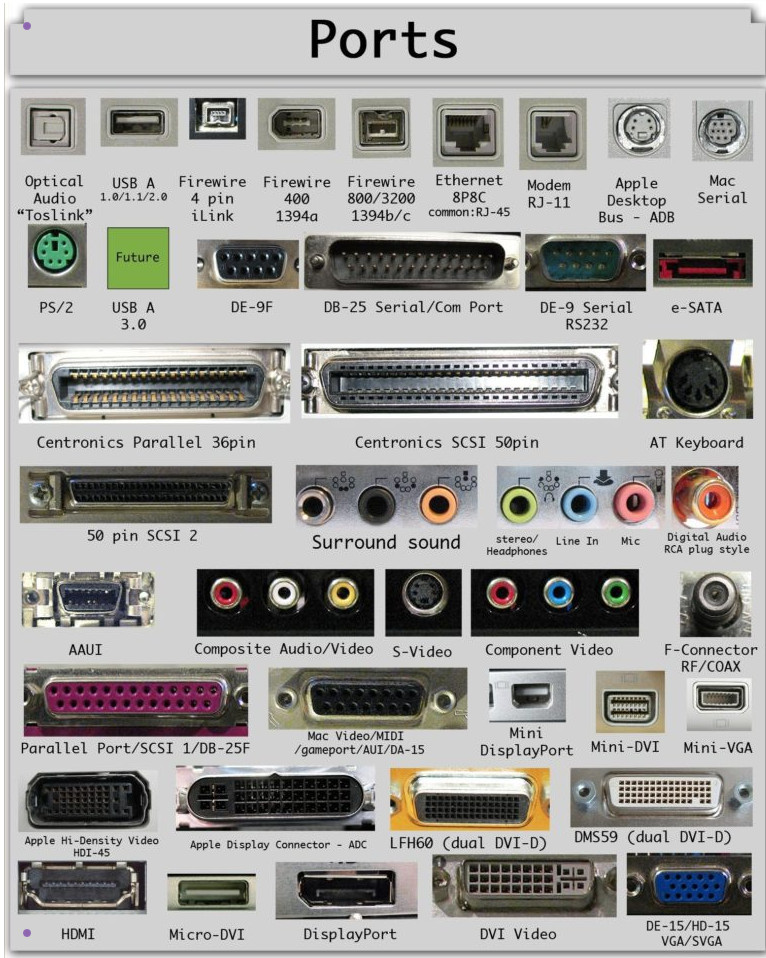
  • LIST OF PORTS ON MEDICAL DEVICE


    LIST OF PORTS ON MEDICAL DEVICE

    LIST OF PORTS ON MEDICAL DEVICE
    LIST OF PORTS ON MEDICAL DEVICE

     They are essential for connectivity, data transfer, and various functionalities. Here’s a breakdown of common ports you might find on medical devices:

    1. DATA TRANSFER AND COMMUNICATION

    • USB (Universal Serial Bus): Extremely common for connecting to computers, peripherals, and charging. It comes in various types (USB-A, USB-B, USB-C, Mini-USB, Micro-USB), each with different shapes and capabilities.
    • RS-232 (Serial Port): An older standard, still used for some devices for simple data communication.
    • Ethernet: For networking and connecting to hospital information systems (HIS) or local networks.

    2. DISPLAY  AND OUTPUT

    • VGA (Video Graphics Array): An older standard for connecting to external displays (monitors).
    • DVI (Digital Visual Interface): A digital video interface for higher-quality display connections.
    • HDMI (High-Definition Multimedia Interface): A modern standard for transmitting high-definition video and audio.
    • DisplayPort: Another digital display interface, often found on newer devices.

    3. AUDIO

    • 3.5mm Headphone Jack: The standard audio jack for headphones or speakers.

    4. SPECIALIZED MEDICAL PORTS

    • ECG/EKG Ports: For connecting electrocardiogram leads to monitor heart activity.
    • SpO2 Ports: For connecting pulse oximeter sensors to measure blood oxygen levels.
    • Blood Pressure Ports: For connecting blood pressure cuffs.
    • Temperature Probe Ports: For connecting temperature probes.

    5. OTHER PORTS

    • Power Connectors: For supplying power to the device. These can vary widely in shape and size.
    • DC Power Jack: A common type of power connector.

    WHY ARE THESE PORTS IMPORTANT?

    • Data Transfer: To transfer data between the medical device and a computer, another device, or a network. This is crucial for storing patient information, analyzing data, and updating software.
    • Connectivity: To connect to external devices like monitors, printers, or other medical equipment.
    • Charging: To charge the device’s battery.
    • Communication: To allow the device to communicate with other systems or devices.

    When looking at medical devices, understanding the types of ports they have can give you valuable insights into their capabilities, connectivity options, and potential for integration with other systems.


  • MEDIKAL DEVICE SPECIALIZED IN THE TRANSFORMATION OF ANY MEDICAL DEVICE WITH A PORT INTO AN AI-POWERED TOOL


    MEDIKAL DEVICE SPÉCIALISÉ DANS LA TRANSFORMATION DE TOUT DISPOSITIF MÉDICAL AVEC UN PORT EN UN OUTIL ALIMENTÉ PAR L’IA

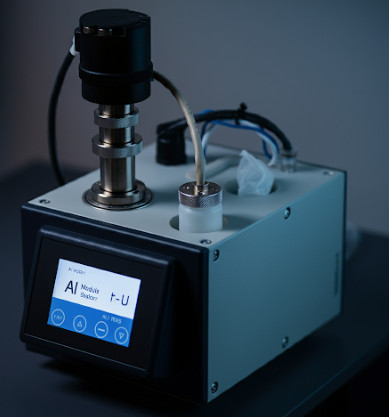
  • AI MODULE FOR YOUR AUTOCLAVE CLASSE B

    AI MODULE EXTERNAL FOR AUTOCLAVE CLASSE B
    AI MODULE EXTERNAL FOR AUTOCLAVE CLASSE B

    The choice of AI module for your Autoclave Classe B depends on factors such as the specific functionality you require, compatibility with your device, and budget. Here are some AI modules that you can connect to the USB port of your Autoclave Classe B:

    NVIDIA JETSON NANO:

    A compact and affordable AI module with powerful GPU capabilities for edge computing.

     Raspberry Pi 4 with AIY Vision Kit:

    A popular and versatile AI module designed for computer vision applications.

    INTEL NEURAL COMPUTE STICK 2:

    A USB-based AI module optimized for deep learning inference.

    GOOGLE CORAL USB ACCELERATOR:

     A high-performance AI module specifically designed for running TensorFlow Lite models.

      GOOGLE CORAL USB ACCELERATOR :

    A low-power AI module from Intel optimized for computer vision and deep learning tasks. When selecting an AI module, consider the following factors:

    PROCESSING POWER:

    The AI module should have sufficient processing power to handle the AI algorithms and data analysis required for your application.

    MEMORY:

    Ensure that the AI module has enough memory to store and process the data generated by your Autoclave Classe B.

    CONNECTIVITY:

    Choose an AI module with the appropriate connectivity options, such as USB, Wi-Fi, or Ethernet, to connect to your Autoclave Classe B.

    SOFTWARE COMPATIBILITY:

    Make sure that the AI module is compatible with the AI software and operating system you plan to use. Once you have selected an AI module, follow the manufacturer’s instructions to connect it to the USB port of your Autoclave Classe B and configure the AI software.

  • PRODUCER  OF  MEDICAL   DEVICES  AI  BUILT IN

    PRODUCER  OF  MEDICAL   DEVICES  AI  BUILT IN

    PRODUCER  OF  MEDICAL   DEVICES  AI  BUILT IN
    PRODUCER  OF  MEDICAL   DEVICES  AI  BUILT IN

    Here are some prominent producers of AI-integrated medical devices across various fields in healthcare:

    1. GE HEALTHCARE

       – Specialty: Imaging and diagnostics

       – Devices: AI-enhanced CT, MRI, and ultrasound machines that use AI for faster and more accurate image processing, improving diagnostic workflows.

       – AI Platform: Edison platform, which supports AI applications for diagnostics and clinical decision support.

    2. PHILIPS HEALTHCARE

       – Specialty: Imaging, diagnostics, and patient monitoring

       – Devices: Smart diagnostic imaging systems (X-ray, CT, MRI) and wearable health monitors.

       – AI Platform: HealthSuite, which provides predictive analytics for personalized patient care, including AI-assisted imaging for radiology.

    3. SIEMENS HEALTHINEERS

       – Specialty: Imaging, robotics, and lab diagnostics

       – Devices: MRI and CT scanners, ultrasound systems, and smart lab devices integrated with AI for real-time diagnostics and anomaly detection.

       – AI Platform: AI-Rad Companion, an AI-powered tool that assists radiologists with image interpretation, and eHealth Solutions for predictive analytics.

    4. MEDTRONIC

       – Specialty: Cardiology, diabetes management, and respiratory care

       – Devices: Continuous glucose monitors (CGMs), AI-assisted insulin pumps, and ventilators with AI for patient-specific adjustments.

       – AI Platform: CareLink and Sugar.IQ, platforms for diabetes management and remote monitoring of cardiac and diabetes devices.

    5. JOHNSON & JOHNSON (ETHICON)

       – Specialty: Surgical robotics and digital surgery solutions

       – Devices: Robotic surgery systems with AI that assist with precision during surgery, such as orthopedic and minimally invasive procedures.

       – AI Platform: Monarch Platform, an AI-driven endoscopic system for diagnosing and treating lung diseases.

    6. CANON MEDICAL SYSTEMS

       – Specialty: Diagnostic imaging

       – Devices: AI-enhanced CT and MRI scanners that automate image reconstruction and analysis.

       – AI Platform: Altivity, Canon’s AI-based imaging platform that assists in diagnostics and treatment planning.

    7. IRHYTHM TECHNOLOGIES

       – Specialty: Cardiology and cardiac monitoring

       – Devices: Zio Patch, an AI-powered wearable ECG monitor that provides continuous monitoring and automated arrhythmia detection.

       – AI Platform: Zio platform uses machine learning for analyzing ECG data and identifying arrhythmias.

    8. ALIVECOR

       – Specialty: Consumer and clinical cardiac care

       – Devices: KardiaMobile and KardiaBand, portable ECG devices with AI algorithms that detect atrial fibrillation and other cardiac conditions.

       – AI Platform: AliveCor’s cloud platform uses AI to interpret ECG data and offers real-time cardiac insights.

    9. BUTTERFLY NETWORK

       – Specialty: Portable ultrasound imaging

       – Devices: Butterfly iQ, a handheld ultrasound device that uses AI to improve imaging quality and diagnostic capabilities.

       – AI Platform: Butterfly Cloud offers AI-based image analysis and secure data storage.

    10. PROPELLER  HEALTH (ACQUIRED BY RESMED)

       – Specialty: Respiratory care and digital health

       – Devices: Smart inhalers and nebulizers that use AI to monitor adherence and provide insights on asthma and COPD management.

       – AI Platform: Propeller’s digital platform uses AI to analyze inhaler usage and provide recommendations for improving treatment adherence.

    11. BOSTON SCIENTIFIC

       – Specialty: Cardiac and neurological health

       – Devices: Cardiac implants with AI for arrhythmia monitoring, and spinal cord stimulators with AI for pain management.

       – AI Platform: Uses machine learning algorithms to adjust therapy in real time based on patient feedback.

    12. VIZ.AI

       – Specialty: Neurology and stroke care

       – Devices: AI-driven software that integrates with CT and MRI devices to quickly identify stroke cases.

       – AI Platform: Viz.ai software alerts physicians in real-time, accelerating stroke treatment decisions and patient outcomes.


    These producers lead the industry by embedding AI into medical devices that enhance diagnostics, enable personalized treatment, and improve overall clinical workflows. Their devices span various areas from cardiology to neurology, respiratory care, and surgical robotics, helping to advance patient care with AI-driven insights.

  • LIST OF  MEDICAL  DEVICES  AI  BUILT IN


    LIST OF  MEDICAL  DEVICES  AI  BUILT IN

    Here are several types of AI-integrated medical devices that are transforming diagnostics, monitoring, and treatment across healthcare settings:

    AI-ENHANCED IMAGING DEVICES

    o    MRI and CT Scanners: AI aids in image reconstruction, analysis, and anomaly detection, speeding up diagnosis and improving accuracy.

    o    Ultrasound Machines: AI-guided ultrasound helps with automated measurements, assists with positioning, and enhances image quality, making it easier to diagnose conditions.

    o    X-Ray Devices: AI algorithms help detect abnormalities like fractures, infections, or tumors with high accuracy, assisting radiologists in quick diagnostics.

    SMART ENDOSCOPES AND OTOSCOPES

    o    AI Otoscopes: Devices equipped with AI for automated ear infection detection, useful for general practitioners and remote healthcare.

    o    Endoscopes with AI: Used in gastroenterology to detect polyps, ulcers, and other abnormalities in real time during procedures.

    2.  Wearable Health Monitors

    o    ECG Monitors: AI-powered ECG devices detect arrhythmias and other heart irregularities, alerting users and healthcare providers to potential issues.

    o    Continuous Glucose Monitors (CGMs): Devices that use AI to predict blood glucose trends and provide insights for diabetes management.

    o    Blood Pressure Monitors: AI-enabled monitors that predict hypertension risks by analyzing patterns over time.

    AI-DRIVEN DIAGNOSTIC TOOLS

    o    Dermatoscopes: AI-powered dermatoscopes can analyze skin lesions to assess cancer risks and identify conditions like melanoma.

    o    Retinal Scanners: AI models analyze retina images to detect diabetic retinopathy, glaucoma, and other eye diseases.

    o    Digital Stethoscopes: These devices, equipped with AI, detect heart and lung sounds, identifying abnormalities like murmurs or lung infections.

    ROBOTIC SURGERY SYSTEMS

    o    Surgical Robots with AI Assistance: Robotic systems like the Da Vinci robot are incorporating AI to assist with precision tasks, improve outcomes, and reduce recovery time.

    o    Orthopedic Surgery Devices: Some systems use AI to help plan joint replacement surgeries based on individual patient anatomy.

    AI-ENABLED VITAL SIGNS MONITORING

    o    Multiparameter Monitors: These systems use AI to detect trends in vital signs like heart rate, oxygen saturation, and respiration rate, potentially identifying deterioration early.

    o    Remote Patient Monitoring (RPM): AI-integrated devices for at-home monitoring of chronic conditions, which can alert healthcare providers to changes.

    SMART DIAGNOSTIC KIOSKS

    o    Self-Diagnosis Kiosks: Equipped with AI, these kiosks perform basic health assessments (like temperature, blood pressure, and oxygen levels) and guide patients on necessary follow-up steps.

    3.  AI-Powered Autoclaves and Sterilization Systems

    o    Autoclaves with Predictive Maintenance: AI in autoclaves monitors usage patterns, predicts maintenance needs, and ensures optimal sterilization conditions, reducing downtime.

    AI IN RESPIRATORY CARE

    o    Ventilators with AI: AI-assisted ventilators adjust settings in real time based on patient needs, improving respiratory management for critical care patients.

    o    Nebulizers and Inhalers: AI algorithms help track usage patterns and adherence, providing feedback to patients with conditions like asthma.

    These AI-driven devices are designed to streamline clinical workflows, enhance diagnostic accuracy, and provide insights that can lead to better patient outcomes. Many of them also support remote and real-time monitoring, which has become especially relevant for telemedicine and chronic care management.


  • APPLICATIONS OF OTOSCOPES WITH INTEGRATED AI

    APPLICATIONS OF OTOSCOPES WITH INTEGRATED AI

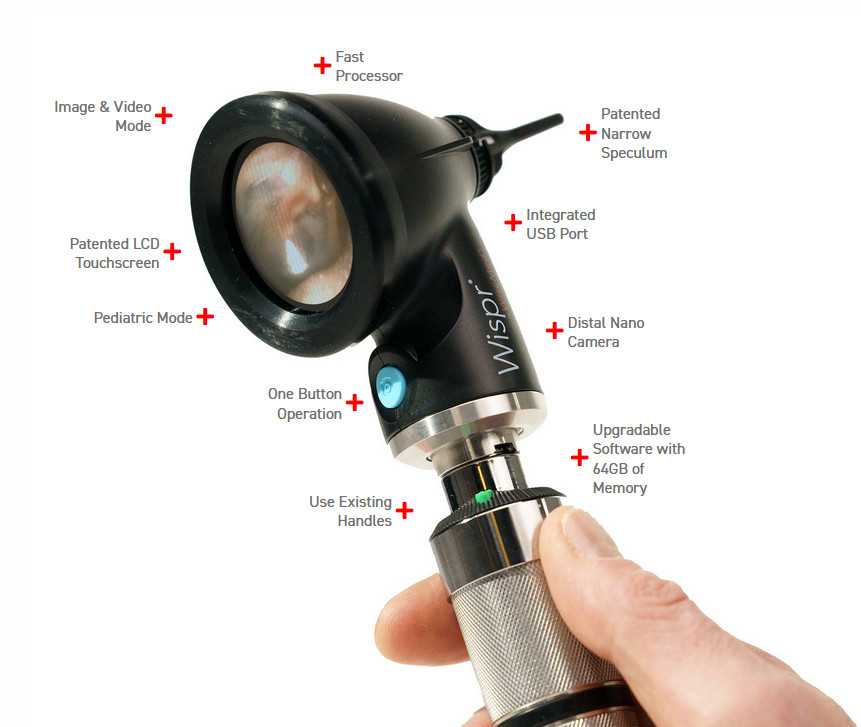
    DIGITAL OTOSCOPE WISPR
    DIGITAL OTOSCOPE WISPR

    1.    Accurate and Rapid Diagnosis in General Medicine

    o    Primary care professionals can use these otoscopes to evaluate patients quickly and with more confidence, even if they are not ENT specialists.

    o    Reducing diagnostic errors through automated detection of ear anomalies.

    2.  Monitoring and Surveillance of Chronic Ear Diseases

    o    Patients with chronic conditions (such as chronic otitis media) can benefit from more accurate and regular monitoring thanks to the images and data collected by the otoscope.

    o    Connected otoscopes can generate alerts when they detect significant changes, indicating a possible worsening of the condition.

    3.  Medical Training and Resident Assistance

    o    In medical schools and residency programs, AI-enabled otoscopes can help students become familiar with diagnostics by directly showing clinical signs and potential interpretations.

    o    AI provides real-time feedback, allowing students to train in diagnostics more independently.

    4.  Telemedicine and Accessibility of Health Care

    o    AI otoscopes are very useful for telemedicine consultations, where a general practitioner or even a patient, with the help of a healthcare professional, can perform the examination.

    o    Data and images can be shared immediately with an ENT specialist for further analysis, without the need for travel.

    5.   Research and Data Collection in Epidemiology

    o    AI-enabled otoscopes can be used for large-scale data collection on ear conditions, enabling trends to be studied and contributing to public health research.

    o    Use in school and community screening programs to identify and treat hearing problems in children early.

    6.  Patient Education and Information

    o    With AI otoscopes, doctors can directly show patients images of their ear canals and eardrums, helping them better understand their conditions.

    o    Patients may be more involved in their treatments and more aware of the importance of hearing care.


    Examples of AI Otoscope on the Market

    1. CELLSCOPE AI OTOSCOPE OTO

    DISCONTINUED PRODUCT

    o    Designed for telemedicine, this digital otoscope provides high-resolution images that can be analyzed by AI and shared with clinicians.

    o    Used for home examinations and remote consultations, it offers a user-friendly interface for patients and healthcare professionals.

    2.                    WISCMED AI OTOSCOPE

    o    Designed for use by professionals in clinics, with AI analysis capabilities to aid in the rapid diagnosis of ear infections.

    o    Has data recording and sharing features, facilitating patient monitoring and remote consultations.

    3.                    TYTOCARE AI OTOSCOPE

    o    This otoscope is part of a larger telemedicine platform that allows several types of examinations (ears, throat, skin) to be performed with the help of AI.

    o    Used in home care environments to allow patients to self-perform tests under the supervision of healthcare professionals.


    ADVANTAGES AND LIMITATIONS OF AI OTOSCOPES

    Benefits :

    • Increased diagnostic accuracy and reduced errors through automated detection.
    • Improving telemedicine , allowing patients to access quality ear care, even remotely.
    • Save time for clinicians as AI provides suggestions and reduces the need for multiple exams.
    • Better patient understanding , thanks to real-time visualizations and visual explanations.

    Limitations:

    • Dependence on AI algorithms : In case of false detection or technical problem, it can affect the diagnosis.
    • Privacy and security requirements : Data must be secure, especially when shared or stored in the cloud.
    • Initial cost : AI otoscopes can be more expensive than traditional models.
    • Training Required : Although user-friendly, users still need to be trained to use these devices effectively.

    AI-enabled otoscopes represent a true revolution in the field of otolaryngology and telemedicine, providing healthcare professionals and patients with practical tools for accurate and rapid diagnosis. These devices will likely continue to improve as AI and connectivity technologies improve, making hearing care even more accessible and of higher quality.


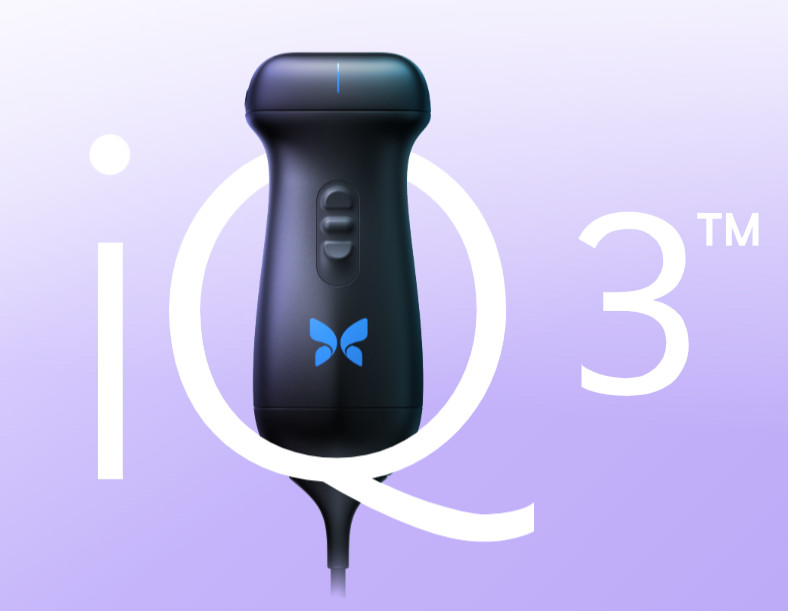
  • IQ3 BUTTERFLY NETWORKS

    IQ3 BUTTERFLY NETWORKS

    IQ3 BUTTERFLY NETWORKS
    IQ3 BUTTERFLY NETWORKS

    The Butterfly iQ3 is a groundbreaking handheld ultrasound device that’s making waves in the medical field. It’s known for its portability, affordability, and ease of use, making ultrasound technology accessible to a wider range of healthcare professionals. Here’s a breakdown of what makes the iQ3 special:  

    KEY FEATURES:

    • Whole-Body Imaging: A single probe can be used to image various parts of the body, from the heart and lungs to the abdomen and musculoskeletal system.  
    • High-Quality Imaging: Despite its small size, the iQ3 produces surprisingly clear images, thanks to its advanced ultrasound technology.  
    • AI Integration: The iQ3 incorporates artificial intelligence (AI) to assist with:
      • Image Acquisition: Guides users to capture the best possible images.  
      • Automated Measurements: Automatically measures structures and calculates values (e.g., ejection fraction of the heart).  
      • Guidance and Education: Provides real-time feedback and educational resources to help users improve their scanning technique.  


    • Portability: Its compact size and wireless connectivity make it incredibly portable, allowing for use in various settings, including hospitals, clinics, ambulances, and remote locations.
    • Affordability: Compared to traditional ultrasound machines, the iQ3 is significantly more affordable, making it accessible to a wider range of healthcare providers.  
    • Ease of Use: The iQ3 has a user-friendly interface and intuitive controls, making it easy to learn and use, even for those with limited ultrasound experience.  
    • Connectivity: Connects wirelessly to iOS and Android devices for image viewing, storage, and sharing.  
    • Long Battery Life: Offers an extended battery life for uninterrupted use.

    BENEFITS:

    • Point-of-Care Ultrasound (POCUS): Enables quick and convenient ultrasound assessments at the bedside or point of care.  
    • Early Diagnosis: Helps with the early diagnosis of a wide range of conditions, from heart and lung problems to musculoskeletal injuries.
    • Improved Workflow: Streamlines workflow and enhances efficiency in various healthcare settings.  
    • Increased Access to Care: Makes ultrasound technology more accessible to underserved populations and remote areas.
    • Educational Tool: Can be used as a valuable educational tool for medical students and healthcare professionals.  

    APPLICATIONS:

    The iQ3 has a wide range of applications, including:

    • Emergency Medicine: Rapid assessment of trauma, cardiac arrest, and other emergencies.  
    • Internal Medicine: Evaluation of heart, lung, and abdominal conditions.
    • Musculoskeletal: Assessment of muscle and joint injuries.
    • Obstetrics and Gynecology: Monitoring fetal development and evaluating gynecological conditions.  
    • Veterinary Medicine: Imaging animals of all sizes.  

    OVERALL:

    The Butterfly iQ3 is a game-changer in the world of ultrasound. Its portability, affordability, and AI-powered features are making this powerful diagnostic tool more accessible than ever before. If you’re a healthcare professional looking to enhance your diagnostic capabilities, the iQ3 is definitely worth considering


  • MEDICAL DEVICE AI BUILT IN TO TEST YOUR LUNG

    MEDICAL DEVICE AI BUILT IN TO TEST YOUR LUNG

    MEDICAL DEVICE AI BUILT IN TO TEST YOUR LUNG
    MEDICAL DEVICE AI BUILT IN TO TEST YOUR LUNG


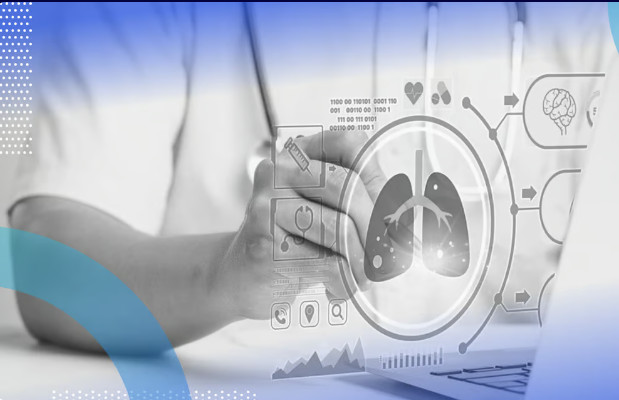
    This is a rapidly developing field with the potential to improve the diagnosis and management of respiratory conditions. Here are some key areas and examples:

    1. AI-POWERED STETHOSCOPES

    • Enhanced Auscultation: These stethoscopes use AI to analyze lung sounds, helping to identify:
      • Wheezing
      • Crackles (rales)
      • Other abnormal respiratory sounds
    • Examples:
      • Eko CORE Digital Stethoscope: Attaches to a traditional stethoscope and uses AI to detect heart murmurs and potentially other lung abnormalities.
      • Smartsound Skeeper R1: Analyzes lung sounds to detect wheezing and crackles, providing visual feedback and potential diagnoses.

    2. SMART SPIROMETERS

    • AI-Guided Spirometry: These devices use AI to guide patients through spirometry tests, ensuring accurate and consistent results. They can also analyze the results to detect potential lung function abnormalities.
    • Examples:
      • NuvoAir Air Next: A portable spirometer with AI-powered guidance and analysis.
      • Resmon Pro: A smart spirometer that provides real-time feedback and personalized insights.

    3. COUGH ANALYSIS APPS AND DEVICES

    • AI-Based Cough Recognition: These apps or devices use AI to analyze cough sounds and patterns to detect potential respiratory illnesses, such as:
      • Pneumonia
      • Asthma
      • COVID-19
    • Examples:
      • Hyfe AI: A smartphone app that analyzes cough sounds to detect respiratory illnesses.
      • Swaasa® by Salcit Technologies: Uses AI to analyze cough sounds and assess lung health, with a focus on early TB detection.

    4. AI-ENHANCED IMAGING

    • AI for Chest X-ray Analysis: AI algorithms can analyze chest X-rays to detect abnormalities like pneumonia, tuberculosis, and lung cancer.
    • Examples:
      • qXR by Qure.ai: An AI-powered solution that analyzes chest X-rays for various abnormalities.
      • Aidoc: Provides AI-powered analysis of medical images, including chest X-rays, to assist radiologists in diagnosis.

    5. WEARABLE SENSORS

    • Continuous Monitoring: Wearable sensors can track respiratory rate, oxygen saturation, and other vital signs, providing continuous data that can be analyzed by AI for early detection of respiratory problems.
    • Examples:
      • Current Health: A wearable sensor and AI platform for remote patient monitoring, including respiratory monitoring.
      • BioIntelliSense BioSticker: A disposable wearable sensor that tracks respiratory rate and other vital signs.

    BENEFITS OF AI IN LUNG TESTING

    • Improved Accuracy: AI can help detect subtle changes in lung sounds or function that might be missed by traditional methods.
    • Early Detection: AI can aid in the early detection of respiratory diseases, leading to timely intervention and better outcomes.
    • Remote Monitoring: AI-powered devices can enable remote monitoring of lung health, improving access to care and reducing hospitalizations.
    • Personalized Medicine: AI can help personalize treatment plans based on individual patient data and risk factors.

    As AI technology continues to advance, we can expect even more innovative and effective medical devices with built-in AI for lung testing in the future. These tools have the potential to transform respiratory care and improve the lives of patients with lung conditions.


  • THE LAST MEDICAL DEVICE CONNECTED CREATED LATELY

    THE LAST MEDICAL DEVICE CONNECTED CREATED LATELY

    PRIME THERAPEUTICS
    PRIME THERAPEUTICS

    It’s tough to pinpoint the absolute last connected medical device created, as new innovations are constantly emerging! However,  some of the most recent and exciting developments in this area:

    RECENT TRENDS IN CONNECTED MEDICAL DEVICES:

    • AI-POWERED DIAGNOSTICS:
      • SkinVision: A smartphone app that uses AI to analyze skin images and assess the risk of skin cancer. It was recently updated with improved accuracy and new features.  
      • Cardiac Insight Cardea SOLO: A wearable ECG sensor that uses AI to detect atrial fibrillation and other cardiac arrhythmias. It received FDA clearance in 2023.  
    • REMOTE PATIENT MONITORING (RPM):
      • Current Health: A platform that uses wearable sensors and AI to monitor patients’ vital signs and detect early signs of deterioration. It has been expanding its capabilities and partnerships with healthcare providers.  
      • BioIntelliSense BioButton: A wearable device that continuously monitors vital signs and transmits data to the cloud for remote monitoring and analysis.  
    • SMART DRUG DELIVERY:
      • Pumps and Injectors: Connected insulin pumps and auto-injectors are becoming more sophisticated, with features like automated dosage adjustments and data tracking.
      • Smart Inhalers: Inhalers with sensors and connectivity can track medication usage and provide feedback to patients and healthcare providers.  
    • DIGITAL THERAPEUTICS (DTX):
      • Pear Therapeutics: Develops FDA-authorized prescription digital therapeutics for various conditions, including substance use disorder and insomnia.  
      • Omada Health: Offers digital programs for chronic disease management, combining behavioral therapy, connected devices, and personalized coaching.  
    • FACTORS DRIVING INNOVATION:
    • Advancements in AI and Machine Learning: More sophisticated AI algorithms are enabling more accurate diagnostics, personalized treatment, and predictive analytics.  
    • Improved Connectivity: Faster and more reliable wireless connectivity (5G, Wi-Fi 6) is facilitating real-time data transmission and remote monitoring.  
    • Miniaturization of Sensors: Smaller and more powerful sensors can be integrated into various devices, enabling continuous and unobtrusive monitoring.  
    • Increased Focus on Patient-Centric Care: Connected devices are empowering patients to take a more active role in managing their health.
    • WHERE TO FIND THE LATEST INFORMATION:
    • Medical Device Conferences and Publications: Stay updated on the latest innovations by attending industry conferences and reading medical device publications.
    • FDA Announcements: Keep an eye on FDA announcements for newly approved medical devices.
    • Industry News Websites: Follow websites like MedCity News, MobiHealthNews, and Fierce Biotech for news and analysis on the latest connected medical devices.  

    The field of connected medical devices is rapidly evolving, with new innovations emerging constantly. By staying informed and following these resources, you can keep track of the latest advancements and their potential to transform healthcare.

  • MOST EFFECTIVE STETHOSCOPE AI BUILT IN

    MOST EFFECTIVE STETHOSCOPE AI BUILT IN

    MOST EFFECTIVE STETHOSCOPE AI BUILT IN

    You’re asking about the cutting edge of stethoscope technology! AI is transforming this classic medical tool, making it more powerful than ever. Here are some of the most effective stethoscopes with AI built in:  

    1. EKO DUO ECG + DIGITAL STETHOSCOPE:

    • Combined ECG and Auscultation: This innovative stethoscope not only amplifies heart and lung sounds but also records a single-lead ECG simultaneously.  
    • AI-powered analysis: The Eko software uses AI to analyze both the auscultation sounds and the ECG, aiding in the detection of heart murmurs, atrial fibrillation, and other cardiac abnormalities.  
    • FDA-cleared algorithms: Eko has received FDA clearance for several of its AI algorithms, demonstrating their clinical validity.  
    • Wireless and Portable: The DUO is wireless and connects to a smartphone or tablet for visualization, recording, and sharing of data.  

    2. 3M LITTMANN CORE DIGITAL STETHOSCOPE:

    • High-quality Auscultation: Builds upon the renowned Littmann Cardiology IV stethoscope with advanced noise cancellation and amplification.  
    • AI-powered analysis: Features AI algorithms to assist in the detection of heart murmurs.  
    • Active Noise Cancellation: Reduces ambient noise by up to 40% for clearer auscultation.  
    • Wireless Connectivity: Connects to a smartphone app for sound visualization, recording, and telehealth capabilities.  

    3. AYUSYNK 2 PRO:

    • Focus on Accessibility: This digital stethoscope is designed to be affordable and accessible, making it suitable for various healthcare settings.  
    • AI-powered analysis: Includes AI algorithms for analyzing heart and lung sounds, aiding in the detection of abnormalities.  
    • Wireless Connectivity: Connects to a smartphone app for visualization, recording, and sharing of data.  
    • Noise Reduction: Features active noise cancellation to enhance auscultation in noisy environments.  

    KEY FACTORS TO CONSIDER:

    • AI Capabilities: What specific AI features are important to you (e.g., heart murmur detection, arrhythmia analysis)?
    • Sound Quality: How important is the quality of sound amplification and noise cancellation?
    • ECG Integration: Do you need a stethoscope with built-in ECG capabilities?
    • Connectivity: How important is wireless connectivity and integration with apps or telehealth platforms?
    • Budget: Determine your budget and weigh it against the features offered.

    IMPORTANT NOTE:

    • AI as a Tool: While these stethoscopes offer powerful AI capabilities, they are meant to assist healthcare professionals, not replace their clinical judgment. The final diagnosis and treatment decisions always rest with the healthcare provider.

    By exploring these options and considering your specific needs, you can find the most effective AI-powered stethoscope to enhance your auscultation skills and improve patient care.


  • HOW TO  INSTALL SENSOR ON ANY MEDICAL DEVICE


    HOW TO  INSTALL SENSOR ON ANY MEDICAL DEVICE

    HOW TO  INSTALL SENSOR ON ANY MEDICAL DEVICE
    HOW TO  INSTALL SENSOR ON ANY MEDICAL DEVICE

    MODIFYING MEDICAL DEVICES CAN BE DANGEROUS AND EVEN ILLEGAL FOR SEVERAL REASONS:

    • Safety: Altering a medical device can make it unsafe, potentially leading to inaccurate readings, malfunctions, or even harm to the patient.  
    • Warranty: Modifying a device will likely void its warranty.  
    • Regulations: Medical devices are subject to strict regulations. Unauthorized modifications may violate these regulations and lead to legal consequences.  

    IF YOU HAVE A SPECIFIC NEED FOR A MEDICAL DEVICE WITH A PARTICULAR SENSOR, HERE ARE SAFER ALTERNATIVES:

    • Consult the manufacturer: Contact the device manufacturer to see if they offer a version with the sensor you need or if they have recommendations for compatible sensors.
    • Seek professional help: Consult a qualified biomedical engineer or technician who can assess your needs and advise on safe and appropriate modifications, if possible.
    • Explore alternative devices: Look for medical devices that already have the sensor you require. Many devices on the market come with various built-in sensors.

    If you’re interested in learning more about sensors and medical devices in a safe and educational context, here are some resources:

    • Online courses and tutorials: Many online platforms offer courses and tutorials on electronics, sensors, and medical device development.  
    • Educational kits: Consider experimenting with educational electronics kits that allow you to build and program circuits with sensors in a safe environment.
    • Open-source projects: Explore open-source medical device projects to learn how sensors are used in real-world applications.

    Remember, safety and compliance are paramount when dealing with medical devices. Always prioritize authorized and safe methods when exploring modifications or additions to medical equipment.