Author: contact

  • COMPREHENSIVE LIST OF MEDICAL CLOUD AI PLATFORMS & ILLNESS DETECTION

    COMPREHENSIVE LIST OF MEDICAL CLOUD AI PLATFORMS & ILLNESS DETECTION

    🔬 MAJOR CLOUD AI PLATFORMS BY CATEGORY


     ENTERP

    🌐

    RISE CLOUD PLATFORMS

    1. Google Cloud Healthcare AI

    Google Cloud Healthcare

    PLATFORM URL: GOOGLE CLOUD HEALTHCARE AI

    AI Capabilities:

    • Med-PaLM for medical language processing
    • Medical Imaging Suite
    • Vertex AI for Healthcare
    • AI for maternal ultrasound analysis

    Illnesses Detected:

    • Ophthalmology: Diabetic retinopathy, glaucoma, age-related macular degeneration
    • Maternal Health: Fetal abnormalities, pregnancy complications
    • Radiology: Various cancers, lung nodules, fractures
    • Dermatology: Skin cancer, melanoma
    • Cardiology: Heart conditions via ECG analysis

    2. Amazon Web Services (AWS) HealthLake           

    Amazon Web Services
    Amazon Web Services

    AWS HealthLake

    Platform URL: AWS HealthLake

    AI Capabilities:

    • Natural Language Processing for medical records
    • Machine Learning models for health data
    • FHIR-based data analytics
    • Pediatric care analytics

    Illnesses Detected:

    • General Medicine: Chronic diseases, medication interactions
    • Pediatrics: Childhood diseases, developmental disorders
    • Population Health: Epidemic tracking, disease patterns
    • Pharmacology: Drug interactions, adverse reactions

    3. Microsoft Azure Health AI                                           

    Microsoft Azure Health AI
    Microsoft Azure Health AI

    Azure Health

    Platform URL: Azure Health Data Services

    AI Capabilities:

    • Azure AI Health Insights
    • Health Bot for conversational AI
    • Text Analytics for Health
    • Healthcare AI models (multimodal imaging)

    Illnesses Detected:

    • General Medicine: Clinical decision support across specialties
    • Mental Health: Depression, anxiety disorders
    • Chronic Diseases: Diabetes, hypertension management
    • Medical Imaging: Various conditions via imaging analysis

    4. IBM Watson Health (Legacy – Now IBM Healthcare)       

    IBM Healthcare
    IBM Healthcare


    IBM Watson

    Platform URL: IBM Healthcare Solutions

    AI Capabilities:

    • Watson Assistant for healthcare
    • Clinical decision support
    • Medical image analysis
    • Natural language processing

    Illnesses Detected:

    • Oncology: Cancer treatment recommendations
    • Radiology: Medical imaging analysis
    • Clinical Care: General diagnostic support
    • Drug Discovery: Molecular analysis

    🏥 SPECIALIZED MEDICAL AI PLATFORMS

    5. Viz.ai – Stroke & Neurological AI                                Viz.ai Wins UCSF's 2020 Digital Health Award for Best New Application ...

    Viz.ai

    Platform URL: Viz.ai

    AI Capabilities:

    • Viz LVO for stroke detection
    • Viz One care coordination
    • Mobile stroke platform
    • Real-time neurological analysis

    Illnesses Detected:

    • Stroke: Large vessel occlusions (LVO), acute ischemic stroke
    • Neurological: Brain hemorrhages, aneurysms
    • Cardiovascular: Pulmonary embolism
    • Emergency Care: Critical care coordination

    Hospitals Using: 1,700+ hospitals globally


    6. PathAI – Cancer Pathology AI                      PathAI Logo PNG Vector (SVG) Free Download

    PathAI

    Platform URL: PathAI

    AI Capabilities:

    • AISight digital pathology platform
    • Cancer detection algorithms
    • Biomarker analysis
    • Histological analysis

    Illnesses Detected:

    • Oncology: Breast cancer, prostate cancer, lung cancer
    • Pathology: 17+ different tissue types
    • Biomarkers: Molecular predictions
    • Cancer Staging: Tumor grading and staging

    7. Zebra Medical Vision (Now part of Nanox)                                                          Zebra Medical Vision Receives FDA Approval for World's First AI Chest X ...

    Zebra Medical

    Platform URL: Zebra Medical Vision

    AI Capabilities:

    • AI1 radiology platform
    • Google Cloud integration
    • Real-time image analysis
    • Multiple diagnostic algorithms

    Illnesses Detected:

    • Radiology: Lung nodules, liver lesions, bone fractures
    • Cardiology: Cardiovascular disease, coronary artery calcium
    • Oncology: Various cancers via imaging
    • Musculoskeletal: Bone density, osteoporosis

    8. Aidoc – Radiology AI                                                                                        AI-Powered Clinical Solutions | Aidoc

    Aidoc

    Platform URL: Aidoc

    AI Capabilities:

    • 17 FDA-cleared algorithms
    • AI orchestration platform
    • Automated triage
    • Care team activation

    Illnesses Detected:

    • Pulmonary: Pulmonary embolism, pneumothorax
    • Trauma: Rib fractures, brain bleeds
    • Cardiovascular: Acute cardiovascular conditions
    • Abdominal: Abdominal conditions

    Hospitals Using: Hundreds of hospitals globally


    9. Digital Diagnostics (IDx-DR)                    Digital Diagnostics, formerly IDx, Expands Global Impact of Healthcare ...

    Digital Diagnostics

    Platform URL: Digital Diagnostics

    AI Capabilities:

    • LumineticsCore autonomous diagnosis
    • IDx-DR diabetic retinopathy detection
    • Google Cloud collaboration
    • Autonomous AI system

    Illnesses Detected:

    • Ophthalmology: Diabetic retinopathy, macular edema
    • Eye Diseases: Glaucoma, age-related macular degeneration
    • Diabetes Complications: Retinal complications

    FDA Status: First autonomous AI diagnostic system approved


    10. Paige.AI – Cancer Pathology                                      Paige: Medical AI at an Unprecedented Scale – The Cancer Consortium

    Paige.AI

    Platform URL: Paige.AI

    AI Capabilities:

    • Virchow AI model (world’s largest)
    • AWS cloud-based platform
    • Multi-tissue cancer detection
    • Pathology workflow transformation

    Illnesses Detected:

    • Oncology: 17+ different cancer types
    • Pathology: Prostate cancer, breast cancer, lung cancer
    • Dermatology: Skin cancer
    • Gastrointestinal: GI tract cancers

    🏭 HEALTHCARE TECHNOLOGY COMPANIES

    11. Siemens Healthineers AI

    Siemens Healthineers

    Platform URL: Siemens Healthineers AI

    AI Capabilities:

    • AI-Rad Companion
    • Cloud-based augmented workflow
    • MONAI Deploy integration
    • Intelligent imaging

    Illnesses Detected:

    • Radiology: Comprehensive imaging analysis
    • Cardiology: Cardiac imaging analysis
    • Oncology: Cancer detection and staging
    • Neurology: Brain imaging analysis

    12. Philips HealthSuite

    Philips HealthSuite

    Platform URL: Philips HealthSuite

    AI Capabilities:

    • HealthSuite Imaging (cloud PACS)
    • AWS collaboration
    • AI-enabled clinical workflows
    • Enterprise imaging solutions

    Illnesses Detected:

    • Radiology: Comprehensive imaging diagnosis
    • Pathology: Digital pathology analysis
    • Cardiology: Cardiac imaging
    • General Medicine: Multi-specialty support

    13. Tempus AI – Cancer Genomics

    Tempus

    Platform URL: Tempus

    AI Capabilities:

    • Tempus Lens data platform
    • Genomic profiling
    • Molecular testing
    • Precision medicine

    Illnesses Detected:

    • Oncology: Pan-cancer genomic analysis
    • Genetics: Hereditary cancer syndromes
    • Pharmacogenomics: Drug response prediction
    • Clinical Trials: Patient matching

    14. H2O.ai Healthcare

    H2O.ai

    Platform URL: H2O.ai Healthcare

    AI Capabilities:

    • H2O AI Cloud
    • Predictive analytics
    • AutoML for healthcare
    • Critical care management

    Illnesses Detected:

    • Critical Care: Sepsis, hospital-acquired infections
    • Chronic Diseases: Diabetes, hypertension
    • Hospital Management: Readmission risk
    • Emergency Medicine: Critical condition prediction

    15. NVIDIA Clara

    NVIDIA Clara

    Platform URL: NVIDIA Clara

    AI Capabilities:

    • Clara for Medical Devices
    • Medical imaging AI
    • Genomics analysis
    • Drug discovery platform

    Illnesses Detected:

    • Medical Imaging: Comprehensive imaging analysis
    • Genomics: Genetic disorders
    • Drug Discovery: Molecular analysis
    • Medical Devices: Real-time diagnostics

    16. RadNet DeepHealth

    RadNet

    Platform URL: RadNet DeepHealth

    AI Capabilities:

    • DeepHealth OS platform
    • AI-powered informatics
    • Population health management
    • Radiology workflow optimization

    Illnesses Detected:

    • Oncology: Breast, lung, and prostate cancers
    • Radiology: Comprehensive imaging analysis
    • Screening: Cancer screening programs
    • Population Health: Disease pattern analysis

    🔬 SPECIALIZED PLATFORMS

    17. Proscia – Digital Pathology

    Platform URL: Proscia Illnesses: Cancer diagnosis, pathology analysis

    18. Techcyte – Clinical Pathology

    Platform URL: Techcyte Illnesses: Hematology, parasitology, cytology

    19. Indica Labs – Pathology AI

    Platform URL: Indica Labs Illnesses: Anatomic pathology, cancer diagnosis

    20. deepc.ai – Radiology AI

    Platform URL: deepc.ai Illnesses: Radiology operating system for multiple conditions


    📊 SUMMARY BY ILLNESS CATEGORY

    🫀 CARDIOVASCULAR DISEASES

    • Platforms: Viz.ai, Aidoc, Siemens, Philips, NVIDIA Clara
    • Conditions: Stroke, heart attacks, pulmonary embolism, cardiac imaging

    🎗️ CANCER DETECTION

    • Platforms: PathAI, Paige.AI, Tempus, RadNet, Zebra Medical
    • Conditions: Breast, lung, prostate, skin, pancreatic, colorectal cancers

    👁️ OPHTHALMOLOGY

    • Platforms: Digital Diagnostics, Google Cloud, Zebra Medical
    • Conditions: Diabetic retinopathy, glaucoma, macular degeneration

    🧠 NEUROLOGICAL CONDITIONS

    • Platforms: Viz.ai, Siemens, NVIDIA Clara
    • Conditions: Stroke, brain hemorrhages, neurological disorders

    🔬 PATHOLOGY & GENOMICS

    • Platforms: PathAI, Paige.AI, Tempus, Proscia, Techcyte
    • Conditions: Cancer staging, genetic disorders, molecular analysis

    🏥 CRITICAL CARE

    • Platforms: H2O.ai, IBM Watson, Microsoft Azure
    • Conditions: Sepsis, hospital-acquired infections, readmission risk

    📡 RADIOLOGY & IMAGING

    • Platforms: Aidoc, Siemens, Philips, RadNet, Zebra Medical
    • Conditions: Comprehensive imaging analysis across all specialties

    💰 MARKET ADOPTION & SCALE

    Largest Deployments:

    • Viz.ai: 1,700+ hospitals
    • Aidoc: Hundreds of hospitals
    • Google Cloud: Global healthcare systems
    • AWS HealthLake: Enterprise-scale deployments

    Investment & Funding:

    • Tempus: $1B+ in funding
    • PathAI: $500M+ in funding
    • Paige.AI: $200M+ in funding
    • Viz.ai: $300M+ in funding


    MEDICAL  DEVICE CLOUD AI IN USA

  •  


    Comparaison Complète des 10 Plateformes d’IA Médicale Cloud Leaders

    Analyse approfondie des solutions d’intelligence artificielle médicale les plus avancées : IBM Watson Health, Google Cloud Healthcare AI, Microsoft Azure Health Data Services, AWS HealthLake, Viz.ai, Tempus AI, PathAI, Paige.ai, Aidoc et Lunit

    Marché: $26.57B en 2024
    Croissance: 38.6% CAGR
    10 Plateformes analysées

    Aperçu du Marché de l’IA Médicale

    Le marché mondial de l’intelligence artificielle dans le secteur de la santé connaît une croissance exponentielle. Évalué à 26,57 milliards de dollars en 2024, il devrait atteindre 187,69 milliards de dollars d’ici 2030, avec un taux de croissance annuel composé (CAGR) impressionnant de 38,6%.

    $26.57B

    Marché 2024

    $187.69B

    Projection 2030

    Vue d’Ensemble des Plateformes

    Plateforme Spécialisation Principale Approbations FDA Type de Données Déploiement
    IBM Watson Health Support Décisionnel Multiple Multimodal Cloud/Hybride
    Google Cloud Healthcare AI Imagerie Médicale En cours DICOM/FHIR Cloud Native
    Microsoft Azure Health Données de Santé HIPAA Compliant FHIR/HL7 Cloud/Edge
    AWS HealthLake NLP Médical HIPAA Eligible FHIR R4 AWS Cloud
    Viz.ai AVC Detection 17 Clearances Imagerie CT Cloud/PACS
    Tempus AI Oncologie Précision Multiple Génomique/Clinique Cloud Platform
    PathAI Pathologie Digitale AISight Dx WSI/Histologie Cloud Native
    Paige.ai IA Pathologique Multiple Images WSI Azure/Cloud
    Aidoc Radiologie IA 17 Algorithms DICOM Enterprise
    Lunit Détection Cancer CE/FDA CXR/Mammographie Intégrable

    IBM Watson Health

    Intelligence Artificielle Cognitive pour la Santé

    Capacités Principales

    • WatsonX Assistant : Chatbots IA pour services patients 24/7 avec réduction des erreurs humaines
    • Support Décisionnel Clinique : Analyse de données volumineuses cliniques pour diagnostics précis
    • Analyse Prédictive : Réduction des erreurs diagnostiques d’environ 30%
    • Intégration Multimodale : Traitement de données structurées et non structurées

    Conformité et Sécurité

    IBM Watson Health respecte les normes HIPAA les plus strictes avec des mesures de sécurité physiques, techniques et administratives. La plateforme offre un chiffrement de bout en bout et des contrôles d’accès granulaires.

    Applications Cliniques

    Oncologie

    Assistance aux oncologues avec des insights générés par IA, synthétisant de vastes quantités de littérature médicale pour recommandations de traitement personnalisées.

    Découverte de Médicaments

    Accélération du processus de recherche pharmaceutique avec analyse prédictive et identification de composés prometteurs.

    Gestion Opérationnelle

    Optimisation des flux de travail hospitaliers et réduction des inefficacités grâce à l’analyse de données opérationnelles en temps réel.

    Points Forts
    • • Expertise cognitive avancée
    • • Large écosystème de partenaires
    • • Solutions éprouvées en entreprise
    • • Support multilingue

    Google Cloud Healthcare AI

    Suite d’Imagerie Médicale et IA Vertex

    Medical Imaging Suite

    • Stockage DICOM : Support de l’interopérabilité avec standard DICOMweb international
    • Laboratoire d’Annotation : Outils d’annotation assistée par IA avec NVIDIA et MONAI
    • Vertex AI Integration : 80% moins de lignes de code pour modélisation personnalisée
    • BigQuery Analytics : Analyse de pétaoctets de données d’imagerie

    Cloud Healthcare API

    Service entièrement géré pour l’ingestion, la transformation et le stockage sécurisés des données de santé aux formats FHIR, HL7v2 et DICOM. Inclut la désidentification automatisée DICOM.

    MedGemma & Vertex AI

    MedGemma Collection

    Modèles Gemma 3 spécialisés pour la compréhension de texte et d’images médicales, offrant des capacités multimodales avancées pour le secteur de la santé.

    Vertex AI Search Healthcare

    Outil de recherche alimenté par IA générative pour répondre aux besoins complexes du secteur de la santé avec requêtes rapides et précises.

    Déploiement Flexible

    Options cloud, sur site ou edge avec Google Distributed Cloud, permettant de répondre aux exigences de souveraineté et de sécurité des données.

    Avantages Clés
    • • Infrastructure Google de niveau mondial
    • • Intégration native avec écosystème Google
    • • Évolutivité automatique
    • • Partenariats stratégiques (NetApp, Change Healthcare)

    Microsoft Azure Health Data Services

    Plateforme Unifiée de Données de Santé et IA

    Services de Données de Santé

    • Conformité PHI : Conçu pour informations de santé protégées, conforme HIPAA, GDPR, CCPA
    • Désidentification ML : Modèles d’apprentissage automatique pour extraire 27 entités HIPAA
    • FHIR & HL7 Support : Interopérabilité complète avec standards de santé
    • Azure AI Health Insights : API pour modèles d’analyse médicale

    Health Bot Azure

    Permet aux développeurs dans les organisations de santé de créer et déployer des expériences conversationnelles de santé alimentées par IA, conformes et à grande échelle.

    Modèles Fondamentaux Santé

    Azure AI Foundry

    Modèles développés conjointement par Microsoft Research et institutions de santé leaders pour permettre aux organisations de créer rapidement des solutions IA adaptées.

    Déploiement Edge/Cloud

    Options flexibles pour déploiement cloud ou edge, permettant de répondre aux exigences diverses de sécurité et confidentialité des données.

    Intégration Enterprise

    Intégration native avec l’écosystème Microsoft (Office 365, Teams, Power Platform) pour workflows collaboratifs optimisés.

    Différenciateurs
    • • Conformité réglementaire complète
    • • Service de désidentification avancé
    • • Intégration écosystème Microsoft
    • • Déploiement hybride flexible

    AWS HealthLake

    Service FHIR avec NLP Médical Intégré

    NLP Médical Intégré

    • Amazon Comprehend Medical : Extraction d’informations médicales significatives à partir de textes non structurés
    • Transformation FHIR : Conversion automatique de données médicales brutes en ressources FHIR R4
    • Serveur Transactionnel : Stockage, requête et analyse sécurisés de données de santé à grande échelle
    • Éligibilité HIPAA : Service conforme aux exigences de confidentialité les plus strictes

    HealthLake Imaging

    Nouvelle capacité en prévisualisation permettant de stocker, accéder et analyser facilement les images médicales, ouvrant la voie aux solutions d’imagerie de nouvelle génération.

    Fonctionnalités Avancées

    Import et Transformation

    Import rapide de données FHIR R4, transformation et enrichissement automatiques avec extraction d’entités médicales (conditions, médicaments, procédures).

    Analyse et Requête

    Intégration avec Amazon Athena et Amazon QuickSight pour analyse SQL et visualisation de données de santé complexes.

    Économies de Temps et Coûts

    Réduction significative du temps de développement grâce aux modèles ML pré-entraînés et à l’infrastructure AWS entièrement gérée.

    Avantages AWS
    • • Évolutivité massive AWS
    • • Intégration écosystème complet
    • • NLP médical state-of-the-art
    • • Sécurité et conformité éprouvées

    Viz.ai

    IA Spécialisée dans la Détection d’AVC

    Viz LVO – Détection AVC

    • Détection Automatique : Identification d’occlusions de gros vaisseaux en quelques secondes après acquisition d’image
    • Performance Clinique : 96.3% de sensibilité et 93.8% de spécificité selon études FDA
    • Temps de Réponse : 90% des alertes examinées par le spécialiste dans les 5 minutes
    • Plus de 1700 Hôpitaux : Déploiement prouvé à grande échelle mondiale

    Approbations FDA

    Premier clearance de novo FDA pour IA en AVC et plus largement en médecine clinique. Viz.ai dispose de multiples clearances FDA 510(k) pour différentes applications neurologiques incluant la quantification d’hémorragie intracérébrale.

    Plateforme de Coordination

    Viz Connect

    Plateforme de coordination de soins alimentée par IA qui optimise les flux de travail pour AVC cryptogénique et améliore les résultats patients.

    Impact Clinique Prouvé

    Études multi-centres démontrent l’amélioration des temps de traitement d’AVC et des résultats financiers avec impact positif sur soins patients.

    Standard de Soins

    Nouvelles exigences établissant l’IA comme standard de soins pour AVC, avec Viz.ai One comme solution complète de neurocritique.

    Différenciateurs Clés
    • • Spécialisation neurologique unique
    • • Premier clearance FDA de novo
    • • Déploiement massif prouvé
    • • Impact clinique documenté

    Tempus AI

    Médecine de Précision et Oncologie IA

    Profilage Génomique

    • Tests Héréditaires : Profilage génomique complet avec données cliniques et moléculaires
    • Maladie Résiduelle Minimale : Détection ultra-sensible pour suivi thérapeutique
    • Plus Grande Bibliothèque : Données cliniques et moléculaires mondiales les plus vastes
    • Laboratoires Certifiés : Accréditations CAP et CLIA pour séquençage haut débit

    Données Monde Réel

    Tempus+ Program : Programme propriétaire alimenté par données monde réel pour accélérer recherche collaborative en oncologie de précision avec insights de recherche précieux et datasets recherchables.

    Plateforme IA Tempus

    Système d’Exploitation Médecine Précision

    Plateforme complète offrant vitesse, échelle et solutions intégrées pour tout le cycle de vie biopharmaceutique avec curation de données alimentée par IA.

    Partenariat Illumina

    Collaboration stratégique combinant technologies IA Illumina avec plateforme de données multimodales Tempus pour entraîner algorithmes génomiques avancés.

    Intelligence de Parcours de Soins

    Plateforme alimentée par IA permettant aux fournisseurs de livrer la prochaine étape dans le parcours de soins d’un patient cancéreux avec insights en temps réel.

    Avantages Concurrentiels
    • • Plus large dataset clinique-moléculaire
    • • Focus oncologie de précision
    • • Plateforme fin-à-fin intégrée
    • • Partenariats stratégiques leaders

    PathAI

    Pathologie Digitale Transformée par IA

    AISight Dx Platform

    • Clearance FDA : Plateforme cloud-native approuvée pour diagnostic primaire en milieu clinique
    • Gestion de Cas Intelligente : Optimisation des flux de travail pathologie anatomique
    • Examen Lames Haute Performance : Compatible Hamamatsu NanoZoomer S360MD et Leica Aperio
    • Collaboration Précision : Plateforme collaborative pour améliorer précision diagnostique

    AIM-IHC Breast Panel

    Panel complet assisté par IA fournissant notation précise et cohérente des biomarqueurs clés du cancer du sein pour améliorer précision et efficacité des pathologistes.

    Réseau Pathologie Précision

    Partenariat Quest Diagnostics

    Quest Diagnostics a acquis des actifs de laboratoire PathAI pour accélérer l’adoption d’IA et pathologie digitale pour améliorer diagnostic du cancer.

    Collaboration Roche

    Partenariat exclusif avec Roche Tissue Diagnostics pour développer algorithmes pathologie digitale IA pour l’environnement ouvert RTD.

    Northwestern Medicine

    Collaboration stratégique multi-année pour implémenter système gestion d’images pathologie digitale AISight et co-développer nouveaux diagnostics IA.

    Forces Distinctives
    • • Plateforme pathologie complète
    • • Clearance FDA diagnostic primaire
    • • Partenariats stratégiques majeurs
    • • Focus développement médicamenteux

    Paige.ai

    IA Pathologique et Modèles Fondamentaux

    Alba – Co-Pilote IA Clinique

    • Agrégation de Données : Synthèse automatique données patients multiples sources hospitalières
    • Modèles Fondamentaux : Basé sur modèles vision à l’échelle fondamentale de Paige
    • Interface Conversationnelle : LLM front-end pour insights temps réel
    • Intelligence Générale Artificielle : Étape significative vers AGI en soins cancer

    PRISM2 Foundation Model

    Modèle fondamental whole-slide construit sur plus de 2,3 millions d’images WSI et intégré avec Phi-3 de Microsoft, établissant nouvelle référence de performance pour IA multimodale en pathologie et soins du cancer.

    Partenariat Microsoft

    Virchow 2 & Virchow 2G

    Modèles IA mis à jour pour détection cancer avec plus de diversité et profondeur de données, développés en collaboration avec Microsoft.

    Azure AI Studio

    Suite de modèles fondamentaux Paige parmi les premiers disponibles dans nouvelle collection modèles IA santé Microsoft Azure AI Studio.

    Orchestration Multi-Agents

    Développement gestion soins cancer nouvelle génération avec orchestration multi-agents pour insights temps réel et recommandations personnalisées.

    Innovations Clés
    • • Modèles fondamentaux propriétaires
    • • Partenariat Microsoft stratégique
    • • Co-pilote IA clinique Alba
    • • Focus spécialisé pathologie cancer

    Aidoc

    IA Radiologique Enterprise et Triage Intelligent

    17 Clearances FDA

    • Plus Grand Portfolio : Plus grand nombre de clearances FDA (17) en IA clinique
    • 3 Millions Patients/Mois : Analyse massive de patients chaque mois
    • Plateforme aiOS : Intégration transparente dans infrastructure IT existante
    • Triage Intelligent : Priorisation automatique trouvailles et activation équipes soins

    Déploiements Enterprise

    University Hospitals : Déploiement aiOS à travers 13 hôpitaux pour améliorer résultats cliniques et rationaliser flux de travail. Northwell Health et Hartford HealthCare ont également implémenté solutions Aidoc à grande échelle.

    Solution Gestion Patient

    Mining Rapports Radiologie

    Plateforme exploite puissance IA pour extraire trouvailles confirmées des rapports radiologie et assure routage vers services appropriés.

    Investissement Amazon

    Investissement significatif d’Amazon Web Services pour développer modèle fondamental radiologie et étendre capacités IA à grande échelle.

    Orchestration IA

    Intégration transparente bout-en-bout dans infrastructure IT permettant implémentation IA à l’échelle avec gestion centralisée.

    Avantages Aidoc
    • • Plus grand nombre clearances FDA
    • • Déploiements enterprise prouvés
    • • Plateforme unifiée aiOS
    • • ROI démontrable

    Lunit

    IA Spécialisée Détection Cancer Précoce

    Lunit INSIGHT CXR

    • 10 Trouvailles Communes : Détection et diagnostic des 10 trouvailles radiologiques anormales les plus communes
    • 97-99% Précision : Exactitude exceptionnelle pour détection nodules pulmonaires
    • AUC 0.93 : Performance supérieure lecteurs humains (AUC moyenne 0.81) détection nodules
    • CXR4 Enhanced : Version améliorée avec certification CE MDR pour capacités IA étendues

    Lunit INSIGHT MMG

    Solution IA Mammographie détectant lésions malignes suspectes de cancer du sein avec 96% de précision. Études Lancet Digital Health démontrent que Lunit INSIGHT MMG maintient 75.5% détection cancer à seuil 5%.

    Partenariats Stratégiques

    Samsung Healthcare

    Introduction solutions IA Lunit pour améliorer détection anomalies thoraciques dans appareils X-ray premium Samsung pour soins cliniques plus efficaces.

    Arabie Saoudite

    Expansion partenariat avec plus grand groupe médical d’Arabie Saoudite pour déployer solution IA radiographie thoracique à travers réseau hospitalier.

    Volpara Health

    Écosystème unifié pour faire progresser soins cancer globaux utilisant modèles fondamentaux avancés pour automatiser interprétations radiographies thoraciques.

    Spécialisations Lunit
    • • Focus détection cancer précoce
    • • Performance clinique exceptionnelle
    • • Partenariats équipementiers majeurs
    • • Déploiement international étendu

    Analyse Comparative des Spécialisations

    Comparaison des Capacités Techniques

    Plateforme NLP Médical Imagerie IA Analyse Prédictive Interopérabilité Temps Réel
    IBM Watson Health
    Google Cloud Healthcare AI
    Microsoft Azure Health
    AWS HealthLake
    Viz.ai
    Tempus AI
    PathAI
    Paige.ai
    Aidoc
    Lunit

    Métriques de Performance Clinique

    Positionnement Marché et Recommandations

    Solutions Enterprise

    IBM Watson Health Leader
    Microsoft Azure Health Challenger
    Aidoc Spécialisé

    Pour déploiements hospitaliers à grande échelle avec besoins intégration complète.

    Spécialisations Cliniques

    Viz.ai AVC
    Tempus AI Oncologie
    Lunit Cancer

    Solutions hautement spécialisées pour domaines cliniques spécifiques.

    Plateformes Cloud

    Google Cloud Healthcare Innovation
    AWS HealthLake Évolutivité
    PathAI Pathologie

    Solutions cloud-native pour modernisation infrastructure santé.

    Conclusions et Perspectives d’Avenir

    L’analyse comparative de ces 10 plateformes d’IA médicale cloud révèle un écosystème diversifié et en rapide évolution, chacune apportant des forces uniques pour transformer les soins de santé.

    Tendances Émergentes

    • Spécialisation Verticale : Les plateformes se concentrent sur des domaines cliniques spécifiques (AVC, oncologie, pathologie) pour maximiser l’impact clinique.
    • Modèles Fondamentaux : Développement de modèles IA pré-entraînés spécialisés pour applications médicales (MedGemma, PRISM2, Virchow).
    • Interopérabilité FHIR : Adoption massive des standards FHIR pour faciliter l’échange de données entre systèmes.
    • Temps Réel : Accent sur les solutions d’analyse en temps réel pour interventions cliniques urgentes.

    Facteurs de Différenciation

    • Approbations Réglementaires : Le nombre et la portée des clearances FDA deviennent des avantages concurrentiels majeurs.
    • Preuves Cliniques : Démonstration d’impact clinique mesurable sur les résultats patients et l’efficacité opérationnelle.
    • Intégration Écosystème : Capacité d’intégration dans les flux de travail existants sans disruption majeure.
    • Évolutivité Globale : Architecture permettant déploiement à l’échelle de milliers d’institutions de santé.

    Recommandations Stratégiques

    Grandes Institutions

    Privilégier solutions enterprise complètes (IBM Watson, Microsoft Azure) pour intégration systémique.

    Spécialistes

    Adopter solutions spécialisées (Viz.ai pour AVC, Tempus pour oncologie) pour impact clinique maximal.

    Innovation

    Explorer plateformes émergentes (Google Cloud Healthcare, Paige.ai) pour avantage concurrentiel futur.

    Perspective Marché 2025-2030

    Avec une croissance prévue de 38,6% CAGR, le marché de l’IA médicale évoluera vers une consolidation autour de plateformes leader, une standardisation réglementaire accrue, et une intégration plus profonde dans les workflows cliniques quotidiens. Les organisations de santé devront évaluer ces solutions non seulement sur leurs capacités techniques actuelles, mais aussi sur leur vision stratégique et leur capacité d’innovation continue pour rester compétitives dans ce paysage technologique en rapide évolution.

  • AMAZON WEB SERVICES FOR HEALTHCARE: TRANSFORMING MEDICAL PRACTICE THROUGH CLOUD INNOVATION

    AMAZON WEB SERVICES FOR HEALTHCARE: TRANSFORMING MEDICAL PRACTICE THROUGH CLOUD INNOVATION

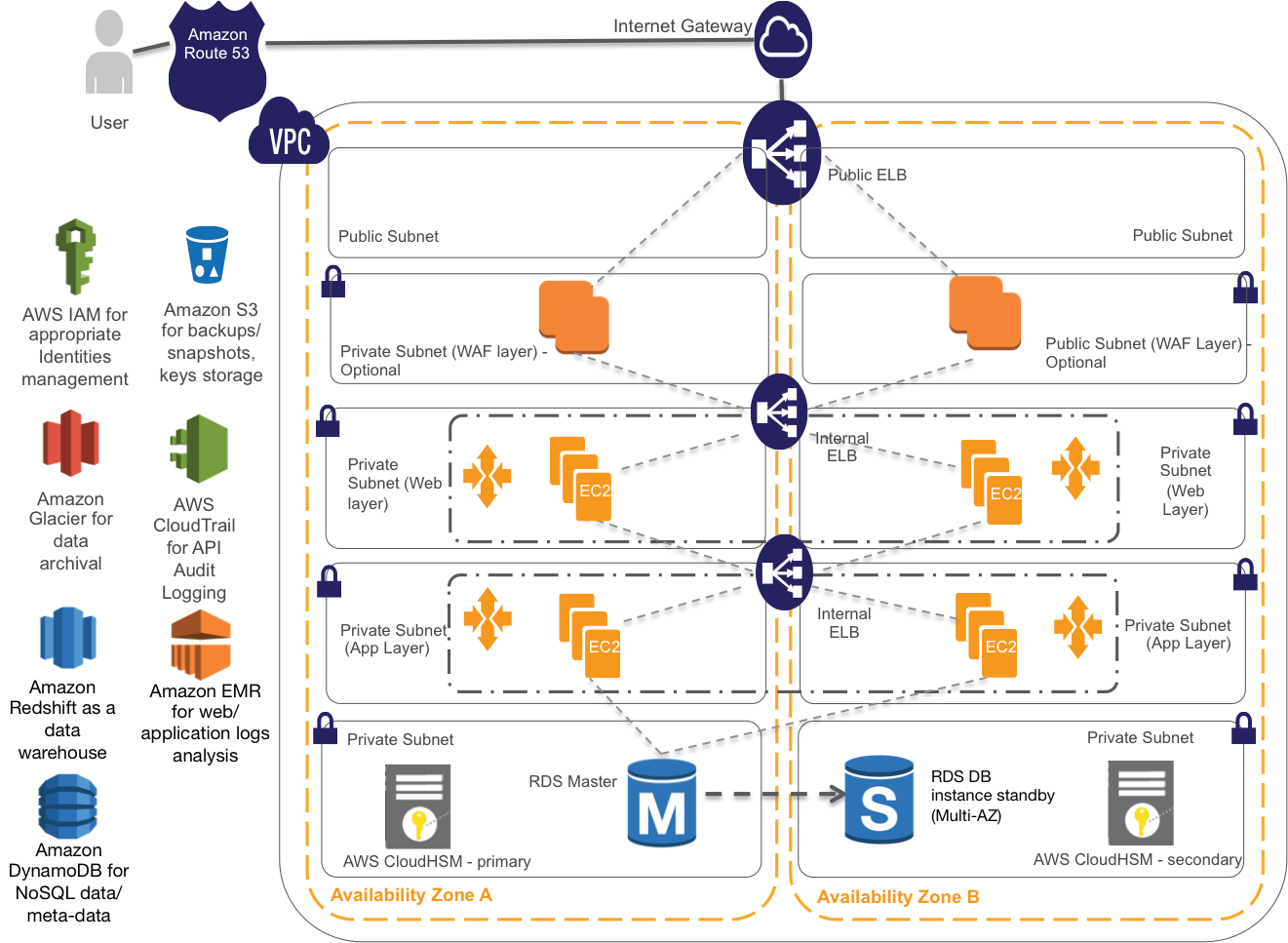
    AWS Healthcare Cloud Computing Architecture

    INTRODUCTION: THE DIGITAL HEALTHCARE REVOLUTION

    In an era where medical data volumes are doubling every 73 days and healthcare organizations face unprecedented challenges in patient care delivery, Amazon Web Services (AWS) emerges as the cornerstone of digital transformation in healthcare. As the world’s most comprehensive cloud computing platform, AWS has revolutionized how healthcare organizations store, process, analyze, and secure medical data while maintaining the highest standards of patient privacy and regulatory compliance.

    AWS for Health represents more than just a technological solution—it embodies a fundamental shift toward precision medicine, predictive analytics, and personalized patient care. With over 150 services specifically designed to address healthcare challenges, AWS enables medical institutions to harness the power of artificial intelligence, machine learning, and big data analytics to improve patient outcomes while reducing operational costs.

    The healthcare industry’s unique requirements—stringent regulatory compliance, patient data privacy, interoperability challenges, and the need for real-time clinical decision support—have shaped AWS’s healthcare-specific offerings. From small medical practices to large hospital systems, research institutions, and pharmaceutical companies, AWS provides the scalable, secure, and compliant infrastructure necessary to drive innovation in modern healthcare.

    UNDERSTANDING AWS FOR HEALTHCARE: A COMPREHENSIVE OVERVIEW

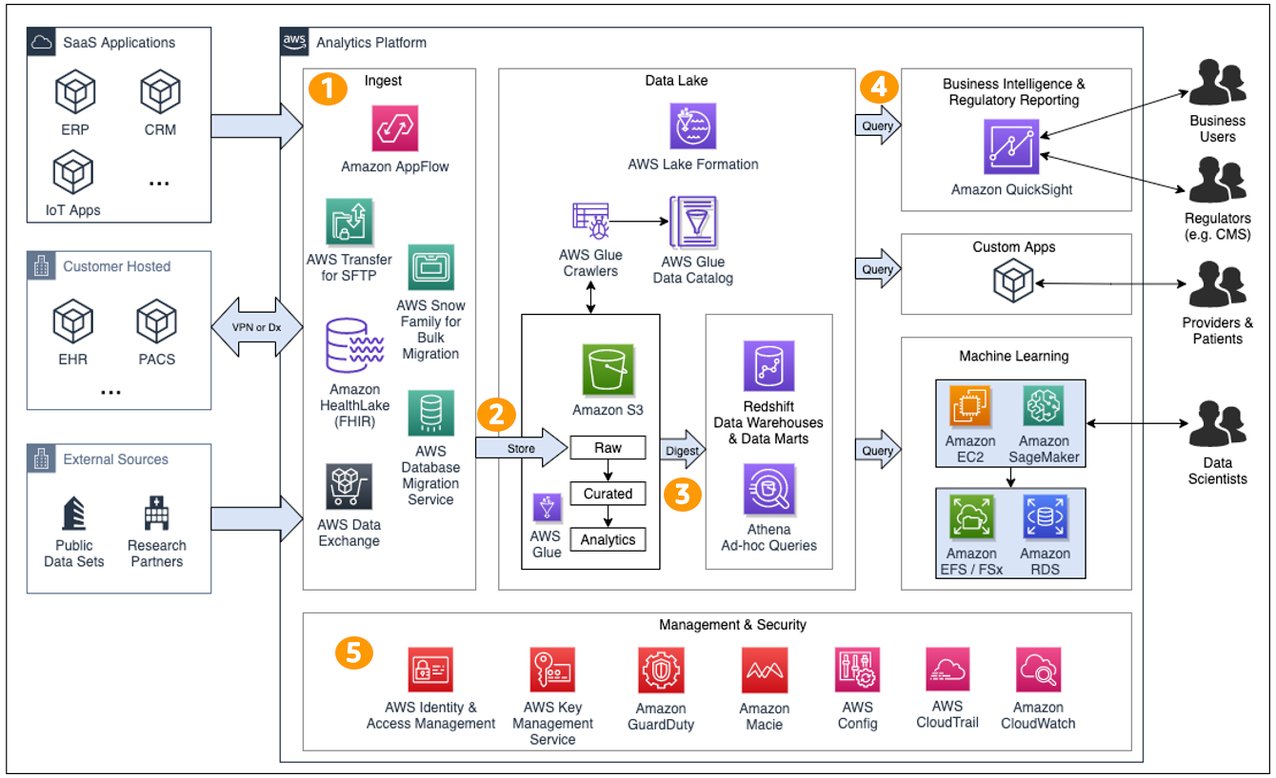
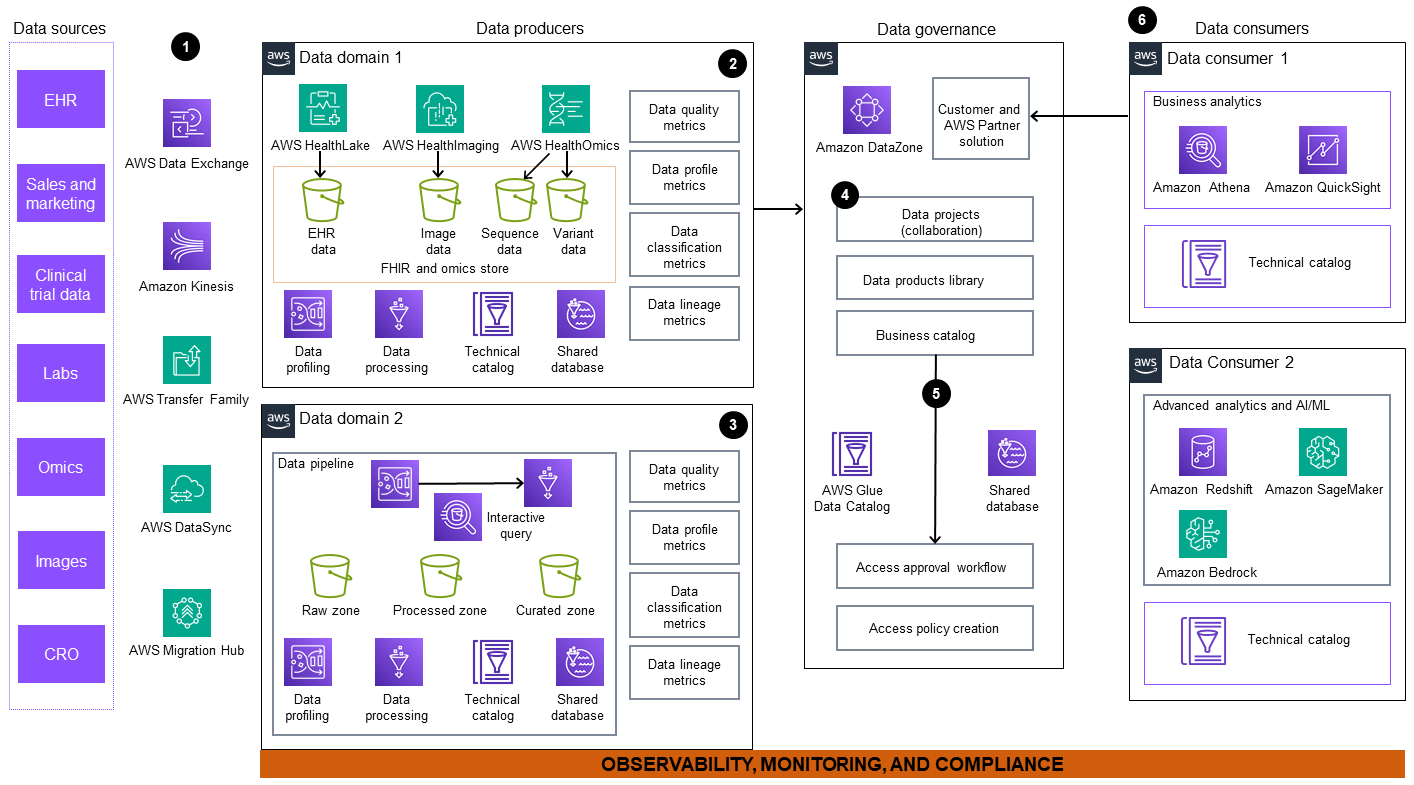
    AWS Healthcare Analytics Reference Architecture

    Amazon Web Services for Healthcare is a specialized portfolio of cloud services, solutions, and partner integrations designed specifically for healthcare and life sciences organizations. This comprehensive ecosystem addresses the unique challenges faced by medical professionals, researchers, and healthcare administrators while ensuring compliance with regulations such as HIPAA, HITECH, and GDPR.

    CORE HEALTHCARE SERVICE CATEGORIES

    Clinical Information Systems: AWS provides robust infrastructure for electronic health records (EHR), clinical decision support systems, and patient portal applications. These services enable healthcare providers to aggregate, store, manage, and transmit healthcare data across entire care systems, ensuring that clinicians have access to the right information at the precise moment of care.

    Health Analytics and AI/ML: Advanced analytics capabilities allow healthcare organizations to extract meaningful insights from vast amounts of structured and unstructured medical data. Machine learning services help predict patient outcomes, identify disease patterns, and support clinical research initiatives.

    Healthcare Data Management: Secure, scalable data lakes and data warehouses designed specifically for healthcare data, supporting everything from genomic sequencing to medical imaging and clinical trial data management.

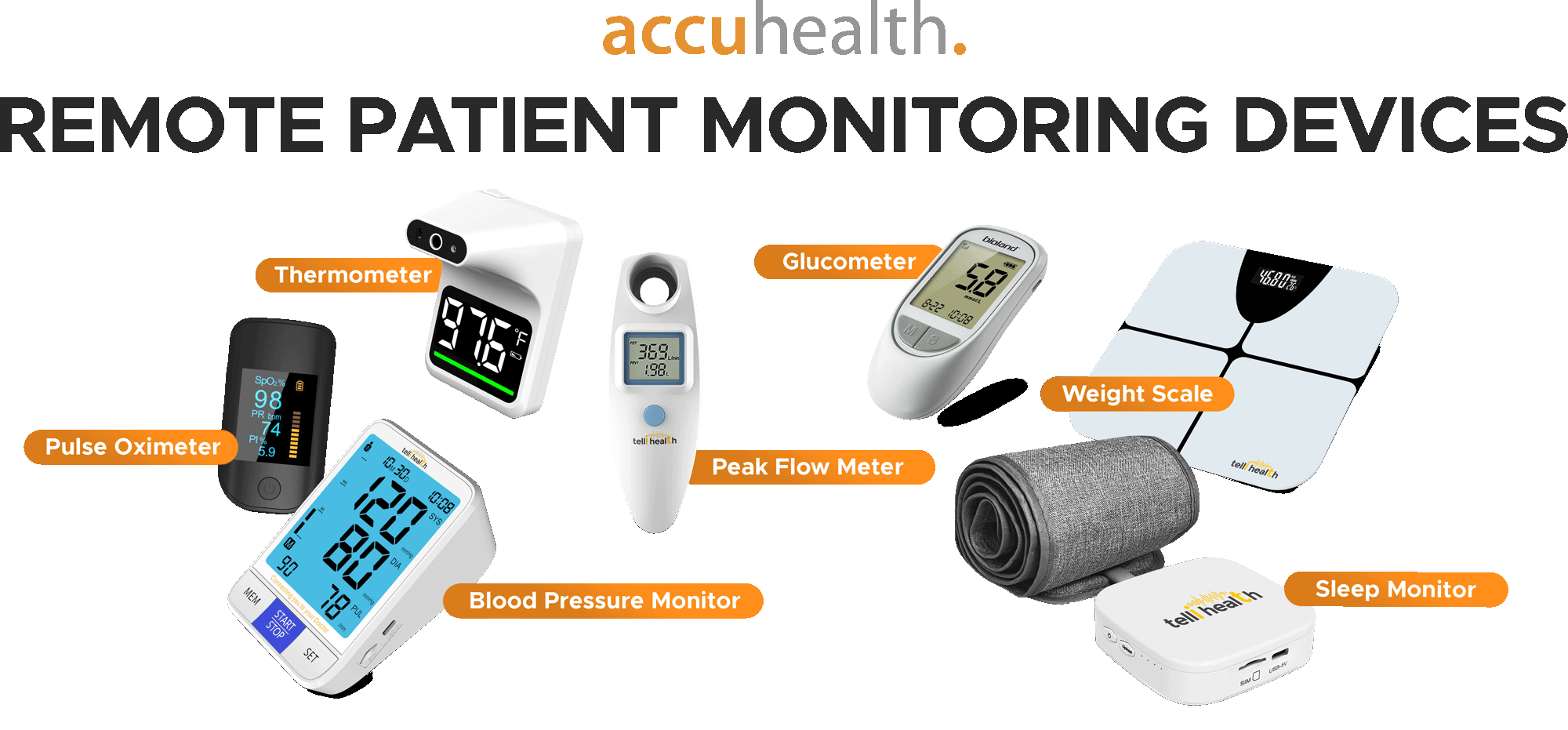
    Telehealth and Remote Care: Cloud-based solutions that enable virtual consultations, remote patient monitoring, and digital therapeutics, expanding access to care and improving patient engagement.

    HIPAA COMPLIANCE AND SECURITY: THE FOUNDATION OF TRUST

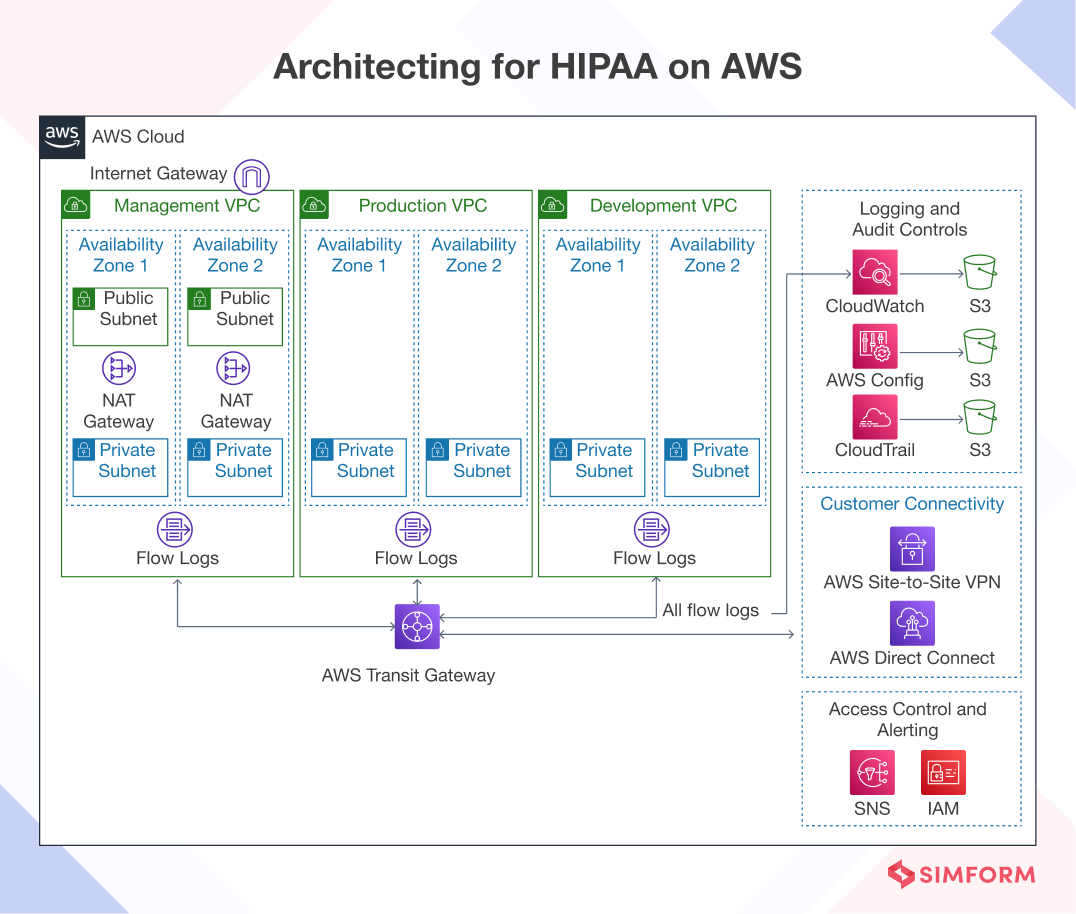
    AWS HIPAA Compliance Architecture

    One of the most critical considerations for healthcare organizations adopting cloud technologies is maintaining compliance with the Health Insurance Portability and Accountability Act (HIPAA). AWS has established itself as a leader in healthcare data security through comprehensive HIPAA-eligible services and robust compliance frameworks.

    AWS BUSINESS ASSOCIATE AGREEMENT (BAA)

    AWS offers a comprehensive Business Associate Agreement (BAA) that covers all HIPAA-eligible services, establishing the legal framework necessary for healthcare organizations to store and process Protected Health Information (PHI) in the cloud. This agreement ensures that AWS assumes appropriate responsibilities as a business associate while healthcare organizations maintain control over their patient data.

    KEY HIPAA-ELIGIBLE SERVICES INCLUDE:

    • Amazon S3 for secure medical data storage
    • Amazon RDS for clinical database management
    • Amazon EC2 for healthcare application hosting
    • AWS Lambda for serverless healthcare applications
    • Amazon HealthLake for FHIR-based data storage
    • AWS HealthImaging for medical imaging workflows

    MULTI-LAYERED SECURITY ARCHITECTURE

    AWS implements multiple layers of security controls specifically designed for healthcare workloads:

    Physical Security: AWS data centers employ military-grade physical security measures, including biometric access controls, 24/7 security monitoring, and environmental protections that exceed industry standards.

    Network Security: Advanced network segmentation, encryption in transit using TLS 1.2+, and Virtual Private Cloud (VPC) isolation ensure that healthcare data remains protected during transmission and processing.

    Data Encryption: End-to-end encryption using AES-256 encryption standards, with healthcare organizations maintaining full control over encryption keys through AWS Key Management Service (KMS).

    Identity and Access Management: Granular access controls ensure that only authorized personnel can access specific patient data, with comprehensive audit trails for all data access activities.

    AWS HEALTHLAKE: THE CORNERSTONE OF MODERN HEALTHCARE DATA

    AWS HealthLake Architecture with Machine Learning Integration

    AWS HealthLake represents a paradigm shift in healthcare data management, offering a HIPAA-eligible, purpose-built data service that makes it easy for healthcare and life sciences organizations to store, transform, and analyze health data at petabyte scale. Built on the FHIR R4 standard, HealthLake provides a unified view of patient health information across multiple systems and data formats.

    KEY CAPABILITIES OF AWS HEALTHLAKE

    Automated Data Transformation: HealthLake automatically transforms various healthcare data formats—including HL7 FHIR, C-CDA, and custom formats—into a standardized FHIR R4 format, eliminating the complexity of data integration across disparate systems.

    Natural Language Processing: Built-in NLP capabilities powered by Amazon Comprehend Medical automatically extract medical information from unstructured clinical notes, physician reports, and medical literature, converting text into structured, queryable data.

    Integrated Analytics: Seamless integration with Amazon QuickSight, Amazon SageMaker, and other AWS analytics services enables healthcare organizations to build comprehensive dashboards, predictive models, and clinical decision support tools.

    Longitudinal Patient Views: HealthLake creates comprehensive patient timelines that aggregate data from multiple sources, providing clinicians with a complete view of patient health history and enabling more informed clinical decisions.

    REAL-WORLD HEALTHLAKE APPLICATIONS

    Population Health Management: Large health systems use HealthLake to analyze population health trends, identify high-risk patient cohorts, and implement targeted intervention programs. For example, a major hospital network reduced readmission rates by 23% using HealthLake-powered predictive analytics.

    Clinical Research Acceleration: Pharmaceutical companies leverage HealthLake to identify potential clinical trial participants, analyze real-world evidence, and accelerate drug development timelines. One leading pharmaceutical company reduced patient recruitment time by 40% using HealthLake’s advanced querying capabilities.

    Precision Medicine Initiatives: HealthLake enables the integration of genomic data, clinical information, and lifestyle factors to support personalized treatment approaches. Academic medical centers use this capability to develop precision medicine protocols for complex conditions like cancer and rare diseases.

    AWS HEALTHIMAGING: REVOLUTIONIZING MEDICAL IMAGING WORKFLOWS

    AMAZON WEB SERVICES FOR HEALTHCARE
    AMAZON WEB SERVICES FOR HEALTHCARE

    Medical imaging represents one of the fastest-growing segments of healthcare data, with imaging studies increasing by 8-12% annually. AWS HealthImaging addresses the unique challenges of medical imaging data management, providing a HIPAA-eligible service designed specifically for storing, accessing, and analyzing medical images at scale.

    CORE HEALTHIMAGING FEATURES

    DICOM-Native Storage: HealthImaging stores medical images in their native DICOM format while providing APIs for easy integration with existing Picture Archiving and Communication Systems (PACS) and imaging applications.

    Petabyte-Scale Architecture: Built on AWS’s proven cloud infrastructure, HealthImaging can store and manage petabytes of imaging data with 99.999999999% (11 9’s) durability, ensuring that critical medical images are always available when needed.

    AI-Ready Integration: Seamless connectivity with Amazon SageMaker enables healthcare organizations to develop and deploy AI-powered diagnostic tools, automated image analysis, and computer-aided detection systems.

    Cost-Effective Storage: Intelligent tiering automatically moves older images to lower-cost storage classes while maintaining instant accessibility, reducing storage costs by up to 70% compared to traditional on-premises solutions.

    CLINICAL IMPACT OF HEALTHIMAGING

    Radiology Workflow Optimization: A leading radiology group reduced image retrieval times from minutes to milliseconds, enabling radiologists to read 30% more studies per day while improving diagnostic accuracy through AI-powered image enhancement tools.

    Multi-Site Image Sharing: Hospital systems use HealthImaging to share imaging studies across multiple locations, enabling specialists to provide remote consultations and reducing patient transfer requirements by 35%.

    Research and Development: Medical device companies leverage HealthImaging to store and analyze large imaging datasets for AI model training, accelerating the development of next-generation diagnostic tools.

    AMAZON SAGEMAKER FOR HEALTHCARE: DEMOCRATIZING MEDICAL AI

    Healthcare AI and Machine Learning Architecture

    Amazon SageMaker, AWS’s fully managed machine learning platform, has become the foundation for AI innovation in healthcare. With purpose-built tools for healthcare data scientists and researchers, SageMaker enables the development, training, and deployment of machine learning models that can predict patient outcomes, accelerate drug discovery, and improve clinical decision-making.

    HEALTHCARE-SPECIFIC SAGEMAKER CAPABILITIES

    Medical Natural Language Processing: Pre-trained models specifically designed for medical text analysis, including clinical note processing, medical literature analysis, and pharmacovigilance applications.

    Computer Vision for Medical Imaging: Advanced deep learning models for medical image analysis, including automated detection of anomalies in radiology images, pathology slide analysis, and retinal screening.

    Genomics and Precision Medicine: Specialized algorithms for genomic data analysis, population genetics studies, and personalized treatment recommendation systems.

    Clinical Trial Optimization: Machine learning models that predict patient recruitment success, optimize trial design, and identify potential safety signals early in the development process.

    Transformative Healthcare Applications

    Early Disease Detection: A consortium of academic medical centers developed a SageMaker-powered AI system that detects early-stage diabetic retinopathy with 95% accuracy, potentially preventing blindness in thousands of patients annually.

    Drug Discovery Acceleration: Pharmaceutical companies use SageMaker to analyze molecular structures and predict drug-target interactions, reducing drug discovery timelines from years to months for certain therapeutic areas.

    Personalized Treatment Planning: Oncology centers leverage SageMaker to analyze patient genomic profiles, tumor characteristics, and treatment history to recommend optimal therapy protocols, improving treatment response rates by 40%.

    COMPREHENSIVE SECURITY AND COMPLIANCE FRAMEWORK

    HIPAA Compliance Security Architecture

    Healthcare organizations must navigate complex regulatory requirements while maintaining the highest levels of data security. AWS provides a comprehensive compliance framework that addresses multiple healthcare regulations and standards simultaneously.

    REGULATORY COMPLIANCE COVERAGE

    HIPAA and HITECH Compliance: Comprehensive coverage of all HIPAA requirements, including administrative, physical, and technical safeguards, with automated compliance monitoring and reporting capabilities.

    FDA Validation Support: AWS provides the documentation and validation support necessary for medical device manufacturers and pharmaceutical companies to meet FDA requirements for cloud-based systems.

    International Standards: Compliance with global healthcare standards including ISO 27001, SOC 2 Type II, and region-specific regulations such as GDPR in Europe and PIPEDA in Canada.

    GxP Compliance: Support for Good Clinical Practice (GCP), Good Manufacturing Practice (GMP), and Good Laboratory Practice (GLP) requirements for pharmaceutical and biotechnology companies.

    Advanced Security Features

    Zero-Trust Architecture: Implementation of zero-trust security principles with continuous verification of all users and devices accessing healthcare systems.

    Automated Threat Detection: AWS GuardDuty and AWS Security Hub provide continuous monitoring for security threats and automated response capabilities.

    Data Loss Prevention: Advanced data loss prevention (DLP) capabilities that prevent unauthorized data exfiltration while maintaining system usability for authorized users.

    Audit and Compliance Reporting: Comprehensive audit trails and automated compliance reporting that simplify regulatory inspections and internal audits.

    TELEHEALTH AND REMOTE CARE SOLUTIONS

    Modern Healthcare Data Strategy Implementation

    The COVID-19 pandemic accelerated the adoption of telehealth solutions, and AWS has emerged as the leading platform for virtual care delivery. AWS telehealth solutions enable healthcare organizations to provide high-quality care remotely while ensuring patient data security and regulatory compliance.

    CORE TELEHEALTH CAPABILITIES

    Amazon Chime SDK for Healthcare: Purpose-built video conferencing capabilities designed specifically for healthcare, including HIPAA-eligible video calling, screen sharing, and integration with electronic health records.

    Remote Patient Monitoring: IoT-enabled solutions that collect real-time patient data from wearable devices, home monitoring equipment, and mobile health applications.

    Digital Therapeutics Platform: Infrastructure for deploying evidence-based digital therapeutics applications that provide therapeutic interventions through software.

    Virtual Care Coordination: Tools that enable care teams to collaborate remotely, share patient information securely, and coordinate treatment plans across multiple providers.

    Telehealth Success Stories

    Rural Healthcare Access: A network of rural hospitals uses AWS telehealth solutions to provide specialist consultations to underserved communities, increasing access to cardiology and neurology services by 300%.

    Chronic Disease Management: A major health system implemented AWS-powered remote monitoring for diabetes patients, reducing hospital readmissions by 45% and improving patient satisfaction scores by 35%.

    Mental Health Services: Behavioral health providers use AWS telehealth platforms to deliver therapy and counseling services, expanding their reach by 250% during the pandemic while maintaining the same quality of care.

    REAL-WORLD CASE STUDIES: HEALTHCARE TRANSFORMATION IN ACTION

    Patient 360 Comprehensive Healthcare Architecture

    CASE STUDY 1: MAYO CLINIC’S DIGITAL TRANSFORMATION

    The Mayo Clinic, one of the world’s leading healthcare institutions, partnered with AWS to create a comprehensive digital health platform that serves millions of patients globally. Using AWS HealthLake, SageMaker, and other services, Mayo Clinic developed:

    AI-Powered Diagnostic Tools: Machine learning models that assist physicians in diagnosing complex conditions with 92% accuracy, reducing diagnostic errors and improving patient outcomes.

    Genomic Medicine Platform: A cloud-based genomics analysis platform that processes thousands of whole genome sequences, enabling precision medicine approaches for cancer treatment and rare disease diagnosis.

    Global Telehealth Network: Virtual care capabilities that extend Mayo Clinic’s expertise to patients worldwide, with over 50,000 remote consultations conducted annually.

    CASE STUDY 2: PHILIPS HEALTHSUITE DIGITAL PLATFORM

    Royal Philips transformed its healthcare technology business by building the HealthSuite Digital Platform on AWS, creating a comprehensive ecosystem for connected health solutions:

    Population Health Insights: Analytics platform that processes data from over 15 million connected devices, providing insights into population health trends and disease patterns.

    Clinical Decision Support: AI-powered tools that analyze patient data in real-time, providing clinicians with actionable insights at the point of care.

    Interoperability Solutions: Standards-based integration platform that connects disparate healthcare systems, enabling seamless data exchange across the care continuum.

    CASE STUDY 3: CERNER’S HEALTHELIFE PLATFORM

    Cerner Corporation leveraged AWS to build HealtheLife, a comprehensive patient engagement platform that serves over 25 million patients:

    Personal Health Records: Secure, patient-controlled health records that aggregate data from multiple healthcare providers and enable patients to actively participate in their care.

    Predictive Analytics: Machine learning models that identify patients at risk for chronic diseases and recommend preventive interventions.

    Care Coordination Tools: Platform that enables healthcare teams to collaborate effectively, reducing care gaps and improving patient outcomes.

    EMERGING TECHNOLOGIES AND FUTURE INNOVATIONS

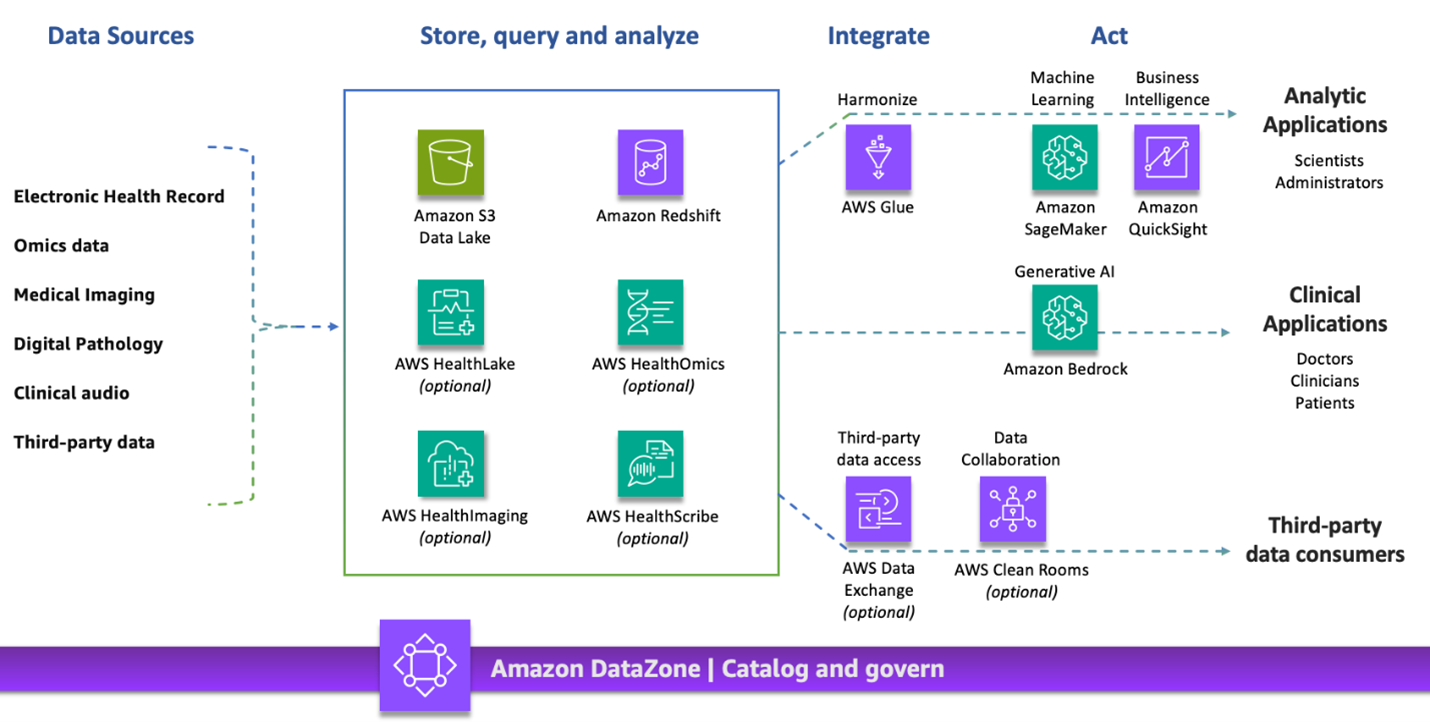
    Healthcare AI and Multi-Modal Data Analysis

    AWS continues to innovate in healthcare technology, introducing cutting-edge capabilities that will shape the future of medical practice:

    GENERATIVE AI IN HEALTHCARE

    AWS HealthScribe: Advanced speech-to-text service specifically designed for clinical conversations, automatically generating clinical notes and extracting key medical information from patient-provider interactions.

    Medical Literature Analysis: Generative AI models that can analyze vast amounts of medical literature and provide evidence-based recommendations for clinical decision-making.

    Drug Discovery Acceleration: AI models that can predict molecular behavior and identify potential drug candidates, significantly reducing the time and cost of pharmaceutical research.

    QUANTUM COMPUTING APPLICATIONS

    AWS Braket, Amazon’s quantum computing service, is being explored for complex healthcare applications:

    Molecular Simulation: Quantum algorithms for simulating molecular interactions at unprecedented scales, potentially revolutionizing drug discovery and personalized medicine.

    Optimization Problems: Quantum computing solutions for complex healthcare optimization challenges, such as treatment protocol selection and resource allocation.

    EDGE COMPUTING FOR HEALTHCARE

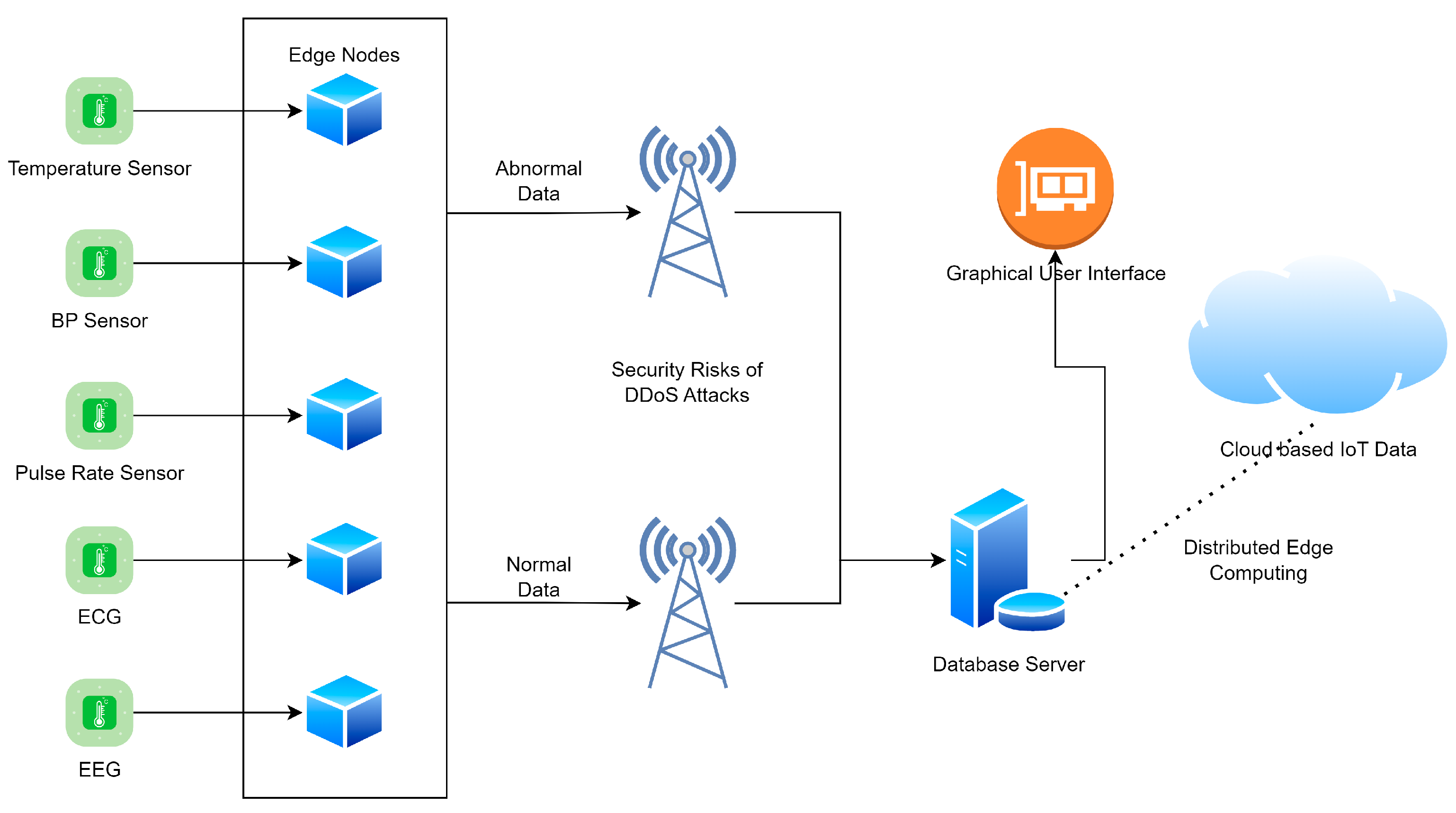
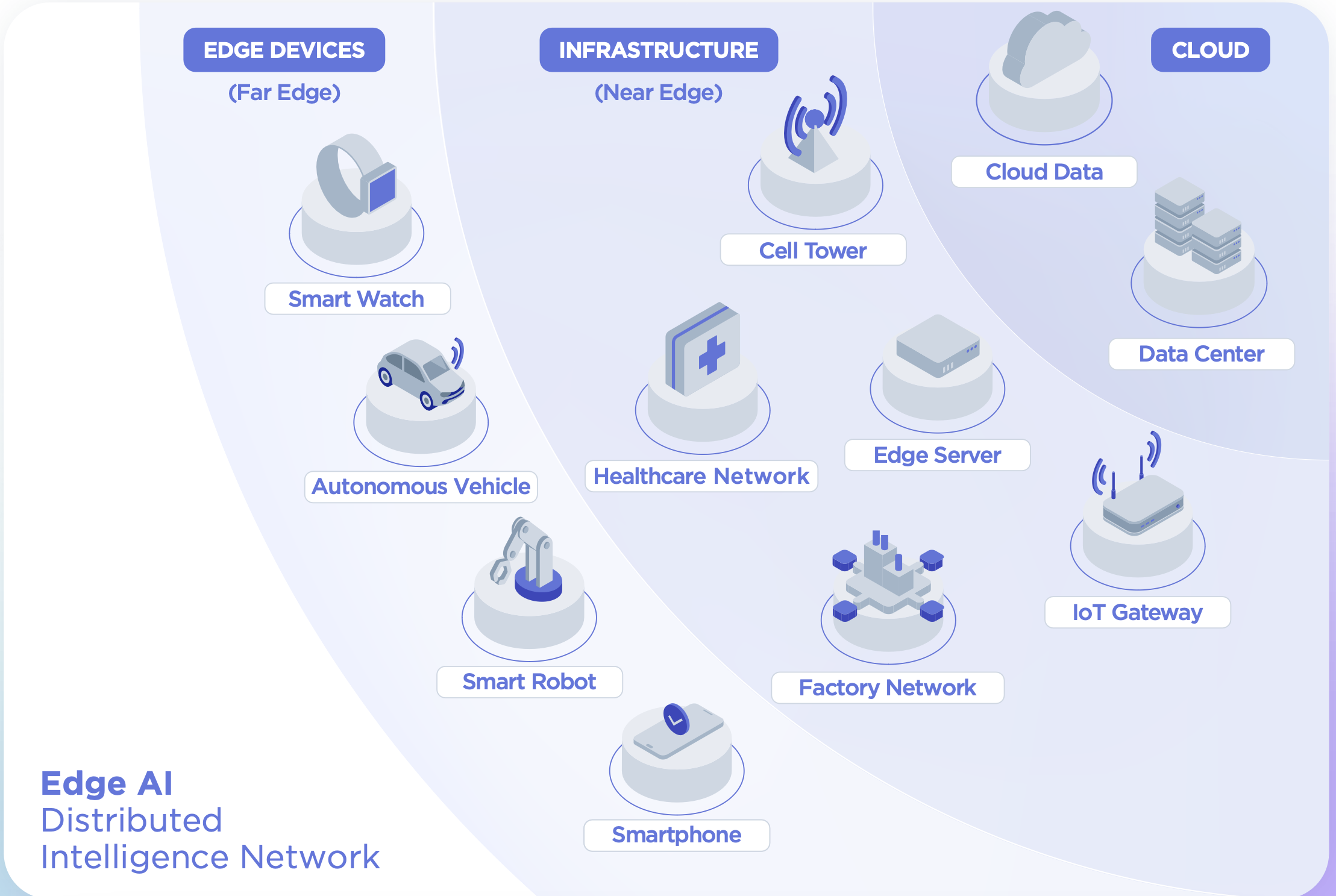
    AWS Wavelength: Ultra-low latency computing capabilities that enable real-time processing of medical data at the edge, supporting applications like remote surgery and real-time patient monitoring.

    IoT Integration: Advanced Internet of Things capabilities that connect medical devices, wearables, and sensors to create comprehensive patient monitoring ecosystems.

    IMPLEMENTATION STRATEGIES AND BEST PRACTICES

    Healthcare Data Pipeline Architecture

    MIGRATION PLANNING AND STRATEGY

    Assessment Phase: Comprehensive evaluation of existing healthcare IT infrastructure, identifying migration priorities and potential challenges.

    Phased Approach: Gradual migration strategy that minimizes disruption to clinical operations while ensuring continuous compliance with healthcare regulations.

    Training and Change Management: Comprehensive training programs for healthcare professionals and IT staff to ensure successful adoption of cloud technologies.

    COST OPTIMIZATION STRATEGIES

    Reserved Instances: Long-term commitment options that can reduce healthcare cloud costs by up to 75% for predictable workloads.

    Spot Instances: Cost-effective computing options for non-critical workloads such as research computing and batch processing.

    Automated Scaling: Dynamic resource allocation that ensures optimal performance during peak usage periods while minimizing costs during low-demand times.

    Performance Optimization

    Multi-Region Deployment: Distributed architecture that ensures high availability and disaster recovery capabilities for critical healthcare applications.

    Data Caching Strategies: Advanced caching mechanisms that reduce data retrieval times and improve application performance for clinical users.

    Network Optimization: Content delivery networks and edge computing capabilities that minimize latency for geographically distributed healthcare organizations.

    ECONOMIC IMPACT AND RETURN ON INVESTMENT

    Healthcare organizations implementing AWS solutions report significant economic benefits:

    Operational Cost Reduction: Average reduction of 25-40% in IT infrastructure costs through cloud migration and optimization.

    Improved Efficiency: Clinical workflow improvements resulting in 15-30% increases in provider productivity and patient throughput.

    Enhanced Revenue Opportunities: New revenue streams through digital health services, remote monitoring, and value-based care programs.

    Risk Mitigation: Reduced cybersecurity risks and improved disaster recovery capabilities, protecting healthcare organizations from costly data breaches and system outages.

    CONCLUSION: THE FUTURE OF HEALTHCARE IS IN THE CLOUD

    Amazon Web Services has established itself as the definitive cloud platform for healthcare transformation, providing the security, compliance, and innovation capabilities necessary to meet the evolving needs of modern healthcare organizations. From small medical practices to global pharmaceutical companies, AWS enables healthcare providers to harness the power of cloud computing, artificial intelligence, and advanced analytics to improve patient outcomes while reducing costs.

    The healthcare industry stands at a critical inflection point, where the convergence of cloud computing, artificial intelligence, and digital health technologies promises to revolutionize how care is delivered, how diseases are diagnosed and treated, and how medical research is conducted. AWS provides the foundational infrastructure and specialized services necessary to realize this vision, enabling healthcare organizations to focus on their core mission of improving human health.

    As we look toward the future, the continued innovation in AWS healthcare services—including advanced AI capabilities, quantum computing applications, and edge computing solutions—will further expand the possibilities for medical innovation. Healthcare organizations that embrace these technologies today will be best positioned to deliver the personalized, precision medicine of tomorrow while maintaining the highest standards of patient care and data security.

    The transformation of healthcare through cloud technology is not just about adopting new tools—it’s about reimagining what’s possible in medical care. With AWS as a partner, healthcare organizations can confidently navigate this transformation, knowing they have the most comprehensive, secure, and innovative cloud platform supporting their mission to improve human health and save lives.


    About AWS for Healthcare: Amazon Web Services continues to invest heavily in healthcare-specific solutions, working closely with medical professionals, researchers, and healthcare organizations to develop technologies that address the unique challenges of modern healthcare delivery. For more information about AWS healthcare solutions, visit aws.amazon.com/health.

    MEDICAL  CLOUD  AI  IN  USA

    RESULTS OF  YOUR AUTOCLAVE ON YOUR MOBILE PHONE

  • 7 SIGNS YOUR CLINIC IS READY FOR CLOUD-BASED AI INTEGRATION

    7 SIGNS YOUR CLINIC IS READY FOR CLOUD-BASED AI INTEGRATION

    AI in Healthcare

    As healthcare continues its digital transformation journey, cloud-based AI solutions offer unprecedented opportunities to enhance patient care, streamline operations, and improve clinical outcomes. But how do you know if your clinic is truly ready to embrace this technology? This article explores the seven key indicators that signal your healthcare facility’s readiness for cloud-based AI integration.

    WHY CLOUD-BASED AI MATTERS IN HEALTHCARE

    The healthcare industry is experiencing a technological revolution. Cloud-based artificial intelligence offers tools that can analyze vast amounts of medical data, assist in clinical decision-making, automate administrative tasks, and even predict patient outcomes with impressive accuracy. Before diving into implementation, it’s crucial to assess whether your clinic has the foundation necessary for successful integration.

    “The question isn’t whether AI will transform healthcare, but rather how quickly healthcare organizations can adapt to harness its potential.”

    Let’s explore the seven critical signs that indicate your clinic is positioned to successfully implement and benefit from cloud-based AI integration.

    SIGN 1: DATA MANAGEMENT MATURITY

    AI systems are only as good as the data they’re trained on. If your clinic has established structured data collection protocols and maintains clean, well-organized patient records, you’re already on the right track. Cloud-based AI requires accessible, standardized data to deliver meaningful insights.

    KEY INDICATORS OF DATA READINESS:

    • Electronic Health Records (EHR) system that’s been in place for at least 2-3 years
    • Standardized data entry protocols followed consistently by staff
    • Regular data audits and cleaning procedures
    • Clear data governance policies and responsible data stewardship
    • Ability to integrate data from multiple sources (labs, imaging, patient portals)

    Without mature data management practices, AI implementation can lead to the “garbage in, garbage out” problem, where poor quality data produces unreliable results.

    Healthcare Data Analytics

    SIGN 2: IT INFRASTRUCTURE COMPATIBILITY

    Cloud-based AI solutions require the right technical foundation. Your clinic should have robust network capabilities, sufficient bandwidth, and modern hardware that can support integration with cloud services.

    ASSESSMENT CRITERIA:

    • High-speed, reliable internet connection with adequate bandwidth
    • Modern computing devices capable of running required software
    • Current cybersecurity measures including encryption and access controls
    • IT infrastructure that supports APIs and interoperability standards
    • Scalable systems that can grow with increased data processing demands

    Many clinics underestimate the importance of reliable connectivity. Cloud-based AI requires consistent access to data stored in the cloud—intermittent connections can disrupt workflow and frustrate staff.

    Cloud Computing in Healthcare

    SIGN 3: CLEAR DIGITAL TRANSFORMATION STRATEGY

    Successful AI implementation requires strategic alignment with your clinic’s broader goals. If your organization has a defined digital transformation roadmap that includes AI adoption, you’re well-positioned for cloud-based AI integration.

    STRATEGIC READINESS INDICATORS:

    • Documented digital transformation strategy with specific AI objectives
    • Leadership buy-in and champion(s) for AI implementation
    • Alignment of AI goals with overall business and clinical objectives
    • Phased approach to technology adoption with clear milestones
    • Established metrics to measure success and ROI of AI initiatives

    AI projects without strategic alignment often become expensive “tech for tech’s sake” initiatives that fail to deliver meaningful value to patients or providers.

    Healthcare Digital Transformation

    SIGN 4: STAFF TECHNICAL READINESS

    Technology adoption hinges on the people using it. If your clinical and administrative staff demonstrate comfort with existing digital tools and openness to technological change, they’re more likely to embrace AI solutions.

    STAFF READINESS FACTORS:

    • High adoption rates of existing digital tools and EHR features
    • Staff who proactively seek efficiency improvements through technology
    • Culture that values continuous learning and professional development
    • Low resistance to previous technological implementations
    • Existing training programs for technology onboarding and education

    The human factor is often the most challenging aspect of AI implementation. Even the most sophisticated AI solutions will fail if the end users don’t understand, trust, or know how to properly use them.

    Medical Staff Using Technology

    SIGN 5: SPECIFIC USE CASE IDENTIFICATION

    Clinics ready for AI integration have identified specific, high-value applications rather than pursuing AI as a generic solution. They understand exactly which clinical or operational problems they want AI to help solve.

    Use case readiness signals:

    • Documented pain points in clinical workflows that AI could address
    • Clear understanding of which AI applications will provide the most immediate value
    • Prioritized list of potential AI use cases based on impact and feasibility
    • Baseline metrics for current performance in target areas
    • Engagement with stakeholders who will benefit from each use case

    Starting with focused, high-impact use cases allows for quicker wins, builds organizational confidence, and provides learnings that can be applied to future AI initiatives.

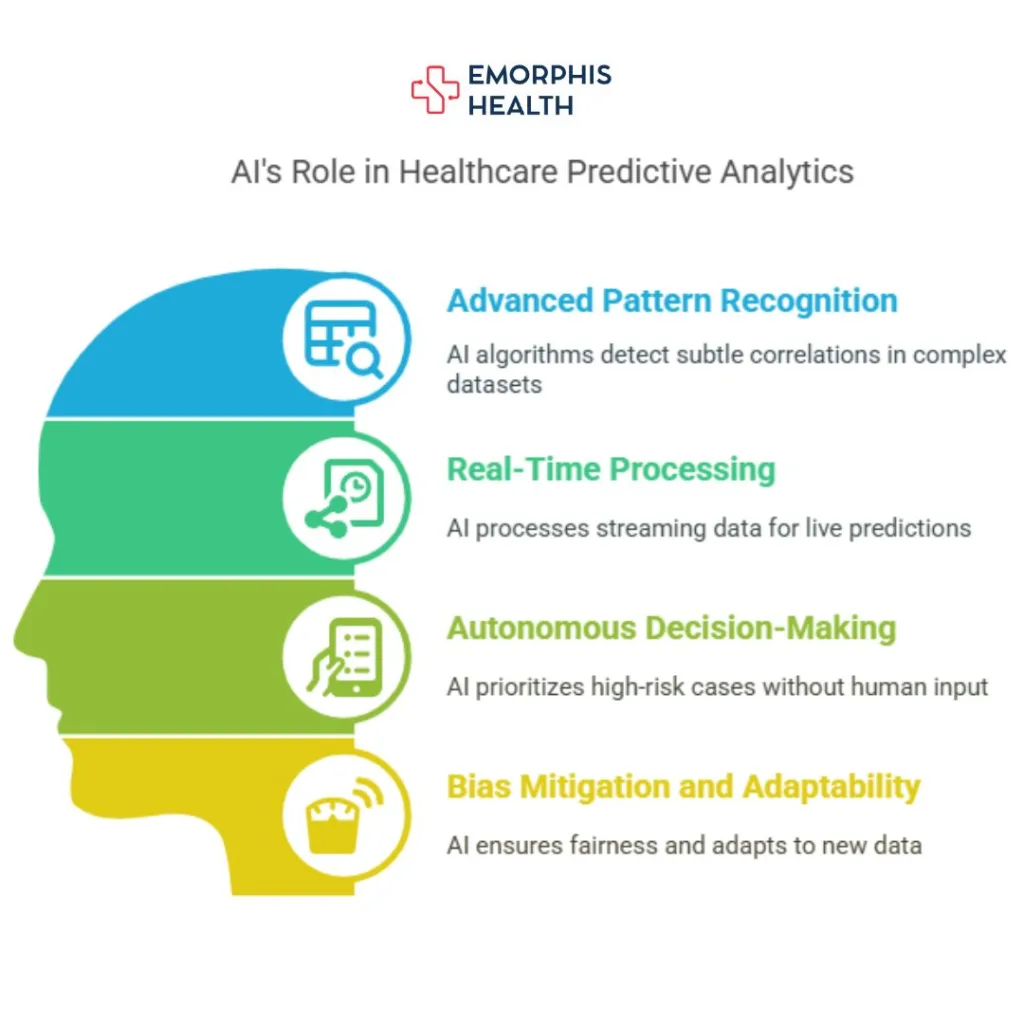
    AI in Predictive Analytics

    Sign 6: Budget and ROI Understanding

    Financially prepared clinics have allocated appropriate resources for AI implementation and have realistic expectations about return on investment timelines. They understand that AI is an investment in future capabilities rather than a quick fix.

    Financial readiness indicators:

    • Dedicated budget for cloud-based AI implementation and ongoing costs
    • Realistic expectations for ROI timeframes (typically 12-24 months)
    • Understanding of total cost of ownership beyond initial purchase
    • Financial metrics identified to track the impact of AI implementation
    • Willingness to invest in change management and training resources

    Cloud-based AI often uses subscription models that may seem more expensive than one-time purchases in the short term, but typically offer lower total cost of ownership when factoring in maintenance, updates, and scalability.

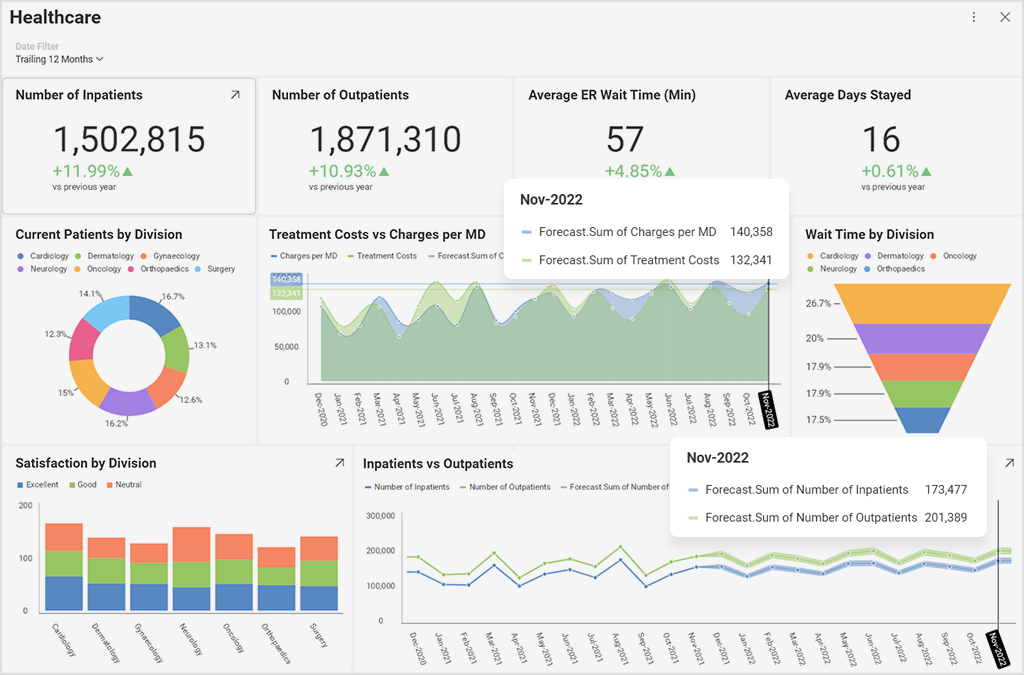
    Healthcare Analytics Dashboard

    Sign 7: Compliance and Security Awareness

    Clinics prepared for cloud-based AI understand the regulatory landscape and have robust security practices in place. They recognize the unique compliance challenges that AI and cloud computing introduce to healthcare.

    Compliance readiness factors:

    • Understanding of relevant regulations (HIPAA, GDPR, etc.) as they apply to AI
    • Established security risk assessment processes
    • Data privacy policies that address AI and cloud computing
    • Vendor assessment procedures that evaluate security practices
    • Staff training on data protection and privacy requirements

    Cloud-based AI can actually enhance security when implemented properly, as leading vendors often have more robust security measures than individual healthcare organizations can maintain independently.

    Healthcare Data Security

    Next Steps: Turning Readiness into Action

    If your clinic demonstrates most or all of these seven signs, you’re well-positioned to begin your cloud-based AI journey. Even if you’re not quite there yet, understanding these readiness indicators provides a roadmap for preparation.

    Successful AI integration is a journey rather than a destination. Begin with a thoughtful assessment of your current state, develop a clear implementation strategy, start with high-value use cases, and maintain focus on continuous improvement and adaptation.

    Key Takeaways:

    • Ensure your data management practices create a solid foundation for AI
    • Verify your IT infrastructure can support cloud-based solutions
    • Develop a strategic approach aligned with broader organizational goals
    • Prepare your staff through training and change management
    • Focus on specific, high-value use cases for initial implementation
    • Set realistic budget expectations and ROI timelines
    • Address compliance and security considerations from the start

    Cloud-based AI integration represents a significant opportunity for healthcare clinics to enhance patient care, streamline operations, and stay competitive in an increasingly digital healthcare landscape. With proper preparation and a strategic approach, your clinic can successfully navigate this transformation.

    MEDICAL  CLOUD  AI  IN  USA

    RESULTS OF YOUR AUTOCLAVE ON YOUR MOBILE

  • THE AI CLOUD REVOLUTION IN MEDICAL DEVICES: TRANSFORMING HEALTHCARE THROUGH INTELLIGENT CONNECTIVITY

    THE AI CLOUD REVOLUTION IN MEDICAL DEVICES: TRANSFORMING HEALTHCARE THROUGH INTELLIGENT CONNECTIVITY

    The convergence of artificial intelligence and cloud computing is fundamentally transforming the medical device landscape, ushering in an unprecedented era of intelligent, connected healthcare solutions. This AI cloud revolution represents more than a technological upgrade—it’s a paradigm shift that’s redefining how medical devices operate, learn, and deliver care. From real-time diagnostic imaging to predictive patient monitoring, cloud-based AI is breaking down the traditional barriers of medical devices, creating an interconnected ecosystem that promises to revolutionize patient outcomes and healthcare delivery worldwide.

    AI Healthcare Revolution

    THE DAWN OF THE CLOUD-AI ERA IN MEDICAL DEVICES

    The medical device industry stands at the precipice of a revolutionary transformation. Traditional medical devices, once isolated islands of functionality, are evolving into intelligent, interconnected systems that leverage the virtually unlimited computational power of cloud computing platforms. This transformation is not merely incremental—it represents a fundamental reimagining of how medical technology can serve patients, healthcare providers, and the broader healthcare ecosystem.

    The statistics paint a compelling picture of this revolution. Over 500 AI-enabled medical devices have already received FDA approval, with more than three-quarters focused on medical imaging applications. Cloud-based AI diagnostics now enable clinicians to upload scans and receive results within minutes, rather than waiting days for specialist interpretation. This speed and accessibility represent just the beginning of what’s possible when AI meets cloud computing in healthcare.

    Healthcare AI Transformation

    THE TECHNOLOGICAL FOUNDATION OF THE AI CLOUD REVOLUTION

    CLOUD COMPUTING INFRASTRUCTURE

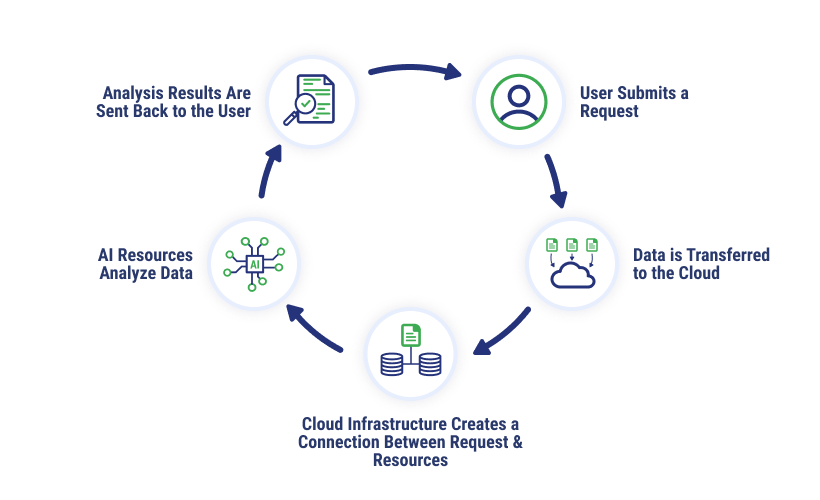
    The foundation of the AI cloud revolution lies in sophisticated cloud computing infrastructures that provide the computational horsepower necessary for complex AI operations. These platforms offer scalable, on-demand access to advanced processing capabilities, machine learning frameworks, and vast storage systems that would be impossible to replicate within individual medical devices.

    Major cloud providers like Amazon Web Services (AWS), Google Cloud Platform, and Microsoft Azure have developed specialized healthcare AI services that comply with stringent medical regulations while providing the performance and reliability required for critical medical applications. These platforms offer:

    • Massive Computational Resources: Cloud platforms provide access to thousands of high-performance processors, graphics processing units (GPUs), and specialized AI accelerators
    • Advanced AI Frameworks: Pre-built machine learning models, natural language processing capabilities, and computer vision systems specifically designed for healthcare applications
    • Regulatory Compliance: HIPAA-compliant infrastructure, healthcare-specific security measures, and audit capabilities required for medical applications
    • Global Scalability: The ability to deploy AI-powered medical device capabilities worldwide with consistent performance and reliability

    ARTIFICIAL INTELLIGENCE INTEGRATION

    The AI component of this revolution encompasses multiple sophisticated technologies working in concert:

    Machine Learning Algorithms: Advanced neural networks, deep learning models, and ensemble methods that can process vast amounts of medical data to identify patterns, make predictions, and support clinical decision-making.

    Computer Vision Systems: Specialized AI algorithms designed to analyze medical images, from X-rays and MRIs to pathology slides and endoscopic footage, with accuracy that often exceeds human specialists.

    Natural Language Processing: AI systems capable of understanding and processing clinical notes, research literature, and patient communications to extract meaningful insights and support care coordination.

    Predictive Analytics: Algorithms that analyze patient data patterns to predict health outcomes, identify at-risk patients, and recommend preventive interventions.

    Cloud AI Healthcare Innovation

    REVOLUTIONARY APPLICATIONS ACROSS MEDICAL SPECIALTIES

    DIAGNOSTIC IMAGING REVOLUTION

    The field of diagnostic imaging has experienced perhaps the most dramatic transformation through cloud-based AI. Traditional imaging workflows that once required hours or days for interpretation can now be completed in minutes, with AI systems providing preliminary analyses that help prioritize urgent cases and support radiologist decision-making.

    Radiology AI Platforms: Cloud-based AI systems can analyze CT scans, MRIs, X-rays, and ultrasounds to detect abnormalities, measure anatomical structures, and identify potential pathologies. These systems continuously learn from vast datasets, improving their accuracy and expanding their diagnostic capabilities.

    Pathology AI Integration: Digital pathology platforms leveraging cloud AI can analyze tissue samples, identify cellular abnormalities, and assist pathologists in cancer diagnosis with unprecedented speed and accuracy.

    Ophthalmology Applications: AI-powered retinal imaging systems can detect diabetic retinopathy, macular degeneration, and glaucoma from fundus photographs, enabling early intervention and preventing vision loss.

    CARDIOLOGY AND CARDIAC MONITORING

    Cloud-based AI has revolutionized cardiac care through intelligent monitoring systems that can predict cardiac events before they occur. These systems analyze electrocardiogram (ECG) patterns, echocardiogram images, and continuous monitoring data to identify subtle changes that might indicate developing cardiac conditions.

    Predictive Cardiac Analytics: AI systems can analyze patterns in cardiac data to predict the likelihood of heart attacks, arrhythmias, and other cardiac events, enabling proactive interventions.

    Real-time Monitoring: Cloud-connected cardiac monitors can provide continuous analysis of patient data, alerting healthcare providers to changes that require immediate attention.

    Intervention Optimization: AI algorithms help optimize cardiac interventions, from stent placement to surgical procedures, by analyzing patient-specific data and recommending personalized treatment approaches.

    Healthcare Cloud Computing Future

    SURGICAL AI AND ROBOTICS

    The integration of cloud AI with surgical robotics represents one of the most exciting frontiers in medical technology. Cloud-connected surgical systems can access vast databases of surgical procedures, learn from global surgical experiences, and provide real-time guidance to surgeons.

    Surgical Planning: AI systems analyze patient imaging data to create detailed surgical plans, identify potential complications, and recommend optimal approaches for complex procedures.

    Intraoperative Guidance: Real-time AI analysis during surgery can help surgeons navigate complex anatomy, avoid critical structures, and optimize surgical outcomes.

    Skill Assessment and Training: AI systems can analyze surgical techniques, provide feedback to trainees, and help improve surgical skills through objective performance measurement.

    REMOTE PATIENT MONITORING

    Cloud-based AI has transformed remote patient monitoring from simple data collection to intelligent health management systems that can predict health changes and recommend interventions.

    Chronic Disease Management: AI systems monitor patients with diabetes, heart disease, COPD, and other chronic conditions, analyzing trends and patterns to optimize treatment and prevent complications.

    Early Warning Systems: Predictive algorithms can identify patients at risk of hospitalization or health deterioration, enabling proactive interventions.

    Personalized Care Plans: AI systems create individualized care recommendations based on patient-specific data, medical history, and response to treatments.

    AI in Healthcare Innovation

    THE TRANSFORMATIVE BENEFITS OF CLOUD AI MEDICAL DEVICES

    ENHANCED DIAGNOSTIC ACCURACY

    Cloud-based AI medical devices offer diagnostic accuracy that often surpasses human capabilities, particularly in image-intensive specialties. These systems can:

    • Detect Subtle Abnormalities: AI algorithms can identify patterns and abnormalities that might be missed by human observers
    • Reduce Diagnostic Errors: Consistent AI analysis reduces variability and errors associated with fatigue, distraction, or inexperience
    • Provide Second Opinions: AI systems can serve as virtual consultants, providing additional perspectives on complex cases
    • Standardize Interpretations: AI ensures consistent diagnostic standards across different healthcare facilities and geographic regions

    UNPRECEDENTED SCALABILITY

    Cloud infrastructure enables medical AI capabilities to scale dynamically based on demand, providing several key advantages:

    Global Accessibility: Advanced AI capabilities can be deployed instantly to healthcare facilities worldwide, democratizing access to sophisticated medical analysis tools.

    Elastic Computing: Cloud platforms automatically adjust computational resources based on demand, ensuring optimal performance during peak usage periods.

    Rapid Deployment: New AI models and capabilities can be deployed across all connected devices simultaneously, without requiring individual device updates.

    Cost Efficiency: Healthcare organizations can access advanced AI capabilities without massive upfront investments in computing infrastructure.

    CONTINUOUS LEARNING AND IMPROVEMENT

    Unlike traditional medical devices with static capabilities, cloud-based AI systems continuously learn and improve:

    Real-world Learning: AI systems learn from every case they analyze, continuously improving their accuracy and capabilities Population-level Insights: Cloud AI can identify patterns across large patient populations that would be impossible to detect with individual devices Rapid Adaptation: AI models can quickly adapt to new medical knowledge, updated treatment protocols, and emerging health challenges Collaborative Intelligence: Multiple AI systems can share knowledge and insights, accelerating the pace of medical discovery

    Cloud Computing Healthcare Revolution

    Real-time Collaboration and Consultation

    Cloud-based AI enables unprecedented collaboration between healthcare providers:

    Instant Specialist Access: Primary care providers can access specialist-level AI analysis instantly, reducing the need for referrals and delays Multi-disciplinary Teams: AI platforms can coordinate input from multiple specialists, creating comprehensive treatment recommendations Global Knowledge Sharing: Healthcare providers can benefit from global medical expertise and best practices through cloud-connected AI systems Emergency Response: Critical cases can receive immediate AI analysis and specialist consultation, regardless of geographic location

    Economic Impact and Value Creation

    Cost Reduction Through Efficiency

    The AI cloud revolution is driving significant cost reductions across healthcare systems:

    Reduced Diagnostic Delays: Faster AI-powered diagnostics reduce patient wait times and decrease the cost of delayed care Optimized Resource Utilization: AI systems help optimize the use of expensive medical equipment and specialist time Preventive Care: Predictive AI capabilities enable preventive interventions that reduce the need for expensive emergency treatments Operational Efficiency: Automated AI analysis reduces the administrative burden on healthcare staff, allowing them to focus on patient care

    NEW REVENUE OPPORTUNITIES

    Cloud AI is creating new opportunities for healthcare providers and medical device manufacturers:

    AI-as-a-Service Models: Healthcare organizations can offer AI-powered diagnostic services to other facilities, creating new revenue streams Personalized Medicine: AI enables highly personalized treatment approaches that can command premium pricing Population Health Management: AI-powered population health insights enable value-based care contracts and improved outcomes Global Service Delivery: Cloud platforms enable healthcare organizations to deliver services globally, expanding their market reach

    RETURN ON INVESTMENT

    Healthcare organizations implementing cloud AI solutions are seeing significant returns on investment:

    Improved Patient Outcomes: Better diagnostic accuracy and treatment optimization lead to improved patient outcomes and reduced liability Increased Throughput: AI-powered efficiency improvements enable healthcare facilities to serve more patients with the same resources Reduced Errors: AI-assisted care reduces medical errors and associated costs Enhanced Reputation: Advanced AI capabilities enhance institutional reputation and attract patients and top medical talent

    Healthcare AI Future Technology

    OVERCOMING IMPLEMENTATION CHALLENGES

    TECHNICAL INFRASTRUCTURE REQUIREMENTS

    Implementing cloud AI medical devices requires robust technical infrastructure:

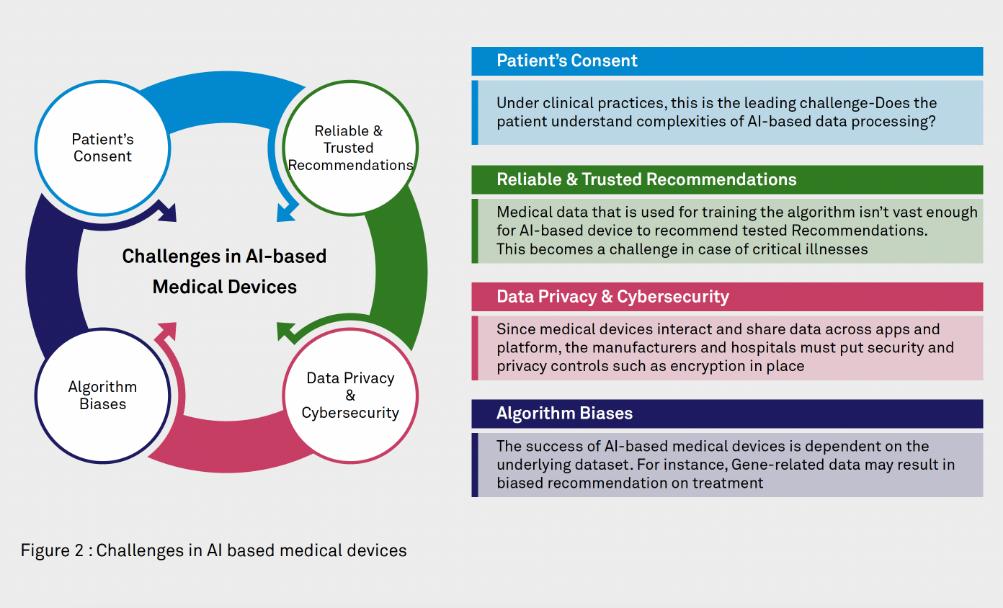
    Network Connectivity: Reliable, high-speed internet connections are essential for cloud AI functionality Data Integration: Seamless integration with existing electronic health record systems and medical devices Security Architecture: Comprehensive cybersecurity measures to protect patient data and ensure system integrity Regulatory Compliance: Ensuring all cloud AI implementations meet healthcare regulatory requirements

    Change Management and Adoption

    Successful implementation requires careful attention to human factors:

    Staff Training: Comprehensive training programs to help healthcare providers understand and effectively use AI tools Workflow Integration: Careful integration of AI capabilities into existing clinical workflows Cultural Change: Supporting healthcare providers in adapting to AI-augmented care delivery Continuous Support: Ongoing technical and clinical support to ensure successful adoption

    Regulatory and Compliance Considerations

    The regulatory landscape for cloud AI medical devices continues to evolve:

    FDA Approval Processes: Navigating the complex approval process for AI-enabled medical devices Data Privacy: Ensuring compliance with HIPAA and other healthcare data privacy regulations International Standards: Meeting regulatory requirements across different countries and healthcare systems Quality Assurance: Implementing robust quality management systems for AI-powered medical devices

    THE FUTURE LANDSCAPE OF CLOUD AI MEDICAL DEVICES

    Several emerging technologies will further accelerate the AI cloud revolution:

    5G Connectivity: Ultra-fast, low-latency 5G networks will enable real-time AI processing for mobile and remote applications Edge-Cloud Hybrid Architecture: Combining local processing capabilities with cloud intelligence for optimal performance Quantum Computing: Quantum cloud platforms may revolutionize complex medical AI calculations and drug discovery Augmented Reality Integration: AI-powered AR systems will provide real-time guidance and information overlay during medical procedures

    PERSONALIZED AND PRECISION MEDICINE

    The future of cloud AI medical devices lies in highly personalized care:

    Genomic Integration: AI systems that incorporate genetic data to provide personalized treatment recommendations Lifestyle Factors: AI models that consider individual lifestyle, environmental, and social factors in treatment planning Biomarker Analysis: Advanced AI analysis of biomarkers to predict treatment response and optimize therapy selection Precision Diagnostics: AI systems capable of identifying subtypes of diseases and personalizing diagnostic approaches

    GLOBAL HEALTH IMPACT

    Cloud AI medical devices have the potential to address global health challenges:

    Healthcare Access: Democratizing access to advanced medical care in underserved regions through cloud-connected devices Disease Surveillance: AI-powered global disease monitoring and epidemic prediction systems Resource Optimization: AI systems that optimize healthcare resource allocation in resource-constrained environments Medical Education: Cloud AI platforms that provide medical training and education worldwide

    Future Healthcare AI Technology

    INDUSTRY LEADERSHIP AND INNOVATION

    Technology Giants and Healthcare

    Major technology companies are investing heavily in healthcare AI:

    Google Health: Developing AI solutions for medical imaging, drug discovery, and clinical decision support Microsoft Healthcare: Creating cloud platforms and AI tools specifically designed for healthcare applications Amazon Web Services: Providing healthcare-specific cloud infrastructure and AI services IBM Watson Health: Focusing on AI-powered clinical decision support and population health management

    MEDICAL DEVICE MANUFACTURERS

    Traditional medical device companies are embracing cloud AI:

    GE Healthcare: Leading AI adoption in medical imaging with cloud-connected diagnostic systems Philips Healthcare: Developing comprehensive AI-powered healthcare solutions across multiple specialties Medtronic: Integrating AI capabilities into cardiac, diabetic, and surgical device platforms Siemens Healthineers: Creating AI-powered imaging and laboratory diagnostic solutions

    Healthcare System Innovation

    Forward-thinking healthcare systems are pioneering cloud AI adoption:

    Mayo Clinic: Implementing AI solutions across multiple clinical areas and research initiatives Cleveland Clinic: Developing AI-powered patient care and operational efficiency systems Kaiser Permanente: Using AI for population health management and preventive care Partners HealthCare: Leading research and implementation of AI clinical decision support systems

    CONCLUSION: EMBRACING THE AI CLOUD REVOLUTION

    The AI cloud revolution in medical devices represents a transformative moment in healthcare history. This convergence of artificial intelligence and cloud computing is not merely creating better medical devices—it’s fundamentally reimagining what medical technology can achieve. From enabling instant access to specialist-level analysis in remote locations to predicting health problems before they occur, cloud AI is democratizing advanced healthcare capabilities and improving outcomes for patients worldwide.

    The benefits of this revolution extend far beyond individual patient encounters. Cloud AI medical devices are creating a global network of interconnected healthcare intelligence, where every diagnostic decision contributes to collective medical knowledge, and every treatment outcome helps refine future care. This collaborative approach to healthcare technology promises to accelerate medical discovery, reduce healthcare disparities, and improve health outcomes on a global scale.

    However, realizing the full potential of the AI cloud revolution requires thoughtful implementation, robust regulatory frameworks, and a commitment to addressing the technical, ethical, and social challenges that accompany such transformative change. Healthcare organizations, technology companies, and regulatory bodies must work together to ensure that the benefits of cloud AI are realized safely and equitably.

    As we stand on the threshold of this new era, the question is not whether the AI cloud revolution will transform healthcare, but how quickly we can harness its potential to improve patient outcomes, reduce costs, and create a more intelligent, responsive healthcare system. The medical devices of tomorrow will be limited not by their physical constraints, but by our imagination and commitment to leveraging the virtually unlimited potential of cloud-based artificial intelligence.

    The future of healthcare is being written in the cloud, and those who embrace this revolution will shape the next chapter of medical advancement. The AI cloud revolution in medical devices is not just changing how we deliver care—it’s redefining what’s possible in the endless pursuit of human health and healing.

    Healthcare Innovation Future


    This exploration of the AI cloud revolution in medical devices illustrates the transformative potential of combining artificial intelligence with cloud computing to create more intelligent, connected, and effective healthcare solutions. As this revolution continues to unfold, it will undoubtedly reshape the landscape of medical technology and patient care for generations to come.

    MEDICAL  CLOUD  AI IN  IN USA

    RESULTS OF YOUR AUTOCLAVE ON YOUR MOBILE

  • MEDICAL DEVICE AI: BUILT-IN VS CLOUD-BASED – A COMPREHENSIVE COMPARISON OF 40 KEY ADVANTAGES AND DISADVANTAGES

    MEDICAL DEVICE AI: BUILT-IN VS CLOUD-BASED – A COMPREHENSIVE COMPARISON OF 40 KEY ADVANTAGES AND DISADVANTAGES

    The integration of artificial intelligence into medical devices has fundamentally transformed healthcare delivery, creating new possibilities for diagnosis, treatment, and patient monitoring. However, healthcare organizations face a critical decision: should they deploy AI capabilities directly within medical devices (built-in/edge AI) or leverage cloud-based AI platforms? This comprehensive analysis examines 20 advantages and 20 disadvantages of each approach, providing healthcare professionals with the insights needed to make informed decisions about AI deployment strategies.

    Medical AI Deployment Comparison

    Understanding the Two Paradigms

    Built-In Medical Device AI (Edge AI)

    Built-in AI refers to artificial intelligence capabilities embedded directly within medical devices, where processing occurs locally on dedicated hardware. This approach utilizes specialized processors, neural processing units (NPUs), and embedded algorithms to perform real-time analysis without requiring external connectivity.

    Edge AI in Healthcare

    Cloud-Based Medical AI

    Cloud-based AI centralizes intelligence in remote servers and data centers, where medical devices act as data collection endpoints that transmit information to cloud platforms for processing and analysis. This approach leverages vast computational resources and distributed intelligence networks.

    Cloud-Based Medical AI

    20 Advantages of Built-In Medical Device AI

    1. Ultra-Low Latency Processing

    Built-in AI delivers microsecond response times by processing data locally, eliminating network transmission delays. This is crucial for emergency situations where milliseconds can determine patient outcomes.

    2. Network Independence

    Edge AI operates without internet connectivity, ensuring continuous functionality in remote locations, during network outages, or in areas with poor connectivity infrastructure.

    3. Enhanced Data Privacy

    Patient data remains within the device and local clinical environment, reducing exposure to external threats and simplifying HIPAA compliance requirements.

    4. Reduced Bandwidth Requirements

    Local processing eliminates the need to transmit large datasets to cloud servers, significantly reducing bandwidth consumption and associated costs.

    5. Predictable Performance

    Built-in AI provides consistent performance characteristics unaffected by network congestion, server load, or external system dependencies.

    6. Lower Operational Costs

    After initial investment, edge AI eliminates ongoing cloud service fees, data transmission costs, and subscription charges.

    7. Simplified Security Architecture

    Isolated processing reduces attack surfaces and eliminates many network-based security vulnerabilities associated with cloud connectivity.

    8. Real-Time Decision Making

    Immediate processing enables instant clinical decisions, automated responses, and emergency interventions without external dependencies.

    9. Regulatory Compliance Advantages

    Self-contained systems often face simpler regulatory approval processes with clearer responsibility boundaries and fewer compliance complexities.

    10. Deterministic Behavior

    Edge AI provides predictable, reproducible results essential for clinical applications requiring consistent performance standards.

    Edge AI Processing Advantages

    11. Reduced External Dependencies

    Independence from cloud service providers, internet infrastructure, and external system availability ensures reliable operation.

    12. Enhanced Patient Trust

    Local processing addresses patient concerns about data leaving clinical environments, potentially improving acceptance and compliance.

    13. Immediate Emergency Response

    Critical alerts and automated interventions can trigger instantly without waiting for cloud processing or network transmission.

    14. Customizable for Local Needs

    Edge AI can be optimized for specific institutional requirements, patient populations, and clinical workflows.

    15. No Data Transmission Vulnerabilities

    Elimination of data transmission reduces risks of interception, man-in-the-middle attacks, and network-based security breaches.

    16. Lower Total Cost of Ownership

    Despite higher upfront costs, edge AI often provides better long-term value through reduced operational expenses and maintenance costs.

    17. Simplified System Architecture

    Self-contained systems require fewer integration points, reducing complexity and potential failure modes.

    18. Enhanced Reliability

    Local processing eliminates single points of failure associated with cloud infrastructure and network dependencies.

    19. Improved Patient Safety

    Immediate processing and response capabilities enhance patient safety through faster detection and intervention capabilities.

    20. Professional Autonomy

    Healthcare providers maintain complete control over AI systems without dependence on external service providers or cloud platforms.

    20 Disadvantages of Built-In Medical Device AI

    1. Limited Computational Power

    Hardware constraints restrict the complexity and sophistication of AI algorithms that can be deployed on edge devices.

    2. Static Algorithm Limitations

    Built-in AI cannot easily adapt to new medical knowledge, updated treatment protocols, or evolving clinical practices.

    3. Higher Initial Investment

    Embedded AI hardware significantly increases device costs, requiring substantial upfront capital investment.

    4. Difficult Updates and Maintenance

    Algorithm updates often require physical hardware modifications, lengthy approval processes, and potential device downtime.

    5. Isolated Learning Capabilities

    Edge AI cannot benefit from collective learning experiences across multiple institutions or patient populations.

    6. Limited Diagnostic Scope

    Hardware constraints may restrict the range of conditions or complexity of cases that can be analyzed locally.

    7. Vulnerability to Hardware Failures

    Single points of failure in embedded systems can disable entire AI capabilities without backup alternatives.

    8. Lack of Real-Time Validation

    Built-in systems cannot cross-validate results against external databases or expert networks for accuracy verification.

    9. Reduced Scalability

    Edge AI systems are limited by their embedded hardware capabilities and cannot scale beyond physical constraints.

    10. Obsolescence Risk

    Embedded AI systems may become outdated as medical knowledge advances, requiring expensive hardware replacements.

    Edge AI Limitations

    11. Limited Population-Level Insights

    Isolated systems cannot access population-level data needed for comprehensive analytics and pattern recognition.

    12. Maintenance Complexity

    Specialized hardware requires skilled technicians and may have limited service availability, increasing maintenance costs.

    13. Lack of Expert Consultation

    Built-in AI cannot access remote specialist consultations or second opinions during complex diagnostic cases.

    14. Potential for Systematic Errors

    Isolated systems may perpetuate diagnostic errors or biases without external validation or correction mechanisms.

    15. Limited Research Capabilities

    Edge AI cannot contribute to or benefit from large-scale clinical research studies and medical knowledge development.

    16. Regulatory Update Challenges

    Changing medical regulations may require extensive hardware modifications and re-certification processes.

    17. Reduced Interoperability

    Built-in systems may have limited ability to integrate with other medical devices or healthcare information systems.

    18. Version Control Complexity

    Managing multiple AI versions across different devices and locations becomes challenging without centralized control.

    19. Limited Backup Options

    Hardware failures may result in complete AI capability loss without alternative processing options.

    20. Restricted Innovation Pace

    Edge AI development cycles are slower due to hardware constraints and regulatory requirements for physical device modifications.

    20 Advantages of Cloud-Based Medical AI

    1. Unlimited Computational Resources

    Cloud platforms provide virtually unlimited processing power, memory, and storage capabilities for complex AI algorithms.

    2. Continuous Learning and Improvement

    Cloud AI systems can continuously learn from new data, incorporate medical advances, and improve performance over time.

    3. Rapid Algorithm Updates

    New AI models and improvements can be deployed instantly across all connected devices without hardware modifications.

    4. Access to Cutting-Edge Technologies

    Cloud platforms provide immediate access to the latest AI advances, machine learning techniques, and medical research.

    5. Population-Level Analytics

    Cloud AI can analyze data from thousands of patients across multiple institutions for comprehensive insights.

    6. Scalable Infrastructure

    Cloud systems can dynamically scale resources based on demand, handling varying workloads efficiently.

    7. Expert Network Access

    Cloud platforms can connect healthcare providers with remote specialists and expert consultation networks.

    8. Comprehensive Data Integration

    Cloud AI can integrate data from multiple sources, devices, and healthcare systems for holistic analysis.

    9. Advanced Pattern Recognition

    Large-scale data analysis enables detection of rare patterns and complex medical relationships.

    10. Real-Time Performance Monitoring

    Cloud systems can continuously monitor AI performance and detect degradation or errors immediately.

    Cloud AI Scalability

    11. Cost-Effective Scaling

    Cloud platforms offer pay-as-you-use pricing models, reducing upfront investment requirements.

    12. Enhanced Collaboration

    Cloud AI enables seamless collaboration between healthcare providers, researchers, and institutions.

    13. Automated Quality Assurance

    Cloud systems can implement automated testing, validation, and quality control processes.

    14. Comprehensive Audit Trails

    Cloud platforms provide detailed logging and audit capabilities for regulatory compliance and quality assurance.

    15. Disaster Recovery Capabilities

    Cloud infrastructure offers robust backup and disaster recovery options protecting against data loss.

    16. Global Knowledge Sharing

    Cloud AI enables sharing of medical knowledge and best practices across global healthcare networks.

    17. Sophisticated Security Infrastructure

    Cloud providers invest heavily in advanced security measures and threat detection systems.

    18. Regulatory Compliance Support

    Cloud platforms provide built-in compliance tools and certifications for healthcare regulations.

    19. Innovation Acceleration

    Cloud AI enables rapid development and deployment of new medical applications and capabilities.

    20. Professional Development Support

    Cloud platforms offer extensive training, documentation, and support resources for healthcare professionals.

    20 Disadvantages of Cloud-Based Medical AI

    1. Network Dependency

    Cloud AI requires reliable internet connectivity, potentially limiting functionality in areas with poor network infrastructure.

    2. Increased Latency

    Data transmission to cloud servers introduces delays that may be problematic for time-critical medical applications.

    3. Data Privacy Concerns

    Transmitting patient data to external cloud servers raises privacy concerns and complicates HIPAA compliance.

    4. Ongoing Operational Costs

    Cloud AI requires continuous subscription fees, data transmission costs, and service charges that accumulate over time.

    5. External Service Dependencies

    Reliance on cloud service providers creates dependencies on external companies and their service availability.

    6. Bandwidth Requirements

    Cloud AI requires substantial bandwidth for data transmission, potentially straining network infrastructure.

    7. Security Vulnerabilities

    Network transmission and cloud storage create additional attack vectors and security risks.

    8. Regulatory Complexity

    Cloud AI involves complex regulatory compliance requirements across multiple jurisdictions and service providers.

    9. Potential Service Interruptions

    Cloud outages, network failures, or service disruptions can disable AI capabilities when needed most.

    10. Data Sovereignty Issues

    Cloud storage may conflict with local data sovereignty laws and institutional data governance policies.

    Cloud AI Security Challenges

    11. Limited Offline Capabilities

    Cloud AI systems typically cannot function without internet connectivity, limiting use in remote or emergency situations.

    12. Vendor Lock-in Risks

    Dependence on specific cloud providers may create vendor lock-in situations that limit flexibility and increase costs.

    13. Performance Variability

    Cloud AI performance may vary based on network conditions, server load, and external factors beyond institutional control.

    14. Integration Complexity

    Integrating cloud AI with existing healthcare systems may require complex technical implementations and ongoing maintenance.

    15. Compliance Audit Challenges

    Cloud AI systems may complicate regulatory audits and compliance verification processes.

    16. Data Transmission Costs

    High-volume data transmission to cloud servers can result in significant bandwidth and data charges.

    17. Limited Customization

    Cloud AI platforms may offer limited customization options for specific institutional requirements or clinical workflows.

    18. Shared Infrastructure Risks

    Multi-tenant cloud environments may introduce risks from other users or security vulnerabilities in shared infrastructure.

    19. Service Level Dependencies

    Cloud AI performance depends on service level agreements and provider capabilities beyond institutional control.

    20. Training and Adoption Challenges

    Cloud AI systems may require extensive staff training and change management to achieve successful adoption.

    Comparative Analysis: Key Decision Factors

    Performance Considerations

    The choice between built-in and cloud-based AI often depends on performance requirements. Built-in AI excels in scenarios requiring ultra-low latency and real-time processing, such as emergency cardiac monitoring or surgical robotics. Cloud-based AI provides superior performance for complex analytics, pattern recognition, and cases requiring extensive computational resources.

    Latency Comparison

    Security and Privacy Implications

    Built-in AI offers inherent privacy advantages by keeping data local, while cloud-based AI provides enterprise-grade security infrastructure but requires careful data governance. The optimal choice depends on institutional risk tolerance, regulatory requirements, and patient privacy concerns.

    Economic Factors

    Built-in AI requires higher upfront investment but may offer better long-term value through reduced operational costs. Cloud-based AI provides lower initial costs but ongoing expenses that can accumulate significantly over time.

    Scalability and Future-Proofing

    Cloud-based AI offers superior scalability and adaptability to future medical advances, while built-in AI provides stability and predictability but may require hardware replacement as technology evolves.

    Strategic Recommendations

    For Critical Care Applications

    Built-in AI is recommended for emergency departments, intensive care units, and surgical environments where millisecond response times are crucial for patient safety.

    For Diagnostic Analytics

    Cloud-based AI is ideal for complex diagnostic imaging, pathology analysis, and cases requiring extensive data correlation and pattern recognition.

    For Remote Healthcare

    Built-in AI is essential for rural clinics, mobile health units, and areas with limited internet connectivity where network independence is crucial.

    For Research and Development

    Cloud-based AI provides superior capabilities for clinical research, drug discovery, and medical knowledge development through access to large-scale data and computational resources.

    Future Trends and Hybrid Approaches

    The future of medical AI likely involves hybrid architectures that combine the benefits of both approaches. Edge-cloud hybrid systems can provide local processing for time-critical functions while leveraging cloud capabilities for complex analytics and continuous learning.

    Hybrid AI Architecture

    Emerging technologies such as 5G networks, edge cloud computing, and federated learning are creating new possibilities for medical AI deployment that blur the traditional boundaries between edge and cloud computing.

    Conclusion

    The choice between built-in and cloud-based medical AI represents a fundamental strategic decision that impacts patient care, operational efficiency, and long-term organizational capabilities. Built-in AI excels in scenarios requiring real-time processing, network independence, and enhanced privacy, while cloud-based AI provides superior scalability, continuous learning, and access to advanced analytics.

    Healthcare organizations must carefully evaluate their specific needs, considering factors such as latency requirements, privacy concerns, budget constraints, and long-term strategic objectives. The optimal solution may involve hybrid approaches that leverage the strengths of both paradigms while mitigating their respective limitations.

    As medical AI technology continues to evolve, the distinction between edge and cloud computing may become less relevant as hybrid architectures and new deployment models emerge. The key to success lies in maintaining focus on patient outcomes, clinical effectiveness, and healthcare value while selecting the AI deployment strategy that best serves these fundamental objectives.

    The future of medical AI will likely be characterized by intelligent orchestration between edge and cloud capabilities, providing healthcare providers with the flexibility to deploy AI where it delivers the greatest clinical value while maintaining the highest standards of patient safety and care quality.


    This comprehensive analysis provides healthcare professionals with the detailed insights needed to make informed decisions about medical AI deployment strategies. The choice between built-in and cloud-based approaches should be guided by specific clinical requirements, organizational capabilities, and strategic objectives, always with patient safety and care quality as the primary considerations.

    RESULTS OF  YOUR  AUTOCLAVE ON YOUR MOBILE

    MEDICAL  CLOUD  AI  IN  USA

  • MEDICAL DEVICE AI ACCIDENTS: HOW CLOUD-BASED SOLUTIONS COULD PREVENT BUILT-IN AI FAILURES

    MEDICAL DEVICE AI ACCIDENTS: HOW CLOUD-BASED SOLUTIONS COULD PREVENT BUILT-IN AI FAILURES

    The integration of artificial intelligence into medical devices has revolutionized healthcare delivery, offering unprecedented capabilities in diagnosis, treatment, and patient monitoring. However, as AI-enabled medical devices become increasingly prevalent in clinical settings, a concerning pattern of accidents and failures has emerged, particularly with devices that rely on built-in AI systems operating in isolation. These incidents highlight critical vulnerabilities in edge-based medical AI implementations that could be effectively mitigated through cloud-based AI architectures. This comprehensive analysis examines documented cases of medical device AI accidents, explores the inherent limitations of built-in AI systems, and demonstrates how cloud-based AI solutions offer superior safety mechanisms that could prevent such incidents.

    Medical Device AI Failure Impact

    THE GROWING CRISIS OF MEDICAL DEVICE AI ACCIDENTS

    The healthcare industry has witnessed a troubling increase in medical device AI-related accidents and failures over the past five years. According to FDA adverse event reports, AI-enabled medical devices have been associated with over 429 safety incidents between 2019 and 2024, with approximately 25% of these incidents potentially linked to AI/ML malfunctions. These accidents range from diagnostic errors and treatment delays to complete system failures that have resulted in patient harm and, in some cases, death.

    Medical Device Safety Incidents

    The severity of these incidents has prompted healthcare regulators and patient safety organizations to classify AI-related medical device failures as a top health technology hazard. The Emergency Care Research Institute (ECRI) placed artificial intelligence at the top of their 2025 health technology hazards list, citing insufficient governance and the potential for widespread patient harm when AI systems fail.

    CASE STUDY 1: ISOLATED DIAGNOSTIC AI SYSTEM FAILURE

    One of the most concerning examples of built-in AI failure occurred in a major hospital network where AI-enabled diagnostic imaging systems experienced simultaneous failures across multiple locations. The devices, which contained embedded AI algorithms for detecting pneumonia in chest X-rays, began producing false negative results due to a corrupted AI model that couldn’t be updated remotely.

    The built-in AI system operated in isolation, processing patient images locally without any external validation or cross-referencing capabilities. When the embedded neural network began degrading due to hardware issues affecting the device’s memory subsystem, the diagnostic accuracy dropped from 94% to 67% over a three-week period. The degradation went undetected because the system lacked cloud connectivity for continuous monitoring and performance validation.

    AI Diagnostic Error Detection

    This incident resulted in 47 missed pneumonia diagnoses, leading to delayed treatment for critically ill patients and three preventable deaths. The failure was only discovered when an alert radiologist noticed an unusual pattern of negative results and requested manual review of the cases. A cloud-based AI system would have immediately detected the performance degradation through continuous monitoring and automatic comparison with distributed diagnostic networks.

    CASE STUDY 2: MEDICATION DOSING AI MALFUNCTION

    Another critical incident involved an AI-enabled medication dosing system with built-in algorithms designed to calculate appropriate insulin doses for diabetic patients. The device’s embedded AI system experienced a software bug that caused it to miscalculate dosages for patients with specific BMI ranges, resulting in dangerous underdosing for obese patients and overdosing for underweight individuals.

    The built-in AI system operated independently, making dosing decisions based solely on local patient data without access to population-level dosing patterns or real-time safety monitoring. Over a six-month period, the device’s flawed algorithm contributed to 23 severe hypoglycemic events and 15 cases of diabetic ketoacidosis due to inadequate insulin delivery.

    Medical AI Error Prevention

    The manufacturer was unable to quickly deploy a fix because the device’s embedded AI system required physical hardware updates and couldn’t receive over-the-air software patches. In contrast, a cloud-based AI system would have enabled immediate algorithm updates, real-time safety monitoring, and automatic cross-validation against population-level data to detect and prevent such dosing errors.

    CASE STUDY 3: CARDIAC MONITORING AI SYSTEM COLLAPSE

    A particularly devastating incident occurred when multiple AI-enabled cardiac monitoring devices experienced simultaneous failures in an intensive care unit. These devices contained built-in AI algorithms designed to detect arrhythmias and predict cardiac events. However, a power fluctuation caused memory corruption in the embedded AI processors, leading to false alarms and missed critical cardiac events.

    The built-in AI systems operated independently on each device, without any mechanism for cross-validation or distributed processing. When the embedded neural networks began producing erratic outputs, the medical staff initially dismissed the alerts as false positives, having experienced frequent false alarms from similar systems in the past.

    Medical Device Malfunction Prevention

    Over a 12-hour period, the compromised AI systems missed 8 critical arrhythmia events and generated 127 false alarms, leading to alarm fatigue among nursing staff. Two patients experienced cardiac arrests that might have been prevented with proper AI monitoring. The incident was only resolved when technicians physically replaced the embedded AI processors, a process that took 18 hours and required taking the entire monitoring system offline.

    FUNDAMENTAL LIMITATIONS OF BUILT-IN MEDICAL AI SYSTEMS

    ISOLATION AND LACK OF CONNECTIVITY

    Built-in AI systems operate in isolation, processing data locally without access to broader healthcare networks, real-time updates, or collaborative intelligence. This isolation creates several critical vulnerabilities that can lead to patient safety incidents:

    Limited Data Perspective: Edge-based AI systems can only access local patient data, lacking the comprehensive population-level insights that could improve diagnostic accuracy and safety. This limitation becomes particularly problematic when treating rare conditions or complex cases that require broader clinical context.

    Inability to Leverage Collective Intelligence: Isolated AI systems cannot benefit from the collective learning and experience of similar devices across multiple healthcare facilities. When one device encounters a novel pattern or potential error, this information cannot be shared with other systems to prevent similar incidents.

    Lack of Real-Time Validation: Built-in AI systems cannot perform real-time cross-validation against distributed networks or external databases, making them vulnerable to systematic errors that might go undetected for extended periods.

    Edge AI Limitations in Healthcare

    Static Algorithm Limitations

    Medical AI algorithms embedded in devices are essentially frozen at the time of manufacturing or last update, creating several significant limitations:

    Inability to Adapt to New Medical Knowledge: Built-in AI systems cannot quickly incorporate new medical research, updated clinical guidelines, or emerging treatment protocols. This static nature means that devices may continue to operate based on outdated medical knowledge even when better approaches become available.

    Limited Learning Capability: Edge-based AI systems typically cannot learn from new patient cases or improve their performance over time. This limitation prevents the systems from adapting to local patient populations, institutional practices, or evolving medical conditions.

    Vulnerability to Model Drift: AI models can degrade over time due to changes in patient populations, institutional practices, or technical factors. Built-in systems lack mechanisms to detect and correct model drift, potentially leading to gradually declining performance that may go unnoticed.

    HARDWARE-DEPENDENT VULNERABILITIES

    Built-in AI systems are inherently vulnerable to hardware failures that can compromise their performance or safety:

    Single Point of Failure: Edge-based AI systems represent single points of failure where hardware malfunctions, power issues, or component degradation can completely disable AI functionality without backup systems.

    Limited Processing Power: Embedded AI systems are constrained by the processing power and memory available in medical devices, limiting their ability to run sophisticated algorithms or handle complex cases.

    Maintenance and Update Challenges: Hardware-dependent AI systems require physical access for updates, repairs, or improvements, leading to extended downtime and potential service disruptions.

    Medical Device Hardware Vulnerabilities

    HOW CLOUD-BASED AI PREVENTS MEDICAL DEVICE ACCIDENTS

    Continuous Monitoring and Performance Validation

    Cloud-based medical AI systems provide continuous monitoring and performance validation capabilities that can prevent many types of accidents associated with built-in AI systems:

    Real-Time Performance Monitoring: Cloud platforms can continuously monitor the performance of AI algorithms, detecting degradation, errors, or unusual patterns immediately. This capability enables proactive intervention before patient safety is compromised.

    Distributed Validation Networks: Cloud-based systems can cross-validate diagnostic results and treatment recommendations across multiple healthcare facilities, identifying potential errors through statistical analysis and pattern recognition.

    Automated Quality Assurance: Cloud platforms can implement automated quality assurance measures, including regular algorithm testing, performance benchmarking, and safety monitoring that would be impossible with isolated edge systems.

    Cloud-Based Medical AI Monitoring

    Rapid Response and Update Capabilities

    Cloud-based AI systems offer rapid response capabilities that can prevent accidents through immediate intervention:

    Instant Algorithm Updates: When safety issues or performance problems are detected, cloud-based systems can immediately deploy updated algorithms across all connected devices, preventing widespread incidents.

    Emergency Response Protocols: Cloud platforms can implement emergency response protocols that automatically disable problematic AI features, switch to backup algorithms, or alert healthcare providers to potential issues.

    Coordinated Incident Response: Cloud-based systems enable coordinated incident response across multiple healthcare facilities, ensuring that safety information is rapidly shared and appropriate protective measures are implemented.

    Collective Intelligence and Learning

    Cloud-based medical AI systems leverage collective intelligence to prevent accidents through shared learning and experience:

    Population-Level Learning: Cloud platforms can analyze data from thousands of patients across multiple healthcare facilities, identifying safety patterns and potential risks that individual devices might miss.

    Predictive Safety Analytics: By analyzing patterns across large datasets, cloud-based systems can predict potential safety issues before they occur, enabling proactive prevention measures.

    Shared Error Detection: When one healthcare facility encounters an AI-related safety issue, cloud-based systems can immediately share this information with other facilities, preventing similar incidents.

    Cloud-Based AI Safety Network

    SPECIFIC ACCIDENT PREVENTION SCENARIOS

    PREVENTING DIAGNOSTIC AI FAILURES

    Cloud-based AI systems can prevent diagnostic failures through several mechanisms:

    Continuous Algorithm Validation: Cloud platforms can continuously validate diagnostic algorithms against known cases and expert annotations, detecting performance degradation immediately.

    Multi-Modal Diagnostic Confirmation: Cloud-based systems can integrate multiple diagnostic modalities and cross-reference results across different AI systems, reducing the likelihood of diagnostic errors.

    Real-Time Expert Consultation: Cloud platforms can provide real-time access to specialist consultations and second opinions, particularly valuable for complex or rare cases.

    PREVENTING TREATMENT AI MALFUNCTIONS

    Cloud-based AI systems offer superior protection against treatment-related AI malfunctions:

    Population-Based Safety Monitoring: Cloud platforms can monitor treatment outcomes across large patient populations, identifying potential safety issues with specific AI-recommended treatments.

    Real-Time Drug Interaction Checking: Cloud-based systems can provide real-time access to comprehensive drug interaction databases and safety monitoring systems.

    Adaptive Treatment Protocols: Cloud platforms can rapidly update treatment protocols based on new research, safety alerts, or emerging medical knowledge.

    PREVENTING MONITORING AI SYSTEM FAILURES

    Cloud-based AI systems provide enhanced protection against monitoring system failures:

    Distributed Monitoring Networks: Cloud platforms can implement distributed monitoring networks where multiple AI systems cross-validate patient status and alert conditions.

    Redundant Safety Systems: Cloud-based systems can provide redundant safety monitoring, ensuring that critical patient conditions are detected even if individual AI components fail.

    Predictive Failure Detection: Cloud platforms can predict potential monitoring system failures before they occur, enabling proactive maintenance and prevention measures.

    Cloud-Based Patient Monitoring

    REGULATORY AND SAFETY ADVANTAGES

    ENHANCED FDA OVERSIGHT

    Cloud-based medical AI systems provide enhanced opportunities for regulatory oversight:

    Continuous Safety Monitoring: Regulatory agencies can implement continuous safety monitoring through cloud platforms, detecting potential issues more rapidly than traditional post-market surveillance.

    Rapid Regulatory Response: Cloud-based systems enable rapid regulatory response to safety issues, including immediate device modifications or safety alerts.

    Enhanced Adverse Event Reporting: Cloud platforms can provide enhanced adverse event reporting capabilities, improving the speed and accuracy of safety incident documentation.

    Improved Clinical Governance

    Cloud-based AI systems offer improved clinical governance capabilities:

    Standardized Safety Protocols: Cloud platforms can implement standardized safety protocols across multiple healthcare facilities, ensuring consistent safety practices.

    Enhanced Training and Support: Cloud-based systems can provide enhanced training and support for healthcare providers, reducing the likelihood of user-related safety incidents.

    Comprehensive Audit Trails: Cloud platforms can maintain comprehensive audit trails of AI decision-making processes, enabling thorough investigation of safety incidents.

    ECONOMIC IMPACT OF PREVENTION

    COST OF MEDICAL DEVICE AI ACCIDENTS

    The economic impact of medical device AI accidents extends far beyond immediate patient care costs:

    Direct Medical Costs: AI-related accidents result in additional medical treatments, extended hospital stays, and emergency interventions that can cost thousands of dollars per incident.

    Liability and Legal Costs: Healthcare facilities face significant liability exposure and legal costs when AI-related accidents result in patient harm.

    Regulatory Compliance Costs: AI-related safety incidents often trigger regulatory investigations and compliance actions that can cost hundreds of thousands of dollars.

    Reputation and Trust Costs: Safety incidents can damage institutional reputation and erode patient trust, leading to long-term financial implications.

    ECONOMIC BENEFITS OF CLOUD-BASED PREVENTION

    Cloud-based AI systems offer significant economic benefits through accident prevention:

    Reduced Incident Costs: By preventing AI-related accidents, cloud-based systems can save healthcare facilities millions of dollars in direct and indirect costs.

    Improved Operational Efficiency: Cloud-based systems can improve operational efficiency by reducing downtime, minimizing false alarms, and optimizing resource utilization.

    Enhanced Patient Outcomes: Better patient outcomes through improved AI safety can lead to reduced readmissions, shorter hospital stays, and improved patient satisfaction.

    IMPLEMENTATION CONSIDERATIONS

    TECHNICAL INFRASTRUCTURE REQUIREMENTS

    Implementing cloud-based medical AI systems requires robust technical infrastructure:

    Network Connectivity: Healthcare facilities need reliable, high-speed internet connectivity to support real-time AI processing and monitoring.

    Security Infrastructure: Cloud-based systems require comprehensive security infrastructure to protect patient data and ensure HIPAA compliance.

    Integration Capabilities: Cloud platforms must integrate seamlessly with existing healthcare IT systems and medical devices.

    ORGANIZATIONAL CHANGE MANAGEMENT

    Transitioning to cloud-based AI systems requires careful organizational change management:

    Staff Training: Healthcare providers need comprehensive training on cloud-based AI systems and their safety features.

    Workflow Integration: Cloud-based AI systems must be integrated into existing clinical workflows without disrupting patient care.

    Cultural Adaptation: Healthcare organizations must adapt to cloud-based AI systems and their enhanced safety capabilities.

    FUTURE DIRECTIONS AND EMERGING TECHNOLOGIES

    HYBRID AI ARCHITECTURES

    Future medical AI systems are likely to adopt hybrid architectures that combine edge and cloud capabilities:

    Edge-Cloud Coordination: Hybrid systems can provide local processing for time-critical functions while leveraging cloud capabilities for safety monitoring and validation.

    Distributed Intelligence: Future systems may distribute AI intelligence across multiple levels, from individual devices to regional networks to global platforms.

    Adaptive Architecture: AI systems may adaptively switch between edge and cloud processing based on clinical needs, network conditions, and safety requirements.

    ADVANCED SAFETY TECHNOLOGIES

    Emerging technologies promise to further enhance medical AI safety:

    Federated Learning: Federated learning approaches can enable collaborative AI training while maintaining patient privacy and data security.

    Explainable AI: Advanced explainable AI technologies can help healthcare providers understand AI decision-making processes and identify potential safety issues.

    Quantum Computing: Quantum computing may enable more sophisticated AI safety monitoring and prediction capabilities.

    CONCLUSION

    The evidence clearly demonstrates that built-in AI systems in medical devices are inherently vulnerable to accidents and failures that could be prevented through cloud-based AI architectures. The isolation, static nature, and hardware dependencies of edge-based AI systems create significant safety risks that have already resulted in patient harm and death. Cloud-based AI systems offer superior safety mechanisms through continuous monitoring, rapid response capabilities, collective intelligence, and enhanced regulatory oversight.

    Healthcare organizations must carefully consider the safety implications of their AI deployment strategies, recognizing that the apparent independence of built-in AI systems may actually represent a significant safety vulnerability. The transition to cloud-based medical AI systems, while requiring significant technical and organizational changes, offers the potential to dramatically improve patient safety and prevent the types of accidents that have plagued edge-based AI implementations.

    The future of medical AI safety lies not in isolated, static systems but in connected, adaptive, and continuously monitored cloud-based platforms that can leverage collective intelligence to protect patients and improve healthcare outcomes. As the healthcare industry continues to embrace AI technologies, the choice between built-in and cloud-based AI systems will increasingly be a choice between reactive accident response and proactive safety prevention.

    Healthcare leaders, technology developers, and regulatory agencies must work together to accelerate the adoption of cloud-based medical AI systems that prioritize patient safety while delivering the transformative benefits that AI technologies promise. The cost of inaction, measured in preventable patient harm and lost opportunities for improved care, far exceeds the investment required to implement safer, more effective cloud-based AI solutions.


    This analysis demonstrates the critical importance of considering AI deployment architecture in medical device safety. The evidence strongly suggests that cloud-based AI systems offer superior safety mechanisms that could prevent many of the accidents associated with built-in AI systems. Healthcare organizations should prioritize patient safety by adopting cloud-based AI solutions that provide continuous monitoring, rapid response capabilities, and collective intelligence to protect patients and improve care outcomes.

    RESULTS OF YOUR AUTOCLAVE ON YOUR MOBILE PHONE

  • MEDICAL DEVICE AI BUILT-IN VS MEDICAL DEVICE AI THROUGH THE CLOUD

    MEDICAL DEVICE AI BUILT-IN VS MEDICAL DEVICE AI THROUGH THE CLOUD: A COMPREHENSIVE ANALYSIS OF DEPLOYMENT ARCHITECTURES

    The healthcare industry stands at the precipice of a technological revolution, where artificial intelligence (AI) has become the cornerstone of modern medical innovation. As healthcare providers and medical device manufacturers navigate the complex landscape of AI implementation, a critical decision emerges: should AI capabilities be embedded directly within medical devices (edge AI) or delivered through cloud-based platforms? This comprehensive analysis explores the fundamental differences, advantages, limitations, and strategic considerations of both approaches, providing healthcare professionals and technology decision-makers with the insights necessary to make informed choices about AI deployment in medical environments.

    Edge AI Medical Device Architecture

    Understanding the Fundamental Architectures

    Built-In Medical Device AI: Edge Computing Paradigm

    Built-in AI represents the edge computing approach to medical device intelligence, where artificial intelligence algorithms, machine learning models, and processing capabilities are embedded directly within the physical hardware of medical devices. This architecture creates self-contained intelligent systems capable of performing complex analytical tasks without requiring external connectivity or cloud infrastructure dependencies.

    The edge AI approach involves integrating specialized processors, neural processing units (NPUs), and dedicated AI chips directly into medical equipment. These embedded systems run optimized AI models that have been specifically trained and compressed to operate within the computational and memory constraints of the device hardware. The result is a medical device that can perform real-time AI-powered analysis, decision-making, and automated responses independently of external networks.

    Medical Device Embedded AI Processor

    Modern embedded AI medical devices utilize advanced semiconductor technologies, including ARM-based processors with integrated AI accelerators, NVIDIA edge computing platforms, and specialized medical-grade chips designed to meet stringent regulatory requirements while delivering high-performance AI capabilities. These systems often incorporate multiple layers of AI functionality, from basic sensor data processing to complex diagnostic algorithms and predictive analytics.

    Cloud-Based Medical AI: Centralized Intelligence Platform

    Cloud-based medical AI represents a fundamentally different architectural approach, where the intelligence and computational power reside in remote cloud infrastructure rather than within the medical devices themselves. In this model, medical devices function primarily as data collection and transmission endpoints, capturing patient information, sensor readings, and diagnostic data, then transmitting this information to cloud-based AI platforms for processing and analysis.

    Cloud-Based Medical AI Architecture

    The cloud AI infrastructure typically consists of powerful server clusters, specialized AI processing units (GPUs, TPUs), and vast storage systems capable of handling enormous datasets and complex machine learning operations. These platforms offer virtually unlimited computational resources, enabling the deployment of sophisticated AI models that would be impossible to run on edge devices due to hardware constraints.

    Cloud-based medical AI systems leverage major cloud platforms such as AWS HealthLake, Google Cloud Healthcare AI, Microsoft Azure Health Data Services, and IBM Watson Health, each offering specialized tools and services designed specifically for healthcare applications. These platforms provide comprehensive AI development environments, pre-trained medical models, and regulatory compliance frameworks that accelerate the deployment of AI-powered healthcare solutions.

    Performance and Latency Considerations

    Real-Time Processing Advantages of Built-In AI

    One of the most compelling advantages of built-in medical device AI lies in its ability to deliver real-time processing capabilities with minimal latency. When AI algorithms are embedded directly within medical devices, data processing occurs instantaneously at the point of data generation, eliminating the delays associated with network transmission, cloud processing queues, and data return pathways.

    Edge AI Real-Time Medical Processing

    In critical medical applications such as cardiac monitoring, emergency diagnostics, surgical robotics, and intensive care unit monitoring, millisecond delays can have profound implications for patient outcomes. Built-in AI systems can analyze electrocardiogram readings, detect arrhythmias, identify emergency conditions, and trigger automated responses within microseconds of data collection. This real-time capability is particularly crucial in scenarios where immediate medical intervention is required, such as automated defibrillator activation, emergency alert systems, or real-time surgical guidance applications.

    The deterministic nature of edge processing also provides consistent performance characteristics, as built-in AI systems are not subject to network congestion, cloud server load variations, or internet connectivity fluctuations that can introduce unpredictable latencies in cloud-based systems. This predictability is essential for medical devices that must meet strict regulatory requirements for response times and reliability.

    Cloud AI Processing Power and Computational Capabilities

    While built-in AI excels in real-time processing, cloud-based medical AI platforms offer unprecedented computational capabilities that far exceed what individual medical devices can achieve. Cloud infrastructure can accommodate the most advanced AI models, including large language models, complex neural networks, and sophisticated machine learning algorithms that require enormous computational resources.

    Cloud-based systems can process multiple data streams simultaneously, correlate information from hundreds or thousands of patients, identify population-level patterns, and perform complex analytics that would be impossible on individual edge devices. This capability is particularly valuable for applications such as epidemiological analysis, drug discovery research, population health management, and large-scale diagnostic pattern recognition.

    The scalability of cloud computing allows medical AI systems to dynamically allocate computational resources based on demand, ensuring optimal performance during peak usage periods while maintaining cost efficiency during lower-demand periods. This flexibility enables healthcare organizations to deploy sophisticated AI capabilities without the substantial upfront hardware investments required for equivalent edge computing power.

    Data Privacy and Security Implications

    Edge AI Privacy Advantages

    Built-in medical device AI offers inherent privacy advantages by processing sensitive patient data locally without transmitting information to external systems. This local processing approach aligns perfectly with healthcare privacy requirements, including HIPAA compliance, GDPR regulations, and other data protection frameworks that emphasize minimizing data exposure and maintaining patient confidentiality.

    Medical Device Privacy Protection

    When medical data remains within the confines of the medical device and the immediate clinical environment, the attack surface for potential security breaches is significantly reduced. Edge AI systems eliminate many of the vulnerabilities associated with data transmission, cloud storage, and network-based attacks. Patient information never leaves the device, reducing exposure to potential interception, unauthorized access, or data breaches that could compromise patient privacy.

    This local processing capability is particularly important for sensitive medical applications such as mental health monitoring, genetic analysis, reproductive health tracking, and other areas where patient privacy concerns are paramount. Healthcare providers can deploy AI-powered diagnostic and monitoring capabilities while maintaining complete control over patient data and ensuring compliance with the strictest privacy regulations.

    Cloud AI Security Infrastructure and Compliance

    Cloud-based medical AI platforms, while requiring careful security implementation, offer comprehensive security infrastructures that individual healthcare organizations might find difficult or expensive to replicate independently. Major cloud providers invest billions of dollars annually in cybersecurity measures, employing dedicated security teams, advanced threat detection systems, and cutting-edge encryption technologies.

    These platforms typically provide enterprise-grade security features including multi-factor authentication, end-to-end encryption, advanced access controls, comprehensive audit logging, and compliance certifications for healthcare-specific regulations. Cloud providers also offer specialized healthcare security services such as HIPAA-compliant infrastructure, medical-grade data encryption, and regulatory compliance monitoring tools.

    However, cloud-based systems do introduce additional complexity in terms of data governance, security management, and regulatory compliance. Healthcare organizations must carefully evaluate cloud providers’ security practices, implement proper data governance policies, and ensure that all data handling practices meet applicable regulatory requirements. The shared responsibility model of cloud security means that while cloud providers secure the infrastructure, healthcare organizations remain responsible for properly configuring security settings and managing access controls.

    Scalability and Update Management

    Cloud AI Scalability and Model Updates

    One of the most significant advantages of cloud-based medical AI lies in its inherent scalability and ability to continuously update and improve AI models. Cloud platforms can instantly deploy updated algorithms, incorporate new training data, and enhance AI capabilities across all connected devices simultaneously without requiring physical hardware modifications or manual device updates.

    Cloud AI Scalability Architecture

    This scalability extends beyond computational resources to encompass data integration capabilities, multi-institutional collaboration, and global knowledge sharing. Cloud-based AI systems can aggregate data from thousands of medical devices, multiple healthcare institutions, and diverse patient populations, creating comprehensive datasets that enable more robust and generalizable AI models.

    The continuous learning capabilities of cloud AI systems allow for real-time model improvement based on new data, emerging medical knowledge, and evolving clinical practices. As new medical research becomes available, treatment protocols evolve, or disease patterns change, cloud-based AI systems can be updated immediately to reflect the latest medical knowledge and best practices.

    Cloud platforms also facilitate the rapid deployment of new AI applications and features. Healthcare organizations can access cutting-edge AI capabilities as soon as they become available, without waiting for hardware replacement cycles or complex device update procedures. This agility enables healthcare providers to stay current with the latest AI advances and continuously improve patient care delivery.

    Built-In AI Update Limitations and Advantages

    While built-in AI systems face certain limitations in terms of update frequency and model complexity, they offer important advantages in terms of system stability, regulatory compliance, and deployment predictability. Embedded AI systems typically undergo rigorous testing and validation procedures before deployment, ensuring that all AI models meet strict medical device regulatory requirements and performance standards.

    The update process for built-in AI systems often involves comprehensive validation procedures, regulatory approvals, and careful change management processes that prioritize patient safety and system reliability over rapid deployment. While this approach may result in slower update cycles compared to cloud-based systems, it provides greater assurance of system stability and regulatory compliance.

    Built-in AI systems also offer the advantage of version control and predictable performance characteristics. Healthcare providers know exactly which AI model version is running on each device, can predict system behavior with certainty, and maintain detailed documentation for regulatory compliance and quality assurance purposes.

    Cost Considerations and Economic Impact

    Initial Investment and Total Cost of Ownership

    The economic implications of choosing between built-in and cloud-based medical AI extend far beyond initial purchase prices to encompass total cost of ownership, operational expenses, and long-term value considerations. Built-in AI medical devices typically require higher upfront investments due to the sophisticated hardware components, specialized processors, and embedded AI capabilities integrated into each device.

    Medical AI Cost Analysis

    The initial cost premium for embedded AI capabilities can range from 20% to 100% above comparable non-AI devices, depending on the complexity of AI features and the sophistication of embedded processors. However, these higher upfront costs may be offset by lower ongoing operational expenses, reduced networking requirements, and elimination of cloud service subscription fees.

    Cloud-based medical AI systems often have lower initial device costs since the intelligence resides in the cloud rather than embedded hardware. However, organizations must account for ongoing cloud service fees, data transmission costs, network infrastructure requirements, and potential scaling expenses as usage grows. Cloud pricing models typically involve subscription fees based on data volume, processing time, number of users, or API calls, which can result in significant ongoing operational expenses.

    Long-Term Financial Implications

    The long-term financial implications of each approach depend heavily on usage patterns, scaling requirements, and organizational priorities. For healthcare organizations with high-volume, continuous AI processing needs, built-in AI systems may provide better long-term value by eliminating recurring cloud service fees and reducing dependency on external providers.

    Conversely, organizations with variable AI usage patterns, limited upfront capital budgets, or requirements for diverse AI capabilities may find cloud-based solutions more economically attractive. Cloud platforms offer the flexibility to scale services up or down based on actual usage, avoiding over-investment in hardware that may not be fully utilized.

    The economic analysis must also consider indirect costs such as IT support requirements, system maintenance, security management, and regulatory compliance overhead. Built-in AI systems may require specialized technical expertise for maintenance and updates, while cloud-based systems may involve ongoing vendor management and data governance costs.

    REGULATORY COMPLIANCE AND FDA CONSIDERATIONS

    FDA APPROVAL PROCESSES FOR DIFFERENT AI ARCHITECTURES

    The regulatory landscape for AI-enabled medical devices varies significantly depending on whether AI capabilities are embedded within devices or delivered through cloud services. The FDA has established specific guidelines and approval pathways for different types of AI medical devices, with distinct requirements for Software as a Medical Device (SaMD) that operates on edge devices versus cloud-based AI platforms.

    FDA Medical AI Regulation Framework

    Built-in AI medical devices typically undergo traditional FDA medical device approval processes, including 510(k) premarket notification or Premarket Approval (PMA) procedures. These devices are evaluated as complete systems where the AI algorithms, hardware components, and clinical applications are assessed together as integrated medical devices. The FDA evaluates the safety and effectiveness of the entire system, including AI model performance, hardware reliability, and clinical outcomes.

    The regulatory process for built-in AI devices often involves comprehensive clinical validation studies, performance benchmarking against existing diagnostic methods, and detailed documentation of AI algorithm training, validation, and testing procedures. Once approved, these devices can operate independently without requiring additional regulatory approvals for routine operation.

    Cloud-based medical AI systems face more complex regulatory considerations due to the separation between data collection devices and cloud-based AI processing platforms. The FDA has developed specific guidance for Software as a Medical Device (SaMD) that operates in cloud environments, addressing issues such as algorithm updates, data security, and change control procedures.

    CHANGE CONTROL AND CONTINUOUS LEARNING REGULATIONS

    One of the most significant regulatory challenges facing cloud-based AI systems involves change control and continuous learning capabilities. While cloud platforms offer the technical ability to continuously update AI models based on new data and improved algorithms, FDA regulations require careful oversight of any changes that could affect device safety or effectiveness.

    The FDA has introduced Pre-Cert programs and Digital Health Software Precertification (Pre-Cert) pilot programs specifically designed to address the unique challenges of regulating continuously updating AI systems. These programs aim to provide regulatory frameworks that allow for responsible innovation while maintaining patient safety standards.

    Built-in AI systems offer regulatory advantages in terms of change control since updates typically require formal regulatory review and approval processes. This approach provides greater regulatory certainty but may limit the ability to rapidly incorporate new medical knowledge or respond to emerging clinical needs.

    CLINICAL INTEGRATION AND WORKFLOW IMPACT

    SEAMLESS INTEGRATION WITH EXISTING CLINICAL WORKFLOWS

    The choice between built-in and cloud-based medical AI significantly impacts clinical workflow integration and user experience. Built-in AI systems often provide more seamless integration with existing clinical workflows since they operate as self-contained units that don’t require additional network connectivity, user authentication, or external system dependencies.

    Clinical Workflow Integration

    Healthcare professionals can interact with embedded AI capabilities through familiar device interfaces without needing to learn new cloud-based applications or manage additional system logins. This integration simplicity can improve clinical adoption rates and reduce training requirements for healthcare staff.

    Built-in AI systems also offer greater reliability in clinical environments where network connectivity may be intermittent or restricted. Emergency departments, operating rooms, and remote clinical locations can benefit from AI capabilities that don’t depend on external network access or cloud service availability.

    Multi-Device Integration and Data Aggregation

    Cloud-based medical AI systems excel in scenarios requiring integration across multiple devices, healthcare systems, and clinical locations. These platforms can aggregate data from diverse medical devices, electronic health records, laboratory systems, and imaging equipment to provide comprehensive clinical insights that wouldn’t be possible with individual embedded AI systems.

    The ability to correlate information across multiple data sources enables cloud-based AI to provide more comprehensive diagnostic insights, identify complex patterns spanning multiple clinical domains, and support population health management initiatives. This integration capability is particularly valuable for chronic disease management, preventive care programs, and clinical research applications.

    Cloud platforms also facilitate collaboration between healthcare providers, specialists, and research institutions by providing shared access to AI capabilities and clinical insights. This collaborative approach can improve care coordination and enable more comprehensive treatment planning.

    TECHNOLOGY EVOLUTION AND FUTURE CONSIDERATIONS

    EMERGING HYBRID ARCHITECTURES

    The future of medical AI deployment is likely to involve hybrid architectures that combine the benefits of both edge and cloud computing approaches. These hybrid systems might incorporate basic AI capabilities embedded within medical devices for real-time processing and emergency response, while utilizing cloud-based platforms for complex analytics, model training, and population-level insights.

    Hybrid AI Architecture

    Emerging technologies such as 5G networks, edge cloud computing, and federated learning are enabling new deployment models that bridge the gap between pure edge and cloud approaches. These technologies allow for low-latency cloud connectivity, distributed AI processing, and collaborative learning while maintaining data privacy and local processing capabilities.

    The development of more powerful embedded processors, specialized AI chips, and efficient neural network architectures is also expanding the capabilities of built-in AI systems. Future medical devices may be able to run increasingly sophisticated AI models locally while maintaining real-time performance and low power consumption.

    ARTIFICIAL INTELLIGENCE MODEL COMPLEXITY AND ADVANCEMENT

    As AI models become more sophisticated and capable, the computational requirements for advanced medical AI applications continue to grow. Large language models, multi-modal AI systems, and complex neural networks that can process medical imaging, natural language, and sensor data simultaneously may require computational resources that exceed what individual medical devices can reasonably accommodate.

    This trend toward AI model complexity suggests that cloud-based platforms will continue to play important roles in delivering cutting-edge AI capabilities to healthcare applications. However, advances in chip technology, compression algorithms, and model optimization techniques may enable more sophisticated AI capabilities to be deployed on edge devices in the future.

    STRATEGIC DECISION FRAMEWORK

    EVALUATING USE CASE REQUIREMENTS

    Healthcare organizations and medical device manufacturers must carefully evaluate their specific use cases, clinical requirements, and operational constraints when choosing between built-in and cloud-based AI approaches. Critical considerations include latency requirements, data privacy needs, regulatory constraints, scalability requirements, and integration complexity.

    Applications requiring real-time response, operating in network-constrained environments, or handling highly sensitive data may benefit from built-in AI approaches. Conversely, applications requiring complex analytics, multi-device integration, or frequent model updates may be better suited for cloud-based platforms.

    IMPLEMENTATION BEST PRACTICES

    Successful implementation of either approach requires careful planning, stakeholder engagement, and ongoing management. Organizations should develop comprehensive AI governance frameworks, establish clear data management policies, and implement robust security measures regardless of the deployment model chosen.

    Healthcare providers should also consider the importance of vendor relationships, long-term support capabilities, and technology roadmap alignment when selecting AI deployment strategies. The chosen approach should align with organizational strategic objectives, technical capabilities, and long-term growth plans.

    CONCLUSION

    The choice between built-in and cloud-based medical AI represents one of the most important strategic decisions facing healthcare organizations today. Both approaches offer distinct advantages and limitations that must be carefully evaluated in the context of specific clinical applications, organizational requirements, and regulatory constraints.

    Built-in AI excels in applications requiring real-time processing, maximum data privacy, and independence from network connectivity. These systems provide predictable performance, enhanced security, and seamless clinical workflow integration, making them ideal for critical care applications, emergency medicine, and point-of-care diagnostics.

    Cloud-based AI platforms offer superior scalability, continuous learning capabilities, and access to cutting-edge AI technologies that would be impossible to deploy on individual devices. These systems enable comprehensive data integration, collaborative care delivery, and rapid deployment of new AI capabilities, making them valuable for population health management, clinical research, and complex analytical applications.

    The future of medical AI deployment will likely involve thoughtful combinations of both approaches, leveraging the strengths of each model to create comprehensive AI ecosystems that optimize patient care, clinical efficiency, and healthcare outcomes. Healthcare organizations that carefully evaluate their specific needs, develop comprehensive AI strategies, and implement appropriate deployment models will be best positioned to realize the transformative potential of artificial intelligence in healthcare.

    As AI technology continues to evolve, the distinctions between edge and cloud computing may blur, with hybrid architectures and new deployment models emerging to address the diverse needs of healthcare applications. The key to success lies in maintaining focus on patient outcomes, clinical effectiveness, and healthcare value while leveraging the most appropriate AI deployment strategies for each specific application and environment.

    RESULTS OF YOUR AUTOCLAVE ON YOUR MOBILE PHONE

  • HOW CLINICS CAN START USING TELEMEDICINE DEVICES: A COMPREHENSIVE IMPLEMENTATION GUIDE

    HOW CLINICS CAN START USING TELEMEDICINE DEVICES: A COMPREHENSIVE IMPLEMENTATION GUIDE

    The healthcare landscape has undergone a dramatic transformation in recent years, with telemedicine emerging as a critical component of modern medical practice. For clinics looking to expand their reach, improve patient outcomes, and remain competitive in today’s digital healthcare environment, implementing telemedicine devices represents both an opportunity and a necessity. This comprehensive guide will walk you through everything you need to know about starting your telemedicine journey, from understanding the technology to successful implementation and ongoing management.

    UNDERSTANDING THE TELEMEDICINE REVOLUTION

    Telemedicine has evolved far beyond simple video consultations. Today’s telemedicine ecosystem encompasses sophisticated diagnostic devices, remote monitoring systems, and integrated healthcare platforms that enable clinics to provide comprehensive care regardless of geographical barriers. The technology allows healthcare providers to conduct thorough examinations, monitor chronic conditions, and deliver specialized care to patients in remote locations or those with mobility constraints.

    Telemedicine Equipment Overview

    The integration of telemedicine devices into clinical practice has proven particularly valuable for improving healthcare access in underserved areas, reducing patient travel time and costs, and enabling more frequent monitoring of chronic conditions. According to recent studies, healthcare providers implementing telemedicine solutions have seen significant improvements in patient satisfaction rates and clinical outcomes while reducing operational costs.

    Essential Telemedicine Devices for Modern Clinics

    Primary Diagnostic Equipment

    The foundation of any successful telemedicine program lies in having the right diagnostic equipment. Modern telemedicine kits typically include several essential devices that enable comprehensive remote examinations:

    Digital Stethoscopes represent one of the most crucial components of telemedicine equipment. These advanced devices capture heart and lung sounds with exceptional clarity and can transmit audio data in real-time to remote physicians. Modern digital stethoscopes offer noise cancellation features, amplification capabilities, and the ability to record and store heart sounds for later analysis or consultation with specialists.

    Digital Stethoscope for Telemedicine

    Digital Otoscopes enable detailed examination of the ear canal and tympanic membrane. These devices feature high-resolution cameras with specialized lighting systems that can capture clear images and videos of the ear’s interior. Many modern digital otoscopes can magnify images up to 50x, allowing for precise diagnosis of ear infections, wax buildup, and other auditory conditions.

    Portable Ultrasound Devices have revolutionized remote diagnostic capabilities. These compact units can perform various imaging studies, from cardiac assessments to abdominal examinations. Modern portable ultrasound devices offer image quality comparable to traditional machines while being small enough to fit in a briefcase.

    Remote Monitoring Equipment

    Pulse Oximeters measure blood oxygen saturation and pulse rate, providing critical vital sign data that can be transmitted instantly to healthcare providers. These devices are particularly valuable for monitoring patients with respiratory conditions, cardiac issues, or those recovering from surgery.

    Digital Blood Pressure Monitors equipped with Bluetooth connectivity can automatically transmit readings to electronic health records, enabling continuous monitoring of hypertensive patients without requiring office visits.

    Portable ECG Devices can capture single-lead or multi-lead electrocardiograms, allowing for cardiac monitoring and arrhythmia detection. These devices are particularly valuable for patients with known cardiac conditions or those experiencing chest pain.

    Remote Patient Monitoring Devices

    Advanced Examination Tools

    Dermatoscopes enable detailed skin examinations and are essential for teledermatology applications. These devices can capture high-resolution images of skin lesions, moles, and other dermatological conditions, enabling remote diagnosis and monitoring of skin conditions.

    Examination Cameras provide high-definition video and still image capabilities for general examination purposes. These cameras often feature specialized lighting and magnification capabilities to capture detailed images of wounds, rashes, and other visible symptoms.

    SETTING UP YOUR TELEMEDICINE INFRASTRUCTURE

    TECHNOLOGY REQUIREMENTS

    Implementing telemedicine devices requires robust technological infrastructure to ensure seamless operation and patient safety. The foundation begins with reliable, high-speed internet connectivity. Clinics should have broadband internet with upload and download speeds of at least 25 Mbps to handle multiple simultaneous video consultations and data transmission from various medical devices.

    Network Security is paramount when dealing with protected health information. Clinics must implement enterprise-grade security measures including firewalls, VPN connections, and encrypted data transmission protocols. All telemedicine devices should connect to secure networks separate from general office internet access.

    Hardware Integration involves connecting various medical devices to a centralized platform that can manage data collection, storage, and transmission. This typically requires compatible software platforms that can interface with multiple device types and integrate with existing electronic health record systems.

    Physical Space Considerations

    Creating an effective telemedicine consultation room requires careful attention to lighting, acoustics, and equipment positioning. The consultation space should have consistent, natural lighting supplemented by professional lighting equipment to ensure clear video quality. Sound management is equally important, with acoustic treatments to minimize echo and background noise interference.

    Telemedicine Consultation Room Setup

    Equipment placement should follow ergonomic principles, allowing healthcare providers to easily access and operate devices while maintaining natural interaction with patients on screen. Consider installing ceiling-mounted or wall-mounted equipment arms to keep devices organized and easily accessible.

    Implementation Costs and Budget Planning

    Initial Investment Requirements

    The cost of implementing telemedicine devices varies significantly based on the scope of services and quality of equipment selected. Basic telemedicine setups for primary care clinics typically range from $15,000 to $50,000, while comprehensive systems with advanced diagnostic capabilities can exceed $100,000.

    Equipment Costs for a standard telemedicine kit including digital stethoscope, otoscope, pulse oximeter, blood pressure monitor, and basic examination camera typically range from $5,000 to $15,000. High-end professional-grade equipment can cost significantly more but offers superior diagnostic capabilities and durability.

    Software and Platform Costs vary depending on whether clinics choose cloud-based solutions or on-premise systems. Subscription-based platforms typically cost between $200 to $500 per provider per month, while comprehensive enterprise solutions may require substantial upfront licensing fees.

    Infrastructure Upgrades may be necessary to support telemedicine operations, including network improvements, security enhancements, and physical space modifications. These costs can range from $10,000 to $30,000 depending on existing infrastructure quality.

    Ongoing Operational Expenses

    Beyond initial setup costs, clinics must budget for ongoing operational expenses including software licensing, equipment maintenance, staff training, and technical support. Monthly operational costs typically range from $1,000 to $5,000 depending on the scale of the telemedicine program.

    Maintenance and Support contracts are essential for ensuring device reliability and minimizing downtime. Most medical device manufacturers offer comprehensive service agreements that include regular maintenance, software updates, and technical support for approximately 10-15% of the initial equipment cost annually.

    REGULATORY COMPLIANCE AND HIPAA REQUIREMENTS

    HIPAA COMPLIANCE FRAMEWORK

    All telemedicine implementations must comply with Health Insurance Portability and Accountability Act (HIPAA) requirements for protecting patient health information. This includes ensuring that all video conferencing platforms, data storage systems, and communication channels are HIPAA-compliant and include appropriate business associate agreements with technology vendors.

    Data Encryption is mandatory for all patient information transmitted through telemedicine systems. This includes both data in transit during video calls and device data transmission, as well as data at rest in storage systems. Clinics must implement end-to-end encryption using industry-standard protocols.

    Access Controls must be implemented to ensure that only authorized personnel can access patient information through telemedicine systems. This includes multi-factor authentication, role-based access controls, and comprehensive audit logging of all system access and activities.

    State Licensing and Credentialing

    Healthcare providers must ensure they maintain appropriate licensing for telemedicine practice in all states where they provide services. Many states have specific telemedicine licensing requirements and may require additional certifications for remote practice.

    Interstate Practice regulations continue to evolve, with some states participating in interstate medical licensure compacts that facilitate cross-state practice. Clinics should consult with legal counsel to ensure compliance with all applicable state regulations.

    STAFF TRAINING AND WORKFLOW INTEGRATION

    COMPREHENSIVE TRAINING PROGRAMS

    Successful telemedicine implementation requires comprehensive staff training that goes beyond basic technology operation. Training programs should be modular and role-specific, addressing the unique needs of different staff members from clinical providers to administrative support.

    Clinical Training focuses on adapting examination techniques for remote practice, learning to use diagnostic devices effectively, and developing communication skills specific to telemedicine consultations. Providers must learn to conduct thorough examinations using available technology while maintaining patient rapport through video interaction.

    Technical Training ensures that all staff members can operate telemedicine equipment effectively, troubleshoot common technical issues, and manage patient data securely. This includes training on device operation, software navigation, and emergency backup procedures.

    Doctor Using Telemedicine Technology

    Workflow Optimization

    Integrating telemedicine into existing clinical workflows requires careful planning and gradual implementation. Successful integration involves mapping current patient flow processes and identifying optimal points for telemedicine intervention.

    Appointment Scheduling systems must be adapted to accommodate both in-person and virtual visits, with clear protocols for determining appropriate visit types based on patient needs and clinical requirements.

    Documentation Processes should be standardized to ensure consistent record-keeping across all visit types. Electronic health record systems should be configured to capture telemedicine-specific data while maintaining compatibility with traditional documentation requirements.

    ELECTRONIC HEALTH RECORD INTEGRATION

    SEAMLESS DATA INTEGRATION

    Modern telemedicine platforms must integrate seamlessly with existing electronic health record (EHR) systems to maintain continuity of care and ensure comprehensive patient documentation. This integration allows providers to access complete patient histories during telemedicine consultations while automatically recording visit notes and diagnostic data.

    Interoperability Standards such as HL7 FHIR enable different healthcare systems to communicate effectively, allowing telemedicine devices to share data directly with EHR platforms. This reduces manual data entry requirements and minimizes the risk of transcription errors.

    Real-Time Data Synchronization ensures that information collected during telemedicine encounters is immediately available to other healthcare providers, enabling coordinated care and reducing the risk of medication interactions or duplicate testing.

    Data Management Strategies

    Effective telemedicine implementations require robust data management strategies that address storage, backup, and retrieval requirements. Cloud-based storage solutions offer scalability and accessibility advantages but must be carefully evaluated for security and compliance requirements.

    Backup and Recovery procedures are essential for protecting patient data and ensuring system availability. Clinics should implement automated backup systems with regular testing to ensure data can be recovered quickly in the event of system failures.

    RETURN ON INVESTMENT AND BUSINESS BENEFITS

    FINANCIAL BENEFITS

    Telemedicine implementations typically demonstrate positive return on investment within 12-24 months of deployment. The primary financial benefits include reduced overhead costs, increased patient capacity, improved no-show rates, and the ability to serve patients in broader geographic areas.

    Revenue Enhancement comes from the ability to see more patients per day, reduced cancellation rates, and access to new patient populations. Many telemedicine visits can be conducted more efficiently than traditional in-person appointments, allowing providers to increase their daily patient volume.

    Cost Reduction is achieved through decreased facility overhead, reduced administrative costs, and improved staff efficiency. Telemedicine can also reduce the need for expensive emergency department visits and hospital readmissions through better chronic disease management.

    Telemedicine ROI Benefits

    Quality of Care Improvements

    Studies have consistently shown that telemedicine can improve patient outcomes through increased access to care, more frequent monitoring of chronic conditions, and reduced barriers to specialist consultation. Patients with chronic diseases such as diabetes, hypertension, and heart failure show improved clinical indicators when managed through telemedicine programs.

    Patient Satisfaction rates are typically higher for telemedicine services due to increased convenience, reduced travel time, and improved access to care. Many patients appreciate the ability to receive medical attention without leaving their homes or workplaces.

    BEST PRACTICES FOR SUCCESSFUL IMPLEMENTATION

    PHASED IMPLEMENTATION APPROACH

    The most successful telemedicine implementations follow a phased approach that begins with pilot programs and gradually expands to full-scale deployment. This approach allows clinics to identify and resolve technical issues, refine workflows, and train staff incrementally.

    Phase 1 typically involves implementing basic video consultation capabilities for existing patients with established relationships. This allows staff to become comfortable with the technology while serving patients who are already familiar with the clinic’s care approach.

    Phase 2 expands services to include remote monitoring capabilities and basic diagnostic devices. This phase focuses on developing efficient workflows for data collection, analysis, and follow-up care coordination.

    Phase 3 introduces advanced diagnostic capabilities and expands patient populations to include new patients and those requiring specialized care. This phase may also include integration with other healthcare systems and providers.

    Quality Assurance and Monitoring

    Continuous quality improvement is essential for maintaining high standards of care in telemedicine practice. This involves regular monitoring of clinical outcomes, patient satisfaction, and technical performance metrics.

    Clinical Quality Metrics should include diagnostic accuracy, patient outcomes, medication adherence rates, and follow-up compliance. These metrics help identify areas for improvement and ensure that telemedicine care meets or exceeds traditional care standards.

    Technical Performance Monitoring includes tracking system uptime, connection quality, device reliability, and user experience metrics. Regular monitoring helps identify potential issues before they impact patient care.

    FUTURE CONSIDERATIONS AND TECHNOLOGY EVOLUTION

    EMERGING TECHNOLOGIES

    The telemedicine field continues to evolve rapidly, with new technologies promising even greater capabilities for remote care delivery. Artificial intelligence integration is beginning to enhance diagnostic accuracy and automate routine tasks, while virtual and augmented reality technologies offer new possibilities for remote medical training and patient education.

    Artificial Intelligence applications in telemedicine include automated image analysis, predictive analytics for chronic disease management, and clinical decision support systems. These technologies can enhance provider capabilities and improve diagnostic accuracy.

    Internet of Things (IoT) devices are expanding the possibilities for continuous patient monitoring and automated data collection. Smart medical devices can provide real-time health data and alert providers to changes in patient condition.

    REGULATORY EVOLUTION

    Healthcare regulations continue to evolve to accommodate the growing role of telemedicine in healthcare delivery. Clinics should stay informed about changing regulations and prepare for ongoing compliance requirements as the regulatory landscape continues to develop.

    Reimbursement Policies are expanding to cover more telemedicine services, making these programs increasingly financially viable. However, reimbursement rules vary by state and insurance provider, requiring careful attention to billing and documentation requirements.

    CONCLUSION

    Implementing telemedicine devices in clinical practice represents a significant opportunity to improve patient care, expand service reach, and enhance operational efficiency. Success requires careful planning, appropriate technology selection, comprehensive staff training, and ongoing commitment to quality improvement.

    The initial investment in telemedicine technology and infrastructure is substantial, but the long-term benefits in terms of improved patient outcomes, increased revenue, and operational efficiency make it a worthwhile investment for most clinics. As healthcare continues to evolve toward more patient-centered, technology-enabled delivery models, telemedicine will become increasingly essential for maintaining competitive advantage and meeting patient expectations.

    Clinics considering telemedicine implementation should begin with a thorough assessment of their current capabilities, patient needs, and strategic objectives. Working with experienced telemedicine consultants and technology partners can help ensure successful implementation and maximize the benefits of this transformative technology.

    The future of healthcare is increasingly digital, and telemedicine devices are at the forefront of this transformation. Clinics that embrace these technologies now will be well-positioned to thrive in the evolving healthcare landscape while providing their patients with the convenient, high-quality care they expect and deserve.


    This comprehensive guide provides clinics with the essential information needed to successfully implement telemedicine devices and transform their practice for the digital age. For specific implementation support and technology recommendations, consult with qualified telemedicine specialists and technology vendors who can provide customized solutions based on your clinic’s unique needs and requirements.

    RESULTS OF YOUR AUTOCLAVE ON YOUR MOBILE PHONE

    MEDICAL CLOUD AI IN USA

  • THE ROLE OF USER EXPERIENCE IN MEDICAL DEVICE DESIGN

    THE ROLE OF USER EXPERIENCE IN MEDICAL DEVICE DESIGN: TRANSFORMING HEALTHCARE THROUGH HUMAN-CENTERED INNOVATION

    User experience (UX) has emerged as a critical factor in medical device design, fundamentally transforming how healthcare professionals interact with technology and, ultimately, how patient care is delivered. As medical devices become increasingly sophisticated and complex, the need for intuitive, safe, and effective user interfaces has never been more paramount. The integration of comprehensive UX design principles into medical device development represents a paradigm shift from purely functional engineering toward human-centered design that prioritizes usability, safety, and clinical outcomes.

    Modern Medical Device with Intuitive User Interface

    The healthcare industry’s growing recognition of UX importance stems from mounting evidence that poor interface design contributes significantly to medical errors, reduced efficiency, and compromised patient safety. According to FDA guidelines, human factors and usability engineering have become essential components of medical device development, with regulatory bodies increasingly emphasizing the need for systematic approaches to user-centered design throughout the product lifecycle.

    The Evolution of Medical Device User Experience

    The journey toward user-centered medical device design has been driven by both technological advancement and regulatory recognition of the critical role human factors play in healthcare safety. Historically, medical devices were designed primarily from an engineering perspective, with user interface considerations often relegated to secondary importance. However, the increasing complexity of medical technology, coupled with growing awareness of use-related hazards, has necessitated a fundamental shift in design philosophy.

    Historical Context and Regulatory Drivers

    The FDA’s guidance on “Applying Human Factors and Usability Engineering to Medical Devices” represents a watershed moment in medical device development. This comprehensive framework requires manufacturers to follow systematic human factors and usability engineering processes throughout the design and development lifecycle. The guidance emphasizes that usability engineering should not be an afterthought but rather an integral part of the design control process from conception through post-market surveillance.

    The regulatory framework has evolved to recognize that even well-engineered medical devices can pose significant risks if users cannot operate them safely and effectively. This recognition has led to mandatory requirements for human factors validation, usability testing, and comprehensive risk assessment related to user interactions with medical devices.

    Market Forces and Clinical Demands

    Healthcare organizations increasingly recognize that medical devices with superior user experiences deliver tangible benefits including reduced training time, decreased error rates, improved workflow efficiency, and enhanced job satisfaction among healthcare professionals. These factors directly impact the bottom line through reduced liability, improved patient outcomes, and enhanced operational efficiency.

    The competitive healthcare market has also driven demand for more intuitive medical devices. Healthcare systems evaluating equipment purchases now routinely consider usability factors alongside traditional criteria such as clinical efficacy, cost, and technical specifications. This shift has made UX design a key differentiator in the medical device marketplace.

    Medical Device Design Workflow Process

    FUNDAMENTAL PRINCIPLES OF MEDICAL DEVICE UX DESIGN

    Medical device UX design operates within a unique context that distinguishes it from consumer product design. The stakes are inherently higher, as design decisions directly impact patient safety and clinical outcomes. Several fundamental principles guide effective medical device UX design:

    Safety-First Design Philosophy

    Patient safety represents the paramount concern in medical device UX design. Every interface decision must be evaluated through the lens of potential harm reduction. This safety-first approach requires designers to anticipate and mitigate use errors that could result in patient injury or death. The design process must systematically identify potential hazards, assess their likelihood and severity, and implement design solutions that minimize risk.

    Safety considerations extend beyond preventing obvious errors to addressing more subtle issues such as alarm fatigue, cognitive overload, and attention management. Modern medical devices often present clinicians with vast amounts of information, requiring careful information architecture and visual hierarchy to ensure critical data receives appropriate attention.

    Contextual Understanding and Environmental Factors

    Medical devices operate within complex, high-stress environments where interruptions are frequent, lighting conditions vary, and users may be wearing protective equipment that impacts dexterity and vision. Effective UX design must account for these contextual factors and ensure devices remain usable across the full range of clinical scenarios.

    Environmental considerations include factors such as:

    • Physical constraints: Limited space, awkward positioning, and need for sterile operation
    • Cognitive demands: High-pressure situations requiring rapid decision-making
    • Workflow integration: Seamless integration with existing clinical processes
    • Multi-user scenarios: Devices that may be operated by different healthcare professionals with varying skill levels

    Regulatory Compliance and Standards Integration

    Medical device UX design must comply with numerous regulatory standards and guidelines. The IEC 62366 standard provides a comprehensive framework for usability engineering in medical devices, specifying processes for analyzing, developing, and evaluating device usability as it relates to safety. This standard emphasizes the need for systematic approaches to user research, risk assessment, and validation testing.

    Compliance with regulatory requirements extends beyond meeting minimum standards to embracing the spirit of human-centered design. Leading medical device manufacturers use regulatory frameworks as a foundation for building superior user experiences that exceed basic compliance requirements.

    The Human Factors Engineering Process

    Human factors engineering (HFE) provides the scientific foundation for medical device UX design. This systematic approach ensures that devices are designed to accommodate human capabilities and limitations while minimizing the potential for use errors.

    User Research and Needs Assessment

    Comprehensive user research forms the cornerstone of effective medical device UX design. This process involves deep investigation into user needs, workflows, pain points, and preferences through various research methodologies including:

    Ethnographic Studies: Observational research conducted in real clinical environments provides invaluable insights into actual user behavior, workflow patterns, and contextual factors that impact device use. These studies reveal the gap between intended use and actual practice, highlighting opportunities for design improvement.

    Structured Interviews: In-depth interviews with healthcare professionals across different specialties and experience levels help identify specific needs, preferences, and concerns related to medical device use. These interviews should explore not only functional requirements but also emotional and psychological factors that influence user acceptance.

    Task Analysis: Systematic breakdown of clinical procedures involving medical devices helps identify critical interaction points, decision-making processes, and potential failure modes. This analysis provides the foundation for designing interfaces that support natural workflow progression.

    Use Error Analysis and Risk Assessment

    Use error analysis represents a critical component of medical device UX design, involving systematic identification and evaluation of potential user mistakes and their consequences. This process requires collaboration between UX designers, human factors engineers, and clinical experts to ensure comprehensive coverage of potential hazards.

    The analysis process typically includes:

    • Failure Mode and Effects Analysis (FMEA): Systematic evaluation of potential failure modes and their impact on patient safety
    • Use scenario modeling: Development of comprehensive scenarios covering normal use, edge cases, and error conditions
    • Risk prioritization: Assessment of use error probability and severity to guide design decisions

    Iterative Design and Prototyping

    Medical device UX design employs iterative design processes that allow for continuous refinement based on user feedback and usability testing. This approach ensures that design decisions are validated with actual users before final implementation.

    Prototyping strategies for medical devices often include:

    • Low-fidelity prototypes: Paper sketches and wireframes for early concept validation
    • Interactive prototypes: Functional simulations that allow users to experience interface flows
    • High-fidelity prototypes: Near-final implementations for comprehensive usability testing

    Medical Device Usability Testing Session

    Usability Testing and Validation

    Usability testing represents the critical validation phase of medical device UX design, providing empirical evidence that devices can be used safely and effectively by their intended users. The FDA requires summative usability testing for most medical devices, with specific requirements for test methodology, participant selection, and outcome measurement.

    Formative vs. Summative Testing

    Medical device usability testing typically occurs in two phases:

    Formative Testing: Conducted during the design development process to identify usability issues and guide design improvements. This testing focuses on uncovering problems and exploring design alternatives rather than validating final performance.

    Summative Testing: Formal validation testing conducted with near-final or final designs to demonstrate that devices meet usability requirements. This testing provides the evidence required for regulatory submissions and must follow strict protocols to ensure validity and reliability.

    Testing Methodology and Best Practices

    Effective usability testing for medical devices requires careful attention to methodology to ensure results accurately reflect real-world performance. Key considerations include:

    Representative Participants: Test participants must accurately represent the intended user population in terms of clinical background, experience level, and demographic characteristics. Testing should include users across the full spectrum of intended operators.

    Realistic Scenarios: Testing scenarios should reflect actual clinical use conditions and include both routine and emergency situations. Scenarios should be developed based on comprehensive task analysis and validated by clinical experts.

    Appropriate Metrics: Success metrics should focus on safety-critical outcomes such as task completion rates, error frequencies, and time to complete critical tasks. Subjective measures such as user satisfaction and perceived workload provide additional insights into user experience quality.

    Validation and Regulatory Submission

    Summative usability testing results form a critical component of regulatory submissions, providing evidence that devices meet safety and effectiveness requirements. The testing must demonstrate that users can operate devices safely and effectively without additional training or support.

    Regulatory submissions must include comprehensive documentation of:

    • Testing methodology and rationale
    • Participant selection criteria and demographics
    • Scenario development and validation
    • Results analysis and interpretation
    • Risk assessment and mitigation strategies

    Emerging Trends in Medical Device UX

    The field of medical device UX design continues to evolve rapidly, driven by technological advancement, changing user expectations, and emerging regulatory requirements. Several key trends are shaping the future of medical device user experience:

    Artificial Intelligence and Machine Learning Integration

    AI and machine learning technologies are increasingly being integrated into medical devices, creating new opportunities and challenges for UX design. These technologies can enhance user experience through intelligent automation, predictive analytics, and personalized interfaces that adapt to individual user preferences and behaviors.

    However, AI integration also raises important questions about transparency, trust, and user control. UX designers must balance the benefits of intelligent automation with the need to maintain user understanding and control over critical medical decisions.

    Digital Health and Connected Devices

    The proliferation of connected medical devices creates new opportunities for enhanced user experiences through data sharing, remote monitoring, and integrated workflows. However, this connectivity also introduces new complexity in terms of information management, security, and cross-platform compatibility.

    UX designers must consider the broader ecosystem of connected devices and ensure that individual device interfaces contribute to coherent, integrated user experiences across multiple touchpoints.

    Inclusive Design and Accessibility

    Growing awareness of the importance of inclusive design is driving efforts to ensure medical devices are accessible to users with diverse abilities and backgrounds. This includes considerations for users with physical disabilities, cognitive impairments, and varying levels of technical literacy.

    Inclusive design principles require UX designers to consider a broader range of user needs and design solutions that accommodate diverse capabilities without compromising usability for any user group.

    Diverse Healthcare Professionals Using Medical Devices

    Challenges and Opportunities in Medical Device UX

    Despite significant progress in medical device UX design, several challenges continue to impact the field:

    Regulatory Complexity and Compliance

    The regulatory environment for medical devices is complex and constantly evolving, requiring UX designers to navigate multiple standards and guidelines while maintaining focus on user needs. Balancing regulatory compliance with innovative design solutions requires deep understanding of both regulatory requirements and user experience principles.

    Resource Constraints and Development Timelines

    Medical device development is typically resource-intensive and subject to long development timelines. UX design must be integrated into these constraints while maintaining the iterative approach necessary for effective user-centered design.

    Cross-Cultural and International Considerations

    Global medical device markets require consideration of cultural differences in user behavior, preferences, and expectations. UX designers must develop solutions that work effectively across diverse cultural contexts while maintaining consistency and safety.

    Technology Integration and Legacy Systems

    Medical devices often must integrate with existing healthcare technology infrastructure, including legacy systems that may not support modern user experience standards. UX designers must find ways to create excellent user experiences while accommodating technical constraints and system limitations.

    Future Directions and Emerging Technologies

    The future of medical device UX design will be shaped by several emerging technologies and trends:

    Voice User Interfaces and Natural Language Processing

    Voice interfaces offer significant potential for medical device applications, particularly in sterile environments where touch interactions are challenging. However, implementing voice interfaces in medical devices requires careful consideration of accuracy, privacy, and integration with existing workflows.

    Augmented and Virtual Reality

    AR and VR technologies offer new possibilities for medical device training, visualization, and remote assistance. These technologies can enhance user experience by providing immersive training environments and real-time guidance during device operation.

    Haptic Feedback and Tactile Interfaces

    Advanced haptic feedback systems can provide users with tactile information that enhances safety and efficiency. These systems are particularly valuable for applications requiring precision or operating in environments with limited visual feedback.

    Personalization and Adaptive Interfaces

    Advances in user modeling and machine learning enable the development of interfaces that adapt to individual user preferences, experience levels, and working styles. These adaptive systems can optimize user experience while maintaining safety and consistency.

    Best Practices for Medical Device UX Design

    Based on current research and industry experience, several best practices have emerged for medical device UX design:

    Early and Continuous User Involvement

    Successful medical device UX design requires early and continuous involvement of actual users throughout the development process. This involvement should extend beyond formal testing to include participatory design sessions, design reviews, and ongoing feedback collection.

    MULTIDISCIPLINARY TEAM COLLABORATION

    Effective medical device UX design requires close collaboration between UX designers, human factors engineers, clinical experts, regulatory specialists, and engineering teams. This multidisciplinary approach ensures that user experience considerations are integrated throughout the development process.

    Evidence-Based Design Decisions

    All design decisions should be based on empirical evidence from user research, usability testing, and clinical validation. This evidence-based approach ensures that design choices are grounded in actual user needs and behaviors rather than assumptions or preferences.

    Risk-Based Design Approach

    Medical device UX design should employ a risk-based approach that prioritizes safety-critical interactions and allocates resources accordingly. This approach ensures that the most important user interactions receive appropriate attention and validation.

    CONCLUSION

    The role of user experience in medical device design has evolved from a secondary consideration to a critical success factor that directly impacts patient safety, clinical outcomes, and commercial viability. As medical devices become increasingly complex and sophisticated, the need for systematic, user-centered design approaches becomes ever more important.

    The integration of comprehensive UX design principles into medical device development represents a fundamental shift toward human-centered innovation in healthcare. This transformation requires not only technical expertise but also deep understanding of clinical workflows, regulatory requirements, and the unique challenges of healthcare environments.

    Looking forward, the continued evolution of medical device UX design will be driven by emerging technologies, changing user expectations, and evolving regulatory requirements. Success in this dynamic environment will require ongoing commitment to user-centered design principles, continuous learning, and adaptation to new challenges and opportunities.

    The ultimate goal of medical device UX design is to create technologies that seamlessly integrate into clinical workflows, enhance rather than hinder healthcare delivery, and ultimately improve patient outcomes. Achieving this goal requires sustained effort, collaboration, and commitment to the principles of human-centered design.

    As the healthcare industry continues to embrace digital transformation and technological innovation, the role of UX design in medical devices will only grow in importance. Organizations that invest in comprehensive UX design capabilities and integrate user-centered design principles throughout their development processes will be best positioned to succeed in the evolving healthcare technology landscape.

    The future of medical device design lies in the seamless integration of advanced technology with intuitive, safe, and effective user experiences. By prioritizing user needs, embracing evidence-based design practices, and maintaining unwavering commitment to patient safety, the medical device industry can continue to develop technologies that truly transform healthcare delivery and improve patient outcomes worldwide.

    MEDICAL  CLOUD  AI IN  USA

    RESULTS OF  YOUR  AUTOCLAVE ON  MOBILE PHONE

  • CHOOSING THE RIGHT MONITOR FOR VITAL SIGNS: A COMPREHENSIVE HEALTHCARE GUIDE 2024


    CHOOSING THE RIGHT MONITOR FOR VITAL SIGNS: A COMPREHENSIVE HEALTHCARE GUIDE 2024

    Vital signs monitoring represents the cornerstone of modern patient care, providing healthcare professionals with real-time insights into a patient’s physiological status. The selection of appropriate vital signs monitoring equipment can significantly impact patient outcomes, workflow efficiency, and overall healthcare delivery quality. With rapid technological advancement and an expanding array of options in the market, choosing the right vital signs monitor requires careful consideration of multiple factors, from basic functionality to advanced connectivity features.

    Modern Vital Signs Monitor in Hospital ICU

    The global patient monitoring equipment market has experienced substantial growth, with vital signs monitors representing a significant segment valued at billions of dollars annually. This growth is driven by factors including an aging population, increasing prevalence of chronic diseases, technological advancements in monitoring capabilities, and growing emphasis on patient safety and quality of care. Healthcare facilities ranging from large hospital systems to small clinics must navigate this complex landscape to select monitoring solutions that meet their specific needs while providing optimal value.

    Understanding Vital Signs Monitoring Technology

    Vital signs monitors are sophisticated medical devices designed to continuously or intermittently measure and display critical physiological parameters that indicate a patient’s basic body functions. These parameters traditionally include heart rate, blood pressure, respiratory rate, and body temperature, though modern monitors often incorporate additional measurements such as oxygen saturation (SpO2), end-tidal carbon dioxide (EtCO2), and electrocardiogram (ECG) waveforms.

    Core Monitoring Parameters:

    Electrocardiography (ECG/EKG): Modern vital signs monitors typically offer 3-lead, 5-lead, or 12-lead ECG monitoring capabilities. These systems detect and display electrical activity of the heart, allowing healthcare providers to identify arrhythmias, ischemic changes, and other cardiac abnormalities. High-quality ECG monitoring requires sophisticated filtering algorithms to minimize noise and artifacts while maintaining diagnostic accuracy.

    Non-Invasive Blood Pressure (NIBP): Automated blood pressure measurement has revolutionized patient monitoring by providing consistent, accurate readings without requiring manual intervention. Modern NIBP systems employ advanced algorithms to ensure accuracy across diverse patient populations, including pediatric and adult patients with varying arm sizes and physiological conditions.

    Pulse Oximetry (SpO2): This technology measures oxygen saturation of arterial hemoglobin using light absorption principles. Advanced pulse oximetry systems can maintain accuracy even in challenging conditions such as low perfusion, patient movement, or ambient light interference through sophisticated signal processing algorithms.

    Temperature Monitoring: Contemporary vital signs monitors support multiple temperature measurement sites including oral, tympanic, temporal, axillary, and esophageal. Some systems incorporate continuous core temperature monitoring for critical care applications where precise thermal management is essential.

    Respiratory Rate: Modern monitors can measure respiratory rate through multiple methods including impedance pneumography, capnography, or acoustic monitoring, providing flexibility for different clinical scenarios and patient populations.

    Comparison of Different Vital Signs Monitor Models

    Types of Vital Signs Monitors

    The vital signs monitoring market offers several distinct categories of devices, each designed for specific clinical applications and environments. Understanding these categories is essential for making appropriate selection decisions.

    Bedside Patient Monitors

    Bedside monitors represent the most comprehensive category of vital signs monitoring equipment, typically featuring large displays, multiple parameter monitoring capabilities, and advanced alarm systems. These devices are designed for continuous monitoring in critical care environments where patients require constant surveillance.

    Key characteristics include:

    • Large, high-resolution displays (typically 12-21 inches)
    • Comprehensive parameter monitoring (ECG, SpO2, NIBP, temperature, respiratory rate)
    • Advanced alarm management with customizable thresholds
    • Network connectivity for central monitoring systems
    • Touchscreen interfaces for intuitive operation
    • Battery backup systems for patient transport

    Bedside monitors are commonly found in intensive care units (ICUs), cardiac care units (CCUs), emergency departments, and step-down units where continuous patient monitoring is required.

    Portable/Spot-Check Monitors

    Portable vital signs monitors are designed for mobility and ease of use, allowing healthcare providers to quickly assess patient status during routine rounds or in emergency situations. These devices prioritize portability, battery life, and rapid measurement capabilities.

    Essential features include:

    • Lightweight, compact design (typically 2-8 pounds)
    • Long battery life (8-12 hours of continuous operation)
    • Quick measurement cycles (typically 15-30 seconds for NIBP)
    • Rugged construction for daily use
    • Data storage capabilities for trend analysis
    • Simple, intuitive user interfaces

    Portable monitors are ideal for general medical floors, outpatient clinics, emergency medical services (EMS), and home healthcare applications.

    Central Monitoring Systems

    Central monitoring systems collect data from multiple bedside monitors and display consolidated information at centralized nursing stations. These systems enhance workflow efficiency by allowing healthcare providers to monitor multiple patients simultaneously while maintaining detailed surveillance capabilities.

    Advanced capabilities include:

    • Multi-patient display configurations
    • Sophisticated alarm management and prioritization
    • Trend analysis and data mining capabilities
    • Integration with electronic health record (EHR) systems
    • Remote monitoring capabilities for telemedicine applications
    • Advanced analytics for early warning systems

    Healthcare Professional Using Portable Vital Signs Monitor

    Leading Manufacturers and Product Lines

    The vital signs monitoring market is dominated by several key manufacturers, each offering unique technological approaches and product portfolios designed for different clinical environments and applications.

    Philips Healthcare

    Philips has established itself as a leader in patient monitoring technology, offering comprehensive solutions ranging from bedside monitors to enterprise-wide monitoring networks. Their IntelliVue series represents the gold standard for ICU monitoring, featuring advanced measurement algorithms, exceptional display quality, and robust networking capabilities.

    Notable product lines include:

    • IntelliVue MX Series: High-acuity bedside monitors for critical care environments
    • SureSigns Series: Portable monitors for spot-check measurements and transport
    • Avalon Series: Specialized fetal monitoring systems for obstetric care

    Philips monitors are recognized for their advanced alarm management systems, which use sophisticated algorithms to reduce false alarms while ensuring critical events are not missed. Their ProtocolWatch software provides automated sepsis screening and early warning capabilities.

    GE Healthcare

    GE Healthcare offers a broad portfolio of monitoring solutions designed for diverse clinical environments. Their CARESCAPE series provides scalable monitoring solutions from basic vital signs measurement to comprehensive critical care monitoring.

    Key product offerings:

    • CARESCAPE Monitor B Series: Versatile bedside monitors with modular parameter configurations
    • Portrait VSM: Compact vital signs monitors with advanced connectivity features
    • ApexPro Series: High-performance monitoring for specialized applications

    GE Healthcare monitors feature advanced DINAMAP blood pressure technology and innovative EK-Pro ECG algorithms for enhanced measurement accuracy and artifact rejection.

    Mindray Medical

    Mindray has emerged as a significant player in the global monitoring market, offering cost-effective solutions without compromising quality or functionality. Their products provide excellent value for healthcare facilities seeking advanced monitoring capabilities at competitive prices.

    Product portfolio includes:

    • uMEC Series: Multi-parameter monitors for various clinical settings
    • VS Series: Dedicated vital signs monitors for spot-check applications
    • BeneView Series: Advanced bedside monitors with comprehensive parameter sets

    Mindray monitors incorporate innovative technologies such as Smart Pulmonary Index (SPI) for respiratory assessment and advanced SpO2 algorithms for challenging monitoring conditions.

    Welch Allyn (Hillrom)

    Welch Allyn has long been recognized for reliable, user-friendly vital signs monitoring equipment. Their Connex series represents a comprehensive approach to vital signs measurement with emphasis on workflow integration and data connectivity.

    Signature products:

    • Connex Vital Signs Monitor: Comprehensive vital signs platform with EMR connectivity
    • Spot Vital Signs: Basic monitoring for routine patient assessments
    • ProBP Series: Specialized blood pressure monitoring systems

    Welch Allyn monitors feature SureTemp thermometry technology and innovative blood pressure algorithms optimized for accuracy across diverse patient populations.

    Detailed Vital Signs Monitor Display Screen

    Key Selection Criteria

    Selecting appropriate vital signs monitoring equipment requires systematic evaluation of multiple factors that impact clinical effectiveness, operational efficiency, and financial sustainability. Healthcare decision-makers must balance immediate needs with long-term strategic objectives while considering budget constraints and regulatory requirements.

    Clinical Requirements Assessment

    Patient Population Characteristics: Different patient populations require specific monitoring capabilities. Pediatric patients need monitors with appropriate sizing algorithms and specialized sensors, while geriatric populations may benefit from enhanced visual displays and simplified interfaces. Critical care patients require comprehensive parameter monitoring with advanced alarm capabilities, whereas general medical patients may only need basic vital signs measurement.

    Acuity Level Considerations: The clinical acuity level of monitored patients directly impacts equipment requirements. High-acuity patients in ICUs require continuous monitoring with advanced parameters such as invasive blood pressure, cardiac output measurement, and comprehensive ECG analysis. Medium-acuity patients in step-down units may need intermittent monitoring with spot-check capabilities, while low-acuity patients require only basic vital signs assessment.

    Measurement Frequency Requirements: Consider how frequently measurements are needed for different patient populations. Continuous monitoring requires different equipment specifications than intermittent spot-check measurements, impacting battery life requirements, display characteristics, and alarm management capabilities.

    Technical Specifications Evaluation

    Accuracy and Precision Standards: Medical-grade vital signs monitors must meet stringent accuracy requirements defined by regulatory agencies and professional organizations. Blood pressure monitors should comply with Association for the Advancement of Medical Instrumentation (AAMI) standards, while pulse oximeters must meet FDA accuracy requirements across the specified saturation range.

    Measurement Range Capabilities: Ensure selected monitors can accommodate the full range of physiological values expected in your patient population. Consider extreme values that may be encountered in critical care situations, pediatric applications, or specialized clinical scenarios.

    Response Time and Measurement Speed: Fast measurement cycles are essential for emergency situations and high-throughput clinical environments. Evaluate how quickly monitors can complete measurement cycles and display results, particularly for blood pressure and temperature measurements.

    Environmental Operating Conditions: Consider the physical environment where monitors will be used, including temperature ranges, humidity levels, electromagnetic interference, and vibration exposure. Some environments may require specialized ruggedized equipment or enhanced filtering capabilities.

    Connectivity and Integration Features

    Electronic Health Record (EHR) Integration: Modern healthcare delivery requires seamless integration between monitoring equipment and electronic health records. Evaluate available connectivity options, data formatting standards, and integration complexity to ensure smooth workflow implementation.

    Network Architecture Requirements: Determine whether monitors need wireless connectivity, wired network connections, or both. Consider bandwidth requirements for continuous data transmission, network security protocols, and infrastructure compatibility.

    Data Storage and Trending Capabilities: Assess local data storage capacity and trending capabilities for clinical decision-making and quality improvement initiatives. Some applications may require extended data retention periods or advanced analytics capabilities.

    Interoperability Standards: Ensure selected monitors comply with relevant interoperability standards such as HL7, DICOM, or IHE profiles to facilitate integration with existing hospital information systems and future technology upgrades.

    Cost Considerations and Budget Planning

    Healthcare organizations must carefully evaluate both initial acquisition costs and long-term operational expenses when selecting vital signs monitoring equipment. Total cost of ownership extends beyond the initial purchase price to include installation, training, maintenance, and eventual replacement costs.

    Initial Acquisition Costs

    Equipment Pricing Tiers: According to industry analysis, vital signs monitors typically fall into several pricing categories:

    • Basic Spot-Check Monitors: $1,995 – $2,495 for standard parameter monitoring
    • Advanced Spot-Check with CO2: $3,995 – $4,995 for enhanced parameter sets
    • High-Acuity Bedside Monitors: $5,000 – $10,000 for comprehensive ICU-level monitoring CardiacDirect

    Configuration Impact on Pricing: Monitor configuration significantly affects pricing, with additional parameters, larger displays, and advanced features increasing costs substantially. Touchscreen interfaces, wireless connectivity, and central monitoring system integration can add $100-$6,000 to base configurations depending on complexity.

    Brand Premium Considerations: Well-established brands such as Philips and GE Healthcare typically command premium pricing compared to emerging manufacturers like Mindray, though the quality and feature gaps have narrowed significantly in recent years.

    Operational Cost Analysis

    Maintenance and Service Costs: Regular preventive maintenance, calibration services, and repair costs represent significant ongoing expenses. Consider manufacturer service programs, local support availability, and typical maintenance intervals when evaluating total ownership costs.

    Training and Implementation Expenses: Staff training requirements vary significantly between different monitoring platforms. Complex systems may require extensive training programs, while intuitive interfaces can minimize education needs and associated costs.

    Technology Refresh Cycles: Plan for eventual equipment replacement, typically occurring every 7-10 years for vital signs monitors. Consider technology evolution trends and compatibility with future upgrades when making current purchasing decisions.

    Advanced Features and Emerging Technologies

    The vital signs monitoring landscape continues to evolve rapidly, with manufacturers introducing innovative features designed to improve clinical outcomes, enhance workflow efficiency, and reduce healthcare costs. Understanding these emerging trends helps inform long-term purchasing decisions and strategic planning.

    Artificial Intelligence and Machine Learning

    Predictive Analytics: Advanced monitoring systems increasingly incorporate AI algorithms that analyze vital signs trends to predict clinical deterioration events. These systems can provide early warning alerts for sepsis, cardiac events, or respiratory compromise, enabling proactive intervention.

    Smart Alarm Management: Machine learning algorithms can significantly reduce false alarms by learning individual patient patterns and filtering out non-clinically significant events. This technology addresses alarm fatigue, a significant challenge in modern healthcare environments.

    Automated Clinical Documentation: AI-powered systems can automatically generate clinical notes and trend reports based on monitoring data, reducing documentation burden and improving accuracy of medical records.

    Wireless and Remote Monitoring Capabilities

    Wearable Sensor Integration: Modern monitoring platforms increasingly support wearable sensors that provide continuous physiological monitoring without restricting patient mobility. These systems are particularly valuable for step-down units and home healthcare applications.

    Telemedicine Connectivity: Enhanced connectivity features enable remote monitoring capabilities, allowing healthcare providers to monitor patients from multiple locations and support rural or underserved healthcare facilities.

    Cloud-Based Data Management: Cloud platforms provide scalable data storage, advanced analytics capabilities, and improved accessibility for multi-site healthcare organizations while maintaining appropriate security and privacy protections.

    Enhanced User Experience Design

    Intuitive Touch Interfaces: Modern monitors feature tablet-like interfaces with intuitive navigation, customizable displays, and context-sensitive menus that reduce training requirements and improve user satisfaction.

    Mobile Device Integration: Integration with smartphones and tablets allows healthcare providers to access patient data remotely, receive critical alerts, and manage multiple patients efficiently through familiar interfaces.

    Voice Control and Automation: Emerging systems incorporate voice recognition technology for hands-free operation, particularly valuable in sterile environments or when healthcare providers’ hands are occupied with patient care activities.

    Implementation and Training Considerations

    Successful vital signs monitor implementation requires comprehensive planning that addresses technical installation, staff training, workflow integration, and ongoing support requirements. Poor implementation can undermine the benefits of even the most advanced monitoring technology.

    Installation and Configuration Planning

    Infrastructure Requirements: Assess existing network infrastructure, power supply adequacy, and physical mounting requirements before monitor deployment. Some installations may require electrical upgrades, network enhancements, or structural modifications.

    System Integration Testing: Conduct thorough testing of integration with existing hospital information systems, including EHR connectivity, alarm management systems, and central monitoring platforms. Identify and resolve compatibility issues before full deployment.

    Data Migration and Transition: Plan for patient data transition from existing monitoring systems, including historical trend data preservation and continuity of care during the changeover period.

    Staff Training and Competency Development

    Role-Based Training Programs: Develop comprehensive training programs tailored to different user roles, from basic operation for nursing assistants to advanced configuration for biomedical technicians. Consider ongoing competency validation and refresher training requirements.

    Super User Development: Identify and train clinical champions who can provide peer support, troubleshoot basic issues, and facilitate smooth technology adoption throughout the organization.

    Documentation and Reference Materials: Provide comprehensive user guides, quick reference cards, and online resources to support ongoing learning and problem resolution.

    Quality Assurance and Performance Monitoring

    Accuracy Verification: Implement regular accuracy testing procedures to ensure monitoring equipment maintains proper calibration and measurement precision throughout its service life.

    User Satisfaction Monitoring: Regularly assess user satisfaction, workflow impact, and clinical effectiveness to identify opportunities for optimization and additional training.

    Technology Performance Metrics: Monitor system uptime, alarm response times, data transmission reliability, and other technical performance indicators to ensure optimal system operation.

    Regulatory Compliance and Safety Considerations

    Vital signs monitoring equipment must comply with numerous regulatory standards and safety requirements designed to protect patients and healthcare workers. Understanding these requirements is essential for proper selection, installation, and operation of monitoring systems.

    FDA Regulatory Requirements

    Medical Device Classification: Vital signs monitors are typically classified as Class II medical devices requiring 510(k) premarket notification demonstrating substantial equivalence to legally marketed devices. Some advanced monitoring systems may require more stringent Class III approval processes.

    Quality System Regulations: Manufacturers must comply with FDA Quality System Regulation (QSR) requirements covering design controls, risk management, and post-market surveillance activities.

    Adverse Event Reporting: Healthcare facilities must report device malfunctions or patient injuries associated with monitoring equipment through the FDA’s MedWatch program.

    International Standards Compliance

    IEC 60601 Series: These international standards govern medical electrical equipment safety and performance requirements, including electromagnetic compatibility, alarm systems, and essential performance characteristics.

    ISO 14155: Clinical investigation standards that may apply to facilities participating in monitoring technology research or validation studies.

    Risk Management Standards: ISO 14971 provides frameworks for medical device risk management throughout the product lifecycle, from initial design through end-of-life disposal.

    Future Trends and Considerations

    The vital signs monitoring market continues to evolve rapidly, driven by technological advancement, changing healthcare delivery models, and emerging clinical needs. Understanding these trends helps inform long-term purchasing decisions and strategic planning for healthcare organizations.

    Personalized Medicine Integration

    Genomic Data Integration: Future monitoring systems may incorporate genetic information to personalize alarm thresholds and clinical decision support algorithms based on individual patient characteristics and disease susceptibility.

    Biomarker Monitoring: Advanced sensors capable of measuring specific biomarkers through non-invasive methods may expand vital signs monitoring beyond traditional physiological parameters.

    Precision Dosing Support: Monitoring systems may provide real-time pharmacokinetic modeling to optimize medication dosing based on individual patient response patterns.

    Sustainability and Environmental Considerations

    Energy Efficiency: Growing environmental consciousness drives demand for energy-efficient monitoring systems that reduce power consumption and carbon footprint while maintaining clinical performance.

    Sustainable Manufacturing: Healthcare organizations increasingly consider manufacturer sustainability practices, including recycling programs, packaging reduction, and supply chain environmental responsibility.

    Device Lifecycle Management: Comprehensive device lifecycle management programs that maximize equipment utilization, facilitate refurbishment, and ensure responsible disposal become increasingly important considerations.

    Conclusion

    Selecting the right vital signs monitor requires careful consideration of clinical needs, technical specifications, financial constraints, and long-term strategic objectives. The decision impacts patient care quality, workflow efficiency, and organizational effectiveness for years to come. Healthcare organizations must balance immediate operational requirements with future technology trends and evolving clinical practices.

    The vital signs monitoring market offers unprecedented choice in terms of functionality, connectivity, and price points. From basic spot-check monitors suitable for routine patient assessments to sophisticated bedside systems capable of comprehensive critical care monitoring, options exist for virtually every clinical application and budget constraint.

    Success in vital signs monitor selection depends on thorough needs assessment, systematic evaluation of available options, and comprehensive implementation planning. Healthcare organizations that invest time and resources in proper selection processes realize significant benefits in terms of improved clinical outcomes, enhanced workflow efficiency, and optimized resource utilization.

    As technology continues to advance, vital signs monitors will become increasingly intelligent, connected, and capable of supporting proactive clinical decision-making. Organizations that consider these future trends while addressing current operational needs will be best positioned to adapt to the evolving healthcare landscape while maintaining high standards of patient care and safety.

    The investment in quality vital signs monitoring equipment represents a fundamental commitment to patient safety and clinical excellence. By carefully evaluating available options and selecting systems that align with organizational needs and values, healthcare providers can enhance their ability to deliver safe, effective, and efficient patient care in an increasingly complex healthcare environment.

    RESULTS OF YOUR AUTOCLAVE ON YOUR MOBILE PHONE

  • BEST POWER BACKUP SYSTEMS FOR MEDICAL EQUIPMENT: A COMPREHENSIVE GUIDE 2024

    BEST POWER BACKUP SYSTEMS FOR MEDICAL EQUIPMENT: A COMPREHENSIVE GUIDE 2024

    Medical equipment reliability is paramount in healthcare settings, where even momentary power interruptions can have life-threatening consequences. Whether in hospitals, clinics, or home healthcare environments, uninterruptible power supply (UPS) systems serve as the critical bridge between primary power failure and emergency generators, ensuring continuous operation of life-saving medical devices.

    Professional Medical Equipment Power Backup Systems

    The global medical UPS market has experienced significant growth, driven by increasing awareness of power reliability requirements and stringent healthcare regulations. Modern medical-grade UPS systems not only provide backup power but also condition incoming electricity, protecting sensitive equipment from voltage fluctuations, surges, and electrical noise that could compromise patient safety or damage expensive medical devices.

    UNDERSTANDING MEDICAL-GRADE UPS SYSTEMS

    Medical-grade UPS systems differ significantly from standard commercial units in their design, certification, and performance standards. These specialized power protection devices are engineered to meet the rigorous demands of healthcare environments, where patient safety is the primary concern.

    KEY CHARACTERISTICS OF MEDICAL-GRADE UPS:

    Enhanced Safety Features: Medical UPS systems incorporate advanced leakage current protection, ensuring patient safety even during power transitions. They comply with IEC 60601-1 standards for medical electrical equipment, providing additional layers of protection against electrical hazards.

    Higher Reliability Standards: Medical environments demand 99.9% or higher availability. Medical-grade UPS systems feature redundant components, hot-swappable batteries, and advanced monitoring capabilities to minimize downtime risks.

    Electromagnetic Compatibility (EMC): These systems generate minimal electromagnetic interference, preventing disruption of sensitive medical equipment like MRI machines, patient monitors, and diagnostic devices.

    Extended Runtime Options: Unlike standard UPS systems designed for brief power outages, medical UPS units often support extended runtime configurations to bridge longer power interruptions until emergency generators can take over.

    Critical Care ICU with Medical Power Backup

    TOP MEDICAL-GRADE UPS MANUFACTURERS AND MODELS

    CYBERPOWER MEDICAL-GRADE UPS SYSTEMS

    CyberPower has established itself as a leading manufacturer of medical-grade UPS systems, offering a comprehensive range designed specifically for healthcare applications.

    CyberPower M1100XL Medical-Grade UPS

    The M1100XL represents CyberPower’s flagship medical UPS, delivering 1100VA/750W of clean, reliable power. This unit features simulated sine wave output, providing stable power for most medical equipment types. With a runtime of approximately 30 minutes at half load and 12 minutes at full load, it offers sufficient backup time for most clinical scenarios.

    Key specifications include:

    • Output Power: 1100VA/750W
    • Runtime: 30 minutes (half load), 12 minutes (full load)
    • Outlets: 6 hospital-grade outlets (5-15R-HG)
    • Waveform: Simulated sine wave
    • Form Factor: Mini-tower design for space efficiency

    The M1100XL incorporates advanced surge protection, voltage regulation, and battery management features. Its compact design makes it ideal for deployment in patient rooms, clinics, and small medical facilities.

    CyberPower M750L Medical UPS

    For smaller medical applications, the M750L provides 750VA/600W of protected power with similar safety features as its larger counterpart. This model offers excellent value for protecting individual medical devices or small equipment clusters.

    Eaton/Tripp Lite Medical UPS Solutions

    Eaton, through its Tripp Lite division, offers sophisticated medical-grade UPS systems that combine advanced technology with healthcare-specific features.

    Tripp Lite SMX1200XLHGL Hospital-Grade UPS

    This 1000VA/750W lithium battery UPS represents the latest in medical power protection technology. The lithium battery technology provides longer service life, faster recharge times, and better performance in temperature extremes compared to traditional lead-acid batteries.

    Notable features include:

    • Lithium Battery Technology: 3-5 times longer battery life than lead-acid
    • Full Isolation: Complete electrical isolation for patient safety
    • Runtime: Up to 28 minutes at half load
    • Hospital-Grade Outlets: 6 C13 outlets for international compatibility
    • Expandable Runtime: Support for external battery packs

    The unit’s full isolation transformer provides complete galvanic isolation between input and output, eliminating any possibility of ground loops or leakage currents that could compromise patient safety.

    APC (Schneider Electric) Medical Solutions

    APC’s medical-grade UPS systems focus on high-reliability applications requiring maximum uptime and advanced monitoring capabilities.

    APC Smart-UPS X Series Medical

    The Smart-UPS X series offers scalable power protection from 750VA to 3000VA, accommodating various medical facility requirements. These units feature pure sine wave output, essential for sensitive medical equipment with precision timing requirements.

    Key advantages include:

    • Pure Sine Wave Output: Compatible with all medical equipment types
    • Hot-Swappable Batteries: Maintenance without power interruption
    • Network Management: Remote monitoring and control capabilities
    • Energy Efficiency: ENERGY STAR qualified for reduced operating costs

    Medical UPS Technical System Diagram

    Power Requirements for Common Medical Equipment

    Understanding the power consumption characteristics of medical equipment is crucial for proper UPS sizing and selection. Different medical devices have varying power requirements, runtime needs, and sensitivity to power quality issues.

    Critical Care Equipment

    Mechanical Ventilators: Modern ICU ventilators typically consume 100-200 watts during normal operation, with peak consumption during startup reaching 300-400 watts. These devices require pure sine wave power and cannot tolerate even brief power interruptions.

    Patient Monitors: Multi-parameter monitors used in ICUs and patient rooms consume 50-150 watts, depending on the number of parameters monitored and display size. These devices are highly sensitive to electrical noise and require clean, stable power.

    Infusion Pumps: Critical for medication delivery, infusion pumps consume 20-50 watts per channel. Multiple pumps are often used simultaneously, requiring careful load calculation for UPS sizing.

    Dialysis Machines: Hemodialysis equipment represents one of the highest power consumers in medical facilities, with some units requiring 800-1200 watts. These machines require extended runtime support due to the critical nature of dialysis treatments.

    Home Medical Equipment

    CPAP/BiPAP Machines: Sleep apnea treatment devices consume 30-90 watts during operation. While not immediately life-threatening, power interruptions can significantly impact patient comfort and treatment effectiveness.

    Oxygen Concentrators: Home oxygen therapy devices typically consume 300-600 watts, depending on flow rate and concentration settings. These devices are essential for patients with respiratory conditions and require reliable backup power.

    Home Ventilators: Similar to hospital ventilators but designed for home use, these devices consume 100-300 watts and require the highest level of power protection due to their life-sustaining function.

    UPS Sizing and Selection Criteria

    Proper UPS sizing involves calculating both the power requirements of connected equipment and the desired runtime during power outages. This process requires careful consideration of multiple factors:

    Load Calculation

    Total Power Consumption: Sum the power requirements of all connected medical devices, including startup surges. Add a 20-25% safety margin to account for future expansion and equipment changes.

    Power Factor Considerations: Medical equipment often has varying power factors, affecting the relationship between apparent power (VA) and real power (watts). UPS systems must be sized based on the higher of the two requirements.

    Startup Current: Many medical devices require higher current during startup. UPS systems must handle these inrush currents without triggering overload conditions.

    Runtime Requirements

    Critical vs. Non-Critical Loads: Differentiate between life-sustaining equipment requiring extended runtime and non-critical devices that can safely shut down during extended outages.

    Generator Transfer Time: In facilities with emergency generators, UPS runtime must bridge the generator startup and transfer time, typically 10-30 seconds for automatic systems.

    Extended Outage Scenarios: Consider scenarios where emergency generators might fail or fuel supplies become exhausted, requiring extended UPS operation.

    Comparison of Medical UPS Systems

    Installation and Maintenance Best Practices

    Proper installation and ongoing maintenance are critical for ensuring reliable operation of medical UPS systems. Healthcare facilities must implement comprehensive power protection strategies that encompass installation standards, preventive maintenance, and emergency procedures.

    Installation Standards

    Location Selection: UPS systems should be installed in clean, temperature-controlled environments with adequate ventilation. Avoid areas prone to moisture, dust, or extreme temperatures that could affect battery life and system reliability.

    Electrical Connections: All electrical connections must comply with local electrical codes and healthcare facility standards. Use hospital-grade outlets and ensure proper grounding to meet medical equipment safety requirements.

    Cable Management: Implement proper cable management to prevent interference with medical equipment and ensure easy access for maintenance. Use hospital-grade power cords and maintain separation between power and data cables.

    Preventive Maintenance Programs

    Battery Testing: Regular battery testing is essential for ensuring UPS reliability. Implement monthly visual inspections, quarterly load tests, and annual capacity tests to identify potential battery failures before they occur.

    Software Updates: Keep UPS management software current to ensure compatibility with modern medical equipment and take advantage of improved monitoring capabilities.

    Environmental Monitoring: Monitor ambient temperature, humidity, and ventilation to optimize battery life and system performance. High temperatures significantly reduce battery life and overall system reliability.

    Regulatory Compliance and Safety Standards

    Medical UPS systems must comply with numerous regulatory standards and safety requirements designed to protect patients and healthcare workers. Understanding these requirements is essential for proper system selection and implementation.

    FDA Regulations

    While the FDA doesn’t directly regulate UPS systems, medical devices connected to UPS systems must maintain their FDA clearance and compliance when operating on backup power. Healthcare facilities must ensure that UPS systems don’t interfere with medical device operation or safety features.

    IEC 60601-1 Compliance

    This international standard governs medical electrical equipment safety and performance. Medical-grade UPS systems must comply with leakage current limits, electrical safety requirements, and electromagnetic compatibility standards specified in IEC 60601-1.

    Joint Commission Requirements

    The Joint Commission requires healthcare facilities to maintain emergency power systems capable of supporting life safety, critical, and equipment systems. UPS systems play a crucial role in meeting these requirements by providing immediate backup power while emergency generators start and stabilize.

    NFPA 99 Standards

    The National Fire Protection Association’s NFPA 99 standard provides comprehensive requirements for healthcare facility electrical systems, including emergency power supplies. Compliance with NFPA 99 ensures that UPS systems meet minimum safety and performance standards for healthcare applications.

    Emerging Technologies and Future Trends

    The medical UPS industry continues to evolve, driven by advances in battery technology, digitalization, and increasing demand for sustainable solutions.

    Lithium-Ion Battery Technology

    Lithium-ion batteries are increasingly replacing traditional lead-acid batteries in medical UPS applications. Benefits include:

    Longer Service Life: 8-10 years compared to 3-5 years for lead-acid batteries Faster Recharge: 2-4 hours compared to 8-12 hours for lead-acid Higher Energy Density: Smaller footprint for equivalent capacity Better Temperature Performance: Maintained capacity across wider temperature ranges

    Smart Monitoring and IoT Integration

    Modern medical UPS systems incorporate advanced monitoring capabilities that enable predictive maintenance and remote management:

    Predictive Analytics: AI-powered algorithms analyze system performance data to predict component failures before they occur Remote Monitoring: Cloud-based monitoring systems provide 24/7 oversight of UPS performance and alert facility managers to potential issues Integration with Building Management Systems: UPS systems can integrate with broader facility management platforms for centralized monitoring and control

    Modular and Scalable Designs

    Healthcare facilities increasingly demand flexible power protection solutions that can adapt to changing needs:

    Modular Architecture: Systems that allow capacity expansion without complete replacement N+1 Redundancy: Multiple UPS modules provide backup for each other, ensuring continuous operation even during maintenance Hot-Swappable Components: Batteries, power modules, and control cards can be replaced without interrupting power to connected equipment

    Cost Considerations and ROI Analysis

    Investing in quality medical UPS systems requires careful consideration of initial costs, ongoing operational expenses, and potential cost savings from prevented downtime and equipment damage.

    Initial Investment Factors

    System Capacity: Higher capacity systems cost more initially but provide better value for larger installations Battery Technology: Lithium-ion systems cost more upfront but offer lower total cost of ownership Redundancy Level: N+1 redundant systems increase initial costs but provide superior reliability Monitoring Features: Advanced monitoring capabilities add cost but enable predictive maintenance and reduced downtime

    Operational Costs

    Energy Efficiency: Modern UPS systems operate at 95-98% efficiency, reducing energy costs compared to older systems Maintenance Requirements: Medical-grade systems typically require more frequent maintenance but prevent costly equipment damage Battery Replacement: Plan for battery replacement every 3-10 years depending on technology and usage patterns

    COST OF DOWNTIME PREVENTION

    Equipment Protection: UPS systems prevent damage to expensive medical equipment from power quality issues Data Loss Prevention: Protect electronic health records and patient data from corruption during power events Regulatory Compliance: Avoid costly penalties and sanctions related to power-related patient safety incidents Revenue Protection: Prevent lost revenue from canceled procedures and patient diversions during power outages

    CONCLUSION

    Selecting the best power backup system for medical equipment requires careful consideration of patient safety, regulatory compliance, equipment requirements, and facility-specific needs. Medical-grade UPS systems from reputable manufacturers like CyberPower, Eaton/Tripp Lite, and APC provide the reliability and safety features essential for healthcare applications.

    The investment in quality medical UPS systems pays dividends through prevented equipment damage, reduced downtime, regulatory compliance, and most importantly, enhanced patient safety. As medical equipment becomes increasingly sophisticated and dependent on stable power, the role of UPS systems in healthcare facilities will only continue to grow in importance.

    Healthcare facilities should work with experienced power protection specialists to conduct thorough load analyses, evaluate UPS options, and implement comprehensive power protection strategies. Regular maintenance, staff training, and system updates ensure that medical UPS systems continue to provide reliable protection throughout their service life.

    The future of medical power protection lies in intelligent, connected systems that provide not just backup power, but comprehensive power management and predictive maintenance capabilities. By investing in modern medical UPS technology today, healthcare facilities can ensure reliable power protection for years to come while positioning themselves to take advantage of emerging technologies and capabilities.

    RESULTS OF YOUR AUTOVLAVE ON MOBILE PHONE

    MEDICAL CLOUD AI IN USA

  • HOW TO ADD VOICE AI TO MEDICAL DEVICES: A COMPREHENSIVE IMPLEMENTATION GUIDE

    HOW TO ADD VOICE AI TO MEDICAL DEVICES: A COMPREHENSIVE IMPLEMENTATION GUIDE

    The integration of voice artificial intelligence (AI) into medical devices represents one of the most transformative advances in healthcare technology today. As healthcare professionals increasingly seek ways to streamline workflows, reduce administrative burdens, and enhance patient care, voice AI emerges as a critical solution that bridges the gap between advanced technology and practical clinical applications.
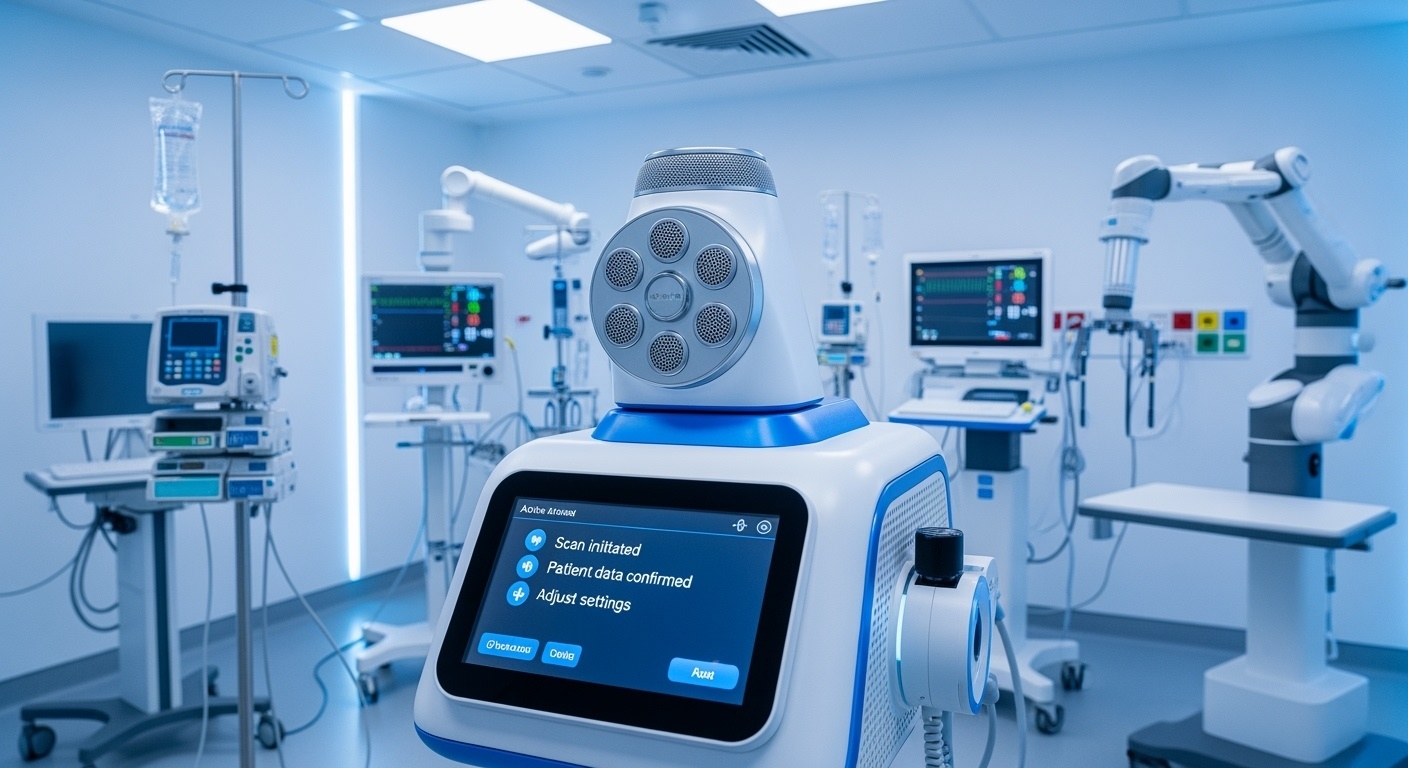
    Professional Medical Device with Voice AI Integration

    The global voice technology in healthcare market, valued at approximately $4.23 billion in 2023, is projected to reach around $21.67 billion by 2032, exhibiting a compound annual growth rate (CAGR) of 19.9%. This explosive growth underscores the critical importance of understanding how to effectively implement voice AI in medical devices Polaris Market Research.

    UNDERSTANDING VOICE AI IN MEDICAL DEVICE CONTEXT

    Voice AI in medical devices encompasses the integration of speech recognition, natural language processing (NLP), and machine learning technologies to enable hands-free, voice-controlled operation of medical equipment. This technology transforms traditional medical devices from passive tools requiring manual interaction into intelligent, responsive systems that can understand and execute voice commands, provide audio feedback, and integrate seamlessly with healthcare workflows.

    The core value proposition of voice AI in medical devices extends beyond simple convenience. In sterile environments like operating rooms, voice control eliminates the need for healthcare professionals to break sterile fields to interact with equipment. During patient examinations, voice commands allow physicians to maintain eye contact and physical engagement with patients while simultaneously controlling diagnostic equipment or updating electronic health records (EHRs).

    CORE TECHNOLOGIES BEHIND MEDICAL VOICE AI

    AUTOMATED SPEECH RECOGNITION (ASR)

    The foundation of any voice-enabled medical device lies in its automated speech recognition capabilities. Modern ASR systems leverage deep learning neural networks trained on massive datasets of healthcare-specific speech patterns. Leading medical ASR models achieve over 90% accuracy on medical dictation tasks, a critical threshold for clinical applications where errors can have serious consequences.

    Medical ASR faces unique challenges that distinguish it from consumer applications. Healthcare environments present acoustic challenges including equipment alarms, public announcements, and ambient conversations that can degrade audio quality. Additionally, medical terminology includes complex Latin-based words, drug names, and anatomical references that require specialized training datasets.

    Advanced medical ASR systems employ several key technologies:

    Acoustic Modeling: Specialized models trained to handle the unique acoustic properties of healthcare environments, including noise from medical equipment, ventilators, and monitoring devices.

    Language Modeling: Medical-specific language models trained on clinical documentation, medical literature, and healthcare conversations to understand medical context and terminology.

    Speaker Adaptation: Systems that can adapt to individual healthcare professionals’ speech patterns, accents, and speaking styles to improve accuracy over time.
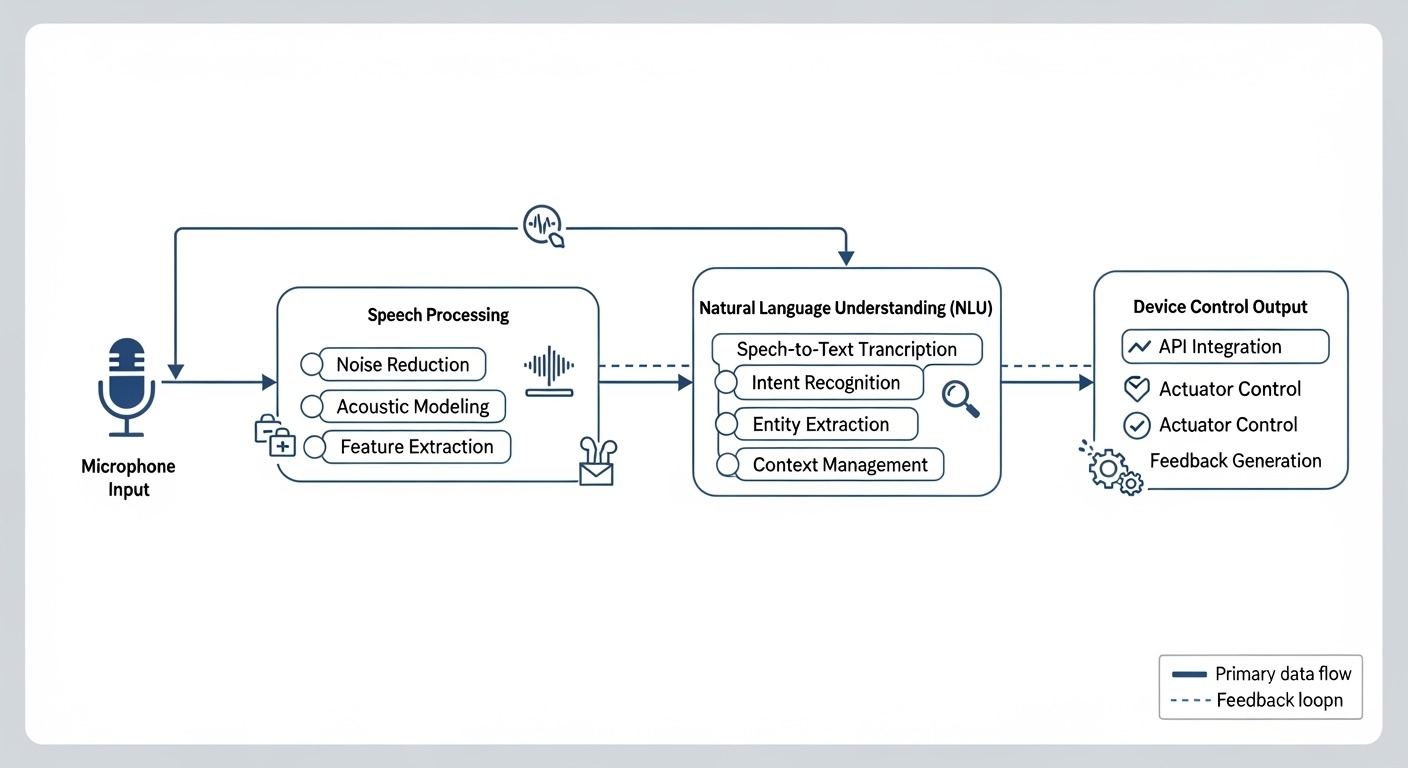
    Voice AI Architecture for Medical Devices

    NATURAL LANGUAGE PROCESSING FOR HEALTHCARE

    Natural language processing in medical voice AI goes beyond simple speech-to-text conversion. Advanced NLP systems must understand medical context, extract relevant clinical entities, and interpret the intent behind voice commands within the healthcare domain.

    Key NLP capabilities for medical voice AI include:

    Clinical Entity Recognition: The ability to identify and extract medical concepts such as symptoms, diagnoses, medications, procedures, and anatomical references from spoken language.

    Intent Classification: Understanding the purpose behind voice commands, whether the user wants to control device settings, access patient information, or document clinical observations.

    Contextual Understanding: Maintaining awareness of the clinical context, patient information, and current workflow state to provide appropriate responses and actions.

    Medical Sentiment Analysis: Detecting emotional cues and urgency levels in speech to prioritize responses and alerts appropriately.

    Speech Synthesis and Voice Generation

    Modern medical voice AI systems require sophisticated text-to-speech (TTS) capabilities to provide clear, professional audio feedback. Medical TTS systems must pronounce complex medical terminology accurately while maintaining natural-sounding speech that builds trust with healthcare professionals and patients.

    Advanced medical TTS systems incorporate:

    Domain-Specific Training: TTS models fine-tuned on medical terminology to ensure accurate pronunciation of clinical terms, drug names, and anatomical references.

    Emotional Tone Matching: The ability to adjust voice tone to match the clinical context, from urgent alerts to routine confirmations.

    Multi-Language Support: Support for diverse languages and dialects to serve global healthcare markets and multilingual patient populations.

    IMPLEMENTATION ARCHITECTURE AND DESIGN PATTERNS

    SYSTEM ARCHITECTURE OVERVIEW

    Implementing voice AI in medical devices requires a carefully designed architecture that balances performance, security, and regulatory compliance. The typical architecture consists of several key components:

    Edge Processing Layer: Local processing capabilities for wake word detection, basic command recognition, and privacy-sensitive operations that must remain on-device.

    Cloud Processing Layer: Advanced NLP, speech recognition, and machine learning capabilities hosted in secure, HIPAA-compliant cloud environments.

    Integration Layer: APIs and middleware that connect voice AI capabilities with existing medical device functionality and healthcare IT systems.

    Security Layer: End-to-end encryption, access controls, and audit logging to ensure patient data protection and regulatory compliance.

    HARDWARE REQUIREMENTS AND CONSIDERATIONS

    Medical devices incorporating voice AI require specific hardware components optimized for healthcare environments:

    Microphone Arrays: Multiple microphones arranged to provide optimal voice capture in noisy environments. Medical-grade microphone arrays typically feature noise cancellation, echo suppression, and far-field voice capture capabilities exceeding 9 meters.

    Processing Units: Sufficient computational power for local voice processing, typically including specialized AI chips or GPUs for neural network operations.

    Audio Output Systems: High-quality speakers or headphone connections for clear audio feedback, with volume controls appropriate for healthcare settings.

    Network Connectivity: Reliable internet connections for cloud-based processing, with failover capabilities for critical operations.
    Voice-Controlled Medical Device Interface

    SOFTWARE DEVELOPMENT KIT (SDK) INTEGRATION

    Modern voice AI implementation relies heavily on specialized SDKs and APIs that provide pre-built voice capabilities. Leading healthcare voice AI vendors offer comprehensive SDKs that include:

    Speech Recognition APIs: RESTful APIs for converting speech to text with medical-specific models and terminology support.

    Natural Language Understanding APIs: Services for extracting medical entities, understanding intent, and providing contextual responses.

    Text-to-Speech APIs: Voice synthesis capabilities optimized for medical terminology and clinical communication.

    Integration SDKs: Pre-built components for embedding voice capabilities into existing medical device software, with support for multiple programming languages and platforms.

    The integration process typically involves:

    1. API Key Management: Secure management of authentication credentials for cloud-based voice services.

    2. Audio Pipeline Configuration: Setting up audio capture, preprocessing, and streaming to voice recognition services.

    3. Response Handling: Processing voice AI responses and translating them into device-specific actions or information displays.

    4. Error Handling: Implementing robust error handling for network connectivity issues, recognition failures, and system errors.

    REAL-WORLD IMPLEMENTATION EXAMPLES

    SURGICAL SUITE INTEGRATION

    Modern operating rooms represent one of the most compelling use cases for voice AI integration. Surgeons require hands-free access to patient information, imaging systems, and surgical equipment while maintaining sterile conditions.
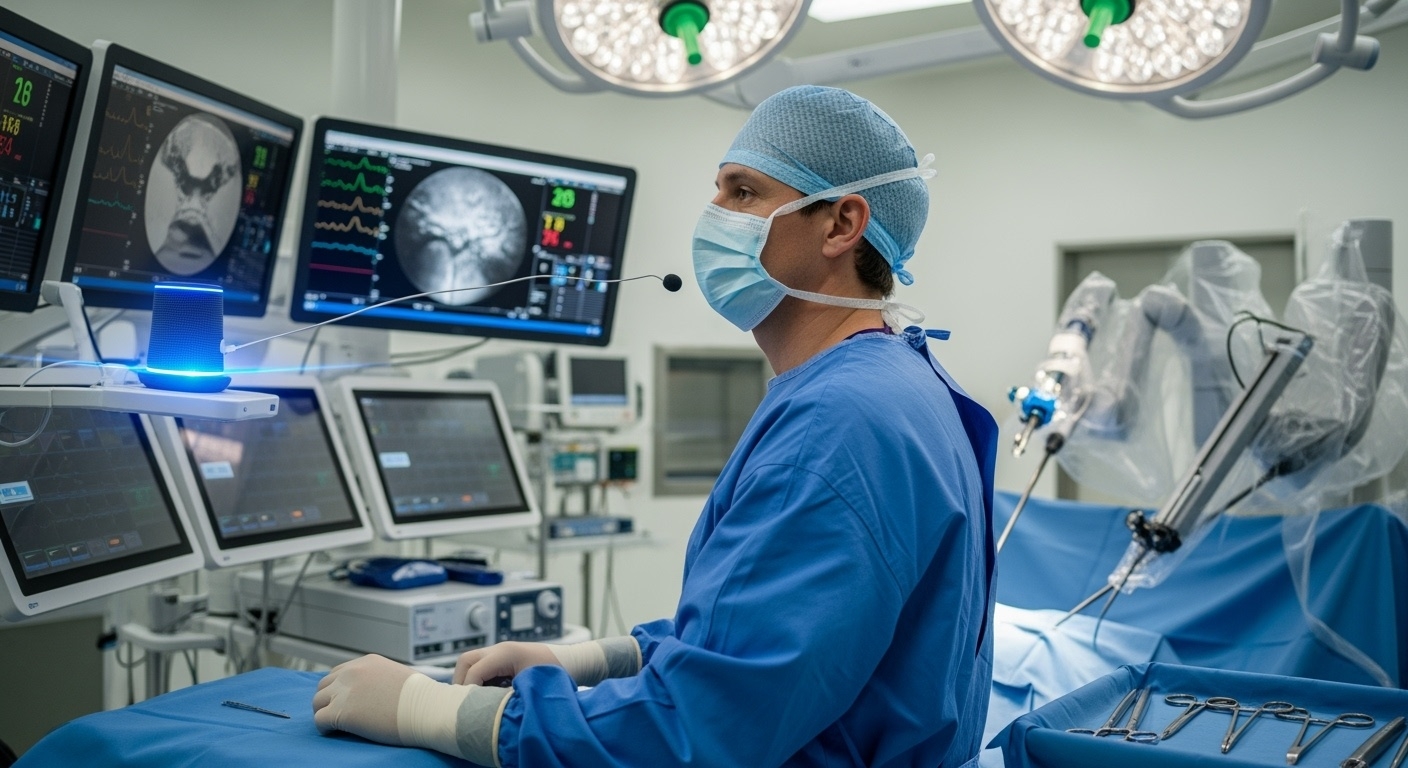
    Hands-Free Voice Control in Operating Room

    Example Implementation: A leading medical device manufacturer integrated voice AI into their surgical imaging system, allowing surgeons to control X-ray positioning, zoom levels, and image capture through voice commands. The system recognizes commands like “Move C-arm to lateral position,” “Zoom in 50%,” and “Capture image” while filtering out background conversations and equipment noise.

    The implementation required:

    • Custom acoustic models trained on operating room environments
    • Medical terminology specific to radiology and surgery
    • Integration with existing imaging equipment APIs
    • Real-time processing capabilities for immediate response

    Results: The voice-controlled imaging system reduced procedure time by an average of 15 minutes per surgery and eliminated breaks in sterile technique, leading to improved patient outcomes and increased operational efficiency.

    PATIENT MONITORING SYSTEMS

    Voice AI integration in patient monitoring systems enables healthcare professionals to interact with monitoring equipment, update patient information, and receive alerts through natural language interactions.

    Example Implementation: A major patient monitoring manufacturer developed voice-enabled vital signs monitors that allow nurses to verbally log observations, adjust alarm parameters, and request patient history information. The system supports commands like “Record blood pressure 120 over 80,” “Set heart rate alarm to 100,” and “Show 24-hour trend.”

    Key implementation features included:

    • Multi-speaker recognition to identify different healthcare professionals
    • Context-aware responses based on current patient status
    • Integration with electronic health record systems
    • Compliance with HIPAA privacy requirements

    Results: The voice-enabled monitoring system reduced documentation time by 40% and improved data accuracy by eliminating manual transcription errors.

    DIAGNOSTIC EQUIPMENT INTEGRATION

    Diagnostic equipment represents another significant opportunity for voice AI integration, particularly in imaging systems, laboratory equipment, and point-of-care testing devices.

    Example Implementation: An ultrasound equipment manufacturer integrated voice AI to enable hands-free operation during examinations. Sonographers can adjust imaging parameters, take measurements, and annotate findings using voice commands while maintaining optimal probe positioning and patient contact.

    The voice AI system includes:

    • Specialized vocabulary for ultrasound terminology
    • Real-time measurement calculations based on verbal input
    • Automatic report generation with voice-to-text documentation
    • Integration with picture archiving and communication systems (PACS)

    Results: The voice-enabled ultrasound system improved examination efficiency by 25% and enhanced image quality through reduced probe movement during manual equipment adjustments.

    TECHNICAL IMPLEMENTATION PROCESS

    PHASE 1: REQUIREMENTS ANALYSIS AND PLANNING

    The first phase of voice AI implementation involves comprehensive analysis of clinical workflows, user requirements, and technical constraints. This phase typically includes:

    Clinical Workflow Analysis: Detailed study of how healthcare professionals currently interact with the medical device, identifying opportunities for voice enhancement and potential usability improvements.

    User Requirements Gathering: Extensive interviews with target users to understand their voice command preferences, environmental constraints, and integration expectations.

    Technical Feasibility Assessment: Evaluation of existing device capabilities, hardware requirements, and software architecture to determine optimal implementation approach.

    Regulatory Compliance Planning: Analysis of applicable regulations including FDA medical device requirements, HIPAA privacy rules, and international standards for medical software.

    PHASE 2: VOICE AI MODEL DEVELOPMENT AND TRAINING

    The second phase focuses on developing and training the AI models that will power the voice capabilities:

    Dataset Preparation: Collection and curation of medical speech datasets specific to the target application, including diverse speakers, accents, and clinical scenarios.

    Model Training: Development of custom ASR and NLP models optimized for the specific medical domain and device application.

    Testing and Validation: Comprehensive testing of voice recognition accuracy, response time, and reliability across diverse conditions and user scenarios.

    Performance Optimization: Fine-tuning of models to achieve optimal balance between accuracy, speed, and resource utilization.

    PHASE 3: SYSTEM INTEGRATION AND DEVELOPMENT

    The third phase involves integrating voice AI capabilities with existing medical device systems:

    Hardware Integration: Installation and configuration of microphones, speakers, and processing components required for voice AI functionality.

    Software Development: Implementation of voice AI SDKs, APIs, and custom code to connect voice capabilities with device functionality.

    User Interface Design: Development of visual and audio interfaces that provide clear feedback about voice AI status, commands, and responses.

    Security Implementation: Implementation of encryption, access controls, and audit logging to ensure patient data protection and regulatory compliance.

    Phase 4: Clinical Testing and Validation

    The fourth phase involves extensive testing in real healthcare environments:

    Pilot Testing: Limited deployment in controlled clinical settings to validate functionality and gather initial user feedback.

    Clinical Trials: Formal studies to measure the impact of voice AI on clinical outcomes, workflow efficiency, and user satisfaction.

    Usability Testing: Comprehensive evaluation of user interface design, command recognition accuracy, and overall user experience.

    Performance Validation: Measurement of system performance under real-world conditions, including accuracy, response time, and reliability metrics.

    PHASE 5: DEPLOYMENT AND CONTINUOUS IMPROVEMENT

    The final phase focuses on full deployment and ongoing optimization:

    Training and Education: Comprehensive training programs for healthcare professionals on voice AI capabilities and best practices.

    Rollout Management: Phased deployment across target healthcare facilities with careful monitoring and support.

    Continuous Monitoring: Ongoing assessment of system performance, user satisfaction, and clinical impact.

    Model Updates: Regular updates to voice AI models based on new data, user feedback, and evolving clinical requirements.

    REGULATORY COMPLIANCE AND SECURITY CONSIDERATIONS

    HIPAA COMPLIANCE REQUIREMENTS

    Healthcare voice AI systems must comply with the Health Insurance Portability and Accountability Act (HIPAA), which mandates specific protections for patient health information. Key compliance requirements include Augnito AI:

    Data Encryption: All voice data containing protected health information (PHI) must be encrypted both in transit and at rest using advanced encryption standards.

    Access Controls: Implementation of role-based access controls to limit PHI exposure to the minimum necessary for clinical operations.

    Audit Logging: Comprehensive logging of all access to PHI, including voice AI interactions, with detailed audit trails for compliance monitoring.

    Business Associate Agreements: Formal agreements with voice AI vendors and cloud service providers ensuring their compliance with HIPAA requirements.

    FDA MEDICAL DEVICE REGULATIONS

    Voice AI integrated into medical devices may trigger FDA regulatory requirements depending on the device’s intended use and risk classification:

    Software as Medical Device (SaMD): Voice AI systems that provide diagnostic information or treatment recommendations may be classified as medical devices requiring FDA approval.

    Quality System Regulations: Implementation of quality management systems to ensure consistent design, development, and manufacturing of voice-enabled medical devices.

    Clinical Evidence Requirements: Demonstration of safety and effectiveness through clinical studies and performance testing.

    Post-Market Surveillance: Ongoing monitoring of device performance and adverse events after commercial deployment.

    DATA PRIVACY AND SECURITY IMPLEMENTATION

    Comprehensive security measures are essential for voice AI medical devices:

    End-to-End Encryption: Implementation of strong encryption for all voice data transmission and storage, using industry-standard protocols such as TLS 1.3 and AES-256.

    Secure Authentication: Multi-factor authentication systems for device access and cloud service connections.

    Data Minimization: Collection and processing of only the minimum voice data necessary for clinical functionality.

    Secure Development Practices: Implementation of secure coding practices, regular security assessments, and vulnerability testing throughout the development lifecycle.

    OVERCOMING IMPLEMENTATION CHALLENGES

    ACOUSTIC ENVIRONMENT CHALLENGES

    Healthcare environments present unique acoustic challenges that must be addressed:

    Noise Cancellation: Implementation of advanced noise cancellation algorithms to filter out medical equipment sounds, alarms, and ambient conversations.

    Echo Suppression: Acoustic echo cancellation to handle sound reflections in rooms with hard surfaces and medical equipment.

    Far-Field Recognition: Microphone arrays capable of accurate voice recognition at distances up to 9 meters to accommodate various clinical scenarios.

    Multi-Speaker Environments: Systems capable of distinguishing between different speakers in environments where multiple healthcare professionals may be present.

    ACCURACY AND RELIABILITY REQUIREMENTS

    Medical applications demand exceptionally high accuracy and reliability:

    Continuous Learning: Implementation of machine learning systems that continuously improve based on usage patterns and user feedback.

    Error Handling: Robust error handling and confirmation systems to prevent misinterpretation of critical voice commands.

    Fallback Mechanisms: Alternative interaction methods available when voice recognition fails or is unavailable.

    Quality Assurance: Comprehensive testing and validation processes to ensure consistent performance across diverse conditions and users.

    INTEGRATION COMPLEXITY

    Integrating voice AI with existing medical systems presents significant technical challenges:

    Legacy System Integration: Development of APIs and middleware to connect voice AI with older medical devices and healthcare IT systems.

    Interoperability Standards: Adherence to healthcare interoperability standards such as HL7 FHIR to ensure seamless data exchange.

    Workflow Integration: Careful design to integrate voice AI capabilities into existing clinical workflows without disrupting established practices.

    Scalability Considerations: Architecture design that supports scaling across large healthcare organizations with diverse device ecosystems.

    FUTURE TRENDS AND EMERGING TECHNOLOGIES

    ADVANCED NATURAL LANGUAGE UNDERSTANDING

    The future of medical voice AI lies in increasingly sophisticated natural language understanding capabilities:

    Contextual Awareness: AI systems that understand the full clinical context, including patient history, current medications, and treatment plans.

    Predictive Intelligence: Voice AI that can anticipate user needs and provide proactive suggestions based on clinical patterns and best practices.

    Multi-Modal Integration: Combination of voice AI with visual recognition, gesture control, and other input modalities for comprehensive device interaction.

    PERSONALIZED VOICE INTERFACES

    Emerging trends point toward highly personalized voice AI experiences:

    Individual Adaptation: Systems that learn and adapt to individual healthcare professionals’ speech patterns, preferences, and workflow styles.

    Role-Based Interfaces: Voice AI interfaces customized for different healthcare roles, from surgeons to nurses to technicians.

    Specialty-Specific Models: AI models trained for specific medical specialties with deep domain knowledge and terminology.

    EDGE COMPUTING AND LOCAL PROCESSING

    Growing emphasis on local processing capabilities:

    On-Device Processing: Advanced AI chips enabling more voice processing to occur locally on medical devices, reducing latency and improving privacy.

    Hybrid Architectures: Intelligent distribution of processing between edge devices and cloud services based on task requirements and network conditions.

    Offline Capabilities: Voice AI systems capable of basic functionality even when network connectivity is unavailable.

    BEST PRACTICES FOR SUCCESSFUL IMPLEMENTATION

    USER-CENTERED DESIGN PRINCIPLES

    Successful voice AI implementation requires deep understanding of user needs:

    Clinical Workflow Integration: Design voice interactions that enhance rather than disrupt existing clinical workflows.

    Intuitive Command Structure: Development of natural, memorable voice commands that align with clinical terminology and practices.

    Feedback and Confirmation: Clear audio and visual feedback to confirm voice command recognition and system responses.

    Error Recovery: Graceful error handling and easy methods for users to correct misunderstood commands.

    PERFORMANCE OPTIMIZATION STRATEGIES

    Achieving optimal performance requires careful attention to system design:

    Latency Minimization: Optimization of processing pipelines to minimize response time for voice commands.

    Accuracy Maximization: Continuous training and refinement of AI models to achieve the highest possible recognition accuracy.

    Resource Efficiency: Efficient use of computational resources to maintain performance while minimizing power consumption and heat generation.

    Scalability Planning: Architecture design that supports growth in users, devices, and functionality over time.

    Quality Assurance and Testing

    Comprehensive testing strategies ensure reliable deployment:

    Clinical Environment Testing: Extensive testing in real healthcare environments with actual clinical scenarios and workflows.

    Stress Testing: Evaluation of system performance under high-load conditions and challenging acoustic environments.

    Security Testing: Regular penetration testing and vulnerability assessments to identify and address potential security risks.

    User Acceptance Testing: Formal testing with target users to validate usability, effectiveness, and satisfaction.

    CONCLUSION

    The integration of voice AI into medical devices represents a transformative opportunity to enhance healthcare delivery, improve clinical efficiency, and ultimately better serve patients. As the healthcare industry continues to evolve toward more digital, intelligent systems, voice AI emerges as a critical enabling technology that bridges the gap between advanced artificial intelligence and practical clinical applications.

    Successful implementation requires careful attention to the unique requirements of healthcare environments, including regulatory compliance, patient privacy protection, and the demanding accuracy standards of medical applications. Organizations that invest in comprehensive planning, user-centered design, and robust security measures will be best positioned to realize the full benefits of voice AI integration.

    The market growth projections, with the voice technology in healthcare market expected to reach $21.67 billion by 2032, underscore the significant opportunity for organizations that successfully implement voice AI in medical devices. As approximately 30% of physician practices have already adopted ambient listening AI technologies, early movers have the opportunity to gain competitive advantage and improve patient outcomes through innovative voice-enabled medical devices Matellio.

    The future of healthcare technology lies in intelligent, responsive systems that understand and adapt to human needs. Voice AI represents a crucial step toward that future, enabling more natural, efficient, and effective interactions between healthcare professionals, patients, and medical technology. Organizations that embrace this transformation today will be well-positioned to lead the healthcare industry into its next era of innovation and improved patient care.

    Looking ahead, the continued advancement of AI technologies, edge computing capabilities, and healthcare interoperability standards will only expand the possibilities for voice AI integration in medical devices. The organizations that invest in building strong foundations today—with robust security, regulatory compliance, and user-centered design—will be best equipped to leverage these future innovations and continue delivering value to healthcare providers and patients alike.


  • HOW TO CREATE A DEVICE MAINTENANCE LOG FOR COMPLIANCE

    HOW TO CREATE A DEVICE MAINTENANCE LOG FOR COMPLIANCE: A COMPREHENSIVE GUIDE FOR HEALTHCARE ORGANIZATIONS

    Equipment Maintenance Log Template

    In today’s complex healthcare environment, maintaining accurate device maintenance logs is not just a best practice—it’s a regulatory requirement that can make the difference between successful compliance audits and costly violations. Healthcare organizations face increasing scrutiny from regulatory bodies such as the FDA, The Joint Commission, and CMS, all of which require meticulous documentation of medical equipment maintenance activities.

    Creating an effective device maintenance log system requires understanding regulatory requirements, implementing structured documentation processes, and establishing procedures that ensure long-term compliance while supporting optimal equipment performance. This comprehensive guide provides healthcare professionals with the knowledge and tools necessary to develop robust maintenance logging systems that meet all compliance standards while enhancing operational efficiency.
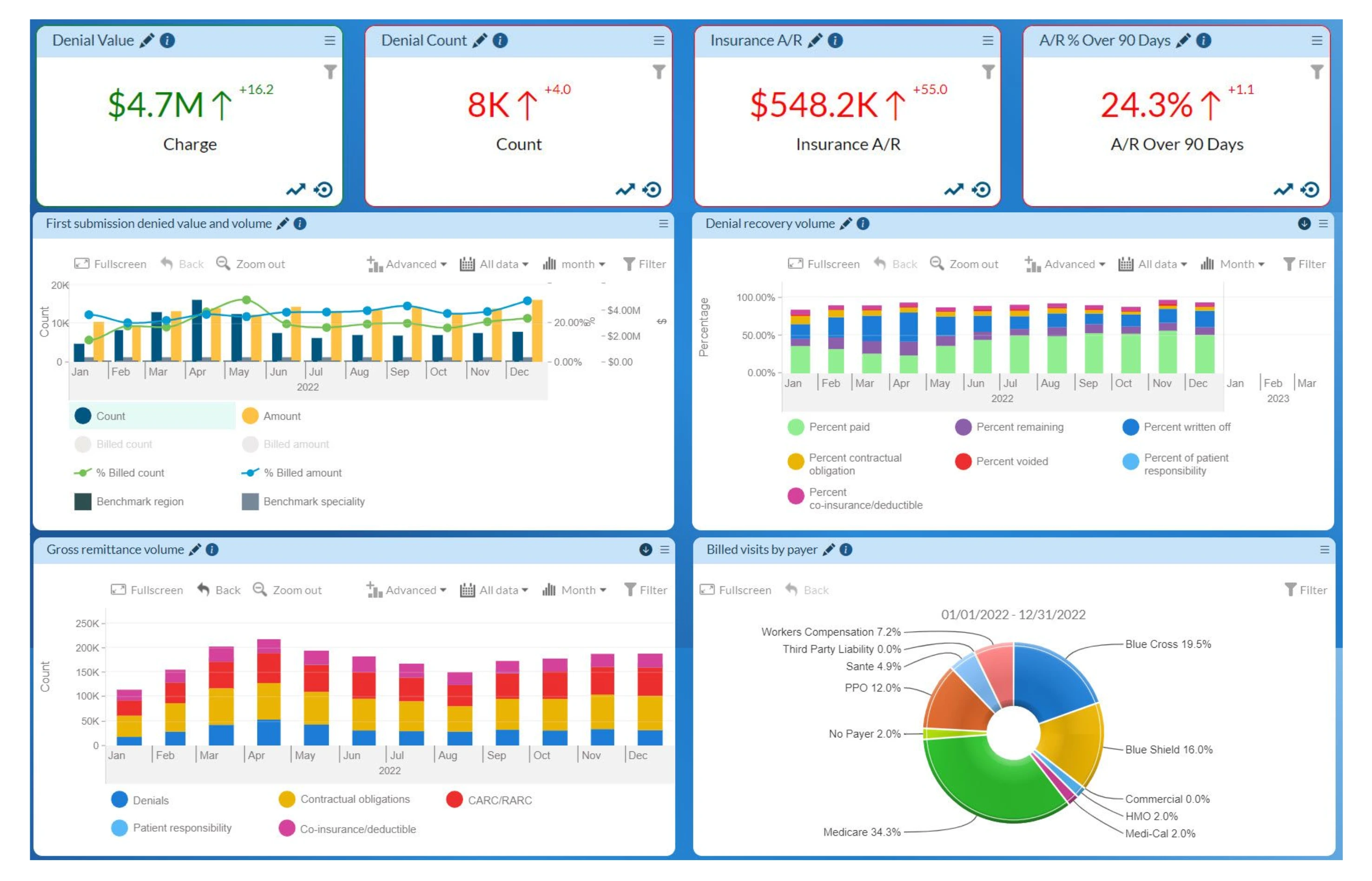
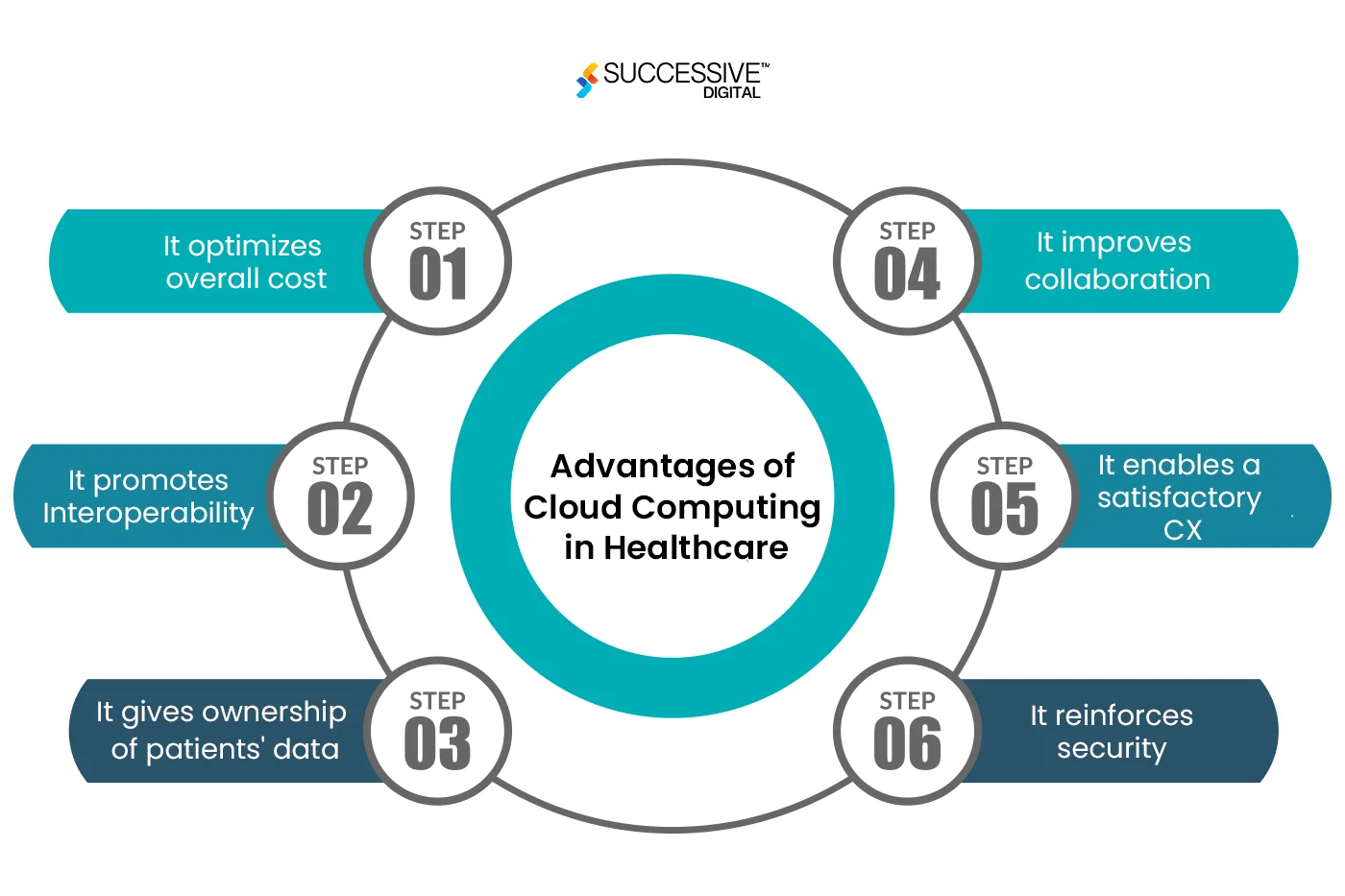
    The consequences of inadequate maintenance documentation extend far beyond regulatory penalties. Poor record-keeping can lead to equipment failures, patient safety incidents, increased liability exposure, and loss of accreditation. Conversely, well-maintained logs serve as powerful tools for preventing equipment downtime, optimizing maintenance schedules, and demonstrating organizational commitment to quality patient care.

    UNDERSTANDING REGULATORY REQUIREMENTS FOR DEVICE MAINTENANCE LOGS

    Medical Equipment Compliance Documentation

    The regulatory landscape governing medical device maintenance documentation is complex and multifaceted, involving federal agencies, accreditation bodies, and international standards organizations. Understanding these requirements forms the foundation for creating effective maintenance logging systems.

    FDA Requirements and Quality System Regulation

    The FDA’s Quality System Regulation (21 CFR Part 820) establishes fundamental requirements for medical device manufacturers and healthcare facilities regarding equipment maintenance documentation. Under these regulations, healthcare organizations must maintain comprehensive records that demonstrate proper equipment maintenance, calibration, and performance verification.
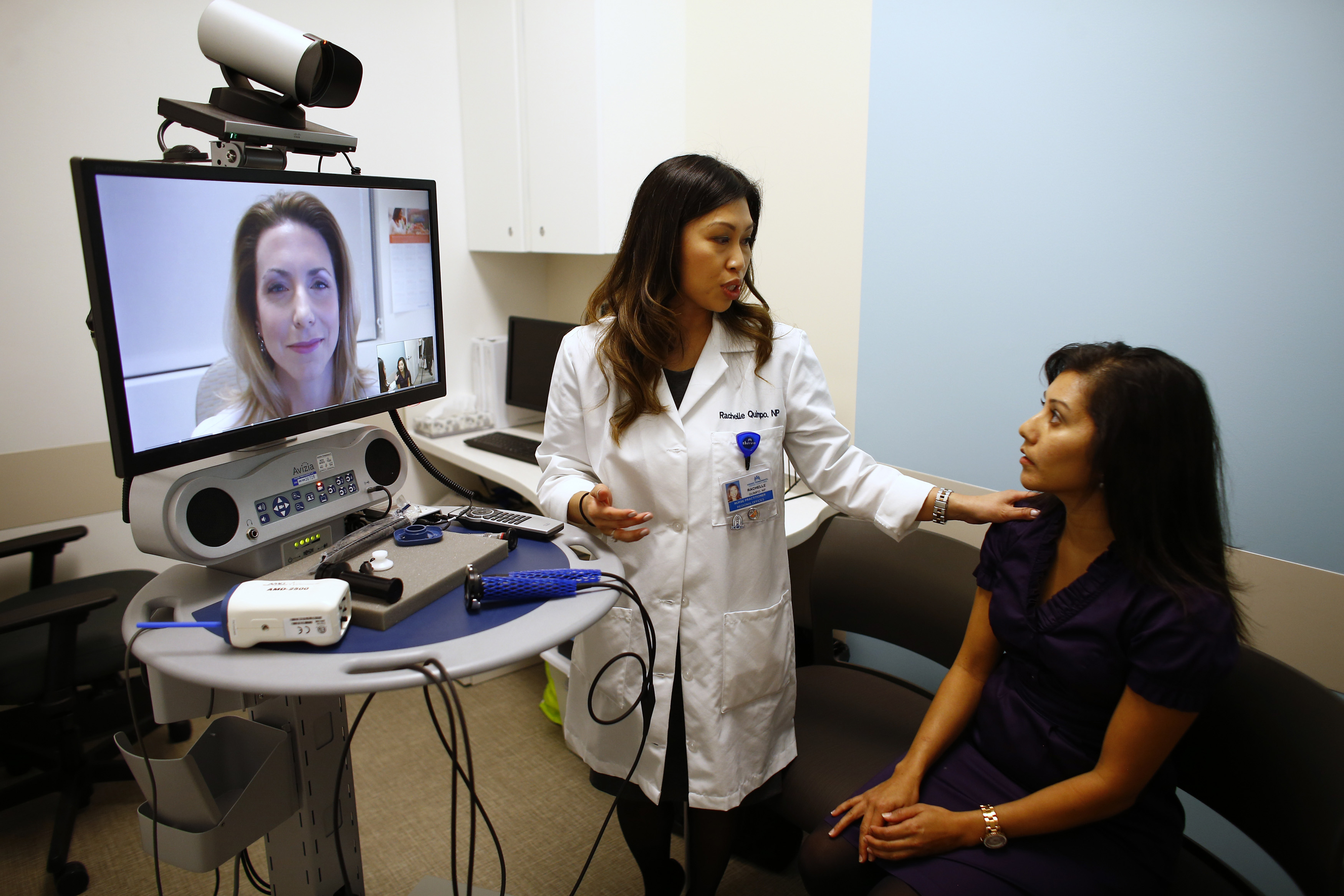
    The FDA requires documentation of all maintenance activities performed on medical devices, including routine preventive maintenance, corrective actions, and calibration procedures. These records must be readily available for inspection and maintained for the life of the device or as specified by the manufacturer’s recommendations.

    Key FDA documentation requirements include:

    • Complete equipment identification and specifications
    • Maintenance schedules and procedures
    • Records of all maintenance activities performed
    • Calibration certificates and verification records
    • Personnel qualifications and training records
    • Equipment failure reports and corrective actions taken

    The Joint Commission Standards

    The Joint Commission has established comprehensive standards for medical equipment management that require 100% compliance for accreditation. These standards mandate that healthcare organizations maintain detailed maintenance logs for all medical equipment used in patient care.

    The Joint Commission’s Environment of Care standards (EC.02.04.01) require organizations to maintain equipment inventories, establish maintenance programs, and document all maintenance activities. MedTrainer The organization conducts unannounced surveys every 18 to 36 months, during which maintenance records are thoroughly reviewed.

    CMS Guidelines and Requirements

    The Centers for Medicare & Medicaid Services (CMS) has adopted specific guidelines for medical equipment maintenance that healthcare facilities must follow to maintain certification and reimbursement eligibility. These guidelines require facilities to maintain accurate maintenance records and demonstrate compliance with manufacturer recommendations and applicable safety standards.

    CMS requires documentation of equipment maintenance policies, procedures, and programs, as well as specific equipment maintenance inventories, activities, and schedules. Healthcare facilities must also maintain records of equipment failures and document whether any failures resulted in harm to individuals.

    Essential Components of a Comprehensive Device Maintenance Log

    Medical Equipment Maintenance Checklist

    An effective device maintenance log must capture specific, detailed information to ensure proper equipment maintenance and regulatory compliance. The log should be designed to provide a complete picture of each device’s maintenance history while facilitating easy access to critical information during audits and inspections.

    Equipment Identification and Basic Information

    Every maintenance log entry must begin with complete equipment identification information. This foundational data enables accurate tracking and ensures that maintenance records can be properly associated with specific devices throughout their operational life.

    Essential identification elements include:

    • Equipment make, model, and serial number: Unique identifiers that distinguish each device from others
    • Asset tag or facility identification number: Internal tracking numbers assigned by the healthcare organization
    • Location and department assignment: Current physical location and responsible department
    • Installation date and warranty information: Critical dates affecting maintenance requirements
    • Manufacturer specifications and requirements: Reference to official maintenance guidelines

    Maintenance Activity Documentation

    The core of any maintenance log lies in the detailed documentation of all maintenance activities performed on each device. This information serves as the primary evidence of compliance with regulatory requirements and manufacturer recommendations.

    Comprehensive maintenance activity records should include:

    • Date and time of maintenance: Precise timing of all maintenance activities
    • Type of maintenance performed: Whether preventive, corrective, or emergency maintenance
    • Detailed description of work completed: Specific tasks performed and procedures followed
    • Parts and supplies used: Complete inventory of components replaced or consumed
    • Tools and equipment utilized: Specialized tools or test equipment used during maintenance
    • Duration of maintenance activity: Time required to complete maintenance tasks

    Personnel and Qualification Records

    Regulatory requirements mandate that only qualified personnel perform maintenance on medical devices. Maintenance logs must document the credentials and qualifications of all individuals involved in maintenance activities.

    Required personnel documentation includes:

    • Names and signatures of maintenance personnel: Clear identification of individuals performing work
    • Certification and training records: Evidence of appropriate qualifications and ongoing education
    • Supervisor approval and oversight: Documentation of management review and approval
    • External contractor information: Complete records when third-party service providers are utilized

    Equipment Status and Performance Data

    Maintenance logs must capture comprehensive information about equipment status before, during, and after maintenance activities. This data enables trend analysis and helps identify potential issues before they impact patient care.

    Critical status information includes:

    • Pre-maintenance equipment condition: Baseline performance data and any observed issues
    • Test results and measurements: Quantitative data from performance verification tests
    • Calibration data and certificates: Results of calibration activities and associated documentation
    • Post-maintenance verification: Confirmation that equipment meets performance specifications
    • Return-to-service authorization: Formal approval for equipment to resume clinical use

    Implementing Best Practices for Maintenance Log Creation

    Equipment Maintenance Log Documentation Process

    Creating effective maintenance logs requires implementing structured processes and best practices that ensure consistency, accuracy, and regulatory compliance. These practices form the foundation for sustainable maintenance documentation systems that support long-term organizational success.

    Standardization and Consistency

    Standardized procedures ensure that all maintenance activities are documented using consistent formats and terminology. This standardization facilitates data analysis, trend identification, and regulatory compliance verification.

    Key standardization elements include:

    • Uniform documentation formats: Consistent templates and forms for all maintenance activities
    • Standardized terminology and abbreviations: Clear definitions and consistent usage throughout the organization
    • Structured data entry procedures: Step-by-step processes for completing maintenance records
    • Quality control checkpoints: Regular reviews to ensure compliance with documentation standards

    Digital vs. Paper-Based Systems

    Modern healthcare organizations face important decisions regarding the format and technology used for maintenance documentation. Each approach offers distinct advantages and challenges that must be carefully considered.

    Digital maintenance management systems provide several significant advantages:

    • Real-time access to maintenance records and schedules
    • Automated alerts and notifications for scheduled maintenance
    • Enhanced data analysis and reporting capabilities
    • Improved security and backup procedures
    • Integration with other healthcare information systems

    Paper-based systems may be appropriate for smaller organizations or specific applications:

    • Lower initial implementation costs
    • No dependency on computer systems or network connectivity
    • Familiar processes for staff accustomed to paper documentation
    • Immediate availability without system startup delays

    Integration with Computerized Maintenance Management Systems (CMMS)

    Advanced healthcare organizations increasingly rely on sophisticated CMMS platforms to manage equipment maintenance activities and documentation. These systems provide comprehensive tools for scheduling, tracking, and documenting maintenance activities while ensuring regulatory compliance.

    Modern CMMS platforms offer:

    • Automated maintenance scheduling: System-generated work orders based on manufacturer recommendations
    • Inventory management integration: Automatic tracking of parts and supplies used during maintenance
    • Mobile access capabilities: Field technicians can update records in real-time using tablets or smartphones
    • Regulatory compliance reporting: Automated generation of compliance reports for audits and inspections
    • Predictive maintenance analytics: Advanced algorithms that identify potential equipment failures before they occur

    Compliance Documentation Requirements by Device Type

    Medical Device Service Report Format

    Different types of medical devices have varying documentation requirements based on their classification, risk level, and regulatory oversight. Understanding these specific requirements ensures that maintenance logs capture all necessary information for each device category.

    Class I Medical Devices

    Class I devices generally have the lowest risk profile and may have simplified documentation requirements. However, proper maintenance records remain essential for demonstrating due diligence and ensuring optimal performance.

    Typical Class I device documentation includes:

    • Basic maintenance schedules and completion records
    • User training and competency verification
    • Cleaning and disinfection logs
    • Performance verification testing results
    • Incident reports and corrective actions

    Class II Medical Devices

    Class II devices require more comprehensive documentation due to their increased complexity and potential patient safety impact. These devices often require FDA clearance and must comply with specific performance standards.

    Enhanced documentation requirements include:

    • Detailed preventive maintenance procedures and schedules
    • Calibration records and certificates
    • Software validation and update documentation
    • Environmental monitoring data
    • Comprehensive performance testing results

    Class III Medical Devices

    Class III devices represent the highest risk category and require the most stringent documentation requirements. These life-supporting or life-sustaining devices demand comprehensive maintenance records that demonstrate complete compliance with all applicable regulations.

    Comprehensive documentation requirements include:

    • FDA-approved maintenance protocols and procedures
    • Qualified personnel certification and ongoing training records
    • Detailed risk assessments and mitigation strategies
    • Complete traceability of all maintenance activities
    • Immediate reporting of any device failures or safety concerns

    Creating Effective Maintenance Schedules and Procedures

    Medical Equipment Maintenance Schedule Template

    Effective maintenance logging begins with well-designed maintenance schedules and procedures that align with manufacturer recommendations, regulatory requirements, and organizational capabilities. These foundational elements ensure that maintenance activities are performed consistently and documented appropriately.

    Manufacturer Recommendations and Guidelines

    Medical device manufacturers provide detailed maintenance recommendations that serve as the baseline for organizational maintenance programs. These guidelines specify required maintenance activities, frequencies, and procedures necessary to maintain device safety and effectiveness.

    Critical manufacturer information includes:

    • Preventive maintenance schedules: Specific timelines for routine maintenance activities
    • Required maintenance procedures: Step-by-step instructions for each maintenance task
    • Replacement part specifications: Authorized components and supplies for maintenance activities
    • Performance verification requirements: Tests and measurements required after maintenance
    • Safety precautions and warnings: Special considerations for maintenance personnel

    Risk-Based Maintenance Planning

    Healthcare organizations must balance manufacturer recommendations with practical considerations such as equipment criticality, patient safety impact, and resource availability. Risk-based maintenance planning helps organizations prioritize maintenance activities based on potential consequences of equipment failure.

    Risk assessment factors include:

    • Patient safety impact: Potential harm to patients if equipment fails
    • Operational criticality: Effect of equipment downtime on healthcare services
    • Failure probability: Historical data and manufacturer reliability information
    • Regulatory requirements: Mandatory maintenance activities and frequencies
    • Resource availability: Staff, parts, and budget constraints

    Documentation of Maintenance Procedures

    Comprehensive maintenance procedures provide detailed instructions for performing each maintenance task while ensuring consistent documentation of completed activities. These procedures serve as training materials and quality control tools.

    Effective maintenance procedures include:

    • Clear step-by-step instructions: Detailed guidance for performing each maintenance task
    • Required tools and materials: Complete lists of equipment and supplies needed
    • Safety precautions and warnings: Specific hazards and protective measures
    • Documentation requirements: Exact information that must be recorded during maintenance
    • Quality control checkpoints: Verification steps to ensure proper completion

    Quality Control and Audit Preparation

    Healthcare Equipment Maintenance Compliance

    Robust quality control processes ensure that maintenance logs meet regulatory requirements and provide accurate information for decision-making. These processes also prepare organizations for regulatory audits and accreditation surveys.

    Regular Review and Validation Procedures

    Systematic review processes identify potential documentation gaps, inconsistencies, or compliance issues before they become problems during audits or inspections. Regular validation ensures that maintenance logs accurately reflect actual maintenance activities and equipment status.

    Key review procedures include:

    • Monthly log completeness audits: Verification that all required maintenance activities are documented
    • Quarterly compliance assessments: Comprehensive review of documentation against regulatory requirements
    • Annual system evaluations: Complete assessment of maintenance logging processes and effectiveness
    • Continuous improvement initiatives: Regular updates to procedures based on lessons learned and best practices

    Audit Trail and Record Retention

    Comprehensive audit trails demonstrate the integrity of maintenance records and provide evidence of compliance with regulatory requirements. Proper record retention ensures that historical data remains available for analysis and regulatory review.

    Essential audit trail elements include:

    • Document creation and modification dates: Complete history of record changes and updates
    • User identification and authentication: Clear records of who performed each maintenance activity
    • Approval and review signatures: Evidence of supervisory oversight and quality control
    • System backup and recovery procedures: Protection against data loss or corruption
    • Long-term archive strategies: Secure storage of historical records beyond active use periods

    Corrective Action and Improvement Processes

    When maintenance logs reveal equipment problems, safety concerns, or process deficiencies, organizations must implement effective corrective action processes. These processes demonstrate organizational commitment to continuous improvement and regulatory compliance.

    Effective corrective action processes include:

    • Problem identification and assessment: Systematic evaluation of identified issues
    • Root cause analysis: Detailed investigation to determine underlying causes
    • Corrective action planning: Development of specific actions to address identified problems
    • Implementation monitoring: Ongoing verification that corrective actions are effective
    • Process improvement integration: Incorporation of lessons learned into standard procedures

    Technology Solutions and Digital Integration

    FDA Documentation Compliance Process

    Modern technology solutions offer significant advantages for creating, maintaining, and managing device maintenance logs. These digital tools enhance accuracy, accessibility, and compliance while reducing administrative burden on healthcare staff.

    Electronic Health Record Integration

    Integration between maintenance management systems and electronic health records provides comprehensive visibility into equipment history and patient care activities. This integration enables correlation between equipment performance and patient outcomes while supporting clinical decision-making.

    Integration benefits include:

    • Real-time equipment status information: Immediate access to maintenance history during clinical procedures
    • Patient safety alerts: Automatic notifications when equipment issues might affect patient care
    • Comprehensive audit trails: Complete records linking equipment maintenance to patient encounters
    • Regulatory reporting automation: Streamlined generation of required compliance reports

    Mobile Applications and Field Data Entry

    Mobile technology enables maintenance technicians to update records in real-time while performing maintenance activities. This capability improves accuracy and timeliness while reducing administrative delays.

    Mobile application features include:

    • Offline data entry capabilities: Record maintenance activities even without network connectivity
    • Barcode and QR code scanning: Rapid equipment identification and data entry
    • Digital photography integration: Visual documentation of equipment condition and maintenance activities
    • Electronic signature capture: Immediate approval and authentication of completed work

    Predictive Analytics and Maintenance Optimization

    Advanced analytics platforms analyze historical maintenance data to identify patterns, predict equipment failures, and optimize maintenance schedules. These tools help organizations transition from reactive to predictive maintenance strategies.

    Analytics capabilities include:

    • Failure prediction algorithms: Early warning systems for potential equipment problems
    • Maintenance schedule optimization: Data-driven recommendations for maintenance timing and procedures
    • Cost-benefit analysis: Financial impact assessment of different maintenance strategies
    • Performance trending: Long-term analysis of equipment reliability and maintenance effectiveness

    Training and Staff Development

    Quality Control Laboratory Compliance Documentation

    Successful maintenance logging programs require comprehensive training and ongoing staff development to ensure that all personnel understand their roles and responsibilities in maintaining compliance.

    Personnel Qualification Requirements

    Regulatory requirements specify minimum qualifications for personnel performing maintenance on medical devices. Organizations must ensure that all maintenance staff meet these requirements and maintain appropriate certifications.

    Qualification requirements include:

    • Technical education and training: Formal education or apprenticeship programs in relevant technical fields
    • Device-specific training: Manufacturer-provided training on specific equipment maintenance procedures
    • Regulatory compliance education: Understanding of applicable regulations and documentation requirements
    • Ongoing competency assessment: Regular evaluation of technical skills and knowledge retention

    Documentation Training Programs

    Comprehensive training programs ensure that all staff understand proper documentation procedures and compliance requirements. These programs should address both technical aspects of maintenance logging and regulatory compliance considerations.

    Training program elements include:

    • Documentation standards and procedures: Detailed instruction on required information and formatting
    • Regulatory requirement overview: Understanding of applicable regulations and compliance implications
    • System training: Hands-on instruction for maintenance management software and tools
    • Quality control processes: Training on review procedures and error prevention strategies

    Continuous Education and Updates

    The regulatory environment and technology landscape continue to evolve, requiring ongoing education and training updates. Organizations must establish processes for keeping staff current with new requirements and best practices.

    Continuous education strategies include:

    • Regular training updates: Periodic refresher training on documentation procedures and requirements
    • Industry conference participation: Attendance at professional meetings and educational seminars
    • Professional certification maintenance: Support for ongoing certification requirements and continuing education
    • Internal knowledge sharing: Regular meetings to discuss lessons learned and best practices

    Common Pitfalls and How to Avoid Them

    Understanding common mistakes in maintenance logging helps organizations develop effective prevention strategies and avoid costly compliance issues.

    Incomplete Documentation

    Incomplete maintenance records represent one of the most common compliance failures. Missing information can result in regulatory citations and may indicate inadequate maintenance activities.

    Prevention strategies include:

    • Standardized checklists: Required forms that prompt completion of all necessary information
    • Electronic validation: System controls that prevent submission of incomplete records
    • Regular audits: Systematic review processes to identify and correct documentation gaps
    • Staff training: Comprehensive education on documentation requirements and compliance implications

    Inconsistent Procedures

    Inconsistencies in maintenance procedures and documentation can indicate poor process control and may raise regulatory concerns about system reliability.

    Consistency improvement measures include:

    • Standardized operating procedures: Detailed written procedures for all maintenance activities
    • Regular procedure reviews: Periodic evaluation and updates to ensure continued effectiveness
    • Staff competency assessment: Regular verification that personnel follow established procedures
    • Quality control monitoring: Ongoing assessment of procedure compliance and effectiveness

    Poor Record Organization

    Disorganized maintenance records can impede audit preparation and may suggest inadequate system controls. Proper organization facilitates easy access to information and demonstrates professional management practices.

    Organization improvement strategies include:

    • Systematic filing procedures: Clear guidelines for record organization and storage
    • Digital indexing systems: Electronic tools for rapid information retrieval
    • Regular record maintenance: Scheduled activities to maintain organization and accessibility
    • Backup and archive procedures: Reliable systems for protecting historical records

    Measuring Success and Continuous Improvement

    Medical Equipment Maintenance Best Practices

    Effective maintenance logging programs require ongoing measurement and improvement to ensure continued effectiveness and regulatory compliance.

    Key Performance Indicators

    Organizations should establish specific metrics to evaluate the effectiveness of their maintenance logging programs and identify opportunities for improvement.

    Important KPIs include:

    • Documentation completeness rates: Percentage of maintenance activities with complete records
    • Audit finding trends: Analysis of regulatory citations and recommendations over time
    • Equipment reliability metrics: Correlation between maintenance activities and equipment performance
    • Staff compliance rates: Assessment of personnel adherence to documentation procedures

    Regular Program Evaluation

    Systematic evaluation processes help organizations identify strengths and weaknesses in their maintenance logging programs while developing targeted improvement strategies.

    Evaluation components include:

    • Annual compliance assessments: Comprehensive review of program effectiveness and regulatory compliance
    • Stakeholder feedback collection: Input from maintenance staff, clinicians, and administrators
    • Benchmark comparison: Analysis against industry best practices and peer organizations
    • Cost-benefit analysis: Evaluation of program costs versus benefits and compliance outcomes

    Continuous Improvement Implementation

    Based on evaluation results, organizations should implement systematic improvement processes that enhance maintenance logging effectiveness while maintaining regulatory compliance.

    Improvement strategies include:

    • Process optimization initiatives: Streamlining procedures while maintaining compliance requirements
    • Technology upgrades: Implementation of new tools and systems to improve efficiency and accuracy
    • Training program enhancements: Targeted education to address identified knowledge gaps
    • Policy and procedure updates: Regular revisions to reflect best practices and regulatory changes

    Conclusion: Building a Foundation for Long-Term Success

    Creating effective device maintenance logs for compliance requires a comprehensive approach that addresses regulatory requirements, organizational capabilities, and technological opportunities. Healthcare organizations that invest in robust maintenance logging systems position themselves for long-term success while ensuring optimal patient safety and regulatory compliance.

    The key to successful maintenance logging lies in understanding that documentation is not merely an administrative requirement but a critical component of quality patient care. Well-maintained logs provide valuable insights into equipment performance, support evidence-based maintenance decisions, and demonstrate organizational commitment to excellence.

    As healthcare continues to evolve with new technologies and changing regulations, maintenance logging systems must adapt and improve. Organizations that embrace continuous improvement and invest in modern technology solutions will be best positioned to meet future challenges while maintaining the highest standards of patient care and regulatory compliance.

    The investment in comprehensive maintenance logging systems pays dividends through improved equipment reliability, enhanced patient safety, reduced regulatory risk, and optimized operational efficiency. Healthcare organizations that prioritize maintenance documentation demonstrate their commitment to quality care while building sustainable foundations for future success.

    By following the guidelines and best practices outlined in this comprehensive guide, healthcare organizations can develop maintenance logging systems that not only meet current regulatory requirements but also provide the flexibility and capability to adapt to future challenges and opportunities in the dynamic healthcare environment.

  • HOW VOICE INTERFACES WILL IMPROVE HOSPITAL EQUIPMENT

    HOW VOICE INTERFACES WILL IMPROVE HOSPITAL EQUIPMENT: REVOLUTIONIZING HEALTHCARE THROUGH SMART TECHNOLOGY

    Smart Hospital Voice Interface System

    The healthcare industry stands at the precipice of a technological revolution, where voice interfaces are poised to fundamentally transform how medical professionals interact with hospital equipment. As hospitals worldwide grapple with increasing patient loads, staff shortages, and the critical need for infection control, voice-activated technology emerges as a game-changing solution that addresses these challenges while enhancing patient care quality and operational efficiency.

    Voice interfaces in healthcare represent more than just a technological upgrade—they embody a paradigm shift toward hands-free, intuitive, and intelligent medical environments. From voice-controlled surgical equipment to AI-powered patient room management systems, these innovations are reshaping the landscape of modern healthcare delivery, offering unprecedented opportunities to improve patient outcomes while reducing healthcare-associated infections and streamlining clinical workflows.

    THE CURRENT STATE OF HOSPITAL EQUIPMENT AND TECHNOLOGY

    Advanced Medical Equipment in Modern Hospital

    Modern hospitals are complex ecosystems filled with sophisticated medical equipment that requires precise control and constant monitoring. Traditional hospital equipment interfaces rely heavily on physical controls—buttons, touch screens, switches, and manual adjustments—which create several significant challenges in today’s healthcare environment.

    Healthcare professionals routinely interact with dozens of different devices during their shifts, from patient monitoring systems and ventilators to diagnostic equipment and infusion pumps. Each device typically has its own unique interface, creating a steep learning curve and potential for user error. The cognitive load of managing multiple complex interfaces while providing patient care contributes to clinician fatigue and can impact patient safety.

    Research published in BMC Health Services Research demonstrates that traditional control methods in hospital wards create inefficiencies and infection control challenges. BMC Health Services Research The study found that patients and healthcare workers frequently struggle with the fragmented nature of equipment controls, leading to reduced efficiency and increased risk of contamination through surface contact.

    The integration of multiple systems within hospitals also presents significant challenges. Medical equipment often operates in isolation, requiring healthcare workers to manually transfer information between systems, increasing the risk of errors and consuming valuable time that could be better spent on patient care.

    UNDERSTANDING VOICE INTERFACE TECHNOLOGY IN HEALTHCARE

    Voice Interface Healthcare Technology Concept

    Voice interface technology, also known as Intelligent Speech Technology (IST), represents a revolutionary approach to human-computer interaction in healthcare settings. This technology encompasses speech recognition, natural language processing, and artificial intelligence to enable hands-free control of medical equipment and systems.

    Core Components of Healthcare Voice Interfaces

    Voice interfaces in medical settings comprise several sophisticated components working in harmony:

    • Speech Recognition Engines: Advanced algorithms that convert spoken words into digital commands with high accuracy, even in noisy hospital environments
    • Natural Language Processing (NLP): Systems that understand context, medical terminology, and complex instructions
    • Machine Learning Models: AI systems that adapt to individual users’ speech patterns and improve accuracy over time
    • HIPAA-Compliant Processing: Secure, on-device processing that ensures patient privacy and regulatory compliance

    According to Sensory Inc., a leading provider of voice AI technology for medical devices, on-device voice recognition offers several critical advantages in healthcare settings. Sensory Inc. The technology provides HIPAA-compliant, hands-free control for medical assistants, patients, and healthcare providers while maintaining the highest levels of data security and privacy.

    Advanced Voice Recognition Capabilities

    Modern healthcare voice interfaces incorporate sophisticated features designed specifically for medical environments:

    • Medical Terminology Recognition: Systems trained on extensive medical vocabularies to accurately interpret clinical commands
    • Multi-Language Support: Capability to understand instructions in multiple languages, accommodating diverse healthcare workforces
    • Contextual Understanding: AI that comprehends the clinical context of commands and responds appropriately
    • Ambient Sound Filtering: Technology that distinguishes voice commands from background hospital noise

    Benefits of Voice Interfaces in Hospital Equipment

    Voice-Activated Smart Hospital Room

    The implementation of voice interfaces in hospital equipment offers transformative benefits that address critical healthcare challenges while improving operational efficiency and patient outcomes.

    Enhanced Infection Control and Safety

    One of the most compelling advantages of voice interfaces is their contribution to infection control. Healthcare-associated infections (HAIs) represent a significant threat to patient safety, with contaminated surfaces serving as common transmission vectors. Voice-controlled equipment eliminates the need for physical contact with device interfaces, dramatically reducing the risk of pathogen transmission.

    SoundHound’s research on hands-free devices in healthcare demonstrates that voice user interfaces help control disease spread in hospitals by providing touchless interactions with commonly used control systems. SoundHound This technology proved particularly valuable during the COVID-19 pandemic, when minimizing surface contact became critical for healthcare worker safety.

    Improved Workflow Efficiency and Productivity

    Voice interfaces significantly streamline clinical workflows by enabling multitasking and reducing the time required to interact with equipment. Healthcare professionals can adjust device settings, access patient information, and control multiple systems simultaneously while maintaining focus on patient care.

    Research indicates that voice-controlled systems can reduce equipment interaction time by up to 40%, allowing healthcare workers to dedicate more time to direct patient care activities. The technology also minimizes the cognitive load associated with remembering complex button sequences or navigating multiple menu systems.

    Enhanced Accessibility and Inclusivity

    Voice interfaces make medical equipment more accessible to healthcare workers with physical limitations or mobility challenges. Professionals who may struggle with fine motor control or have visual impairments can effectively operate sophisticated medical equipment through voice commands, promoting inclusivity in healthcare environments.

    The technology also benefits patients with limited mobility, allowing them to control room environment settings, call for assistance, or adjust bed positions without physical effort. This enhanced autonomy contributes to improved patient satisfaction and dignity during hospitalization.

    Specific Applications in Hospital Equipment

    Futuristic Hospital Room with AI Integration

    Voice interfaces are being integrated across a wide spectrum of hospital equipment, each application offering unique benefits and capabilities that enhance healthcare delivery.

    Patient Monitoring Systems

    Voice-activated patient monitoring systems allow healthcare professionals to adjust alarm thresholds, request specific vital sign readings, and access historical data through simple voice commands. Nurses can say “Show blood pressure trend for the last 24 hours” or “Set heart rate alarm to 120 BPM” while continuing to provide hands-on patient care.

    These systems also enable automatic documentation, where vital signs and observations are recorded through voice dictation, reducing manual data entry errors and improving documentation accuracy. The integration with electronic health records (EHR) systems ensures seamless information flow throughout the healthcare facility.

    Surgical Equipment Control

    In operating rooms, voice interfaces enable surgeons to control lighting, adjust table positions, and operate imaging equipment without breaking sterile technique. Commands like “Increase lighting intensity by 20%” or “Move to lateral position” allow surgical teams to maintain focus on procedures while optimizing the surgical environment.

    Advanced surgical robots increasingly incorporate voice control capabilities, allowing surgeons to make precise adjustments to robotic instruments through verbal commands. This technology enhances surgical precision while reducing the need for additional support staff to operate equipment controls.

    Diagnostic Equipment Integration

    Voice interfaces in diagnostic equipment streamline the imaging and testing process by enabling technicians to initiate scans, adjust parameters, and document findings through voice commands. Radiology technicians can say “Begin CT scan with contrast protocol” while positioning patients, improving workflow efficiency and reducing examination times.

    The technology also facilitates real-time reporting, where radiologists can dictate findings directly into reporting systems while reviewing images, accelerating diagnosis turnaround times and improving patient care continuity.

    Patient Room Environment Control

    Smart patient rooms equipped with voice interfaces allow patients to control lighting, temperature, television, and call nurse systems through simple voice commands. Patients can say “Dim the lights to 30%” or “Call my nurse for pain medication,” enhancing comfort and autonomy during hospitalization.

    These systems also enable voice-activated entertainment and communication features, allowing patients to make phone calls, access educational content, or participate in telemedicine consultations without requiring physical interaction with devices.

    Challenges and Implementation Considerations

    Healthcare Technology Integration Challenges

    While voice interfaces offer tremendous potential for improving hospital equipment, successful implementation requires careful consideration of various challenges and technical requirements.

    Privacy and Security Concerns

    Healthcare voice interfaces must comply with strict privacy regulations, including HIPAA in the United States and similar regulations globally. On-device processing becomes crucial to ensure that sensitive patient information never leaves the secure hospital environment. Voice recognition systems must incorporate robust encryption, secure authentication mechanisms, and comprehensive audit trails.

    The challenge lies in balancing functionality with security requirements. Cloud-based voice processing offers superior recognition accuracy and feature sets but raises concerns about data transmission and storage. On-device processing addresses privacy concerns but may require more powerful local hardware and ongoing maintenance.

    Integration with Existing Systems

    Modern hospitals rely on complex networks of interconnected systems, from electronic health records to equipment management platforms. Voice interfaces must seamlessly integrate with these existing systems without disrupting current workflows or creating new points of failure.

    Legacy equipment poses particular challenges, as older medical devices may require significant retrofitting or replacement to accommodate voice control capabilities. Healthcare facilities must carefully evaluate the cost-benefit ratio of upgrading versus replacing existing equipment.

    Training and User Adoption

    Successful voice interface implementation requires comprehensive training programs for healthcare staff. Users must learn proper voice commands, understand system limitations, and develop confidence in the technology’s reliability. Resistance to change and concerns about technology reliability can slow adoption rates.

    Healthcare organizations must develop structured training programs that address both technical proficiency and clinical integration. Ongoing support and feedback mechanisms ensure that users can maximize the benefits of voice-controlled equipment while maintaining patient safety standards.

    Environmental Considerations

    Hospital environments present unique challenges for voice recognition technology. Background noise from equipment alarms, conversations, and general hospital activity can interfere with speech recognition accuracy. Voice interfaces must incorporate advanced noise cancellation and speaker identification technologies to function reliably in these challenging environments.

    The technology must also accommodate the diverse linguistic landscape of modern healthcare, with healthcare workers speaking various languages and accents. Robust multilingual support and accent adaptation capabilities become essential for widespread adoption.

    Future Developments and Emerging Technologies

    AI-Powered Healthcare Technology Future

    The future of voice interfaces in hospital equipment promises even more sophisticated capabilities that will further transform healthcare delivery and patient outcomes.

    Artificial Intelligence Integration

    Next-generation voice interfaces will incorporate advanced AI capabilities that enable predictive responses and proactive system management. These systems will learn from user behavior patterns, anticipate needs, and suggest optimal equipment settings based on clinical context and historical data.

    AI-powered voice assistants will serve as intelligent intermediaries between healthcare professionals and complex medical equipment, translating clinical intentions into precise equipment controls while monitoring for potential safety issues or conflicts.

    Ambient Intelligence and Context Awareness

    Future voice interfaces will incorporate ambient intelligence capabilities that understand the broader clinical context without explicit commands. These systems will monitor clinical activities, patient conditions, and environmental factors to automatically adjust equipment settings and provide relevant information.

    Context-aware voice interfaces will distinguish between different users and adapt responses based on role, location, and current clinical activities. A surgeon’s voice commands in an operating room will be interpreted differently than a nurse’s commands in a patient room, ensuring appropriate responses and maintaining safety protocols.

    Enhanced Natural Language Processing

    Advances in natural language processing will enable more conversational interactions with medical equipment. Instead of memorizing specific command phrases, healthcare professionals will be able to communicate with equipment using natural language, making the technology more intuitive and reducing training requirements.

    These systems will understand complex, multi-step instructions and execute coordinated actions across multiple devices. A command like “Prepare the patient for cardiac catheterization” could automatically adjust multiple pieces of equipment, configure monitoring systems, and update relevant documentation.

    Integration with Wearable Technology

    Voice interfaces will increasingly integrate with wearable devices worn by healthcare professionals, enabling seamless communication with equipment throughout the hospital. Smart badges, wearable communicators, and augmented reality headsets will serve as voice interface platforms, providing continuous access to equipment controls regardless of location.

    This integration will enable mobile voice control capabilities, allowing healthcare workers to adjust equipment settings while moving between patient rooms or during transport situations.

    Clinical Outcomes and Evidence-Based Benefits

    Medical Technology Research and Development

    Emerging research demonstrates measurable improvements in clinical outcomes and operational efficiency when voice interfaces are implemented in hospital equipment.

    Reduced Healthcare-Associated Infections

    Studies show significant reductions in healthcare-associated infections when voice-controlled equipment replaces traditional touch-based interfaces. A pilot study at Saratoga Hospital demonstrated that hands-free voice technology helped save personal protective equipment while ensuring staff safety during the COVID-19 pandemic.

    The elimination of frequently touched surfaces reduces pathogen transmission pathways, contributing to improved patient safety and reduced healthcare costs associated with treating preventable infections.

    Improved Documentation Accuracy

    Voice-enabled documentation systems show marked improvements in accuracy and completeness compared to manual data entry. Healthcare professionals can document observations and measurements in real-time while maintaining focus on patient care, reducing errors associated with delayed or rushed documentation.

    Real-time voice documentation also enables immediate data availability for other healthcare team members, improving communication and care coordination across shifts and departments.

    Enhanced Patient Satisfaction

    Patients in voice-controlled smart rooms report higher satisfaction levels with their hospital experience. The ability to control room environments and communicate needs through voice commands contributes to a sense of autonomy and dignity during hospitalization.

    Voice interfaces also reduce response times for patient requests, as staff can receive and respond to voice-activated alerts more efficiently than traditional call systems.

    Operational Efficiency Gains

    Healthcare facilities implementing voice interfaces report measurable improvements in operational efficiency, including reduced equipment setup times, faster response to patient needs, and streamlined clinical workflows. These efficiency gains translate to cost savings and improved resource utilization.

    IMPLEMENTATION STRATEGIES AND BEST PRACTICES

    Smart Hospital Implementation Strategy

    Successful implementation of voice interfaces in hospital equipment requires strategic planning, careful execution, and ongoing optimization based on user feedback and clinical outcomes.

    Phased Implementation Approach

    Healthcare organizations should adopt a phased implementation strategy, beginning with pilot programs in selected departments or equipment types. This approach allows for thorough testing, user feedback collection, and system refinement before broader deployment.

    Initial phases should focus on high-impact, low-risk applications such as patient room environment controls or non-critical monitoring equipment. Success in these areas builds confidence and momentum for more complex implementations involving critical care equipment.

    Stakeholder Engagement and Training

    Comprehensive stakeholder engagement ensures that voice interface implementations meet the actual needs of healthcare professionals and patients. Regular feedback sessions, user testing, and iterative improvements based on real-world usage patterns contribute to successful adoption.

    Training programs must address both technical competency and clinical integration, ensuring that healthcare workers understand how voice interfaces enhance rather than replace existing workflows. Ongoing education and support maintain proficiency and encourage advanced feature utilization.

    Quality Assurance and Safety Protocols

    Robust quality assurance programs ensure that voice-controlled equipment maintains the same safety standards as traditional interfaces. Regular system testing, accuracy monitoring, and fail-safe mechanisms protect against potential voice recognition errors or system failures.

    Safety protocols must include backup control methods, clear escalation procedures for system failures, and comprehensive documentation of all voice-activated actions for audit and review purposes.

    Economic Impact and Return on Investment

    The economic implications of voice interface implementation in hospital equipment extend beyond initial technology costs to encompass operational savings, improved outcomes, and enhanced competitive positioning.

    Cost-Benefit Analysis

    While voice interface implementation requires significant upfront investment in technology and training, the long-term benefits often justify these costs through reduced infection rates, improved efficiency, and enhanced patient satisfaction. Healthcare facilities report return on investment periods ranging from 18 to 36 months, depending on implementation scope and utilization rates.

    Reduced healthcare-associated infections alone can generate substantial cost savings, as treating these preventable conditions represents a significant expense for healthcare systems. Voice interfaces contribute to infection prevention while improving overall care quality.

    Operational Savings

    Voice interfaces generate operational savings through reduced equipment interaction times, streamlined workflows, and decreased training requirements for new staff. Healthcare professionals can operate multiple systems simultaneously, reducing staffing requirements during peak demand periods.

    The technology also reduces equipment maintenance costs by minimizing physical wear on buttons, switches, and touch screens, extending equipment lifespan and reducing replacement frequency.

    CONCLUSION: THE FUTURE OF HEALTHCARE TECHNOLOGY

    Future of Healthcare Voice Technology

    Voice interfaces represent a transformative technology that will fundamentally reshape how healthcare professionals interact with hospital equipment. As these systems continue to evolve and mature, they promise to address critical challenges in modern healthcare while opening new possibilities for improved patient care and operational efficiency.

    The benefits of voice-controlled hospital equipment extend far beyond mere convenience—they encompass infection control, workflow optimization, accessibility enhancement, and patient empowerment. As healthcare systems worldwide face increasing pressure to deliver high-quality care while controlling costs, voice interfaces offer a pathway to achieving these seemingly conflicting objectives.

    The successful implementation of voice interfaces requires careful planning, stakeholder engagement, and ongoing optimization based on real-world usage patterns and clinical outcomes. Healthcare organizations that embrace this technology early and implement it thoughtfully will gain significant competitive advantages while improving patient care quality and staff satisfaction.

    As artificial intelligence continues to advance and integration capabilities expand, voice interfaces will become increasingly sophisticated, offering predictive capabilities, contextual awareness, and seamless integration across healthcare ecosystems. The future of hospital equipment lies not in more complex manual interfaces, but in intelligent, voice-activated systems that understand clinical context and respond intuitively to healthcare professionals’ needs.

    The transformation of hospital equipment through voice interfaces represents more than technological progress—it embodies a fundamental shift toward more humane, efficient, and safe healthcare delivery. As these systems become more prevalent, they will redefine the relationship between healthcare professionals and technology, creating environments where technology truly serves to enhance rather than complicate the sacred mission of healing and care.

    Healthcare organizations that invest in voice interface technology today are not just adopting new tools—they are pioneering the future of medical care delivery, where technology seamlessly integrates with clinical practice to create safer, more efficient, and more compassionate healthcare environments for both patients and providers.

    MEDICAL CLOUD AI IN USA

  • WHY SURGEONS PREFER SPECIFIC BRANDS OF SUTURES: THE SCIENCE BEHIND SURGICAL SELECTION

    WHY SURGEONS PREFER SPECIFIC BRANDS OF SUTURES: THE SCIENCE BEHIND SURGICAL SELECTION

    Ethicon Surgical Sutures Collection

    The choice of surgical sutures represents one of the most critical decisions surgeons make in the operating room, directly impacting patient outcomes, wound healing, and surgical efficiency. While patients may assume all sutures are essentially the same, experienced surgeons develop strong preferences for specific brands based on years of clinical experience, training, and measurable performance differences that can mean the difference between successful healing and complications.

    Understanding why surgeons gravitate toward particular suture brands reveals a complex interplay of factors including material properties, manufacturing quality, needle technology, handling characteristics, and long-term clinical outcomes. This comprehensive analysis explores the scientific and practical reasons behind these preferences, examining how leading brands like Ethicon, Medtronic, B. Braun, and others have earned their reputations in operating rooms worldwide.

    The Foundation of Surgical Suture Preferences

    Comprehensive Suture Brand Comparison Chart

    Surgeon suture preferences are far from arbitrary decisions. They represent sophisticated judgments based on extensive clinical experience, training background, and measurable performance differences between products. Research published in the Journal of Surgical Research demonstrates that surgeons’ evaluations of medical products are heavily influenced by technology and implant factors, followed closely by sales and service considerations. Burns et al., 2007

    The foundation of these preferences begins during medical training, where residents and fellows are exposed to specific brands and develop familiarity with their handling characteristics. Studies show that surgeons often maintain loyalty to brands they learned to use during their residency and fellowship programs, as these early experiences shape their understanding of what constitutes acceptable performance standards.

    According to research published in Medical Devices: Evidence and Research, physician preferences are heavily influenced by both product innovation and sales/service factors. The study found that surgeons rate technology-related factors as most important, including scientific evidence of better outcomes, implant longevity, and design characteristics. Pipeline Medical

    Market Leadership and Brand Dominance

    Surgical Suture Materials Guide

    The surgical sutures market is dominated by several key players, with Ethicon (Johnson & Johnson) maintaining the largest market share globally. Ethicon holds approximately 70% of the worldwide market and 80% of the United States market, a dominance that has grown steadily since World War II when their market presence expanded from 15% to their current position. MedicoGrp

    This market leadership reflects not just historical precedence but ongoing innovation and quality consistency that surgeons have come to rely upon. Other major players include Medtronic (formerly Covidien), B. Braun SE, DemeTECH, and Surgical Specialties Corporation, each offering unique advantages in specific surgical applications.

    The global surgical sutures market size is projected to expand from USD 4.84 billion in 2024 to USD 7.96 billion by 2034, with a compound annual growth rate (CAGR) of 5.14%, indicating the critical importance of these medical devices in modern healthcare. Towards Healthcare

    Ethicon: The Gold Standard in Surgical Sutures

    Ethicon Surgical Suture Kit

    Ethicon’s dominance in the suture market stems from several key factors that have established them as the gold standard. Founded in 1887, the company has maintained a legacy of innovation, introducing the first synthetic absorbable suture and continuously developing advanced materials and technologies.

    Superior Product Quality and Consistency

    Ethicon’s manufacturing processes undergo rigorous quality control, ensuring consistent performance across batches. Each suture undergoes extensive testing for tensile strength, sterility, and biocompatibility. The company adheres to strict regulatory standards, including FDA approvals and ISO certifications, ensuring every product meets the highest safety and performance criteria.

    Comprehensive Product Portfolio

    Ethicon offers one of the most extensive ranges of sutures available, including:

    • Vicryl (Polyglactin 910): The gold standard in absorbable braided sutures, maintaining 70% tensile strength at 2 weeks with complete absorption by 56-70 days
    • Monocryl (Poliglecaprone 25): Monofilament suture offering minimal tissue drag and absorption within 90-120 days, ideal for subcuticular closures
    • PDS II (Polydioxanone): Extended support monofilament suture absorbing gradually over 180 days, perfect for slow-healing tissues
    • Prolene (Polypropylene): Non-absorbable monofilament with excellent tensile strength, widely used in cardiovascular and plastic surgeries
    • Vicryl Plus: Triclosan-coated sutures providing antimicrobial protection, reducing surgical site infections by up to 30%

    Advanced Needle Technology: A Critical Differentiator

    Surgical Needle Comparison Chart

    While suture material properties receive significant attention, needle technology represents a critical differentiator that significantly impacts surgical outcomes. Ethicon’s investment in needle technology provides several distinct advantages that surgeons consistently recognize.

    Precision Point Technology

    Ethicon’s PRIME cutting needles feature geometric stability achieved through laser drilling, providing consistent sharpness across batches. Independent testing demonstrates these needles require 30% less penetration force compared to leading competitors, translating to reduced tissue trauma and improved surgical precision.

    Superior Needle-to-Suture Attachment

    One of the most frequent failure points in competitor sutures occurs at the attachment zone between needle and strand. Ethicon’s channel attachment technology creates a smoother transition that reduces tissue drag, minimizes separation risk during use, and provides consistent performance across batches. Testing shows Ethicon sutures require 30% more force to separate the needle from the strand compared to competitors, significantly reducing intraoperative failure risk.

    Surgeon Training and Brand Loyalty Development

    Surgeon Performing Suturing

    The development of surgeon brand preferences begins early in medical education and continues throughout professional careers. Research indicates that surgeons’ preferences are significantly influenced by their training experiences, with many maintaining loyalty to brands they learned to use during residency and fellowship programs.

    Educational Impact

    Medical schools and residency programs often establish relationships with specific suture manufacturers, exposing students and residents to particular brands during their formative learning experiences. This early exposure creates familiarity with handling characteristics, performance expectations, and clinical outcomes that often persist throughout surgeons’ careers.

    Clinical Experience and Performance Assessment

    As surgeons gain experience, they develop sophisticated evaluation criteria for suture performance based on:

    • Handling characteristics: How the material feels during manipulation and tying
    • Tensile strength reliability: Consistent performance under stress
    • Tissue reaction: Minimal inflammatory response and optimal healing
    • Knot security: Reliable knot-holding capability without slippage
    • Absorption predictability: Consistent breakdown timing for absorbable sutures

    Material Science and Performance Characteristics

    Surgical Sutures in Operating Room

    The scientific basis for surgeon brand preferences lies in measurable material properties that directly impact surgical outcomes. Different suture materials exhibit distinct characteristics that make them suitable for specific applications.

    Absorbable vs. Non-Absorbable Considerations

    Absorbable sutures break down naturally in the body through enzymatic or hydrolytic processes, eliminating the need for removal. Non-absorbable sutures maintain their tensile strength indefinitely and are typically used for permanent support or skin closure requiring removal.

    Key performance factors include:

    • Tensile strength retention: How long the suture maintains its strength before degradation
    • Absorption profile: The predictability and consistency of breakdown timing
    • Tissue reactivity: The degree of inflammatory response generated
    • Handling properties: Flexibility, memory, and ease of manipulation

    Monofilament vs. Braided Construction

    Monofilament sutures consist of a single strand, offering smoother tissue passage and reduced bacterial adherence risk. Braided sutures contain multiple twisted strands, providing superior handling and knot security but potentially harboring bacteria in their interstices.

    Competitive Landscape and Alternative Brands

    DemeTECH Suture Products

    While Ethicon dominates the market, several competitors offer viable alternatives that appeal to specific surgeon preferences and clinical requirements.

    Medtronic (Covidien) Sutures

    Medtronic’s suture line, acquired through their Covidien purchase, offers comparable quality with distinct characteristics:

    • Polysorb: Their polyglactin 910 equivalent showing slightly faster absorption than Vicryl
    • Biosyn: Poliglecaprone 25 suture competing with Monocryl but with different handling profile
    • Surgipro: Polypropylene suture offering good tensile strength with different needle technology

    B. Braun Surgical Sutures

    B. Braun emphasizes safety and precision, offering antimicrobial-coated sutures to minimize infection risks. Their products, including Supramid and Resolon, are particularly favored in orthopedic and ophthalmic surgeries due to smooth tissue passage and excellent knot security.

    DemeTECH: American Manufacturing Focus

    DemeTECH has gained recognition for American-made sutures, appealing to surgeons who prioritize domestic manufacturing. Their Suturesilk and MonoFlex products are known for superior strength and biocompatibility, often used in plastic and reconstructive surgeries where precision and minimal scarring are critical.

    Cost-Benefit Analysis and Value Considerations

    Professional Suturing Procedure

    While premium suture brands like Ethicon typically command higher prices, comprehensive cost analysis reveals their value proposition extends beyond unit pricing.

    Direct Cost Factors

    Premium sutures often justify their cost through:

    • Reduced wastage rates: Superior packaging technology and shelf-life stability
    • Consistent performance: Less variation reducing unexpected failures during procedures
    • Package integrity: Better packaging reducing sterility breaches

    Indirect Cost Impact

    The true economic impact includes:

    • Procedure efficiency: Consistent performance reducing operative time
    • Complication reduction: Premium materials potentially reducing costly surgical site infections
    • Reoperation prevention: Higher quality sutures reducing wound dehiscence risk

    For medical practices performing thousands of procedures annually, even a 1% reduction in complications or reoperations can offset the entire premium cost of using high-quality sutures.

    Specialty-Specific Preferences and Applications

    Surgical Team in Operating Room

    Different surgical specialties have unique requirements that influence suture brand preferences.

    Cardiovascular Surgery

    Vascular procedures demand sutures with exceptional tensile strength and minimal tissue reactivity. Ethicon’s Prolene (polypropylene) has become the standard for cardiovascular applications due to its:

    • Permanent strength maintenance
    • Minimal inflammatory response
    • Excellent handling characteristics for delicate vessel work
    • Superior needle technology for precision anastomoses

    Plastic and Reconstructive Surgery

    Cosmetic outcomes require sutures that minimize scarring and provide optimal healing. Surgeons in these specialties prefer:

    • Monocryl for subcuticular closures due to minimal tissue reaction
    • Ethilon for fine-gauge skin closure providing excellent cosmetic results
    • Consistent performance reducing visible suture marks or tracking

    Pediatric Surgery

    Pediatric patients present unique challenges requiring sutures designed for delicate tissues and rapid healing. Ethicon’s precision manufacturing provides:

    • Consistent diameter reducing tissue reaction variability
    • Smooth passage minimizing trauma to delicate structures
    • Predictable absorption timing for growing tissues

    Innovation and Future Developments

    The suture industry continues evolving with new materials and technologies designed to improve patient outcomes and surgical efficiency.

    Antimicrobial Coatings

    Advanced sutures like Vicryl Plus incorporate triclosan antimicrobial coatings, demonstrating up to 30% reduction in surgical site infections. This innovation represents a significant advancement in infection prevention, particularly valuable in contaminated or clean-contaminated procedures.

    Barbed Suture Technology

    Newer innovations include barbed sutures that eliminate the need for knot tying, potentially reducing operative time while maintaining secure tissue approximation. These technologies represent the next evolution in suture design.

    Bioabsorbable Materials

    Research continues into new bioabsorbable materials that provide optimal strength profiles while minimizing tissue reaction and promoting healing.

    Clinical Evidence and Outcome Studies

    Multiple clinical studies support the superiority of premium suture brands in various applications. Research published in peer-reviewed journals consistently demonstrates:

    • Reduced surgical site infection rates with antimicrobial-coated sutures
    • Improved wound healing outcomes with consistent material properties
    • Decreased complication rates associated with premium needle technology
    • Better cosmetic results with precision-manufactured sutures

    These evidence-based outcomes support surgeons’ preferences for established brands like Ethicon, providing scientific justification for brand loyalty beyond subjective handling preferences.

    Procurement and Supply Chain Considerations

    Healthcare institutions must balance clinical preferences with economic realities when selecting suture suppliers. Successful procurement strategies often involve:

    Tiered Approach

    • Premium sutures for critical procedures requiring optimal outcomes
    • Standard quality alternatives for routine applications
    • Strategic supplier relationships ensuring consistent availability

    Value Analysis

    Comprehensive evaluation including direct costs, complication rates, and long-term outcomes provides a complete picture of suture value rather than focusing solely on unit pricing.

    Conclusion: The Science Behind Surgical Choices

    Surgeon preferences for specific suture brands reflect sophisticated decision-making based on measurable performance differences, clinical experience, and patient outcome optimization. While Ethicon maintains market leadership through consistent quality, innovation, and comprehensive product offerings, competing brands serve important niches and provide alternatives for specific applications.

    The choice of suture brand represents more than personal preference—it reflects a surgeon’s commitment to optimal patient care through evidence-based material selection. As medical technology continues advancing, suture manufacturers must continue innovating to meet evolving surgical needs while maintaining the quality and consistency that surgeons have come to depend upon.

    Understanding these preferences provides valuable insights into medical decision-making processes and highlights the critical importance of quality medical devices in modern surgical practice. For surgeons, the choice of suture brand remains a fundamental decision that can significantly impact patient outcomes, making brand reliability and performance consistency essential factors in surgical success.

    The continued evolution of suture technology, combined with ongoing clinical research, ensures that surgeon preferences will continue adapting to new innovations while maintaining focus on the primary goal: optimal patient care and surgical outcomes.

    MEDICAL  CLOUD AI  IN  USA

    RESULTS OF YOUR  AUTOCLAVE

  • PROS AND CONS OF CLOUD-CONNECTED MEDICAL DEVICES

    PROS AND CONS OF CLOUD-CONNECTED MEDICAL DEVICES: TRANSFORMING HEALTHCARE THROUGH DIGITAL INNOVATION

    Cloud-Connected Medical Devices Architecture

    The healthcare industry is experiencing a revolutionary transformation through the adoption of cloud-connected medical devices, fundamentally changing how we deliver, monitor, and manage patient care. These sophisticated technologies represent the convergence of medical expertise with cutting-edge digital infrastructure, creating unprecedented opportunities for improved health outcomes while simultaneously introducing complex challenges that healthcare organizations must navigate carefully.

    Cloud-connected medical devices utilize network connections—including Wi-Fi, cellular, Bluetooth, BLE, or NB-IoT—to transmit health-related data such as glucose levels, ECG readings, and vital signs to and from cloud servers. This connectivity offers centralized, scalable storage for vast amounts of health data while eliminating the need for costly on-premises infrastructure, providing a reliable foundation for remote patient monitoring and advanced healthcare analytics.

    Healthcare Technology and IoT Devices

    The global healthcare cloud computing market is forecasted to grow from $53.8 billion in 2024 to $120.6 billion in 2029, driven primarily by the growing adoption of wearable devices, the Internet of Things (IoT), and big data analytics. ScienceSoft Leading medical device companies, including Philips, Medtronic, Siemens Healthineers, GE HealthCare, Johnson & Johnson, Roche, and BD, are increasingly investing in cloud-connected devices, recognizing their transformative potential.

    The Significant Advantages of Cloud-Connected Medical Devices

    Enhanced Remote Patient Monitoring and Real-Time Care

    Remote Patient Monitoring System

    Cloud-connected medical devices have revolutionized remote patient monitoring by enabling continuous, real-time data collection and analysis. These devices continuously capture patient health data—including heart rate, blood pressure, glucose levels, and other vital signs—using built-in sensors and transmit this information to cloud servers instantaneously. Healthcare providers can monitor patients’ conditions 24/7, receiving immediate alerts when vital signs exceed predefined thresholds for normal health parameters.

    This capability proves particularly valuable for managing chronic conditions such as diabetes, heart disease, and respiratory disorders. For instance, continuous glucose monitors (CGM) and smart insulin pens can record and recommend optimal timing and dosing for insulin injections, providing diabetic patients with unprecedented control over their condition. Similarly, smart inhalers connected to mobile applications help patients with asthma and pulmonary diseases understand symptom triggers and predict allergens, enabling proactive management of their conditions.

    Remote monitoring capabilities extend beyond individual patient care to population health management. Healthcare providers can track trends across patient populations, identify emerging health issues, and implement preventive interventions before conditions deteriorate. This proactive approach significantly improves patient outcomes while reducing the burden on healthcare systems.

    Dramatic Healthcare Cost Reduction

    Healthcare Cost Benefits

    One of the most compelling advantages of cloud-connected medical devices is their potential to substantially reduce healthcare costs across multiple dimensions. By enabling remote monitoring and early intervention, these devices significantly decrease the need for costly hospital readmissions, emergency room visits, and prolonged inpatient stays.

    Patients with chronic illnesses often incur high costs associated with continuous medical care, including rehospitalization, transportation, time away from work, and general disease management support. Cloud-connected devices bring care directly to patients, allowing them to check in remotely with doctors, ask questions, and perform simple tests on connected devices that share data in real-time. IoT for All

    A medical device manufacturer reported saving $3.5 million annually by implementing remote monitoring capabilities, demonstrating the significant financial benefits of cloud-connected medical devices. These cost savings result from reduced maintenance visits, improved device efficiency, and enhanced patient compliance monitoring.

    The economic benefits extend to patients as well. Remote monitoring reduces travel costs, time away from work, and the need for frequent in-person appointments. Insurance companies and healthcare systems benefit from reduced claims for preventable complications and emergency interventions.

    Improved Treatment Management and Clinical Decision Support

    Wearable Healthcare Devices

    Cloud-connected medical devices significantly enhance treatment management by providing healthcare providers with comprehensive, real-time data about patient responses to therapies. These devices can track medication administration, monitor treatment adherence, and provide detailed insights into how patients respond to different interventions.

    Advanced analytics capabilities embedded in cloud-connected systems can process structured patient data to uncover health trends, detect anomalies, and generate clinical insights such as treatment response patterns. AI and machine learning engines can identify subtle patterns in vital signs, symptoms, and device performance data, predicting adverse health events and sending alerts to clinicians before critical situations develop.

    This enhanced decision support capability enables healthcare providers to make more informed treatment decisions, adjust therapies based on real-time data, and personalize care plans to individual patient needs. The result is more effective treatments, reduced medical errors, and improved patient safety.

    Enhanced Patient Engagement and Empowerment

    Cloud-connected medical devices fundamentally transform the patient experience by providing individuals with unprecedented access to their own health data. Patient health applications connected to these devices offer real-time visibility into vital signs, medication adherence, and treatment responses, empowering patients to take a more active role in managing their health.

    This increased transparency and engagement leads to better patient compliance with treatment protocols, as individuals can see the immediate impact of their actions on their health metrics. Patients report higher satisfaction levels when they have access to their health data and can communicate directly with their care providers through connected platforms.

    The gamification elements often built into these systems—such as achievement badges for medication adherence or fitness goals—further motivate patients to engage actively in their care, leading to better health outcomes and reduced healthcare costs.

    Advanced Data Analytics and Research Capabilities

    Medical IoT Data Analytics

    Cloud-connected medical devices generate enormous volumes of health data that provide unprecedented opportunities for medical research and population health analysis. This continuous stream of real-world evidence enables researchers to conduct large-scale studies, identify new treatment approaches, and develop more effective interventions.

    The aggregated data from thousands of patients can reveal patterns and correlations that would be impossible to detect through traditional clinical studies. This capability accelerates medical discovery, supports evidence-based practice improvements, and contributes to the development of precision medicine approaches tailored to individual patient characteristics.

    Healthcare authorities can use this data to track disease outbreaks, monitor public health trends, and develop more effective health policies. The research potential of cloud-connected medical devices represents a paradigm shift toward data-driven healthcare decision-making.

    Significant Challenges and Disadvantages

    Critical Security and Privacy Vulnerabilities

    Healthcare Cybersecurity Threats

    Security and privacy concerns represent the most significant challenge facing cloud-connected medical devices. These devices often lack robust security features, making them vulnerable to cyberattacks, data breaches, and unauthorized access. As many IoT devices in healthcare are not designed with security as a primary consideration, they become attractive targets for cybercriminals seeking to access sensitive patient information.

    Healthcare data breaches have increased dramatically, with the healthcare sector experiencing some of the highest costs associated with cybersecurity incidents. IEEE Innovation at Work The potential consequences of security breaches in cloud-connected medical devices extend far beyond financial losses—they can directly impact patient safety and care quality.

    Specific security vulnerabilities include:

    • Weak authentication mechanisms that allow unauthorized device access
    • Inadequate encryption during data transmission and storage
    • Unpatched software vulnerabilities that create entry points for attackers
    • Insecure device communication protocols that can be intercepted or manipulated
    • Poor access controls that allow excessive permissions to system components

    The interconnected nature of these devices means that a single compromised device can potentially provide access to an entire network of medical systems, amplifying the potential impact of security breaches.

    Complex Regulatory Compliance and Privacy Challenges

    Healthcare Data Security Challenges

    Cloud-connected medical devices must comply with stringent healthcare regulations, including HIPAA in the United States, GDPR in Europe, and various other regional privacy laws. Ensuring compliance across multiple jurisdictions while maintaining device functionality and user experience presents significant challenges for healthcare organizations and device manufacturers.

    Key compliance challenges include:

    • Data sovereignty requirements that restrict where patient data can be stored and processed
    • Patient consent management for data collection, sharing, and analysis
    • Audit trail maintenance for all data access and modifications
    • Right to erasure compliance when patients request data deletion
    • Cross-border data transfer restrictions that limit global deployment options

    The complexity of regulatory compliance increases development costs, extends time-to-market for new devices, and requires ongoing monitoring and updates to maintain compliance as regulations evolve.

    Device Reliability and Technical Failure Risks

    Medical Device Technical Challenges

    Cloud-connected medical devices introduce new points of failure that can directly impact patient care. Hardware malfunctions, software bugs, network connectivity issues, and power failures can all compromise device performance and potentially endanger patient safety.

    Critical reliability concerns include:

    • Network connectivity dependencies that can disrupt device functionality
    • Cloud service outages that affect data access and device control
    • Battery life limitations in wearable and implantable devices
    • Software update failures that can introduce new bugs or security vulnerabilities
    • Sensor accuracy degradation over time affecting data quality

    Unlike traditional medical devices that operate independently, cloud-connected devices rely on multiple interconnected systems, creating cascading failure scenarios where problems in one component can affect the entire system. Healthcare providers must develop comprehensive backup procedures and failover mechanisms to ensure continuity of care when technical issues arise.

    Interoperability and Integration Challenges

    The lack of standardized protocols and communication standards across different manufacturers creates significant interoperability challenges. Healthcare organizations often use medical devices from multiple vendors, and ensuring these devices can communicate effectively with each other and with existing hospital information systems requires substantial technical expertise and investment.

    Integration challenges include:

    • Proprietary communication protocols that limit device interoperability
    • Data format inconsistencies that complicate data aggregation and analysis
    • Legacy system compatibility issues that require expensive interface development
    • Vendor lock-in scenarios that limit future device and system choices
    • Workflow integration complexities that require staff retraining and process redesign

    These challenges can significantly increase implementation costs and extend deployment timelines, potentially limiting the realized benefits of cloud-connected medical devices.

    High Implementation and Maintenance Costs

    Healthcare Technology Implementation

    While cloud-connected medical devices promise long-term cost savings, the initial implementation costs can be substantial. Healthcare organizations must invest in new infrastructure, staff training, security measures, and ongoing maintenance to successfully deploy these systems.

    Major cost considerations include:

    • Infrastructure upgrades to support increased network bandwidth and security requirements
    • Staff training programs to ensure proper device use and data interpretation
    • Cybersecurity investments including monitoring tools, threat detection systems, and incident response capabilities
    • Compliance management costs for regulatory adherence and audit preparation
    • Ongoing maintenance and support for device updates, security patches, and technical assistance

    These upfront investments can strain healthcare budgets, particularly for smaller organizations with limited resources. The return on investment may take several years to realize, requiring careful financial planning and commitment from healthcare leadership.

    Future Implications and Considerations

    Internet of Medical Things

    The future of cloud-connected medical devices holds tremendous promise, with market projections indicating continued rapid growth and technological advancement. The integration of artificial intelligence, machine learning, and advanced analytics will further enhance the capabilities of these devices, enabling more sophisticated predictive analytics, personalized treatment recommendations, and automated care management.

    However, successful adoption requires addressing current challenges through:

    • Enhanced security frameworks that protect patient data while maintaining device functionality
    • Standardized interoperability protocols that ensure seamless communication between devices and systems
    • Comprehensive regulatory guidelines that provide clear compliance pathways for manufacturers and healthcare providers
    • Robust training programs that prepare healthcare workers for the digital transformation of medical care
    • Sustainable financing models that make cloud-connected medical devices accessible to healthcare organizations of all sizes

    Conclusion

    Cloud-connected medical devices represent a paradigm shift in healthcare delivery, offering unprecedented opportunities to improve patient outcomes, reduce costs, and enhance care quality through real-time monitoring, data-driven decision making, and enhanced patient engagement. The benefits of these technologies—including improved remote monitoring, significant cost reductions, enhanced treatment management, and advanced research capabilities—demonstrate their transformative potential for the healthcare industry.

    However, the challenges associated with security vulnerabilities, regulatory compliance, device reliability, interoperability issues, and implementation costs require careful consideration and strategic planning. Healthcare organizations must weigh these advantages and disadvantages carefully, developing comprehensive implementation strategies that maximize benefits while effectively mitigating risks.

    The continued evolution of cloud-connected medical devices will depend on addressing these challenges through technological innovation, regulatory clarity, industry standardization, and collaborative efforts between healthcare providers, technology companies, and regulatory bodies. As these issues are resolved, cloud-connected medical devices will become increasingly integral to modern healthcare delivery, ultimately improving patient care and health outcomes on a global scale.

    The future of healthcare is undoubtedly connected, and organizations that thoughtfully navigate the transition to cloud-connected medical devices will be best positioned to deliver superior patient care in the digital age. Success requires not just technological adoption, but a comprehensive understanding of the benefits, challenges, and strategic considerations that define this transformative healthcare technology landscape.

    MEDICAL CLOUD AI IN USA

    RESULTS  OF YOUR  AUTOCLAVE  ON YOUR MOBILE


  • THE HIDDEN CRISIS: LACK OF MEDICAL DEVICE CALIBRATION CASTING SHADOWS OF DOUBT ON HEALTHCARE DIAGNOSTICS


    THE HIDDEN CRISIS: LACK OF MEDICAL DEVICE CALIBRATION CASTING SHADOWS OF DOUBT ON HEALTHCARE DIAGNOSTICS

    Abstract: Medical device calibration represents one of the most critical yet overlooked aspects of healthcare quality assurance. This comprehensive analysis examines the widespread problem of inadequate calibration practices in hospitals and clinics, revealing how uncalibrated equipment undermines diagnostic accuracy, compromises patient safety, and creates substantial legal and financial risks for healthcare institutions. Through detailed case studies and statistical analysis, this article exposes the magnitude of a crisis that affects millions of patients worldwide while proposing actionable solutions for healthcare administrators and clinical engineers.

    INTRODUCTION: THE INVISIBLE THREAT TO PATIENT SAFETY

    Medical Equipment Calibration Process

    Figure 1: Medical equipment calibration is essential for ensuring accurate diagnostic results and patient safety

    In the sterile corridors of modern hospitals and clinics, sophisticated medical devices hum quietly, processing thousands of measurements daily that directly influence life-and-death decisions. From blood pressure monitors and glucometers to complex imaging systems and laboratory analyzers, these instruments form the technological backbone of contemporary healthcare. Yet beneath this facade of precision lies a troubling reality: a significant percentage of these critical devices operate without proper calibration, casting shadows of doubt over countless diagnoses and treatments.

    The ramifications of this oversight extend far beyond mere technical concerns. When medical devices drift from their specified accuracy ranges, they become silent harbingers of misdiagnosis, inappropriate treatments, and delayed interventions. The statistical reality is stark: laboratory errors, many stemming from calibration failures, occur in 0.01% to 20.6% of all test results, affecting diagnostic decisions that account for 80-90% of all medical diagnoses.

    This crisis of confidence in medical measurement has reached epidemic proportions, with healthcare institutions worldwide grappling with the consequences of inadequate calibration programs. The problem transcends individual device failures, representing a systemic breakdown in quality assurance that threatens the very foundation of evidence-based medicine.

    THE CRITICAL FOUNDATION: UNDERSTANDING MEDICAL DEVICE CALIBRATION

    Hospital Biomedical Equipment Calibration

    Figure 2: Professional calibration of biomedical devices in hospital settings

    Medical device calibration represents the process of comparing a device’s measurements against known reference standards to ensure accuracy within acceptable tolerance limits. This fundamental quality assurance procedure involves systematic testing, adjustment, and documentation to maintain device performance according to manufacturer specifications and regulatory requirements.

    The calibration process encompasses multiple dimensions of device performance. Primary calibration addresses the basic measurement accuracy, comparing device readings against traceable national or international standards. Secondary calibration evaluates functional parameters such as response time, stability, and environmental compensation. Finally, performance verification confirms that all calibrated parameters remain within acceptable ranges under actual operating conditions.

    Modern medical devices require calibration across various measurement parameters. Electronic devices need electrical calibration for voltage, current, and frequency measurements. Mechanical devices require force, pressure, and displacement calibration. Temperature-sensitive equipment demands thermal calibration, while optical devices need wavelength and intensity standardization. Each parameter contributes to overall device accuracy and reliability.

    KEY CALIBRATION STATISTICS:

    • Laboratory errors affect 0.01% to 20.6% of all test results
    • 80-90% of medical diagnoses depend on laboratory test results
    • Equipment failure rates: 0.05% in regional procedures, 0.23% in complex procedures
    • Single calibration audit finding can cost healthcare facilities upwards of $100,000
    • Preventive calibration reduces equipment downtime by up to 75%

    REGULATORY FRAMEWORK AND COMPLIANCE CHALLENGES

    Medical Device Calibration Standards

    Figure 3: Regulatory compliance requires adherence to strict calibration standards and documentation

    The regulatory landscape governing medical device calibration creates a complex web of requirements that many healthcare institutions struggle to navigate effectively. In the United States, the Food and Drug Administration (FDA) mandates calibration compliance under 21 CFR Part 820, the Quality System Regulation, which explicitly requires manufacturers and healthcare providers to “establish and maintain procedures to ensure that equipment is routinely calibrated, inspected, checked, and maintained.”

    International standards further complicate compliance efforts. ISO 13485 establishes requirements for quality management systems specific to medical devices, while ISO 17025 governs testing and calibration laboratory competence. The European Union’s Medical Device Regulation (MDR) imposes additional requirements for devices marketed in European markets, creating overlapping and sometimes conflicting standards that healthcare institutions must simultaneously satisfy.

    Despite these comprehensive regulatory frameworks, enforcement remains inconsistent and penalties often inadequate to drive systemic change. Many healthcare facilities operate under the assumption that basic maintenance schedules satisfy calibration requirements, failing to recognize the distinction between routine servicing and traceable calibration procedures.

    The consequences of non-compliance extend beyond regulatory penalties. Healthcare institutions face increased liability exposure, insurance complications, and accreditation challenges when calibration programs fail to meet established standards. Joint Commission International (JCI) and College of American Pathologists (CAP) accreditation bodies increasingly scrutinize calibration documentation during audits, with deficiencies potentially resulting in accreditation suspension or revocation.

    REAL-WORLD CASE STUDIES: WHEN CALIBRATION FAILURES STRIKE

    CASE STUDY 1: BLOOD PRESSURE MONITOR CALIBRATION FAILURE

    At Regional Medical Center, a routine audit discovered that 60% of non-invasive blood pressure monitors had not received proper calibration in over eighteen months. Investigation revealed systematic readings 10-15 mmHg higher than actual values across multiple units. This deviation resulted in inappropriate hypertension diagnoses for approximately 2,400 patients over the audit period, leading to unnecessary medication prescriptions and follow-up procedures. The financial impact exceeded $500,000 in settlement costs and corrective actions.

    Clinical Blood Pressure Monitor

    Figure 4: Clinical automatic blood pressure monitors require regular calibration to ensure accurate readings

    CASE STUDY 2: LABORATORY ANALYZER CALIBRATION CRISIS

    Metropolitan Hospital’s chemistry laboratory experienced a calibration failure that went undetected for six weeks. The primary glucose analyzer exhibited a systematic negative bias of 8%, resulting in falsely low glucose readings for diabetic patients. This deviation led to inappropriate insulin dose adjustments for 340 patients, causing three cases of severe hypoglycemia requiring emergency intervention. The incident triggered a comprehensive review revealing that 40% of laboratory instruments lacked current calibration certificates.

    CASE STUDY 3: DEFIBRILLATOR ENERGY OUTPUT DEVIATION

    Emergency department defibrillators at City General Hospital delivered energy outputs varying by up to 25% from programmed values due to calibration drift. This variation was discovered only after a patient survival audit revealed lower-than-expected resuscitation success rates. Subsequent testing revealed that eight of twelve defibrillator units required major calibration adjustments, with two units delivering potentially dangerous energy levels that could have caused cardiac damage.

    THE SYSTEMIC NATURE OF CALIBRATION NEGLECT

    Medical Equipment Calibration Essentials

    Figure 5: Comprehensive calibration programs are essential for maintaining medical device accuracy

    The widespread neglect of proper calibration practices stems from multiple systemic factors that plague healthcare institutions globally. Budget constraints represent the most commonly cited barrier, with calibration services often viewed as discretionary expenses rather than essential safety investments. Many administrators fail to recognize the distinction between routine maintenance and traceable calibration, leading to inadequate resource allocation for proper calibration programs.

    Staffing challenges compound budget limitations. Clinical engineering departments frequently operate with minimal personnel, forcing technicians to prioritize reactive maintenance over proactive calibration activities. The specialized knowledge required for calibration procedures demands continuous training and certification, investments that many institutions defer or eliminate during cost-reduction initiatives.

    Vendor relationships create additional complications. Many healthcare facilities rely entirely on equipment manufacturers for calibration services, creating scheduling bottlenecks and cost dependencies that inhibit regular calibration cycles. Third-party calibration services often lack the specialized knowledge required for complex medical devices, leading to incomplete or inappropriate calibration procedures.

    Documentation and record-keeping deficiencies represent perhaps the most pervasive problem. Even when calibration activities occur, inadequate documentation systems fail to track calibration due dates, maintain historical records, or provide audit trails required for regulatory compliance. These system failures create the illusion of compliance while actual calibration coverage remains sporadic and unreliable.

    DEVICE-SPECIFIC CALIBRATION CHALLENGES

    Patient Monitoring Systems

    Figure 6: Patient monitoring systems require comprehensive calibration across multiple parameters

    Different categories of medical devices present unique calibration challenges that healthcare institutions often underestimate or misunderstand. Patient monitoring systems, ubiquitous in hospitals and clinics, require calibration across multiple parameters including ECG amplitude and timing, blood pressure accuracy, temperature measurement, and oxygen saturation calculations. The complexity of modern monitors means that calibration failures in one parameter can cascade into multiple measurement errors.

    Laboratory instruments represent another high-risk category where calibration failures have immediate diagnostic implications. Clinical chemistry analyzers require calibration for dozens of analytes, each with specific accuracy requirements and interference considerations. Hematology analyzers need calibration for cell counting accuracy, size discrimination, and hemoglobin measurement. Immunoassay platforms require calibration for antibody-antigen binding kinetics and optical detection systems.

    Imaging equipment presents particularly complex calibration challenges due to the interaction between multiple subsystems. Digital radiography systems require calibration of X-ray generation, detector response, and image processing algorithms. CT scanners need calibration for X-ray tube output, detector uniformity, and reconstruction accuracy. MRI systems require calibration of magnetic field homogeneity, radiofrequency systems, and gradient coil performance.

    Therapeutic devices often present the highest risk when calibration failures occur. Ventilators require calibration of flow measurement, pressure monitoring, and oxygen concentration delivery. Infusion pumps need calibration for flow rate accuracy, pressure detection, and alarm thresholds. Radiation therapy equipment requires calibration of dose delivery, beam geometry, and safety interlocks.

    ECONOMIC IMPACT AND HIDDEN COSTS

    Hospital Equipment Calibration Services

    Figure 7: Professional calibration services help hospitals maintain compliance and reduce long-term costs

    The economic implications of inadequate calibration extend far beyond the direct costs of calibration services themselves. Healthcare institutions that neglect proper calibration programs face a cascade of financial consequences that often exceed the investment required for comprehensive calibration management.

    Liability costs represent the most visible economic impact. When calibration failures contribute to patient harm, healthcare institutions face substantial legal exposure. Malpractice settlements, legal defense costs, and regulatory penalties can easily exceed millions of dollars for individual incidents. Insurance companies increasingly scrutinize calibration practices when evaluating coverage and premium calculations, with poor calibration records resulting in higher insurance costs or coverage limitations.

    Operational inefficiencies create substantial hidden costs. Uncalibrated devices produce unreliable results that require repeat testing, additional confirmatory procedures, and extended diagnostic workups. These inefficiencies consume staff time, laboratory resources, and equipment capacity while delaying patient care and reducing institutional throughput.

    Equipment lifecycle costs increase dramatically when calibration is neglected. Devices operating outside calibration specifications experience accelerated wear, component failures, and reduced operational lifespans. The cost of emergency repairs and unscheduled downtime often exceeds the investment required for preventive calibration programs.

    Accreditation and regulatory compliance costs multiply when calibration programs fail. Corrective action plans required by accrediting bodies often mandate expensive system overhauls, additional staffing, and extended monitoring periods. The cost of accreditation suspension or loss includes reputation damage, reduced patient referrals, and potential exclusion from insurance networks.

    ECONOMIC IMPACT ANALYSIS:

    • Average cost of single audit finding: $100,000 – $500,000
    • Malpractice settlements related to calibration failures: $1M – $10M per incident
    • Operational inefficiency costs: 15-25% increase in testing costs
    • Equipment replacement costs: 30-50% higher with poor calibration
    • Insurance premium increases: 10-40% for institutions with poor calibration records

    QUALITY FAILURE ANALYSIS AND RISK ASSESSMENT

    The systematic analysis of calibration-related quality failures reveals patterns that healthcare institutions can use to prioritize risk mitigation efforts. Pre-analytical errors, often linked to calibration problems in specimen processing equipment, account for 46-68% of total laboratory errors. Analytical errors, directly attributable to instrument calibration failures, represent 7-13% of quality failures but often have the most severe patient impact.

    Risk assessment methodologies such as Failure Mode and Effects Analysis (FMEA) help healthcare institutions identify high-risk calibration scenarios. Critical failure modes include undetected calibration drift, calibration procedure errors, inadequate calibration frequency, and calibration record keeping failures. Each failure mode requires specific risk mitigation strategies and monitoring procedures.

    The severity of calibration failures varies significantly across device categories and clinical applications. Life-support equipment calibration failures present immediate patient safety risks with potential for severe harm or death. Diagnostic equipment calibration failures create medium-term risks through misdiagnosis and inappropriate treatment. Monitoring equipment calibration failures often produce long-term risks through undetected patient deterioration.

    Preventive risk management requires comprehensive calibration program design that addresses equipment selection, calibration procedure development, staff training, documentation systems, and continuous monitoring. Successful programs integrate calibration management with broader quality assurance initiatives, creating synergies that improve overall healthcare quality while controlling costs.

    TECHNOLOGICAL SOLUTIONS AND BEST PRACTICES

    Hospital Equipment Calibration

    Figure 8: Modern calibration management systems help hospitals track and maintain equipment accuracy

    Advanced technological solutions offer promising approaches to address the calibration crisis facing healthcare institutions. Computerized Maintenance Management Systems (CMMS) designed specifically for medical equipment provide comprehensive tracking capabilities for calibration schedules, procedures, and documentation. These systems integrate with existing hospital information systems to provide real-time calibration status monitoring and automated scheduling.

    Remote calibration monitoring represents an emerging technology that enables continuous assessment of device accuracy without manual intervention. Wireless sensors and Internet of Things (IoT) technologies allow real-time monitoring of critical parameters, with automatic alerts when devices drift beyond acceptable tolerances. This approach reduces the reliance on scheduled calibration intervals while providing continuous assurance of device accuracy.

    Artificial intelligence and machine learning applications offer predictive capabilities that optimize calibration scheduling based on device usage patterns, environmental conditions, and historical performance data. These systems can identify devices at risk of calibration failure before problems occur, enabling proactive intervention and reducing patient safety risks.

    Mobile calibration technologies bring specialized calibration equipment directly to patient care areas, reducing device downtime and improving calibration coverage. Portable reference standards and battery-powered calibration equipment enable field calibration of devices that previously required removal from service for laboratory calibration.

    ORGANIZATIONAL STRATEGIES FOR CALIBRATION EXCELLENCE

    Successful calibration programs require comprehensive organizational commitment that extends beyond technical procedures to encompass leadership support, resource allocation, and cultural transformation. Healthcare institutions that achieve calibration excellence typically implement multi-faceted strategies that address technical, operational, and organizational dimensions of calibration management.

    Leadership engagement represents the foundation of effective calibration programs. Senior administrators must understand the financial and patient safety implications of calibration failures and provide sustained support for calibration initiatives. This support includes adequate budget allocation, staffing resources, and integration of calibration metrics into institutional quality indicators.

    Staff training and competency development ensure that calibration procedures are performed correctly and consistently. Comprehensive training programs address technical procedures, documentation requirements, and quality assurance principles. Ongoing competency assessment and continuing education maintain staff expertise as technology and regulatory requirements evolve.

    Vendor partnerships and service agreements provide access to specialized calibration expertise and equipment. Strategic relationships with calibration service providers, equipment manufacturers, and metrology organizations ensure access to traceable reference standards and technical support. Well-structured service agreements define performance expectations, response times, and quality metrics.

    Quality assurance and continuous improvement processes ensure that calibration programs remain effective and responsive to changing needs. Regular audits, performance monitoring, and feedback mechanisms identify opportunities for improvement and ensure compliance with regulatory requirements. Benchmarking against industry best practices provides insights into emerging trends and optimization opportunities.

    FUTURE DIRECTIONS AND EMERGING TRENDS

    The future of medical device calibration will be shaped by technological advances, regulatory changes, and evolving healthcare delivery models. Digital transformation in healthcare creates opportunities for integrated calibration management systems that seamlessly connect device performance monitoring with clinical decision support systems.

    Regulatory harmonization efforts aim to reduce the complexity and cost of multi-jurisdictional compliance while maintaining patient safety standards. International cooperation on calibration standards and procedures may simplify global healthcare operations and reduce regulatory burden on healthcare institutions.

    Point-of-care testing expansion brings calibration challenges directly to patient care areas, requiring new approaches to ensure accuracy and compliance. Miniaturized calibration equipment and simplified procedures will be essential to support distributed testing while maintaining quality standards.

    Telemedicine and remote patient monitoring create new calibration requirements for devices used in non-traditional healthcare settings. Home-use medical devices and mobile health technologies require calibration strategies that ensure accuracy without direct clinical supervision.

    CONCLUSION: A CALL FOR SYSTEMATIC CHANGE

    The crisis of inadequate medical device calibration represents a systemic threat to healthcare quality that demands immediate and comprehensive response from healthcare leaders, regulators, and technology providers. The evidence presented in this analysis demonstrates that calibration failures are not isolated incidents but rather endemic problems that affect healthcare institutions worldwide.

    The path forward requires recognition that calibration is not a discretionary expense but rather a fundamental requirement for safe and effective healthcare delivery. Healthcare institutions must invest in comprehensive calibration programs that address technical procedures, organizational systems, and cultural transformation. These investments will be rewarded with improved patient safety, reduced liability, enhanced operational efficiency, and regulatory compliance.

    Technology offers powerful tools to address calibration challenges, but success ultimately depends on organizational commitment and systematic implementation. Healthcare leaders must champion calibration excellence as a strategic priority and provide the resources necessary to achieve and maintain high performance standards.

    The stakes could not be higher. Every uncalibrated device represents a potential threat to patient safety and institutional integrity. Every delayed calibration increases the risk of diagnostic errors and adverse outcomes. The time for half-measures and deferred maintenance has passed. Healthcare institutions must embrace calibration excellence as a cornerstone of quality healthcare delivery.

    The shadow of doubt cast by inadequate calibration can only be dispelled through sustained commitment to measurement accuracy, systematic risk management, and continuous improvement. The healthcare system’s credibility and patients’ lives depend on getting this right. The tools and knowledge exist to solve this problem. What remains is the will to act decisively and comprehensively to ensure that every medical device measurement can be trusted completely.

    MEDICAL CLOUD AI

    RESULTS OF YOUR AUTOCLAVE ON YOUR MOBILE

  • HOW OFTEN SHOULD YOU CALIBRATE DIAGNOSTIC DEVICES


    HOW OFTEN SHOULD YOU CALIBRATE DIAGNOSTIC DEVICES: A COMPREHENSIVE GUIDE

    Abstract: Medical diagnostic device calibration is a critical process that ensures accuracy, patient safety, and regulatory compliance in healthcare settings. This comprehensive guide examines calibration frequencies, regulatory requirements, and best practices for maintaining optimal performance of diagnostic equipment across various medical specialties.

    Introduction

    Medical equipment calibration is the process of adjusting and verifying the accuracy and reliability of medical devices to ensure that their measurements align with established standards. This practice is not merely a technical requirement—it represents a fundamental aspect of patient safety and diagnostic accuracy that directly impacts healthcare outcomes.

    Medical Equipment Calibration Process

    Figure 1: Professional medical equipment calibration process ensuring device accuracy and patient safety

    The accuracy of diagnostic devices has profound implications for patient care. Inaccurate readings or performance discrepancies can lead to misdiagnoses, inappropriate treatment plans, and potential harm to patients. Furthermore, calibration ensures compliance with stringent regulations from bodies such as the U.S. Food and Drug Administration (FDA) and the International Organization for Standardization (ISO).

    THE CRITICAL IMPORTANCE OF DIAGNOSTIC DEVICE CALIBRATION

    Healthcare facilities depend on precise diagnostic measurements for clinical decision-making. When diagnostic devices drift from their specified accuracy parameters, the consequences can be severe. For instance, blood pressure monitors that read incorrectly may lead to over-medication or under-treatment of hypertensive patients. Similarly, inaccurate glucose meters can result in improper insulin dosing for diabetic patients.

    Regular calibration serves multiple critical functions in healthcare environments:

    • Ensures measurement accuracy within specified tolerance limits
    • Maintains compliance with regulatory standards and accreditation requirements
    • Protects patients from diagnostic errors and treatment complications
    • Preserves institutional reputation and reduces liability risks
    • Optimizes equipment lifespan through preventive maintenance integration

    REGULATORY FRAMEWORK AND STANDARDS TO  CALIBRATE MEDICAL DEVICES

    FDA REQUIREMENTS

    The Food and Drug Administration mandates specific calibration requirements under 21 CFR Part 820, the Quality System Regulation (QSR). These regulations require manufacturers and healthcare facilities to establish calibration procedures that ensure measurement equipment accuracy. Key FDA requirements include:

    • Calibration at specified intervals according to established procedures
    • Documentation of all calibration activities and results
    • Establishment of acceptable limits and corrective actions for deviations
    • Traceability to national and international standards

    ISO 13485:2016 STANDARDS

    ISO 13485:2016 provides comprehensive guidelines for quality management systems in medical device manufacturing and maintenance. Clause 7.6 specifically addresses the control of monitoring and measuring equipment, requiring organizations to calibrate or verify measuring equipment at specified intervals or prior to use against measurement standards traceable to international or national measurement standards.

    Biomedical Instrument Calibration Standards

    Figure 2: Modern biomedical calibration systems ensuring compliance with international standards

    CALIBRATION FREQUENCY CLASSIFICATIONS

    The frequency of calibration varies significantly based on multiple factors including device type, usage patterns, environmental conditions, and regulatory requirements. Understanding these classifications is essential for developing effective calibration programs.

    PRE-USE CALIBRATION (DAILY)

    Certain critical diagnostic devices require calibration checks before each use or at the beginning of each operational day. This category typically includes:

    • Point-of-care glucose meters
    • Portable blood gas analyzers
    • Emergency defibrillators
    • Portable ultrasound devices used in critical care
    • Temperature monitoring devices for medication storage

    Daily calibration ensures that devices maintain accuracy throughout their operational period and helps identify potential issues before they affect patient care.

    Weekly Calibration

    Weekly calibration intervals are commonly applied to equipment that experiences moderate to heavy usage but maintains relatively stable performance characteristics:

    • Laboratory analytical balances
    • Precision weighing scales in pharmaceutical preparation
    • Centrifuges used for diagnostic testing
    • Environmental monitoring equipment in sterile processing areas

    Monthly Calibration

    Monthly calibration schedules are appropriate for equipment that demonstrates good stability but requires regular verification due to its critical role in patient care:

    • Automated blood pressure monitors
    • Pulse oximeters
    • Thermometers used in patient care areas
    • Refrigerator and freezer temperature monitoring systems
    • Infusion pump accuracy verification

    Medical Equipment Calibration Laboratory

    Figure 3: Advanced medical equipment calibration laboratory with precision instruments

    Quarterly Calibration

    Quarterly calibration intervals are suitable for stable equipment that operates in controlled environments:

    • Laboratory pH meters
    • Conductivity meters
    • Autoclave temperature and pressure verification
    • HVAC system monitoring equipment
    • Non-critical temperature monitoring devices

    Semi-Annual Calibration

    Semi-annual calibration (every six months) is appropriate for equipment with demonstrated long-term stability:

    • Laboratory spectrophotometers
    • Microscope calibration standards
    • Environmental chambers
    • Water quality monitoring equipment

    Annual Calibration

    Annual calibration represents the most common interval for medical equipment and is often the minimum requirement for maintaining warranties and regulatory compliance:

    • MRI scanners
    • CT scanners
    • X-ray equipment
    • Ultrasound imaging systems
    • Laboratory chemistry analyzers
    • Hematology analyzers
    • Electrophysiology equipment
    • Patient monitoring systems

    Device-Specific Calibration Requirements

    Critical Care Equipment

    Equipment used in intensive care units and emergency departments typically requires more frequent calibration due to their critical role in patient monitoring and life support. Ventilators, for example, require comprehensive calibration checks at least every six months, with daily operational verification of key parameters.

    Laboratory Diagnostic Equipment

    Laboratory equipment calibration follows specific protocols based on the Clinical Laboratory Improvement Amendments (CLIA) requirements:

    Equipment Type Calibration Frequency Verification Requirements
    Chemistry Analyzers Daily/Per Shift Multi-level controls, linearity checks
    Hematology Analyzers Daily Control samples, carry-over checks
    Coagulation Analyzers Daily Control plasmas, temperature verification
    Blood Gas Analyzers Daily/Per Shift Multi-level gas standards
    Urinalysis Systems Daily Control samples, reagent checks

    Imaging Equipment

    Medical imaging equipment requires specialized calibration protocols that address both image quality and radiation safety considerations:

    • X-ray Systems: Annual comprehensive calibration with quarterly quality assurance checks
    • CT Scanners: Annual calibration with weekly constancy checks
    • MRI Systems: Annual comprehensive calibration with monthly quality assurance protocols
    • Ultrasound Systems: Annual calibration with periodic beam profile verification
    • Nuclear Medicine Equipment: Daily constancy checks with comprehensive annual calibration

    Advanced Medical Diagnostics Calibration

    Figure 4: State-of-the-art medical diagnostics equipment undergoing precision calibration procedures

    FACTORS INFLUENCING CALIBRATION FREQUENCY

    Usage Intensity

    Equipment subjected to heavy daily use requires more frequent calibration than devices used occasionally. High-throughput laboratory analyzers, for example, may require daily calibration checks compared to research equipment used weekly.

    Environmental Conditions

    Harsh environmental conditions, temperature fluctuations, humidity variations, and vibration exposure can accelerate instrument drift, necessitating more frequent calibration intervals.

    Criticality of Measurements

    Devices used for life-critical measurements or those directly affecting patient treatment decisions require more stringent calibration schedules. Point-of-care devices used in emergency situations exemplify this category.

    Historical Performance

    Equipment with a history of stability may warrant extended calibration intervals, while devices showing frequent drift require more frequent attention. Calibration records provide valuable data for optimizing intervals.

    Manufacturer Recommendations

    Device manufacturers provide calibration interval recommendations based on extensive testing and field experience. These recommendations serve as the baseline for establishing facility-specific protocols.

    Best Practices for Calibration Program Implementation

    Documentation and Record Keeping

    Comprehensive documentation is essential for regulatory compliance and quality assurance. Calibration records must include:

    • Equipment identification and serial numbers
    • Calibration date and next due date
    • Calibration procedure reference
    • Standards used and their certification status
    • Actual measurements and acceptable limits
    • Technician identification and qualifications
    • Corrective actions taken for out-of-tolerance conditions

    Calibration Status Identification

    All calibrated equipment must display clear identification of calibration status, typically through:

    • Calibration labels showing dates and due dates
    • Color-coded status indicators
    • Electronic tracking systems with visual displays
    • Segregation of out-of-service equipment

    Medical Equipment Calibration Science

    Figure 5: The scientific precision required in medical equipment calibration for diagnostic accuracy

    Staff Training and Competency

    Calibration personnel must receive comprehensive training covering:

    • Calibration principles and techniques
    • Specific equipment operation and calibration procedures
    • Safety protocols and contamination control
    • Documentation requirements and record keeping
    • Troubleshooting and corrective action procedures
    • Regulatory requirements and quality standards

    Preventive Maintenance Integration

    Calibration programs should integrate with preventive maintenance schedules to optimize equipment performance and reduce downtime. This integration includes:

    • Coordinating calibration with routine maintenance activities
    • Performing calibration after significant repairs or component replacement
    • Monitoring equipment performance trends
    • Planning equipment replacement based on calibration history

    Technology Solutions for Calibration Management

    Computerized Maintenance Management Systems (CMMS)

    Modern healthcare facilities increasingly rely on CMMS solutions to manage calibration programs effectively. These systems provide:

    • Automated scheduling and reminder notifications
    • Comprehensive equipment databases and histories
    • Electronic work order generation and tracking
    • Regulatory compliance reporting
    • Integration with inventory and procurement systems

    Mobile Calibration Solutions

    Portable calibration equipment and mobile applications enable efficient on-site calibration services, particularly beneficial for:

    • Large healthcare systems with multiple locations
    • Remote or satellite facilities
    • Emergency calibration requirements
    • Point-of-care device management

    Quality Assurance and Continuous Improvement

    Performance Monitoring

    Effective calibration programs incorporate continuous monitoring of equipment performance through:

    • Statistical analysis of calibration results
    • Trend analysis for predictive maintenance
    • Correlation of calibration data with clinical outcomes
    • Benchmarking against industry standards

    Risk-Based Calibration Strategies

    Modern calibration programs increasingly adopt risk-based approaches that consider:

    • Patient safety impact of measurement errors
    • Clinical decision-making criticality
    • Regulatory compliance requirements
    • Cost-benefit analysis of calibration intervals

    Emerging Trends and Future Considerations

    Predictive Calibration

    Advanced analytics and artificial intelligence are enabling predictive calibration approaches that optimize intervals based on real-time performance data and environmental conditions.

    Remote Calibration Capabilities

    Internet of Things (IoT) connectivity and remote diagnostics are facilitating remote calibration verification and adjustment for certain types of equipment, reducing facility disruption and improving efficiency.

    Regulatory Evolution

    Regulatory bodies continue to evolve calibration requirements, with increasing emphasis on risk-based approaches and digital documentation systems.

    Conclusion

    Diagnostic device calibration represents a critical component of healthcare quality assurance that directly impacts patient safety and care outcomes. The frequency of calibration must be carefully determined based on multiple factors including device criticality, usage patterns, environmental conditions, and regulatory requirements.

    Healthcare facilities must develop comprehensive calibration programs that incorporate appropriate intervals for different device categories, from daily pre-use checks for critical point-of-care devices to annual comprehensive calibrations for major imaging equipment. Success depends on proper documentation, staff training, technology integration, and continuous improvement processes.

    As healthcare technology continues to advance, calibration programs must evolve to incorporate predictive maintenance strategies, remote monitoring capabilities, and risk-based optimization approaches. The investment in robust calibration programs ultimately serves the fundamental goal of providing safe, effective patient care through accurate diagnostic measurements.

    MEDICAL  CLOUD  AI  IN  USA

    RESULTS OF YOUR  AUOCLAVE ON  YOUR  MOBILE PHONE

  • WHAT IS A SYRINGE PUMP AND WHEN SHOULD YOU USE IT


    WHAT IS A SYRINGE PUMP AND WHEN SHOULD YOU USE IT: A COMPREHENSIVE GUIDE

    Abstract: Syringe pumps represent a critical advancement in precision fluid delivery systems, serving essential roles in both clinical and research environments. This comprehensive guide examines the fundamental principles, types, applications, and safety considerations of syringe pumps, providing healthcare professionals and researchers with the knowledge necessary for optimal utilization of these sophisticated devices.

    INTRODUCTION AND DEFINITION

    A syringe pump is a sophisticated motor-driven precision device that utilizes one or more syringes to deliver precise and accurate amounts of fluid in high-impact research and clinical environments. These devices represent a significant advancement over manual fluid administration, offering unprecedented control over flow rates, volumes, and delivery timing.

    Modern Smart Syringe Pump

    Figure 1: Modern smart syringe pump demonstrating advanced digital interface and precision engineering

    The fundamental principle behind syringe pump operation involves a linear actuator system that controls the movement of a syringe plunger at predetermined rates. This mechanism enables healthcare professionals and researchers to achieve flow rates ranging from picoliters to milliliters per minute, with accuracy levels that surpass traditional manual administration methods by several orders of magnitude.

    TYPES OF SYRINGE PUMPS

    Syringe pumps can be broadly categorized into two primary types, each designed for specific applications and environments. Understanding these distinctions is crucial for selecting the appropriate device for particular use cases.

    MEDICAL INFUSION PUMPS

    Medical infusion pumps are specifically designed for clinical environments where patient safety and regulatory compliance are paramount. These devices are engineered to deliver controlled quantities of fluids such as nutrients, medications, and blood products to patients in various healthcare settings including hospitals, nursing homes, and home care environments.

    Syringe Pump in ICU Setting

    Figure 2: Electric syringe pump deployed in intensive care unit environment

    Medical syringe pumps incorporate numerous safety features mandated by regulatory agencies, including occlusion detection, air-in-line sensors, battery backup systems, and comprehensive alarm systems. These devices are subject to rigorous FDA oversight and must comply with strict quality standards for medical device manufacturing.

    LABORATORY RESEARCH PUMPS

    Laboratory syringe pumps are designed for research applications that demand extremely high precision in fluid delivery, often handling volumes in the micro, nano, and picoliter ranges. These devices offer enhanced features not typically found in medical pumps, including bidirectional operation (infuse and withdraw capabilities), multi-syringe configurations, and specialized accessories for unique research applications.

    Laboratory Syringe Pump

    Figure 3: High-resolution laboratory syringe pump with large LCD display for precise control

    Feature Medical Infusion Pump Research Syringe Pump
    Primary Application Clinical patient care Laboratory research
    Regulatory Requirements FDA approved, extensive safety features Laboratory standards, fewer safety constraints
    Precision Level Adequate for clinical needs Nanoliter/picoliter accuracy
    Flow Characteristics Standard pulsatile flow acceptable Pulseless flow options available
    Pressure Control Occlusion detection only Advanced pressure and temperature control

    COMPONENTS AND WORKING PRINCIPLES

    Understanding the internal components and operational principles of syringe pumps is essential for proper utilization and troubleshooting. Modern syringe pumps consist of several integrated subsystems that work in coordination to achieve precise fluid delivery.

    Syringe Pump Components Diagram

    Figure 4: Detailed component diagram showing internal structure of a typical syringe pump

    MOTOR AND DRIVE SYSTEM

    The heart of any syringe pump is its motor and drive system, typically consisting of a stepper motor coupled with a precision lead screw or gear reduction system. Modern pumps utilize high-resolution stepper motors capable of thousands of steps per revolution, enabling extremely fine control over plunger movement and consequently, flow rate precision.

    SYRINGE HOLDER AND PLUNGER INTERFACE

    The syringe holder assembly must accommodate various syringe sizes while maintaining precise alignment and secure retention. The plunger interface mechanism ensures consistent force transmission from the drive system to the syringe plunger, minimizing backlash and maintaining accuracy throughout the full range of motion.

    Syringe Components Labeled

    Figure 5: Comprehensive labeling of syringe components and their functions

    CONTROL ELECTRONICS AND USER INTERFACE

    Contemporary syringe pumps incorporate sophisticated microprocessor-based control systems that manage motor operation, user interface functions, safety monitoring, and communication capabilities. These systems enable precise flow rate calculations, programmable operation sequences, and integration with laboratory automation systems.

    CLINICAL APPLICATIONS AND USE CASES

    Syringe pumps find extensive application across numerous clinical specialties, each with specific requirements and considerations. The versatility of these devices makes them indispensable in modern healthcare delivery.

    Multiple Syringe Pumps in ICU

    Figure 6: Multiple syringe pumps deployed simultaneously in intensive care unit for complex patient management

    CRITICAL CARE AND INTENSIVE CARE UNITS

    In critical care environments, syringe pumps are essential for delivering vasoactive medications, sedatives, analgesics, and other life-sustaining drugs that require precise dosing and rapid titration. The ability to make immediate adjustments to infusion rates while maintaining accuracy is crucial for patient stability and optimal therapeutic outcomes.

    ANESTHESIA AND PAIN MANAGEMENT

    Anesthesia applications require precise control over medication delivery rates, particularly for continuous infusions of anesthetic agents, muscle relaxants, and analgesics. Syringe pumps enable anesthesiologists to maintain optimal depth of anesthesia while minimizing medication waste and ensuring patient safety.

    PEDIATRIC AND NEONATAL CARE

    The precision capabilities of syringe pumps are particularly valuable in pediatric and neonatal applications where small patient size necessitates extremely accurate dosing. The ability to deliver medications at very low flow rates while maintaining accuracy is essential for preventing overdose in vulnerable patient populations.

    Syringe Pump Clinical Application

    Figure 7: Clinical application of syringe pump demonstrating proper setup and monitoring

    ONCOLOGY AND CHEMOTHERAPY

    Chemotherapy protocols often require precise delivery of cytotoxic agents over extended periods. Syringe pumps provide the accuracy and reliability necessary for these applications while incorporating safety features that protect both patients and healthcare workers from exposure to hazardous medications.

    WHEN TO USE SYRINGE PUMPS

    The decision to utilize a syringe pump should be based on specific clinical or research requirements that demand the unique capabilities these devices provide. Several factors should be considered when determining the appropriateness of syringe pump utilization.

    PRECISION REQUIREMENTS

    Syringe pumps should be considered when applications require flow rate accuracy better than what can be achieved through manual administration or gravity-fed systems. This typically includes situations requiring flow rates below 5 mL/hour or when dosing accuracy must be maintained within ±2% of the target rate.

    DRUG CONCENTRATION AND POTENCY

    High-concentration or highly potent medications often necessitate syringe pump delivery to prevent administration errors. Drugs such as norepinephrine, insulin, heparin, and chemotherapy agents require the precision that only syringe pumps can provide consistently.

    PATIENT-SPECIFIC FACTORS

    Certain patient populations, particularly neonates, pediatric patients, and critically ill adults, may require syringe pump utilization due to their inability to tolerate dosing variations that might be acceptable in other populations. The narrow therapeutic windows common in these patients demand the precision that syringe pumps provide.

    DURATION OF THERAPY

    Long-term continuous infusions benefit from syringe pump utilization due to the consistent delivery rates and reduced nursing workload compared to manual administration methods. The programmable nature of modern syringe pumps enables complex dosing regimens to be executed with minimal human intervention.

    SAFETY CONSIDERATIONS AND BEST PRACTICES

    While syringe pumps significantly enhance medication delivery safety and accuracy, their utilization requires adherence to established best practices and awareness of potential complications. Understanding these considerations is essential for optimal patient outcomes.

    Syringe Pump Safety Setup

    Figure 8: Proper syringe pump setup demonstrating safety considerations and monitoring requirements

    START-UP DELAYS AND FLOW INITIATION

    One significant safety consideration involves start-up delays that can occur when initiating infusions. These delays may result from gaps between the syringe driver and plunger, potentially causing delays of 20 to 75 minutes in cases where large syringes are used with low flow rates. Healthcare providers must account for these delays, particularly when initiating time-critical medications.

    Parameter Entry and Programming Errors

    Programming errors represent a significant safety concern, particularly when users manually change pump settings or make unit conversion errors. Common mistakes include confusion between mcg/kg/hour and mL/hour units, or entering patient weight in pounds when the system requires kilograms. Standardized protocols and double-checking procedures are essential for preventing these errors.

    Alarm Management and Response

    Proper alarm management is crucial for safe syringe pump operation. Healthcare providers must understand the significance of different alarm types and respond appropriately to occlusion alarms, low battery warnings, and air-in-line detection alerts. False alarms can lead to complacency, while failure to respond to legitimate alarms can result in serious patient harm.

    Flow Variability and Environmental Factors

    Environmental factors such as changes in pump height, temperature variations, and tubing compliance can affect actual delivery rates. Healthcare providers must be aware of these factors and implement monitoring procedures to ensure consistent medication delivery throughout the duration of therapy.

    Advanced Features and Technological Developments

    Modern syringe pumps incorporate numerous advanced features that enhance safety, efficiency, and integration with healthcare information systems. Understanding these capabilities enables users to maximize the benefits of contemporary technology.

    Smart Pump Technology

    Smart pump systems incorporate drug libraries, dose error reduction software, and wireless connectivity to hospital networks. These features provide real-time monitoring capabilities, automatic documentation, and integration with electronic health records systems, significantly reducing the potential for medication errors.

    Multi-Channel Capabilities

    Advanced syringe pumps can accommodate multiple syringes simultaneously, enabling complex medication regimens to be managed through a single device. This capability is particularly valuable in critical care settings where patients may require multiple continuous infusions.

    Multi-Channel Syringe Pump

    Figure 9: Multi-channel syringe pump system capable of simultaneous independent infusions

    Connectivity and Integration

    Contemporary syringe pumps feature wireless connectivity options that enable integration with hospital information systems, electronic health records, and clinical decision support systems. This connectivity enhances documentation accuracy and enables real-time monitoring of patient therapy.

    Research and Laboratory Applications

    Beyond clinical applications, syringe pumps play crucial roles in research environments where precision fluid handling is essential for experimental validity and reproducibility.

    Microfluidics and Nanotechnology

    In microfluidic applications, syringe pumps enable precise control over fluid flow at extremely small scales, facilitating research in areas such as drug discovery, cell biology, and materials science. The ability to maintain stable flow rates at picoliter levels is essential for many advanced research applications.

    Pharmaceutical Development

    Pharmaceutical research relies on syringe pumps for precise reagent addition, continuous synthesis processes, and analytical applications such as high-performance liquid chromatography (HPLC) and mass spectrometry (MS). The accuracy and repeatability of syringe pumps are essential for generating reliable research data.

    Biomedical Research

    Biomedical research applications include precise delivery of nutrients to cell cultures, controlled administration of experimental compounds to animal subjects, and perfusion of isolated organ preparations. The versatility and precision of research-grade syringe pumps make them indispensable tools in modern biomedical laboratories.

    Maintenance and Quality Assurance

    Proper maintenance and quality assurance procedures are essential for ensuring continued accuracy and reliability of syringe pump operation. Regular calibration, preventive maintenance, and performance verification are critical components of a comprehensive quality management program.

    Calibration Requirements

    Syringe pumps require regular calibration to maintain accuracy specifications. Calibration frequency depends on usage patterns, manufacturer recommendations, and institutional policies, but typically ranges from quarterly to annually. Calibration should be performed using traceable standards and documented according to quality system requirements.

    Preventive Maintenance

    Preventive maintenance programs should include regular inspection of mechanical components, cleaning of external surfaces, verification of alarm functions, and replacement of worn components. Proper maintenance extends device lifespan and maintains optimal performance characteristics.

    Performance Verification

    Regular performance verification testing ensures that syringe pumps continue to meet accuracy specifications throughout their service life. This testing should include flow rate accuracy verification, occlusion pressure testing, and alarm function verification using standardized protocols.

    Future Directions and Emerging Technologies

    The field of precision fluid delivery continues to evolve, with emerging technologies promising enhanced capabilities and improved patient outcomes. Understanding these developments helps healthcare professionals and researchers prepare for future advances.

    Artificial Intelligence Integration

    Artificial intelligence and machine learning technologies are beginning to be integrated into advanced syringe pump systems, enabling predictive maintenance, automated dose optimization, and enhanced safety monitoring. These capabilities represent the next generation of smart pump technology.

    Miniaturization and Portability

    Ongoing miniaturization efforts are producing increasingly compact and portable syringe pumps suitable for ambulatory care and home healthcare applications. These devices maintain the precision of larger systems while offering enhanced patient mobility and comfort.

    Improved Materials and Manufacturing

    Advanced materials and manufacturing techniques are enabling the production of more durable, accurate, and cost-effective syringe pumps. These improvements enhance device reliability while reducing total cost of ownership.

    Conclusion

    Syringe pumps represent a fundamental advancement in precision fluid delivery technology, providing healthcare professionals and researchers with tools essential for optimal patient care and scientific investigation. The sophisticated engineering, safety features, and versatility of modern syringe pumps make them indispensable in contemporary medical practice and research environments.

    The decision to utilize syringe pumps should be based on careful consideration of precision requirements, patient-specific factors, drug characteristics, and therapy duration. Proper training, adherence to safety protocols, and implementation of comprehensive quality assurance programs are essential for realizing the full benefits of syringe pump technology.

    As technology continues to advance, syringe pumps will undoubtedly incorporate additional features and capabilities that further enhance their utility and safety. Healthcare professionals and researchers who understand the principles, applications, and limitations of syringe pump technology will be best positioned to leverage these advances for improved patient outcomes and scientific discovery.

    The investment in syringe pump technology, proper training, and supporting infrastructure represents a commitment to precision, safety, and excellence in fluid delivery applications. When properly utilized, syringe pumps contribute significantly to the advancement of both clinical care and scientific research, making them essential components of modern medical and research facilities.


    MEDICAL  CLOUD  AI  IN  USA


    RESULTS OF YOUR AUTOCLAVE ON YOUR MOBILE