Author: contact

  • WHICH THERMOMETERS ARE BEST FOR PEDIATRIC CLINICS

    Which Thermometers Are Best for Pediatric Clinics: A Comprehensive Guide to Accurate Temperature Measurement in Children

    Pediatric Thermometer Collection

    Temperature measurement is one of the most fundamental vital signs assessed in pediatric healthcare, serving as a critical indicator of a child’s health status and potential presence of infection. For pediatric clinics, selecting the appropriate thermometers is essential for providing accurate, efficient, and child-friendly care. This comprehensive guide examines the various types of thermometers available for pediatric use, their clinical applications, accuracy considerations, and recommendations for different age groups to help healthcare providers make informed decisions about their temperature measurement equipment.

    The Critical Importance of Accurate Temperature Measurement in Pediatric Care
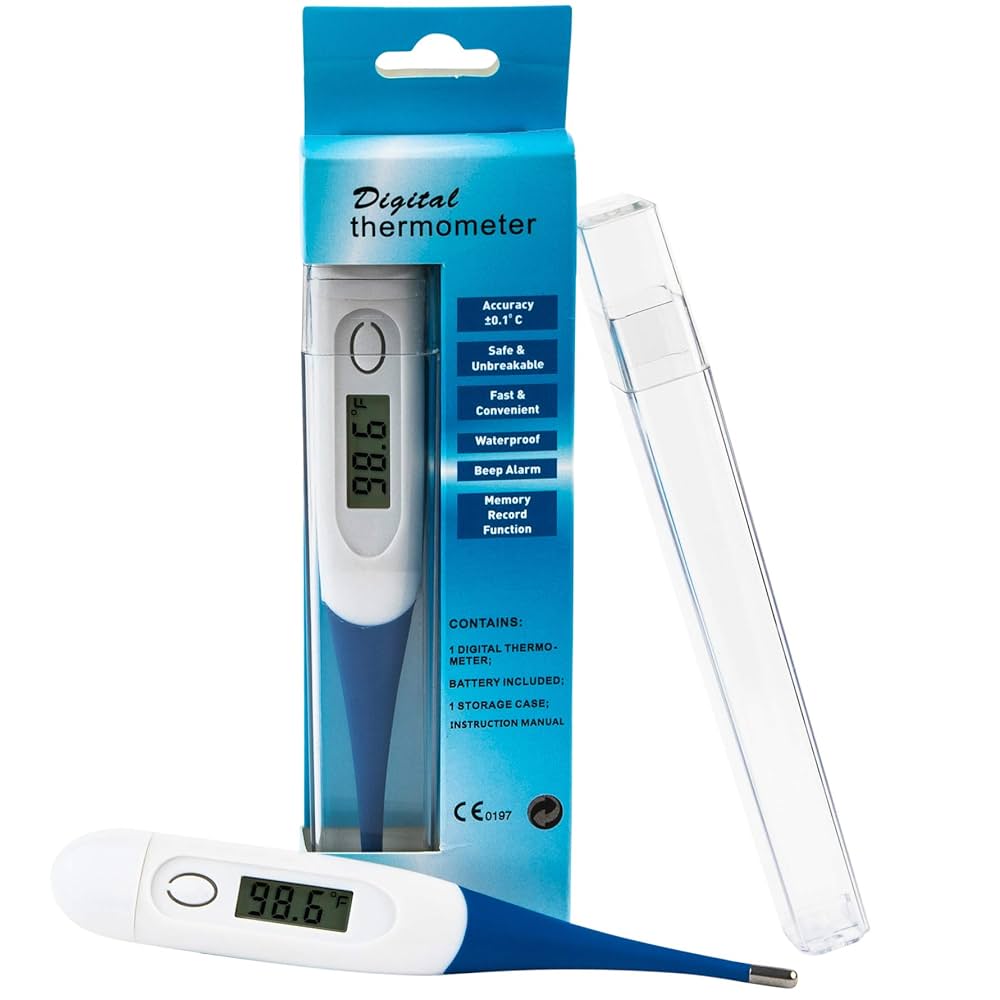
    Digital Pediatric Thermometer

    Temperature measurement in pediatric patients presents unique challenges that require specialized consideration. According to Cleveland Clinic research, the accuracy of temperature measurement is largely affected by a child’s ability to cooperate with the measurement process, making age-appropriate thermometer selection crucial for reliable results.

    Age-Specific Considerations

    Different age groups require different approaches to temperature measurement:

    • Infants (0-6 months): Require non-invasive or minimally invasive methods due to inability to cooperate
    • Toddlers (6 months-3 years): Need quick, comfortable measurement methods to minimize distress
    • School-age children (4+ years): Can cooperate with more traditional measurement methods
    • Adolescents: Can use adult-appropriate thermometers with proper instruction

    Clinical Significance

    Accurate temperature measurement is particularly critical in pediatric settings for several reasons:

    • Fever detection in immunocompromised children can be life-saving
    • Hypothermia identification in newborns requires precise measurement
    • Medication dosing often depends on accurate temperature readings
    • Treatment decisions are frequently based on fever presence and severity

    Digital Thermometers: The Foundation of Pediatric Temperature Measurement

    Professional Digital Thermometer

    Digital thermometers represent the most versatile and widely used category of temperature measurement devices in pediatric clinics. These electronic devices use thermistors or other temperature-sensitive sensors to provide quick, accurate readings.

    Standard Digital Thermometers

    Standard digital thermometers feature a small metal tip that can be used for multiple measurement sites, making them highly versatile for pediatric applications.

    Clinical Applications:

    • Oral temperature measurement for children aged 4 and older
    • Rectal temperature measurement for infants and young children (most accurate method)
    • Axillary (armpit) measurement for screening purposes across all age groups

    Advantages:

    • Cost-effective and reliable
    • Quick measurement time (10-60 seconds)
    • Easy to clean and maintain
    • Widely available and FDA-approved

    Limitations:

    • Requires patient cooperation for oral use
    • May cause discomfort with rectal measurement
    • Less accurate with axillary measurement

    Flexible-Tip Digital Thermometers

    Flexible Tip Thermometer

    Flexible-tip digital thermometers are specifically designed for pediatric use, featuring soft, bendable tips that provide enhanced comfort and safety for young patients.

    Key Features:

    • Soft, flexible probe tip reduces discomfort during rectal measurement
    • Quick measurement time (8-10 seconds typical)
    • Large, easy-to-read displays for healthcare providers
    • Fever alert indicators with color-coded or audible warnings

    Clinical Benefits:

    • Reduced patient anxiety and discomfort
    • Improved safety for rectal temperature measurement
    • Enhanced cooperation from pediatric patients
    • Reliable accuracy across multiple measurement sites

    Infrared Thermometers: Non-Contact Temperature Measurement
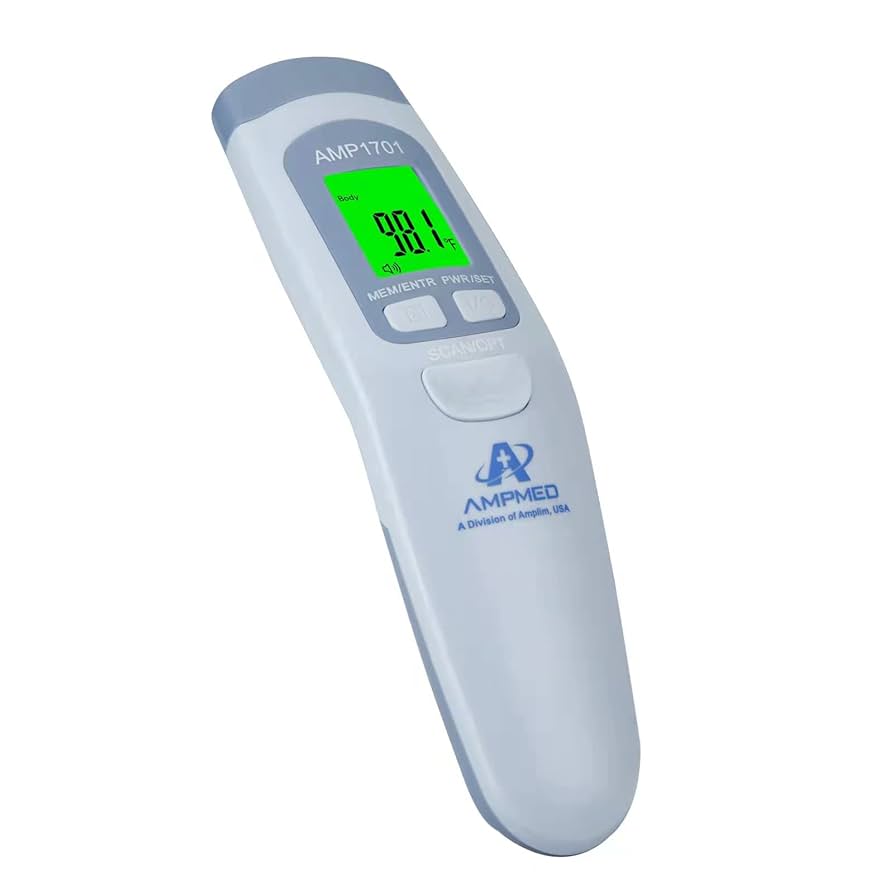
    Infrared Forehead Thermometer

    Infrared thermometers have revolutionized pediatric temperature measurement by providing fast, non-contact options that are particularly valuable in clinic settings where speed and infection control are priorities.

    Forehead (Temporal Artery) Thermometers

    Temporal artery thermometers use infrared technology to measure heat emitted from the temporal artery, which runs across the forehead just beneath the skin surface.

    Professional Forehead Thermometer

    Clinical Advantages:

    • Non-invasive measurement eliminates patient discomfort
    • Rapid results (1-3 seconds typical measurement time)
    • No risk of cross-contamination between patients
    • Suitable for all age groups including newborns

    Best Practices for Use:

    • Ensure forehead is clean and dry before measurement
    • Remove hats or headbands that might affect accuracy
    • Allow device to acclimate to room temperature
    • Take measurements away from direct sunlight or heat sources

    Professional-Grade Infrared Thermometers

    Medical Grade Infrared Thermometer

    Professional-grade infrared thermometers designed for clinical use offer enhanced accuracy and durability compared to consumer models.

    Advanced Features:

    • Medical-grade sensors for enhanced accuracy
    • Memory storage for tracking temperature trends
    • Adjustable distance measurement for optimal positioning
    • Calibration capabilities for maintaining accuracy over time

    Clinical Applications:

    • High-volume pediatric clinics requiring rapid patient throughput
    • Emergency departments with time-critical assessments
    • Infection control environments requiring minimal contact

    Ear (Tympanic) Thermometers: Proven Accuracy for Pediatric Use

    Tympanic Ear Thermometer

    Ear thermometers use infrared technology to measure the temperature of the tympanic membrane, which receives blood supply from the same arteries that supply the hypothalamus, providing an accurate reflection of core body temperature.

    Clinical Evidence and Accuracy

    Research published in PMC medical journals indicates that tympanic thermometers provide accurate core temperature measurements that correlate closely with pulmonary artery temperatures, even during rapid temperature changes.

    Age-Specific Recommendations:

    • 6 months and older: Optimal accuracy and ease of use
    • Under 6 months: May be less reliable due to small ear canal size
    • Adults and older children: Excellent accuracy and patient acceptance

    Professional Tympanic Thermometers

    Professional Ear Thermometer

    Professional-grade tympanic thermometers offer enhanced features specifically designed for clinical environments.

    Advanced Capabilities:

    • Pre-warmed tips for patient comfort and accuracy
    • ExacTemp technology ensures proper positioning
    • Professional accuracy within ±0.2°C of core temperature
    • Disposable probe covers for infection control

    Clinical Benefits:

    • Fast measurement (1-2 seconds)
    • High patient acceptance across age groups
    • Reliable accuracy when properly positioned
    • Reduced risk of cross-contamination

    Temporal Artery Thermometers: The Gold Standard for Non-Invasive Measurement
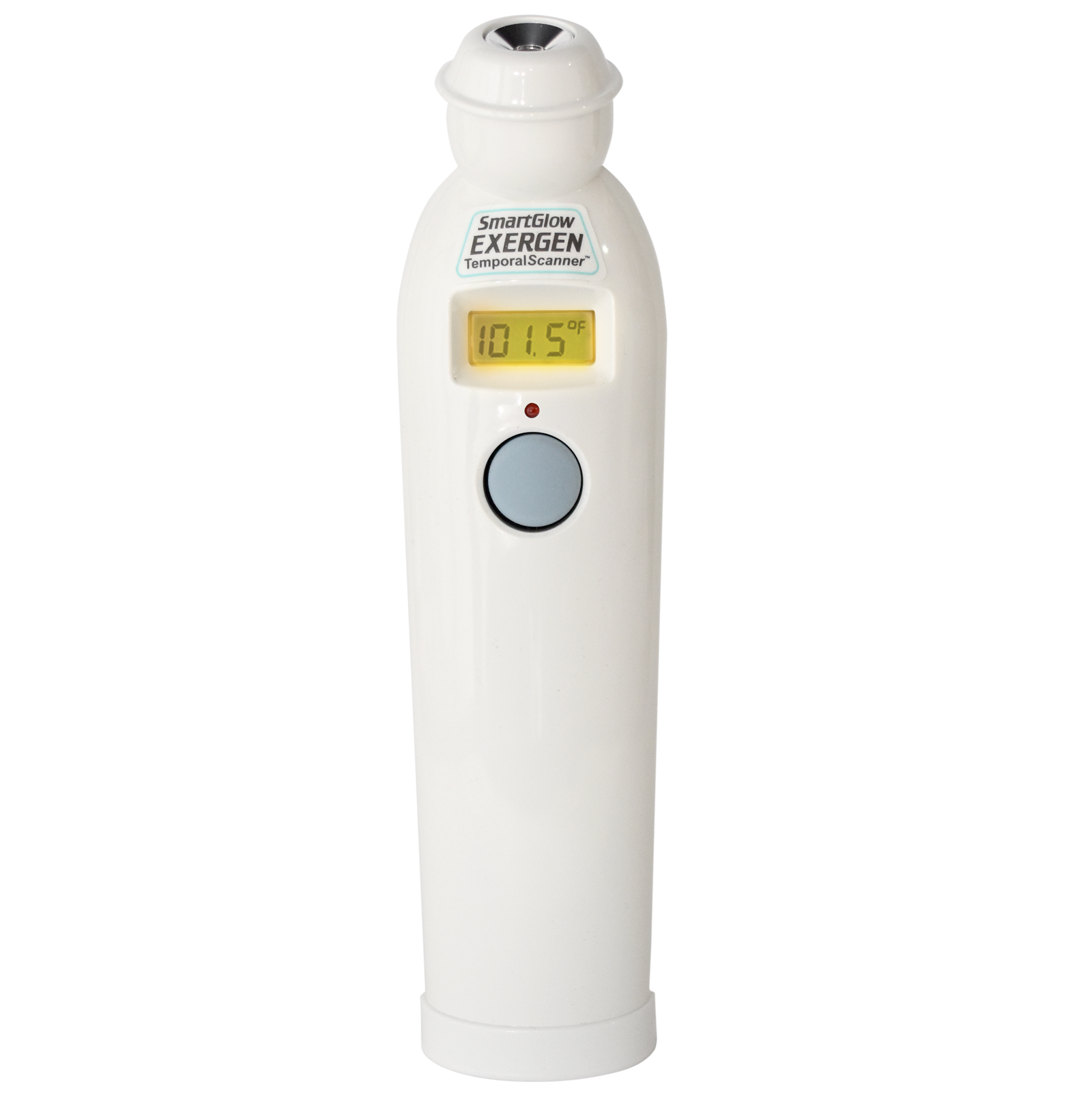
    Temporal Artery Thermometer

    Temporal artery thermometers represent advanced infrared technology specifically designed to measure the temperature of the temporal artery, providing highly accurate core temperature readings.

    Professional Temporal Artery Systems

    Professional Temporal Scanner

    Professional temporal artery thermometers like the Exergen TemporalScanner series are widely used in top pediatric hospitals across the United States.

    Clinical Advantages:

    • Arterial heat balance technology for enhanced accuracy
    • Gentle forehead scanning motion for patient comfort
    • Age-neutral performance from newborns to adults
    • Clinical validation through extensive peer-reviewed research

    Operational Benefits:

    • Reduces nursing time compared to traditional methods
    • Eliminates need for probe covers
    • Provides consistent accuracy across operators
    • Suitable for high-volume clinical environments

    Specialized Pediatric Thermometer Features
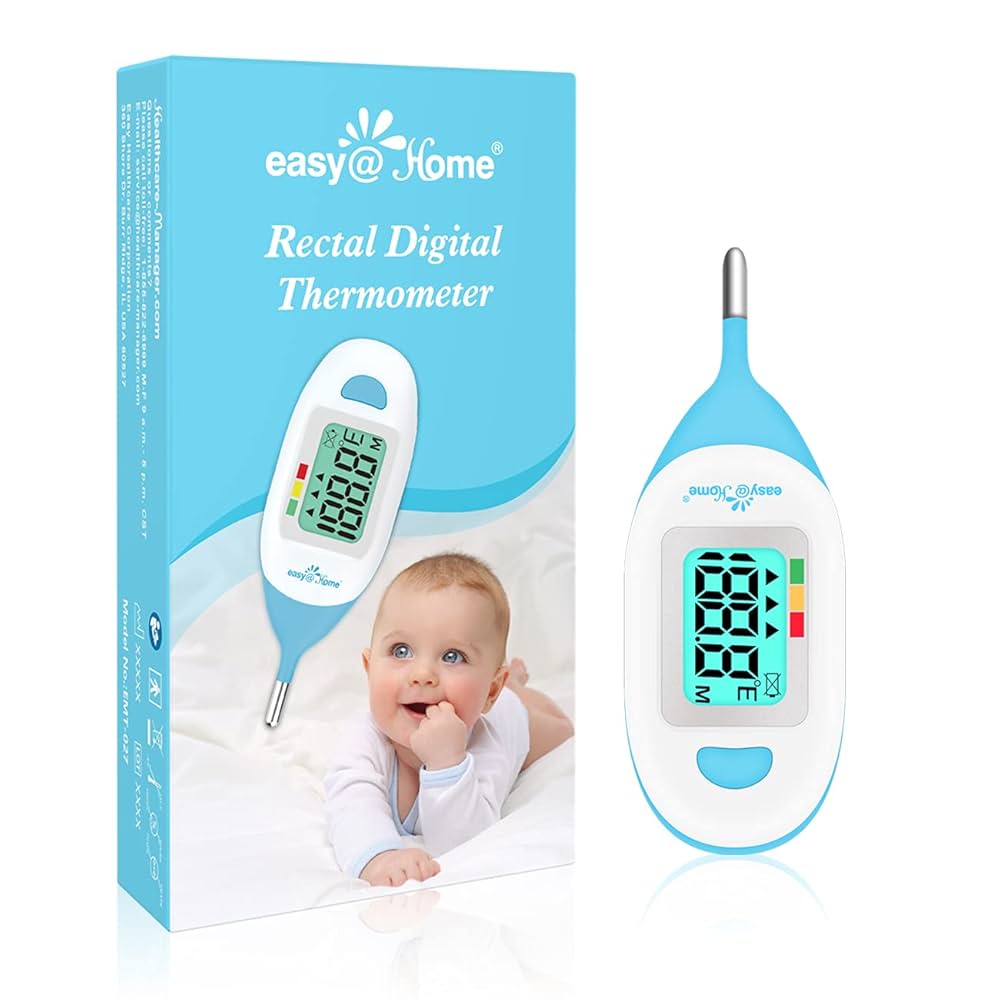
    Baby-Specific Thermometer

    Modern pediatric thermometers incorporate specialized features designed to address the unique challenges of measuring temperature in children.

    Age-Appropriate Design Elements

    Infant-Specific Features:

    • Short, stubby probes designed for small anatomy
    • Flexible tips for safety and comfort
    • Quick measurement times to minimize distress
    • Large display screens for easy reading in low light

    Toddler-Friendly Features:

    • Colorful, engaging designs to reduce anxiety
    • Fun sounds or lights to distract during measurement
    • Durable construction to withstand drops and impacts
    • Easy-grip handles for secure operation

    Smart Technology Integration

    Smart Thermometer Features

    Modern pediatric thermometers increasingly incorporate smart technology features:

    Connected Health Features:

    • Smartphone app integration for temperature tracking
    • Cloud-based data storage for long-term monitoring
    • Alert systems for fever notifications
    • Multi-user profiles for family or clinic use

    Clinical Documentation:

    • Electronic health record integration for seamless documentation
    • Automatic time and date stamping for accurate records
    • Trend analysis capabilities for pattern recognition
    • Export functions for sharing with healthcare providers

    Comparative Analysis: Accuracy by Age Group and Method
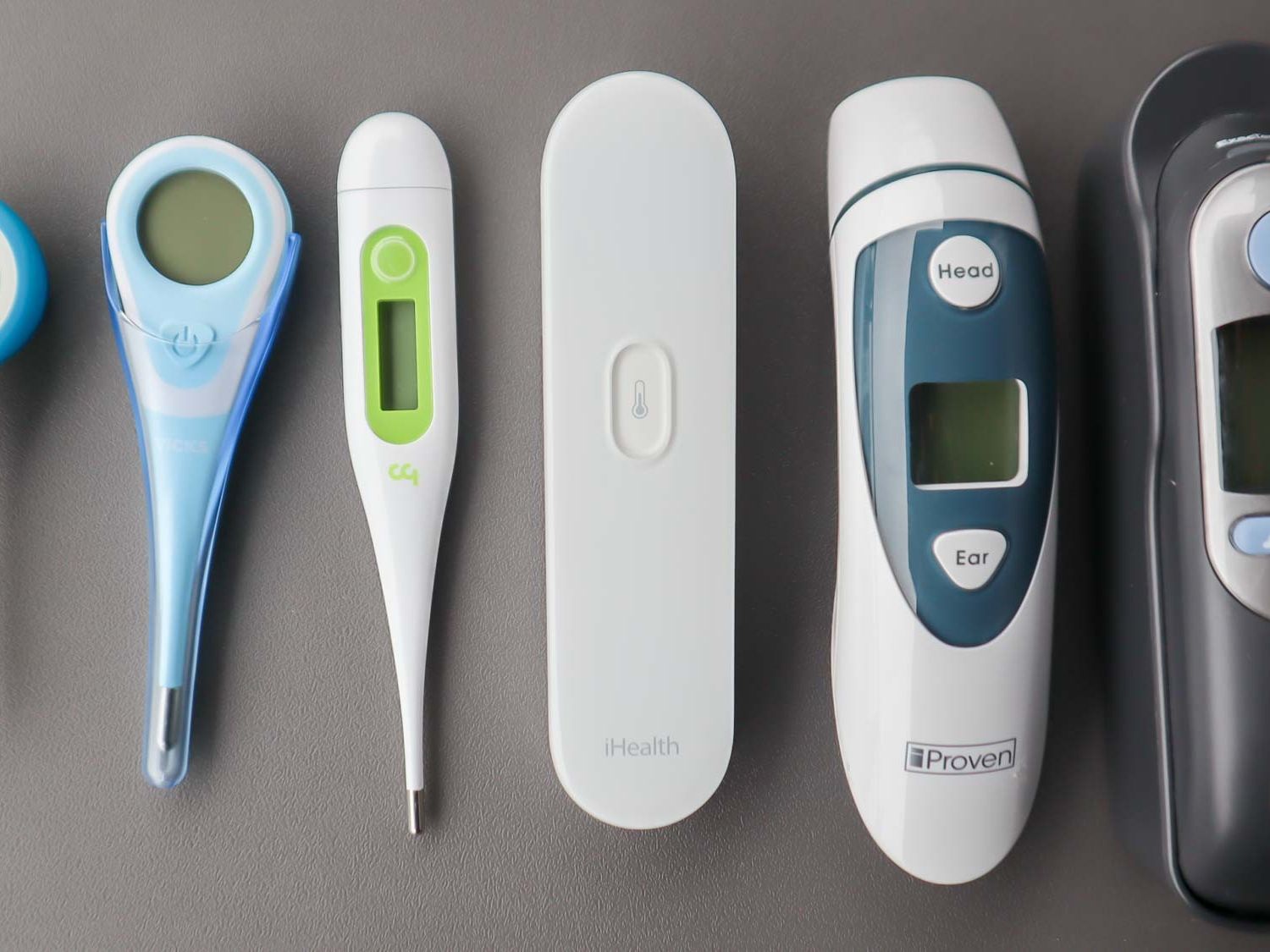
    Thermometer Comparison

    Understanding the relative accuracy of different thermometer types across pediatric age groups is essential for making informed clinical decisions.

    Age-Specific Accuracy Recommendations

    Infants (0-3 months):

    • Most Accurate: Rectal digital thermometer
    • Alternative: Temporal artery thermometer (validated models)
    • Screening Only: Axillary digital thermometer

    Toddlers (3 months-3 years):

    • Most Accurate: Rectal digital thermometer
    • Highly Accurate: Temporal artery thermometer
    • Good Accuracy: Tympanic thermometer (6+ months)

    Children (4+ years):

    • Most Accurate: Oral digital thermometer
    • Highly Accurate: Temporal artery thermometer
    • Good Accuracy: Tympanic thermometer

    Clinical Accuracy Standards

    Fever Thresholds by Method:

    • Rectal: ≥38.0°C (100.4°F)
    • Oral: ≥37.6°C (99.7°F)
    • Temporal Artery: ≥37.6°C (99.7°F)
    • Tympanic: ≥37.6°C (99.7°F)
    • Axillary: ≥37.4°C (99.3°F)

    Infection Control and Safety Considerations

    Thermometer Hygiene

    Infection control is paramount in pediatric clinics, making thermometer selection and maintenance critical for patient safety.

    Disposable vs. Reusable Components

    Disposable Elements:

    • Probe covers for tympanic thermometers
    • Single-use thermometers for high-risk patients
    • Disposable sheaths for digital thermometers

    Cleaning and Disinfection Protocols:

    • Alcohol-based disinfectants for surface cleaning
    • UV sanitization systems for advanced disinfection
    • Dedicated thermometers for isolation patients
    • Regular calibration checks to maintain accuracy

    Safety Features

    Child Safety Elements:

    • Flexible tips to prevent injury
    • Auto-shutoff functions to prevent overheating
    • Non-toxic materials for all patient-contact surfaces
    • Rounded edges to prevent cuts or scratches

    Cost-Effectiveness Analysis for Pediatric Clinics
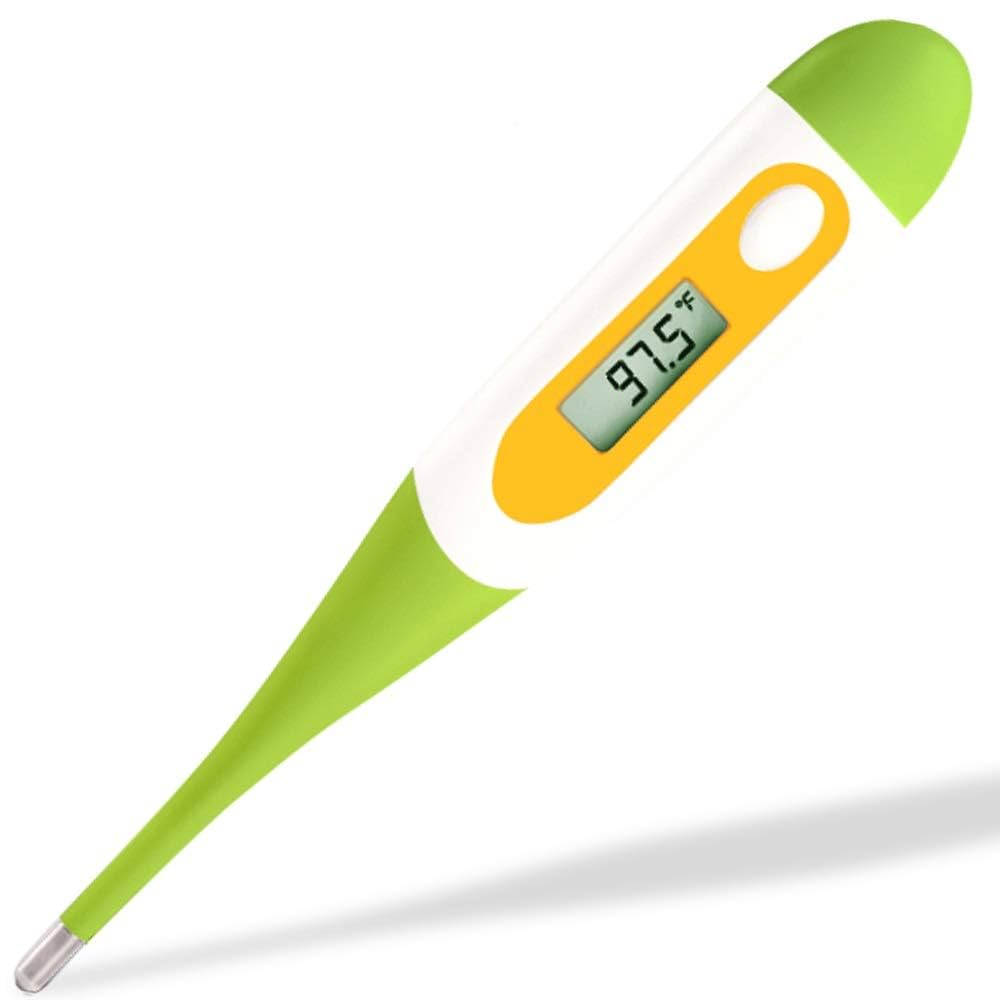
    Cost-Effective Solutions

    Selecting appropriate thermometers for pediatric clinics requires balancing accuracy, functionality, and cost-effectiveness.

    Initial Investment Considerations

    Budget Categories:

    • Basic Digital Thermometers: $10-25 per unit
    • Infrared Forehead Thermometers: $30-100 per unit
    • Professional Tympanic Thermometers: $100-300 per unit
    • Temporal Artery Systems: $200-500 per unit

    Long-term Cost Analysis:

    • Disposable supplies (probe covers, batteries)
    • Maintenance and calibration requirements
    • Replacement schedules based on usage volume
    • Staff training and efficiency gains

    Return on Investment Factors

    Efficiency Gains:

    • Reduced measurement time increases patient throughput
    • Improved accuracy reduces repeat measurements
    • Enhanced patient satisfaction through comfort and speed
    • Decreased infection risk with non-contact methods

    Best Practices for Thermometer Selection in Pediatric Clinics
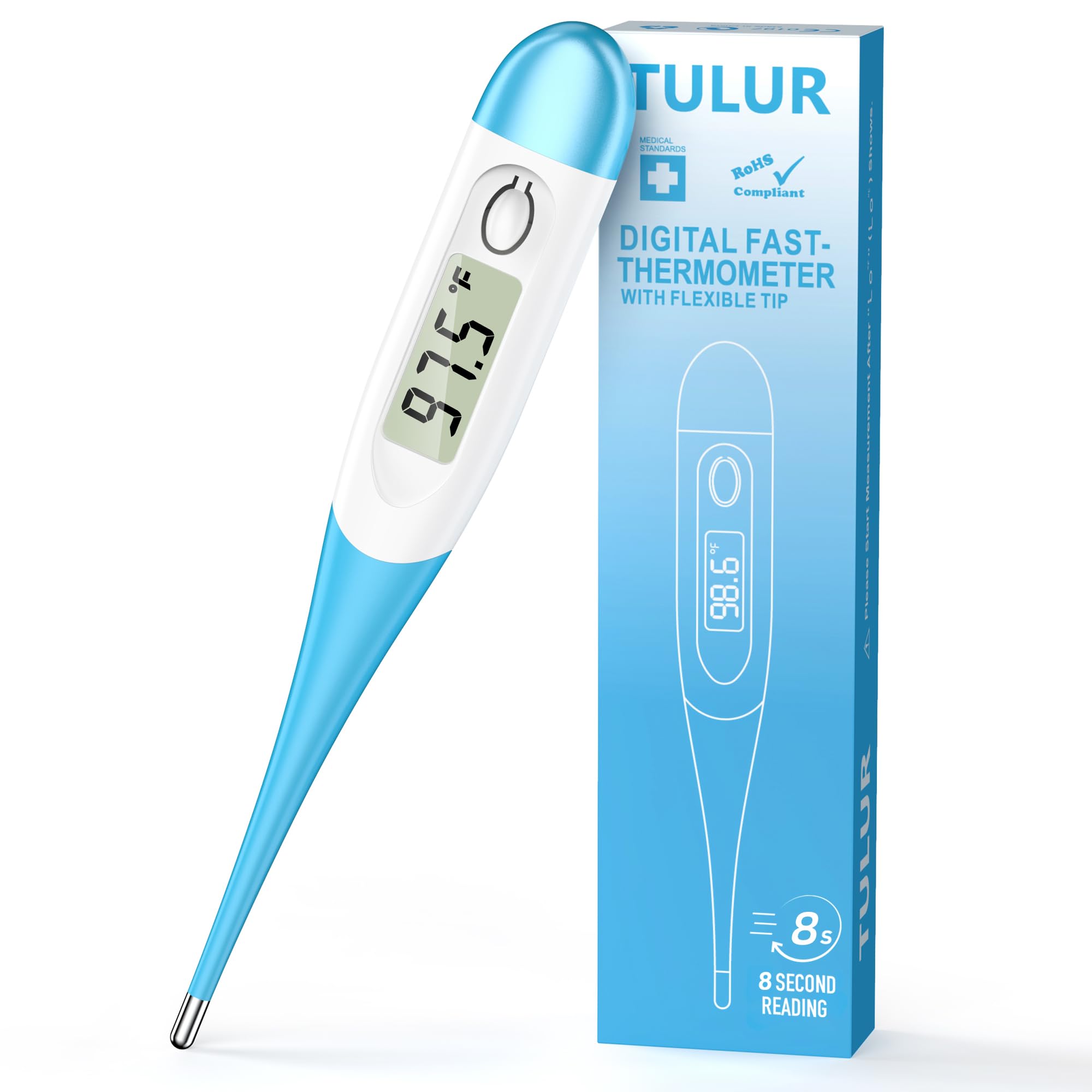
    Best Practice Implementation

    Implementing an effective temperature measurement program requires strategic planning and systematic approach.

    Selection Criteria Framework

    Primary Considerations:

    1. Patient population demographics (age distribution)
    2. Clinical volume and throughput requirements
    3. Accuracy standards for specific patient conditions
    4. Budget constraints for initial and ongoing costs
    5. Staff training and competency requirements

    Secondary Factors:

    • Manufacturer reputation and clinical validation
    • Technical support and warranty coverage
    • Integration capabilities with existing systems
    • Regulatory compliance and FDA clearance

    Implementation Strategy

    Phase 1: Assessment and Planning

    • Current state analysis of existing equipment
    • Staff surveys on preferences and challenges
    • Patient feedback on comfort and experience
    • Clinical outcome review for accuracy assessment

    Phase 2: Pilot Testing

    • Limited deployment of candidate thermometers
    • Comparative accuracy studies against reference standards
    • Staff training and competency assessment
    • Patient satisfaction evaluation

    Phase 3: Full Implementation

    • Gradual rollout across clinic departments
    • Comprehensive staff training programs
    • Quality assurance monitoring
    • Continuous improvement based on feedback

    Training and Competency Requirements

    Ensuring accurate temperature measurement requires comprehensive training programs for clinical staff.

    Core Competencies

    Technical Skills:

    • Proper thermometer positioning for each device type
    • Patient preparation techniques for optimal accuracy
    • Troubleshooting common measurement issues
    • Maintenance and calibration procedures

    Clinical Judgment:

    • Age-appropriate method selection based on patient condition
    • Result interpretation and clinical correlation
    • When to repeat measurements for verification
    • Documentation requirements and standards

    Ongoing Education

    Regular Training Updates:

    • New technology introductions and updates
    • Best practice refinements based on clinical evidence
    • Competency assessments and skill validation
    • Quality improvement initiatives and feedback

    Future Trends in Pediatric Thermometry

    The field of pediatric temperature measurement continues to evolve with advancing technology and clinical research.

    Emerging Technologies

    Advanced Sensor Technology:

    • Multi-sensor arrays for enhanced accuracy
    • AI-powered measurement optimization
    • Continuous monitoring capabilities
    • Wireless connectivity for seamless data integration

    Patient Experience Enhancements:

    • Gamification elements to reduce anxiety
    • Virtual reality distractions during measurement
    • Voice-guided instructions for older children
    • Personalized measurement protocols based on patient history

    Clinical Research Developments

    Ongoing Studies:

    • Comparative accuracy across diverse populations
    • Age-specific calibration improvements
    • Environmental factor impact assessments
    • Long-term outcome correlations

    Conclusion: Optimizing Temperature Measurement in Pediatric Care
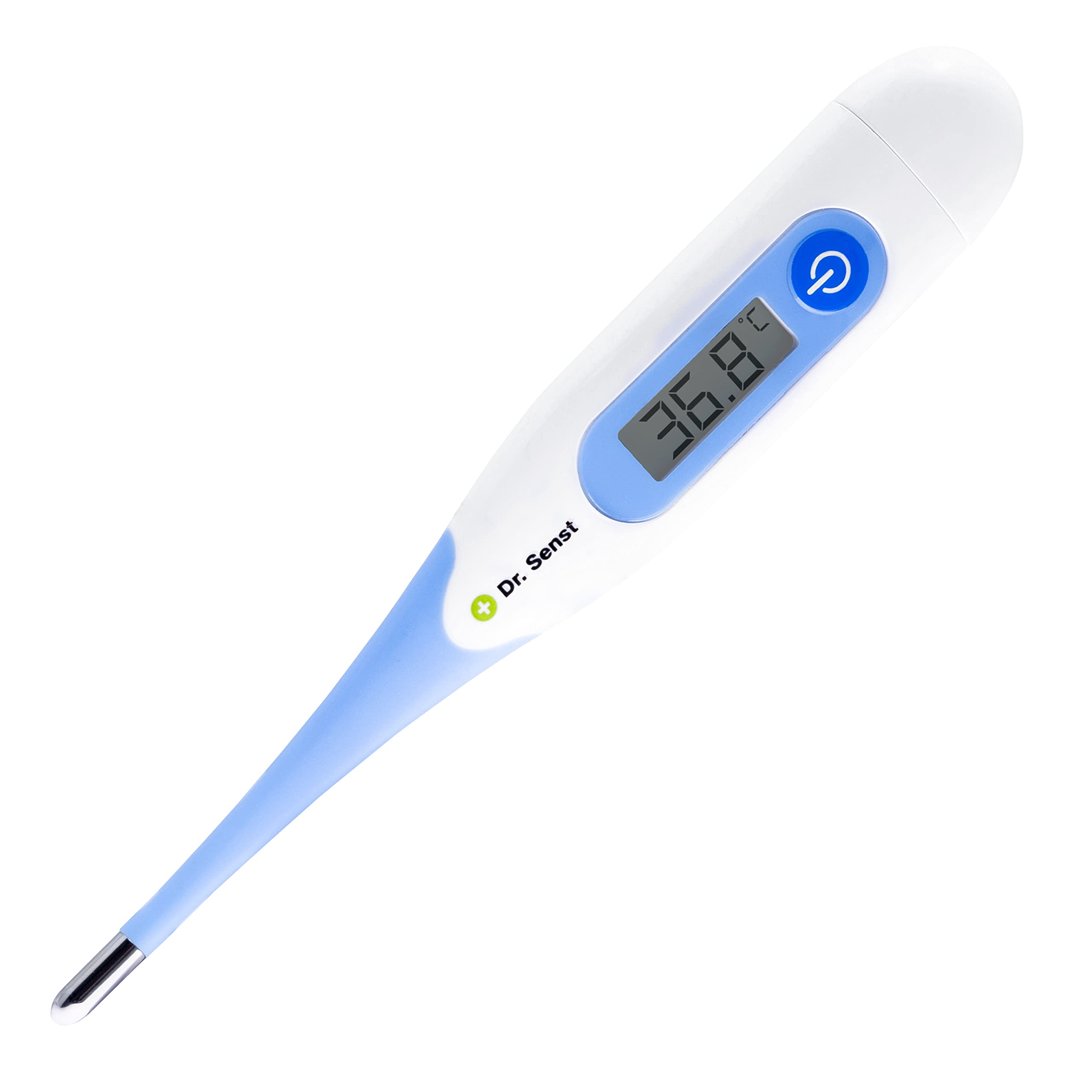
    Optimal Pediatric Care

    Selecting the best thermometers for pediatric clinics requires careful consideration of multiple factors including patient age demographics, clinical requirements, accuracy standards, and cost-effectiveness. The evidence clearly demonstrates that different thermometer types excel in specific pediatric applications:

    For Infants (0-6 months): Rectal digital thermometers remain the gold standard for accuracy, with temporal artery thermometers providing an excellent non-invasive alternative for routine screening.

    For Toddlers (6 months-3 years): Temporal artery and tympanic thermometers offer the best balance of accuracy, speed, and patient comfort, making them ideal for this challenging age group.

    For Children (4+ years): Oral digital thermometers provide excellent accuracy when cooperation is possible, with temporal artery thermometers serving as versatile alternatives for all situations.

    For High-Volume Clinics: Non-contact infrared thermometers optimize workflow efficiency while maintaining clinical accuracy, making them particularly valuable in busy pediatric practices.

    The investment in appropriate pediatric thermometry equipment pays dividends through improved patient satisfaction, enhanced clinical accuracy, and increased operational efficiency. By carefully selecting age-appropriate thermometers and implementing comprehensive training programs, pediatric clinics can ensure they are providing the highest quality temperature measurement services to their young patients.

    As technology continues to advance, the future of pediatric thermometry promises even greater accuracy, enhanced patient comfort, and seamless integration with electronic health records. Healthcare providers who stay current with these developments and maintain evidence-based selection criteria will be best positioned to deliver optimal pediatric care while maximizing their investment in temperature measurement technology.

    The key to success lies in understanding that pediatric thermometry is not a one-size-fits-all solution, but rather requires a thoughtful, age-appropriate approach that prioritizes both clinical accuracy and patient comfort. By following the guidelines and recommendations outlined in this comprehensive guide, pediatric clinics can make informed decisions that benefit both their patients and their practice operations.

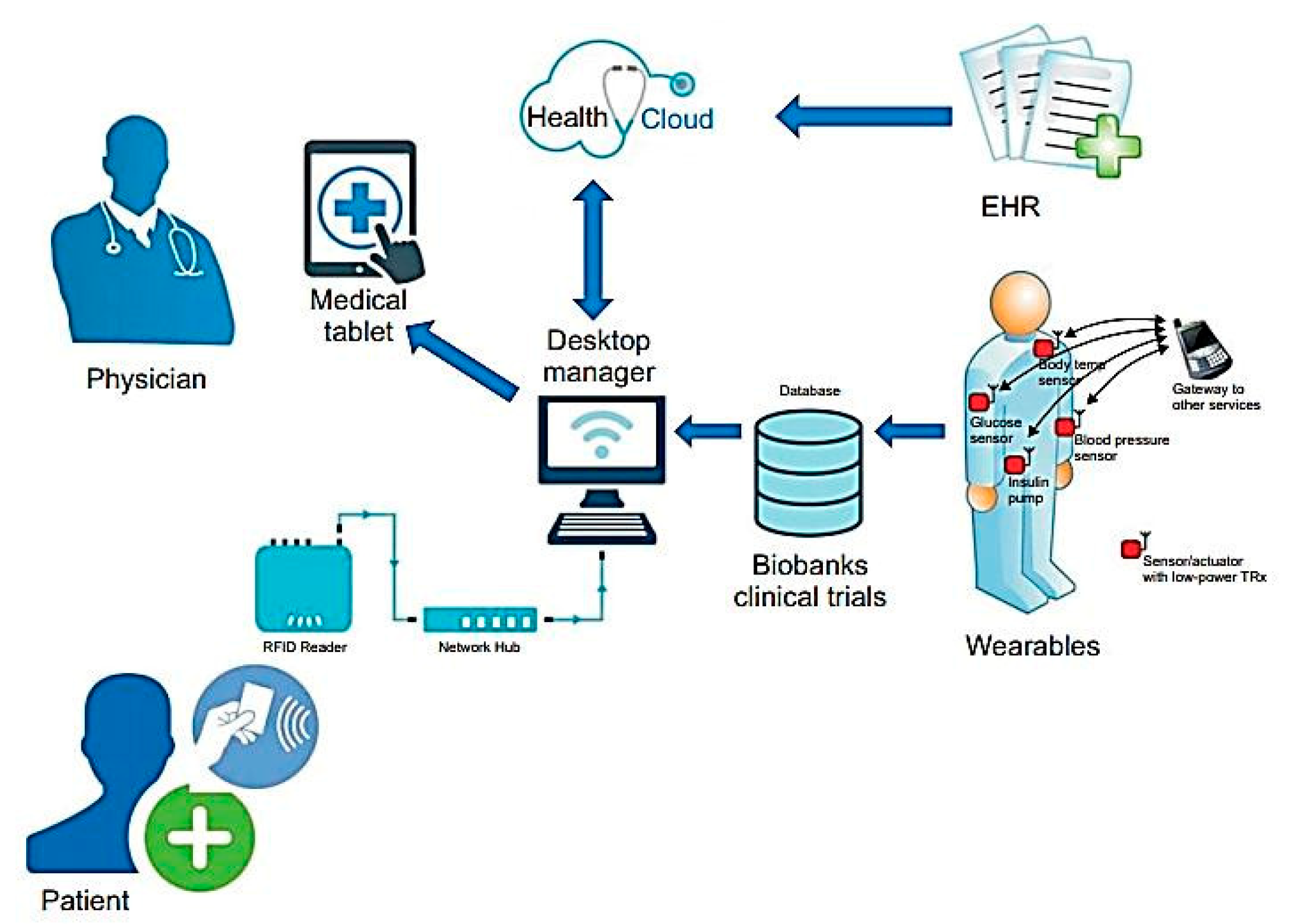
    MEDICAL CLOUD AI IN USA

    RESULTS OF YOUR AUTOCLAVE ON YOUR MOBILE

  • HOW TO PROTECT PATIENT DATA IN CONNECTED DEVICES

    HOW TO PROTECT PATIENT DATA IN CONNECTED DEVICES: A COMPREHENSIVE GUIDE TO MEDICAL DEVICE DATA PRIVACY AND SECURITY

    Healthcare Cybersecurity Overview

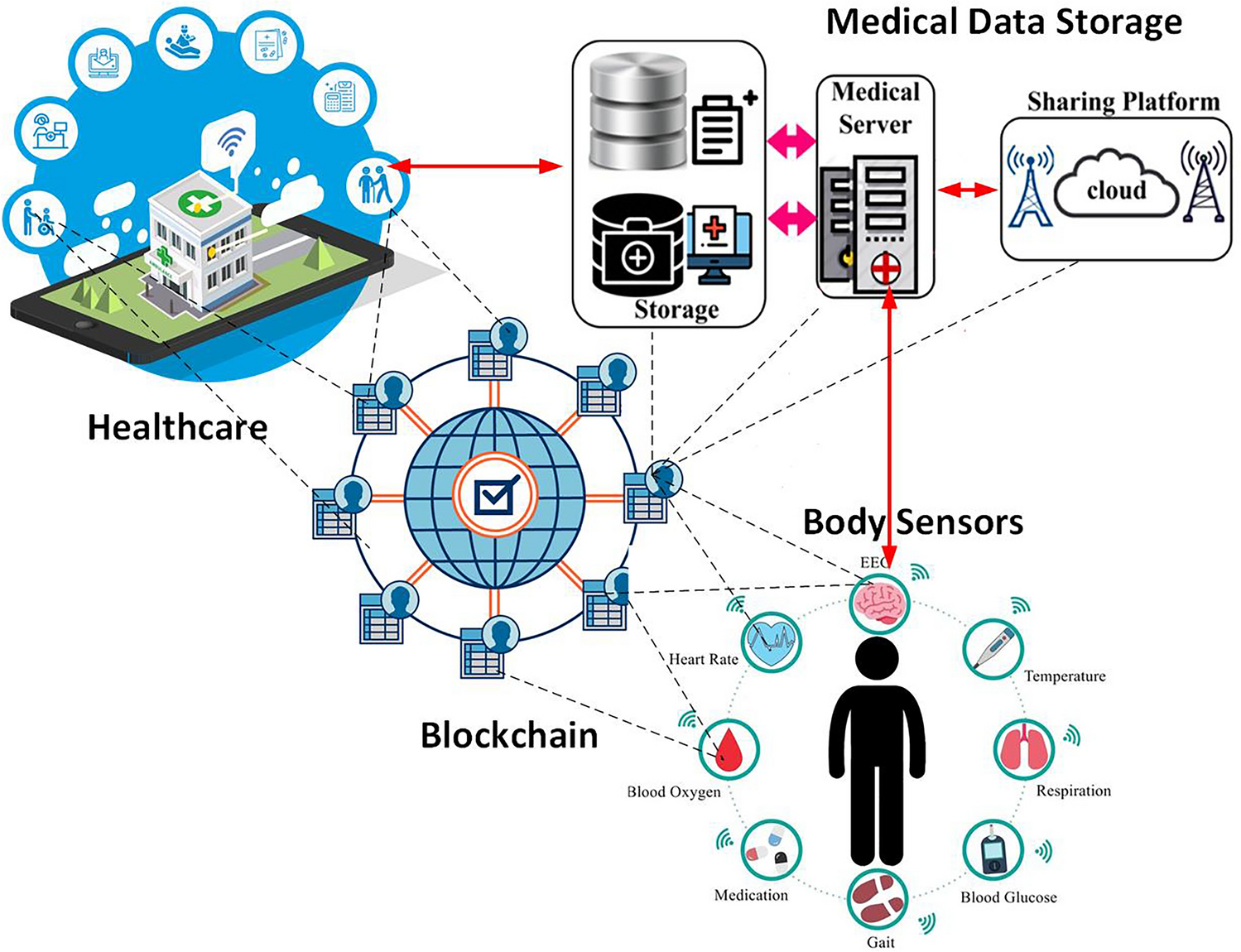
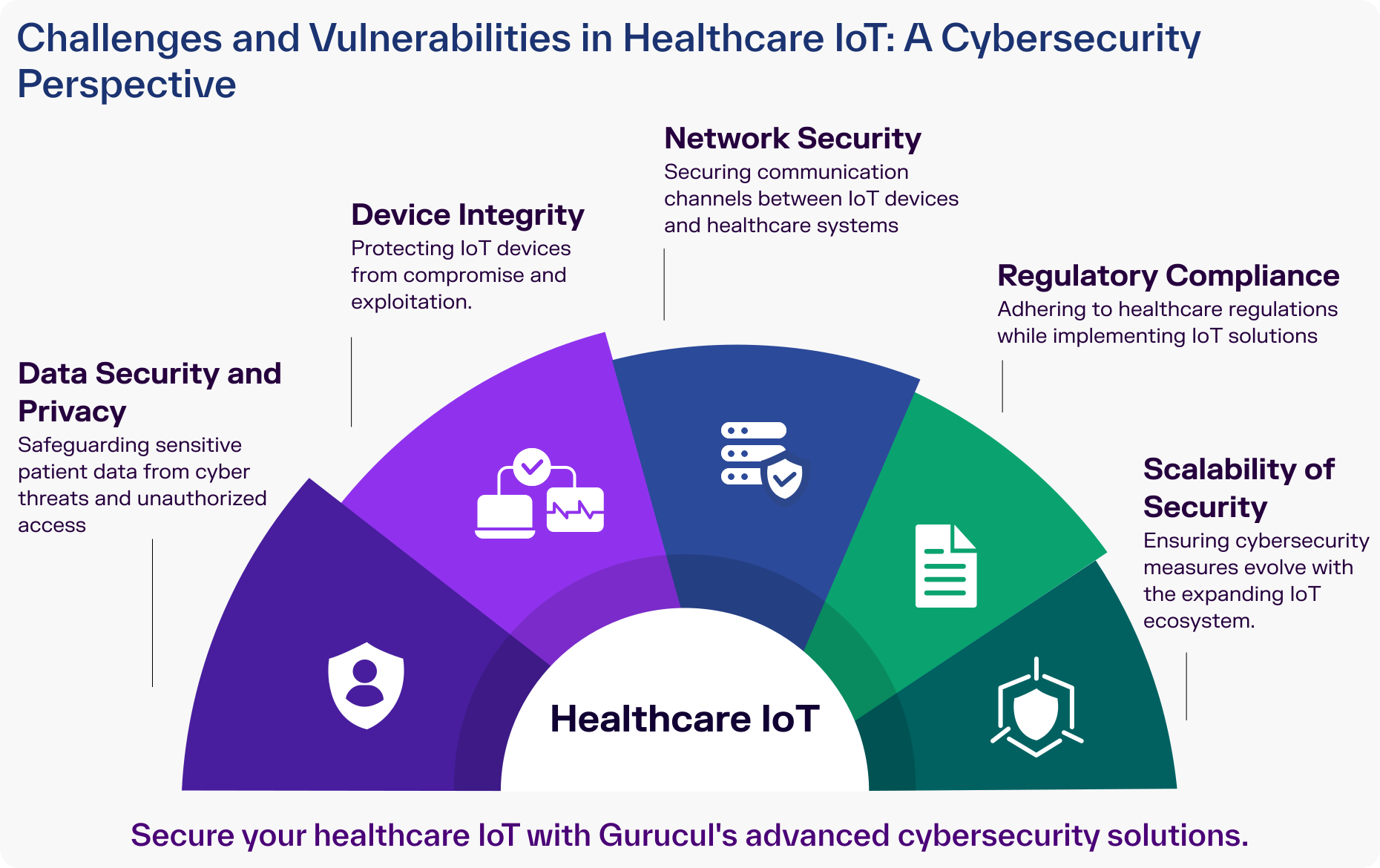
    The rapid evolution of connected medical devices has revolutionized healthcare delivery, enabling real-time patient monitoring, personalized treatment plans, and seamless data integration across healthcare systems. However, this digital transformation brings unprecedented cybersecurity challenges that threaten patient privacy and data security. As healthcare organizations increasingly rely on Internet of Things (IoT) medical devices, protecting sensitive patient information has become a critical priority that demands comprehensive security strategies and robust compliance frameworks.

    The Connected Healthcare Landscape: Opportunities and Vulnerabilities

    IoT Healthcare Ecosystem

    The healthcare IoT ecosystem encompasses a vast network of interconnected devices, from wearable fitness trackers and glucose monitors to sophisticated implantable cardiac devices and hospital-grade monitoring systems. According to recent cybersecurity research, these devices often collect, store, and transmit protected health information (PHI) across mobile applications, cloud platforms, and provider systems, creating complex security challenges that extend far beyond traditional IT infrastructure.

    The Scale of Connected Medical Device Adoption

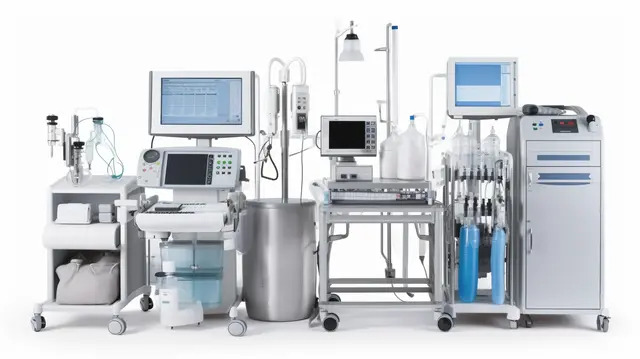
    The proliferation of connected medical devices has created an expansive attack surface that cybercriminals increasingly target. Modern healthcare facilities typically deploy hundreds of connected devices, each representing a potential entry point for malicious actors. These devices range from:

    • Patient Monitoring Systems: Continuous vital sign monitors, cardiac telemetry units, and respiratory monitoring devices
    • Therapeutic Devices: Smart insulin pumps, connected pacemakers, and automated medication dispensers
    • Diagnostic Equipment: Portable ultrasound machines, connected X-ray systems, and point-of-care testing devices
    • Wearable Health Technology: Fitness trackers, smartwatches, and continuous glucose monitors

    Data Flow Complexity

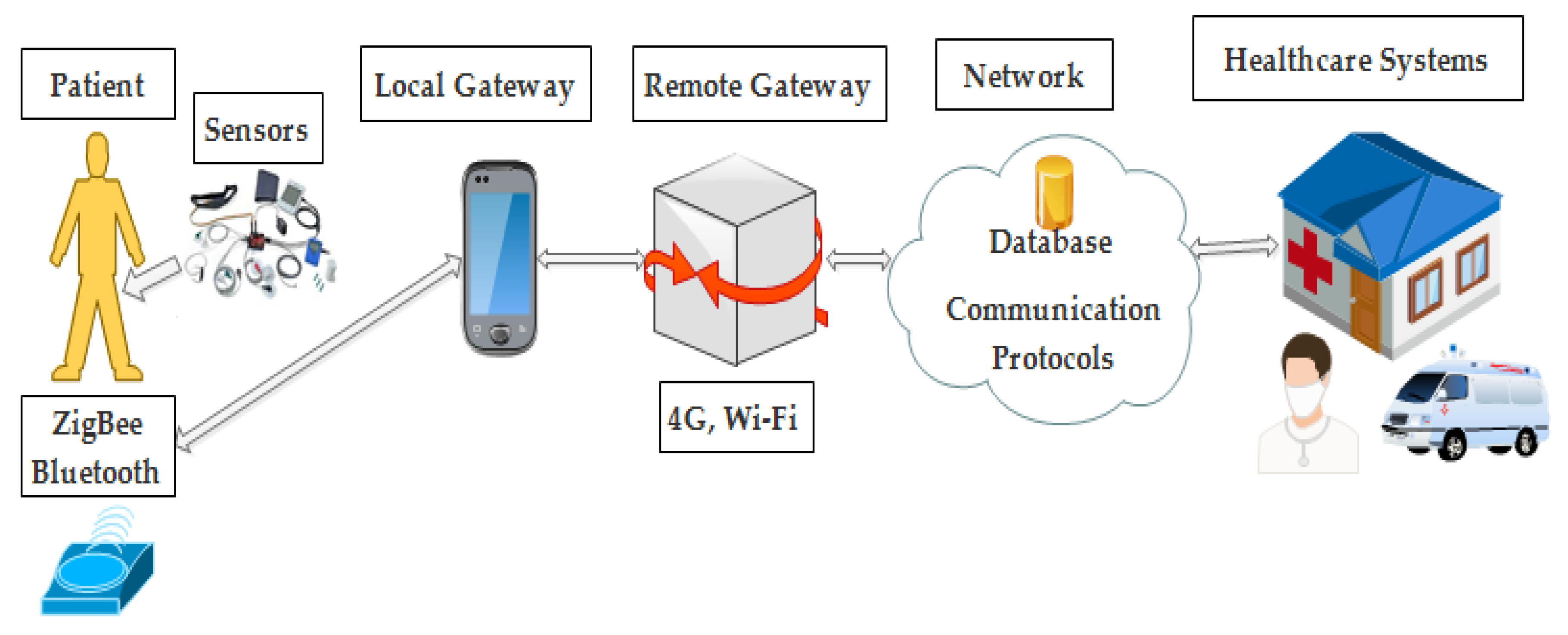
    Connected Medical Device Architecture

    Connected medical devices create complex data ecosystems where patient information flows through multiple touchpoints. A single glucose reading from a continuous monitor might travel through:

    1. Device sensors collecting physiological data
    2. Bluetooth Low Energy (BLE) transmission to mobile applications
    3. Mobile applications processing and displaying information
    4. Cloud storage platforms maintaining historical data
    5. Electronic Health Record (EHR) systems integrating with clinical workflows
    6. Healthcare provider networks enabling clinical decision-making

    Each connection point represents a potential vulnerability that must be secured through comprehensive cybersecurity measures.

    Major Cybersecurity Threats in Connected Healthcare

    Medical Device Security Threats

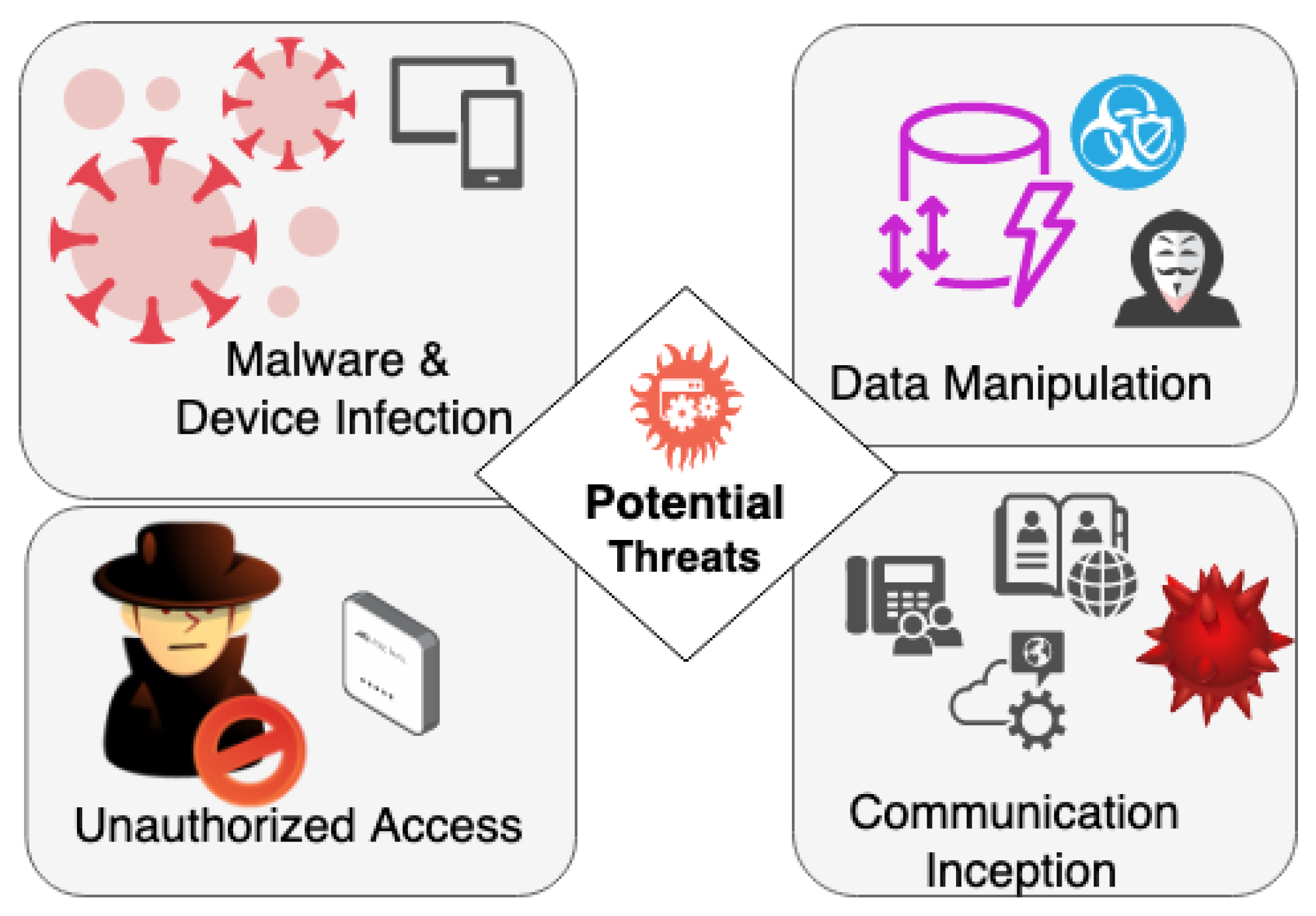
    Understanding the threat landscape is essential for developing effective protection strategies. Healthcare cybersecurity faces unique challenges due to the life-critical nature of medical devices and the sensitive nature of patient data.

    Man-in-the-Middle (MITM) Attacks

    One of the most prevalent threats to connected medical devices involves intercepting communications between devices and their paired applications or cloud backends. MITM attacks typically target:

    • Unsecured Bluetooth connections between devices and mobile applications
    • Wi-Fi communications in healthcare facilities with inadequate network security
    • API communications between applications and cloud services
    • Firmware update processes that lack proper encryption and authentication

    Ransomware and Healthcare Network Infiltration

    Healthcare Ransomware Protection

    Ransomware attacks pose significant threats to healthcare operations, particularly when attackers gain access through poorly secured IoT devices. Recent security research reveals that 39% of nurse call systems had unpatched critical vulnerabilities, while 48% had other security issues that could facilitate network infiltration.

    Firmware and Software Exploitation

    Connected medical devices often contain vulnerabilities in their firmware or software that can be exploited for:

    • Remote code execution enabling unauthorized device control
    • Data exfiltration compromising patient privacy
    • Device manipulation potentially affecting patient safety
    • Network lateral movement spreading attacks across healthcare systems

    Insider Threats and Access Control Failures

    Not all cybersecurity threats originate from external sources. Internal risks include:

    • Privileged user account abuse by healthcare staff with excessive system access
    • Misconfigured access controls allowing unauthorized data access
    • Social engineering attacks targeting healthcare personnel
    • Physical device tampering in unsecured healthcare environments

    Regulatory Compliance Framework

    HIPAA Compliance Healthcare

    Protecting patient data in connected medical devices requires adherence to comprehensive regulatory frameworks designed to ensure both patient safety and data privacy.

    FDA Cybersecurity Requirements

    The U.S. Food and Drug Administration (FDA) has established stringent cybersecurity requirements for medical device manufacturers that must be integrated throughout the product lifecycle.

    Pre-Market Security Requirements

    FDA cybersecurity guidelines mandate that manufacturers demonstrate comprehensive security planning before market approval:

    • Threat Modeling and Risk Assessment: Systematic identification of potential cybersecurity risks and vulnerabilities
    • Secure Software Design: Implementation of security controls throughout the software development lifecycle
    • Trust Boundary Documentation: Clear definition of security perimeters and data flow controls
    • Cybersecurity Labeling: Comprehensive documentation for users and IT professionals regarding security features and requirements

    Post-Market Surveillance Obligations

    Following device deployment, manufacturers must maintain ongoing cybersecurity vigilance:

    • Vulnerability Management Programs: Systematic processes for identifying, assessing, and addressing security vulnerabilities
    • Coordinated Disclosure Policies: Formal procedures for receiving and responding to security vulnerability reports
    • Software Update Mechanisms: Secure processes for distributing security patches and firmware updates
    • Incident Response Capabilities: Comprehensive plans for responding to cybersecurity incidents

    HIPAA Compliance for Connected Devices

    HIPAA Encryption Requirements

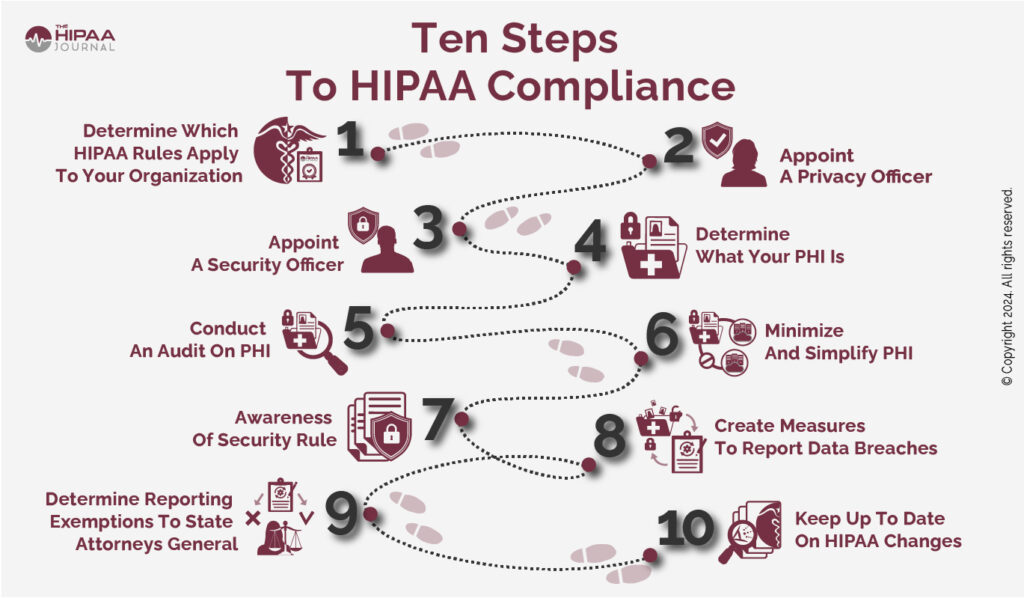
    The Health Insurance Portability and Accountability Act (HIPAA) establishes critical privacy and security requirements for protecting patient health information in connected medical devices.

    Protected Health Information (PHI) Safeguards

    HIPAA requires comprehensive protection for electronically stored and transmitted PHI:

    • Administrative Safeguards: Policies and procedures governing workforce access to PHI
    • Physical Safeguards: Controls protecting physical access to systems and workstations
    • Technical Safeguards: Technology-based protections for electronic PHI access and transmission

    Business Associate Agreements

    Healthcare organizations must establish formal agreements with technology vendors handling PHI, ensuring:

    • Contractual security obligations for all parties handling patient data
    • Incident notification requirements for potential data breaches
    • Data handling and disposal procedures protecting PHI throughout its lifecycle

    International Standards and Frameworks

    Healthcare Security Standards

    Global medical device cybersecurity relies on internationally recognized standards:

    • IEC 62304: Software lifecycle processes for medical device software
    • ISO 27001: Information security management systems requirements
    • IEC 81001-5-1: Health software and health IT systems cybersecurity requirements
    • NIST Cybersecurity Framework: Comprehensive approach to managing cybersecurity risks

    Technical Security Implementation Strategies

    IoT Healthcare Security Architecture

    Implementing robust technical security measures requires a comprehensive approach addressing all aspects of connected medical device ecosystems.

    Data Encryption and Protection

    Comprehensive data protection forms the foundation of medical device cybersecurity:

    Encryption in Transit

    • End-to-end encryption for all device communications using industry-standard protocols (TLS 1.3, AES-256)
    • Certificate-based authentication ensuring communication partner verification
    • Perfect Forward Secrecy protecting past communications even if long-term keys are compromised

    Encryption at Rest

    • Database encryption protecting stored patient data using advanced encryption standards
    • File system encryption securing data stored on device and system storage
    • Key management systems ensuring secure encryption key generation, distribution, and rotation

    Medical Device Data Encryption

    Secure Device Authentication and Access Control

    Robust authentication mechanisms prevent unauthorized access to medical devices and patient data:

    Multi-Factor Authentication (MFA)

    • Healthcare provider authentication requiring multiple verification factors
    • Device authentication ensuring only authorized devices access healthcare networks
    • Patient identity verification protecting access to personal health information

    Role-Based Access Control (RBAC)

    • Principle of least privilege ensuring users access only necessary data and functions
    • Granular permissions controlling specific actions and data access levels
    • Regular access reviews maintaining appropriate authorization levels

    Network Security Architecture

    Network Security Healthcare

    Comprehensive network security protects connected medical devices from various attack vectors:

    Network Segmentation

    • Medical device isolation separating IoT devices from general network traffic
    • Virtual LANs (VLANs) creating secure network segments for different device types
    • Microsegmentation implementing granular network access controls

    Intrusion Detection and Prevention

    • Real-time monitoring detecting unusual network activity and potential threats
    • Automated response systems immediately addressing identified security incidents
    • Behavioral analytics identifying anomalous device and user behavior patterns

    Firmware and Software Security

    Securing device software and firmware prevents exploitation of vulnerabilities:

    Secure Boot Processes

    • Cryptographic verification ensuring only authenticated firmware executes on devices
    • Hardware security modules providing tamper-resistant security functions
    • Chain of trust maintaining security from device startup through operation

    Over-the-Air (OTA) Update Security

    • Encrypted update packages protecting firmware updates during transmission
    • Digital signatures verifying update authenticity and integrity
    • Rollback capabilities enabling recovery from problematic updates

    Zero Trust Security Architecture for Healthcare IoT

    Healthcare Zero Trust Model

    Implementing Zero Trust architecture provides comprehensive security for connected medical device ecosystems by eliminating implicit trust and continuously validating all access requests.

    Core Zero Trust Principles

    Never Trust, Always Verify

    • Continuous authentication for all users, devices, and applications
    • Real-time authorization validating access requests based on current context
    • Dynamic risk assessment adjusting security measures based on threat levels

    Least Privilege Access

    • Minimal access rights providing only necessary permissions for specific tasks
    • Time-based access limiting access duration to reduce exposure windows
    • Contextual access controls adjusting permissions based on user location, device, and behavior

    Implementation Strategies

    Device Identity and Trust

    • Unique device certificates providing cryptographic identity for each connected device
    • Device attestation continuously verifying device integrity and authenticity
    • Trust scoring dynamically assessing device trustworthiness based on behavior and security posture

    Data-Centric Security

    • Information-centric protection securing data regardless of location or access method
    • Dynamic data classification automatically categorizing data based on sensitivity and context
    • Data loss prevention preventing unauthorized data access and exfiltration

    Compliance Monitoring and Incident Response

    Healthcare Incident Response

    Continuous monitoring and rapid incident response capabilities ensure ongoing security and compliance in connected healthcare environments.

    Security Monitoring and Analytics

    Real-Time Threat Detection

    • Security Information and Event Management (SIEM) systems aggregating and analyzing security events
    • Machine learning algorithms identifying patterns indicative of security threats
    • Automated alerting notifying security teams of potential incidents requiring immediate attention

    Vulnerability Management

    • Continuous scanning identifying security vulnerabilities in connected devices and systems
    • Risk-based prioritization focusing remediation efforts on highest-risk vulnerabilities
    • Patch management systematically applying security updates across device ecosystems

    Incident Response Framework

    Preparation and Planning

    • Incident response team establishing dedicated personnel with defined roles and responsibilities
    • Response procedures documenting step-by-step incident handling processes
    • Communication plans ensuring appropriate stakeholder notification during incidents

    Detection and Analysis

    • Incident classification categorizing security events based on severity and impact
    • Forensic capabilities preserving and analyzing digital evidence
    • Impact assessment determining the scope and consequences of security incidents

    Containment and Recovery

    • Immediate containment isolating affected systems to prevent incident spread
    • System restoration recovering normal operations while maintaining security
    • Lessons learned incorporating incident insights into improved security measures

    Best Practices for Healthcare Organizations

    Healthcare Data Protection Best Practices

    Implementing comprehensive patient data protection requires organizational commitment to security best practices across all levels of healthcare operations.

    Organizational Security Culture

    Leadership Commitment

    • Executive sponsorship ensuring adequate resources and attention for cybersecurity initiatives
    • Board oversight providing governance and accountability for security programs
    • Clear policies establishing organizational expectations for data protection and security

    Staff Training and Awareness

    • Regular security training educating healthcare personnel about cybersecurity threats and best practices
    • Phishing simulation testing and improving staff ability to recognize social engineering attacks
    • Incident reporting encouraging staff to report potential security issues without fear of retribution

    Device Lifecycle Management

    Procurement and Deployment

    • Security requirements including cybersecurity specifications in device procurement processes
    • Security testing validating device security before deployment in clinical environments
    • Configuration management ensuring devices are securely configured before patient use

    Ongoing Maintenance

    • Regular updates maintaining current security patches and software versions
    • Performance monitoring tracking device performance and security metrics
    • End-of-life planning securely decommissioning devices and protecting residual data

    Vendor Risk Management

    Healthcare Vendor Security

    Managing third-party vendor relationships critical for connected device security:

    Due Diligence Processes

    • Security assessments evaluating vendor cybersecurity capabilities and practices
    • Contractual requirements including specific security obligations in vendor agreements
    • Ongoing monitoring continuously assessing vendor security posture and performance

    Supply Chain Security

    • Component verification ensuring security of device hardware and software components
    • Trusted suppliers working with vendors demonstrating strong security practices
    • Supply chain transparency understanding the complete device manufacturing and distribution process

    Emerging Technologies and Future Considerations

    Advanced Healthcare Security

    The future of connected medical device security will be shaped by emerging technologies and evolving threat landscapes that require proactive planning and adaptation.

    Artificial Intelligence and Machine Learning

    AI-Powered Security Analytics

    • Predictive threat intelligence using machine learning to anticipate and prevent cyberattacks
    • Behavioral analysis identifying anomalous device and user behavior patterns
    • Automated response implementing AI-driven incident response and threat mitigation

    Privacy-Preserving AI

    • Federated learning training AI models without centralizing sensitive patient data
    • Differential privacy adding mathematical privacy guarantees to data analysis
    • Homomorphic encryption enabling computation on encrypted data without decryption

    Blockchain and Distributed Security

    Decentralized Identity Management

    • Self-sovereign identity giving patients control over their health data sharing
    • Immutable audit trails creating tamper-proof records of data access and sharing
    • Smart contracts automating compliance and access control processes

    Quantum Computing Implications

    Post-Quantum Cryptography

    • Quantum-resistant algorithms preparing for future quantum computing threats to current encryption methods
    • Cryptographic agility enabling rapid adoption of new security algorithms as needed
    • Long-term data protection ensuring patient data remains secure against future technological advances

    Implementation Roadmap and Recommendations

    Successfully protecting patient data in connected medical devices requires a systematic approach that addresses technical, organizational, and regulatory requirements.

    Phase 1: Assessment and Planning (Months 1-3)

    Current State Analysis

    • Asset inventory cataloging all connected medical devices and associated systems
    • Risk assessment identifying cybersecurity vulnerabilities and potential threats
    • Gap analysis comparing current security measures against regulatory requirements and best practices

    Strategic Planning

    • Security roadmap developing a comprehensive plan for addressing identified gaps
    • Budget allocation securing necessary resources for security improvements
    • Stakeholder engagement obtaining organizational commitment and support

    Phase 2: Foundation Building (Months 4-9)

    Technical Infrastructure

    • Network segmentation implementing secure network architecture for medical devices
    • Identity management deploying comprehensive authentication and access control systems
    • Monitoring capabilities establishing security monitoring and incident response systems

    Policy and Governance

    • Security policies developing comprehensive cybersecurity policies and procedures
    • Training programs implementing ongoing security awareness and education initiatives
    • Vendor management establishing security requirements for third-party partners

    Phase 3: Advanced Security Measures (Months 10-18)

    Zero Trust Implementation

    • Microsegmentation implementing granular network access controls
    • Continuous verification deploying advanced authentication and authorization systems
    • Data protection implementing comprehensive encryption and data loss prevention measures

    Advanced Analytics

    • AI-powered monitoring deploying machine learning-based threat detection systems
    • Predictive analytics implementing proactive threat intelligence capabilities
    • Automated response establishing automated incident response and remediation processes

    Phase 4: Continuous Improvement (Ongoing)

    Regular Assessment

    • Security audits conducting periodic comprehensive security assessments
    • Penetration testing regularly testing security measures against simulated attacks
    • Compliance monitoring ensuring ongoing adherence to regulatory requirements

    Evolution and Adaptation

    • Threat intelligence staying current with emerging cybersecurity threats and attack methods
    • Technology updates adopting new security technologies and best practices
    • Regulatory compliance maintaining compliance with evolving regulatory requirements

    Conclusion: Building a Secure Connected Healthcare Future

    Healthcare Security Future

    The protection of patient data in connected medical devices represents one of the most critical challenges facing modern healthcare. As the industry continues to embrace digital transformation and IoT integration, the complexity and sophistication of cybersecurity threats will only increase. However, by implementing comprehensive security frameworks, adhering to regulatory requirements, and fostering a culture of security awareness, healthcare organizations can successfully navigate these challenges while realizing the tremendous benefits of connected medical technology.

    The key to success lies in recognizing that cybersecurity is not merely a technical challenge but a fundamental aspect of patient safety and care quality. Organizations that prioritize data protection, invest in robust security measures, and maintain vigilant monitoring and response capabilities will be best positioned to deliver safe, effective, and trustworthy connected healthcare services.

    As we look toward the future, emerging technologies such as artificial intelligence, blockchain, and quantum computing will create new opportunities for enhancing medical device security while also introducing novel challenges that must be proactively addressed. Healthcare organizations that begin building comprehensive security foundations today will be best prepared to adapt and thrive in tomorrow’s increasingly connected healthcare landscape.

    The investment in protecting patient data through comprehensive cybersecurity measures is not just a regulatory requirement or business necessity—it is a moral imperative that ensures the trust and safety of the patients we serve. By embracing this responsibility and implementing the strategies outlined in this guide, healthcare organizations can confidently pursue the promise of connected medical technology while safeguarding the most precious asset in healthcare: patient trust and data privacy.

    The future of healthcare depends on our collective ability to innovate securely, and the time to act is now. Through careful planning, strategic implementation, and ongoing vigilance, we can build a connected healthcare ecosystem that delivers unprecedented clinical benefits while maintaining the highest standards of patient data protection and privacy.

    MEDICAL CLOUD AI IN USA

  • THE BEST MEDICAL DEVICES FOR RURAL CLINICS

    THE BEST MEDICAL DEVICES FOR RURAL CLINICS: ESSENTIAL EQUIPMENT FOR QUALITY HEALTHCARE IN REMOTE COMMUNITIES

    Rural Healthcare Setting

    Rural healthcare presents unique challenges that require innovative solutions and carefully selected medical equipment. With limited resources, geographical barriers, and often understaffed facilities, rural clinics must maximize their impact through strategic investments in medical devices that provide the greatest benefit to their patient populations. This comprehensive guide explores the essential medical devices that can transform rural healthcare delivery, enabling these vital facilities to provide high-quality care comparable to their urban counterparts.

    The Critical Importance of Medical Device Selection in Rural Settings

    Rural health clinics serve as lifelines for communities where access to specialized medical care may require traveling hundreds of miles. According to healthcare research, these facilities face unique operational challenges including limited budgets, reduced staffing, and the need to handle a broad spectrum of medical conditions with versatile equipment.

    The selection of medical devices for rural clinics must prioritize versatility, reliability, and cost-effectiveness. Unlike urban medical centers that can specialize in specific areas, rural clinics need equipment that can serve multiple purposes while maintaining the highest standards of patient care. The devices discussed in this article represent the most essential investments for rural healthcare facilities seeking to maximize their diagnostic and treatment capabilities.

    1. Portable Ultrasound Machines: Revolutionary Diagnostic Capabilities

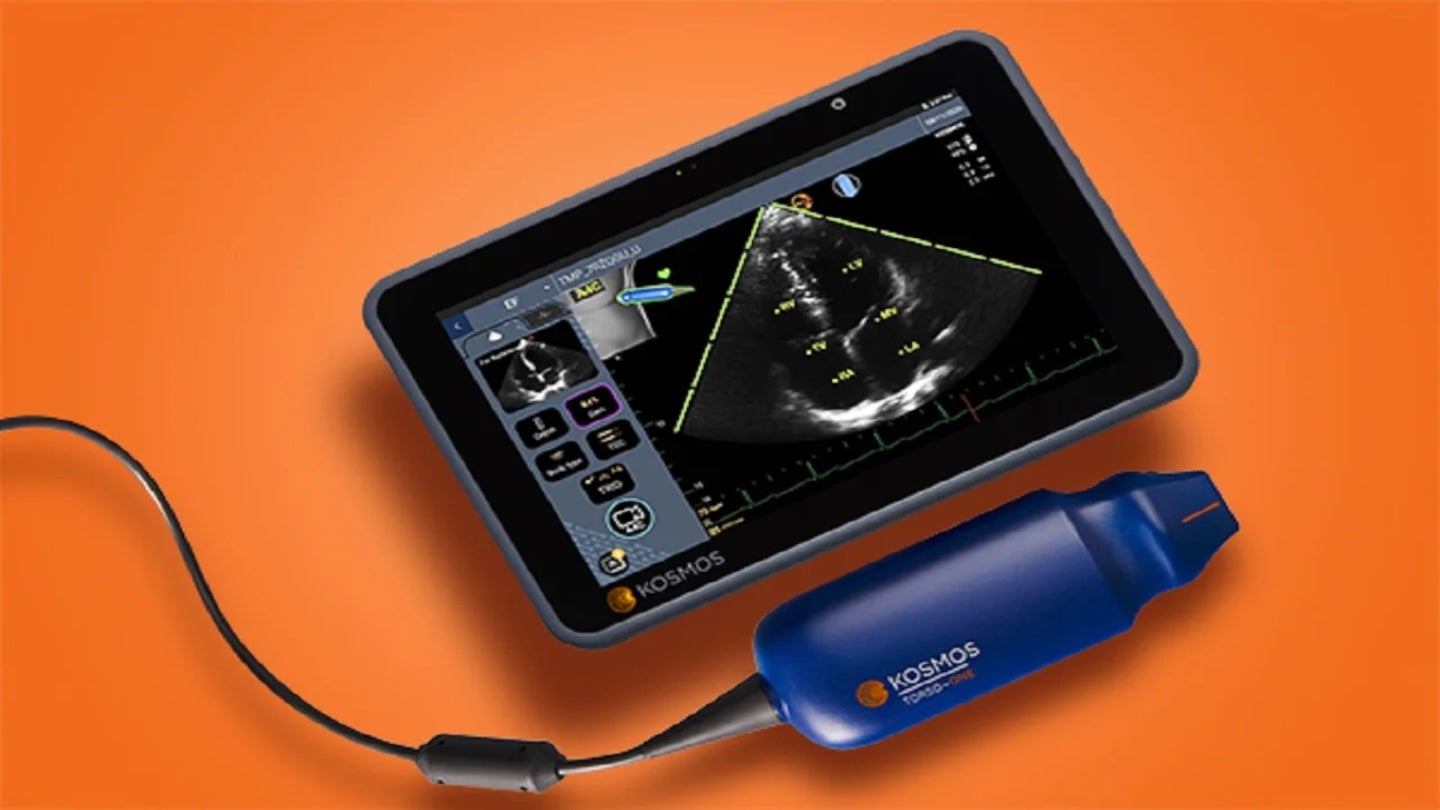
    Portable Ultrasound Machine

    Portable ultrasound machines have revolutionized rural healthcare by bringing advanced diagnostic imaging directly to patients in remote locations. These sophisticated devices offer numerous advantages that make them particularly valuable for rural clinics:

    Advanced Imaging Technology

    Modern portable ultrasound systems provide high-resolution imaging capabilities that rival traditional cart-based systems. Research indicates that portable ultrasound devices are particularly effective in under-resourced healthcare settings, enabling accurate diagnoses for conditions ranging from pregnancy monitoring to cardiac assessments.

    Handheld Ultrasound Device

    Versatile Applications

    Rural clinics benefit from ultrasound machines’ versatility in multiple medical specialties:

    • Obstetric Care: Essential for prenatal monitoring in areas with limited access to specialized women’s health services
    • Emergency Diagnostics: Rapid assessment of internal injuries and conditions
    • Cardiac Monitoring: Point-of-care cardiac assessments without referral delays
    • Abdominal Imaging: Evaluation of organ abnormalities and conditions

    Cost-Effective Implementation

    The investment in portable ultrasound technology pays dividends through:

    • Reduced patient transfer costs
    • Increased diagnostic capabilities
    • Enhanced patient satisfaction and outcomes
    • Revenue generation through expanded services

    2. Portable X-Ray Systems: Essential Diagnostic Imaging

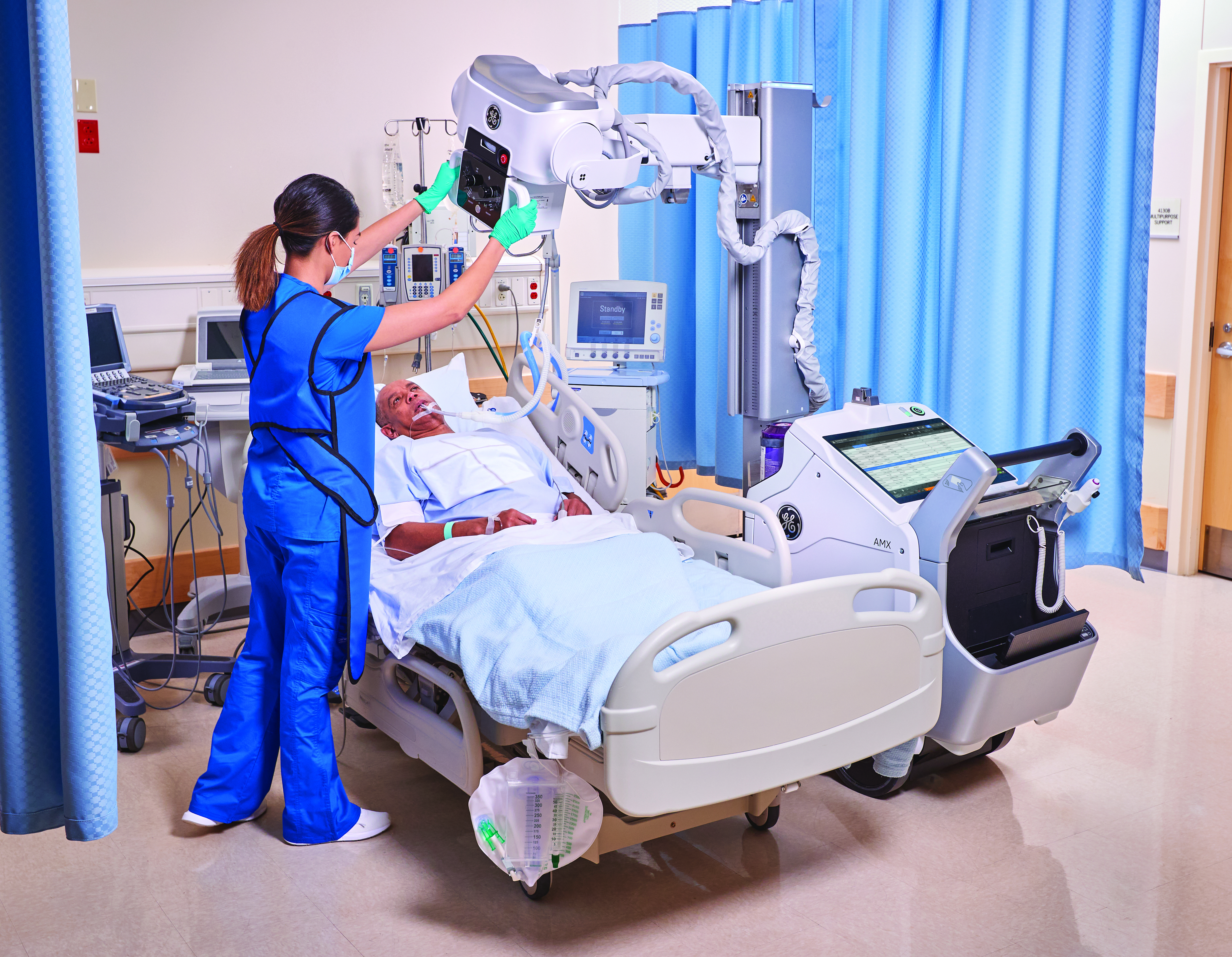
    Portable X-Ray Machine

    Portable X-ray machines represent one of the most critical investments rural clinics can make. These devices provide immediate diagnostic capabilities for a wide range of conditions without requiring patient transport to distant facilities.

    Advanced Digital Technology

    Modern portable X-ray systems offer superior image quality through digital radiography technology. Clinical studies show that newer portable X-ray systems produce higher quality diagnostic images while using less radiation dose, enhancing both diagnostic accuracy and patient safety.

    High-Resolution X-Ray Equipment

    Clinical Applications

    Portable X-ray machines excel in numerous diagnostic scenarios:

    • Trauma Assessment: Immediate evaluation of fractures and internal injuries
    • Respiratory Conditions: Chest X-rays for pneumonia, COPD, and other lung conditions
    • Orthopedic Diagnostics: Bone and joint assessments
    • Emergency Medicine: Rapid diagnostic capabilities for urgent situations

    Operational Benefits

    The implementation of portable X-ray technology provides:

    • Immediate diagnostic results
    • Reduced patient transport requirements
    • Enhanced emergency response capabilities
    • Improved patient throughput and satisfaction

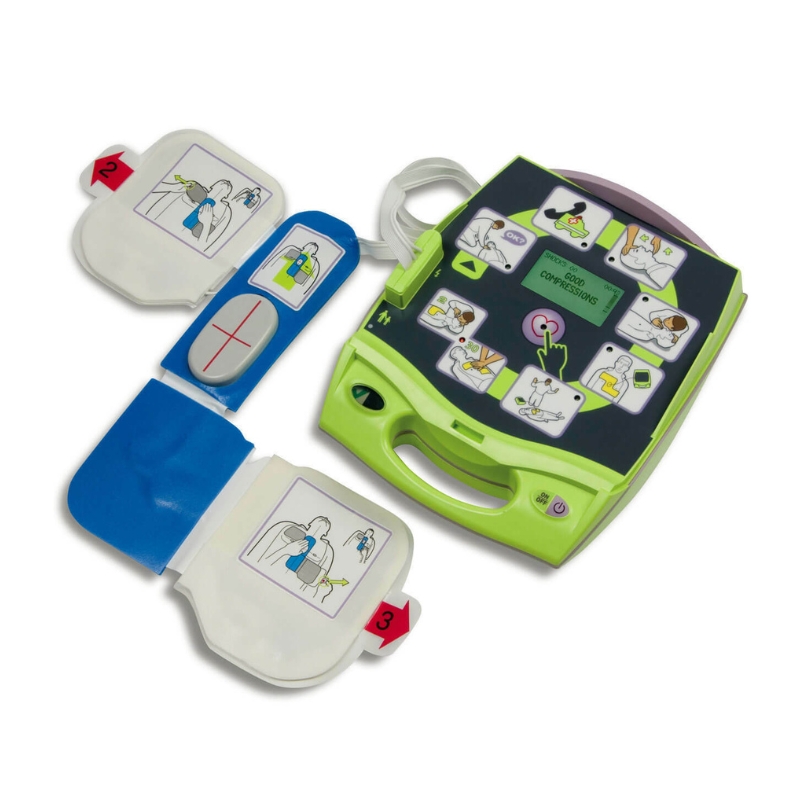
    3. Automated External Defibrillators (AEDs): Life-Saving Emergency Equipment

    AED Defibrillator

    Automated External Defibrillators are absolutely essential for rural clinics, where emergency medical services may be distant and response times extended. These devices can mean the difference between life and death in cardiac emergency situations.

    Critical Emergency Response

    Research demonstrates that introducing AED programs in rural areas significantly increases survival rates for out-of-hospital cardiac arrest patients. The immediate availability of defibrillation capabilities is crucial when advanced medical care may be hours away.

    Advanced AED System

    User-Friendly Design

    Modern AEDs are designed for ease of use:

    • Voice-guided instructions for untrained users
    • Automatic rhythm analysis and shock delivery
    • Comprehensive data logging for post-event analysis
    • Minimal maintenance requirements

    Strategic Placement Benefits

    Rural clinics benefit from AED implementation through:

    • Enhanced emergency response capabilities
    • Increased community confidence in clinic services
    • Compliance with emergency preparedness standards
    • Potential for community training programs

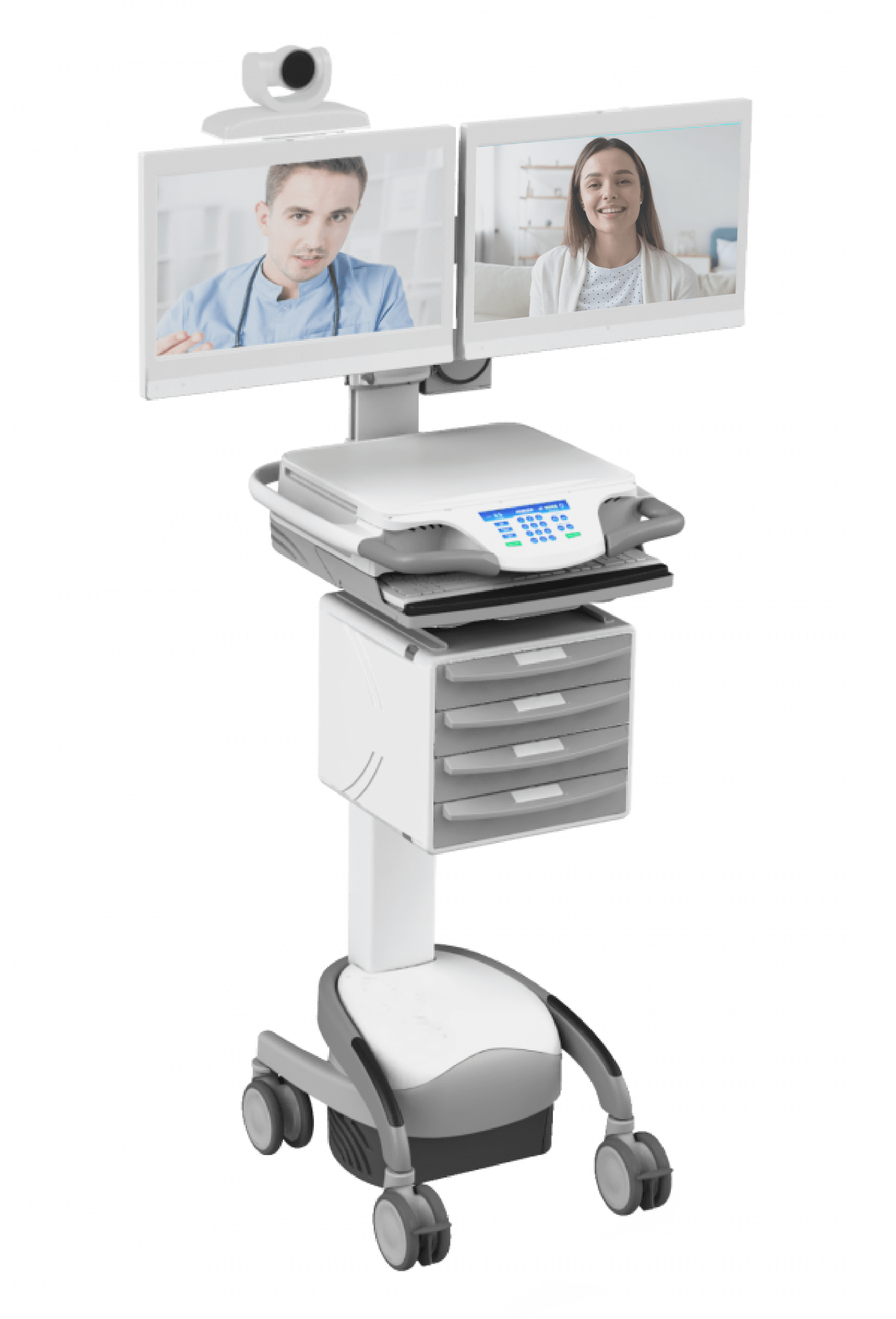
    4. Telemedicine Equipment: Bridging the Distance Gap

    Telemedicine Cart

    Telemedicine technology has become increasingly vital for rural healthcare delivery, enabling access to specialist consultations and advanced medical expertise without geographical limitations.

    Comprehensive Communication Platforms

    Modern telemedicine carts integrate multiple technologies:

    • High-definition cameras for visual examinations
    • Digital stethoscopes for remote auscultation
    • Otoscopes and ophthalmoscopes for specialized examinations
    • Secure data transmission capabilities

    Complete Telemedicine Setup

    Clinical Applications

    Telemedicine equipment enables:

    • Specialist consultations without patient travel
    • Remote monitoring of chronic conditions
    • Emergency consultation capabilities
    • Continuing medical education for rural providers

    Economic Impact

    Studies indicate that telemedicine implementation can range from $17,000 to $50,000 initially, but provides significant long-term benefits through reduced patient transfers and enhanced care coordination.

    5. Point-of-Care Testing Devices: Immediate Laboratory Results

    Point-of-Care Testing Equipment

    Point-of-care testing (POCT) devices enable rural clinics to perform essential laboratory tests immediately, eliminating delays associated with sending samples to distant laboratories.

    Rapid Diagnostic Capabilities

    POCT devices provide immediate results for:

    • Blood glucose monitoring
    • Cardiac marker analysis
    • Infectious disease detection
    • Basic metabolic panels
    • Pregnancy testing

    Advanced POCT System

    Clinical Benefits

    Research shows that POCT implementation in rural settings improves:

    • Treatment decision-making speed
    • Patient satisfaction through immediate results
    • Clinical outcomes through timely interventions
    • Operational efficiency

    Implementation Strategies

    Successful POCT programs require:

    • Staff training on device operation
    • Quality control protocols
    • Connectivity for data management
    • Regular maintenance and calibration

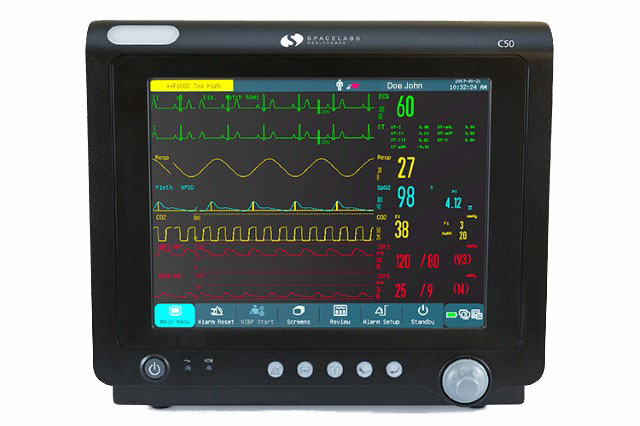
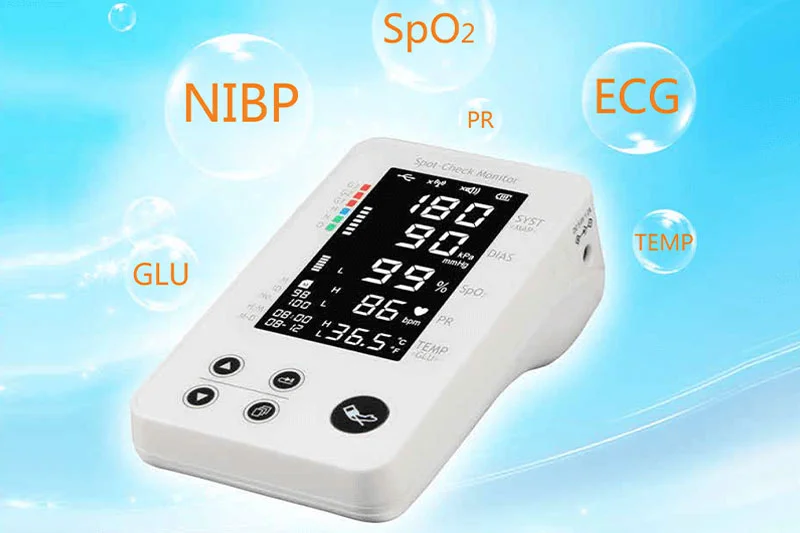
    6. Vital Signs Monitors: Comprehensive Patient Assessment

    Vital Signs Monitor

    Portable vital signs monitors provide essential baseline health assessments and continuous patient monitoring capabilities crucial for rural clinic operations.

    Multi-Parameter Monitoring

    Modern vital signs monitors track:

    • Blood pressure (non-invasive)
    • Heart rate and rhythm
    • Oxygen saturation (SpO2)
    • Temperature
    • Respiratory rate

    Portable Patient Monitor

    Clinical Applications

    Vital signs monitors are essential for:

    • Routine patient assessments
    • Emergency triage and stabilization
    • Chronic disease monitoring
    • Post-procedure patient observation

    Technology Integration

    Advanced monitors offer:

    • Electronic health record integration
    • Wireless data transmission
    • Trend analysis capabilities
    • Alert systems for abnormal values

    7. Sterilization Equipment: Infection Control Excellence

    Autoclave Sterilizer

    Proper sterilization equipment is fundamental to infection control in rural clinics, where preventing healthcare-associated infections is crucial for maintaining community health.

    Steam Sterilization Technology

    Autoclaves remain the gold standard for medical device sterilization:

    • High-pressure steam sterilization
    • Programmable cycle options
    • Documentation and validation capabilities
    • Efficient processing of multiple instrument types

    Infection Prevention Benefits

    Proper sterilization equipment provides:

    • Elimination of pathogenic microorganisms
    • Compliance with healthcare standards
    • Reduced risk of healthcare-associated infections
    • Enhanced patient and staff safety

    8. Emergency Response Equipment: Comprehensive Care Capabilities

    Rural clinics must be prepared for various emergency situations, requiring specialized equipment for trauma care, respiratory emergencies, and other critical conditions.

    Trauma Care Equipment

    Essential emergency equipment includes:

    • Emergency crash carts with medications
    • Airway management devices
    • Immobilization and splinting supplies
    • Emergency oxygen delivery systems

    Respiratory Support Systems

    Critical respiratory equipment encompasses:

    • Portable oxygen concentrators
    • Manual resuscitation devices
    • Suction equipment
    • Nebulizer systems for medication delivery

    Implementation Strategies for Rural Clinics

    Budget-Conscious Procurement

    Rural clinics can optimize their equipment investments through:

    • Refurbished Equipment: High-quality pre-owned devices at reduced costs
    • Leasing Programs: Spreading costs over time while maintaining current technology
    • Grant Opportunities: Federal and state funding for rural healthcare equipment
    • Cooperative Purchasing: Shared procurement with other rural facilities

    Staff Training and Development

    Successful equipment implementation requires:

    • Comprehensive staff training programs
    • Ongoing technical support
    • Preventive maintenance protocols
    • Emergency procedure development

    Technology Integration

    Modern rural clinics benefit from:

    • Electronic health record integration
    • Telemedicine connectivity
    • Data management systems
    • Quality assurance programs

    Maintenance and Support Considerations

    Service and Support Infrastructure

    Rural clinics must consider:

    • Local service availability
    • Remote diagnostic capabilities
    • Preventive maintenance programs
    • Equipment replacement planning

    Quality Assurance Programs

    Effective quality programs include:

    • Regular calibration schedules
    • Performance monitoring
    • Staff competency assessments
    • Continuous improvement processes

    Future Trends in Rural Healthcare Technology

    Artificial Intelligence Integration

    Emerging technologies include:

    • AI-powered diagnostic assistance
    • Predictive analytics for patient care
    • Automated quality control systems
    • Enhanced imaging interpretation

    Connectivity Solutions

    Advanced connectivity enables:

    • Cloud-based data storage
    • Remote monitoring capabilities
    • Telemedicine expansion
    • Inter-facility communication

    Return on Investment Considerations

    Financial Benefits

    Strategic equipment investments provide:

    • Increased diagnostic capabilities
    • Reduced patient transfer costs
    • Enhanced revenue opportunities
    • Improved operational efficiency

    Patient Outcome Improvements

    Quality equipment investments result in:

    • Earlier disease detection
    • Improved treatment outcomes
    • Enhanced patient satisfaction
    • Reduced healthcare disparities

    Conclusion: Building Sustainable Rural Healthcare

    Modern Rural Healthcare

    The selection of appropriate medical devices for rural clinics represents a critical decision that impacts entire communities. By investing in versatile, reliable, and cost-effective equipment, rural healthcare facilities can provide high-quality care that rivals urban medical centers while addressing the unique challenges of remote healthcare delivery.

    The devices outlined in this comprehensive guide—portable ultrasound machines, X-ray systems, AEDs, telemedicine equipment, point-of-care testing devices, vital signs monitors, sterilization equipment, and emergency response tools—form the foundation of effective rural healthcare delivery. These investments enable rural clinics to diagnose conditions earlier, treat patients more effectively, and provide emergency care that can save lives.

    Success in rural healthcare equipment implementation requires careful planning, staff training, and ongoing support. However, the benefits to patient outcomes, community health, and healthcare accessibility make these investments not just worthwhile, but essential for sustainable rural healthcare delivery.

    As technology continues to advance and healthcare disparities between rural and urban areas remain a concern, the strategic selection and implementation of medical devices will play an increasingly important role in ensuring that all patients, regardless of geographical location, have access to high-quality healthcare services. Rural clinics that invest wisely in medical technology today are building the foundation for healthier communities tomorrow.

    The future of rural healthcare depends on bridging the technology gap through thoughtful equipment selection, comprehensive staff training, and sustainable implementation strategies. By choosing the best medical devices for their specific needs and patient populations, rural clinics can continue to serve as essential pillars of community health and wellness.

    MEDICAL CLOUD AI IN USA

  • WHY CLINICS SHOULD STOCK PORTABLE NEBULIZERS

    WHY CLINICS SHOULD STOCK PORTABLE NEBULIZERS: A COMPREHENSIVE GUIDE TO ENHANCED PATIENT CARE

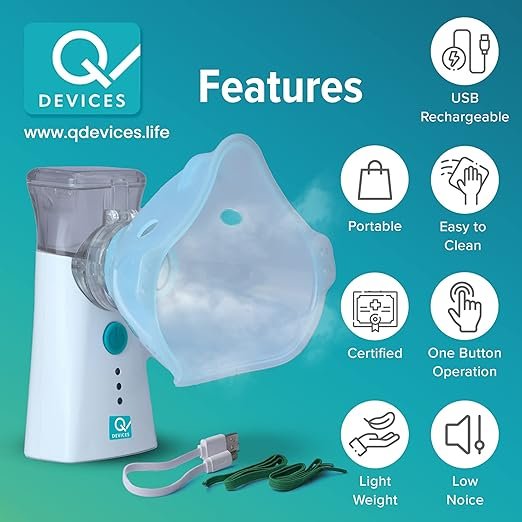
    Portable Nebulizer in Clinical Setting

    The landscape of respiratory care is evolving rapidly, with portable nebulizers emerging as game-changing devices that are transforming how healthcare facilities deliver respiratory therapy. For clinics seeking to enhance patient outcomes while optimizing operational efficiency, investing in portable nebulizers represents not just a technological upgrade, but a strategic decision that can significantly impact both patient satisfaction and clinical effectiveness.

    The Critical Role of Nebulizers in Modern Healthcare

    Medical Professional with Nebulizer

    Nebulizers have long been recognized as essential tools in respiratory therapy, but the advent of portable technology has revolutionized their application in clinical settings. These devices transform liquid medications into fine aerosol mists, enabling direct delivery to the lungs where therapeutic effects are most needed. According to recent clinical consensus, nebulization therapy offers several distinct advantages including rapid onset of action, proven efficacy, excellent safety profile, and wide applicability across various respiratory diseases.

    The versatility of nebulizers makes them particularly valuable in emergency situations and routine respiratory care. They are especially beneficial for patients who may struggle with other forms of inhalation therapy, including young children, elderly patients, and individuals experiencing severe respiratory distress who cannot effectively coordinate the breathing techniques required for traditional inhalers.

    Understanding Portable Nebulizer Technology

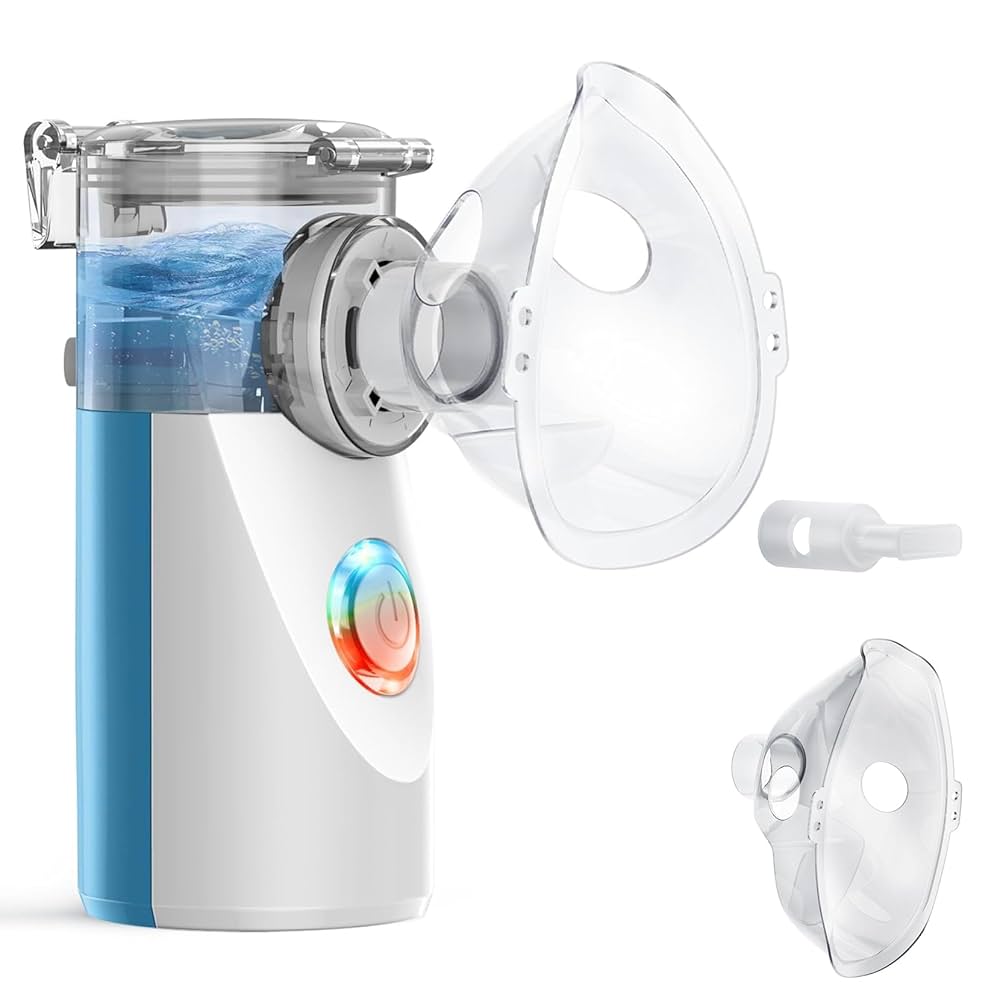
    High-Resolution Portable Mesh Nebulizer

    Modern portable nebulizers represent a significant technological advancement over traditional stationary units. These sophisticated devices come in several types, each offering unique advantages:

    Mesh Nebulizers: The Gold Standard

    Vibrating mesh nebulizers utilize ultrasonic technology to create aerosols through a fine mesh membrane. Research indicates that mesh nebulizers offer superior efficiency compared to traditional jet nebulizers, with advantages including:

    • Silent Operation: Unlike traditional nebulizers that generate significant noise, mesh nebulizers operate virtually silently
    • Enhanced Portability: Battery-powered operation eliminates the need for continuous electrical connection
    • Superior Efficiency: Higher medication delivery rates with minimal waste
    • Precise Dosing: Consistent particle size distribution ensures optimal lung deposition

    Ultrasonic Nebulizers: Rapid Delivery Systems

    These devices use high-frequency sound waves to generate fine mists, offering faster medication delivery compared to conventional jet nebulizers. They are particularly effective for patients requiring frequent treatments or emergency interventions.

    Ultrasonic Nebulizer Device

    Jet Nebulizers: Reliable Workhorses

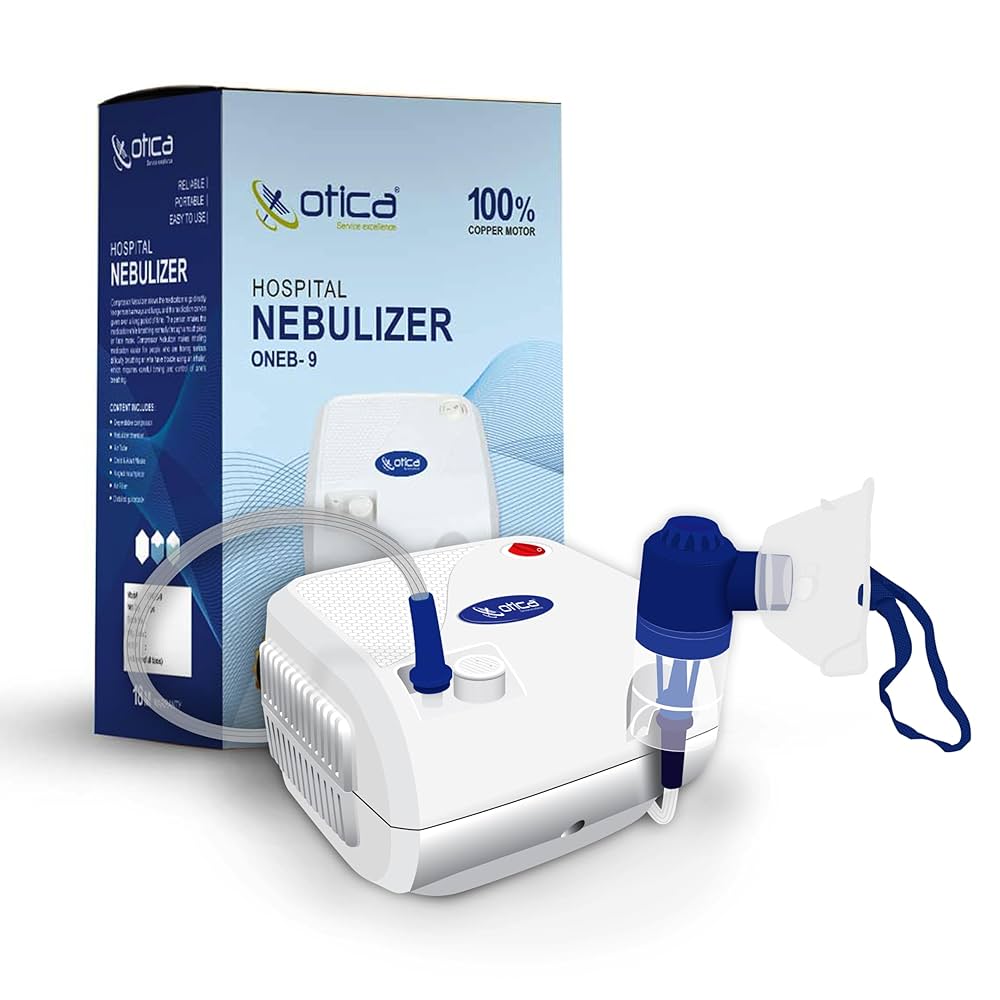
    While less advanced than mesh or ultrasonic models, portable jet nebulizers remain valuable for their durability, reliability, and cost-effectiveness. They use compressed air to create aerosols and are particularly suitable for clinics with high patient volumes.

    Clinical Applications and Patient Benefits

    Patient Receiving Nebulizer Treatment

    The clinical applications for portable nebulizers extend far beyond basic respiratory therapy, making them invaluable assets for comprehensive patient care:

    Emergency Respiratory Care

    In emergency situations, portable nebulizers provide rapid, life-saving interventions. Clinical experts emphasize that in emergency rooms and ambulances, nebulizers offer a quick method to administer large doses of medication to stabilize patients’ conditions. The portability factor ensures that treatment can begin immediately, without waiting for patients to reach stationary equipment.

    Chronic Disease Management

    For patients with chronic conditions such as asthma and COPD, portable nebulizers offer consistent, reliable medication delivery. The devices are particularly beneficial for:

    • Pediatric Patients: Children often struggle with inhaler coordination, making nebulizers the preferred delivery method
    • Elderly Patients: Age-related coordination difficulties make nebulizers more accessible than traditional inhalers
    • Severe Cases: Patients experiencing acute exacerbations can receive higher medication doses more effectively

    Preventive Care Applications

    Portable nebulizers enable proactive treatment approaches, allowing clinics to:

    • Provide immediate treatment during routine visits
    • Offer demonstration and training sessions for home care
    • Deliver preventive treatments to high-risk patients

    Economic Advantages and Return on Investment

    Modern Clinic Equipment

    The financial benefits of investing in portable nebulizers extend beyond the initial equipment cost, creating multiple revenue streams and cost-saving opportunities:

    Improved Patient Throughput

    Portable nebulizers enable more efficient patient flow by:

    • Reducing treatment time compared to traditional nebulizers
    • Allowing multiple simultaneous treatments
    • Eliminating the need for dedicated nebulizer rooms
    • Enabling bedside treatment in various clinical settings

    Enhanced Revenue Generation

    Clinics can capitalize on portable nebulizer investments through:

    • Expanded Service Offerings: Adding respiratory therapy services to existing practice
    • Improved Patient Retention: Better treatment outcomes lead to increased patient loyalty
    • Emergency Care Capabilities: Ability to handle respiratory emergencies increases clinic value
    • Insurance Reimbursements: Most insurance plans cover nebulizer treatments, ensuring reliable revenue

    Operational Cost Savings

    The efficiency gains from portable nebulizers translate to significant operational savings:

    • Reduced Staff Time: Faster treatments require less staff supervision
    • Lower Maintenance Costs: Modern portable units require minimal upkeep
    • Space Optimization: Elimination of dedicated nebulizer rooms frees up valuable clinic space
    • Energy Efficiency: Battery-powered operation reduces electricity costs

    Comparative Analysis: Portable vs. Traditional Nebulizers

    Comparison of Nebulizer Types

    Understanding the advantages of portable nebulizers over traditional stationary units is crucial for informed decision-making:

    Treatment Efficiency

    Portable Nebulizers:

    • Treatment time: 5-10 minutes for most medications
    • Medication waste: Minimal due to optimized aerosol generation
    • Patient compliance: Higher due to convenience and comfort

    Traditional Nebulizers:

    • Treatment time: 10-20 minutes for equivalent doses
    • Medication waste: Higher due to less efficient aerosol production
    • Patient compliance: Lower due to noise and inconvenience

    Operational Flexibility

    Portable nebulizers offer unprecedented flexibility in clinical operations:

    • Multi-location Use: Single device can serve multiple treatment areas
    • Emergency Readiness: Instant deployment for urgent cases
    • Patient Mobility: Treatment can continue during patient transport
    • Home Care Transition: Patients can continue treatment at home with same device

    Patient Safety and Clinical Outcomes

    Healthcare Professional Using Nebulizer

    Patient safety represents the paramount concern in any clinical equipment decision, and portable nebulizers excel in this critical area:

    Enhanced Safety Features

    Modern portable nebulizers incorporate multiple safety mechanisms:

    • Automatic Shut-off: Prevents over-treatment and medication waste
    • Dose Tracking: Digital monitoring ensures accurate medication delivery
    • Battery Backup: Uninterrupted treatment even during power outages
    • Easy Sterilization: Simplified cleaning procedures reduce infection risk

    Improved Clinical Outcomes

    Clinical studies demonstrate superior outcomes with portable nebulizer use:

    • Faster Symptom Relief: More efficient medication delivery leads to quicker patient improvement
    • Reduced Hospital Readmissions: Better outpatient management decreases emergency visits
    • Enhanced Patient Satisfaction: Comfortable, convenient treatment improves overall experience
    • Better Medication Adherence: Ease of use encourages consistent treatment compliance

    Implementation Strategies for Clinics

    Modern Medical Equipment Setup

    Successfully integrating portable nebulizers into clinical practice requires strategic planning and systematic implementation:

    Staff Training and Education

    Comprehensive staff training ensures optimal utilization:

    • Device Operation: Thorough training on all nebulizer functions
    • Maintenance Procedures: Proper cleaning and sterilization protocols
    • Patient Education: Teaching staff to instruct patients effectively
    • Emergency Protocols: Rapid response procedures for urgent situations

    Patient Education Programs

    Educating patients maximizes treatment effectiveness:

    • Proper Breathing Techniques: Optimizing medication delivery
    • Device Care: Home maintenance and cleaning procedures
    • Treatment Schedules: Ensuring consistent medication regimens
    • Emergency Use: When and how to use nebulizers for acute symptoms

    Quality Assurance Protocols

    Maintaining high standards requires systematic quality control:

    • Regular Equipment Checks: Ensuring optimal device performance
    • Medication Management: Proper storage and handling procedures
    • Patient Monitoring: Tracking treatment outcomes and side effects
    • Documentation Standards: Maintaining comprehensive treatment records

    Technology Integration and Future Considerations

    Advanced Portable Nebulizer

    The future of portable nebulizers includes exciting technological developments that will further enhance their clinical value:

    Smart Nebulizer Technology

    Next-generation devices offer advanced features:

    • Mobile App Integration: Remote monitoring and treatment tracking
    • Cloud Connectivity: Real-time data sharing with healthcare providers
    • AI-Powered Optimization: Personalized treatment recommendations
    • Telemedicine Integration: Remote consultation capabilities

    Emerging Applications

    Expanding therapeutic applications include:

    • Antibiotic Delivery: Treatment of respiratory infections
    • Vaccine Administration: Potential for respiratory vaccine delivery
    • Specialized Medications: Novel therapeutic agents requiring aerosol delivery
    • Preventive Treatments: Prophylactic medication administration

    Cost-Benefit Analysis for Clinic Investment

    Hospital-Grade Portable Nebulizer

    A comprehensive financial analysis demonstrates the compelling business case for portable nebulizer investment:

    Initial Investment Considerations

    Equipment Costs:

    • High-end mesh nebulizers: $150-$400 per unit
    • Mid-range ultrasonic models: $80-$200 per unit
    • Basic portable jet nebulizers: $40-$100 per unit

    Additional Costs:

    • Staff training: $500-$1,000 per clinic
    • Maintenance supplies: $200-$500 annually
    • Insurance and warranties: $100-$300 annually

    Revenue Potential

    Direct Revenue Streams:

    • Nebulizer treatments: $25-$75 per session
    • Extended consultation fees: $50-$150 per visit
    • Emergency treatment premiums: $100-$300 per case

    Indirect Benefits:

    • Patient retention value: $1,000-$5,000 per patient annually
    • Referral generation: $500-$2,000 per referral
    • Insurance bonus payments: Variable based on outcomes

    Break-Even Analysis

    Most clinics achieve break-even within 6-12 months of implementation, with full return on investment typically realized within 18-24 months. The calculation includes:

    • Equipment depreciation over 5-7 years
    • Increased patient volume (typically 15-30% growth)
    • Enhanced service pricing capabilities
    • Reduced external referral costs

    Conclusion: The Strategic Imperative

    Complete Nebulizer Care Setup

    The decision to stock portable nebulizers represents more than an equipment upgrade—it constitutes a strategic investment in enhanced patient care, operational efficiency, and business growth. The convergence of technological advancement, clinical effectiveness, and economic viability makes portable nebulizers an essential component of modern clinic operations.

    As healthcare continues to evolve toward more personalized, efficient, and patient-centered care delivery, clinics that embrace portable nebulizer technology position themselves at the forefront of respiratory care innovation. The evidence overwhelmingly supports the integration of these devices into clinical practice, with benefits extending from improved patient outcomes to enhanced operational profitability.

    For clinic administrators and healthcare providers considering this investment, the question is not whether to implement portable nebulizers, but rather how quickly they can be integrated into existing practice patterns. The technology is mature, the clinical benefits are proven, and the economic advantages are compelling. In an increasingly competitive healthcare environment, portable nebulizers offer clinics a powerful tool for differentiation, growth, and enhanced patient care.

    The future of respiratory care is portable, efficient, and patient-focused. Clinics that recognize and act on this trend today will be best positioned to thrive in tomorrow’s healthcare landscape, delivering superior patient outcomes while building sustainable, profitable practices that serve their communities’ respiratory health needs.

  • HOW SMART SENSORS ARE CHANGING MEDICAL DEVICES: THE REVOLUTIONARY IMPACT ON HEALTHCARE TECHNOLOGY

    HOW SMART SENSORS ARE CHANGING MEDICAL DEVICES: THE REVOLUTIONARY IMPACT ON HEALTHCARE TECHNOLOGY 

    Smart Medical Devices and Sensors

    The healthcare industry is experiencing an unprecedented transformation driven by the integration of smart sensors into medical devices. These intelligent, connected sensors are revolutionizing patient care by enabling real-time monitoring, predictive analytics, and personalized treatment approaches. From wearable fitness trackers to implantable cardiac monitors, smart sensors are fundamentally changing how we approach healthcare delivery, patient monitoring, and medical intervention.

    The Evolution of Medical Device Technology

    Medical Sensor Design Technology

    The medical device industry has witnessed remarkable evolution over the past decade. While traditional medical instruments like stethoscopes have remained relatively unchanged for over 70 years, the introduction of smart sensor technology has catalyzed a revolutionary shift in medical device capabilities. Smart medical devices leverage artificial intelligence (AI), machine learning algorithms, and Internet of Things (IoT) connectivity to provide unprecedented insights into patient health and treatment outcomes.

    Smart medical devices typically fall into two primary categories:

    1. Informational Devices: These collect and display health data for patients and healthcare providers, including wearable fitness trackers, smart scales, and continuous glucose monitors. This data empowers patients to make informed health decisions and enables healthcare providers to track patient progress remotely.

    2. Automated Health Management Devices: These actively manage patient health by providing real-time feedback and recommendations using AI algorithms to analyze health data and deliver personalized insights for improved health outcomes. Amphenol Sensors

    Key Categories of Smart Medical Sensors

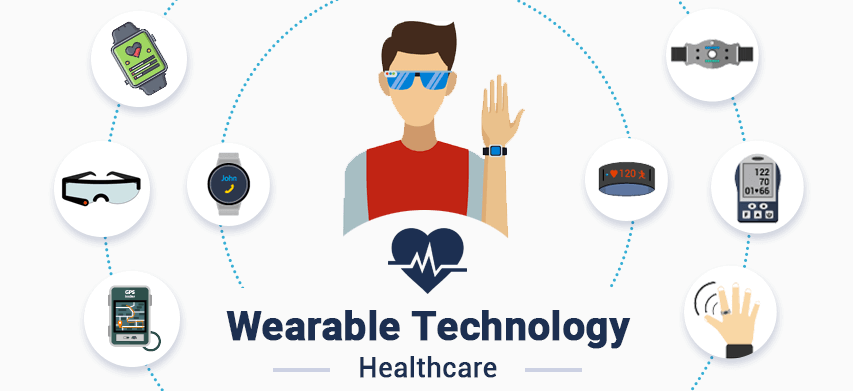
    Wearable Technology in Healthcare

    Wearable Sensors

    Wearable sensors represent the most visible and rapidly growing segment of smart medical devices. These on-body devices provide continuous health monitoring capabilities that were previously only available in clinical settings.

    Smartwatches and Fitness Trackers: Modern smartwatches have evolved far beyond simple activity tracking. Today’s devices can monitor heart rate variability, detect irregular heart rhythms, measure blood oxygen levels, and even perform electrocardiograms (ECGs). These capabilities enable early detection of cardiovascular issues and provide valuable data for healthcare providers.

    Continuous Glucose Monitors (CGMs): These devices have revolutionized diabetes management by providing real-time glucose readings without the need for frequent finger pricks. Smart CGMs can alert patients to dangerous glucose levels and integrate with insulin pumps for automated delivery adjustments.

    Smart Patches: Adhesive sensor patches can monitor various vital signs including heart rate, respiratory rate, and body temperature. These devices are particularly valuable for post-surgical monitoring and chronic disease management.

    Biosensors

    Biosensor Applications in Healthcare

    Biosensors analyze biological data and provide real-time health information based on physiological markers. These sensors can detect:

    • Cardiac biomarkers for heart disease monitoring
    • Metabolic indicators for diabetes and obesity management
    • Inflammatory markers for immune system assessment
    • Neurological signals for brain health monitoring

    The integration of biosensors with AI algorithms enables predictive analytics that can identify health issues before they become critical, facilitating preventive interventions.

    Implantable Smart Sensors

    Implantable Medical Device Concepts

    Implantable sensors represent the cutting edge of medical device technology, providing continuous internal monitoring capabilities:

    Smart Pacemakers: Modern pacemakers incorporate multiple sensors that monitor heart rhythm, activity levels, and even detect early signs of heart failure. They can automatically adjust pacing parameters and transmit data to healthcare providers.

    Neurostimulators: These devices use sensors to monitor brain activity and adjust stimulation parameters for conditions like Parkinson’s disease, epilepsy, and chronic pain.

    Orthopedic Implants: Smart joint replacements can monitor healing progress, detect complications, and provide data on patient mobility and activity levels.

    Internet of Medical Things (IoMT) Integration

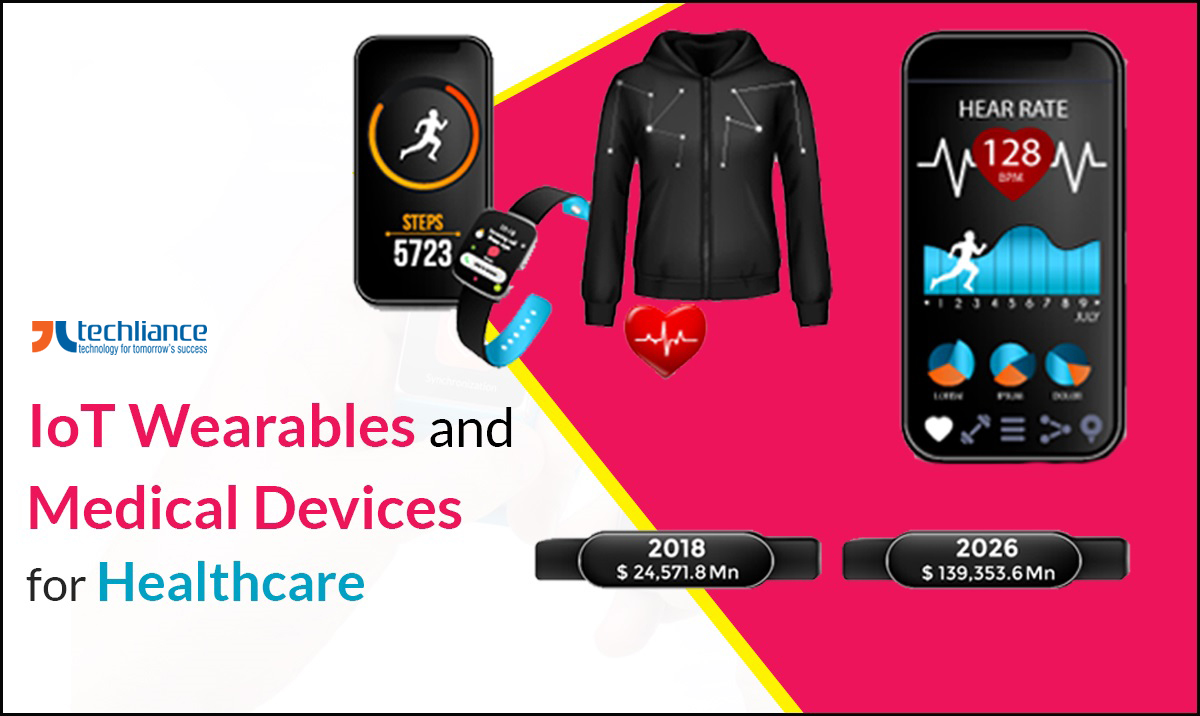
    IoT Wearables and Medical Devices

    The integration of smart sensors with IoT technology has created the Internet of Medical Things (IoMT), a connected ecosystem of medical devices that can communicate with each other and healthcare systems. This connectivity enables:

    Real-time Data Transmission: Patient data can be instantly transmitted to healthcare providers, enabling immediate intervention when necessary.

    Remote Patient Monitoring: Patients can be monitored continuously from their homes, reducing hospital readmissions and improving quality of life.

    Predictive Analytics: Large datasets from multiple sensors can be analyzed to predict health events and optimize treatment protocols.

    Automated Care Coordination: IoMT devices can automatically schedule appointments, refill prescriptions, and coordinate care between multiple healthcare providers.

    Artificial Intelligence and Machine Learning Integration

    AI-Powered Healthcare Monitoring

    The combination of smart sensors with AI and machine learning capabilities has created unprecedented opportunities for personalized healthcare:

    Predictive Health Analytics

    AI algorithms can analyze patterns in sensor data to predict health events before they occur. For example:

    • Heart rate variability patterns can predict cardiac events
    • Blood glucose trends can anticipate diabetic complications
    • Sleep pattern analysis can identify neurological disorders
    • Activity level changes can indicate developing health issues

    Personalized Treatment Optimization

    Machine learning algorithms can analyze individual patient data to optimize treatment protocols:

    • Medication dosing adjustments based on real-time biomarker data
    • Exercise recommendations tailored to individual fitness levels and health conditions
    • Dietary suggestions based on metabolic sensor readings
    • Sleep optimization recommendations based on sleep pattern analysis

    Early Disease Detection

    Smart sensors combined with AI can detect subtle changes in physiological parameters that may indicate early disease development:

    • Cancer detection through biomarker analysis
    • Alzheimer’s disease identification through gait and cognitive pattern analysis
    • Cardiovascular disease prediction through multiple sensor data fusion
    • Mental health condition recognition through behavior pattern analysis

    Specific Medical Applications Transforming Healthcare

    Smart Medical Device Applications

    Diabetes Management Revolution

    Smart sensors have transformed diabetes care through:

    • Continuous Glucose Monitoring: Real-time glucose tracking with predictive alerts
    • Smart Insulin Pumps: Automated insulin delivery based on sensor data
    • Integrated Care Systems: Coordination between multiple devices for optimal glucose control

    Cardiovascular Health Monitoring

    Cardiac care has been revolutionized through:

    • Wearable ECG Monitors: Continuous heart rhythm monitoring
    • Blood Pressure Sensors: Automatic pressure monitoring with trend analysis
    • Heart Failure Detection: Early warning systems based on multiple physiological parameters

    Respiratory Health Management

    Smart sensors are improving respiratory care through:

    • Smart Inhalers: Medication delivery tracking and optimization
    • Sleep Apnea Monitors: Continuous breathing pattern analysis
    • COPD Management: Real-time monitoring of respiratory function

    Neurological Condition Monitoring

    Brain health monitoring has advanced through:

    • Seizure Detection: Automatic seizure identification and emergency response
    • Movement Disorder Tracking: Continuous monitoring of Parkinson’s disease symptoms
    • Cognitive Assessment: Digital biomarkers for dementia and cognitive decline

    Advanced Sensor Technologies

    Advanced Healthcare Sensors

    Miniaturization and Integration

    Modern smart sensors are becoming increasingly sophisticated while shrinking in size:

    • Nanosensors: Molecular-level sensing capabilities
    • Flexible Sensors: Conformable devices that adapt to body contours
    • Multi-parameter Sensors: Single devices monitoring multiple physiological parameters

    Wireless and Battery-Free Technologies

    Advances in power management and wireless communication include:

    • Energy Harvesting: Sensors powered by body heat or movement
    • Wireless Power Transfer: Remote charging capabilities
    • Ultra-Low Power Design: Extended battery life for implantable devices

    Biocompatible Materials

    New materials are enabling better integration with human physiology:

    • Biodegradable Sensors: Temporary monitoring devices that dissolve safely
    • Bio-integrated Electronics: Sensors that interface directly with biological tissues
    • Smart Biomaterials: Materials that respond to physiological changes

    Data Analytics and Cloud Integration

    Healthcare IoT Data Analytics

    The power of smart sensors is amplified through sophisticated data analytics platforms:

    Real-Time Processing

    Edge computing enables immediate data analysis and response:

    • Local Processing: Critical decisions made instantly without cloud dependency
    • Reduced Latency: Immediate alerts for emergency situations
    • Privacy Protection: Sensitive data processed locally

    Cloud-Based Analytics

    Comprehensive health insights through cloud computing:

    • Population Health Analytics: Large-scale trend analysis
    • Predictive Modeling: Disease progression forecasting
    • Treatment Optimization: Evidence-based care recommendations

    Interoperability Standards

    Standardized data formats enable seamless integration:

    • FHIR Compliance: Healthcare data exchange standards
    • API Integration: Connection with electronic health records
    • Cross-Platform Compatibility: Universal device communication

    Market Growth and Future Projections

    Smart Medical Devices Market Growth

    The smart medical devices market is experiencing unprecedented growth:

    Market Size: The global smart medical devices market was valued at USD 52.66 billion in 2024 and is projected to reach USD 168 billion by 2034, representing significant compound annual growth.

    Key Growth Drivers:

    • Aging population requiring continuous health monitoring
    • Rising healthcare costs driving preventive care adoption
    • Technological advances making devices more affordable and accessible
    • Increased consumer awareness of personal health management

    Regional Growth: North America leads the market, followed by Europe and Asia-Pacific, with emerging markets showing rapid adoption rates.

    Challenges and Considerations

    Healthcare Technology Challenges

    TECHNICAL CHALLENGES

    Accuracy and Reliability: Ensuring sensor accuracy across diverse patient populations and conditions remains a critical challenge. Calibration, interference, and individual physiological variations can affect measurement precision.

    Battery Life and Power Management: Balancing device functionality with power consumption requires continuous innovation in battery technology and energy-efficient design.

    Data Integration Complexity: Combining data from multiple sensors and devices while maintaining accuracy and clinical relevance presents ongoing technical challenges.

    Regulatory and Compliance Issues

    FDA Approval Processes: Smart medical devices must navigate complex regulatory pathways, balancing innovation speed with safety requirements.

    Data Privacy and Security: Protecting sensitive health information while enabling data sharing for improved care requires robust cybersecurity measures.

    Clinical Validation: Demonstrating clinical efficacy and safety through rigorous testing and long-term studies is essential for regulatory approval and physician adoption.

    Healthcare System Integration

    Electronic Health Record Integration: Seamlessly incorporating sensor data into existing healthcare IT systems requires standardization and interoperability solutions.

    Physician Training and Adoption: Healthcare providers need training and support to effectively utilize smart sensor data in clinical decision-making.

    Reimbursement Models: Insurance coverage and payment models for smart sensor technologies are still evolving, affecting widespread adoption.

    Future Innovations and Emerging Technologies

    Future Medical Device Innovations

    Next-Generation Sensor Technologies

    Molecular Sensors: Detection of specific biomarkers at the molecular level for ultra-early disease detection.

    Neural Interface Sensors: Direct communication with the nervous system for advanced neurological monitoring and treatment.

    Genetic Sensors: Real-time monitoring of gene expression and genetic markers for personalized medicine.

    Advanced AI Integration

    Federated Learning: Collaborative AI model training across multiple devices while preserving patient privacy.

    Explainable AI: Transparent AI algorithms that provide clear reasoning for clinical recommendations.

    Autonomous Health Management: Fully automated health management systems that can make treatment decisions with minimal human intervention.

    Emerging Applications

    Mental Health Monitoring: Sensors capable of detecting and monitoring mental health conditions through physiological and behavioral markers.

    Precision Medicine: Highly personalized treatment protocols based on individual sensor data profiles.

    Robotic Surgery Integration: Smart sensors enabling more precise and safer robotic surgical procedures.

    Impact on Healthcare Delivery Models

    Connected Health at Home

    Smart sensors are fundamentally changing healthcare delivery models:

    Shift to Preventive Care

    • Early Intervention: Detection of health issues before they become critical
    • Lifestyle Modification: Real-time feedback encouraging healthy behaviors
    • Risk Stratification: Identification of high-risk patients for targeted interventions

    Decentralized Healthcare

    • Home-Based Monitoring: Reduced need for hospital visits and extended stays
    • Remote Consultations: Telemedicine enhanced with real-time sensor data
    • Community Health Management: Population-level health monitoring and intervention

    Personalized Medicine

    • Individual Health Profiles: Comprehensive understanding of patient-specific health patterns
    • Tailored Treatment Plans: Customized interventions based on individual sensor data
    • Precision Dosing: Medication adjustments based on real-time biomarker levels

    Conclusion: The Future of Smart Sensor-Enabled Healthcare

    Medical Technology Future

    Smart sensors are fundamentally transforming medical devices and healthcare delivery, ushering in an era of continuous, personalized, and predictive healthcare. The integration of advanced sensing technologies with AI, machine learning, and IoT connectivity is creating unprecedented opportunities for improving patient outcomes while reducing healthcare costs.

    The evolution from reactive to proactive healthcare is being driven by smart sensors that can detect health issues before they become critical, enable personalized treatment approaches, and empower patients to take control of their health. As these technologies continue to advance, we can expect even more sophisticated applications that will further revolutionize medical care.

    The future of healthcare lies in the seamless integration of smart sensors with advanced analytics, creating a comprehensive health monitoring ecosystem that provides continuous insights into patient health. This transformation promises to make healthcare more accessible, affordable, and effective for patients worldwide.

    Key success factors for continued advancement include addressing technical challenges, ensuring regulatory compliance, protecting patient privacy, and fostering healthcare system integration. As these challenges are overcome, smart sensors will play an increasingly central role in delivering the personalized, predictive, and preventive healthcare of the future.

    The revolution in medical devices driven by smart sensors is just beginning. As technology continues to advance and costs decrease, these intelligent devices will become even more prevalent, fundamentally changing how we approach health and wellness. The future promises a world where health monitoring is continuous, non-invasive, and seamlessly integrated into daily life, enabling better health outcomes for everyone.

  • UNDERSTANDING THE ROLE OF MDR FOR EU COMPLIANCE: A COMPREHENSIVE GUIDE TO MEDICAL DEVICE REGULATION

    UNDERSTANDING THE ROLE OF MDR FOR EU COMPLIANCE: A COMPREHENSIVE GUIDE TO MEDICAL DEVICE REGULATION

    EU MDR Compliance Strategy Overview

    The European Union’s Medical Device Regulation (MDR 2017/745) represents the most significant overhaul of medical device legislation in decades. Since its full implementation in May 2021, the MDR has fundamentally transformed how medical devices are regulated, certified, and monitored throughout their lifecycle in the European market. Understanding the role of MDR in achieving EU compliance is crucial for manufacturers, distributors, and healthcare professionals navigating this complex regulatory landscape.

    What is the EU Medical Device Regulation (MDR)?

    European Regulatory Process for Medical Devices

    The Medical Device Regulation (EU) 2017/745, commonly known as the MDR, replaced the previous Medical Device Directive (MDD 93/42/EEC) and Active Implantable Medical Device Directive (AIMDD 90/385/EEC). This comprehensive regulatory framework was developed to address the rapid technological advancement in medical devices over the past two decades and to harmonize medical device regulation across all EU member states.

    The MDR entered into force in May 2017 with a three-year transition period, becoming fully applicable on May 26, 2021. However, recent amendments have extended transition periods for certain devices to manage market disruption and ensure continuity of medical device supply. European Commission

    Key Objectives of the MDR

    The primary objectives of the MDR include:

    • Ensuring patient safety and public health protection
    • Supporting innovation while maintaining rigorous safety standards
    • Creating a robust, transparent, and sustainable regulatory framework
    • Enhancing post-market surveillance and vigilance systems
    • Improving traceability through unique device identification (UDI)

    Understanding MDR Compliance Requirements

    MDR Implementation Steps Flowchart

    MDR compliance encompasses three fundamental domains that manufacturers must address comprehensively:

    1. Medical Device Requirements

    Medical devices must demonstrate:

    • Suitability for their intended purpose
    • Favorable benefit-risk profile
    • Compliance with Annex I General Safety and Performance Requirements (GSPRs)
    • Development within an appropriate Quality Management System (QMS)

    2. Clinical Evidence Requirements

    The MDR places unprecedented emphasis on clinical evidence, requiring:

    • Comprehensive clinical evaluation for all device classes
    • Robust post-market clinical follow-up (PMCF) systems
    • Real-world evidence generation
    • Continuous benefit-risk assessment

    3. Regulatory Systems and Documentation

    A comprehensive framework of systems and documents is mandatory, including:

    • Quality Management System (QMS) per ISO 13485:2016
    • Post-Market Surveillance (PMS) system
    • Risk Management system per ISO 14971:2019
    • Clinical Evaluation Reports (CER)
    • Technical documentation per Annex II and III
    • Person Responsible for Regulatory Compliance (PRRC)

    Medical Device Classification Under MDR

    EU MDR Medical Device Classification System

    The MDR maintains a risk-based classification system with four classes: Class I, Class IIa, Class IIb, and Class III. Understanding this classification is crucial as it determines regulatory requirements and conformity assessment procedures.

    Class I Devices (Low Risk)

    • Non-invasive devices
    • Generally self-certified by manufacturers
    • Examples: bandages, examination gloves, wheelchairs
    • Exceptions requiring Notified Body involvement:
      • Sterile devices
      • Devices with measuring function
      • Reusable surgical instruments

    Class IIa Devices (Low-Medium Risk)

    • Short-term invasive devices
    • Non-invasive devices contacting injured skin
    • Examples: contact lenses, hearing aids, ultrasound equipment
    • Require Notified Body assessment

    Class IIb Devices (Medium-High Risk)

    • Long-term invasive devices
    • Active therapeutic devices
    • Examples: ventilators, defibrillators, infusion pumps
    • Require comprehensive Notified Body assessment

    Class III Devices (High Risk)

    • Life-sustaining or life-supporting devices
    • Long-term implantable devices
    • Examples: heart valves, pacemakers, artificial joints
    • Most stringent requirements including Clinical Evaluation Consultation Procedure (CECP)

    Medical Device Risk Assessment Requirements

    The CE Marking Process Under MDR

    CE Marking Process Flowchart

    CE marking represents the manufacturer’s declaration that their medical device complies with all applicable MDR requirements. The process varies significantly based on device classification:

    Class I Device CE Marking Process

    1. Device Classification: Determine appropriate classification using Annex VIII rules
    2. Technical Documentation: Prepare comprehensive technical file
    3. Declaration of Conformity: Self-declare compliance with MDR requirements
    4. CE Marking Application: Apply CE mark directly to device
    5. Registration: Register device and manufacturer in EUDAMED database

    Higher-Class Device CE Marking Process

    Notified Body Certification Cycle

    For Class IIa, IIb, and III devices:

    1. Pre-submission Preparation: Develop comprehensive technical documentation
    2. Notified Body Selection: Choose appropriate EU-designated Notified Body
    3. Conformity Assessment: Submit application for assessment procedure
    4. Technical Documentation Review: Notified Body evaluates all required documents
    5. QMS Assessment: Quality management system evaluation
    6. Certificate Issuance: Receive conformity certificate from Notified Body
    7. CE Marking: Apply CE mark with Notified Body identification number
    8. Market Placement: Device may be placed on EU market

    Key Changes Introduced by MDR

    MDR vs MDD Comparison

    The MDR introduced substantial changes that significantly impact compliance requirements:

    1. Expanded Device Scope

    The MDR’s broader definition now includes:

    • Software as a Medical Device (SaMD)
    • Devices without medical intended purpose (Annex XVI)
    • Prediction and prognosis devices
    • Nanomaterials and certain cosmetic products

    2. Enhanced Clinical Evidence Requirements

    • Mandatory clinical evaluation for all device classes
    • Restricted equivalence claims, especially for Class III devices
    • Comprehensive post-market clinical follow-up
    • Summary of Safety and Clinical Performance (SSCP) for higher-risk devices

    3. Strengthened Post-Market Surveillance

    • Systematic post-market surveillance plans
    • Periodic Safety Update Reports (PSUR)
    • Enhanced vigilance reporting requirements
    • Real-world evidence collection obligations

    4. Unique Device Identification (UDI)

    • Mandatory UDI system implementation
    • Improved traceability throughout device lifecycle
    • Integration with EUDAMED database
    • Supply chain transparency enhancement

    5. Person Responsible for Regulatory Compliance (PRRC)

    • Designated individual with regulatory compliance oversight
    • Specific qualification requirements
    • Ultimate responsibility for MDR compliance
    • Enhanced manufacturer accountability

    The Role of Notified Bodies in MDR Compliance

    Conformity Assessment Procedures

    Notified Bodies play a crucial role in MDR compliance for most medical devices. These EU-designated organizations conduct conformity assessments and issue certificates enabling CE marking.

    Notified Body Designation Process

    1. Application: Organization applies to national authority
    2. Assessment: Competent authority evaluates capabilities
    3. Designation: Successful applicants receive designation
    4. Notification: European Commission notifies all member states
    5. Operation: Notified Body begins conformity assessments

    Current Notified Body Capacity

    As of 2024, approximately 50 Notified Bodies have gained MDR designation, a significant increase from the initial shortage in 2021. However, capacity constraints remain a challenge, making early engagement crucial for manufacturers. TÜV SÜD

    EUDAMED: The European Database on Medical Devices

    EUDAMED Integration Process

    EUDAMED serves as the central database system supporting MDR implementation. This comprehensive platform enables:

    Key EUDAMED Functionalities

    • Actor Registration: Manufacturers, authorized representatives, and importers
    • Device Registration: All medical devices placed on EU market
    • Certificate Management: Notified Body certificates and declarations
    • Vigilance Reporting: Serious incidents and safety notifications
    • Market Surveillance: Competent authority oversight activities
    • Clinical Investigation: Clinical trial registration and management

    EUDAMED Rollout Timeline

    Recent amendments (Regulation EU 2024/1860) introduced a gradual rollout approach:

    • Phase 1: Actor and device registration (operational)
    • Phase 2: UDI database (operational)
    • Phase 3: Vigilance and market surveillance (gradual implementation)
    • Phase 4: Clinical investigation module (future implementation)

    Clinical Evidence and Post-Market Requirements

    Post-Market Clinical Follow-up Process

    The MDR places unprecedented emphasis on clinical evidence throughout the device lifecycle:

    Pre-Market Clinical Evidence

    • Comprehensive literature reviews
    • Clinical investigation data where required
    • Equivalence demonstration (where applicable)
    • Benefit-risk analysis

    Post-Market Clinical Follow-up (PMCF)

    • Systematic collection of clinical experience
    • Real-world evidence generation
    • Continuous benefit-risk assessment
    • Safety signal detection

    Clinical Evaluation Report (CER)

    • Comprehensive analysis of all clinical data
    • Regular updates based on new evidence
    • Demonstration of continued compliance
    • Support for device modifications

    MDR Compliance Challenges and Solutions

    Quality Management System Process

    Common Compliance Challenges

    1. Resource Constraints

    • Limited regulatory expertise
    • Insufficient clinical evidence generation capabilities
    • Budget constraints for compliance activities

    2. Technical Documentation Complexity

    • Extensive documentation requirements
    • Integration of multiple regulatory systems
    • Quality management system alignment

    3. Clinical Evidence Generation

    • Limited access to clinical investigation expertise
    • Post-market surveillance system implementation
    • Real-world evidence collection challenges

    Strategic Solutions

    1. Early Preparation

    • Begin compliance activities well before deadlines
    • Engage with Notified Bodies early in development
    • Implement robust project management systems

    2. Expert Consultation

    • Partner with regulatory consultants
    • Engage clinical evidence specialists
    • Utilize Notified Body guidance services

    3. Systematic Implementation

    • Follow the establish-document-implement-update-improve-maintain cycle
    • Integrate all regulatory systems effectively
    • Ensure continuous monitoring and improvement

    Recent MDR Amendments and Updates

    Regulation (EU) 2024/1860

    Recent amendments address:

    • Extended transition periods for certain IVD devices
    • Gradual EUDAMED rollout provisions
    • Supply disruption notification requirements
    • Streamlined implementation processes

    Regulation (EU) 2023/607

    Earlier amendments provided:

    • Staggered MDR transition extensions
    • Elimination of “sell-off” deadlines
    • Enhanced flexibility for legacy devices
    • Market continuity provisions

    Future Outlook and Recommendations

    MDR Compliance Timeline

    Key Recommendations for Manufacturers

    1. Proactive Compliance Approach

    • Don’t wait for deadline pressure
    • Begin compliance activities immediately
    • Engage with regulatory experts early

    2. Comprehensive System Integration

    • Integrate all MDR requirements systematically
    • Ensure quality management system alignment
    • Implement robust documentation controls

    3. Clinical Evidence Strategy

    • Develop comprehensive clinical evaluation plans
    • Implement effective PMCF systems
    • Generate high-quality real-world evidence

    4. Stakeholder Engagement

    • Maintain regular Notified Body communication
    • Participate in industry guidance development
    • Stay updated on regulatory interpretations

    Conclusion: Navigating MDR Compliance Successfully

    Medical Device Certification Scheme

    Understanding the role of MDR in EU compliance requires a comprehensive approach that addresses technical, clinical, and regulatory requirements systematically. The regulation’s emphasis on patient safety, clinical evidence, and post-market surveillance represents a fundamental shift toward more rigorous medical device oversight.

    Success in MDR compliance depends on early preparation, systematic implementation, and continuous improvement. Manufacturers must invest in robust regulatory systems, clinical evidence generation capabilities, and ongoing surveillance activities to maintain compliance throughout the device lifecycle.

    The MDR’s impact extends beyond regulatory compliance, driving innovation in clinical evidence generation, post-market surveillance, and device safety monitoring. Organizations that embrace these changes proactively will find themselves better positioned for long-term success in the European medical device market.

    As the regulatory landscape continues to evolve with additional guidance documents, amendments, and implementation experience, staying informed and adaptable remains crucial. The MDR represents not just a regulatory requirement but an opportunity to enhance device safety, clinical effectiveness, and patient outcomes across the European healthcare system.

    The journey to MDR compliance is complex but achievable with proper planning, adequate resources, and strategic implementation. By understanding the regulation’s comprehensive requirements and implementing systematic compliance strategies, manufacturers can successfully navigate this regulatory framework while continuing to bring innovative medical technologies to patients throughout Europe.

  • HOW TO READ AN ECG OUTPUT LIKE A PRO: THE COMPLETE PROFESSIONAL GUIDE

    HOW TO READ AN ECG OUTPUT LIKE A PRO: THE COMPLETE PROFESSIONAL GUIDE

    Comprehensive ECG Interpretation Guide

    Reading electrocardiograms (ECGs or EKGs) is one of the most essential skills in healthcare, yet it often intimidates students and even experienced professionals. This comprehensive guide will transform you from an ECG novice into a confident interpreter, providing you with the systematic approach used by cardiology professionals worldwide. Whether you’re a medical student, nurse, paramedic, or physician, mastering ECG interpretation is crucial for providing optimal patient care.

    Understanding the ECG: Foundation Knowledge

    Normal ECG Complex with Labels

    An electrocardiogram represents the electrical activity of the heart as it travels through the cardiac conduction system. Understanding this fundamental concept is essential before diving into interpretation techniques. The ECG captures the heart’s electrical impulses through electrodes placed on the skin, creating a visual representation of cardiac activity that reveals crucial information about heart rhythm, rate, and underlying pathology.

    The Cardiac Conduction System

    ECG Wave Components High Resolution

    The heart’s electrical system begins at the sinoatrial (SA) node, travels through the atria, passes through the atrioventricular (AV) node, and continues down the bundle of His into the ventricular system. Each part of this journey creates characteristic waves on the ECG:

    • P wave: Atrial depolarization (contraction)
    • PR interval: Time from atrial to ventricular activation
    • QRS complex: Ventricular depolarization
    • ST segment: Early ventricular repolarization
    • T wave: Ventricular repolarization (relaxation)
    • QT interval: Total ventricular electrical activity duration

    The Professional 10-Step ECG Interpretation Method

    Professional ECG Analysis Steps

    Professional ECG interpretation requires a systematic approach that ensures no critical findings are missed. This methodical process, used by cardiologists worldwide, provides consistent and accurate results.

    Step 1: Verify Technical Details

    Before beginning interpretation, always confirm:

    • Patient identification matches the ECG
    • Date and time of recording
    • ECG calibration (standard: 25mm/s paper speed, 10mm/1mV amplitude)
    • Lead placement accuracy
    • Artifact presence or absence

    Step 2: Determine Heart Rate

    Heart Rate Calculation Methods

    For Regular Rhythms:

    • Count the number of large squares between consecutive R waves
    • Divide 300 by this number
    • Example: 4 large squares = 300/4 = 75 beats per minute

    For Irregular Rhythms:

    • Count QRS complexes in a 10-second strip
    • Multiply by 6 for beats per minute
    • More accurate for variable heart rates

    Normal Heart Rate Parameters:

    • Normal: 60-100 beats per minute
    • Bradycardia: Less than 60 beats per minute
    • Tachycardia: Greater than 100 beats per minute

    Step 3: Assess Heart Rhythm

    Normal Sinus Rhythm Strip

    Rhythm assessment involves determining regularity and identifying the pacemaker origin:

    Regular vs. Irregular:

    • Use calipers or paper to mark R-R intervals
    • Move along the strip to check consistency
    • Note any patterns in irregularity

    Rhythm Classification:

    • Regular: Consistent R-R intervals
    • Regularly irregular: Predictable pattern of irregularity
    • Irregularly irregular: Completely chaotic timing (often atrial fibrillation)

    Step 4: Evaluate P Waves

    P Wave Analysis High Resolution

    P wave analysis reveals atrial activity and conduction patterns:

    Key Questions:

    • Are P waves present and visible?
    • Is there one P wave before each QRS complex?
    • Are P waves upright in leads I, II, and aVF?
    • Are P waves inverted in aVR?
    • What is the P wave morphology and duration?

    Abnormal P Wave Findings:

    • Absent P waves: May indicate atrial fibrillation or junctional rhythm
    • Inverted P waves: Suggest ectopic atrial pacemaker
    • Multiple P wave morphologies: Indicate multifocal atrial rhythm
    • Sawtooth pattern: Characteristic of atrial flutter

    Step 5: Measure PR Interval

    The PR interval represents the time from atrial activation to ventricular activation, normally measuring 120-200 milliseconds (3-5 small squares).

    Prolonged PR Interval (>200ms):

    • First-degree AV block: Fixed prolonged PR interval
    • Second-degree AV block: Progressive prolongation or intermittent conduction
    • Third-degree AV block: Complete dissociation between atria and ventricles

    Shortened PR Interval (<120ms):

    • Wolff-Parkinson-White syndrome: Accessory pathway conduction
    • Junctional rhythm: Impulse originates near AV node

    Step 6: Analyze QRS Complex

    QRS Complex Analysis

    QRS analysis provides information about ventricular conduction and morphology:

    Width Assessment:

    • Narrow QRS (<120ms): Normal conduction through His-Purkinje system
    • Wide QRS (>120ms): Bundle branch block, ventricular origin, or aberrant conduction

    Bundle Branch Block Recognition: Using the “WiLLiaM MaRRoW” mnemonic:

    • LBBB (WiLLiaM): W pattern in V1, M pattern in V6
    • RBBB (MaRRoW): M pattern in V1, W pattern in V6

    Height Assessment:

    • Low voltage: QRS height <5mm in limb leads or <10mm in chest leads
    • High voltage: May indicate ventricular hypertrophy

    Step 7: Examine ST Segments

    ST Segment Analysis

    ST segment analysis is crucial for identifying acute coronary syndromes:

    Normal ST Segment:

    • Isoelectric (at baseline level)
    • Smooth transition from QRS to T wave

    ST Elevation:

    • Significant: >1mm in limb leads or >2mm in chest leads
    • STEMI criteria: Elevation in two contiguous leads
    • Other causes: Pericarditis, early repolarization, left ventricular aneurysm

    ST Depression:

    • Significant: ≥0.5mm in two contiguous leads
    • Suggests: Myocardial ischemia, digoxin effect, hypokalemia
    • Pattern recognition: Horizontal, downsloping, or upsloping

    Step 8: Interpret T Waves

    T Wave Morphology Examples

    T wave analysis provides insight into repolarization abnormalities:

    Normal T Waves:

    • Upright in leads I, II, V3-V6
    • Inverted in aVR
    • May be inverted in III and V1

    Abnormal T Wave Patterns:

    • Tall, peaked T waves: Hyperkalemia, hyperacute STEMI
    • Inverted T waves: Ischemia, bundle branch block, pulmonary embolism
    • Flattened T waves: Hypokalemia, ischemia, nonspecific changes
    • Biphasic T waves: Ischemia, electrolyte imbalances

    Step 9: Calculate QT Interval

    The QT interval represents total ventricular electrical activity duration and must be corrected for heart rate (QTc):

    Normal QTc Values:

    • Men: <440 milliseconds
    • Women: <460 milliseconds
    • Prolonged QTc: Associated with increased risk of torsades de pointes

    QTc Calculation Methods:

    • Bazett’s formula: QTc = QT/√RR interval
    • Fridericia’s formula: More accurate at extreme heart rates

    Step 10: Determine Cardiac Axis

    Cardiac Axis Determination

    Cardiac axis indicates the overall direction of ventricular depolarization:

    Quick Axis Determination:

    • Normal axis (-30° to +90°): Positive QRS in I and II
    • Left axis deviation (-30° to -90°): Positive I, negative II
    • Right axis deviation (+90° to +180°): Negative I, positive II
    • Extreme axis deviation: Negative in both I and II

    Common ECG Abnormalities and Arrhythmias

    Common ECG Arrhythmias

    Atrial Arrhythmias

    Atrial Fibrillation:

    • Irregularly irregular rhythm
    • Absent P waves with fibrillatory baseline
    • Variable ventricular response
    • High stroke risk requiring anticoagulation

    Atrial Flutter:

    • Regular atrial rate of 250-400 beats per minute
    • Characteristic “sawtooth” P waves
    • Variable AV conduction ratios (2:1, 3:1, 4:1)
    • Often requires cardioversion or rate control

    Ventricular Arrhythmias

    Ventricular Arrhythmia Examples

    Ventricular Tachycardia:

    • Wide QRS complexes (>120ms)
    • Rate 150-250 beats per minute
    • May be sustained or non-sustained
    • Requires immediate evaluation and treatment

    Ventricular Fibrillation:

    • Chaotic, irregular waveform
    • No identifiable QRS complexes
    • Medical emergency requiring immediate defibrillation
    • Often fatal without prompt intervention

    Premature Ventricular Contractions (PVCs):

    • Early, wide QRS complexes
    • Compensatory pause following
    • May be unifocal or multifocal
    • Significance depends on frequency and pattern

    Conduction Blocks

    First-Degree AV Block:

    • PR interval >200 milliseconds
    • All P waves conducted
    • Usually benign, requires monitoring

    Second-Degree AV Block:

    • Type I (Wenckebach): Progressive PR prolongation until dropped QRS
    • Type II: Fixed PR interval with intermittent dropped QRS complexes
    • Type II more concerning, may require pacemaker

    Third-Degree (Complete) AV Block:

    • Complete dissociation between atria and ventricles
    • Independent P waves and QRS complexes
    • Usually requires permanent pacemaker

    ADVANCED ECG INTERPRETATION TECHNIQUES  TO READ AN ECG OUTPUT LIKE A PRO

    Acute Coronary Syndrome Recognition

    STEMI ECG Examples

    STEMI (ST-Elevation Myocardial Infarction):

    • ST elevation in territorial distribution
    • Reciprocal changes in opposite leads
    • Q wave development indicates established infarction
    • Time-sensitive condition requiring immediate catheterization

    NSTEMI/Unstable Angina:

    • ST depression or T wave inversions
    • No ST elevation meeting STEMI criteria
    • Troponin elevation distinguishes NSTEMI from unstable angina
    • Risk stratification guides management timing

    Chamber Enlargement and Hypertrophy

    Left Ventricular Hypertrophy (LVH):

    • Sokolow-Lyon criteria: S(V1) + R(V5 or V6) >35mm
    • Cornell criteria: Different thresholds for men and women
    • Associated ST-T wave changes in lateral leads
    • Indicates increased cardiovascular risk

    Right Ventricular Hypertrophy (RVH):

    • Dominant R wave in V1
    • Right axis deviation
    • T wave inversions in right precordial leads
    • Often associated with pulmonary disease

    Clinical Correlation and Decision Making

    Integrating ECG Findings with Clinical Presentation

    Professional ECG interpretation extends beyond pattern recognition to clinical correlation:

    Chest Pain Evaluation:

    • ECG changes guide triage decisions
    • Serial ECGs may reveal evolving patterns
    • Comparison with previous ECGs essential
    • Integration with cardiac biomarkers crucial

    Syncope Workup:

    • Arrhythmia detection guides treatment
    • Conduction system evaluation
    • Risk stratification for sudden cardiac death
    • May require extended monitoring

    Pre-operative Assessment:

    • Cardiac risk stratification
    • Identification of occult coronary disease
    • Baseline documentation for comparison
    • Anesthetic management implications

    Documentation and Communication

    Professional ECG interpretation requires clear, concise reporting:

    Essential Elements:

    • Rate, rhythm, and axis
    • Interval measurements
    • Morphology descriptions
    • Clinical significance
    • Comparison with previous ECGs
    • Recommendations for follow-up

    Communication with Colleagues:

    • Urgent findings require immediate notification
    • Clear description of abnormalities
    • Clinical context provision
    • Follow-up recommendations

    Technology and Modern ECG Interpretation

    Computer-Assisted Interpretation

    Modern ECG machines provide automated interpretation, but professional oversight remains essential:

    Advantages:

    • Rapid initial screening
    • Measurement standardization
    • Pattern recognition assistance
    • Educational value for beginners

    Limitations:

    • Artifact misinterpretation
    • Context-insensitive analysis
    • False positive findings
    • Inability to correlate clinically

    Advanced ECG Technologies

    High-Resolution ECG:

    • Signal-averaged techniques
    • Late potential detection
    • Improved noise reduction
    • Research and specialized applications

    Digital ECG Systems:

    • Electronic storage and retrieval
    • Network connectivity
    • Telemedicine applications
    • Quality improvement tracking

    Developing Professional Expertise

    Continuous Learning Strategies

    Pattern Recognition Development:

    • Regular exposure to diverse ECGs
    • Case-based learning approaches
    • Systematic review of missed diagnoses
    • Peer consultation and discussion

    Skill Maintenance:

    • Regular competency assessment
    • Continuing education participation
    • Literature review and updates
    • Professional organization involvement

    Common Pitfalls and How to Avoid Them

    Technical Issues:

    • Poor electrode placement
    • Artifact interference
    • Calibration errors
    • Lead reversal

    Interpretation Errors:

    • Overreliance on computer interpretation
    • Missing subtle changes
    • Failure to correlate clinically
    • Inadequate comparison with previous ECGs

    Quality Assurance and Standardization

    Professional Standards

    Certification Programs:

    • Professional society guidelines
    • Competency-based assessments
    • Continuing education requirements
    • Quality metrics tracking

    Institutional Protocols:

    • Standardized interpretation criteria
    • Peer review processes
    • Critical value notification
    • Documentation requirements

    Future Directions in ECG Interpretation

    Artificial Intelligence Integration

    Machine Learning Applications:

    • Pattern recognition enhancement
    • Diagnostic accuracy improvement
    • Risk prediction models
    • Workflow optimization

    Challenges and Opportunities:

    • Algorithm validation requirements
    • Clinical integration complexity
    • Regulatory considerations
    • Professional training adaptation

    Conclusion: Mastering Professional ECG Interpretation

    Professional ECG Interpretation Summary

    Reading ECGs like a professional requires mastering the systematic 10-step approach, understanding normal and abnormal patterns, and developing the clinical judgment to correlate findings with patient presentation. This skill develops through dedicated practice, continuous learning, and regular exposure to diverse ECG patterns.

    The journey from novice to expert ECG interpreter involves understanding the fundamental principles of cardiac electrophysiology, mastering systematic interpretation techniques, recognizing pathological patterns, and developing clinical correlation skills. Professional competency requires ongoing education, quality assurance participation, and adaptation to evolving technologies.

    Remember that ECG interpretation is both an art and a science. While systematic approaches provide the foundation, clinical experience and judgment guide the application of these principles to individual patient care. The integration of ECG findings with clinical presentation, laboratory results, and imaging studies represents the pinnacle of professional cardiovascular assessment.

    As healthcare continues to evolve with technological advances, the fundamental skills of ECG interpretation remain essential for all healthcare providers involved in cardiovascular care. Whether you’re beginning your journey or refining your expertise, the systematic approach outlined in this guide will serve as your foundation for professional ECG interpretation mastery.

    AUTOCLAVE RESULTS ON YOUR MOBILE PHONE 

  • DIGITAL VS MANUAL BLOOD PRESSURE MONITORS: A COMPREHENSIVE COMPARISON GUIDE

    DIGITAL VS MANUAL BLOOD PRESSURE MONITORS: A COMPREHENSIVE COMPARISON GUIDE

    Digital vs Manual Blood Pressure Comparison

    Blood pressure monitoring is a critical aspect of healthcare management, with hypertension affecting over 1.13 billion people globally. Choosing the right type of blood pressure monitor—digital or manual—can significantly impact the accuracy and convenience of your health monitoring routine. This comprehensive guide examines both types of monitors to help you make an informed decision.

    What Are Digital and Manual Blood Pressure Monitors?

    Digital Blood Pressure Monitors

    Digital Blood Pressure Monitors
    Digital Blood Pressure Monitors

    Digital blood pressure monitors are automated electronic devices that use advanced sensors to measure blood pressure without requiring manual interpretation. These sophisticated devices automatically inflate the cuff, detect blood flow patterns through electronic sensors, and display results on a clear digital screen. Hingmed

    Key Features of Digital Monitors:

    • Electronic sensors for automated detection
    • Digital display screens
    • Automatic cuff inflation and deflation
    • Memory storage capabilities
    • Pulse rate measurement
    • Some models detect irregular heartbeats

    Advanced Digital Blood Pressure Monitor with Large Display

    Manual Blood Pressure Monitors (Sphygmomanometers)

    High-Quality Manual Sphygmomanometer Set

    Manual blood pressure monitors, also known as sphygmomanometers, are traditional devices that require skilled operation and manual interpretation. These monitors consist of an inflatable cuff, a pressure gauge (either mercury or aneroid), a rubber bulb for manual inflation, and a stethoscope for listening to arterial sounds.

    Professional Manual Blood Pressure Monitor Kit

    Components of Manual Monitors:

    • Inflatable cuff
    • Pressure gauge (mercury or aneroid)
    • Manual inflation bulb
    • Stethoscope
    • Pressure release valve

    How Do Digital and Manual Monitors Work?

    Digital Monitor Operation

    Digital Blood Pressure Monitor in Use

    Digital monitors operate through a sophisticated automated process:

    1. Automatic Inflation: The device automatically inflates the cuff to a predetermined pressure level
    2. Sensor Detection: Electronic sensors detect pressure oscillations in the arterial wall
    3. Algorithm Processing: Advanced algorithms interpret the oscillometric signals
    4. Digital Display: Results are displayed digitally, showing systolic, diastolic, and pulse rate
    5. Memory Storage: Many models store readings for trend tracking

    Manual Monitor Operation

    Manual Blood Pressure Measurement Technique

    Manual monitors require a skilled technique known as auscultation:

    1. Manual Inflation: The operator manually inflates the cuff using the rubber bulb
    2. Stethoscope Placement: A stethoscope is placed over the brachial artery
    3. Pressure Release: Air is slowly released while listening for Korotkoff sounds
    4. Sound Interpretation: The operator identifies systolic and diastolic pressure points
    5. Manual Recording: Readings are manually recorded and interpreted

    Accuracy Comparison: Digital vs Manual

    Blood Pressure Monitoring Accuracy Comparison

    Manual Monitor Accuracy

    Manual blood pressure monitors are generally considered the gold standard for accuracy when used correctly by trained professionals. Studies show that manual monitors provide highly precise readings due to:

    • Direct auscultation method: Listening directly to arterial sounds
    • Operator control: Skilled operators can adjust for individual patient variations
    • No electronic interference: Purely mechanical operation eliminates electronic errors
    • Gold standard recognition: Widely accepted in clinical settings

    MedicineNet reports that manual monitors provide the most accurate results when used by trained personnel.

    Digital Monitor Accuracy

    Digital monitors have achieved significant improvements in accuracy, though they may show variations in certain populations:

    • Moderate to high accuracy: Studies show digital monitors have reliable accuracy levels
    • Algorithm limitations: May struggle with irregular heart rhythms
    • Population variations: Research indicates 5-15% of people may receive less accurate readings
    • Calibration dependency: Requires regular calibration for optimal accuracy

    Digital vs Manual Blood Pressure Reliability Study

    Comprehensive Comparison: Digital vs Manual

    Professional Blood Pressure Monitor Comparison

    Digital Blood Pressure Monitors

    Modern Digital Blood Pressure Monitor

    Advantages:

    • User-friendly operation: Minimal training required
    • Quick measurements: Rapid, automated readings
    • Memory functions: Store and track readings over time
    • Large, clear displays: Easy-to-read digital screens
    • Automatic operation: Reduces user error in inflation
    • Heart rate monitoring: Displays pulse rate simultaneously
    • Portability: Compact and travel-friendly designs
    • Irregular heartbeat detection: Advanced models identify arrhythmias

    Disadvantages:

    • Power dependency: Requires batteries or electrical power
    • Higher cost: Generally more expensive than manual devices
    • Calibration needs: May require periodic recalibration
    • Movement sensitivity: Accuracy affected by patient movement
    • Electronic limitations: May struggle with certain medical conditions

    Manual Blood Pressure Monitors

    Professional Manual Sphygmomanometer

    Advantages:

    • Superior accuracy: Highest precision when used correctly
    • No power requirements: Operates without batteries or electricity
    • Durability: Long-lasting, reliable construction
    • Cost-effective: Lower initial purchase price
    • Professional preference: Trusted by healthcare professionals
    • No electronic failure risk: Purely mechanical operation
    • User control: Complete operator control over measurement process
    • Training value: Excellent for learning proper BP measurement techniques

    Disadvantages:

    • Skill requirement: Needs proper training and practice
    • Time-consuming: Slower measurement process
    • Self-monitoring difficulty: Challenging for solo use
    • Manual dexterity needs: Requires good hearing and hand coordination
    • Training dependency: Accuracy depends on operator skill level

    Detailed Feature Comparison Table

    Feature Digital Monitors Manual Monitors
    Operation Automated Manual
    Training Required Minimal Extensive
    Measurement Time 30-60 seconds 2-3 minutes
    Accuracy Good to Very Good Excellent (when skilled)
    Power Source Battery/Electric None required
    Cost Range $20-$200+ $10-$50
    Memory Function Often included Not available
    Portability High Moderate
    Professional Use Growing acceptance Gold standard
    Home Use Suitability Excellent Fair to Good

    Which Monitor Should You Choose?

    Blood Pressure Monitor Selection Guide

    Choose Digital Monitors If:

    • You need convenient home monitoring
    • You prefer user-friendly operation
    • You want to track readings over time
    • You have limited medical training
    • You need quick, regular measurements
    • You travel frequently

    Choose Manual Monitors If:

    • You prioritize maximum accuracy
    • You have proper training or medical background
    • You work in a clinical setting
    • You don’t mind the learning curve
    • Cost is a primary consideration
    • You prefer mechanical reliability

    Tips for Accurate Blood Pressure Measurement

    Proper Blood Pressure Measurement Technique

    For Both Monitor Types:

    • Rest for 5 minutes before measurement
    • Avoid caffeine, smoking, or exercise 30 minutes prior
    • Sit with back supported, feet flat on floor
    • Support arm at heart level
    • Use appropriate cuff size
    • Take multiple readings and average them
    • Record measurements consistently

    MedlinePlus emphasizes that proper technique is crucial for accurate readings regardless of monitor type.

    Latest Technology and Innovations

    Advanced Blood Pressure Monitoring Technology

    Digital Monitor Advancements:

    • Bluetooth connectivity for smartphone apps
    • Cloud-based data storage and sharing
    • AI-powered readings analysis
    • Improved algorithms for accuracy
    • Wearable blood pressure monitors
    • Integration with telehealth platforms

    Manual Monitor Improvements:

    • Enhanced aneroid gauge accuracy
    • Improved cuff materials and design
    • Better stethoscope acoustics
    • Ergonomic inflation bulbs
    • Professional-grade construction materials

    Clinical Studies and Research Findings

    Recent research comparing digital versus manual blood pressure monitoring has revealed important insights:

    • Accuracy Studies: Manual monitors maintain superior accuracy when operated by trained professionals
    • Population Variations: Digital monitors may show accuracy variations in certain demographic groups
    • Clinical Validation: Many digital monitors now meet international accuracy standards
    • Home Monitoring Effectiveness: Digital monitors have proven effective for home blood pressure management programs

    Cost Analysis and Value Considerations

    Blood Pressure Monitor Value Comparison

    Digital Monitor Costs:

    • Entry-level: $20-$40
    • Mid-range: $40-$100
    • Professional-grade: $100-$200+
    • Additional costs: Battery replacement, calibration

    Manual Monitor Costs:

    • Basic aneroid: $10-$25
    • Professional-grade: $25-$50
    • Mercury (where available): $30-$75
    • Minimal ongoing costs

    Maintenance and Care

    Digital Monitor Maintenance:

    • Regular calibration checks
    • Battery replacement
    • Clean cuff and device housing
    • Software updates when available
    • Professional servicing as recommended

    Manual Monitor Maintenance:

    • Annual calibration verification
    • Cuff and tubing inspection
    • Gauge accuracy checks
    • Stethoscope maintenance
    • Proper storage to prevent damage

    Future Trends in Blood Pressure Monitoring

    The future of blood pressure monitoring is evolving toward:

    • Continuous monitoring devices
    • Artificial intelligence integration
    • Wearable technology advancement
    • Telemedicine integration
    • Improved accuracy algorithms
    • Patient engagement platforms

    Conclusion

    The choice between digital and manual blood pressure monitors ultimately depends on your specific needs, training level, and intended use. Digital monitors excel in convenience, ease of use, and home monitoring applications, making them ideal for most consumers. Manual monitors remain the gold standard for accuracy in clinical settings and are preferred by healthcare professionals who have the necessary training.

    For home use, digital monitors offer the best balance of accuracy, convenience, and features. However, if you’re a healthcare professional or someone who values maximum accuracy and has the proper training, manual monitors may be your preferred choice.

    Regardless of which type you choose, proper technique, regular calibration, and consistent measurement practices are essential for obtaining reliable blood pressure readings. Consult with your healthcare provider to determine which type of monitor best suits your individual needs and health monitoring requirements.

    Professional Blood Pressure Monitoring Setup


    References:

    This comprehensive guide provides the detailed comparison you requested, featuring high-resolution images and extensive information about both digital and manual blood pressure monitors. The article covers all aspects from basic operation to advanced considerations, helping readers make informed decisions about blood pressure monitoring equipment.

    MEDICAL  CLOUD AI IN USA

    APPLICATION TO CONNECT YOUR AUTOCLAVE TO YOUR PC

  • HOW TO TRAIN STAFF ON NEW DIAGNOSTIC EQUIPMENT

    HOW TO TRAIN STAFF ON NEW DIAGNOSTIC EQUIPMENT: A COMPREHENSIVE GUIDE FOR HEALTHCARE EXCELLENCE

    A Professional Guide for Healthcare Administrators and Training Specialists

    Healthcare professionals training on medical equipment

    Figure 1: Healthcare professionals engaged in comprehensive medical equipment training

    Introduction

    In today’s rapidly evolving healthcare landscape, diagnostic equipment represents the cornerstone of accurate patient care, effective treatment protocols, and optimal clinical outcomes. From advanced imaging systems like magnetic resonance imaging (MRI) and computed tomography (CT) scanners to sophisticated laboratory analyzers and point-of-care testing devices, modern diagnostic equipment demands highly skilled operators who can maximize both safety and efficiency. The successful integration of new diagnostic equipment into healthcare facilities requires comprehensive staff training programs that address technical competency, regulatory compliance, and patient safety standards.

    Training healthcare staff on new diagnostic equipment is not merely an operational necessity—it is a critical investment in patient safety, operational efficiency, and regulatory compliance. When staff members are inadequately trained on sophisticated diagnostic tools, the consequences can be severe, ranging from misdiagnosis and delayed treatment to equipment damage and regulatory violations. Conversely, well-designed training programs ensure that healthcare professionals can operate equipment with confidence, accuracy, and full understanding of both capabilities and limitations.

    This comprehensive guide explores evidence-based strategies for developing, implementing, and maintaining effective training programs for new diagnostic equipment. Drawing from industry best practices, regulatory requirements, and proven educational methodologies, this document provides healthcare administrators, training coordinators, and clinical supervisors with the tools necessary to establish world-class training initiatives that enhance both patient care quality and organizational performance.

    Understanding the Scope of Diagnostic Equipment Training

    Diagnostic equipment encompasses a vast array of sophisticated technologies that require specialized knowledge and skills to operate effectively. Modern healthcare facilities typically utilize equipment ranging from basic handheld devices to complex imaging systems worth millions of dollars. Understanding the full scope of equipment categories is essential for developing targeted training programs that address the unique requirements of each technology type.

    MRI training facility with advanced imaging equipment

    Figure 2: Advanced MRI training facility demonstrating sophisticated diagnostic imaging technology

    Imaging equipment represents one of the most complex categories of diagnostic tools, requiring extensive technical knowledge and hands-on experience. Magnetic resonance imaging systems, computed tomography scanners, ultrasound machines, and digital radiography equipment each demand specialized training protocols that address both technical operation and clinical application. Staff members must understand not only how to operate these systems but also how to optimize imaging parameters for different patient populations and clinical indications.

    Laboratory diagnostic equipment presents another significant training challenge, encompassing automated chemistry analyzers, hematology instruments, molecular diagnostic platforms, and point-of-care testing devices. These systems often require understanding of complex analytical processes, quality control procedures, and result interpretation guidelines. Training programs must address both technical operation and the clinical significance of diagnostic results, ensuring that staff members can troubleshoot problems and maintain accuracy standards.

    Cardiovascular diagnostic equipment, including electrocardiography machines, echocardiography systems, and cardiac stress testing equipment, requires specialized training that combines technical skills with clinical knowledge. Staff members must understand cardiac physiology, recognize normal and abnormal findings, and respond appropriately to emergency situations that may arise during diagnostic procedures.

    Regulatory Framework and Compliance Requirements

    Healthcare organizations must navigate a complex regulatory environment that mandates specific training requirements for diagnostic equipment operators. The Food and Drug Administration (FDA), Centers for Medicare & Medicaid Services (CMS), and various accrediting organizations establish standards that healthcare facilities must meet to maintain operational licenses and reimbursement eligibility. Understanding these requirements is essential for developing compliant training programs that meet both regulatory expectations and clinical quality standards.

    Medical device training protocols and compliance framework

    Figure 3: Comprehensive medical device training protocols ensuring regulatory compliance

    The Clinical Laboratory Improvement Amendments (CLIA) establish specific training requirements for laboratory personnel operating diagnostic equipment. These regulations mandate that personnel demonstrate competency through initial training, ongoing education, and periodic assessment. Training programs must document competency verification, maintain training records, and ensure that only qualified personnel perform diagnostic tests. Failure to comply with CLIA requirements can result in regulatory sanctions, reimbursement penalties, and potential facility closure.

    The Joint Commission and other accrediting organizations establish additional training requirements that address equipment safety, maintenance protocols, and quality assurance procedures. These standards require healthcare organizations to develop comprehensive training programs that address not only technical operation but also safety protocols, emergency procedures, and quality improvement initiatives. Training documentation must demonstrate that staff members understand their responsibilities and can perform their duties safely and effectively.

    State and local regulations may impose additional training requirements specific to particular equipment types or clinical applications. Healthcare organizations must stay current with evolving regulatory requirements and ensure that training programs address all applicable standards. This requires ongoing collaboration between training coordinators, regulatory affairs personnel, and clinical supervisors to maintain compliance and avoid regulatory violations.

    Developing a Comprehensive Training Framework

    Effective training programs for diagnostic equipment require systematic approaches that address learning objectives, competency requirements, and assessment criteria. A well-designed training framework provides structure for curriculum development, instructional delivery, and outcome evaluation. This framework must be flexible enough to accommodate different equipment types while maintaining consistency in quality and effectiveness.

    The foundation of any successful training program begins with thorough needs assessment that identifies specific learning requirements for each equipment type and staff category. This assessment should evaluate current competency levels, identify knowledge gaps, and establish training priorities based on clinical importance and regulatory requirements. The needs assessment process should involve input from clinical staff, equipment vendors, regulatory affairs personnel, and training specialists to ensure comprehensive coverage of all relevant topics.

    Healthcare staff receiving hands-on training on laboratory diagnostic equipment

    Figure 4: Healthcare professionals engaged in practical laboratory equipment training

    Learning objectives must be clearly defined and measurable, specifying exactly what knowledge and skills participants should acquire through training. These objectives should align with job requirements, regulatory standards, and quality improvement goals. Well-written learning objectives provide guidance for curriculum development and serve as benchmarks for assessing training effectiveness. Objectives should address cognitive knowledge, psychomotor skills, and affective attitudes necessary for safe and effective equipment operation.

    Competency standards establish the minimum performance criteria that staff members must meet to operate diagnostic equipment independently. These standards should be based on manufacturer specifications, regulatory requirements, and clinical best practices. Competency standards must be specific, measurable, and directly related to job performance requirements. They should address both technical skills and clinical judgment necessary for optimal patient care outcomes.

    Training Methodologies and Instructional Approaches

    Effective diagnostic equipment training requires diverse instructional methodologies that accommodate different learning styles and skill development requirements. The complexity of modern diagnostic equipment demands training approaches that combine theoretical knowledge with hands-on practice, simulation exercises, and real-world application. Selecting appropriate training methodologies is crucial for achieving learning objectives and ensuring competency development.

    Hands-on training represents the most critical component of diagnostic equipment education, allowing participants to develop psychomotor skills and gain confidence through direct interaction with equipment. This approach enables learners to understand equipment controls, practice operational procedures, and develop muscle memory for routine tasks. Hands-on training should progress from basic operation to advanced techniques, allowing participants to build skills systematically while receiving immediate feedback from experienced instructors.

    Hands-on medical equipment training session

    Figure 5: Intensive hands-on training session demonstrating proper equipment operation techniques

    Simulation-based training provides opportunities for learners to practice skills in controlled environments without risk to patients or equipment. High-fidelity simulators can replicate realistic clinical scenarios, allowing trainees to experience various situations they may encounter in practice. Simulation training is particularly valuable for emergency procedures, troubleshooting exercises, and quality control activities. This approach allows participants to make mistakes and learn from them without consequences, building confidence and competency through repeated practice.

    Case-based learning integrates equipment training with clinical decision-making, helping participants understand how diagnostic results impact patient care decisions. This methodology uses real or simulated patient cases to demonstrate the clinical significance of accurate equipment operation and result interpretation. Case-based learning helps bridge the gap between technical skills and clinical application, ensuring that participants understand the broader context of their work and its impact on patient outcomes.

    Blended learning approaches combine multiple instructional methodologies to maximize learning effectiveness while accommodating scheduling constraints and resource limitations. These programs typically include online modules for theoretical content, hands-on workshops for skill development, and mentorship programs for ongoing support. Blended learning allows participants to learn at their own pace while ensuring adequate hands-on practice and expert guidance.

    Implementation Strategies for Successful Training Programs

    Successful implementation of diagnostic equipment training programs requires careful planning, resource allocation, and organizational commitment. The implementation process must address scheduling challenges, resource constraints, and competing priorities while maintaining focus on learning objectives and competency development. Effective implementation strategies ensure that training programs are sustainable, scalable, and continuously improving.

    Healthcare simulation training environment

    Figure 6: Advanced healthcare simulation training environment supporting comprehensive equipment education

    Scheduling training sessions requires careful coordination with clinical operations to minimize disruptions while ensuring adequate participation. Training coordinators must work closely with department managers to identify optimal timing for training activities, considering patient volume patterns, staffing requirements, and equipment availability. Flexible scheduling options, including multiple session offerings and make-up opportunities, help ensure that all required personnel can participate in training programs.

    Resource allocation encompasses both human and material resources necessary for effective training delivery. Qualified instructors must be identified and prepared to deliver training content, which may require train-the-trainer programs for internal staff or contracts with external vendors. Training facilities must be equipped with appropriate equipment, audiovisual resources, and learning materials. Budget planning must account for instructor costs, facility expenses, and materials procurement while considering return on investment through improved performance and reduced errors.

    Change management strategies help organizations navigate the transition to new equipment and training requirements. Effective communication about training goals, expectations, and benefits helps build support among staff members and supervisors. Leadership engagement demonstrates organizational commitment to training excellence and helps overcome resistance to change. Recognition and incentive programs can motivate participation and reinforce the importance of training activities.

    Assessment and Competency Evaluation

    Comprehensive assessment strategies ensure that training participants achieve required competency levels and can operate diagnostic equipment safely and effectively. Assessment methods must evaluate both knowledge acquisition and skill development, providing objective measures of training effectiveness. Regular competency evaluation helps identify areas for improvement and ensures ongoing compliance with regulatory requirements.

    Radiologic technology training and assessment

    Figure 7: Professional radiologic technology training program with comprehensive assessment protocols

    Initial competency assessment establishes baseline performance levels and identifies individual learning needs. Pre-training evaluations help instructors tailor content delivery to participant needs and ensure that foundational knowledge requirements are met before advanced training begins. These assessments should evaluate both theoretical knowledge and practical skills relevant to specific equipment types and job responsibilities.

    Ongoing competency monitoring ensures that staff members maintain required skill levels and stay current with evolving technology and procedures. Regular assessments should be conducted at predetermined intervals based on regulatory requirements, equipment complexity, and risk factors. These evaluations may include written examinations, practical demonstrations, and direct observation of routine work performance. Competency monitoring helps identify performance trends and training needs across the organization.

    Remedial training programs address competency deficits identified through assessment activities. These programs should provide targeted instruction to help individuals improve specific areas of weakness while maintaining focus on critical safety and quality requirements. Remedial training must be documented thoroughly and include reassessment to verify improvement. Organizations should establish clear policies regarding competency requirements and consequences for failure to meet standards.

    Technology Integration and Digital Learning Platforms

    Modern training programs increasingly rely on digital technologies to enhance learning effectiveness, improve accessibility, and reduce costs. Learning management systems (LMS), virtual reality simulators, and mobile applications provide innovative approaches to diagnostic equipment training that complement traditional instructional methods. Technology integration requires careful planning to ensure that digital tools enhance rather than replace essential hands-on practice.

    Modern hands-on learning environment with technology integration

    Figure 8: Contemporary hands-on learning environment incorporating digital technology and traditional training methods

    Learning management systems provide centralized platforms for delivering training content, tracking progress, and managing competency records. These systems can deliver interactive modules, video demonstrations, and virtual simulations that supplement hands-on training. LMS platforms also facilitate communication between instructors and participants, provide access to reference materials, and generate reports for compliance documentation. Integration with human resources information systems can streamline training administration and ensure that all required personnel complete mandatory training.

    Virtual and augmented reality technologies offer immersive training experiences that can replicate equipment operation and clinical scenarios with high fidelity. These technologies are particularly valuable for training on expensive or limited-availability equipment, allowing multiple participants to practice simultaneously without scheduling conflicts. Virtual reality simulators can present various clinical scenarios and equipment malfunctions that may be difficult to recreate in traditional training settings. However, virtual training must be carefully balanced with hands-on practice to ensure that participants develop real-world competency.

    Mobile learning applications provide just-in-time access to training materials, reference guides, and troubleshooting resources. These tools can support performance during actual equipment operation, providing quick access to operational procedures, safety protocols, and quality control requirements. Mobile applications can also deliver microlearning modules that reinforce key concepts and provide ongoing education between formal training sessions. However, mobile tools should supplement rather than replace comprehensive training programs.

    Quality Improvement and Continuous Enhancement

    Training programs must incorporate quality improvement methodologies to ensure continuous enhancement of effectiveness and efficiency. Regular evaluation of training outcomes, participant feedback, and performance indicators helps identify opportunities for improvement and ensures that programs remain current with evolving technology and practices. Quality improvement activities should be systematic, data-driven, and focused on achieving measurable improvements in training effectiveness.

    Program evaluation should assess multiple dimensions of training effectiveness, including learning outcomes, participant satisfaction, behavior change, and organizational impact. Kirkpatrick’s four-level evaluation model provides a comprehensive framework for assessing training effectiveness at reaction, learning, behavior, and results levels. Regular evaluation helps identify successful practices that should be maintained and areas requiring improvement or modification.

    Participant feedback provides valuable insights into training quality, relevance, and effectiveness from the learner perspective. Feedback collection should include both quantitative ratings and qualitative comments about specific program components. Anonymous feedback mechanisms encourage honest responses and help identify improvement opportunities that may not be apparent to instructors or administrators. Feedback should be collected immediately after training and at follow-up intervals to assess long-term impact and retention.

    Performance indicators should be established to monitor training program outcomes and organizational impact. These indicators may include error rates, equipment downtime, regulatory compliance scores, and staff confidence levels. Regular monitoring of performance indicators helps demonstrate training value and identify areas where additional education may be needed. Trending analysis can reveal patterns and help predict future training needs.

    Challenges and Solutions in Diagnostic Equipment Training

    Healthcare organizations face numerous challenges in developing and maintaining effective diagnostic equipment training programs. Resource constraints, scheduling difficulties, technology complexity, and regulatory requirements create obstacles that must be addressed through creative solutions and strategic planning. Understanding common challenges and proven solutions helps organizations develop more effective training strategies.

    Advanced diagnostic medical imaging training comparison

    Figure 9: Comparison of advanced diagnostic medical imaging training approaches and technologies

    Resource limitations represent one of the most significant challenges facing training programs, particularly in smaller healthcare organizations with limited budgets and staff. Solutions include partnerships with equipment vendors for training support, shared training programs among multiple organizations, and creative use of existing resources. Grant funding may be available for training initiatives that address workforce development or quality improvement goals. Organizations should also consider return on investment calculations that demonstrate the financial benefits of comprehensive training programs.

    Scheduling conflicts arise when training requirements compete with patient care responsibilities and operational demands. Solutions include flexible training schedules, just-in-time learning opportunities, and integration of training with routine work activities. Some organizations have successfully implemented mandatory training during less busy periods or have developed rotating schedules that ensure coverage while allowing participation. Technology-based solutions can provide training accessibility outside of regular work hours.

    Technology complexity continues to increase as diagnostic equipment becomes more sophisticated and automated. Training programs must evolve to address these challenges while maintaining focus on fundamental principles and safety requirements. Manufacturer partnerships can provide access to specialized training resources and expertise. Collaborative relationships with academic institutions may provide access to simulation facilities and educational resources that would be prohibitively expensive for individual organizations.

    Staff turnover creates ongoing challenges for maintaining competency levels and training consistency. Solutions include mentorship programs, competency-based orientation processes, and comprehensive documentation of training requirements. Cross-training initiatives can provide backup coverage and reduce the impact of staff departures. Organizations should also focus on retention strategies that reduce turnover and preserve training investments.

    Best Practices and Recommendations

    Successful diagnostic equipment training programs share common characteristics that contribute to their effectiveness and sustainability. These best practices provide guidance for organizations developing new training initiatives or seeking to improve existing programs. Implementation of proven practices can accelerate program development and improve training outcomes.

    Leadership commitment represents the foundation of successful training programs, providing necessary resources, policy support, and cultural emphasis on continuous learning. Senior leadership must champion training initiatives and demonstrate their commitment through resource allocation and active participation. Middle management support is equally important for ensuring that training requirements are integrated into daily operations and that staff members are encouraged to participate actively.

    Stakeholder engagement ensures that training programs address the needs and perspectives of all relevant parties, including clinical staff, administrators, patients, and regulatory bodies. Regular communication with stakeholders helps maintain support and identifies emerging needs or concerns. Advisory committees can provide ongoing guidance and feedback for program development and improvement activities.

    Evidence-based approaches ensure that training programs incorporate proven educational methodologies and assessment techniques. Regular review of educational research and industry best practices helps identify innovative approaches and emerging trends. Collaboration with academic institutions and professional organizations can provide access to cutting-edge research and development activities.

    Documentation and record-keeping systems must support regulatory compliance requirements while providing useful information for program management and improvement. Comprehensive documentation includes training curricula, competency standards, assessment results, and improvement activities. Electronic systems can streamline documentation processes and provide better access to training records for auditing and reporting purposes.

    Future Trends and Innovations

    The future of diagnostic equipment training will be shaped by technological innovations, changing regulatory requirements, and evolving healthcare delivery models. Understanding emerging trends helps organizations prepare for future challenges and opportunities while ensuring that current training programs remain relevant and effective.

    Artificial intelligence and machine learning technologies are beginning to transform both diagnostic equipment capabilities and training approaches. AI-powered training systems can provide personalized learning experiences, adaptive assessment methods, and predictive analytics for performance improvement. These technologies may also enable more sophisticated simulation environments and real-time performance feedback during equipment operation.

    Telemedicine and remote diagnostics are expanding the scope of diagnostic equipment training to include home-based and community settings. Training programs must address the unique challenges of remote equipment operation, including technical support, quality assurance, and patient safety considerations. Distance learning technologies will become increasingly important for reaching distributed staff members and maintaining competency in remote locations.

    Regulatory evolution continues to shape training requirements as healthcare quality initiatives and patient safety concerns drive policy changes. Organizations must stay informed about regulatory developments and ensure that training programs adapt to new requirements. Collaboration with regulatory agencies and professional organizations can provide early insight into emerging requirements and implementation strategies.

    Conclusion

    Training healthcare staff on new diagnostic equipment represents a critical investment in patient safety, quality care, and organizational success. The complexity of modern diagnostic technology demands comprehensive training programs that address technical competency, regulatory compliance, and clinical application. Successful training initiatives require systematic planning, evidence-based methodologies, and ongoing evaluation to ensure effectiveness and sustainability.

    Healthcare organizations must recognize that training is not a one-time event but an ongoing process that evolves with technology, regulations, and clinical practice. Investment in robust training programs yields significant returns through improved patient outcomes, reduced errors, enhanced compliance, and increased staff satisfaction. Organizations that prioritize training excellence position themselves for success in an increasingly complex and competitive healthcare environment.

    The future of diagnostic equipment training will continue to evolve with technological innovations and changing healthcare needs. Organizations that embrace best practices, leverage emerging technologies, and maintain focus on continuous improvement will be best positioned to meet these challenges. By following the strategies and recommendations outlined in this guide, healthcare organizations can develop training programs that support their mission of providing excellent patient care while meeting regulatory requirements and operational objectives.

    Ultimately, the success of diagnostic equipment training programs depends on organizational commitment, stakeholder engagement, and dedication to excellence. When healthcare organizations invest in comprehensive training initiatives, they invest in their most valuable asset—their people—and create the foundation for sustained success in delivering high-quality diagnostic services that improve patient lives and advance the practice of medicine.


    MEDICAL  CLOUD AI IN USA

    APPLICATION TO CONNECT YOUR AUTOCLAVE TO YOUR PC

  • WHY FDA APPROVAL MATTERS FOR MEDICAL DEVICE BUYERS: A COMPREHENSIVE GUIDE TO SAFE AND EFFECTIVE HEALTHCARE PROCUREMENT

    WHY FDA APPROVAL MATTERS FOR MEDICAL DEVICE BUYERS: A COMPREHENSIVE GUIDE TO SAFE AND EFFECTIVE HEALTHCARE PROCUREMENT

    In the complex world of healthcare procurement, medical device buyers face countless decisions that directly impact patient safety, clinical outcomes, and organizational success. Among all the factors that influence purchasing decisions, FDA approval stands as the most critical indicator of a device’s safety, effectiveness, and regulatory compliance. Understanding why FDA approval matters is essential for healthcare administrators, procurement specialists, and clinical decision-makers who are responsible for selecting medical equipment that will serve patients and providers effectively.

    FDA Medical Device Regulation

    Understanding the FDA Regulatory Framework

    The Food and Drug Administration’s Center for Devices and Radiological Health (CDRH) serves as the primary regulatory authority responsible for overseeing medical devices sold in the United States. This comprehensive regulatory framework was established through the Medical Device Amendments of 1976, which granted the FDA authority to regulate medical devices before they enter the marketplace FDA Device Regulation.

    The FDA classifies medical devices into three distinct categories based on their risk profiles and complexity:

    Class I Devices represent the lowest risk category, including basic instruments like tongue depressors, bandages, and simple surgical instruments. Most Class I devices are subject to general controls and are exempt from premarket notification requirements, though they must still comply with basic FDA regulations.

    Class II Devices encompass moderate-risk products such as infusion pumps, surgical drapes, and diagnostic imaging equipment. These devices typically require 510(k) premarket notification to demonstrate substantial equivalence to legally marketed predicate devices.

    Class III Devices include the highest-risk products that are life-sustaining or life-supporting, such as heart valves, pacemakers, and implantable defibrillators. These devices require rigorous Premarket Approval (PMA) with extensive clinical data demonstrating safety and effectiveness.

    FDA Medical Device Classifications

    The Critical Importance of FDA Approval for Patient Safety

    FDA approval serves as a fundamental guarantee that medical devices have undergone rigorous testing and evaluation to demonstrate their safety and effectiveness. This regulatory oversight is crucial because it establishes that devices meet stringent standards for materials, design, manufacturing, and performance.

    Comprehensive Safety Validation

    The FDA approval process requires manufacturers to provide extensive documentation demonstrating that their devices are safe for intended use. This includes biocompatibility testing to ensure materials do not cause adverse reactions when in contact with human tissue, electrical safety verification for powered devices, and mechanical testing to confirm devices can withstand normal use conditions without failure.

    Clinical Evidence Requirements

    Higher-risk devices must undergo clinical trials to generate evidence of safety and effectiveness in real-world patient populations. These studies are designed according to strict protocols and must demonstrate that the benefits of the device outweigh any potential risks. The FDA reviews this clinical data to ensure that the device performs as intended and does not pose unreasonable risks to patients.

    Manufacturing Quality Assurance

    FDA approval also requires manufacturers to implement Quality System Regulation (QSR) compliance, ensuring that devices are manufactured under controlled conditions with consistent quality. This includes requirements for design controls, purchasing controls, production and process controls, and corrective and preventive actions.

    Medical Device Procurement Process

    Regulatory Pathways and Their Significance for Buyers

    Understanding the different FDA approval pathways helps buyers assess the level of regulatory scrutiny a device has undergone and make informed purchasing decisions.

    510(k) Premarket Notification

    The 510(k) pathway is the most common route for Class II devices, requiring manufacturers to demonstrate that their device is substantially equivalent to a legally marketed predicate device. This process typically takes 90-120 days and involves detailed comparison of technological characteristics, performance specifications, and intended use.

    What This Means for Buyers: Devices cleared through 510(k) have been compared to existing technologies and found to be substantially equivalent in safety and effectiveness. However, buyers should understand that this pathway does not require clinical trials, so the evidence base may be more limited than for PMA devices.

    Premarket Approval (PMA)

    The PMA pathway is reserved for Class III devices and requires the most comprehensive regulatory review. Manufacturers must provide extensive preclinical and clinical data demonstrating reasonable assurance of safety and effectiveness for the specific intended use.

    What This Means for Buyers: PMA-approved devices have undergone the most rigorous regulatory scrutiny, including clinical trials specifically designed to evaluate the device. This provides buyers with the highest level of confidence in the device’s safety and effectiveness.

    FDA Approval Process

    De Novo Classification

    The De Novo pathway provides a route to market for novel devices that do not have appropriate predicate devices for comparison. This pathway allows the FDA to classify new device types and establish appropriate regulatory controls.

    What This Means for Buyers: De Novo devices represent innovative technologies that have been evaluated by the FDA for their specific risk profile. Buyers should carefully review the special controls and labeling requirements established for these devices.

    Legal and Compliance Implications

    Purchasing non-FDA approved devices or devices used outside their approved indications can expose healthcare organizations to significant legal and regulatory risks.

    Liability Considerations

    Healthcare facilities that purchase and use non-approved devices may face increased liability exposure in the event of device-related injuries or adverse outcomes. FDA approval provides a level of legal protection by demonstrating that due diligence was exercised in device selection.

    Malpractice Risk Mitigation

    Using FDA-approved devices according to their approved indications and labeling provides a strong defense against malpractice claims. Courts and juries generally view the use of FDA-approved devices as meeting the standard of care, while the use of non-approved devices may be viewed as substandard care.

    Regulatory Compliance

    Healthcare facilities are required to comply with various regulations that reference FDA approval status. For example, Medicare and Medicaid reimbursement may be contingent upon the use of FDA-approved devices for certain procedures.

    Healthcare Compliance Standards

    Quality Assurance and Performance Standards

    FDA approval ensures that devices meet rigorous quality standards throughout their lifecycle, from design and development through manufacturing and post-market surveillance.

    Design Controls

    The FDA requires manufacturers to implement design controls that ensure devices are designed to meet user needs and intended uses. This includes design planning, design inputs and outputs, design review, design verification and validation, design transfer, and design changes.

    Impact on Device Performance

    These design controls ensure that devices are engineered to perform reliably under intended use conditions. For buyers, this translates to more predictable device performance and reduced risk of unexpected failures.

    Manufacturing Controls

    FDA-approved devices must be manufactured under Current Good Manufacturing Practice (CGMP) requirements, which ensure consistent product quality and safety. This includes requirements for:

    • Document controls and record keeping
    • Management responsibility and quality system procedures
    • Personnel training and qualification
    • Facility and equipment controls
    • Purchasing and supplier controls
    • Production and process controls
    • Corrective and preventive actions

    Medical Device Manufacturing Quality

    Post-Market Surveillance and Ongoing Safety Monitoring

    FDA approval is not a one-time event but establishes an ongoing relationship of surveillance and monitoring to ensure continued device safety and effectiveness.

    Medical Device Reporting (MDR)

    Manufacturers of FDA-approved devices are required to report certain device-related adverse events and malfunctions to the FDA. This post-market surveillance system helps identify safety issues that may not have been apparent during premarket evaluation.

    Benefits for Buyers

    This ongoing monitoring provides buyers with confidence that safety issues will be identified and addressed promptly. The FDA’s ability to issue safety communications, require labeling changes, or order recalls provides an additional layer of protection for healthcare facilities and patients.

    Post-Market Study Requirements

    The FDA may require manufacturers to conduct post-market studies to address questions about device safety or effectiveness that arise after approval. These studies provide additional data to inform ongoing use of the device.

    Economic Considerations and Value Proposition

    While FDA-approved devices may have higher upfront costs compared to non-approved alternatives, the total cost of ownership typically favors approved devices due to several factors.

    Reduced Liability Costs

    The liability protection provided by FDA approval can result in lower malpractice insurance premiums and reduced exposure to litigation costs. Healthcare facilities that consistently use FDA-approved devices may be viewed more favorably by insurance carriers.

    Operational Efficiency

    FDA-approved devices are more likely to perform reliably and consistently, reducing downtime, maintenance costs, and the need for device replacement. This operational reliability translates to cost savings over the device lifecycle.

    Reimbursement Advantages

    Many insurance providers and government payers require the use of FDA-approved devices for reimbursement eligibility. Using non-approved devices may result in claim denials and financial losses for healthcare facilities.

    Medical Equipment Cost Analysis

    Integration with Healthcare Systems and Interoperability

    FDA approval often correlates with better integration capabilities and interoperability with existing healthcare systems and infrastructure.

    Standardization Benefits

    FDA-approved devices are more likely to comply with industry standards for communication protocols, data formats, and interface specifications. This standardization facilitates integration with electronic health records, medical device networks, and healthcare information systems.

    Vendor Support and Longevity

    Manufacturers of FDA-approved devices typically provide more robust customer support, training programs, and long-term service commitments. The regulatory investment required for FDA approval creates a stronger business commitment to ongoing product support.

    Due Diligence in Device Selection

    Healthcare buyers should implement systematic approaches to verify FDA approval status and understand the implications for their specific use cases.

    Verification Procedures

    Buyers should verify FDA approval status through official FDA databases rather than relying solely on manufacturer claims. The FDA maintains several searchable databases including:

    • FDA Device Classification Database
    • 510(k) Premarket Notification Database
    • PMA Database
    • FDA Device Recalls Database

    Documentation Requirements

    Proper documentation of FDA approval status should be maintained as part of the procurement record. This documentation serves as evidence of due diligence and regulatory compliance for accreditation bodies, auditors, and legal proceedings.

    FDA Database Verification

    Special Considerations for Emerging Technologies

    As healthcare technology evolves rapidly, buyers must understand how FDA approval applies to emerging device categories and innovative technologies.

    Software as a Medical Device (SaMD)

    The FDA has developed specific guidance for software-based medical devices, including mobile medical applications and artificial intelligence-enabled devices. Buyers should verify that software devices have appropriate FDA clearance or approval for their intended use.

    Combination Products

    Devices that combine multiple regulated components (device/drug, device/biologic, or device/drug/biologic) may require review by multiple FDA centers. Buyers should understand the regulatory pathway and approval status for all components of combination products.

    Best Practices for Medical Device Procurement

    Successful medical device procurement requires a systematic approach that prioritizes FDA approval status while considering other important factors.

    Multidisciplinary Evaluation Teams

    Procurement decisions should involve multidisciplinary teams including clinical users, biomedical engineers, quality assurance personnel, and procurement specialists. This collaborative approach ensures that all relevant factors, including regulatory status, are properly evaluated.

    Vendor Assessment

    Thorough vendor assessment should include evaluation of:

    • FDA registration and listing status
    • Quality system certifications
    • Post-market surveillance records
    • Customer support capabilities
    • Financial stability and long-term viability

    Healthcare Procurement Team

    Risk Management and Mitigation Strategies

    Healthcare organizations should implement comprehensive risk management strategies that account for regulatory compliance and device safety considerations.

    Risk Assessment Frameworks

    Systematic risk assessment should evaluate potential consequences of device failures, including patient safety risks, operational disruptions, and regulatory compliance issues. FDA approval status should be weighted heavily in these risk assessments.

    Contingency Planning

    Organizations should develop contingency plans for device recalls, safety alerts, and regulatory changes that may affect device availability or use. Having alternative FDA-approved devices identified can help minimize disruptions to patient care.

    Global Considerations and International Standards

    While this article focuses on FDA approval, buyers should also consider international regulatory standards and approvals, particularly for devices used in global healthcare organizations.

    Harmonization Efforts

    International harmonization efforts, such as the Medical Device Single Audit Program (MDSAP), are creating more consistent regulatory standards across different countries. However, FDA approval remains the gold standard for devices used in the United States.

    CE Marking and Other International Approvals

    While CE marking (European Conformity) and other international approvals demonstrate compliance with regulatory standards in their respective markets, they may not be equivalent to FDA approval for use in U.S. healthcare facilities.

    Future Trends and Implications

    The regulatory landscape for medical devices continues to evolve, with implications for procurement decisions and FDA approval processes.

    Digital Health and AI Integration

    The increasing integration of digital health technologies and artificial intelligence in medical devices is creating new regulatory challenges and opportunities. The FDA is developing new frameworks for evaluating and approving these technologies.

    Real-World Evidence

    The FDA is increasingly incorporating real-world evidence into regulatory decision-making, potentially affecting post-market requirements and ongoing approval status for medical devices.

    Future Medical Technology

    Conclusion: The Imperative of FDA Approval

    FDA approval represents far more than regulatory compliance—it serves as a cornerstone of patient safety, quality assurance, and risk management in healthcare procurement. For medical device buyers, understanding and prioritizing FDA approval status is essential for making informed decisions that protect patients, healthcare providers, and organizations.

    The comprehensive evaluation process required for FDA approval ensures that devices meet rigorous standards for safety, effectiveness, and quality. This regulatory oversight provides buyers with confidence that approved devices have undergone appropriate testing and validation for their intended use. Moreover, the ongoing post-market surveillance requirements associated with FDA approval create a system of continuous monitoring and improvement that benefits all stakeholders in the healthcare system.

    Healthcare organizations that prioritize FDA-approved devices in their procurement decisions demonstrate commitment to patient safety, regulatory compliance, and quality care. While the initial investment in FDA-approved devices may be higher, the total cost of ownership typically favors approved devices due to reduced liability exposure, improved reliability, and better integration with healthcare systems.

    As the medical device landscape continues to evolve with emerging technologies and changing regulatory requirements, the importance of FDA approval as a benchmark for device selection will only increase. Healthcare buyers who understand and leverage this regulatory framework will be better positioned to make procurement decisions that support their organizations’ missions of providing safe, effective, and high-quality patient care.

    The investment in FDA-approved medical devices represents an investment in patient safety, regulatory compliance, and organizational excellence. For healthcare buyers, there is no substitute for the assurance provided by FDA approval in today’s complex and highly regulated healthcare environment.

    MEDICAL  CLOUD AI IN USA

    APPLICATION TO CONNECT YOUR AUTOCLAVE TO YOUR PC

  • ARE BATTERY-POWERED INFUSION PUMPS SAFE? A COMPREHENSIVE ANALYSIS OF MODERN MEDICAL DEVICE TECHNOLOGY

    ARE BATTERY-POWERED INFUSION PUMPS SAFE? A COMPREHENSIVE ANALYSIS OF MODERN MEDICAL DEVICE TECHNOLOGY

    Battery-powered infusion pumps have revolutionized healthcare delivery by providing portable, precise medication administration capabilities that enhance patient mobility and improve quality of life. These sophisticated medical devices, ranging from large-volume pumps to ambulatory syringe drivers, play a critical role in modern healthcare settings including hospitals, hospices, and home care environments. Understanding their safety profile is essential for healthcare providers, patients, and families who rely on these life-sustaining technologies.

    Modern Battery-Powered Infusion Pump

    Understanding Battery-Powered Infusion Pump Technology

    Battery-powered infusion pumps are medical devices designed to deliver fluids, medications, and nutrients into a patient’s body in precisely controlled amounts. Unlike their predecessors that required constant electrical connection, modern battery-powered units provide unprecedented flexibility and mobility for patients while maintaining accuracy and reliability in medication delivery.

    These devices utilize advanced lithium-ion battery technology, sophisticated microprocessor controls, and multiple safety systems to ensure consistent performance. The integration of smart pump technology with dose error reduction systems (DERS) has significantly enhanced safety profiles compared to earlier generations of infusion equipment.

    Portable Infusion Pump with Battery

    FDA Approval and Regulatory Framework

    The Food and Drug Administration (FDA) classifies infusion pumps as Class II medical devices, requiring 510(k) premarket clearance to demonstrate safety and effectiveness. As of 2024, portable infusion pumps are FDA approved, though the agency emphasizes caution when operating without direct medical professional supervision FDA Infusion Pumps.

    The regulatory framework encompasses comprehensive requirements for:

    • Design Controls: Rigorous testing of hardware and software components
    • Biocompatibility Testing: Ensuring materials are safe for patient contact
    • Electrical Safety Standards: Compliance with IEC 60601 medical electrical equipment standards
    • Battery Performance Requirements: Specific standards for battery life, charging, and failure modes
    • Software Validation: Extensive testing of programming algorithms and user interfaces

    Medical Infusion Pump Safety Features

    Advanced Safety Features and Risk Mitigation

    Modern battery-powered infusion pumps incorporate multiple layers of safety features designed to prevent medication errors and ensure reliable operation:

    Intelligent Alarm Systems

    Contemporary infusion pumps feature sophisticated alarm systems that provide audible and visual alerts for various conditions including:

    • Low Battery Warnings: Multiple-level alerts beginning well before battery depletion
    • Occlusion Detection: Immediate notification of flow restrictions or blockages
    • Air-in-Line Detection: Advanced sensors that identify air bubbles in the delivery system
    • Dose Limit Alerts: Programming safeguards that prevent potentially dangerous dosing errors

    Infusion Pump Safety Components

    Battery Technology and Power Management

    Modern infusion pumps utilize high-performance lithium-ion batteries with advanced management systems:

    Battery Specifications:

    • Extended operational life (typically 8-12 hours of continuous use)
    • Rapid charging capabilities (often 2-3 hour full charge times)
    • Temperature monitoring and protection
    • Multiple power backup systems

    Power Management Features:

    • Real-time battery monitoring with precise remaining time calculations
    • Automatic power conservation modes
    • Graceful shutdown procedures to protect patient safety
    • Battery health monitoring and replacement alerts

    Medical Battery Technology

    Clinical Safety Evidence and Performance Data

    Extensive clinical evidence supports the safety and efficacy of battery-powered infusion pumps when used according to manufacturer guidelines and proper clinical protocols.

    Adverse Event Analysis

    From 2005 to 2009, the FDA received approximately 56,000 reports of adverse events associated with infusion pump use. However, analysis revealed that many issues were related to user error, inadequate training, or older pump technologies rather than inherent safety problems with modern battery-powered systems FDA Infusion Pump Safety.

    Most Common Historical Issues:

    • Software defects in older systems
    • User interface complications
    • Mechanical or electrical failures
    • Inadequate alarm systems

    Modern Improvements:

    • Enhanced software validation processes
    • Intuitive user interfaces with error prevention
    • Robust mechanical design with redundant safety systems
    • Advanced alarm management with customizable settings

    Infusion Pump Technology

    Smart Pump Technology and Error Prevention

    The evolution toward “smart” infusion pumps represents a significant advancement in patient safety. These devices incorporate drug libraries, dose calculation assistance, and clinical decision support systems that dramatically reduce the risk of medication errors.

    Dose Error Reduction Systems (DERS)

    Smart pumps feature comprehensive drug libraries containing:

    • Maximum and minimum dose limits for specific medications
    • Age-based dosing recommendations
    • Weight-based calculation assistance
    • Drug interaction warnings
    • Clinical unit-specific protocols

    Integration Capabilities

    Modern battery-powered infusion pumps increasingly integrate with:

    • Electronic health records (EHRs)
    • Barcode medication administration systems
    • Pharmacy information systems
    • Remote monitoring platforms
    • Clinical decision support tools

    Smart Infusion Pump Display

    Home Use Safety Considerations

    The extension of infusion pump therapy to home settings has introduced new safety considerations and requirements for patient and caregiver education.

    Patient Training Requirements

    Comprehensive training programs must address:

    • Device Operation: Proper startup, programming, and shutdown procedures
    • Battery Management: Charging schedules, low battery recognition, and backup procedures
    • Problem Recognition: Understanding alarm conditions and appropriate responses
    • Emergency Procedures: When to contact healthcare providers and emergency services
    • Maintenance: Basic cleaning and care requirements

    Safety Protocols for Home Use

    Essential safety protocols include:

    • Regular medication verification and expiration date checking
    • Proper hand hygiene before device handling
    • Maintenance of clean workspace areas
    • Appropriate storage of medications and supplies
    • 24-hour emergency contact access

    Home Infusion Pump Setup

    Ambulatory Infusion Pump Safety Profile

    Ambulatory infusion pumps, designed for maximum patient mobility, present unique safety considerations that have been extensively studied by healthcare safety organizations.

    Recent Safety Investigations

    The UK Health Services Safety Investigations Body (HSSIB) conducted a comprehensive investigation into ambulatory infusion pump safety, revealing important insights:

    Key Findings:

    • Current alarm systems may not effectively notify staff in all clinical environments
    • Environmental factors significantly impact staff ability to respond to alarms
    • Patient education about device interaction is often insufficient
    • Standardized checking protocols are essential for safe operation

    Safety Recommendations:

    • Enhanced staff training on device-specific protocols
    • Improved alarm notification systems
    • Standardized safety protocols across healthcare settings
    • Better integration with hospital monitoring systems

    Medical Infusion Pump Battery

    Battery Safety and Reliability Standards

    Battery safety represents a critical component of infusion pump safety, with specific standards governing design, testing, and performance requirements.

    Battery Safety Standards

    Modern infusion pump batteries must comply with:

    • IEC 62133: Secondary cells and batteries for portable applications
    • UN 38.3: Transportation testing for lithium batteries
    • UL 2089: Health/medical electrical equipment safety standards
    • ISO 14971: Risk management for medical devices

    Performance Requirements

    Battery systems must demonstrate:

    • Consistent performance across temperature ranges
    • Resistance to physical impact and vibration
    • Protection against overcharging and deep discharge
    • Fail-safe operation during battery replacement
    • Accurate remaining capacity indication

    Infusion Pump Battery System

    Risk Management and Mitigation Strategies

    Comprehensive risk management approaches address potential safety concerns through multiple layers of protection and monitoring.

    Clinical Risk Mitigation

    Healthcare organizations implement various strategies to minimize risks:

    Equipment Management:

    • Regular preventive maintenance schedules
    • Battery performance monitoring and replacement protocols
    • Software update management
    • Inventory tracking and expiration monitoring

    Staff Training and Competency:

    • Initial device-specific training programs
    • Annual competency assessments
    • Ongoing education about software updates and new safety features
    • Error reporting and learning systems

    Environmental Considerations:

    • Noise level assessments in patient care areas
    • Lighting adequacy for visual alarm recognition
    • Space planning for optimal device placement
    • Communication system integration

    Hospital Infusion Pump

    Technological Advances and Future Safety Improvements

    Ongoing technological developments continue to enhance infusion pump safety through innovative features and capabilities.

    Emerging Technologies

    Wireless Connectivity:

    • Real-time monitoring and alert notification
    • Remote programming capabilities
    • Integration with wearable health monitors
    • Cloud-based data analytics for population health insights

    Artificial Intelligence Integration:

    • Predictive analytics for equipment failures
    • Personalized dosing recommendations
    • Pattern recognition for early problem detection
    • Automated documentation and reporting

    Advanced Sensors:

    • Improved occlusion detection sensitivity
    • Enhanced air-in-line detection
    • Pressure monitoring and flow verification
    • Temperature and humidity sensing

    Advanced Infusion Pump Technology

    Comparative Safety Analysis

    When compared to traditional gravity-fed infusion methods or manual medication administration, battery-powered infusion pumps demonstrate superior safety profiles:

    Accuracy and Precision Benefits

    • Flow Rate Accuracy: Typically ±5% or better compared to ±25% for gravity systems
    • Dosing Consistency: Maintains prescribed rates regardless of patient position or activity
    • Documentation: Automatic recording of delivered volumes and timing
    • Error Reduction: Smart pump features prevent many common medication errors

    Reliability Metrics

    Modern infusion pumps demonstrate:

    • Mean time between failures (MTBF) exceeding 5,000 hours
    • Battery life reliability with 95% confidence intervals
    • Software stability with extensive validation testing
    • Hardware durability through accelerated aging tests

    Medical Device Safety Testing

    Special Population Considerations

    Battery-powered infusion pumps require special considerations when used with vulnerable populations including pediatric patients, elderly individuals, and those with cognitive impairments.

    Pediatric Safety Measures

    • Weight-based dosing calculations with enhanced precision
    • Smaller volume delivery capabilities
    • Child-resistant features and tamper detection
    • Specialized alarm settings for pediatric environments
    • Age-appropriate patient and family education materials

    Geriatric Considerations

    • Enhanced visual and audible alarm features
    • Simplified user interfaces for caregiver operation
    • Fall prevention considerations for ambulatory use
    • Medication interaction monitoring
    • Cognitive assessment integration for home use safety

    Portable Medical Infusion Device

    Quality Assurance and Regulatory Oversight

    Comprehensive quality assurance programs ensure ongoing safety and effectiveness of battery-powered infusion pumps throughout their operational lifecycle.

    Manufacturing Quality Controls

    • Good Manufacturing Practice (GMP) compliance
    • Statistical process control for critical components
    • Batch testing and release protocols
    • Traceability systems for all components
    • Post-market surveillance programs

    Post-Market Monitoring

    • Adverse event reporting and analysis
    • Software update deployment and monitoring
    • Battery performance tracking
    • User feedback integration
    • Continuous improvement programs

    International Safety Standards and Harmonization

    Global harmonization of safety standards ensures consistent safety profiles across different markets and healthcare systems.

    Key International Standards

    • ISO 14971: Risk management for medical devices
    • IEC 60601-1: General requirements for basic safety and essential performance
    • IEC 60601-2-24: Particular requirements for infusion pumps and controllers
    • ISO 62304: Medical device software lifecycle processes
    • ISO 13485: Quality management systems for medical devices

    Medical Equipment Standards

    Conclusion: Comprehensive Safety Assessment

    Battery-powered infusion pumps represent a mature, well-regulated medical technology with extensive safety features and proven clinical effectiveness. When properly manufactured, maintained, and operated according to established protocols, these devices demonstrate excellent safety profiles that significantly enhance patient care while maintaining mobility and quality of life.

    The key factors contributing to infusion pump safety include:

    Regulatory Excellence: Comprehensive FDA oversight and international standards compliance ensure rigorous safety testing and validation before market release.

    Advanced Technology: Modern battery systems, smart pump features, and sophisticated alarm systems provide multiple layers of protection against potential failures or errors.

    Clinical Evidence: Extensive real-world data demonstrates improved outcomes and reduced adverse events compared to alternative medication delivery methods.

    Ongoing Improvement: Continuous technological advancement and post-market surveillance ensure that safety features continue to evolve and improve.

    Proper Implementation: Success depends on appropriate training, maintenance, and operational protocols that support safe clinical use.

    While no medical device is entirely risk-free, battery-powered infusion pumps have demonstrated remarkable safety improvements over the past decade through technological advancement, regulatory oversight, and clinical best practices. Healthcare providers and patients can have confidence in these devices when they are properly selected, implemented, and maintained according to established safety protocols.

    The future of infusion pump safety continues to evolve with emerging technologies including artificial intelligence, advanced connectivity, and enhanced user interfaces that promise even greater safety margins and improved patient outcomes. As these technologies mature, battery-powered infusion pumps will continue to play an increasingly important role in delivering safe, effective, and patient-centered care across all healthcare settings.

    MEDICAL  CLOUD AI IN USA

    APPLICATION TO CONNECT YOUR AUTOCLAVE TO YOUR PC

  • HOW TO AVOID COMMON PROCUREMENT MISTAKES IN CLINICS

    HOW TO AVOID COMMON PROCUREMENT MISTAKES IN CLINICS: A COMPREHENSIVE GUIDE TO STRATEGIC HEALTHCARE SUPPLY MANAGEMENT

    Healthcare procurement represents one of the most critical operational functions in modern clinics, directly impacting patient care quality, operational efficiency, and financial sustainability. With healthcare costs continuing to rise and patient expectations increasing, avoiding procurement mistakes has become essential for clinic success. This comprehensive guide examines the most common procurement pitfalls and provides actionable strategies to help clinic administrators, procurement professionals, and healthcare leaders optimize their supply chain operations.

    Healthcare Procurement Strategy

    Understanding the Healthcare Procurement Landscape

    Healthcare procurement encompasses the complex process of acquiring medical equipment, pharmaceuticals, supplies, and services necessary for clinical operations. Unlike procurement in other industries, healthcare purchasing involves unique challenges including regulatory compliance, patient safety requirements, and the critical nature of medical supplies where shortages can directly impact patient outcomes.

    The modern healthcare procurement environment is characterized by increasing complexity, with clinics managing multiple suppliers, diverse product categories, and stringent quality requirements. According to industry research, procurement represents approximately 30-40% of a typical healthcare organization’s operational expenses, making effective procurement management crucial for financial sustainability Pandion Alliance.

    Medical Supplies Procurement

    The Critical Importance of Strategic Procurement

    Effective procurement directly influences patient care outcomes, operational efficiency, and financial performance. Poor procurement decisions can result in supply shortages, increased costs, regulatory non-compliance, and ultimately compromised patient safety. Conversely, strategic procurement enables clinics to maintain optimal inventory levels, control costs, ensure product quality, and support clinical excellence.

    Healthcare procurement’s unique characteristics include the need for specialized equipment and materials, strict regulatory compliance requirements, and the critical nature of supply availability. Unlike other industries where delays may cause inconvenience, healthcare procurement failures can be life-threatening, making error prevention paramount.

    Common Procurement Mistake #1: Inadequate Needs Assessment

    The Problem

    One of the most fundamental mistakes in clinic procurement is failing to conduct thorough needs assessments before making purchasing decisions. This oversight leads to acquiring inappropriate equipment, over-purchasing unnecessary items, or under-purchasing critical supplies.

    Common Procurement Mistake #1: Inadequate Needs Assessment   Hospital Inventory Management
    Common Procurement Mistake #1: Inadequate Needs Assessment Hospital Inventory Management

    Root Causes

    Inadequate needs assessment typically stems from insufficient communication between clinical staff and procurement teams, lack of standardized assessment procedures, and pressure to make quick purchasing decisions without proper evaluation.

    Solutions

    Implement comprehensive needs assessment protocols that involve clinical staff, department heads, and procurement professionals. Establish regular needs review meetings, develop standardized assessment forms, and create cross-functional teams to evaluate procurement requirements. Utilize data analytics to identify usage patterns and predict future needs based on historical consumption data.

    Common Procurement Mistake #2: Decentralized and Disorganized Purchasing

    The Problem

    Many clinics suffer from fragmented procurement processes where individual departments or practitioners make independent purchasing decisions without coordination. This approach leads to missed volume discounts, duplicate purchases, and inconsistent supplier relationships.

    Root Causes

    Decentralized purchasing often results from lack of centralized procurement policies, insufficient communication between departments, and absence of integrated procurement systems. Individual departments may prioritize convenience over cost-effectiveness, leading to suboptimal purchasing decisions.

    Healthcare Supply Chain Management

    Solutions

    Establish centralized procurement policies and procedures that govern all purchasing activities. Implement procurement software solutions that provide visibility across departments and enable coordinated purchasing decisions. Create standardized vendor catalogs and preferred supplier lists to streamline ordering processes while maintaining quality standards.

    Common Procurement Mistake #3: Poor Vendor Management and Due Diligence

    The Problem

    Selecting vendors based solely on price without considering reputation, quality, reliability, and service capabilities represents a significant procurement risk. This approach can result in supply disruptions, quality issues, and inadequate support services.

    Root Causes

    Insufficient vendor evaluation processes, lack of standardized selection criteria, and pressure to minimize costs without considering total value proposition contribute to poor vendor selection decisions.

    Medical Equipment Procurement

    Solutions

    Develop comprehensive vendor evaluation criteria that include financial stability, quality certifications, regulatory compliance, delivery performance, and customer service capabilities. Implement formal vendor qualification processes, conduct regular performance reviews, and maintain diverse supplier portfolios to mitigate risk.

    Common Procurement Mistake #4: Ignoring Total Cost of Ownership

    The Problem

    Many clinics focus exclusively on initial purchase prices without considering long-term costs including maintenance, training, consumables, and replacement parts. This narrow focus can result in significantly higher overall costs despite lower upfront expenses.

    Root Causes

    Budget constraints, short-term financial planning horizons, and lack of comprehensive cost analysis capabilities contribute to inadequate total cost of ownership assessments.

    Hospital Inventory Management System

    Solutions

    Implement total cost of ownership analysis frameworks that evaluate all direct and indirect costs over equipment lifecycles. Include maintenance costs, training expenses, consumable requirements, and disposal costs in purchasing decisions. Develop lifecycle cost models to compare alternatives effectively.

    Common Procurement Mistake #5: Inadequate Inventory Management

    The Problem

    Poor inventory management leads to stockouts of critical supplies, excessive carrying costs from overstocking, and waste from expired products. These issues directly impact patient care and operational efficiency.

    Root Causes

    Manual inventory tracking systems, lack of real-time visibility, inadequate demand forecasting, and insufficient inventory policies contribute to poor inventory management.

    Medical Inventory Management

    Solutions

    Implement automated inventory management systems with real-time tracking capabilities. Establish appropriate inventory levels based on usage patterns, lead times, and criticality. Utilize demand forecasting tools to predict future requirements and optimize stock levels.

    Common Procurement Mistake #6: Insufficient Regulatory Compliance Oversight

    The Problem

    Healthcare products must comply with numerous regulatory requirements including FDA approvals, safety standards, and quality certifications. Non-compliant products can result in regulatory penalties, patient safety risks, and legal liability.

    Root Causes

    Complex regulatory landscapes, frequent regulatory changes, and insufficient compliance monitoring systems contribute to regulatory oversight failures.

    Solutions

    Establish comprehensive regulatory compliance programs that track product certifications, monitor regulatory changes, and ensure supplier compliance. Implement vendor certification requirements and regular audits to verify ongoing compliance.

    Common Procurement Mistake #7: Poor Contract Management

    The Problem

    Inadequate contract management results in unfavorable terms, missed savings opportunities, and supplier relationship issues. Many clinics fail to leverage their purchasing power effectively through strategic contracting.

    Root Causes

    Limited contract management expertise, decentralized contracting processes, and insufficient contract monitoring contribute to poor contract outcomes.

    Healthcare Supply Chain Strategy

    Solutions

    Develop standardized contract templates and negotiation strategies. Implement contract management systems to track terms, performance metrics, and renewal dates. Establish cross-functional contract review teams to ensure favorable terms and conditions.

    Common Procurement Mistake #8: Technology Integration Failures

    The Problem

    Many clinics underestimate the importance of technology integration in procurement processes, resulting in manual inefficiencies, data inconsistencies, and limited visibility into procurement activities.

    Root Causes

    Limited technology budgets, lack of technical expertise, and resistance to change contribute to inadequate technology adoption in procurement processes.

    Solutions

    Invest in integrated procurement software solutions that automate routine tasks, provide real-time visibility, and enable data-driven decision making. Ensure systems integration across departments and provide adequate training for users.

    Building a Strategic Procurement Framework

    Establishing Procurement Policies and Procedures

    Develop comprehensive procurement policies that define roles, responsibilities, approval authorities, and standardized procedures. Ensure policies address ethical considerations, conflict of interest provisions, and compliance requirements.

    Inventory Management Process

    Implementing Performance Metrics and KPIs

    Establish key performance indicators to measure procurement effectiveness including cost savings, supplier performance, inventory turnover, and compliance metrics. Regular monitoring and reporting enable continuous improvement and informed decision making.

    Creating Cross-Functional Teams

    Form procurement committees that include clinical staff, administrators, finance professionals, and quality assurance personnel to ensure comprehensive evaluation of procurement decisions and alignment with clinical needs.

    Advanced Procurement Strategies

    Group Purchasing Organizations (GPOs)

    Leverage group purchasing organizations to access volume discounts, streamlined contracting processes, and vendor management services. GPOs can provide significant cost savings and operational efficiencies for smaller clinics.

    Strategic Sourcing

    Implement strategic sourcing methodologies that evaluate total value proposition rather than price alone. Consider factors such as quality, reliability, innovation, and strategic alignment in supplier selection decisions.

    Healthcare Procurement Process

    Supply Chain Risk Management

    Develop comprehensive risk management strategies that identify potential supply chain disruptions and establish contingency plans. Consider geographic diversification, alternative suppliers, and emergency procurement procedures.

    Leveraging Technology for Procurement Excellence

    Automated Procurement Systems

    Implement e-procurement platforms that automate routine purchasing activities, provide workflow management, and ensure policy compliance. These systems reduce manual errors, improve efficiency, and provide audit trails.

    Data Analytics and Business Intelligence

    Utilize data analytics to identify spending patterns, optimization opportunities, and performance trends. Business intelligence tools enable informed decision making and continuous improvement initiatives.

    Integration with Clinical Systems

    Ensure procurement systems integrate with electronic health records, inventory management systems, and financial systems to provide comprehensive visibility and streamline operations.

    Financial Management and Cost Control

    Budget Planning and Forecasting

    Develop sophisticated budget planning processes that consider seasonal variations, volume changes, and capital equipment needs. Utilize historical data and predictive analytics to improve forecasting accuracy.

    Spend Analysis and Cost Optimization

    Conduct regular spend analysis to identify cost reduction opportunities, consolidation possibilities, and pricing optimization strategies. Monitor spending trends and benchmark against industry standards.

    Hospital Supply Chain Management

    Value-Based Purchasing

    Implement value-based purchasing strategies that consider quality, outcomes, and total cost of ownership rather than initial price alone. This approach supports better patient outcomes while controlling costs.

    Quality Assurance and Risk Management

    Supplier Quality Management

    Establish comprehensive supplier quality management programs that include qualification processes, performance monitoring, and continuous improvement initiatives. Regular audits and assessments ensure ongoing quality compliance.

    Product Standardization

    Implement product standardization initiatives to reduce inventory complexity, improve purchasing efficiency, and enhance clinical workflow consistency. Standardization also enables better volume discounting and simplified training requirements.

    Emergency Preparedness

    Develop emergency procurement procedures and maintain strategic reserves of critical supplies. Establish relationships with emergency suppliers and create contingency plans for supply chain disruptions.

    Training and Development

    Staff Education and Training

    Provide comprehensive training for procurement staff, clinical personnel, and administrators on procurement policies, procedures, and best practices. Regular training updates ensure awareness of regulatory changes and industry developments.

    Certification and Professional Development

    Encourage procurement staff to pursue professional certifications and participate in industry organizations. Continuing education ensures procurement professionals maintain current knowledge and skills.

    Measuring Success and Continuous Improvement

    Performance Monitoring

    Implement comprehensive performance monitoring systems that track key metrics including cost savings, delivery performance, quality indicators, and customer satisfaction. Regular reporting enables timely corrective actions.

    Benchmarking and Best Practices

    Participate in industry benchmarking studies to compare performance against peer organizations. Identify best practices and implement improvement initiatives based on benchmark results.

    Medical Supply Management

    Continuous Improvement Culture

    Foster a continuous improvement culture that encourages innovation, efficiency enhancement, and cost reduction. Regular process reviews and improvement initiatives ensure ongoing optimization.

    Conclusion: Building Procurement Excellence

    Avoiding common procurement mistakes requires comprehensive planning, strategic thinking, and continuous improvement. Successful clinic procurement demands integrated approaches that consider clinical needs, financial constraints, regulatory requirements, and operational efficiency. By implementing the strategies outlined in this guide, clinics can build procurement capabilities that support excellent patient care while maintaining financial sustainability.

    The key to procurement success lies in recognizing that procurement is not merely a cost center but a strategic function that directly impacts patient outcomes and organizational performance. Investment in proper procurement processes, technology, and personnel development pays dividends through improved efficiency, cost control, and patient satisfaction.

    Healthcare organizations that prioritize procurement excellence position themselves for long-term success in an increasingly complex and competitive healthcare environment. By avoiding common mistakes and implementing best practices, clinics can optimize their procurement operations and focus resources on their primary mission: delivering exceptional patient care.

    MEDICAL  CLOUD AI IN USA

    APPLICATION TO CONNECT YOUR AUTOCLAVE TO YOUR PC

  • THE FUTURE OF AI IN DIAGNOSTIC MEDICAL DEVICES: TRANSFORMING HEALTHCARE THROUGH INTELLIGENT INNOVATION

    THE FUTURE OF AI IN DIAGNOSTIC MEDICAL DEVICES: TRANSFORMING HEALTHCARE THROUGH INTELLIGENT INNOVATION

    The convergence of artificial intelligence (AI) and medical technology is revolutionizing healthcare, particularly in the realm of diagnostic medical devices. As we stand at the threshold of a new era in medical innovation, AI-powered diagnostic tools are transforming how healthcare professionals detect, analyze, and treat diseases. This technological evolution promises to enhance diagnostic accuracy, reduce healthcare costs, and ultimately save lives through earlier detection and more precise treatment protocols.

    AI in Medical Imaging

    The Current Landscape of AI in Medical Devices

    According to the FDA, as of August 2024, approximately 950 medical devices utilizing AI or machine learning have received authorization for marketing in the United States. This remarkable growth reflects the accelerating integration of intelligent technologies into medical practice, with most of these devices designed to assist healthcare professionals in diagnostic decision-making FDA AI Medical Devices.

    The rapid adoption of AI in medical devices stems from its ability to process vast amounts of healthcare data generated daily, deriving new and important insights that were previously impossible to obtain through traditional methods. Medical device manufacturers are leveraging these technologies to create innovative products that better assist healthcare providers and improve patient care outcomes.

    AI Medical Diagnosis Technology

    Understanding AI and Machine Learning in Medical Context

    Artificial Intelligence, in the medical device context, represents a machine-based system capable of making predictions, recommendations, or decisions that influence real or virtual healthcare environments. These systems use both machine-based and human inputs to perceive clinical scenarios, abstract these perceptions into models through automated analysis, and utilize model inference to formulate diagnostic or treatment options.

    Machine Learning, a subset of AI, comprises techniques used to train algorithms to improve performance at specific medical tasks based on clinical data. Real-world applications include imaging systems that use algorithms to provide diagnostic information for skin cancer detection and smart sensor devices that estimate the probability of cardiac events before symptoms manifest.

    AI-Powered Medical Imaging

    Revolutionary Applications in Diagnostic Imaging

    The impact of AI in diagnostic imaging represents one of the most significant advances in modern medicine. AI-powered medical imaging systems are transforming radiology by enhancing the speed and accuracy of image interpretation across multiple modalities including CT scans, MRI, X-rays, and ultrasound.

    Enhanced Image Analysis and Pattern Recognition

    Modern AI systems excel at identifying subtle patterns in medical images that might escape human detection. These systems can analyze thousands of images within minutes, identifying anomalies, measuring structures, and providing quantitative assessments that support clinical decision-making. The technology is particularly effective in detecting early-stage diseases where visual cues may be minimal or difficult to distinguish.

    MRI and AI Diagnostics

    Advanced AI algorithms now assist radiologists in identifying lung nodules, brain tumors, cardiovascular abnormalities, and musculoskeletal conditions with remarkable precision. These systems not only highlight potential areas of concern but also provide probability assessments and comparative analyses with similar cases from vast medical databases.

    Real-Time Diagnostic Support

    The integration of AI into diagnostic imaging workflows enables real-time analysis and immediate feedback during imaging procedures. This capability allows healthcare providers to make informed decisions quickly, potentially reducing the need for additional imaging studies and expediting patient treatment pathways.

    AI in Radiology

    Expanding Beyond Traditional Imaging

    Digital Pathology and Laboratory Diagnostics

    AI is revolutionizing pathology through digital slide analysis, where machine learning algorithms can identify cellular abnormalities, classify tissue types, and detect cancerous changes with high accuracy. These systems can process digital pathology slides faster than human pathologists while maintaining diagnostic precision.

    In laboratory medicine, AI-powered diagnostic devices analyze blood samples, genetic markers, and biomarkers to detect diseases, predict treatment responses, and monitor therapeutic effectiveness. These applications are particularly valuable in personalized medicine, where treatment protocols are tailored to individual patient characteristics.

    AI Medical Diagnostics

    Point-of-Care Diagnostics

    The future of AI in diagnostic medical devices extends to point-of-care testing, where portable, AI-enabled devices bring sophisticated diagnostic capabilities directly to patient bedsides, clinics, and remote healthcare settings. These devices can perform complex analyses typically reserved for specialized laboratories, democratizing access to high-quality diagnostic services.

    Personalization and Precision Medicine

    AI-driven diagnostic devices are enabling unprecedented levels of personalization in healthcare. By analyzing individual patient data, including genetic information, medical history, lifestyle factors, and real-time physiological measurements, these systems can provide personalized risk assessments and treatment recommendations.

    AI Healthcare Technology

    Predictive Analytics and Early Detection

    One of the most promising applications of AI in diagnostic devices is predictive analytics. These systems can identify patterns in patient data that indicate increased risk for specific conditions, often before symptoms appear. This proactive approach enables early interventions that can prevent disease progression and improve patient outcomes while reducing healthcare costs.

    Machine learning models are being developed to predict cardiovascular events, identify patients at risk for sepsis, and detect early signs of neurodegenerative diseases. These predictive capabilities represent a shift from reactive to proactive healthcare, fundamentally changing how medical professionals approach patient care.

    Integration with Wearable and Remote Monitoring Technologies

    The future of AI in diagnostic medical devices increasingly involves integration with wearable technologies and remote monitoring systems. This convergence creates comprehensive healthcare ecosystems that continuously monitor patient health and provide real-time diagnostic insights.

    AI Diagnostic Ultrasound

    Continuous Health Monitoring

    Wearable diagnostic devices equipped with AI capabilities can continuously monitor vital signs, detect arrhythmias, track glucose levels, and assess other physiological parameters. These devices use machine learning algorithms to establish individual baselines and identify deviations that may indicate health issues requiring medical attention.

    The integration of AI with remote monitoring technologies enables healthcare providers to track patient health outside traditional clinical settings, supporting hospital-at-home programs and chronic disease management initiatives.

    Regulatory Evolution and Quality Assurance

    The FDA has recognized the unique challenges posed by AI-enabled medical devices and has developed specific regulatory frameworks to address them. The traditional paradigm of medical device regulation was not designed for adaptive AI and machine learning technologies, leading to the development of new approaches for premarket review and lifecycle management.

    Key regulatory developments include:

    • Predetermined Change Control Plans: Allowing manufacturers to make specified modifications to AI algorithms without requiring new premarket submissions
    • Good Machine Learning Practice Guidelines: Establishing principles for developing robust AI systems
    • Transparency Requirements: Ensuring healthcare providers understand how AI systems make diagnostic decisions

    Medical AI Analysis

    Challenges and Considerations

    Despite the tremendous potential of AI in diagnostic medical devices, several challenges must be addressed to ensure successful implementation and adoption.

    Data Quality and Bias

    AI systems are only as good as the data used to train them. Ensuring high-quality, representative datasets that reflect diverse patient populations is crucial for developing fair and effective diagnostic tools. Bias in training data can lead to disparate performance across different demographic groups, potentially exacerbating healthcare inequalities.

    Clinical Integration and Workflow

    Successful implementation of AI diagnostic devices requires seamless integration into existing clinical workflows. Healthcare providers must be trained to effectively use these tools, interpret their outputs, and integrate AI-generated insights into their clinical decision-making processes.

    Privacy and Security

    The use of AI in diagnostic devices involves processing sensitive patient data, raising important concerns about privacy and security. Robust cybersecurity measures and data protection protocols are essential to maintain patient trust and comply with healthcare regulations.

    Privacy and Security AI Medical Imaging Analysis
    Privacy and Security AI Medical Imaging Analysis

    The Future Landscape: Emerging Trends and Innovations

    Digital Twins and Personalized Medicine

    Digital twins – virtual replicas of individual patients or biological systems – represent a frontier technology that could revolutionize personalized diagnostics. These models can simulate how patients might respond to different treatments, predict disease progression, and optimize therapeutic interventions.

    Federated Learning and Collaborative Intelligence

    Federated learning approaches enable AI systems to learn from distributed datasets without centralizing sensitive patient information. This technology allows diagnostic devices to continuously improve their performance by learning from real-world usage across multiple healthcare institutions while maintaining patient privacy.

    Quantum Computing Integration

    The integration of quantum computing with AI diagnostic systems could dramatically enhance processing capabilities, enabling more complex analyses and pattern recognition in medical data. While still in early stages, quantum-enhanced AI systems could unlock new diagnostic possibilities currently limited by computational constraints.

    Quantum Computing Integration AI in Medical Diagnostics
    Quantum Computing Integration AI in Medical Diagnostics

    Economic Impact and Healthcare Transformation

    The widespread adoption of AI in diagnostic medical devices is expected to generate significant economic benefits for healthcare systems worldwide. By improving diagnostic accuracy, reducing unnecessary tests, and enabling earlier detection of diseases, these technologies can substantially reduce healthcare costs while improving patient outcomes.

    Cost Reduction and Efficiency Gains

    AI-powered diagnostic devices can reduce healthcare costs through:

    • Decreased need for multiple diagnostic tests
    • Earlier detection leading to less expensive treatments
    • Reduced hospital readmissions through better monitoring
    • Improved workflow efficiency in healthcare facilities
    • Lower staffing requirements for routine diagnostic tasks

    Market Growth and Investment

    The AI medical device market is experiencing explosive growth, with investments flowing into companies developing innovative diagnostic solutions. This economic momentum is accelerating research and development, leading to rapid technological advancement and increased availability of AI-powered diagnostic tools.

    Preparing for an AI-Driven Future

    Healthcare Professional Education

    The successful integration of AI into diagnostic medicine requires comprehensive education and training programs for healthcare professionals. Medical schools, residency programs, and continuing education initiatives must adapt to include AI literacy, ensuring that future healthcare providers can effectively utilize these powerful tools.

    Ethical Considerations and Governance

    As AI becomes more prevalent in diagnostic medicine, establishing robust ethical frameworks and governance structures becomes increasingly important. Healthcare institutions must develop policies addressing AI transparency, accountability, and the appropriate balance between AI assistance and human clinical judgment.

    AI Healthcare Innovation

    Conclusion: A Transformative Future

    The future of AI in diagnostic medical devices represents one of the most significant technological transformations in healthcare history. As these technologies continue to evolve, they promise to make healthcare more precise, personalized, and accessible than ever before.

    The integration of AI into diagnostic devices is not merely about automating existing processes – it represents a fundamental shift toward predictive, preventive, and personalized medicine. Healthcare providers will increasingly rely on AI-powered tools to make faster, more accurate diagnoses, while patients benefit from earlier detection, better outcomes, and more personalized care.

    Success in this AI-driven future will require continued collaboration between technology developers, healthcare providers, regulators, and patients to ensure that these powerful tools are implemented safely, effectively, and equitably. The potential to revolutionize healthcare through AI-powered diagnostics is immense, promising a future where technology and human expertise combine to deliver unprecedented levels of patient care.

    As we look toward this future, the question is not whether AI will transform diagnostic medicine, but how quickly and effectively we can harness its potential to improve human health and save lives. The journey toward this AI-powered future in diagnostic medical devices has begun, and its impact will be felt for generations to come.

    MEDICAL  CLOUD AI IN USA

    APPLICATION TO CONNECT YOUR AUTOCLAVE TO YOUR PC

  • How to Clean and Sterilize Reusable Surgical Tools: A Comprehensive Guide to Infection Prevention

    How to Clean and Sterilize Reusable Surgical Tools: A Comprehensive Guide to Infection Prevention

    Ensuring the sterility of surgical instruments and other medical equipment is paramount to patient safety in hospitals, ambulatory surgical centers (ASCs), and other healthcare facilities. Proper cleaning and sterilization protocols prevent cross-contamination, reduce the risk of healthcare-associated infections (HAIs), and maintain equipment integrity while complying with medical device standards and regulations.

    Surgical Instrument Cleaning Process

    Understanding the Fundamentals: Cleaning vs. Disinfection vs. Sterilization

    Before delving into the specific procedures, it’s crucial to understand the distinctions between cleaning, disinfection, and sterilization, as these terms are often used interchangeably but have different meanings and applications.

    Cleaning is the first and most critical step in the decontamination process. It involves removing any visible dirt, debris, blood, tissue, and organic matter from medical equipment using water, detergents, or enzymatic products. While cleaning removes physical contaminants from instruments, it does not eliminate all microorganisms present on their surface.

    Disinfection goes beyond cleaning by destroying most pathogenic microorganisms on inanimate objects through chemical agents or physical methods such as UV light. However, it does not necessarily kill all microbial life forms, such as bacterial spores. Medical facilities typically employ varying levels of disinfection—low, intermediate, or high—depending on the microorganisms present and the intended use of the items being disinfected.

    Sterilization represents the most rigorous form of decontamination, designed to destroy all forms of bacterial life present on surgical instruments, including bacterial spores. Common sterilization methods include steam under pressure (autoclaving), ethylene oxide (EtO) gas, hydrogen peroxide plasma, and dry heat. Steam sterilization is often the preferred method for sterile processing departments (SPDs) due to its efficiency, cost-effectiveness, and ability to penetrate fabrics and complex instruments.

    Sterilization Reference Chart

    Regulatory Standards and Guidelines

    Several organizations establish strict requirements for cleaning surgical instruments to maintain the highest levels of hygiene and safety in healthcare settings:

    The Association for the Advancement of Medical Instrumentation (AAMI), in partnership with the American National Standards Institute, developed ST79, a comprehensive guide outlining best practices for healthcare product sterilization. This standard covers sterilization equipment, process validation, quality control, and staff training to ensure consistent and effective sterilization procedures.

    The Centers for Disease Control and Prevention (CDC) sets infection control guidelines, including those for cleaning and sterilizing surgical instruments and other medical devices CDC Guidelines. These guidelines include requirements for pre-cleaning instruments, recommendations for choosing appropriate cleaning agents, and procedures for disinfecting and sterilizing equipment according to risk levels.

    The World Health Organization (WHO) offers global guidelines for infection prevention, including medical device sterilization, emphasizing point-of-use (POU) cleaning, consistent decontamination, and appropriate staff training.

    Surgical Instrument Sterilization

    The Critical Importance of Point-of-Use Cleaning

    Point-of-use cleaning represents the initial step of the surgical instrument decontamination process and takes place immediately after use. This crucial phase involves removing gross contaminants such as blood and tissue at the site of use before instruments are transported to the SPD for more thorough cleaning and sterilization.

    POU cleaning prevents biofilm formation—clusters of microorganisms that stick to non-biological surfaces—by removing organic material immediately. Biofilm can harbor and protect bacteria, making subsequent cleaning and sterilization more challenging. Additionally, early removal of contaminants reduces the microbial load on instruments, enhancing the efficacy of later disinfection and sterilization processes.

    Point of Use Cleaning Product

    During POU cleaning, it’s best to wipe instruments down with a sterile, damp cloth or sponge and use a pretreatment spray, foam, or gel to keep organic matter moist. For heavily soiled instruments, soaking them in a container filled with an enzymatic detergent solution can help break up organic matter, making them easier to clean during subsequent processing stages.

    Comprehensive 12-Step Cleaning and Sterilization Process

    Step 1: Point-of-Use Cleaning

    Initiate cleaning immediately after surgical procedures to prevent blood, bodily fluids, and other contaminants from drying on instruments and forming biofilm. Use sterile, damp cloths or sponges with pretreatment sprays, foams, or gels to maintain organic matter moisture.

    Step 2: Safe Transportation

    Transport instruments from the surgical site to the SPD in leak-proof, puncture-resistant containers clearly labeled with biohazard symbols to minimize contamination or damage risks.

    Step 3: Manual Cleaning

    Perform thorough manual cleaning by physically scrubbing surgical instruments with soft-bristled brushes, lint-free cloths, and appropriate detergents to remove all visible soil. Pay particular attention to joints, crevices, lumens, and other intricate parts to ensure no remaining debris or residue. Complete this step by rinsing with distilled or deionized water to remove residual cleaning agents.

    Manual Cleaning at Sink

    Step 4: Mechanical Cleaning

    Utilize mechanical cleaning methods, typically performed in ultrasonic cleaners or washer-disinfectors, to remove remaining debris using high-frequency sound waves or automated washing cycles. Properly load instruments to ensure full exposure to the cleaning process and select appropriate cycle settings based on manufacturer Instructions for Use (IFU).

    Ultrasonic Cleaning

    Step 5: Ultrasonic Cleaning Details

    Ultrasonic cleaning utilizes high-frequency sonic waves that create tiny bubbles on instrument surfaces through a process called cavitation. These bubbles eventually implode, helping dislodge soil from device surfaces. Use low-foaming enzymatic cleaners in ultrasonic cleaners, ensuring foam doesn’t interfere with the cavitation process. After ultrasonic cleaning, thoroughly rinse instruments with deionized or softened water.

    Loading Ultrasonic Cleaner

    Step 6: Washer-Disinfector Processing

    Washer-disinfectors rely on spray arm technology with pressurized water to clean surgical instruments. The load experiences specific water temperatures, chemical concentrations, and flow rates. The thermal rinse phase provides disinfection levels, with optional drying phases to reduce manual drying requirements.

    Step 7: Sterilization

    Execute the most critical step by eliminating all forms of microbial life, including bacterial spores, biofilm, and protozoa. Choose appropriate sterilization methods—ethylene oxide gas, hydrogen peroxide plasma, dry heat, or steam sterilization—following manufacturer IFUs.

    Autoclave Sterilization Process

    Step 8: Post-Sterilization Rinsing

    If ethylene oxide was used for sterilization, rinse instruments afterward using distilled or deionized water to remove any residual EtO, which can be toxic to patients and staff.

    Step 9: Thorough Drying

    Allow steam-sterilized or EtO-processed instruments time to cool or aerate, then thoroughly dry them using lint-free towels or compressed air. This step maintains instrument integrity, especially for metal instruments that can rust and corrode if packaged while wet.

    Step 10: Lubrication

    Apply medical-grade, water-soluble lubricant sparingly to hinges and joints of surgical instruments with moving parts to maintain functionality and prolong lifespan, following manufacturer IFUs.

    Step 11: Comprehensive Inspection

    Inspect each instrument for cleanliness, functionality, and integrity before packaging using magnification to identify cracks, chips, or other damage. Ensure instruments with moving parts operate smoothly and correctly, removing and reprocessing any instruments that don’t meet cleanliness or functionality standards.

    Step 12: Proper Packaging and Storage

    Package surgical instruments using appropriate materials such as sterilization wraps, pouches, or containers, sealing tightly to prevent contamination. Label packages with sterilization dates, contents, and relevant batch numbers for traceability. Store sterilized instruments in clean, dry, temperature-controlled environments on shelves rather than floors, away from direct sunlight.

    Instruments in Autoclave

    Advanced Cleaning Technologies

    Ultrasonic Cleaning Systems

    Ultrasonic cleaners work through cavitation, where high-frequency sonic waves create microscopic bubbles that implode on instrument surfaces, effectively removing debris from hard-to-reach areas like crevices, hinges, and lumens. These systems are particularly effective for complex instruments with intricate geometries.

    Ultrasonic Surgical Cleaner

    Automated Washer-Disinfectors

    These systems provide consistent and efficient cleaning through controlled parameters including time, temperature, chemistry, and mechanical action. They offer improved productivity, reduced staff exposure to contaminated materials, and standardized cleaning results.

    Common Points of Failure and Prevention

    Several potential failure points can compromise the effectiveness of surgical instrument cleaning and sterilization:

    Delayed Cleaning: Allowing bioburden to dry on instruments creates biofilm that shields bacteria from cleaning and sterilization processes. Immediate POU cleaning is essential.

    Inadequate Disassembly: Instruments not properly disassembled prior to cleaning can harbor residual debris in joints and hidden areas, compromising sterilization effectiveness.

    Incorrect Cleaning Solutions: Using inappropriate cleaning agents can result in ineffective bioburden removal or instrument damage. Always use manufacturer-recommended solutions.

    Insufficient Staff Training: Inadequately trained technicians may compromise the entire reprocessing chain. Continuous education and competency assessments are essential.

    Equipment Overloading: Overcrowding cleaning and sterilization equipment prevents proper exposure to cleaning agents and sterilizing conditions.

    Autoclave Steam Sterilizer

    Quality Control and Monitoring

    Effective quality control measures ensure consistent sterilization standards:

    Biological Indicators: Use spore tests to directly monitor sterilization process lethality. These indicators contain the most resistant microorganisms and provide the most reliable assessment of sterilization effectiveness.

    Chemical Indicators: Employ these convenient, inexpensive indicators to show exposure to sterilization processes, though they should supplement, not replace, biological indicators.

    Mechanical Monitoring: Regularly assess cycle parameters including time, temperature, and pressure through record charts and computer printouts.

    Cleaning Verification: Implement ATP or protein detection systems to identify cleaning process gaps beyond visual inspection.

    Storage and Shelf Life Management

    Proper storage maintains instrument sterility until use. Implement event-related shelf-life practices recognizing that products remain sterile until contaminating events occur, such as package tears or moisture exposure. Store sterile supplies with adequate clearances: 8-10 inches from floors, 5 inches from ceilings, and 2 inches from walls to allow proper air circulation and comply with fire codes.

    Best Practices for Optimal Results

    Establish comprehensive protocols that include immediate post-use cleaning, strict adherence to manufacturer IFUs, maintaining separate contaminated and clean areas, requiring appropriate PPE for all SPD technicians, implementing rigorous quality control measures, and providing ongoing staff training and competency assessments.

    Surgical Tool Sterilizer

    Conclusion

    Proper cleaning and sterilization of reusable surgical instruments represents a critical component of infection prevention in healthcare settings. By following established guidelines, implementing comprehensive quality control measures, and maintaining rigorous protocols, healthcare facilities can ensure patient safety while preserving instrument integrity and functionality. The investment in proper reprocessing procedures significantly outweighs the potential costs and risks associated with healthcare-associated infections and compromised patient outcomes.

    Success in surgical instrument reprocessing requires commitment to evidence-based practices, continuous staff education, regular equipment maintenance, and adherence to established standards from organizations like the CDC, AAMI, and WHO. Through diligent attention to these principles, healthcare facilities can maintain the highest standards of patient care while supporting positive clinical outcomes.


    Sources: CDC Sterilization Guidelines, STERIS Cleaning Guide, Consolidated Sterilizer Systems

  • HOW TO CHOOSE THE RIGHT MEDICAL DEVICE FOR YOUR CLINIC  A COMPREHENSIVE 2024 GUIDE FOR HEALTHCARE PROFESSIONALS


    HOW TO CHOOSE THE RIGHT MEDICAL DEVICE FOR YOUR CLINIC  A COMPREHENSIVE 2024 GUIDE FOR HEALTHCARE PROFESSIONALS

    Expert Guide


    🎯 Key Takeaways

    • Understand your clinic’s specific needs before making any purchase decisions
    • Consider total cost of ownership, not just initial purchase price
    • Ensure regulatory compliance and quality standards are met
    • Evaluate vendor reliability and long-term support capabilities
    • Plan for proper training and integration with existing systems

    Introduction: The Critical Importance of Medical Device Selection

    Modern medical device room showing various medical equipment and technology

    In today’s rapidly evolving healthcare landscape, selecting the right medical devices for your clinic is more critical than ever before. With the global medical device market expected to reach $595 billion in 2024 and growing at a compound annual growth rate of 6.1%, healthcare providers face an overwhelming array of choices when it comes to equipping their facilities.

    The decision to purchase medical equipment extends far beyond simple cost considerations. It impacts patient outcomes, operational efficiency, regulatory compliance, and ultimately, the success of your healthcare practice. Whether you’re establishing a new clinic, upgrading existing equipment, or expanding your services, making informed decisions about medical device procurement can determine the difference between thriving and merely surviving in today’s competitive healthcare environment.

    75M
    Americans in primary care shortage areas
    22%
    Of U.S. population affected by healthcare provider shortages
    6.1%
    Annual growth rate of medical device market
    $595B
    Global medical device market value in 2024

    Understanding the Medical Device Landscape

    Medical equipment selection guide showing various medical devices

    Medical devices encompass a vast range of instruments, apparatus, machines, and software designed to diagnose, treat, monitor, or support patient care. According to the World Health Organization, these devices are used in diverse settings, from home care by patients themselves to complex surgical procedures in specialized medical facilities.

    Categories of Medical Devices

    Diagnostic Equipment

    • • Digital stethoscopes and blood pressure monitors
    • • Portable ultrasound devices
    • • ECG machines and stress test equipment
    • • Otoscopes and ophthalmoscopes
    • • Laboratory analyzers and point-of-care testing devices

    Therapeutic Equipment

    • • CPAP machines and respiratory equipment
    • • Infusion pumps and IV therapy systems
    • • Physical therapy and rehabilitation devices
    • • Laser therapy equipment
    • • Surgical instruments and endoscopic systems

    Monitoring Systems

    • • Patient vital signs monitors
    • • Glucose monitoring systems
    • • Cardiac event recorders
    • • Sleep study equipment
    • • Wearable health technology

    Support Equipment

    • • Sterilization and autoclave systems
    • • Medical furniture and examination tables
    • • Emergency response equipment (AEDs)
    • • Medical refrigeration and storage
    • • Waste management systems

    Essential Factors for Medical Device Selection

    Modern clinic interior showing medical devices and equipment setup

    Selecting the right medical devices requires a systematic approach that considers multiple interconnected factors. Healthcare facilities must evaluate not only the immediate needs but also long-term implications of their equipment choices.

    1. Needs Assessment and Specification Definition

    Before evaluating any medical device, conduct a thorough assessment of your clinic’s specific requirements:

    Clinical Requirements

    Define primary medical specializations
    Identify most common procedures
    Assess patient volume and demographics
    Determine urgency levels for different services

    Operational Requirements

    Evaluate space and infrastructure constraints
    Consider power and connectivity requirements
    Assess workflow integration needs
    Plan for future expansion possibilities

    2. Quality and Reliability Standards

    Quality assurance is paramount in medical device selection. Healthcare providers must ensure that chosen equipment meets stringent safety and performance standards while providing reliable service over its intended lifespan.

    Key Quality Indicators


    Regulatory Compliance

    FDA approval, CE marking, ISO certifications


    Build Quality

    Materials, construction, durability testing


    Performance Metrics

    Accuracy, precision, reliability data

    3. Cost-Effectiveness Analysis

    Medical equipment evaluation checklist form for cost analysis

    True cost-effectiveness extends beyond the initial purchase price. Healthcare facilities must consider the total cost of ownership (TCO) over the device’s entire lifecycle.

    Cost Component Initial Investment Ongoing Costs Hidden Costs
    Purchase Price ✓ Equipment cost Shipping, customs, installation
    Training ✓ Initial staff training Ongoing education, certification Productivity loss during learning
    Maintenance ✓ Preventive maintenance, repairs Downtime costs, emergency repairs
    Consumables ✓ Supplies, replacement parts Storage, inventory management
    Technology Updates ✓ Software updates, upgrades Compatibility issues, data migration

    The Medical Equipment Procurement Process

    Medical device selection flowchart showing decision process

    The procurement process for medical equipment involves multiple stages, each requiring careful attention to detail and systematic evaluation. Understanding this process helps healthcare facilities make more informed decisions and avoid costly mistakes.

    Step 1: Need Identification and Requirements Gathering

    The procurement process begins with a comprehensive assessment of clinical and operational needs:

    • Clinical Needs Assessment: Identify gaps in current diagnostic or treatment capabilities
    • Stakeholder Input: Gather requirements from physicians, nurses, technicians, and administrative staff
    • Volume Projections: Estimate usage patterns and patient volume forecasts
    • Integration Requirements: Define how new equipment must work with existing systems

    Step 2: Market Research and Vendor Evaluation

    Vendor Assessment Criteria

    • • Company reputation and financial stability
    • • Product portfolio and innovation track record
    • • Service and support capabilities
    • • Geographic coverage and response times
    • • Training programs and resources
    • • References from similar healthcare facilities

    Product Evaluation Framework

    • • Technical specifications and performance data
    • • Clinical evidence and peer-reviewed studies
    • • User interface design and ease of operation
    • • Connectivity and interoperability features
    • • Safety features and risk mitigation
    • • Regulatory approvals and compliance status

    Step 3: Request for Proposal (RFP) and Negotiation

    A well-structured RFP process ensures fair competition among vendors while capturing all necessary information for informed decision-making. Key components include technical specifications, service requirements, pricing structures, and evaluation criteria.

    💡 Pro Tip: RFP Best Practices

    Include detailed scoring matrices that weight different evaluation criteria according to your priorities. Typical weightings might allocate 40% to technical capabilities, 25% to cost considerations, 20% to vendor support, and 15% to implementation factors.

    Regulatory Compliance and Safety Standards

    Modern hospital operating room with advanced medical equipment demonstrating regulatory compliance

    Regulatory compliance is non-negotiable in medical device procurement. Healthcare facilities must ensure that all equipment meets applicable safety standards and regulatory requirements before implementation.

    Key Regulatory Bodies and Standards


    FDA (United States)

    Food and Drug Administration oversees medical device approval and classification in the U.S. market


    CE Marking (Europe)

    Conformité Européenne marking indicates compliance with European health and safety standards


    ISO Standards

    International Organization for Standardization provides global quality management standards

    Compliance Verification Process

    1. 1. Documentation Review: Verify all regulatory approvals, certifications, and compliance documentation
    2. 2. Risk Assessment: Conduct thorough risk analysis for patient safety and operational implications
    3. 3. Quality Management: Ensure vendor quality management systems meet ISO 13485 standards
    4. 4. Post-Market Surveillance: Establish procedures for monitoring device performance and safety updates
    5. 5. Recall Procedures: Develop protocols for handling potential recalls or safety alerts

    Integration and Compatibility Considerations

    Hospital diagnostic room showing modern integrated medical equipment

    Modern healthcare delivery requires seamless integration between medical devices and existing healthcare information systems. Compatibility issues can significantly impact workflow efficiency and patient care quality.

    System Integration Requirements

    Critical Integration Points

    Data Integration
    • • Electronic Health Records (EHR) connectivity
    • • Laboratory Information Systems (LIS) integration
    • • Picture Archiving and Communication Systems (PACS)
    • • Health Information Exchange (HIE) capabilities
    • • Real-time data streaming and analytics
    Workflow Integration
    • • Clinical decision support systems
    • • Automated reporting and documentation
    • • Patient scheduling and queue management
    • • Billing and coding system integration
    • • Quality assurance and compliance tracking

    Interoperability Standards

    Healthcare interoperability standards ensure that different systems can communicate effectively and share information seamlessly. Key standards include:

    • HL7 (Health Level Seven): Standard for exchanging clinical and administrative data
    • DICOM (Digital Imaging and Communications in Medicine): Standard for medical imaging data
    • FHIR (Fast Healthcare Interoperability Resources): Modern standard for healthcare data exchange
    • IHE (Integrating the Healthcare Enterprise): Framework for healthcare system integration

    Training and Support Considerations

    Even the most advanced medical device is only as effective as the people who operate it. Comprehensive training programs and ongoing support are essential for maximizing equipment value and ensuring patient safety.

    Training Program Components

    Initial Training

    • • Equipment operation and safety protocols
    • • Clinical applications and best practices
    • • Troubleshooting and basic maintenance
    • • Quality control and calibration procedures
    • • Documentation and compliance requirements

    Ongoing Education

    • • Advanced feature utilization workshops
    • • Software update training sessions
    • • Clinical competency assessments
    • • New staff orientation programs
    • • Continuing education credits and certification

    Technical Support Framework

    Evaluate vendor support capabilities across multiple dimensions:

    • Response Times: Guaranteed response times for different severity levels
    • Support Channels: Phone, email, remote assistance, and on-site service options
    • Escalation Procedures: Clear pathways for escalating complex technical issues
    • Preventive Maintenance: Scheduled maintenance programs and service contracts
    • Parts Availability: Guaranteed availability of replacement parts and consumables

    Future-Proofing Your Medical Device Investments

    Modern operating room with advanced medical equipment representing future healthcare technology

    The healthcare technology landscape evolves rapidly, with new innovations constantly emerging. Smart procurement decisions consider not only current needs but also future technological developments and changing healthcare delivery models.

    Emerging Technology Trends


    Mobile Health

    Smartphone-connected devices enabling remote monitoring and telehealth


    AI Integration

    Artificial intelligence for diagnosis support and predictive analytics


    Cloud Connectivity

    Cloud-based data storage and real-time collaboration capabilities


    Predictive Maintenance

    IoT sensors for predictive maintenance and performance optimization

    Investment Protection Strategies

    Key Considerations for Future-Proofing

    1. Modular Design: Choose equipment with upgradeable components and expandable capabilities
    2. Software Updates: Ensure vendors provide regular software updates and feature enhancements
    3. Connectivity Standards: Prioritize devices that support emerging communication protocols
    4. Data Portability: Verify that data can be easily exported and migrated to new systems
    5. Vendor Roadmap: Understand vendor product development plans and technology roadmaps

    Measuring Return on Investment (ROI)

    Quantifying the return on investment for medical equipment helps justify purchases and optimize resource allocation. ROI calculations should consider both tangible financial benefits and intangible improvements in patient care quality.

    ROI Calculation Framework

    Financial Benefits

    Revenue Enhancement
    • • Increased patient volume and throughput
    • • New service offerings and procedures
    • • Higher reimbursement rates for advanced procedures
    • • Reduced patient referrals to other facilities
    Cost Reduction
    • • Decreased labor costs through automation
    • • Reduced consumable and supply expenses
    • • Lower maintenance and repair costs
    • • Minimized medical errors and liability

    Quality Improvement Metrics

    While some benefits may be difficult to quantify financially, they contribute significantly to overall value:

    • Patient Satisfaction: Improved patient experience and comfort during procedures
    • Clinical Outcomes: Better diagnostic accuracy and treatment effectiveness
    • Staff Satisfaction: Reduced workplace stress and improved job satisfaction
    • Reputation Enhancement: Recognition as a technologically advanced healthcare provider

    Medical Device Selection Checklist

    Basic medical equipment checklist for clinic setup

    Use this comprehensive checklist to ensure you’ve considered all critical factors in your medical device selection process:

    Pre-Purchase Evaluation

    Completed comprehensive needs assessment
    Defined technical specifications and requirements
    Evaluated vendor reputation and financial stability
    Verified regulatory compliance and certifications
    Calculated total cost of ownership
    Assessed integration and compatibility requirements

    Implementation Planning

    Developed comprehensive training plan
    Established support and maintenance contracts
    Planned installation and commissioning process
    Created quality assurance and testing protocols
    Established performance monitoring systems
    Developed ROI measurement framework

    Conclusion: Making Strategic Medical Device Decisions

    Choosing the right medical devices for your clinic is a complex process that requires careful planning, thorough evaluation, and strategic thinking. The decisions you make today will impact your facility’s operational efficiency, patient outcomes, and financial performance for years to come.

    🎯 Key Success Factors

    Strategic Approach

    Align equipment purchases with long-term business objectives and clinical goals rather than making reactive decisions based on immediate needs alone.

    Stakeholder Engagement

    Involve all relevant stakeholders in the decision-making process, from frontline staff to administrative leadership, ensuring buy-in and successful adoption.

    Continuous Evaluation

    Regularly assess equipment performance against established metrics and be prepared to make adjustments or upgrades as needed.

    Future Readiness

    Consider emerging technologies and changing healthcare delivery models when making equipment investments to ensure long-term value.

    The medical device market will continue to evolve rapidly, driven by technological advancement, changing patient expectations, and evolving regulatory requirements. Healthcare facilities that adopt systematic, strategic approaches to equipment procurement will be better positioned to deliver exceptional patient care while maintaining operational efficiency and financial sustainability.

    Remember that successful medical device selection is not just about choosing the right equipment—it’s about creating an integrated healthcare delivery system that enhances patient outcomes, supports clinical staff, and drives organizational success. By following the guidelines and frameworks outlined in this guide, healthcare professionals can make informed decisions that benefit their patients, staff, and communities for years to come.


    “The best medical device is not necessarily the most expensive or technologically advanced, but rather the one that best fits your specific clinical needs, operational requirements, and long-term strategic objectives.”

    — Healthcare Technology Assessment Best Practices


    This guide provides general information for educational purposes. Always consult with qualified healthcare technology professionals and regulatory experts before making specific equipment procurement decisions.

    Last Updated: January 2025
    For Healthcare Professionals
  • Using QR Codes for Device Authentication: A Comprehensive Security Guide


    Using QR Codes for Device Authentication: A Comprehensive Security Guide

    Introduction

    In today’s interconnected digital landscape, secure and convenient authentication methods have become paramount for organizations worldwide. As traditional password-based systems prove increasingly inadequate against sophisticated cyber threats, Quick Response (QR) codes have emerged as a compelling solution for device authentication. This comprehensive guide explores the multifaceted world of QR code authentication, examining its implementation strategies, security considerations, and best practices for modern enterprise environments.

    QR Code Security Authentication

    Figure 1: QR codes have become integral to modern authentication systems, offering both convenience and security when properly implemented.

    The proliferation of QR codes during the COVID-19 pandemic accelerated their adoption across various industries, from contactless payments to digital menus. This widespread acceptance has naturally extended to authentication systems, where QR codes offer a bridge between the physical and digital worlds. Organizations are increasingly leveraging QR code authentication to streamline user experiences while maintaining robust security standards.

    Understanding QR Code Authentication

    QR code authentication represents a paradigm shift from traditional login mechanisms, utilizing two-dimensional barcodes to facilitate secure device access. Originally developed by Denso Wave in 1994 for automotive part tracking, QR codes have evolved into versatile tools capable of storing substantial amounts of data in compact, scannable formats. The technology’s inherent characteristics make it particularly suitable for authentication applications.

    QR Code Mobile Authentication

    Figure 2: Mobile devices serve as primary interfaces for QR code authentication, enabling seamless cross-device security.

    The fundamental principle underlying QR code authentication involves the generation of unique, time-sensitive codes that serve as temporary credentials for device access. These codes typically contain encrypted information that, when scanned by an authorized device, initiates a secure communication channel between the authenticating device and the target system. This process eliminates the need for manual credential entry while maintaining high security standards through cryptographic verification.

    Core Components of QR Code Authentication Systems

    Effective QR code authentication systems comprise several critical components working in concert to deliver secure access control. The authentication server generates unique QR codes containing encrypted session tokens, while mobile applications or dedicated scanning devices capture and process these codes. The verification process involves real-time communication between devices to validate credentials and establish authenticated sessions.

    Types of QR Code Authentication Methods

    Native App-Based Authentication

    Native app-based QR code authentication leverages dedicated mobile applications to facilitate secure login processes. This method involves displaying a QR code on the target device or login interface, which users scan using their smartphone’s native app. The app processes the embedded URL or data, triggering an authentication workflow that validates the user’s identity through existing app credentials.

    QR Code Access Control System

    Figure 3: QR code access control systems provide flexible authentication options for various enterprise environments.

    Popular implementations of native app authentication include services like WhatsApp Web, where users scan a QR code to link their mobile device with a web browser session. This approach offers excellent user experience for organizations with established mobile app ecosystems, as users can authenticate using familiar interfaces and existing credential stores. However, it requires users to have the specific app installed and properly configured on their mobile devices.

    Passkey-Based Cross-Device Authentication

    Passkey-based QR code authentication represents the cutting edge of secure authentication technology, implementing WebAuthn standards to enable cross-device authentication without requiring specialized applications. This method utilizes platform-level authenticators built into iOS and Android devices, leveraging biometric verification and cryptographic keys stored in secure hardware elements.

    QR Code Multi-Factor Authentication

    Figure 4: Multi-factor authentication through QR codes combines convenience with enterprise-grade security.

    The passkey approach offers significant advantages in terms of phishing resistance and cross-platform compatibility. When a user scans a QR code for passkey authentication, their device establishes a Bluetooth connection with the target device to verify proximity, preventing remote attacks. The authentication process involves cryptographic challenge-response protocols that ensure the user’s private keys never leave their device, maintaining optimal security standards.

    Time-Based One-Time Password (TOTP) Integration

    QR codes frequently serve as the initial setup mechanism for TOTP authentication systems, where users scan a code to configure their authenticator applications. This integration combines the convenience of QR code deployment with the security benefits of rotating authentication tokens. Organizations can generate QR codes containing TOTP secret keys, allowing users to quickly establish secure authentication relationships with minimal manual configuration.

    Key Benefits of TOTP QR Code Integration:

    • Rapid deployment of two-factor authentication systems
    • Standardized setup process across different authenticator applications
    • Reduced user error in manual key entry
    • Compatible with popular authenticator apps like Google Authenticator and Authy

    Security Considerations and Risk Assessment

    Common Security Vulnerabilities

    While QR code authentication offers numerous advantages, organizations must carefully address potential security vulnerabilities to maintain system integrity. QR code replacement attacks represent a primary concern, where malicious actors physically replace legitimate codes with compromised versions that redirect users to phishing sites or malware distribution platforms.

    QR Code Phishing Security Risks

    Figure 5: Understanding QR code phishing risks is essential for implementing robust security measures in enterprise environments.

    Network-based attacks pose another significant threat, particularly in environments where QR codes facilitate Wi-Fi network configuration or access control. Attackers may deploy rogue access points or manipulate QR codes to direct devices toward compromised networks, enabling data interception and unauthorized access to sensitive information. Organizations must implement comprehensive monitoring and validation systems to detect and prevent such attacks.

    Implementation Security Best Practices

    Establishing robust security foundations for QR code authentication requires implementing multiple layers of protection and validation mechanisms. Organizations should prioritize the use of reputable QR code generation platforms that incorporate security features such as encryption, expiration timers, and usage tracking. These platforms typically offer enhanced protection against common attack vectors while providing administrative oversight capabilities.

    QR Code Security Best Practices

    Figure 6: Implementing proper QR code scanning procedures and security measures protects against various attack vectors.

    Time-based restrictions represent a critical security component, limiting QR code validity to short time windows that minimize exposure to unauthorized access attempts. Industry best practices recommend maximum validity periods of 120 seconds or less, with automatic refresh mechanisms that generate new codes before expiration. This approach significantly reduces the risk of man-in-the-middle attacks and unauthorized code reuse.

    Implementation Strategies for Enterprise Environments

    Infrastructure Requirements and Planning

    Successful QR code authentication deployment requires careful infrastructure planning and system integration considerations. Organizations must evaluate their existing authentication systems, mobile device management policies, and network security frameworks to ensure seamless integration. The implementation process typically involves establishing secure code generation services, configuring mobile device policies, and training end users on proper authentication procedures.

    QR Code Access Control Infrastructure

    Figure 7: Enterprise QR code access control systems require robust infrastructure and careful planning for optimal security and usability.

    Network infrastructure considerations include ensuring adequate bandwidth for real-time authentication verification, implementing secure communication channels between authentication servers and client devices, and establishing redundancy mechanisms to maintain service availability. Organizations should also consider the geographic distribution of their user base and implement content delivery networks or regional authentication servers to optimize performance and reduce latency.

    User Experience Optimization

    Creating intuitive user experiences while maintaining security standards requires balancing convenience with protection mechanisms. Organizations should provide clear guidance on QR code scanning procedures, implement progressive authentication flows that adapt to user behavior patterns, and offer alternative authentication methods for users who may not have compatible devices or scanning capabilities.

    QR Code Multi-Factor Authentication Method

    Figure 8: Streamlined QR code authentication interfaces enhance user experience while maintaining security standards.

    Training and support programs play crucial roles in successful deployment, particularly in organizations with diverse user populations or varying levels of technical expertise. Comprehensive training materials should cover proper scanning techniques, troubleshooting common issues, and security awareness topics such as recognizing potentially malicious QR codes. Regular refresher training ensures users maintain awareness of security best practices and emerging threats.

    Regulatory Compliance and Standards

    Industry Standards and Frameworks

    Organizations implementing QR code authentication must navigate various regulatory frameworks and industry standards that govern authentication systems and data protection. The WebAuthn standard, developed by the World Wide Web Consortium and FIDO Alliance, provides comprehensive guidelines for implementing secure authentication systems that include QR code-based cross-device authentication mechanisms.

    Compliance requirements vary significantly across industries and geographic regions, with healthcare organizations subject to HIPAA regulations, financial institutions governed by PCI DSS standards, and companies operating in Europe required to comply with GDPR data protection requirements. QR code authentication systems must incorporate appropriate data handling, encryption, and audit logging capabilities to meet these diverse regulatory obligations.

    Privacy Considerations

    Privacy protection represents a fundamental consideration in QR code authentication system design, particularly regarding the collection, storage, and processing of user authentication data. Organizations must implement privacy-by-design principles that minimize data collection, provide transparent disclosure of data usage practices, and offer users appropriate control over their authentication information.

    Privacy Protection Measures:

    • Minimize collection of personally identifiable information
    • Implement data retention policies with automatic deletion
    • Provide transparent privacy notices and user consent mechanisms
    • Enable user control over authentication data and device linking
    • Establish secure data transmission and storage protocols

    Future Trends and Emerging Technologies

    Artificial Intelligence and Machine Learning Integration

    The integration of artificial intelligence and machine learning technologies promises to enhance QR code authentication systems through improved fraud detection, behavioral analysis, and adaptive security measures. Machine learning algorithms can analyze authentication patterns to identify anomalous behavior, detect potential security threats, and automatically adjust security policies based on risk assessments.

    Predictive analytics capabilities enable organizations to anticipate security threats and implement proactive protection measures. These systems can analyze historical authentication data to identify trends, predict potential attack vectors, and recommend security policy adjustments. As AI technology continues to advance, QR code authentication systems will likely incorporate more sophisticated intelligence capabilities to provide enhanced protection against evolving threats.

    Blockchain and Distributed Authentication

    Blockchain technology offers potential advantages for QR code authentication systems, particularly in environments requiring decentralized authentication verification and immutable audit trails. Distributed ledger systems can provide tamper-evident logging of authentication events, enable cross-organizational authentication federation, and support self-sovereign identity models where users maintain control over their authentication credentials.

    The convergence of QR code authentication with blockchain technology may enable new use cases such as verifiable credential systems, decentralized identity networks, and smart contract-based access control mechanisms. These developments could significantly enhance security and user privacy while reducing dependence on centralized authentication infrastructure.

    Best Practices and Recommendations

    Operational Excellence

    Achieving operational excellence in QR code authentication requires establishing comprehensive monitoring, maintenance, and incident response procedures. Organizations should implement real-time monitoring systems that track authentication success rates, identify potential security incidents, and provide visibility into system performance metrics. Regular security assessments and penetration testing help identify vulnerabilities and validate security controls.

    Change management processes ensure that system updates and modifications maintain security standards while improving functionality. Organizations should establish testing procedures for new features, maintain backup and recovery capabilities, and develop incident response plans that address potential security breaches or system failures. Regular review and updating of security policies ensure continued alignment with evolving threats and regulatory requirements.

    Continuous Improvement

    Continuous improvement processes enable organizations to adapt their QR code authentication systems to changing requirements and emerging threats. Regular user feedback collection helps identify usability issues and opportunities for enhancement, while security monitoring data provides insights into attack patterns and system vulnerabilities.

    Technology evolution requires ongoing evaluation of new authentication methods, security standards, and implementation approaches. Organizations should maintain awareness of industry developments, participate in security communities and working groups, and regularly assess their authentication systems against current best practices and emerging threats.

    Conclusion

    QR code authentication represents a significant advancement in secure access control technology, offering organizations the opportunity to enhance security while improving user experience. The successful implementation of QR code authentication systems requires careful consideration of security requirements, user needs, and operational constraints. Organizations that adopt comprehensive security practices, maintain awareness of emerging threats, and implement robust monitoring and response capabilities will be best positioned to realize the benefits of this innovative authentication approach.

    As the technology continues to evolve, QR code authentication will likely become increasingly sophisticated, incorporating advanced security features and intelligence capabilities. Organizations should prepare for this evolution by establishing flexible authentication architectures that can adapt to new requirements and technologies. The investment in QR code authentication infrastructure today positions organizations for future success in an increasingly complex and demanding security landscape.

    The journey toward secure, convenient authentication continues to evolve, with QR codes playing an increasingly important role in bridging traditional security requirements with modern user expectations. Organizations that embrace these technologies while maintaining focus on security fundamentals will create authentication systems that serve their users effectively while protecting valuable digital assets.

  • HOW TO PROTECT PATIENT DATA IN CONNECTED DEVICES: A COMPREHENSIVE GUIDE TO MEDICAL DEVICE DATA PRIVACY


    HOW TO PROTECT PATIENT DATA IN CONNECTED DEVICES: A COMPREHENSIVE GUIDE TO MEDICAL DEVICE DATA PRIVACY

    Introduction

    The healthcare industry is experiencing an unprecedented transformation through the integration of connected medical devices and Internet of Things (IoT) technologies. From wearable fitness trackers and continuous glucose monitors to implantable cardiac devices and remote patient monitoring systems, these innovations are revolutionizing patient care by enabling real-time health monitoring, personalized treatment protocols, and enhanced clinical decision-making. However, this digital revolution brings significant challenges in protecting sensitive patient data and maintaining privacy in an increasingly connected healthcare ecosystem.

    Medical Device Cybersecurity Framework

    Figure 1: Comprehensive cybersecurity framework for medical device design and implementation

    Connected medical devices generate, collect, transmit, and store vast amounts of Protected Health Information (PHI), creating multiple attack vectors for cybercriminals and presenting complex compliance challenges for healthcare organizations. The stakes are particularly high in healthcare, where data breaches can not only compromise patient privacy but also directly impact patient safety and clinical outcomes. Recent studies indicate that healthcare organizations face more cybersecurity threats than any other industry, with connected medical devices representing one of the fastest-growing attack surfaces.

    This comprehensive guide examines the critical aspects of protecting patient data in connected medical devices, covering regulatory requirements, technical security measures, privacy protection strategies, and implementation best practices. As healthcare continues to embrace digital transformation, understanding and implementing robust data protection mechanisms becomes essential for manufacturers, healthcare providers, and technology developers working in this space.

    Understanding Connected Medical Devices and Their Data Ecosystem

    Connected medical devices encompass a broad range of technologies that collect, process, and transmit health-related data through various communication protocols. These devices operate within complex ecosystems that typically include the device itself, mobile applications, cloud platforms, healthcare provider systems, and electronic health records (EHRs). Understanding this ecosystem is crucial for implementing comprehensive data protection strategies.

    IoT Healthcare Security Framework

    Figure 2: Security framework for IoT-based real-time health applications showing interconnected components

    Modern connected medical devices utilize various communication technologies including Bluetooth Low Energy (BLE), Wi-Fi, cellular networks, and near-field communication (NFC). Each communication method presents unique security challenges and requires specific protection mechanisms. Bluetooth-enabled devices, for instance, are susceptible to eavesdropping and man-in-the-middle attacks if proper encryption protocols are not implemented. Similarly, Wi-Fi connected devices may be vulnerable to network-based attacks if they operate on unsecured networks or use weak authentication mechanisms.

    The data generated by these devices ranges from basic physiological measurements to complex biometric patterns and behavioral analytics. This information is often combined with personal identifiers, medical history, and treatment protocols, creating comprehensive patient profiles that are highly valuable to both legitimate healthcare providers and malicious actors. The continuous nature of data collection in many connected devices means that privacy breaches can expose not just snapshot information but detailed patterns of patient behavior and health status over time.

    Cloud platforms play a central role in the connected medical device ecosystem, serving as data repositories, analytics engines, and communication hubs between devices, applications, and healthcare providers. These platforms must implement robust security measures including data encryption, access controls, audit logging, and backup systems. The distributed nature of cloud infrastructure introduces additional complexity in ensuring data sovereignty and compliance with various jurisdictional requirements.

    Current Threat Landscape and Vulnerabilities

    The cybersecurity threat landscape for connected medical devices is evolving rapidly, with attackers developing increasingly sophisticated methods to exploit vulnerabilities in device hardware, software, and communication protocols. Understanding these threats is essential for developing effective protection strategies and maintaining patient data security.

    Medical Device Cybersecurity Threats

    Figure 3: Overview of cybersecurity threats targeting connected medical devices

    Ransomware attacks represent one of the most significant threats to healthcare organizations, with connected medical devices potentially serving as entry points for network infiltration. These attacks can disable critical medical equipment, encrypt patient data, and disrupt clinical operations, directly impacting patient safety. The interconnected nature of modern healthcare systems means that a single compromised device can potentially affect entire networks and multiple patient care systems.

    Man-in-the-middle attacks targeting wireless communications between devices and applications pose another serious threat. Attackers can intercept data transmissions, potentially accessing real-time patient information or manipulating device communications to alter treatment protocols. This is particularly concerning for devices that control drug delivery systems or provide critical monitoring functions where data integrity is directly tied to patient safety.

    Firmware vulnerabilities and insecure over-the-air update mechanisms create long-term security risks for connected medical devices. Many devices have extended operational lifespans, making it crucial to implement secure update processes that can address emerging threats without compromising device functionality. Default passwords, unencrypted data storage, and inadequate access controls are common vulnerabilities that can be exploited by attackers to gain unauthorized access to device systems and patient data.

    Insider threats, whether malicious or accidental, represent a significant risk factor in healthcare environments. Healthcare workers with legitimate access to connected medical devices and patient data may inadvertently compromise security through poor password practices, unauthorized data sharing, or failure to follow established security protocols. Addressing insider threats requires comprehensive training programs, clear security policies, and technical controls that limit access based on role-based permissions and need-to-know principles.

    Regulatory Framework and Compliance Requirements

    The regulatory landscape for connected medical device data protection involves multiple overlapping frameworks, each addressing different aspects of device safety, data privacy, and cybersecurity. Compliance with these regulations is not only legally required but also essential for maintaining patient trust and ensuring device market acceptance.

    FDA Requirements for Connected Medical Devices

    Figure 4: New FDA requirements and guidelines for connected medical device cybersecurity

    The Health Insurance Portability and Accountability Act (HIPAA) establishes the foundational privacy and security requirements for handling Protected Health Information in the United States. For connected medical devices, HIPAA compliance extends beyond the device itself to encompass all systems that create, receive, maintain, or transmit PHI. This includes mobile applications, cloud platforms, data analytics systems, and third-party service providers that may have access to patient data generated by connected devices.

    The HIPAA Security Rule requires implementation of administrative, physical, and technical safeguards to protect electronic PHI. Administrative safeguards include security officer designation, workforce training, assigned security responsibilities, and incident response procedures. Physical safeguards encompass facility access controls, workstation use restrictions, and device and media controls. Technical safeguards include access control, audit controls, integrity controls, person or entity authentication, and transmission security.

    The Food and Drug Administration (FDA) has developed comprehensive cybersecurity guidance for medical device manufacturers, covering both premarket and postmarket requirements. The premarket cybersecurity guidance emphasizes the importance of incorporating security by design principles, conducting thorough threat modeling and risk assessments, and implementing appropriate security controls based on identified risks. Manufacturers must demonstrate that their devices can maintain safety and effectiveness even when subjected to cybersecurity threats.

    FDA postmarket cybersecurity requirements focus on ongoing device monitoring, vulnerability management, and incident response capabilities. Manufacturers must establish processes for identifying and addressing cybersecurity vulnerabilities throughout the device lifecycle, including mechanisms for coordinated disclosure of security issues and timely deployment of security updates. The FDA also requires manufacturers to maintain cybersecurity labeling that provides healthcare providers and patients with essential security information.

    International standards such as ISO 27001, IEC 62304, and ISO 14971 provide additional frameworks for implementing comprehensive information security management systems, medical device software lifecycle processes, and risk management processes. These standards offer detailed guidance on establishing security controls, conducting risk assessments, and maintaining ongoing security monitoring and improvement programs.

    Technical Security Measures and Implementation Strategies

    Implementing robust technical security measures is fundamental to protecting patient data in connected medical devices. These measures must address security throughout the entire device ecosystem, from hardware-level protections to application and network security controls.

    Healthcare Data Security

    Figure 5: Healthcare data security implementation showing multi-layered protection approach

    Data encryption forms the cornerstone of technical security measures for connected medical devices. All patient data must be encrypted both in transit and at rest using industry-standard encryption algorithms and key management practices. For data in transit, Transport Layer Security (TLS) protocols should be implemented for all network communications, with certificate pinning and mutual authentication where appropriate. Data at rest encryption should protect information stored on devices, mobile applications, and cloud platforms using Advanced Encryption Standard (AES) with appropriate key lengths.

    Device authentication and access control mechanisms ensure that only authorized devices, applications, and users can access patient data and device functions. Strong authentication protocols should be implemented using multi-factor authentication where feasible, including biometric authentication, hardware tokens, or cryptographic certificates. Role-based access control (RBAC) systems should limit user access to only the data and functions necessary for their specific roles and responsibilities.

    Secure boot processes and code signing mechanisms protect device integrity by ensuring that only authenticated and authorized software can execute on connected medical devices. These mechanisms help prevent malware infections and unauthorized firmware modifications that could compromise device security or functionality. Hardware security modules (HSMs) or trusted platform modules (TPMs) can provide additional hardware-based security foundations for critical security functions.

    Network security measures include network segmentation to isolate medical devices from general IT networks, intrusion detection and prevention systems to monitor for suspicious activities, and firewall configurations that restrict unnecessary network communications. Virtual private networks (VPNs) should be used for remote access to device management systems, and network traffic should be continuously monitored for anomalies that might indicate security incidents.

    Secure over-the-air update mechanisms are essential for maintaining device security throughout the operational lifecycle. Update systems must implement digital signatures to verify update authenticity, encrypted channels for update delivery, and rollback capabilities in case updates cause device malfunctions. Update scheduling should consider clinical workflows to minimize disruption to patient care while ensuring timely deployment of critical security patches.

    Data Privacy Protection Strategies

    Beyond technical security measures, comprehensive data privacy protection requires implementing strategies that minimize data collection, limit data use, and provide patients with control over their personal health information. These strategies must balance the clinical utility of connected medical devices with patient privacy rights and regulatory requirements.

    AI Medical Device Data Privacy

    Figure 6: Managing data privacy in AI-based medical devices showing privacy-preserving techniques

    Data minimization principles require that connected medical devices collect only the minimum amount of data necessary to achieve their intended clinical purposes. This involves carefully evaluating what data elements are truly essential for device functionality and clinical decision-making, and avoiding the collection of extraneous information that might increase privacy risks without providing corresponding clinical benefits. Regular reviews of data collection practices should be conducted to ensure ongoing compliance with minimization principles as device capabilities and clinical requirements evolve.

    Purpose limitation ensures that patient data collected by connected medical devices is used only for the specific purposes for which it was collected and for which patients have provided consent. Secondary uses of data, such as for research or product development, require additional consent mechanisms and privacy protections. Clear data governance policies should specify approved uses for different types of patient data and establish approval processes for new data use cases.

    Data anonymization and pseudonymization techniques can help protect patient privacy while preserving the clinical utility of collected data. Anonymization involves removing or modifying identifying information to prevent re-identification of individual patients, while pseudonymization replaces identifying information with artificial identifiers that can be reversed only with additional information held separately. These techniques must be carefully implemented to ensure they provide meaningful privacy protection while maintaining data quality for clinical purposes.

    Patient consent management systems should provide patients with clear, understandable information about what data is being collected, how it will be used, and with whom it may be shared. Consent systems should support granular choices that allow patients to consent to some uses while declining others, and should provide mechanisms for patients to withdraw consent when desired. Dynamic consent systems can adapt to changing data uses and provide ongoing engagement with patients about their data preferences.

    Data retention and deletion policies should specify how long different types of patient data will be retained and establish processes for secure data deletion when retention periods expire or when patients request data deletion. These policies must balance clinical needs for longitudinal data with privacy principles that favor limiting data retention to the minimum necessary period.

    Implementation Best Practices and Organizational Considerations

    Successful implementation of patient data protection in connected medical devices requires comprehensive organizational commitments that extend beyond technical measures to encompass governance, training, and continuous improvement processes.

    Healthcare Data Encryption

    Figure 7: Healthcare data encryption implementation showing encryption at multiple layers

    Establishing a robust cybersecurity governance framework is essential for maintaining consistent security practices across all connected medical device operations. This framework should include designated cybersecurity leadership with clear responsibilities and authority, regular security risk assessments and management processes, incident response procedures specifically tailored to medical device environments, and ongoing security monitoring and reporting systems. Governance frameworks should also establish clear accountability for security decisions and provide mechanisms for escalating security issues to appropriate organizational levels.

    Comprehensive workforce training and awareness programs ensure that all personnel involved in connected medical device operations understand their roles and responsibilities in protecting patient data. Training programs should cover general cybersecurity awareness, specific privacy and security requirements for medical devices, incident reporting procedures, and regular updates on emerging threats and new protection techniques. Training should be tailored to different roles, with more detailed technical training for IT and engineering staff and more focused privacy training for clinical and administrative personnel.

    Vendor management and third-party risk assessment processes are critical given the complex supply chains and service provider relationships involved in connected medical device ecosystems. Organizations must establish due diligence processes for evaluating the security practices of device manufacturers, cloud service providers, software developers, and other third parties with access to patient data. Business associate agreements and other contractual mechanisms should clearly specify security requirements and allocate responsibility for different aspects of data protection.

    Continuous monitoring and improvement processes ensure that security measures remain effective as threats evolve and device technologies advance. This includes regular vulnerability assessments, penetration testing, security audits, and reviews of security incident reports to identify improvement opportunities. Organizations should also participate in industry threat intelligence sharing programs and maintain awareness of emerging threats and protection techniques relevant to connected medical devices.

    Documentation and compliance management systems help ensure that security measures are properly implemented and maintained over time. This includes maintaining current documentation of security policies and procedures, device inventories and security configurations, risk assessments and mitigation plans, and compliance monitoring and reporting systems. Documentation should be regularly reviewed and updated to reflect changes in technology, threats, and regulatory requirements.

    Emerging Technologies and Future Considerations

    The landscape of connected medical devices continues to evolve rapidly, with emerging technologies creating new opportunities for improving patient care while also introducing new privacy and security challenges that must be anticipated and addressed.

    IoT Healthcare Devices Guide

    Figure 8: Comprehensive guide to IoT healthcare devices showing emerging technologies and applications

    Artificial intelligence and machine learning technologies are increasingly being integrated into connected medical devices to provide advanced analytics, predictive capabilities, and personalized treatment recommendations. These technologies raise new privacy concerns related to algorithmic transparency, bias prevention, and the potential for AI systems to infer sensitive information that patients have not explicitly shared. Privacy-preserving machine learning techniques such as federated learning and differential privacy may help address some of these concerns while preserving the clinical benefits of AI-enhanced medical devices.

    Edge computing and fog computing architectures are being deployed to process patient data closer to the point of collection, potentially reducing privacy risks associated with transmitting sensitive information to remote cloud platforms. However, these architectures also create new security challenges related to protecting computing resources deployed in less controlled environments and ensuring consistent security policies across distributed computing infrastructure.

    Blockchain and distributed ledger technologies are being explored as potential solutions for creating tamper-proof audit trails, enabling secure data sharing between healthcare organizations, and providing patients with greater control over their health data. While these technologies offer promising privacy and security benefits, they also introduce new technical complexities and may not be suitable for all connected medical device applications, particularly those requiring real-time processing or high-frequency data updates.

    Quantum computing represents a long-term but potentially transformative threat to current cryptographic protection methods. Organizations developing connected medical devices must begin planning for post-quantum cryptography implementations that will be resistant to quantum computing attacks. This includes evaluating current encryption implementations, planning migration strategies for quantum-resistant algorithms, and ensuring that device architectures can support future cryptographic updates.

    Regulatory frameworks are continuing to evolve to address the unique challenges posed by connected medical devices and emerging technologies. Organizations must maintain awareness of regulatory developments and be prepared to adapt their privacy and security practices to meet new requirements. This includes participating in industry standards development processes and engaging with regulatory authorities to ensure that new requirements are practical and effective.

    Conclusion and Strategic Recommendations

    Protecting patient data in connected medical devices requires a comprehensive, multi-layered approach that addresses technical, organizational, and regulatory requirements. As healthcare continues to embrace digital transformation and connected technologies become increasingly prevalent, the importance of robust data protection measures will only continue to grow.

    Healthcare Cloud Security

    Figure 9: Cloud security implementation for healthcare services showing comprehensive protection framework

    Success in protecting patient data requires organizations to adopt a holistic perspective that considers security and privacy throughout the entire device lifecycle, from initial design and development through deployment, operation, and eventual decommissioning. This includes implementing security by design principles, establishing robust governance frameworks, maintaining ongoing monitoring and improvement processes, and fostering a culture of security awareness throughout the organization.

    The evolving threat landscape and regulatory environment require organizations to maintain flexibility and adaptability in their security approaches. This includes staying informed about emerging threats and protection techniques, participating in industry collaboration efforts, and maintaining the capability to rapidly respond to new security challenges as they emerge.

    Key strategic recommendations for organizations developing or deploying connected medical devices include: implementing comprehensive risk management processes that address both cybersecurity and privacy risks; establishing strong governance frameworks with clear accountability for security decisions; investing in workforce training and awareness programs; developing robust vendor management and third-party risk assessment processes; implementing comprehensive monitoring and incident response capabilities; and maintaining ongoing engagement with regulatory authorities and industry standards organizations.

    The future of connected medical devices holds tremendous promise for improving patient care, enhancing clinical decision-making, and advancing medical research. However, realizing this promise requires a fundamental commitment to protecting patient privacy and maintaining the trust that patients place in healthcare organizations and technology providers. By implementing comprehensive data protection strategies and maintaining vigilance against evolving threats, organizations can help ensure that connected medical devices fulfill their potential to transform healthcare while preserving the privacy and security of patient data.

    As we move forward, collaboration between device manufacturers, healthcare providers, technology companies, and regulatory authorities will be essential for developing and implementing effective protection strategies. The challenges of protecting patient data in connected medical devices are complex and evolving, but with proper planning, implementation, and ongoing commitment, these challenges can be successfully addressed while preserving the tremendous benefits that connected medical technologies can provide to patients and healthcare providers.

  • MEDICAL CLOUD AI IN SAUDI ARABIA

    SAUDI ARABIA’S MEDICAL CLOUD AI REVOLUTION: VISION 2030 AND THE FUTURE OF HEALTHCARE

    Exploring how Saudi Arabia is pioneering the integration of artificial intelligence and cloud computing in healthcare through strategic national initiatives, NEOM’s futuristic health ecosystem, and groundbreaking medical innovations

    medical cloud ai in Saudi Arabia
    medical cloud ai in Saudi Arabia

    INTRODUCTION: THE KINGDOM’S HEALTHCARE TRANSFORMATION

    Saudi Arabia stands at the forefront of a revolutionary transformation in healthcare delivery, where Vision 2030’s ambitious goals converge with cutting-edge artificial intelligence and cloud computing technologies. As the Kingdom diversifies its economy and invests in human capital development, healthcare has emerged as a critical sector for technological innovation and economic growth. With a digital health market projected to expand from $3.2 billion in 2024 to $13.3 billion by 2031, Saudi Arabia is not merely adopting existing technologies—it is pioneering new paradigms for AI-powered healthcare that could reshape global medical practice.

    The Kingdom’s strategic approach to medical cloud AI reflects a comprehensive understanding of healthcare’s evolving landscape, addressing challenges ranging from an aging population and rising chronic disease prevalence to the need for more accessible, efficient, and personalized healthcare services. Through initiatives led by the Saudi Data and Artificial Intelligence Authority (SDAIA), the ambitious NEOM megaproject, and partnerships with leading global technology companies, Saudi Arabia is creating an integrated ecosystem where AI, cloud computing, and advanced medical technologies converge to deliver unprecedented healthcare outcomes.

    Saudi Arabia’s Vision 2030 driving economic transformation through AI and digital innovation AI Competence

    VISION 2030: THE STRATEGIC FOUNDATION FOR HEALTHCARE AI

    THE NATIONAL TRANSFORMATION AGENDA

    Saudi Arabia’s Vision 2030, launched by Crown Prince Mohammed bin Salman in 2016, represents one of the world’s most ambitious national transformation programs. Within this comprehensive framework, healthcare emerges as a cornerstone sector where technology, innovation, and human development intersect to create sustainable economic growth and improved quality of life for Saudi citizens.

    The healthcare transformation objectives within Vision 2030 are both ambitious and specific:

    Increasing Life Expectancy: The Kingdom aims to increase average life expectancy from 74 to 80 years by 2030, requiring significant improvements in preventive care, chronic disease management, and healthcare accessibility.

    Enhancing Healthcare Access: Vision 2030 prioritizes making healthcare services more accessible to all citizens, particularly in remote and underserved areas where traditional healthcare delivery models face significant challenges.

    Improving Healthcare Value: The program emphasizes improving the value proposition of healthcare services through efficiency gains, cost optimization, and enhanced patient outcomes enabled by advanced technologies.

    Strengthening Health Security: Following lessons learned from global health challenges, including the COVID-19 pandemic, Vision 2030 emphasizes building robust health security capabilities that can respond effectively to emerging health threats.

    THE SAUDI DATA AND ARTIFICIAL INTELLIGENCE AUTHORITY (SDAIA)

    Established in August 2019 by Royal Decree, SDAIA represents the institutional framework through which Saudi Arabia is orchestrating its transformation into a data-driven economy. SDAIA’s mandate extends across all sectors of the Saudi economy, with healthcare identified as a national priority due to the sector’s potential for AI-powered transformation.

    SDAIA’s comprehensive strategy for implementing AI technologies in Saudi Arabia’s healthcare system Healthcare IT News

    SDAIA’S HEALTHCARE STRATEGIC OBJECTIVES IN MEDICAL CLOUD AI IN SAUDI ARABIA

    SDAIA has identified three primary strategic objectives for healthcare transformation:

    Easing Access to Healthcare Services: AI-powered telemedicine platforms, mobile health applications, and cloud-based patient management systems are being deployed to extend healthcare access to remote areas and underserved populations. These technologies enable real-time consultations with specialists, continuous monitoring of chronic conditions, and immediate access to medical expertise regardless of geographical constraints.

    Improving Healthcare Service Value: Advanced analytics, predictive modeling, and AI-powered diagnostic tools are being implemented to enhance the efficiency and effectiveness of healthcare delivery. These technologies enable more accurate diagnoses, personalized treatment plans, and optimized resource allocation, ultimately improving patient outcomes while reducing costs.

    Strengthening Prevention Against Health Threats: AI-powered surveillance systems, predictive analytics for disease outbreaks, and population health management platforms are being developed to enhance the Kingdom’s ability to prevent, detect, and respond to health threats at both individual and population levels.

    THE NATIONAL STRATEGY FOR DATA AND AI (NSDAI)

    Announced in October 2020, the NSDAI provides a comprehensive roadmap for Saudi Arabia’s transformation into a global leader in data-driven economies. The strategy operates through a multi-phased approach:

    Phase 1 (by 2025): Addressing national urgencies through rapid deployment of proven AI technologies in critical sectors, including healthcare emergency response, chronic disease management, and healthcare workforce optimization.

    Phase 2 (by 2030): Building foundations for competitive advantage in key niche areas, including precision medicine, AI-powered drug discovery, and advanced medical imaging technologies.

    Phase 3 (post-2030): Positioning Saudi Arabia as one of the world’s leading economies in utilizing and exporting data and AI technologies, with healthcare innovations serving as a key export industry.

    NEOM: The Future of AI-Powered Healthcare

    THE COGNITIVE CITY VISION

    NEOM, Saudi Arabia’s $500 billion megaproject, represents perhaps the world’s most ambitious attempt to create a fully integrated AI-powered urban ecosystem. Within this futuristic city, healthcare is being reimagined from the ground up, with artificial intelligence, cloud computing, and advanced medical technologies serving as the foundation for a new model of health and wellbeing.

    THE COGNITIVE CITY VISION
    NEOM’s comprehensive approach to transforming healthcare through AI-powered systems and personalized medicine

    PREDICTIVE, PREVENTIVE, AND PERSONALIZED HEALTHCARE

    NEOM’s healthcare system embodies a fundamental shift from reactive treatment to proactive health management. The city’s AI-powered healthcare infrastructure leverages continuous data collection, advanced analytics, and predictive modeling to deliver healthcare that is:

    Predictive: AI algorithms analyze vast amounts of health data, environmental factors, genetic information, and lifestyle patterns to predict health risks before symptoms appear. This predictive capability enables early interventions that can prevent disease onset or progression.

    Preventive: Rather than waiting for illness to occur, NEOM’s healthcare system actively promotes health and wellness through personalized recommendations, environmental optimization, and targeted interventions based on individual risk profiles.

    Personalized: Every aspect of healthcare delivery is tailored to individual needs, preferences, and characteristics. AI systems consider genetic factors, medical history, lifestyle choices, and personal preferences to create highly individualized treatment and wellness plans.

    ADVANCED HEALTHCARE INFRASTRUCTURE

    NEOM is developing a comprehensive healthcare infrastructure that seamlessly integrates physical and digital capabilities:

    Digital Health AI-Based Platforms: Cloud-native platforms that integrate data from multiple sources—wearable devices, environmental sensors, medical records, and genetic information—to provide comprehensive health insights and recommendations.

    Integrated Hospital Systems: NEOM Hospital and associated healthcare facilities feature fully integrated digital systems that enable seamless care coordination, real-time monitoring, and AI-assisted clinical decision-making.

    Community Health Networks: Advanced healthcare centers and community clinics equipped with AI-powered diagnostic tools, telemedicine capabilities, and cloud-based care coordination systems extend healthcare access throughout the NEOM region.

    Emergency Response Systems: Integrated transportation networks including land, air, and sea ambulances equipped with AI-powered diagnostic and monitoring systems enable rapid response to medical emergencies.

    REVOLUTIONARY PARTNERSHIPS AND TECHNOLOGIES

    NEOM’s healthcare innovation is accelerated through strategic partnerships with leading global technology companies:

    Medivis Augmented Reality Partnership: This collaboration integrates advanced augmented reality platforms into NEOM’s healthcare system, revolutionizing surgical planning, enhancing clinical precision, and improving patient outcomes through immersive, AI-powered visualization technologies.

    Paradromics Brain-Computer Interface Initiative: Through the NEOM Investment Fund, this partnership advances brain-computer interface innovation and establishes a Center of Excellence in NEOM, accelerating clinical research and personalized care for neurological conditions.

    InterSystems AI-Driven Healthcare Platform: This partnership enables a fully unified, future-ready healthcare information system that leverages AI to optimize care delivery, improve clinical outcomes, and enhance operational efficiency across NEOM’s healthcare network.

    LEADING MEDICAL AI INSTITUTIONS AND INNOVATIONS

    KING FAISAL SPECIALIST HOSPITAL AND RESEARCH CENTRE (KFSHRC)

    KFSHRC stands as Saudi Arabia’s flagship medical institution and a global leader in AI-powered healthcare innovation. The hospital’s comprehensive AI implementation strategy encompasses multiple dimensions of healthcare delivery, from clinical care and research to operational efficiency and patient experience.

    King Faisal Specialist Hospital unveiling AI-powered medical innovations at the Global AI Summit

                     King Faisal Specialist Hospital unveiling AI-powered medical innovations at the Global AI Summit

    AI-POWERED MEDICAL INNOVATIONS

    KFSHRC has developed and implemented numerous groundbreaking AI applications:

    Robotic Surgery Systems: The hospital has achieved global recognition for performing the world’s first fully robotic liver transplant, demonstrating the integration of AI-powered surgical robots with advanced imaging and navigation systems. These robotic systems enhance surgical precision, reduce patient trauma, and improve recovery outcomes.

    AI-Enhanced Diagnostics: Advanced AI algorithms support radiologists and pathologists in interpreting medical images, identifying abnormalities, and providing quantitative assessments that improve diagnostic accuracy and speed.

    Predictive Analytics Platforms: Machine learning systems analyze patient data to predict treatment responses, identify patients at risk of complications, and optimize treatment protocols for individual patients.

    Genomic Medicine Integration: AI-powered genomic analysis platforms enable personalized medicine approaches, helping clinicians select optimal treatments based on individual genetic profiles and biomarkers.

    STRATEGIC PARTNERSHIPS AND COLLABORATIONS

    KFSHRC’s innovation capacity is enhanced through strategic partnerships with global technology leaders:

    Siemens Healthineers Collaboration: A comprehensive master collaboration agreement announced in 2024 encompasses AI-powered medical imaging, digital health platforms, and advanced diagnostic technologies that will transform clinical care and research capabilities.

    International Research Networks: KFSHRC participates in global research consortiums focused on AI applications in oncology, cardiovascular medicine, and transplant medicine, contributing to and benefiting from worldwide innovations.

    THE WORLD’S FIRST AI MEDICAL CLINIC

    In a groundbreaking development, Saudi Arabia became home to the world’s first AI medical clinic, launched through a partnership between Chinese startup Synyi AI and the Almoosa Health Group. Located in the eastern Al-Ahsa region, this pioneering facility represents a new paradigm in healthcare delivery where artificial intelligence serves as the primary diagnostic tool.

    Revolutionary Diagnostic Approach

    The AI clinic employs sophisticated algorithms that can:

    Analyze Patient Symptoms: Advanced natural language processing systems interpret patient descriptions of symptoms, medical history, and current concerns to generate preliminary diagnoses.

    Process Medical Images: Computer vision systems analyze medical images, including X-rays, CT scans, and MRIs, providing rapid interpretation and identification of abnormalities.

    Recommend Treatment Protocols: AI algorithms suggest evidence-based treatment options based on patient characteristics, medical literature, and best practice guidelines.

    Monitor Treatment Progress: Continuous monitoring systems track patient responses to treatments and recommend adjustments based on real-time data analysis.

    CLOUD COMPUTING INFRASTRUCTURE AND DIGITAL PLATFORMS

    NATIONAL CLOUD COMPUTING STRATEGY

    Saudi Arabia’s approach to medical cloud AI is built upon a robust national cloud computing infrastructure that prioritizes security, scalability, and sovereignty. The Kingdom’s cloud AI market, valued at $2.8 billion in 2024 and projected to reach $12.3 billion by 2030, provides the technological foundation for healthcare transformation.

    Comprehensive view of AI transformation in Saudi Arabian healthcare systems and digital infrastructure
    Comprehensive view of AI transformation in Saudi Arabian healthcare systems and digital infrastructure

    KEY INFRASTRUCTURE COMPONENTS

    Sovereign Cloud Platforms: Saudi Arabia has developed domestic cloud computing capabilities that ensure data sovereignty while providing the computational power necessary for AI applications in healthcare.

    Hybrid Cloud Architectures: Healthcare institutions utilize hybrid cloud models that combine on-premises infrastructure with public and private cloud services, optimizing performance, security, and cost-effectiveness.

    Edge Computing Networks: Advanced edge computing deployments enable real-time AI processing at the point of care, reducing latency and improving response times for critical healthcare applications.

    5G-Enabled Connectivity: The deployment of 5G networks throughout the Kingdom enables high-speed, low-latency connections that support real-time AI applications, telemedicine, and remote monitoring systems.

    INFORMATICA’S AI-POWERED DATA MANAGEMENT PLATFORM

    In April 2024, Informatica launched Saudi Arabia’s first AI-powered Intelligent Data Management Cloud Platform, providing healthcare organizations with advanced capabilities for managing, analyzing, and deriving insights from vast amounts of medical data.

    PLATFORM CAPABILITIES IN MEDICAL CLOUD AI IN SAUDI ARABIA

    Intelligent Data Integration: AI-powered systems automatically discover, catalog, and integrate data from multiple healthcare sources, including electronic health records, medical imaging systems, laboratory results, and wearable devices.

    Advanced Analytics: Machine learning algorithms provide sophisticated analytical capabilities that can identify patterns, predict outcomes, and generate actionable insights from complex healthcare datasets.

    Data Governance and Security: Comprehensive data governance frameworks ensure that healthcare data is managed in compliance with regulatory requirements while maintaining the highest levels of security and privacy protection.

    Real-Time Processing: Stream processing capabilities enable real-time analysis of healthcare data, supporting immediate clinical decision-making and rapid response to changing patient conditions.

    AI APPLICATIONS IN CLINICAL PRACTICE

    DIAGNOSTIC IMAGING AND RADIOLOGY

    Saudi Arabia’s investment in AI-powered diagnostic imaging represents one of the most mature applications of medical AI technology in the Kingdom.

    ADVANCED IMAGING TECHNOLOGIES

    AI-Enhanced Radiology: Machine learning algorithms assist radiologists in interpreting medical images, identifying abnormalities, and quantifying disease progression. These systems have demonstrated improvements in diagnostic accuracy of up to 17% compared to traditional interpretation methods.

    Automated Image Analysis: Computer vision systems can automatically analyze large volumes of medical images, prioritizing urgent cases and flagging potential abnormalities for radiologist review.

    Predictive Imaging: AI algorithms analyze imaging data to predict disease progression, treatment responses, and patient outcomes, enabling more informed clinical decision-making.

    Multi-Modal Integration: Advanced AI systems integrate information from multiple imaging modalities—CT, MRI, ultrasound, and nuclear medicine—to provide comprehensive diagnostic assessments.

    Precision Medicine and Genomics

    Saudi Arabia is investing heavily in precision medicine initiatives that leverage AI to analyze genetic information and develop personalized treatment strategies.

    GENOMIC ANALYSIS PLATFORMS

    AI-Powered Genetic Analysis: Machine learning algorithms analyze genomic data to identify disease susceptibility, predict treatment responses, and recommend personalized therapeutic approaches.

    Pharmacogenomics: AI systems analyze genetic variations that affect drug metabolism and response, enabling personalized medication selection and dosing.

    Population Genomics: Large-scale genomic studies of the Saudi population are generating insights into genetic factors that contribute to disease prevalence and treatment outcomes in Middle Eastern populations.

    CHRONIC DISEASE MANAGEMENT

    With rising prevalence of diabetes, cardiovascular disease, and other chronic conditions, Saudi Arabia has prioritized AI-powered chronic disease management systems.

    INTEGRATED CARE PLATFORMS

    Continuous Monitoring: IoT devices and wearable sensors continuously collect health data, while AI algorithms analyze this information to detect early signs of disease progression or complications.

    Predictive Analytics: Machine learning models predict which patients are at risk of hospitalization, disease progression, or treatment failure, enabling proactive interventions.

    Personalized Care Plans: AI systems generate individualized care plans based on patient characteristics, medical history, lifestyle factors, and treatment preferences.

    Remote Care Coordination: Cloud-based platforms enable healthcare providers to monitor and manage patients remotely, reducing the need for frequent in-person visits while maintaining high-quality care.

    TELEMEDICINE AND REMOTE HEALTHCARE

    AI-POWERED TELEMEDICINE PLATFORMS

    Saudi Arabia’s vast geography and distributed population make telemedicine a critical component of healthcare delivery. AI technologies are enhancing telemedicine capabilities and improving access to specialized care.

    TELEMEDICINE & REMOTE MONITORING
    TELEMEDICINE & REMOTE MONITORING

    ADVANCED TELEMEDICINE FEATURES

    AI-Assisted Diagnosis: Virtual consultation platforms incorporate AI diagnostic tools that can analyze patient symptoms, medical images, and vital signs to support remote clinical decision-making.

    Natural Language Processing: AI systems can analyze patient communications, extracting relevant medical information and helping healthcare providers understand patient concerns more effectively.

    Remote Monitoring Integration: Telemedicine platforms integrate with wearable devices and home monitoring systems, enabling continuous oversight of patient health status between virtual visits.

    Predictive Triage: AI algorithms analyze patient data to predict urgency levels and route patients to appropriate levels of care, optimizing resource utilization and improving patient outcomes.

    RURAL AND REMOTE HEALTHCARE ACCESS

    AI-powered telemedicine is particularly valuable for extending healthcare access to Saudi Arabia’s rural and remote regions.

    Mobile Health Units: AI-equipped mobile healthcare units travel to remote areas, providing diagnostic capabilities and connecting patients with specialists through telemedicine platforms.

    Community Health Workers: AI-powered tools support community health workers in remote areas, providing diagnostic assistance and treatment recommendations for common conditions.

    Emergency Response: AI systems can analyze emergency situations in remote areas and coordinate appropriate responses, including air ambulance deployment and specialist consultation.

    PUBLIC HEALTH AND POPULATION HEALTH MANAGEMENT

    AI-POWERED SURVEILLANCE SYSTEMS

    Saudi Arabia has developed sophisticated AI-powered public health surveillance systems that can detect, track, and respond to health threats at the population level.

    DISEASE SURVEILLANCE CAPABILITIES

    Outbreak Detection: Machine learning algorithms analyze health data from multiple sources to identify unusual disease patterns that might indicate the beginning of an outbreak.

    Contact Tracing: AI systems can rapidly identify and track contacts of infected individuals, supporting public health responses to infectious diseases.

    Risk Assessment: Predictive models assess population-level health risks based on environmental factors, demographic characteristics, and behavioral patterns.

    Resource Optimization: AI algorithms optimize the allocation of public health resources, ensuring that interventions are deployed where they can have the greatest impact.

    ENVIRONMENTAL HEALTH MONITORING

    Air Quality Analysis: AI systems monitor air quality data and predict health impacts on vulnerable populations, enabling proactive public health interventions.

    Climate Health: Machine learning models analyze climate data to predict heat-related illnesses, vector-borne disease risks, and other climate-related health challenges.

    Water Quality Monitoring: AI-powered systems continuously monitor water quality and detect contamination risks that could affect public health.

    INTERNATIONAL PARTNERSHIPS AND GLOBAL COLLABORATION

    STRATEGIC TECHNOLOGY PARTNERSHIPS

    Saudi Arabia’s medical AI development is accelerated through strategic partnerships with leading global technology companies and research institutions.

    MAJOR PARTNERSHIP INITIATIVES

    Amazon Web Services (AWS) Collaboration: A $5 billion strategic AI partnership announced between Amazon and Humain aligns with Vision 2030 and focuses on building AI-powered healthcare infrastructure and applications.

    Philips Healthcare Partnership: SDAIA has partnered with Philips to drive AI adoption in Saudi Arabia’s healthcare system, focusing on diagnostic imaging, patient monitoring, and healthcare informatics.

    IBM Sustainability Initiative: SDAIA and the Ministry of Energy have partnered with IBM to accelerate sustainability initiatives using AI, including applications in environmental health and healthcare sustainability.

    IQVIA Collaboration: Partnerships with leading healthcare analytics companies are advancing real-world evidence generation and population health research capabilities.

    RESEARCH AND DEVELOPMENT INITIATIVES

    International Research Collaborations: Saudi universities and research institutions participate in global AI research networks, contributing to and benefiting from worldwide advances in medical AI.

    Clinical Trial Innovation: AI-powered clinical trial platforms are being developed to accelerate medical research and drug development within the Kingdom.

    Technology Transfer: Programs facilitate the transfer of AI technologies and expertise between international partners and Saudi healthcare institutions.

    CHALLENGES AND FUTURE DIRECTIONS

    IMPLEMENTATION CHALLENGES

    Despite significant progress, Saudi Arabia faces several challenges in implementing medical cloud AI at scale:

    Data Quality and Standardization: Ensuring high-quality, standardized health data across different healthcare systems and institutions remains a significant challenge requiring ongoing investment and coordination.

    Healthcare Professional Training: Building AI literacy among healthcare professionals requires comprehensive training programs and change management initiatives.

    Regulatory Framework Development: Developing appropriate regulatory frameworks for AI medical devices and applications requires balancing innovation with patient safety and privacy protection.

    Infrastructure Development: Continued investment in digital infrastructure, including high-speed internet access and cloud computing capabilities, is necessary to support widespread AI adoption.

    FUTURE INNOVATIONS AND OPPORTUNITIES

    Quantum Computing Integration: Saudi Arabia is exploring the potential applications of quantum computing in healthcare AI, particularly for drug discovery and complex optimization problems.

    Advanced Robotics: The integration of AI with advanced robotics systems promises to revolutionize surgical procedures, rehabilitation, and patient care.

    Digital Therapeutics: AI-powered digital therapeutics are being developed to provide personalized, evidence-based interventions for mental health, chronic disease management, and rehabilitation.

    Blockchain Integration: Blockchain technologies are being explored for secure health data sharing, clinical trial integrity, and pharmaceutical supply chain management.

    ECONOMIC IMPACT AND INVESTMENT OPPORTUNITIES

    HEALTHCARE AI MARKET GROWTH

    The economic impact of medical cloud AI in Saudi Arabia extends far beyond the healthcare sector itself:

    Direct Healthcare Savings: AI implementations are generating significant cost savings through improved efficiency, reduced medical errors, and optimized resource utilization.

    Economic Diversification: The healthcare AI sector is contributing to Saudi Arabia’s economic diversification goals, reducing dependence on oil revenues and creating high-value technology jobs.

    Innovation Ecosystem: The development of healthcare AI capabilities is fostering a broader innovation ecosystem that attracts international investment and talent.

    Export Potential: Saudi Arabia’s healthcare AI innovations have the potential to serve regional and global markets, creating new export opportunities.

    Investment in Human Capital

    Education and Training: Significant investments in education and training programs are building local capabilities in AI, data science, and digital health technologies.

    Research and Development: Funding for healthcare AI research and development is creating new knowledge and intellectual property that can be commercialized globally.

    Entrepreneurship Support: Incubators and accelerators are supporting the development of healthcare AI startups and fostering entrepreneurship in the technology sector.

    CONCLUSION: SAUDI ARABIA’S VISION FOR THE FUTURE OF HEALTHCARE

    Saudi Arabia’s comprehensive approach to medical cloud AI represents a transformative vision that extends far beyond technology adoption to encompass fundamental changes in how healthcare is conceptualized, delivered, and experienced. Through Vision 2030’s strategic framework, SDAIA’s coordinated national approach, and NEOM’s revolutionary urban healthcare ecosystem, the Kingdom is demonstrating that emerging economies can lead rather than follow in the development and implementation of advanced healthcare technologies.

    The success of Saudi Arabia’s medical cloud AI initiatives stems from several key factors: strong government leadership and strategic vision, substantial financial investments in infrastructure and human capital, collaborative partnerships with global technology leaders, and a comprehensive approach that addresses regulatory, technical, and social dimensions of healthcare transformation. As initiatives like KFSHRC’s AI-powered medical innovations, the world’s first AI medical clinic, and NEOM’s predictive healthcare ecosystem continue to mature, Saudi Arabia is establishing itself as a global reference point for healthcare AI implementation.

    Looking toward the future, Saudi Arabia’s continued investment in quantum computing, advanced robotics, digital therapeutics, and emerging technologies suggests that the Kingdom will remain at the forefront of healthcare innovation for decades to come. The lessons learned from Saudi Arabia’s comprehensive approach—emphasizing strategic planning, public-private partnerships, human capital development, and patient-centered design—provide valuable insights for other nations seeking to harness the transformative potential of AI in healthcare.

    As the Kingdom progresses toward its 2030 goals of increasing life expectancy to 80 years and creating a world-leading healthcare system, the integration of AI and cloud computing technologies will continue to serve as critical enablers of this transformation. Saudi Arabia’s medical cloud AI revolution demonstrates that with visionary leadership, strategic investment, and collaborative innovation, it is possible to create healthcare systems that not only serve local populations but also contribute to global health advancement and economic prosperity.


    MEDICAL CLOUD AI IN USA

    MEDICAL CLOUD IN INDONESIA

    APPLICATION TO CHECK ACTIVITY OF YOUR AUTOCLAVE FROM YOUR PC or MOBILE PHONE

  • MEDICAL CLOUD AI IN AFRICA

    AFRICA’S MEDICAL CLOUD AI REVOLUTION: TRANSFORMING HEALTHCARE THROUGH INNOVATION AND DIGITAL LEAPFROGGING


    Exploring how Africa is harnessing AI technologies and cloud computing to address healthcare challenges, drive innovation, and create sustainable health solutions across the continent

    MEDICAL CLOUD AI IN AFRICA
    MEDICAL CLOUD AI IN AFRICA

                                                Africa embracing artificial intelligence and digital technologies to transform healthcare delivery

    INTRODUCTION: AFRICA’S DIGITAL HEALTH RENAISSANCE

    Africa stands at the precipice of a healthcare revolution, where the convergence of artificial intelligence, cloud computing, and mobile technology is creating unprecedented opportunities to address some of the continent’s most pressing health challenges. With over 1.3 billion people and a rapidly growing population, Africa faces unique healthcare obstacles including limited healthcare infrastructure, shortage of medical professionals, geographical barriers, and resource constraints. However, the continent’s proven ability to leapfrog traditional development pathways—demonstrated through mobile banking innovations like M-Pesa and rapid cloud adoption—positions it ideally to harness medical cloud AI for transformative healthcare solutions.

    The potential impact is extraordinary: McKinsey research suggests that AI implementation across African healthcare could unlock up to $100 billion in annual economic value, with medical AI applications representing a significant portion of this opportunity. More importantly, these technologies promise to democratize access to quality healthcare, extending specialist expertise to remote areas, improving diagnostic accuracy, and creating sustainable health systems that can serve Africa’s growing population effectively.

    AFRICA'S DIGITAL HEALTH RENAISSANCE
    AFRICA’S DIGITAL HEALTH RENAISSANCE

    Healthcare professionals across Africa leveraging AI technologies to improve patient care and outcomes

    THE AFRICAN HEALTHCARE LANDSCAPE: CHALLENGES AND OPPORTUNITIES IN MEDICAL CLOUD AI IN AFRICA


    HEALTHCARE INFRASTRUCTURE AND ACCESS CHALLENGES

    Africa’s healthcare system faces multifaceted challenges that create both urgent needs and unique opportunities for AI-powered solutions. The World Health Organization estimates that Africa carries 25% of the global disease burden while having access to only 3% of global health workers. This stark disparity, combined with vast geographical distances and limited transportation infrastructure, creates barriers to healthcare access that affect millions across the continent.

    Geographic Disparities: Many African countries have populations spread across vast territories with limited road networks and transportation infrastructure. Rural communities often lack access to specialized medical care, with patients sometimes traveling hundreds of kilometers to reach the nearest hospital with advanced diagnostic capabilities.

    Healthcare Worker Shortages: The continent faces a critical shortage of healthcare professionals, with many countries having fewer than 2.3 health workers per 1,000 people—well below the WHO recommended minimum. This shortage is particularly acute in specialized areas such as radiology, oncology, and pathology.

    Infrastructure Limitations: While significant progress has been made, many healthcare facilities still lack reliable electricity, internet connectivity, and basic medical equipment necessary for modern healthcare delivery.

    Digital Infrastructure and Mobile Penetration

    Despite infrastructure challenges, Africa has demonstrated remarkable progress in digital adoption that creates a strong foundation for medical cloud AI implementation.

    Mobile Technology Leadership: Africa has the highest mobile penetration growth rate globally, with smartphone adoption projected to increase by over 100% in the next decade. This mobile-first approach provides an ideal platform for deploying AI-powered health applications.

    Cloud Computing Adoption: African businesses and institutions are rapidly adopting cloud technologies, with over 50% of major African organizations having approximately 45% of their workloads in public cloud environments. This cloud infrastructure provides the computational foundation necessary for AI applications.

    Internet Connectivity Growth: Internet penetration across Africa continues to expand rapidly, with fiber optic networks and satellite communications improving connectivity even in remote areas.

    GROUNDBREAKING AI APPLICATIONS IN AFRICAN HEALTHCARE

    REVOLUTIONARY DIAGNOSTIC TOOLS AND EARLY DETECTION

    REVOLUTIONARY DIAGNOSTIC TOOLS AND EARLY DETECTION
    REVOLUTIONARY DIAGNOSTIC TOOLS AND EARLY DETECTION

    Africa’s medical AI landscape is characterized by innovative solutions that address specific healthcare challenges while demonstrating global technological leadership.

      African medtech revolution spanning diagnostics, AI, and chronic disease management innovations

    TUBERCULOSIS DETECTION AND SCREENING

    One of the most impactful applications of medical AI in Africa has been in tuberculosis (TB) detection and screening. Given Africa’s high TB burden, AI-powered diagnostic tools have demonstrated remarkable success in improving detection rates and reducing diagnostic time.

    SOUTH AFRICAN TB SCREENING INITIATIVE: The South African Department of Health, in collaboration with multiple partners, has successfully implemented AI solutions to enhance TB diagnosis. This program has achieved faster turnaround times and higher accuracy rates compared to traditional diagnostic methods. In its first six months, the program screened 6,500 individuals and identified 187 TB cases that might otherwise have been missed using conventional screening methods.

    UGANDA’S MOBILE TB SCREENING: A groundbreaking program in Uganda utilizes a digital X-ray system packed into a 35-kilogram backpack, combined with computer-aided-diagnosis AI software that doesn’t require specialized radiologists to interpret chest images. Each equipped team can screen up to 150 patients daily, and the program has already screened 50,000 people and diagnosed over 1,000 cases.

    CAD4TB IMPLEMENTATION: The Delft Institute’s CAD4TB software has been deployed in pilot studies across Tanzania and Zambia for computer-aided diagnosis of pulmonary tuberculosis from chest radiographs. The AI system’s performance compares favorably with human experts, demonstrating the potential for scaling automated diagnostic capabilities across the continent.

    DIABETIC RETINOPATHY SCREENING IN ZAMBIA

    A landmark study conducted in Zambia demonstrated the effectiveness of AI in diagnosing diabetic retinopathy, showing clinically acceptable performance in detecting referable diabetic retinopathy. This application is particularly significant given the rising prevalence of diabetes across Africa and the limited availability of ophthalmologists for regular screening.

    INNOVATIVE AFRICAN AI HEALTH STARTUPS

    Africa’s vibrant startup ecosystem has produced numerous innovative companies developing AI-powered healthcare solutions that address local challenges while attracting global attention and investment.

    AI4Health initiative supporting innovative healthtech solutions across Africa

    UBENWA: AI-POWERED BIRTH ASPHYXIA DETECTION

    Nigerian startup Ubenwa has developed groundbreaking technology using signal processing and machine learning to improve the diagnosis of birth asphyxia in low-resource settings. The company’s AI system analyzes infant cry patterns to detect signs of birth asphyxia, potentially saving thousands of newborn lives by enabling early intervention in settings where specialized medical equipment may not be available.

    RXALL: COMBATING FAKE MEDICINES WITH AI

    Founded by Nigerian-trained pharmacist Adebayo Alonge, RxAll has developed an AI-hyperspectral platform for authenticating drugs. This innovation addresses the critical problem of counterfeit medications across Africa, where fake drugs pose significant health risks. The company won the grand prize of Hello Tomorrow Global Challenge 2019, demonstrating the global recognition of African AI innovation in healthcare.

    ILARA HEALTH: AI-POWERED PRIMARY HEALTHCARE

    Based in Kenya, Ilara Health has raised $4.2 million to equip clinics with portable ultrasounds and AI-powered diagnostic tools. The company’s AI technology can detect respiratory illnesses from the sound of a cough and provides malaria diagnostic tools, significantly speeding up frontline treatment and improving healthcare access in rural areas.

    CHECK ME LTD: AI-POWERED BREAST CANCER CARE

    This innovative startup is revolutionizing breast cancer care across Africa using AI and community support to improve early detection and treatment outcomes. The company’s AI-powered screening tools help identify breast cancer at earlier stages when treatment is most effective.

    FAMASI AFRICA: AI-DRIVEN PHARMACEUTICAL ACCESS

    Famasi Africa is revolutionizing pharmaceutical access by leveraging artificial intelligence to streamline fragmented supply chains. Their AI-powered platform helps ensure that essential medications reach patients across Africa more efficiently and reliably.

    CLOUD COMPUTING INFRASTRUCTURE AND DIGITAL HEALTH PLATFORMS

    NATIONAL DIGITAL HEALTH STRATEGIES

    African countries are increasingly developing comprehensive digital health strategies that incorporate cloud computing and AI technologies to improve healthcare delivery and population health outcomes.

    NATIONAL DIGITAL HEALTH STRATEGIES
    NATIONAL DIGITAL HEALTH STRATEGIES

    Cloud computing infrastructure enhancing healthcare quality and accessibility across Africa

    ELECTRONIC HEALTH RECORDS (EHR) IMPLEMENTATION: Many African countries are implementing cloud-based EHR systems that enable better health data management, care coordination, and population health monitoring. These systems provide the data foundation necessary for AI applications.

    TELEMEDICINE PLATFORMS: Cloud-based telemedicine platforms are extending healthcare access to remote areas, enabling consultations with specialists located in urban centers and reducing the need for patient travel.

    HEALTH INFORMATION SYSTEMS: National health information systems built on cloud infrastructure are improving health system management, disease surveillance, and resource allocation across African countries.

    Regional Cloud Infrastructure Development

    The development of regional cloud infrastructure is creating new opportunities for healthcare AI applications across Africa.

    AFRICAN CLOUD PROVIDERS: Local and regional cloud providers are emerging to serve African markets, offering solutions that address specific regulatory, connectivity, and cost considerations relevant to African healthcare organizations.

    INTERNATIONAL CLOUD EXPANSION: Major global cloud providers are expanding their African presence, with data centers and services being established to support local healthcare digitization efforts.

    COLLABORATIVE INFRASTRUCTURE PROJECTS: Multi-country initiatives are developing shared cloud infrastructure that enables cross-border health data sharing and collaborative AI development projects.

    MEDICAL IMAGING AND DIAGNOSTIC AI

    RADIOLOGY AND MEDICAL IMAGING INNOVATION

    Africa’s medical imaging landscape is being transformed by AI applications that address the shortage of radiologists and improve diagnostic accuracy across the continent.

    RADIOLOGY AND MEDICAL IMAGING INNOVATION
    RADIOLOGY AND MEDICAL IMAGING INNOVATION

                                          AI transforming medical imaging and diagnostics across African healthcare systems

    AUTOMATED IMAGE ANALYSIS: AI systems are being deployed to automatically analyze medical images, providing preliminary diagnoses that help prioritize cases and support healthcare professionals in making more accurate and timely diagnoses.

    QUALITY ASSURANCE SYSTEMS: AI applications are improving the quality and consistency of medical imaging by providing automated quality checks and ensuring that images meet diagnostic standards.

    TRAINING AND EDUCATION TOOLS: AI-powered educational platforms are helping train healthcare professionals in medical imaging interpretation, addressing the skills gap in many African countries.

    Radiographer Perspectives on AI Integration

    Research conducted across Africa has explored radiographers’ perspectives on AI integration in medical imaging practice. Studies show generally positive attitudes toward AI technology, with healthcare professionals recognizing its potential to improve clinical quality, enhance diagnostic accuracy, reduce radiation exposure, and support professional development.

    CLINICAL QUALITY IMPROVEMENT: Radiographers across Africa recognize that AI can enhance diagnostic accuracy and help identify abnormalities that might be missed during manual interpretation.

    WORKFLOW OPTIMIZATION: AI applications are helping optimize imaging workflows, reducing waiting times and improving patient throughput in busy healthcare facilities.

    PROFESSIONAL DEVELOPMENT: AI tools are providing educational opportunities for healthcare professionals, helping them learn new skills and stay current with technological advances.

    ADDRESSING INFECTIOUS DISEASES THROUGH AI

    MALARIA DETECTION AND MANAGEMENT

    Malaria remains one of Africa’s most significant health challenges, and AI technologies are providing new tools for detection, treatment, and prevention.

    Rapid Diagnostic Tools: AI-powered diagnostic devices can analyze blood samples or other biological markers to quickly identify malaria infections, even in settings without laboratory facilities.

    Predictive Modeling: AI algorithms analyze environmental data, weather patterns, and historical disease data to predict malaria outbreaks and guide prevention efforts.

    Treatment Optimization: AI systems help optimize malaria treatment protocols based on local resistance patterns and patient characteristics.

    HIV/AIDS Care and Management

    AI applications are improving HIV/AIDS care across Africa by enhancing testing, treatment monitoring, and prevention strategies.

    Automated Testing Systems: AI-powered diagnostic tools are improving the accuracy and accessibility of HIV testing, particularly in resource-limited settings.

    Treatment Adherence Monitoring: AI applications help monitor patient adherence to antiretroviral therapy and identify individuals at risk of treatment failure.

    Prevention Strategies: AI algorithms analyze population data to identify high-risk groups and optimize prevention interventions.

    MATERNAL AND CHILD HEALTH INNOVATIONS

    PREGNANCY AND CHILDBIRTH CARE

    Africa faces significant challenges in maternal and child health, with AI technologies offering promising solutions to improve outcomes.

    Future-focused healthcare innovations transforming maternal and child health across Africa

    Pregnancy Risk Assessment: AI algorithms analyze multiple risk factors to identify high-risk pregnancies and guide appropriate care interventions.

    Remote Monitoring: Cloud-based platforms enable remote monitoring of pregnant women, particularly in rural areas where access to healthcare facilities is limited.

    Birth Complication Prediction: AI systems help predict and prevent birth complications by analyzing real-time data during labor and delivery.

    PEDIATRIC HEALTHCARE APPLICATIONS

    Growth and Development Monitoring: AI applications help track child growth and development, identifying potential health issues early and guiding intervention strategies.

    Vaccination Management: AI-powered systems optimize vaccination schedules and track immunization coverage across populations.

    Nutritional Assessment: AI tools help assess childhood nutrition status and identify children at risk of malnutrition.

    MENTAL HEALTH AND AI APPLICATIONS

    DIGITAL MENTAL HEALTH PLATFORMS

    Mental health services across Africa are limited, and AI-powered digital platforms are providing new ways to deliver mental health support and care.

    Chatbot Counseling: AI-powered chatbots provide basic mental health support and counseling, offering 24/7 accessibility in multiple languages.

    Risk Assessment Tools: AI algorithms help identify individuals at risk of mental health crises and guide appropriate interventions.

    Treatment Personalization: AI systems help personalize mental health treatment plans based on individual patient characteristics and response patterns.

    COMMUNITY MENTAL HEALTH SUPPORT

    Peer Support Networks: AI-powered platforms facilitate connections between individuals with similar mental health challenges, creating supportive communities.

    Cultural Adaptation: AI applications are being developed to respect and incorporate traditional African approaches to mental health and well-being.

    Prevention Programs: AI tools help identify risk factors for mental health problems and guide community-based prevention programs.

    ECONOMIC IMPACT AND INVESTMENT OPPORTUNITIES

    HEALTHCARE AI MARKET GROWTH IN MEDICAL CLOUD AI IN AFRICA

    The African healthcare AI market is experiencing rapid growth, with significant investment opportunities emerging across multiple sectors.

    Market Size and Projections: The African AI in healthcare market is projected to grow exponentially over the next decade, driven by increasing mobile penetration, improving internet connectivity, and growing recognition of AI’s potential to address healthcare challenges.

    Investment Flows: International and domestic investors are increasingly recognizing the potential of African healthcare AI startups, with funding flowing to innovative companies developing solutions for local challenges.

    Government Support: African governments are implementing policies and programs to support healthcare AI development, including tax incentives, regulatory frameworks, and public-private partnerships.

    JOB CREATION AND SKILLS DEVELOPMENT

    New Employment Opportunities: The growth of healthcare AI is creating new job categories and employment opportunities across Africa, from AI specialists to healthcare data analysts.

    Skills Training Programs: Educational institutions and training organizations are developing programs to build AI and digital health skills among African healthcare professionals.

    Entrepreneurship Support: Incubators and accelerator programs are supporting African entrepreneurs developing healthcare AI solutions, providing funding, mentorship, and technical support.

    REGULATORY FRAMEWORK AND GOVERNANCE

    DATA PROTECTION AND PRIVACY

    African countries are developing regulatory frameworks to govern the use of AI in healthcare while protecting patient privacy and data security.

    Comprehensive approach to healthcare AI governance and digital transformation in Africa

    Data Sovereignty: African countries are asserting control over health data generated within their borders, ensuring that AI development benefits local populations.

    Cross-Border Data Sharing: Regional frameworks are being developed to enable secure health data sharing for research and AI development while maintaining privacy protections.

    Ethical AI Guidelines: African institutions are developing ethical guidelines for AI use in healthcare, ensuring that technologies are deployed responsibly and equitably.

    PROFESSIONAL STANDARDS AND CERTIFICATION

    AI Competency Standards: Professional organizations are developing standards for AI competency among healthcare professionals, ensuring safe and effective use of AI tools.

    Certification Programs: Training and certification programs are being established to validate healthcare professionals’ skills in using AI technologies.

    Quality Assurance: Frameworks are being developed to ensure the quality and reliability of AI applications used in healthcare settings.

    CHALLENGES AND SOLUTIONS

    INFRASTRUCTURE AND CONNECTIVITY

    While progress has been made, infrastructure challenges remain significant barriers to healthcare AI deployment across Africa.

    Power Supply: Unreliable electricity remains a challenge in many areas, requiring innovative solutions such as solar power and energy-efficient technologies.

    Internet Connectivity: While improving, internet connectivity can be unreliable or expensive in some regions, necessitating offline-capable AI solutions and edge computing approaches.

    Technical Support: Limited local technical expertise can hinder AI implementation, requiring training programs and partnerships with international technology providers.

    DATA QUALITY AND AVAILABILITY

    Data Standardization: Lack of standardized health data formats across different systems and countries creates challenges for AI development and deployment.

    Data Quality: Ensuring high-quality, accurate health data for AI training requires significant investment in data collection and management systems.

    Historical Data Gaps: Limited historical health data in many African countries creates challenges for developing AI models that require large datasets for training.

    SKILLS AND CAPACITY BUILDING

    Technical Skills Gap: Limited availability of professionals with AI and data science skills requires significant investment in education and training programs.

    Change Management: Helping healthcare professionals adapt to AI-powered tools requires comprehensive change management and training programs.

    Leadership Development: Building leadership capacity for digital health transformation is essential for successful AI implementation at scale.

    FUTURE DIRECTIONS AND EMERGING OPPORTUNITIES

    NEXT-GENERATION AI TECHNOLOGIES

    Africa is well-positioned to leverage emerging AI technologies that could further revolutionize healthcare delivery.

    Generative AI Applications: Large language models and generative AI are being explored for applications such as medical documentation, patient education, and clinical decision support.

    Edge AI Computing: Edge computing solutions are enabling AI applications to run on local devices, reducing dependence on internet connectivity and improving response times.

    Quantum Computing: Early research is exploring how quantum computing might enhance AI capabilities for complex healthcare problems such as drug discovery and genomic analysis.

    REGIONAL COLLABORATION AND INTEGRATION

    Pan-African Health Initiatives: Continental initiatives are promoting collaboration on healthcare AI development, sharing resources and expertise across borders.

    Technology Transfer: Programs are being developed to facilitate technology transfer between African countries, ensuring that innovations developed in one country can benefit others.

    Shared Infrastructure: Regional cloud and computing infrastructure projects are reducing costs and improving accessibility of AI tools across multiple countries.

    SUSTAINABLE DEVELOPMENT GOALS ALIGNMENT

    Healthcare AI initiatives across Africa are increasingly aligned with the United Nations Sustainable Development Goals, particularly SDG 3 (Good Health and Well-being).

    Universal Health Coverage: AI technologies are supporting efforts to achieve universal health coverage by making healthcare more accessible and affordable.

    Health Equity: AI applications are being designed to reduce health disparities and ensure that all populations benefit from technological advances.

    Environmental Sustainability: Green computing practices and sustainable technology deployment are being integrated into healthcare AI initiatives.

    CONCLUSION: AFRICA’S PATH TO HEALTHCARE AI LEADERSHIP

    Africa’s journey toward comprehensive integration of medical cloud AI represents one of the most promising developments in global healthcare innovation. The continent’s unique combination of pressing healthcare needs, technological leapfrogging capability, and innovative entrepreneurial spirit creates an ideal environment for developing and deploying transformative healthcare AI solutions.

    Vision of transformed African healthcare through AI innovation and technology adoption

    The potential impact extends far beyond economic benefits. McKinsey’s analysis suggesting up to $100 billion in annual economic value from AI implementation represents just the beginning of what’s possible. More importantly, medical cloud AI promises to democratize access to quality healthcare, reduce health disparities, and create sustainable health systems capable of serving Africa’s growing population effectively.

    The success stories emerging across the continent—from TB screening in Uganda to diabetic retinopathy detection in Zambia, from innovative Nigerian startups to South African AI implementations—demonstrate that Africa is not just adapting global technologies but creating innovative solutions that address local challenges while contributing to global health knowledge.

    However, realizing this potential requires continued commitment to addressing fundamental challenges: building robust digital infrastructure, developing local technical capacity, ensuring data quality and privacy, and creating supportive regulatory frameworks. The path forward demands collaboration between governments, private sector organizations, international partners, and civil society.

    Most importantly, Africa’s approach to medical cloud AI must remain rooted in the principles of equity, accessibility, and community empowerment. The technologies being developed and deployed must serve all populations, particularly the most vulnerable and underserved communities that stand to benefit most from improved healthcare access.

    As Africa continues to pioneer innovative applications of medical cloud AI, the continent is positioned to become a global leader in healthcare technology innovation. The lessons learned, solutions developed, and models created in Africa will not only transform healthcare delivery across the continent but will also provide valuable insights and tools for addressing healthcare challenges worldwide.

    The medical cloud AI revolution in Africa represents more than technological advancement—it embodies the continent’s determination to leapfrog traditional development pathways and create a future where quality healthcare is accessible to all. Through continued innovation, collaboration, and commitment to equity, Africa is writing the next chapter in global healthcare transformation.


    MEDICAL CLOUD AI IN CHINA

    MEDICAL  CLOUD AI IN USA

    APPLICATION TO CONNECT YOUR AUTOCLAVE TO YOUR PC

  • MEDICAL CLOUD AI IN CANADA

    CANADA’S MEDICAL CLOUD AI REVOLUTION: PIONEERING HEALTHCARE INNOVATION THROUGH DIGITAL TRANSFORMATION

    MEDICAL CLOUD AI IN CANADA.
    MEDICAL CLOUD AI IN CANADA.

    Exploring how Canada is reshaping healthcare delivery with advanced AI technologies, cloud computing platforms, and collaborative innovation while addressing healthcare system challenges  Canada’s healthcare system embracing AI technologies for improved patient care and system efficiency

    INTRODUCTION: A DIGITAL HEALTHCARE RENAISSANCE IN  MEDICAL  CLOUD  AI  IN  CANADA

    Canada stands at the forefront of a transformative era in healthcare, where artificial intelligence and cloud computing are converging to address some of the nation’s most pressing healthcare challenges. With annual healthcare spending reaching approximately CAD $330 billion—equivalent to 12.2% of GDP—Canada faces mounting pressure to improve efficiency while maintaining the quality of care that defines its universal healthcare system. The integration of medical cloud AI represents not just a technological advancement, but a fundamental reimagining of how healthcare can be delivered more effectively, equitably, and sustainably across the vast Canadian landscape.

    The potential impact is staggering: according to McKinsey analysis, AI implementation at scale could reduce Canada’s net healthcare spending by 4.5 to 8.0 percent annually, translating to CAD $14 billion to CAD $26 billion in savings while simultaneously improving patient outcomes and staff experiences. This digital transformation is already underway, with 87% of Canadian healthcare organizations reporting AI usage, positioning Canada as a global leader in healthcare technology innovation.

    A DIGITAL HEALTHCARE RENAISSANCE
    A DIGITAL HEALTHCARE RENAISSANCE

    Digital transformation initiatives revolutionizing healthcare delivery A       Across Canada Live Assets

    THE CANADIAN HEALTHCARE LANDSCAPE: CHALLENGES AND OPPORTUNITIES

    UNIVERSAL HEALTHCARE MEETS MODERN CHALLENGES

    Canada’s universal healthcare system, while providing comprehensive coverage to all citizens, faces unprecedented challenges that make the adoption of medical cloud AI not just beneficial but essential. The country’s aging population, increasing prevalence of chronic diseases, and rising healthcare costs create a perfect storm that demands innovative solutions.

    The Fraser Institute’s assessment of Canada’s healthcare performance reveals concerning trends: the country ranks last or near-last on four indicators of timeliness of care compared to other developed nations. Canadians can expect to wait an average of 5.5 weeks for a CT scan and over 10 weeks for an MRI, highlighting the urgent need for efficiency improvements that AI and cloud computing can provide.

    GEOGRAPHIC DISPARITIES: Canada’s vast geography presents unique challenges in healthcare delivery, particularly for remote and rural communities. Cloud-based AI solutions offer unprecedented opportunities to extend specialist expertise to underserved areas, ensuring that geographic location no longer determines access to high-quality care.

    HEALTHCARE WORKER SHORTAGES: Like many developed nations, Canada faces significant healthcare workforce shortages. AI technologies serve as force multipliers, enabling healthcare professionals to deliver higher-quality care to more patients while reducing administrative burden and preventing burnout.

    GOVERNMENT INVESTMENT AND STRATEGIC VISION

    The Canadian government has demonstrated substantial commitment to AI innovation with Budget 2024 announcing a CAD $2.4 billion investment to secure Canada’s AI advantage. This includes CAD $2 billion to support access to compute resources and AI infrastructure, creating the foundation necessary for widespread adoption of medical cloud AI across the healthcare system.

    NATIONAL AI STRATEGY: Canada’s approach to AI in healthcare is characterized by collaborative federalism, with federal investments supporting provincial healthcare systems while maintaining local autonomy in implementation. This model allows for innovation while respecting the constitutional division of healthcare responsibilities.

    RESEARCH AND DEVELOPMENT EXCELLENCE: Canada’s world-renowned AI research institutes—including Amii in Edmonton, Mila in Montreal, and the Vector Institute in Toronto—are actively translating academic research into practical healthcare applications, creating a robust pipeline of innovation.

    LEADING HEALTHCARE AI INITIATIVES ACROSS CANADA

    UNITY HEALTH TORONTO: CANADA’S AI HEALTHCARE PIONEER

    Unity Health Toronto has emerged as Canada’s undisputed leader in hospital-based AI solutions, having launched more than 50 artificial intelligence and analytics tools into clinical practice. This remarkable achievement positions Unity Health as one of the most advanced AI-integrated healthcare systems globally.

    UNITY HEALTH TORONTO CANADA'S AI HEALTHCARE PIONEER
    UNITY HEALTH TORONTO CANADA’S AI HEALTHCARE PIONEER

                                                                   Advanced medical imaging technology at Unity Health Toronto supporting AI-powered diagnostics

    DATA SCIENCE AND ADVANCED ANALYTICS (DSAA) TEAM: The hospital’s dedicated DSAA team comprises talented data engineers, data scientists, software developers, and product managers who collaborate with clinical leaders to create data-driven solutions. Their expertise spans epidemiology, computer science, engineering, biostatistics, and econometrics, enabling comprehensive approaches to healthcare challenges.

    ENTERPRISE DATA WAREHOUSE: Unity Health has developed a cutting-edge Enterprise Data Warehouse that enables real-time analytics and supports the development and deployment of AI tools across all aspects of patient care. This infrastructure serves as the backbone for their extensive AI implementation program.

    CLINICAL AI APPLICATIONS: The hospital’s AI tools are actively helping clinicians make better decisions, increase hospital efficiency, and improve patient care outcomes. These applications range from predictive analytics that identify patients at risk of deterioration to workflow optimization tools that streamline hospital operations.
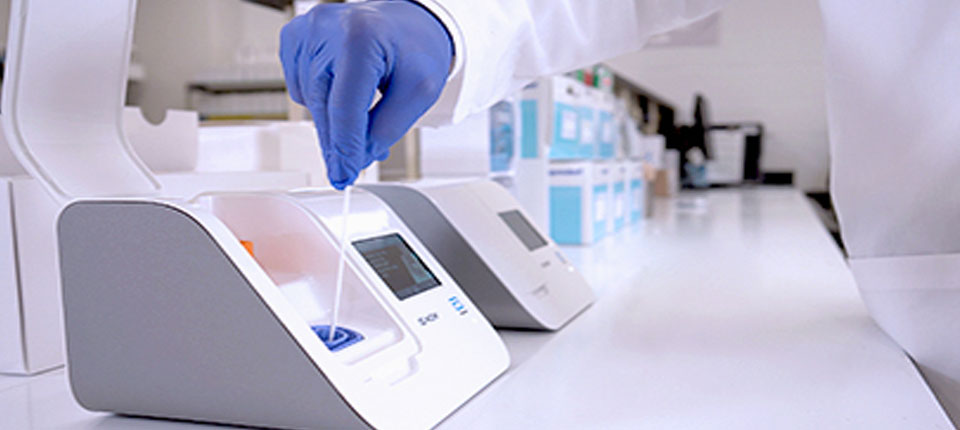
    HEALTH AI ACADEMY: In partnership with KPMG and Signal 1, Unity Health has created a national training initiative funded by the DIGITAL Supercluster. This program trains health professionals from across Canada on AI and advanced analytics, deepening understanding of AI development, procurement, and implementation among Canadian health system leaders.

    SCALE AI MONTREAL: CATALYZING NATIONAL HEALTHCARE INNOVATION

    Montreal’s Scale AI has emerged as a critical catalyst for healthcare AI innovation across Canada, working with hospitals nationwide to test and implement new AI applications. This initiative represents the collaborative spirit that characterizes Canada’s approach to healthcare AI development.

    Multi-Hospital Collaboration: Scale AI facilitates partnerships between technology developers and healthcare institutions across Canada, enabling rapid testing and deployment of innovative AI solutions. These collaborations help ensure that successful innovations can be scaled nationally rather than remaining isolated to individual institutions.

    Research Translation: The organization serves as a bridge between academic research and practical clinical applications, helping to translate cutting-edge AI research from Canadian universities into tools that directly benefit patient care.

    PROVINCIAL LEADERSHIP AND INNOVATION

    ONTARIO’S HEALTHCARE AI ECOSYSTEM: Ontario has established itself as Canada’s healthcare AI hub, with numerous hospitals, research institutions, and technology companies collaborating on groundbreaking initiatives. The province’s investment in AI research and development has created a thriving ecosystem that benefits healthcare providers across Canada.

    QUEBEC’S AI FOR HEALTH INITIATIVE: Quebec, home to Mila (one of the world’s leading AI research institutes), has developed comprehensive strategies for integrating AI into healthcare delivery. The province’s bilingual healthcare system provides unique opportunities for developing AI solutions that can serve diverse populations.

    BRITISH COLUMBIA’S DIGITAL HEALTH STRATEGY: British Columbia has implemented innovative cloud-based healthcare platforms that serve as models for other provinces. The province’s focus on interoperability and patient-centered design has created scalable solutions for healthcare AI implementation.

    REVOLUTIONARY AI APPLICATIONS IN CANADIAN HEALTHCARE

    LIFE-SAVING EARLY WARNING SYSTEMS

    One of the most dramatic demonstrations of AI’s potential in Canadian healthcare comes from recent research showing that AI-powered early warning systems can reduce unexpected hospital deaths by 26%. This groundbreaking finding, from a comprehensive Canadian study, illustrates the life-saving potential of properly implemented medical AI systems.

    AI-powered healthcare applications transforming patient care across Canadian hospitals Celestial Systems

    Predictive Analytics for Patient Safety: These AI systems can monitor hundreds of patient variables simultaneously—including lab results, vital signs, medication responses, and clinical observations—to identify patients at risk of deterioration before traditional warning signs become apparent. This capability represents a fundamental shift from reactive to proactive healthcare.

    Real-Time Clinical Decision Support: AI algorithms provide healthcare professionals with real-time insights and recommendations, enabling faster and more accurate clinical decision-making. These systems serve as intelligent assistants that augment human expertise rather than replacing it.

    Population Health Management: Advanced analytics platforms can identify trends across large patient populations, enabling healthcare systems to implement targeted interventions that improve outcomes while reducing costs.

    Swift Medical: Digital Wound Management Revolution

    Swift Medical, a Canadian healthcare technology company, exemplifies how AI can transform specific aspects of clinical care while generating measurable improvements in patient outcomes. The company’s AI-powered digital wound management platform demonstrates the practical benefits of medical cloud AI implementation.

    Computer Vision and Machine Learning: Swift Medical’s platform combines mobile devices with AI-powered computer vision and machine learning algorithms to assist healthcare professionals in accurately documenting, measuring, and monitoring wounds. This technology transforms subjective assessments into objective, quantifiable data that supports evidence-based treatment decisions.

    Measurable Clinical Outcomes: The company reports impressive results from its AI implementation:

    • 14% reduction in wound-related hospitalizations
    • 7% decrease in wound-related emergency visits
    • 62% reduction in length of stay for wound-related admissions

    These outcomes demonstrate how targeted AI applications can generate significant improvements in both patient care and healthcare system efficiency.

    Cloud-Based Care Coordination: The platform’s cloud-based architecture enables seamless care coordination between different healthcare providers, ensuring continuity of care as patients move between different care settings.

    ADVANCED MEDICAL IMAGING AND DIAGNOSTICS

    Canada’s leadership in medical imaging AI reflects the country’s commitment to leveraging technology for improved diagnostic accuracy and efficiency.

    ADVANCED MEDICAL IMAGING AND DIAGNOSTICS
    ADVANCED MEDICAL IMAGING AND DIAGNOSTICS

    Advanced AI-powered medical imaging systems enhancing diagnostic capabilities in Canadian healthcare Celestial Systems

    CANADIAN ASSOCIATION OF RADIOLOGISTS AI INITIATIVE: The CAR has positioned medical imaging as uniquely suited to lead AI implementation in medicine, recognizing that imaging generates vast amounts of data that can be effectively analyzed by AI algorithms to improve diagnostic accuracy and speed.

    CORTECHS.AI HEALTH CANADA APPROVAL: This Canadian AI company has received Health Canada approval to expand sales of AI-powered imaging solutions across North America, demonstrating the regulatory pathway for AI medical devices in Canada and the country’s role in developing globally competitive healthcare AI solutions.

    SUBTLEHD MRI ENHANCEMENT: This breakthrough technology has gained Health Canada approval to support MRI efficiency improvements, addressing Canada’s urgent need for faster MRI access. The system delivers improved efficiency and image quality, helping to reduce the lengthy wait times that characterize Canadian medical imaging.

    UNIVERSITY OF WATERLOO AI RESEARCH: Canadian universities are conducting cutting-edge research in medical imaging AI, with researchers developing new approaches to improve diagnostic accuracy while reducing the data requirements for AI model training.

    CLOUD COMPUTING INFRASTRUCTURE AND PLATFORMS

    GOVERNMENT CLOUD SERVICES STRATEGY

    Canada’s approach to cloud computing in healthcare is guided by comprehensive strategies that balance innovation with security and privacy requirements. The government’s Application Hosting Strategy provides direction for departments and agencies to evaluate cloud hosting solutions while maintaining strict security standards.

    GOVERNMENT CLOUD SERVICES STRATEGY
    GOVERNMENT CLOUD SERVICES STRATEGY

    Advanced cloud computing infrastructure supporting healthcare AI applications across Canada Daffodil Software

    PRIVACY AND SECURITY FRAMEWORK: Canadian healthcare cloud implementations must comply with strict privacy regulations, including provincial health information protection acts and federal privacy legislation. This regulatory framework ensures that patient data remains secure while enabling the data sharing necessary for AI development and deployment.

    INTEROPERABILITY STANDARDS: Canada’s federal structure requires cloud platforms that can operate across provincial boundaries while respecting local governance requirements. This has led to the development of innovative interoperability solutions that serve as models for other federated healthcare systems.

    INDIGENOUS HEALTH CONSIDERATIONS: Canada’s commitment to reconciliation with Indigenous peoples includes ensuring that AI and cloud technologies serve Indigenous communities effectively while respecting traditional knowledge and cultural values.

    PROVINCIAL CLOUD PLATFORMS AND DIGITAL HEALTH NETWORKS

    ONTARIO HEALTH’S DIGITAL INFRASTRUCTURE: Ontario has developed comprehensive digital health networks that integrate cloud computing with AI capabilities to transform patient care. These platforms enable seamless information sharing between healthcare providers while maintaining patient privacy and security.

    CANADA HEALTH INFOWAY: This national organization has played a crucial role in developing standards and infrastructure for digital health across Canada. Their work on cloud computing frameworks has enabled provincial health systems to adopt AI technologies more effectively.

    DIGITAL HEALTH CANADA: This national association provides leadership and guidance on digital health adoption, including cloud computing and AI implementation. Their competency requirements and best practice guidelines help ensure successful technology adoption across the healthcare system.

    CANADIAN MEDICAL AI STARTUPS AND INNOVATION ECOSYSTEM

    LEADING AI HEALTHCARE COMPANIES

    Canada’s vibrant healthcare AI startup ecosystem includes numerous companies that are developing innovative solutions for both domestic and international markets.

    AI HEALTHCARE COMPANIES
    AI HEALTHCARE COMPANIES

    Canada’s AI-powered healthcare innovation ecosystem driving medical technology advancement Digital Technology Supercluster

    ABCELLERA: This Vancouver-based biotechnology company uses AI to discover antibody-based medicines, representing Canada’s leadership in AI-powered drug discovery. The company’s platform can search through millions of immune cells to identify optimal therapeutic antibodies.

    DEEP GENOMICS: Toronto-based Deep Genomics uses AI to understand how genetic variations cause disease and to develop new medicines. The company’s approach combines machine learning with biological insights to accelerate drug discovery and development.

    BLUEDOT: This Toronto-based company gained international recognition for its AI-powered infectious disease surveillance platform, which identified the COVID-19 outbreak before traditional surveillance systems. Their work demonstrates the potential for AI to enhance public health responses.

    CLARIUS: This Vancouver company has developed AI-powered portable ultrasound systems that bring advanced imaging capabilities to remote and resource-limited settings. Their cloud-connected devices enable expert consultation regardless of location.

    BENCHSCI: This Toronto-based company uses AI to accelerate biomedical research by helping scientists find the most relevant experiments and reagents for their research. Their platform has been adopted by leading pharmaceutical companies and research institutions worldwide.

    HEALWELL AI: This Canadian company has developed AI-powered clinical co-pilots that enhance preventative healthcare and improve patient outcomes. Their solutions focus on identifying patients at risk and supporting proactive interventions.

    INNOVATION FUNDING AND SUPPORT

    DIGITAL Technology Supercluster: This national initiative has announced CAD $26 million in AI-powered projects to drive innovation in Canadian healthcare. These investments support collaborative projects between technology companies, healthcare institutions, and research organizations.

    Canadian Cancer Society Funding: Organizations like the CCS are funding AI-powered medical imaging tools, such as Dr. April Khademi’s work using AI to help pathologists make more accurate and faster cancer diagnoses.

    Venture Capital Investment: AI healthcare ventures in Ontario alone saw venture capital investment increase by 206% between 2020-2021 and 2021-2022, demonstrating strong investor confidence in Canadian healthcare AI innovation.

    FEDERAL AND PROVINCIAL REGULATORY FRAMEWORK

    HEALTH CANADA’S AI DEVICE APPROVAL PROCESS

    Health Canada has established comprehensive frameworks for evaluating and approving AI-powered medical devices, positioning the country as a leader in AI healthcare regulation.

    Software as Medical Device (SaMD) Guidelines: Health Canada has developed specific guidelines for evaluating AI-powered medical software, ensuring that these tools meet rigorous safety and efficacy standards before deployment in clinical settings.

    Collaborative International Approach: Canada works closely with the FDA and other international regulators to harmonize AI medical device approval processes, facilitating the development of globally applicable AI healthcare solutions.

    Post-Market Surveillance: Canadian regulations include provisions for ongoing monitoring of AI medical devices after approval, ensuring that these systems continue to perform safely and effectively as they are deployed more widely.

    PRIVACY AND DATA GOVERNANCE

    Personal Health Information Protection: Each Canadian province has comprehensive legislation protecting personal health information, creating a robust framework for AI development that respects patient privacy while enabling innovation.

    Indigenous Data Sovereignty: Canada’s approach to healthcare AI includes recognition of Indigenous data sovereignty, ensuring that Indigenous communities maintain control over health data that affects their populations.

    Cross-Border Data Transfer: Canadian regulations address the complexities of cross-border data transfer for AI development while maintaining high privacy standards, enabling participation in international research collaborations.

    ADDRESSING HEALTHCARE SYSTEM CHALLENGES THROUGH AI

    REDUCING WAIT TIMES AND IMPROVING ACCESS

    One of the most significant opportunities for AI in Canadian healthcare lies in addressing the lengthy wait times that characterize many aspects of the system.

    REDUCING WAIT TIMES AND IMPROVING ACCESS
    REDUCING WAIT TIMES AND IMPROVING ACCESS

    Digital transformation initiatives improving healthcare access and reducing wait times across Canada Health Insight

    Predictive Scheduling and Resource Allocation: AI algorithms can analyze historical patterns, seasonal variations, and current capacity to optimize scheduling and resource allocation, reducing wait times for diagnostic imaging, surgical procedures, and specialist consultations.

    Telemedicine and Remote Care: Cloud-based AI platforms enable sophisticated telemedicine applications that can provide specialist expertise to remote communities, reducing the need for patients to travel long distances for care.

    Emergency Department Optimization: AI-powered triage systems can help emergency departments prioritize cases more effectively, ensuring that the most urgent cases receive immediate attention while optimizing resource utilization.

    SUPPORTING RURAL AND REMOTE COMMUNITIES

    Canada’s vast geography creates unique challenges in healthcare delivery, particularly for rural and remote communities. AI and cloud computing offer unprecedented opportunities to address these disparities.

    Remote Diagnostic Capabilities: AI-powered diagnostic tools can provide sophisticated analysis capabilities in remote locations, enabling local healthcare providers to access expert-level diagnostic support without requiring patient transfer to urban centers.

    Indigenous Health Services: AI applications are being developed specifically to support Indigenous health services, taking into account cultural considerations and the unique health challenges faced by Indigenous communities.

    Northern and Arctic Healthcare: Special attention is being paid to developing AI solutions that can operate effectively in Canada’s northern regions, where internet connectivity and infrastructure limitations require innovative approaches.

    FUTURE DIRECTIONS AND EMERGING TECHNOLOGIES

    GENERATIVE AI IN HEALTHCARE

    The emergence of generative AI technologies like ChatGPT has opened new possibilities for healthcare applications that go beyond traditional machine learning approaches.

    Clinical Documentation: Generative AI shows particular promise for automating clinical documentation, potentially saving healthcare professionals significant time currently spent on administrative tasks. Early implementations suggest this technology could generate CAD $5 billion to CAD $9 billion in additional savings for the Canadian healthcare system.

    Patient Communication: AI-powered chatbots and virtual assistants are being developed to help patients navigate the healthcare system, manage chronic conditions, and maintain medication adherence.

    Medical Education: Generative AI applications are being explored for medical education, creating personalized learning experiences that adapt to individual learning styles and needs.

    QUANTUM COMPUTING APPLICATIONS

    Canadian researchers are exploring the potential applications of quantum computing in healthcare, particularly for complex optimization problems that exceed the capabilities of classical computers.

    Drug Discovery: Quantum algorithms could accelerate the discovery of new medications by enabling more sophisticated molecular modeling and drug-target interaction analysis.

    Genomics: Quantum computing may enable analysis of genomic data at unprecedented scales, supporting personalized medicine initiatives and population health research.

    Healthcare System Optimization: Complex scheduling and resource allocation problems in healthcare could potentially be solved more effectively using quantum algorithms.

    DIGITAL THERAPEUTICS AND PRECISION MEDICINE

    The convergence of AI, cloud computing, and digital therapeutics is creating new possibilities for personalized healthcare delivery.

    Personalized Treatment Plans: AI algorithms can analyze individual patient data to develop highly personalized treatment plans that consider genetic factors, lifestyle characteristics, and medical history.

    Digital Biomarkers: Continuous monitoring using wearable devices and mobile applications can provide new types of health data that AI systems can analyze to detect early signs of disease or treatment response.

    Precision Public Health: AI applications are being developed to support precision public health initiatives that can target interventions to specific populations based on risk factors and social determinants of health.

    COLLABORATIVE INNOVATION AND PARTNERSHIPS

    PUBLIC-PRIVATE PARTNERSHIPS

    Canada’s approach to healthcare AI development emphasizes collaboration between public healthcare systems and private technology companies.

    Collaborative partnerships between healthcare institutions and technology companies driving AI innovation in Canada Business & Industry Canada

    Alternative Financing and Procurement: Ontario’s AFP model has demonstrated success in healthcare infrastructure projects, potentially saving CAD $400 million compared to traditional procurement methods. Similar approaches are being explored for AI implementation projects.

    Technology Transfer: Canadian research institutions actively collaborate with private companies to commercialize healthcare AI innovations, ensuring that research breakthroughs translate into practical clinical applications.

    International Collaboration: Canadian healthcare AI initiatives increasingly involve international partnerships, enabling access to global expertise and markets while contributing to worldwide healthcare improvement.

    ACADEMIC-INDUSTRY COLLABORATION

    University Health Networks: Major Canadian universities maintain close relationships with healthcare systems, creating pathways for translating research into clinical practice.

    Collaborative Research Programs: Government funding supports collaborative research programs that bring together academic researchers, healthcare providers, and technology companies to address specific healthcare challenges.

    Student and Faculty Exchange: Programs that enable students and faculty to work directly with healthcare systems help ensure that AI research addresses real-world clinical needs.

    CHALLENGES AND RISK MANAGEMENT

    TECHNICAL AND IMPLEMENTATION CHALLENGES

    Data Quality and Standardization: Ensuring high-quality, standardized data across different healthcare systems remains a significant challenge for AI implementation. Canadian initiatives are working to develop common standards and data governance frameworks.

    Algorithm Bias and Fairness: Addressing potential bias in AI algorithms is crucial for ensuring equitable healthcare outcomes across Canada’s diverse population. Research programs are specifically focused on identifying and mitigating bias in healthcare AI applications.

    Integration with Existing Systems: Integrating AI tools with legacy healthcare IT systems requires careful planning and significant technical expertise. Canadian healthcare systems are developing best practices for successful AI integration.

    Workforce Development and Training

    Digital Literacy: Ensuring that healthcare professionals have the digital literacy skills necessary to work effectively with AI tools requires comprehensive training programs. The Health AI Academy and similar initiatives are addressing this need.

    Change Management: Successful AI implementation requires effective change management strategies that help healthcare professionals adapt to new ways of working while maintaining patient safety and care quality.

    Recruitment and Retention: Competing with technology companies for AI talent requires healthcare systems to develop attractive career paths and compensation packages for data scientists and AI specialists.

    CONCLUSION: CANADA’S PATH FORWARD IN MEDICAL CLOUD AI

    Canada’s journey toward comprehensive integration of medical cloud AI in healthcare represents one of the most ambitious and promising healthcare transformation initiatives globally. The combination of universal healthcare coverage, strong research institutions, collaborative governance structures, and significant government investment creates an ideal environment for successful AI implementation at scale.

    CANADA'S PATH FORWARD IN MEDICAL CLOUD AI
    CANADA’S PATH FORWARD IN MEDICAL CLOUD AI

    Canada’s comprehensive approach to digital transformation in healthcare through AI and cloud technologies University of Waterloo

    The potential benefits are transformative: CAD $14-26 billion in annual healthcare savings, dramatically reduced wait times, improved access to care for rural and remote communities, and enhanced quality of life for millions of Canadians. The early successes demonstrated by organizations like Unity Health Toronto, the measurable improvements achieved by companies like Swift Medical, and the life-saving potential of AI early warning systems provide compelling evidence that these benefits are achievable.

    However, realizing this potential requires continued commitment to collaboration, investment in infrastructure and workforce development, and careful attention to risk management and ethical considerations. Canada’s federal structure presents both challenges and opportunities—requiring coordination across multiple jurisdictions while enabling diverse approaches that can be tested and refined before broader implementation.

    The path forward demands sustained leadership from government, healthcare institutions, technology companies, and research organizations. It requires continued investment in AI research and development, comprehensive training programs for healthcare professionals, and robust regulatory frameworks that ensure patient safety while enabling innovation.

    Most importantly, Canada’s approach to medical cloud AI must remain firmly grounded in the values that define the country’s healthcare system: universality, accessibility, comprehensiveness, portability, and public administration. AI technologies must enhance these principles rather than undermining them, ensuring that all Canadians benefit from the healthcare improvements that these technologies can deliver.

    As Canada continues to pioneer the integration of AI and cloud computing in healthcare, the innovations developed and lessons learned will influence healthcare transformation efforts worldwide. The country’s commitment to collaborative innovation, ethical AI development, and patient-centered care positions it to serve as a global model for how healthcare systems can successfully harness the power of artificial intelligence to improve human health and well-being.

    The medical cloud AI revolution in Canada is not just about adopting new technologies—it represents a fundamental reimagining of healthcare delivery that promises to make high-quality care more accessible, efficient, and effective for all Canadians while contributing to global advances in healthcare innovation.


    MEDICAL CLOUD AI IN USA

    MEDICAL CLOUD AI IN CHINA

    APPLICATION FOR YOUR AUTOCLAVE